


School and District Partners
Elementary social studies built on inquiry
Welcome partners! Start here to learn how Inquiry Journeys works and how you can get started.
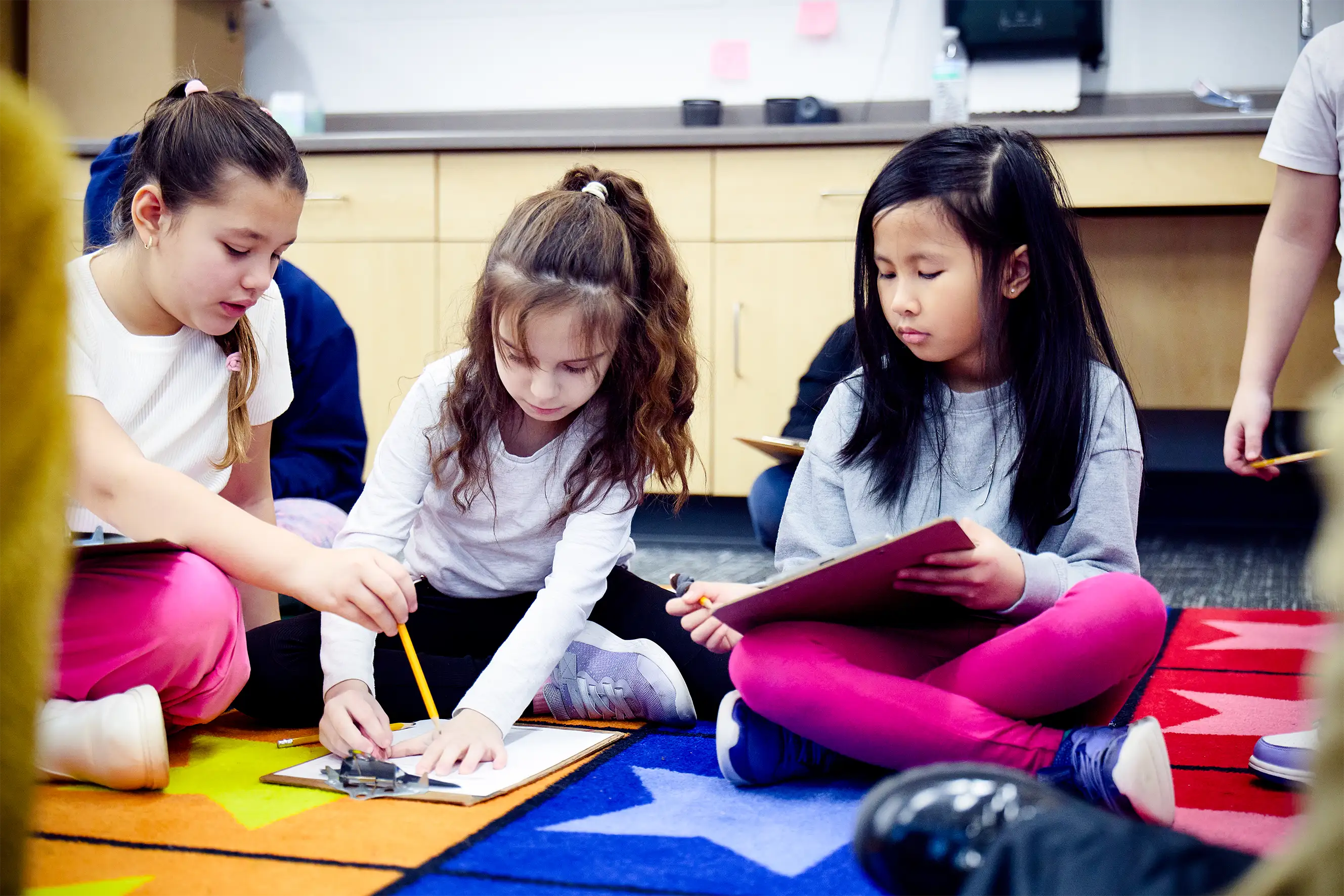
"Our students are falling in love with social studies."
Projects, discussions, and activities make learning active and meaningful.

Kinder
3rd Grade
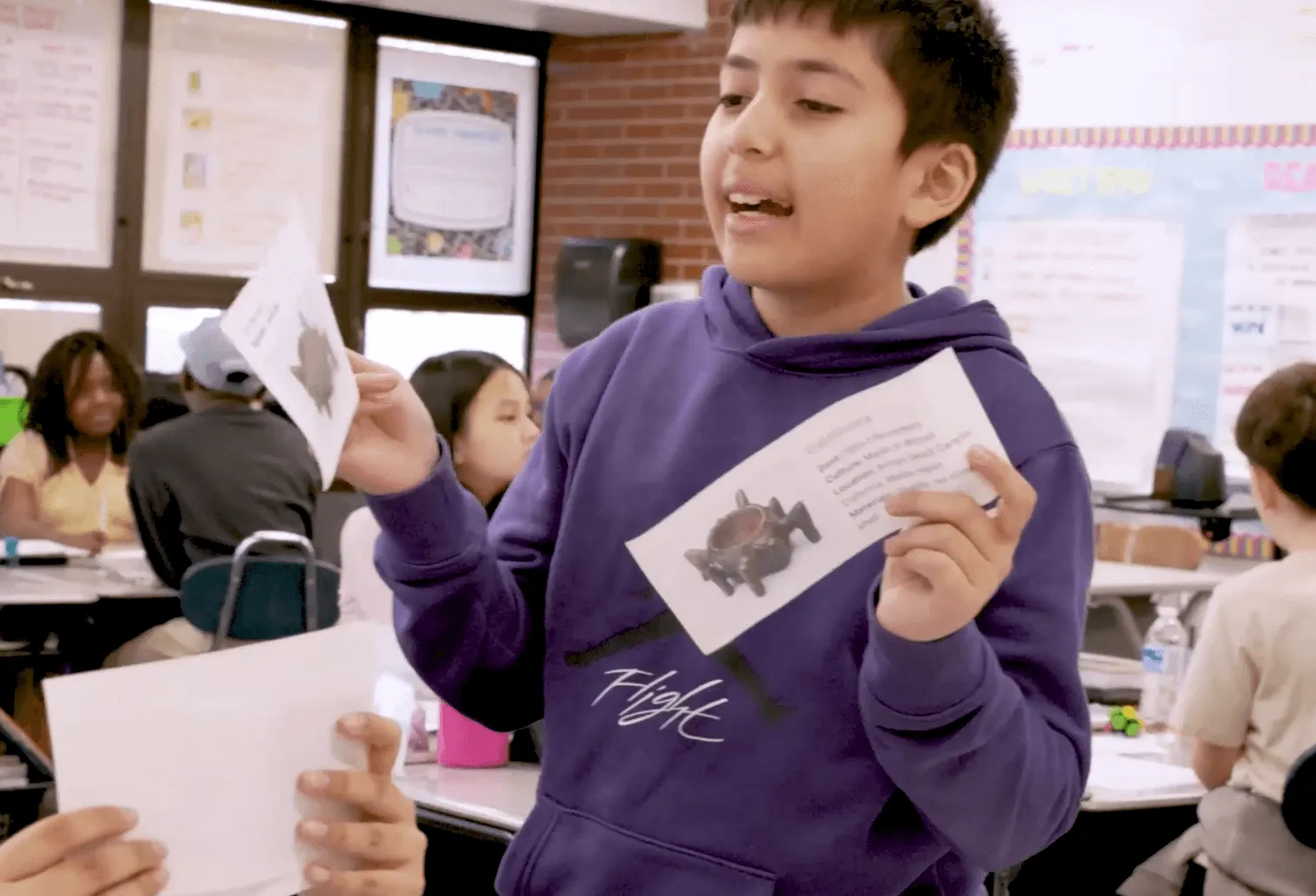
5th Grade
Getting Started: Click-Through Tour
This short, guided tour walks you through key features of the curriculum and what teachers experience inside a lesson.
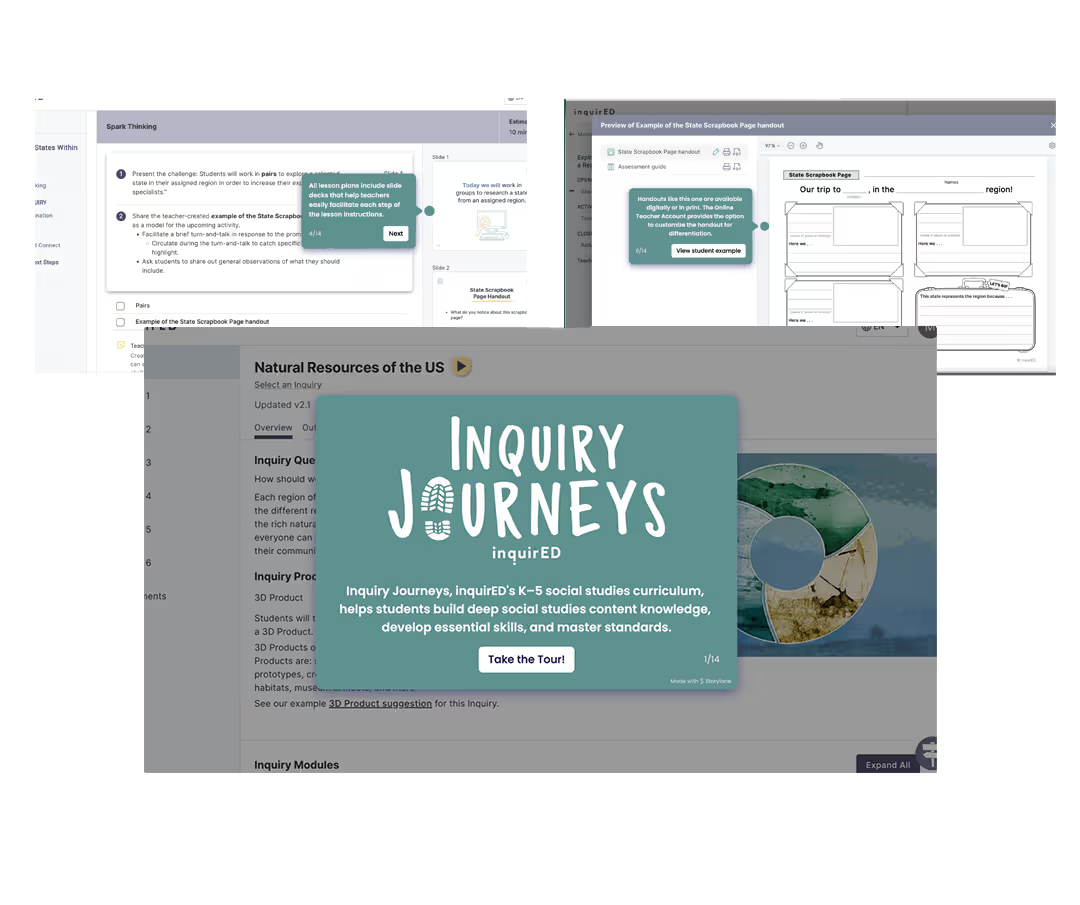
Getting started with Inquiry Journeys
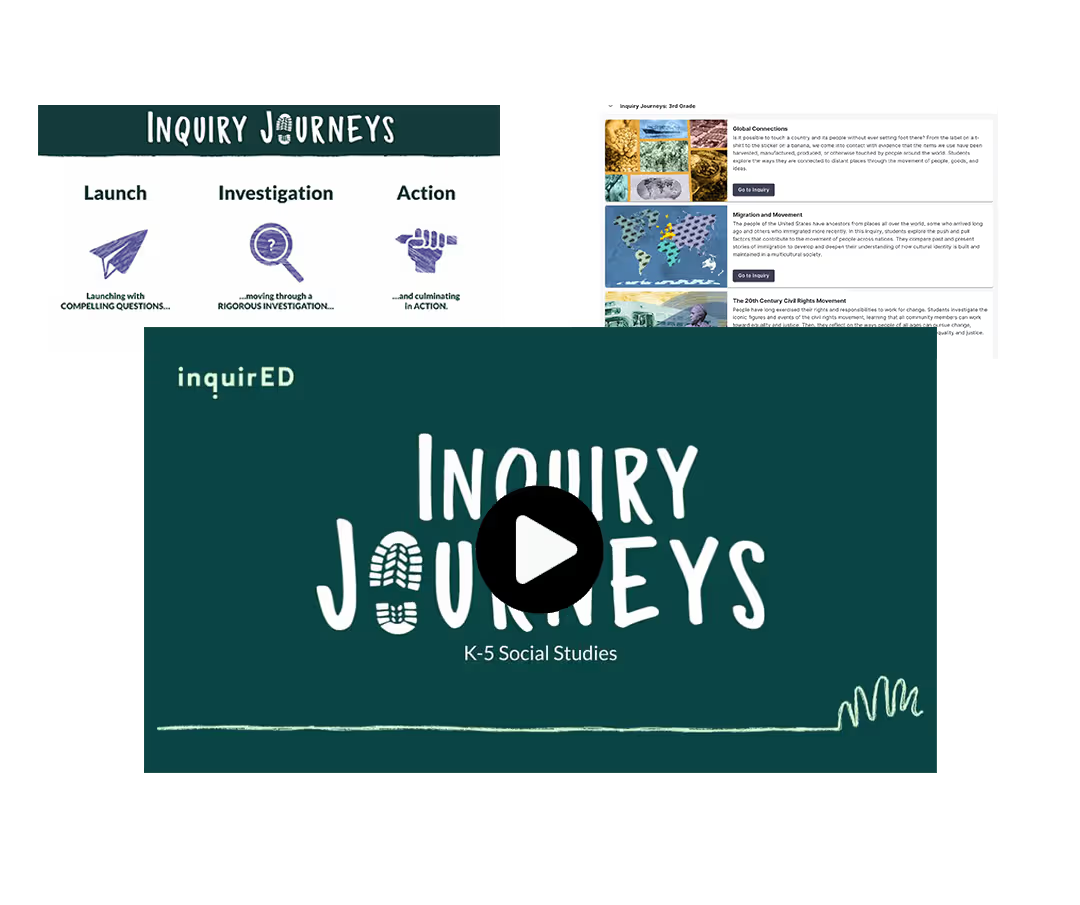
Ready to dive in? Explore a quick walkthrough tour, a short video introduction, and our Inquiry Work Gallery to see Inquiry Journeys in action.
Explore the Inquiry Work Gallery
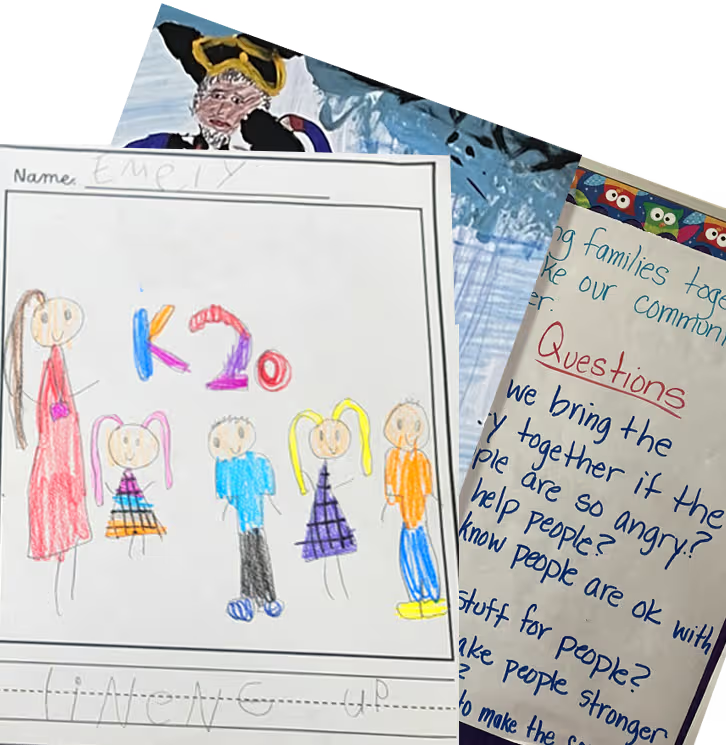
Explore examples of student work straight from the classroom!
The Inquiry Work Gallery invites teachers to step inside real Inquiry Journeys classrooms and see what students create when inquiry comes to life.
Getting Started: Navigation Video
Watch a short navigation video! Let us walk you through from logging in to exploring your first lesson.
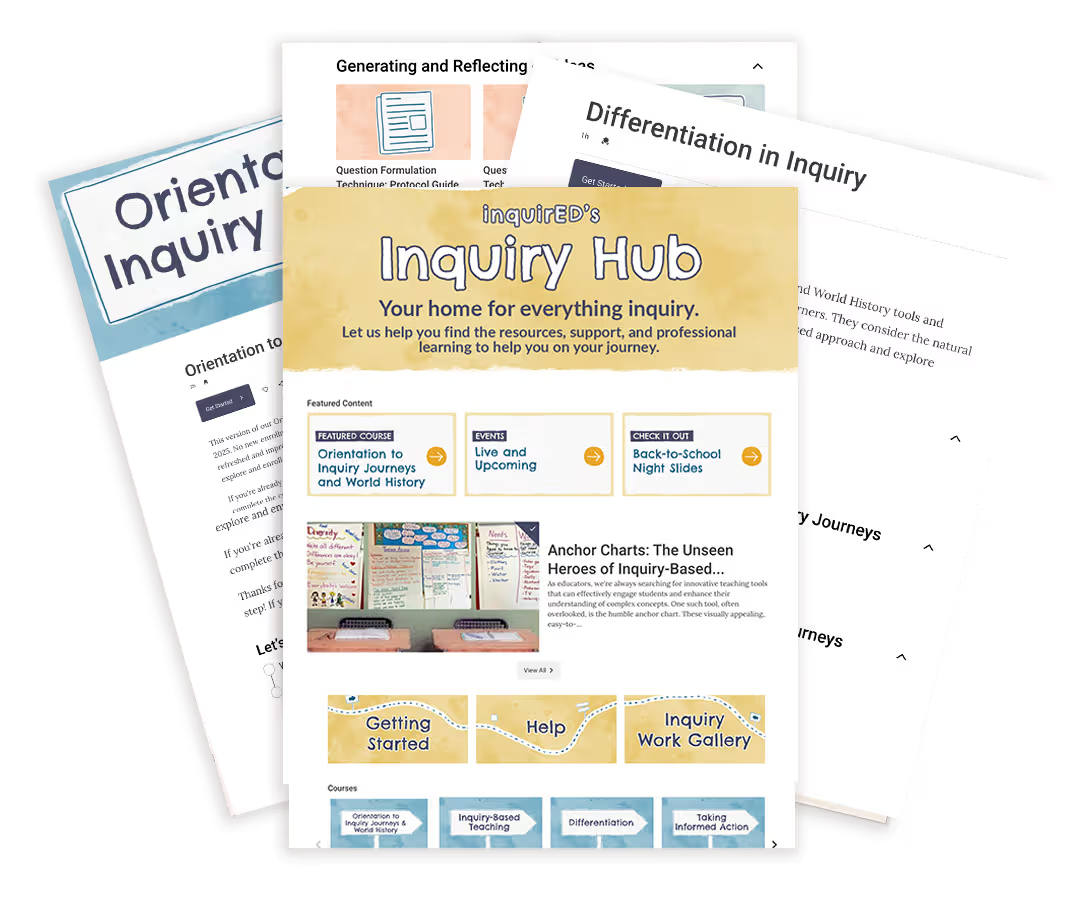
Get the support you need in the Inquiry Hub.
Get quick, practical guidance to help you teach with confidence every day.
- Step-by-step help articles that walk you through planning, teaching, and assessing lessons
- Tips for differentiation, pacing, and customization so you can adapt instruction to your classroom
- Answers to common questions about printing, standards alignment, and navigating the platform
What do we mean by inquiry-based social studies?
Instead of just memorizing facts from a textbook, students investigate social studies topics by investigating a big question. All units across grade levels follow the same journey.
Let’s imagine you’re teaching the Meeting Needs and Wants Inquiry unit to a class of 2nd-grade students.
You’d begin with the Launch Module, guiding students through lessons that hook them into the unit and spark their curiosity. This is also where you introduce the class Inquiry Wall. In this unit, it's the “Community Model Inquiry Wall,” a growing display you and your students build together as you learn how people and places meet a community’s needs and wants.
During the Launch, you also introduce the big question that drives the entire Meeting Needs and Wants unit: How can we work together to meet community needs and wants?
From there, you move into the four Investigation Modules. Each one offers engaging lessons that invite students to explore sources, talk through ideas, and use evidence to build understanding. In this unit, you’ll help students play a game about economic choices, set savings goals, and examine real examples of how communities support one another.
Finally, in the Action Module, students take what they’ve learned and apply it to their own world. With your guidance, they design a project that helps address a real need or want in their classroom or school community.
Watch the video below for examples of what students might do!

question
Inquiry starts with a big question…
Questions are complex, connecting to students' prior knowledge and driving learning.

investigation
...moves through a rigorous investigation…
Inquiry isn't about filling in blanks on a worksheet. It requires research and critical thinking.

action
...and concludes when students transfer their learning to the real world.
Students apply their learning, creating solutions that affect the world.
See inquiry in action in the Meeting Needs and Wants unit.
Each unit of Inquiry Journeys has an Inquiry at a Glance video that walks you through the the main story and activies of the unit.
Watch the video and look for:
- How the Inquiry Question guides student learning from start to finish
- Key lessons and activities that build knowledge and skills
- Opportunities for students to take informed action and connect learning to their community

Practical voices
Elementary social studies that leaders love
Katie
Kindergarten Teacher
Anna
5th Grade Teacher
Paul
4th Grade Teacher
Contact us
Contact sales
