
Meet the 2026 Inquiry Work Contest winners
Teachers across the country shared inquiry work from their classrooms this fall, from anchor charts and student work to classroom video. Thank you to every teacher who entered. These are the classrooms that stood out.
Students doing the thinking
Entries were scored on how clearly the work shows students investigating a question, building evidence and sharing their own thinking.
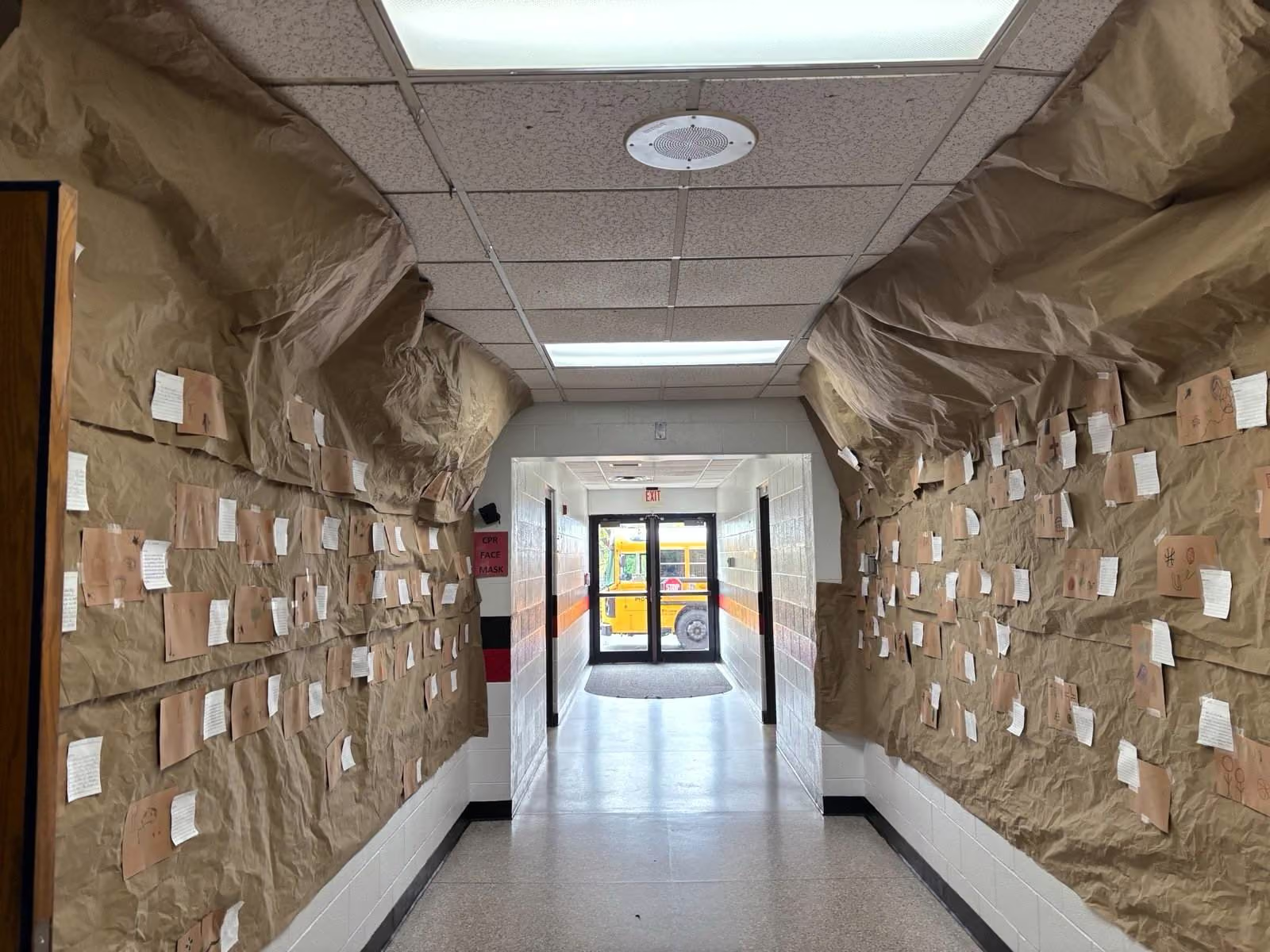
Telling the story of 6th grade through cave art
The Human Story
After studying early humans and the stories artifacts can tell, 6th graders created their own Paleolithic cave art. Using four symbols and no words, each student answered the question "What story would you tell?" Then they switched roles, analyzed the art as archaeologists and wrote museum placards to explain it. The finished pieces came together on a simulated cave wall that tells the story of 6th grade.
Sorting artifacts to uncover their stories
Native America
5th graders spent this inquiry investigating what artifacts can tell us and who they belong to. In the video, students work together to sort artifacts from Native American cultures into categories they came up with on their own, including materials, how items were used, time frame, tribe and how items were made. They then took a position on whether artifacts should be kept in museums or returned to their cultures of origin and wrote out their claims and reasoning, shown in the photo.
Interviewing the grown-ups who help our school
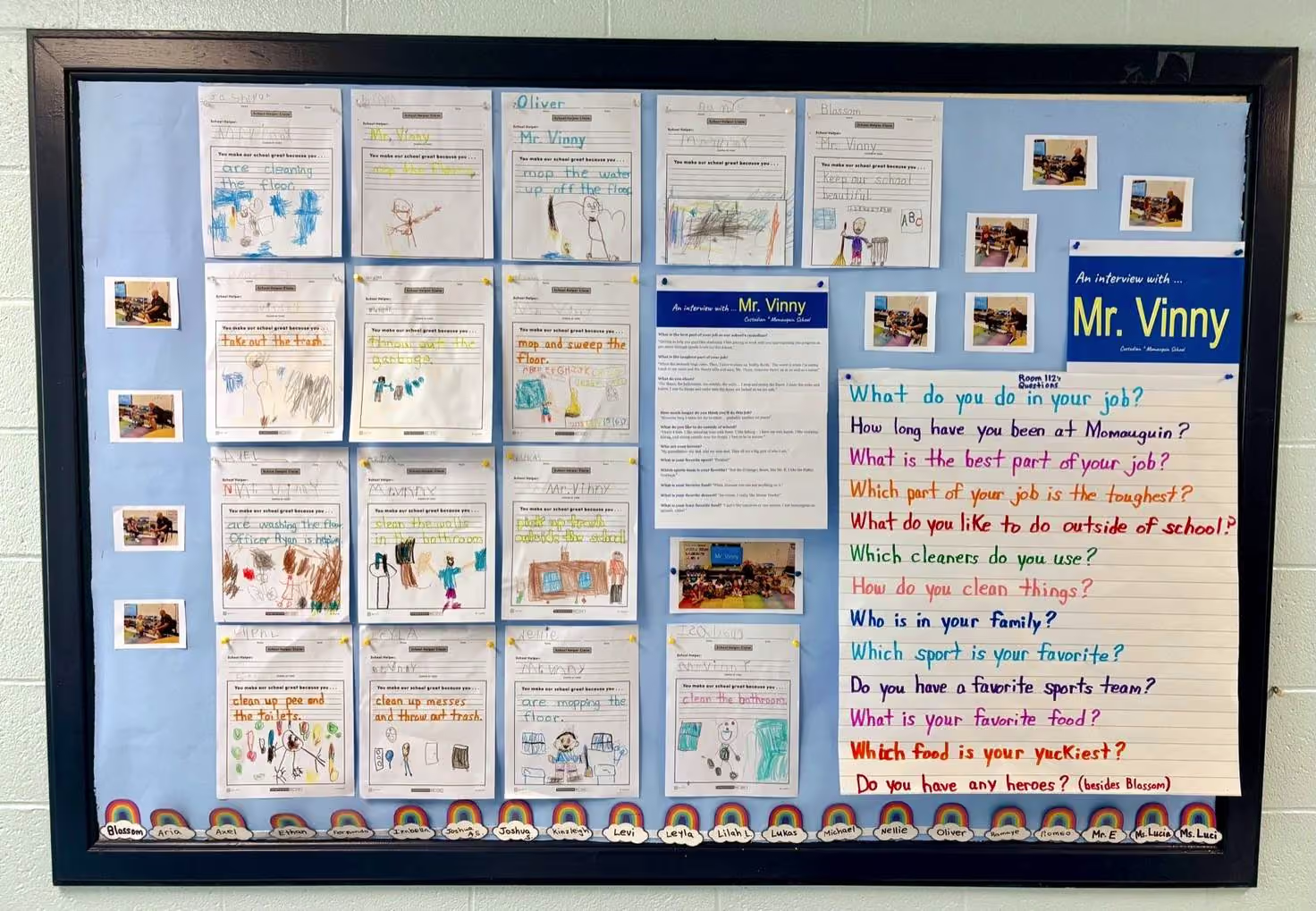
Navigating School
Kindergartners brainstormed the grown-ups who help at school and voted to interview their custodian. With teacher support, they wrote questions to learn about his role and his life outside of work, then illustrated and labeled what they learned.
A layer cake for a healthy democracy
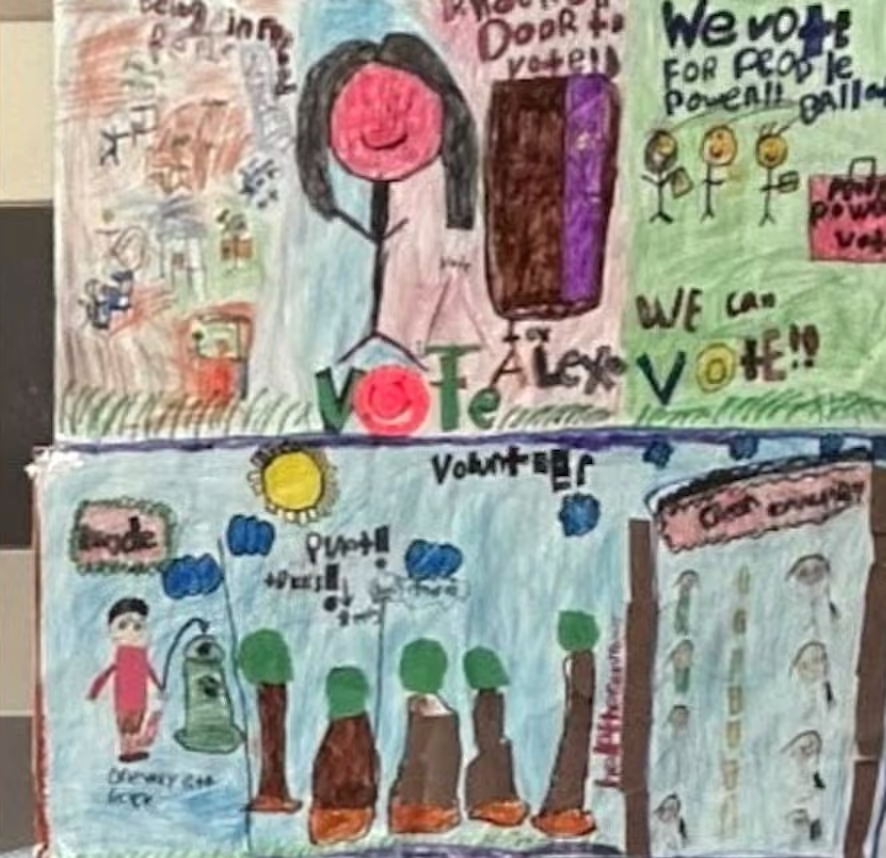
Rights and Responsibilities
3rd graders designed a layer cake to show their audience how people can take part in a democracy. They decided which layer should support the ones above it, from knowing how government works and using your rights to staying informed, volunteering and voting.
Comic strips on the Agricultural Revolution
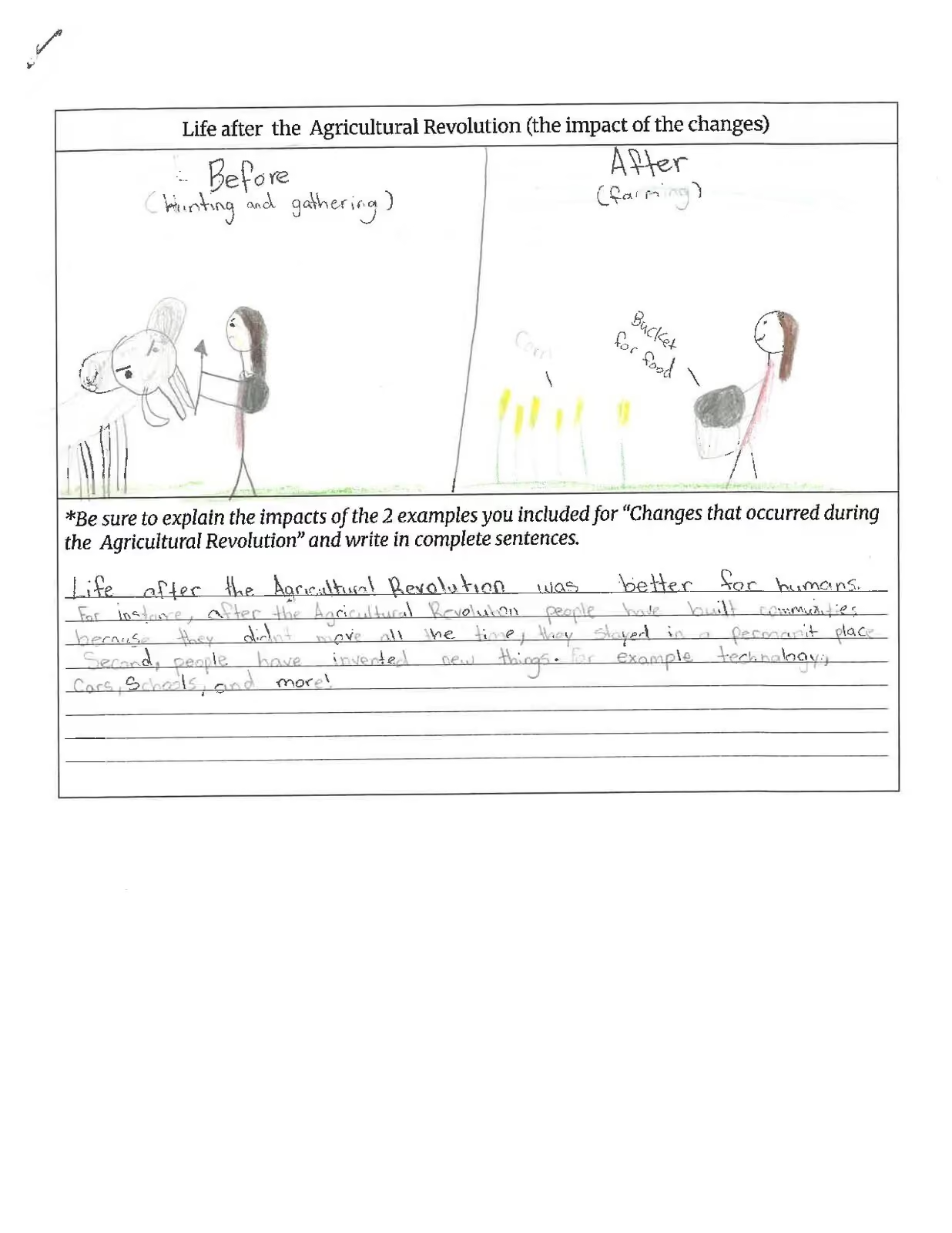
The Human Story
6th graders created two-part comic strips about the Agricultural Revolution. First, they illustrated the changes it brought, like farming in place of hunting and gathering and people taking on different jobs. Then they showed the impact on daily life and weighed the tradeoffs, such as a steadier food supply against crop failures and disease from domesticated animals.
More standout classrooms
These classrooms will also be featured in this year's showcase.
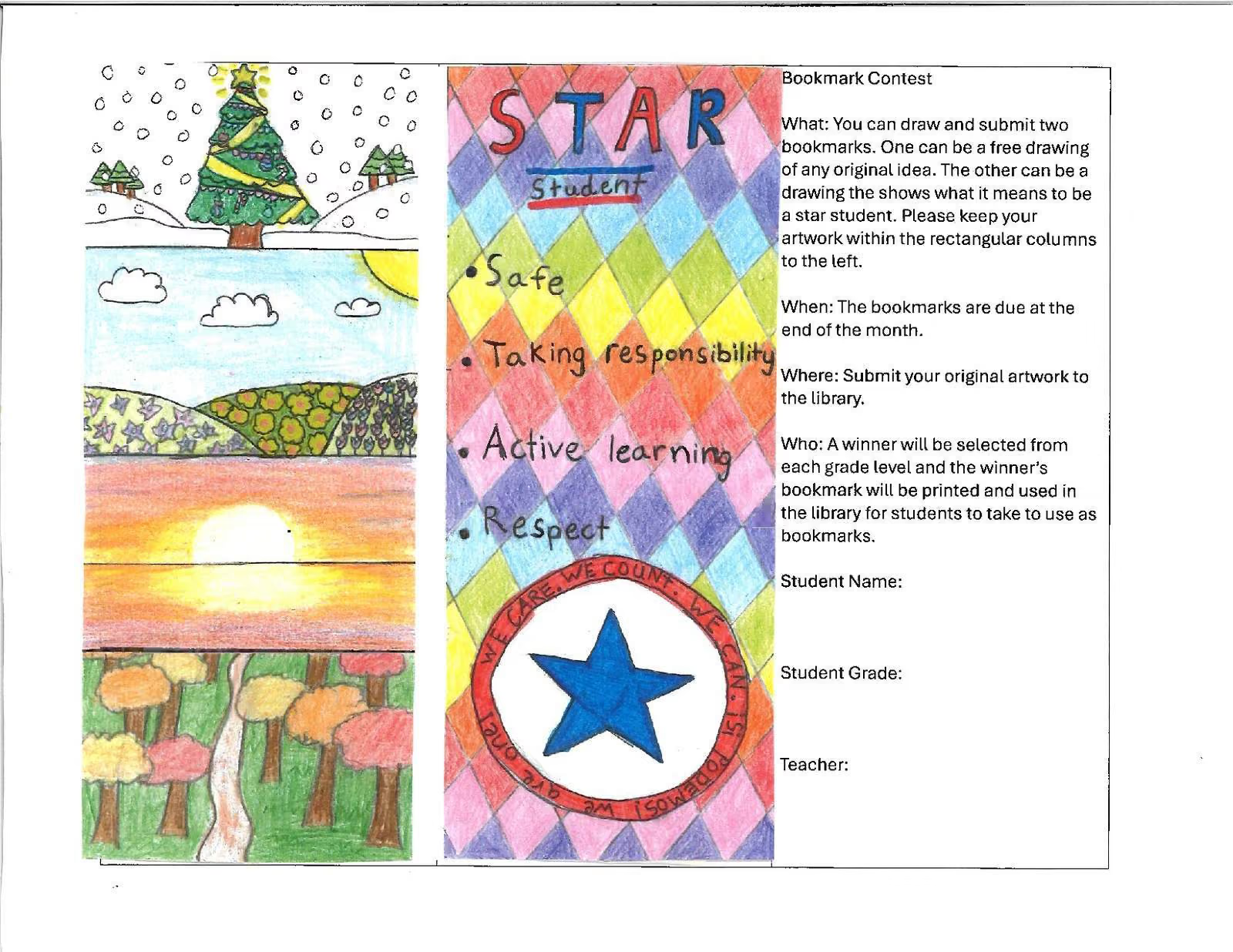
Star student bookmarks
My Team and Self
Students designed bookmarks about being a star student, and the winning designs are printed in color and handed out with library books.
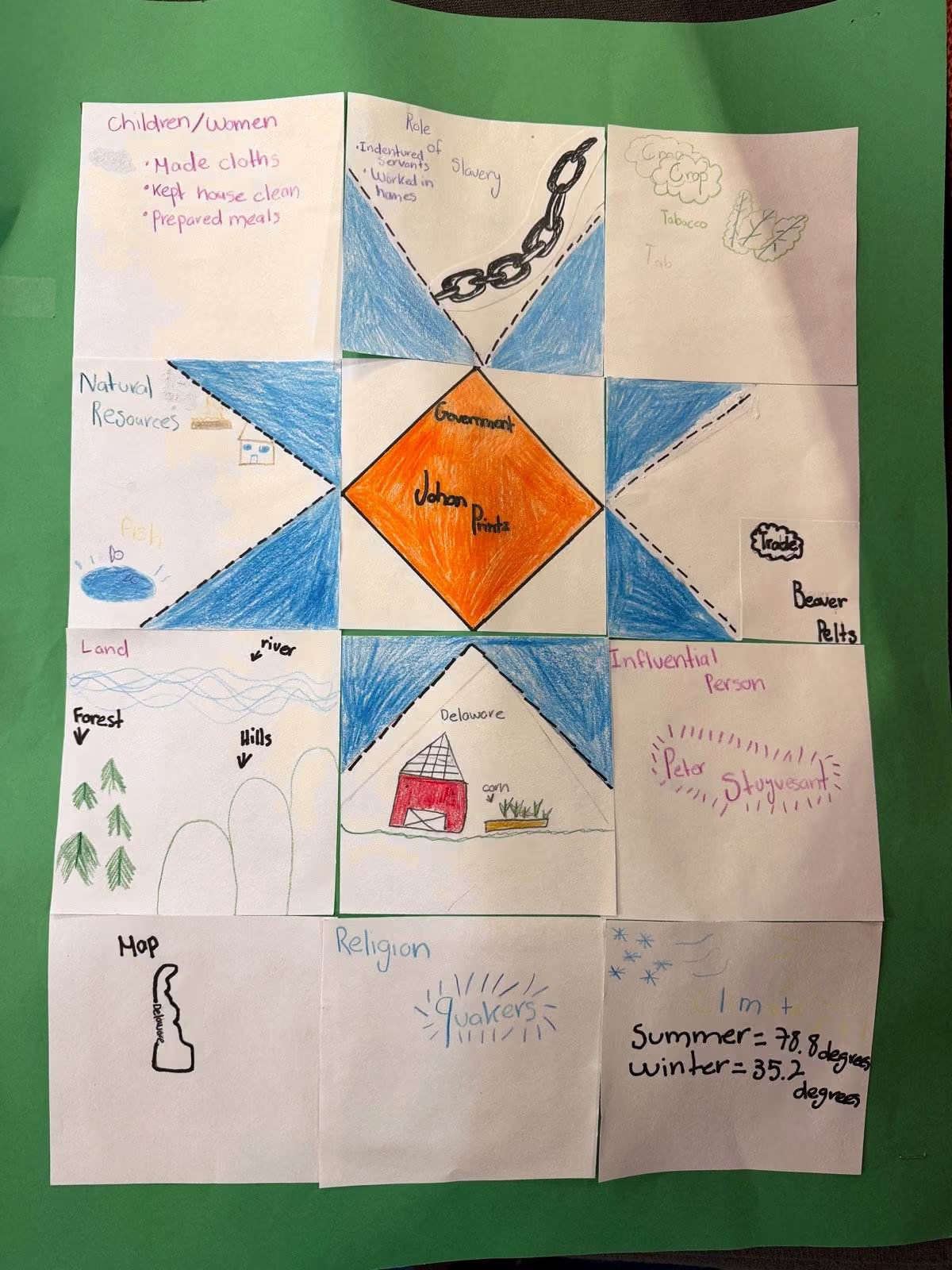
A colonial regions quilt
The Colonial Era
Students researched how culture, geography and economics shaped each colonial region, then designed quilt blocks based on historical regional patterns that came together as a bulletin-board-sized quilt.
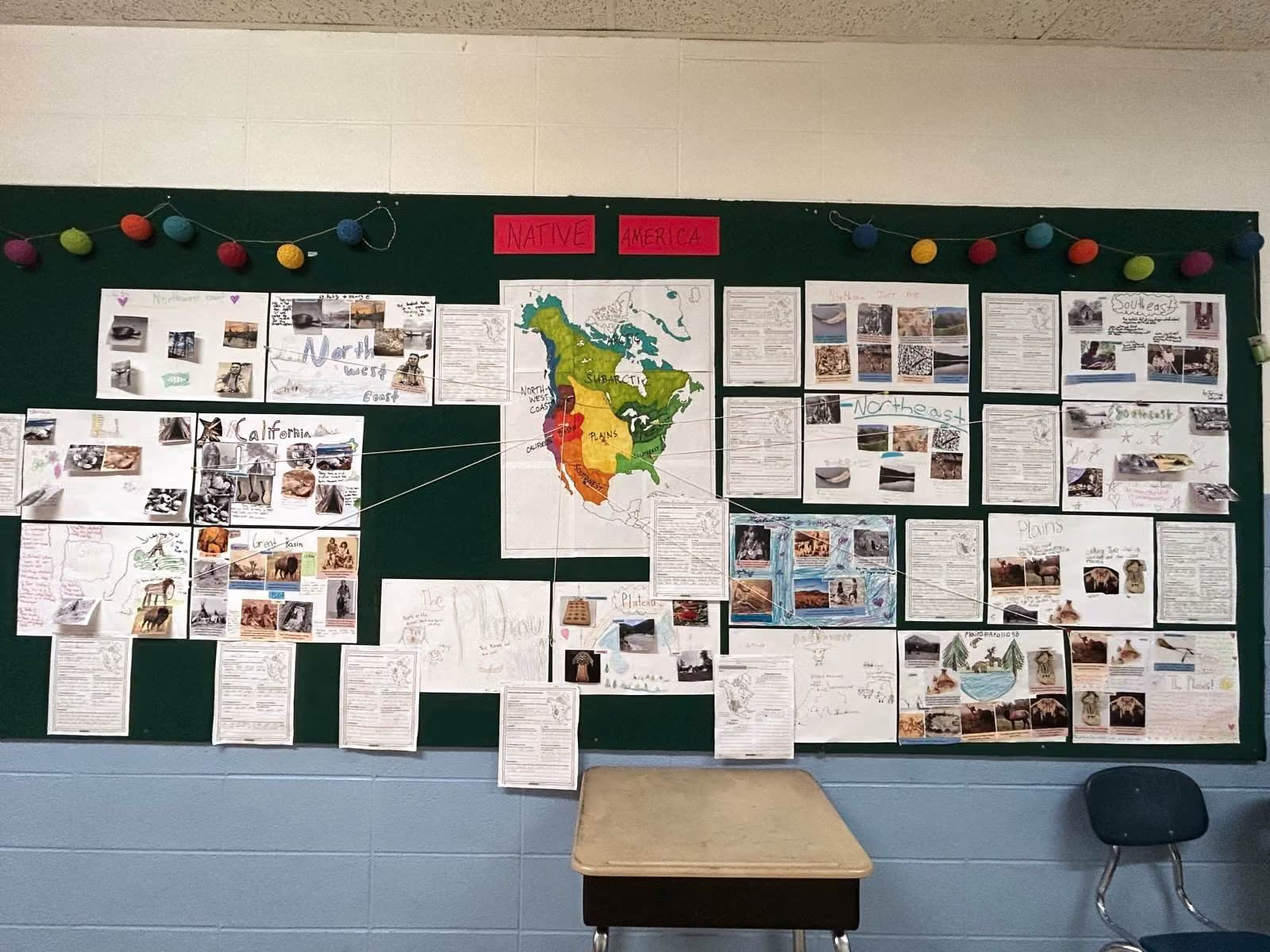
Native America inquiry wall
Native America
Students turned their research into large posters connected to each region on a hallway map that families explored during conferences.
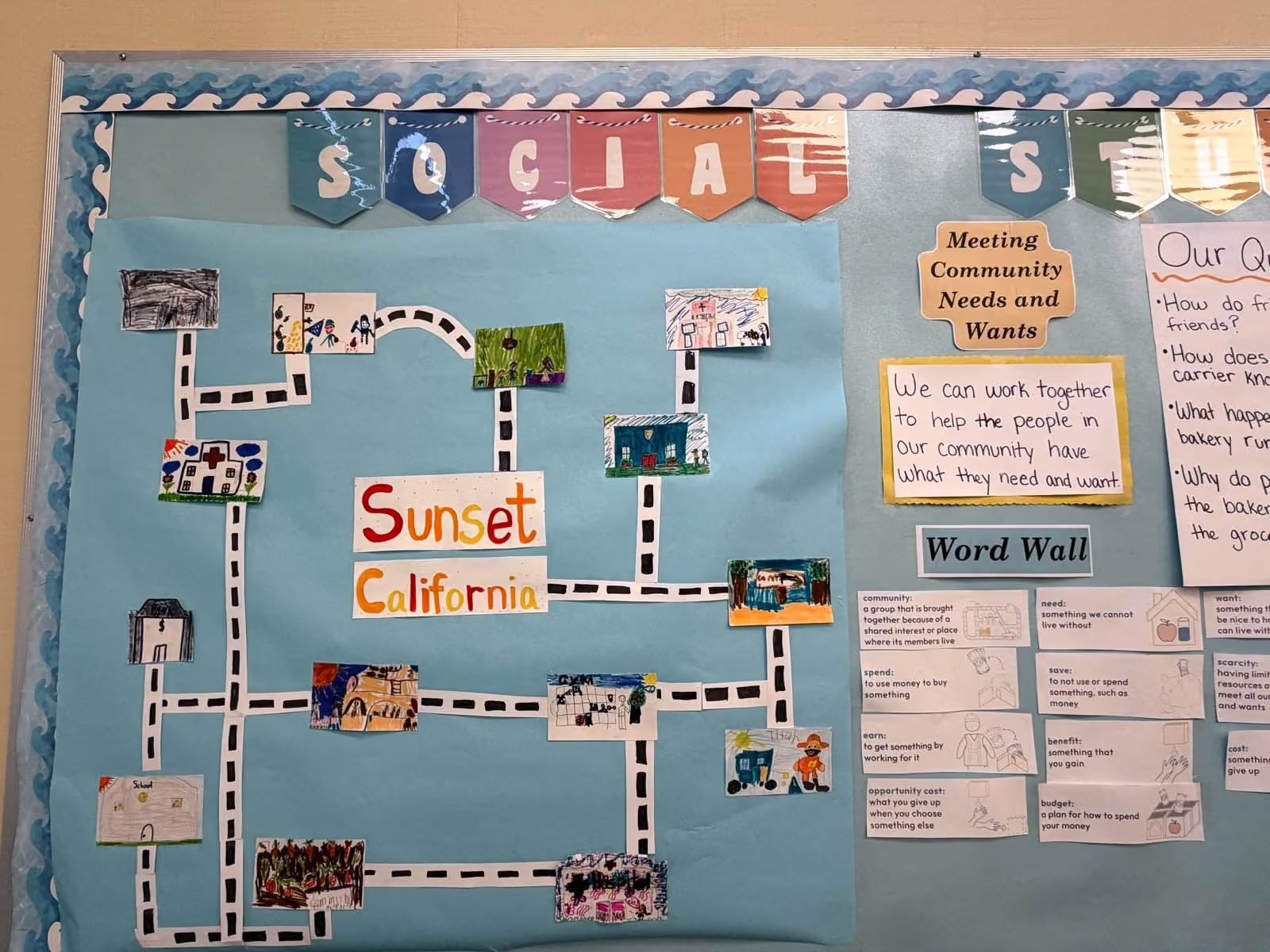
Mapping a community's needs and wants
Meeting Needs and Wants
Students built a class community called Sunset California and created a word splash connecting their vocabulary, with many placing scarcity at the center.
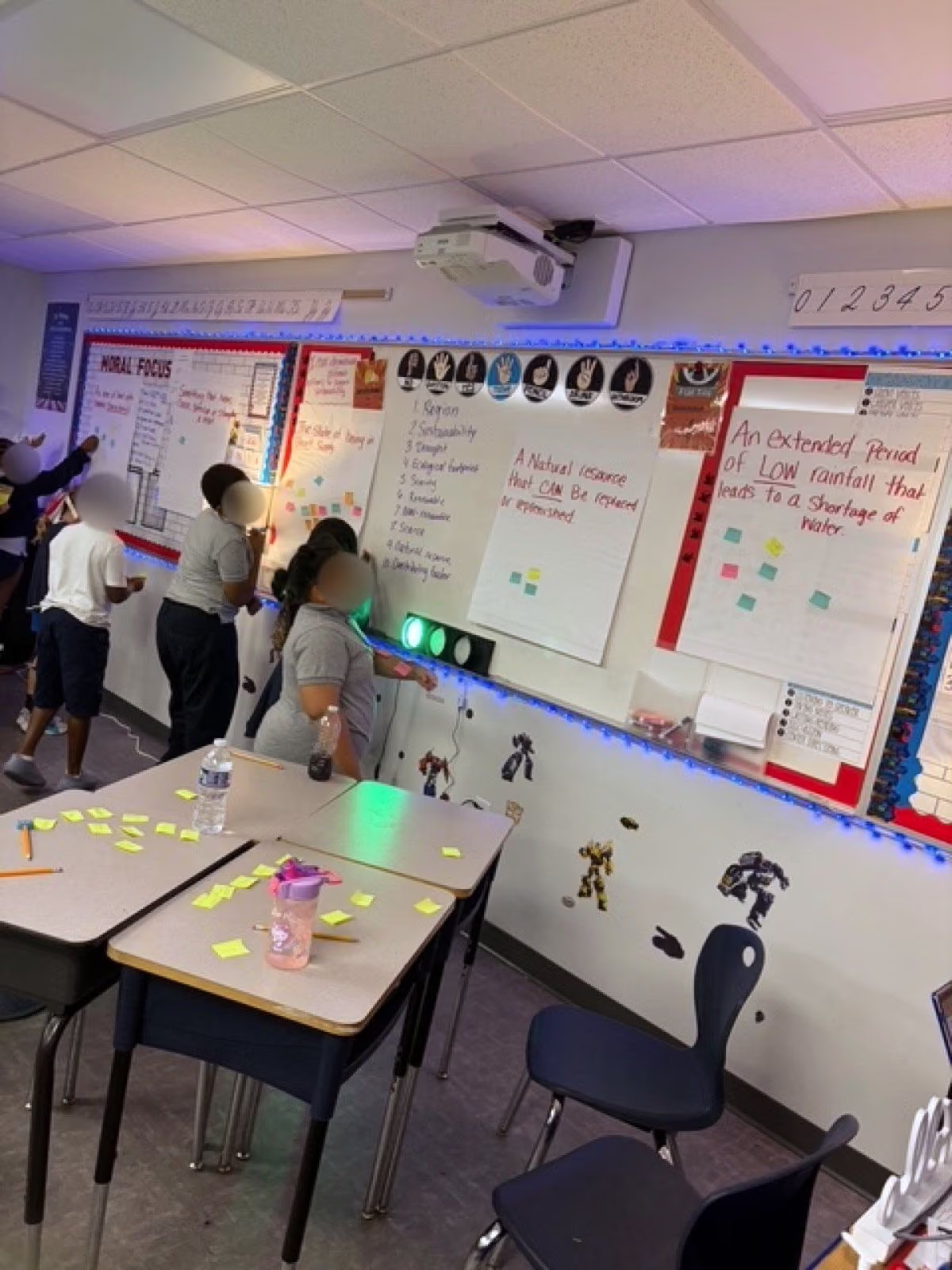
Vocabulary anchor chart challenge
Natural Resources of the U.S.
Students reviewed unit vocabulary by racing to place each term on the correct anchor chart.
Student Works
Explore examples from the Inquiry Work Gallery.
Click on a thumbnail below to expand and view more images.
Students created a community name and decided what was important in the community. We also created a community cheer. The teacher says: "Who let the dogs out?" student respond by barking. This has brought our class together as a community of learners.
Meeting Needs and Wants
2nd Grade
Wall Display
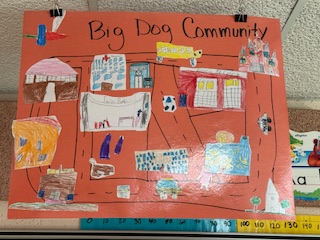
Students created a community name and decided what was important in the community. We also created a community cheer. The teacher says: "Who let the dogs out?" student respond by barking. This has brought our class together as a community of learners.
Additional Info
Farrell, Jean from School District of Lancaster: PA, 2nd Grade
The hexagon mapping was a great way to reinforce vocabulary and repeating the exercise with different sets of cards, and then combined cards, was even more powerful. Writing their connections after doing it verbally also reinforced their thinking.
The Colonial Era
5th Grade
Handout
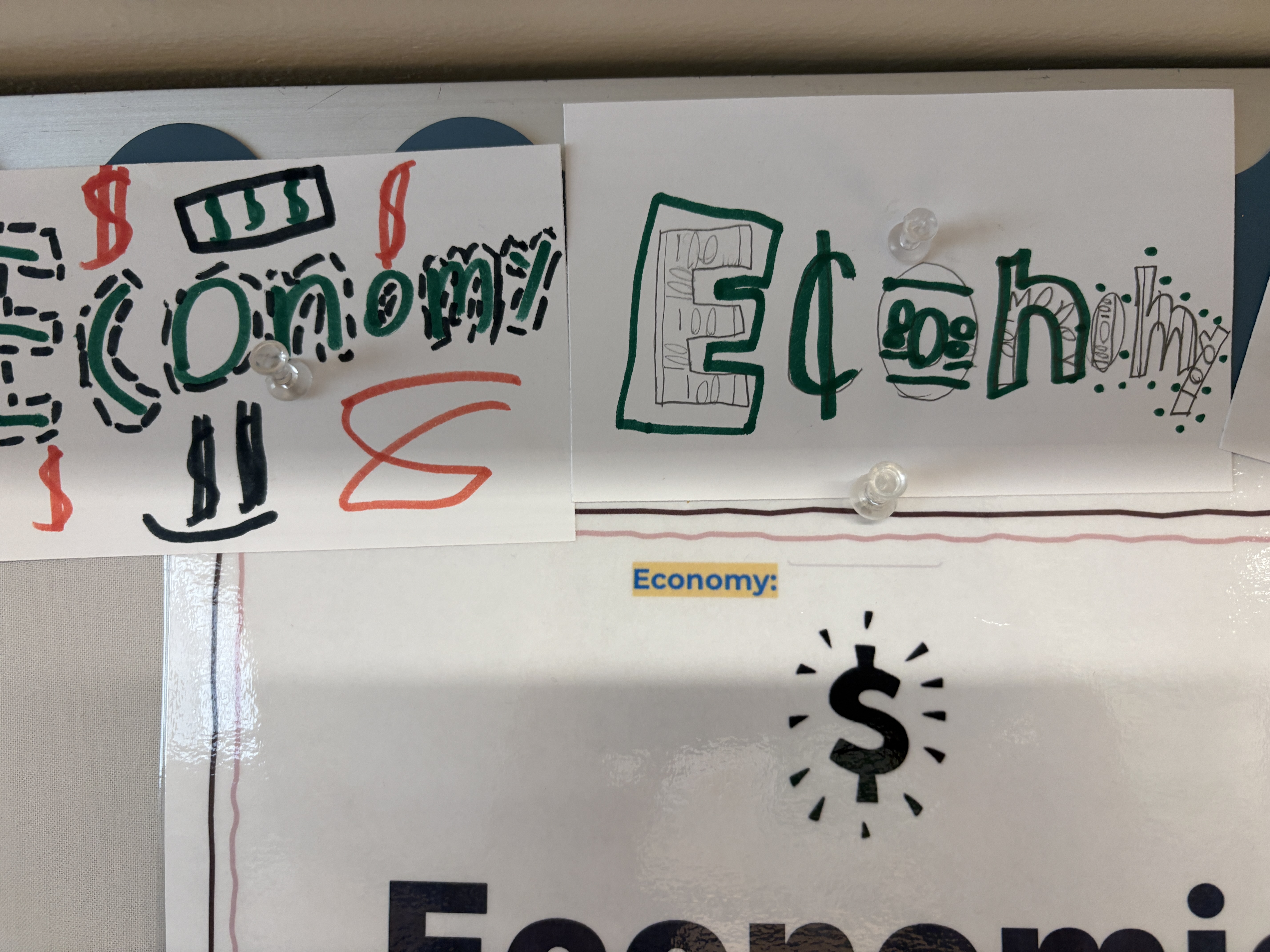
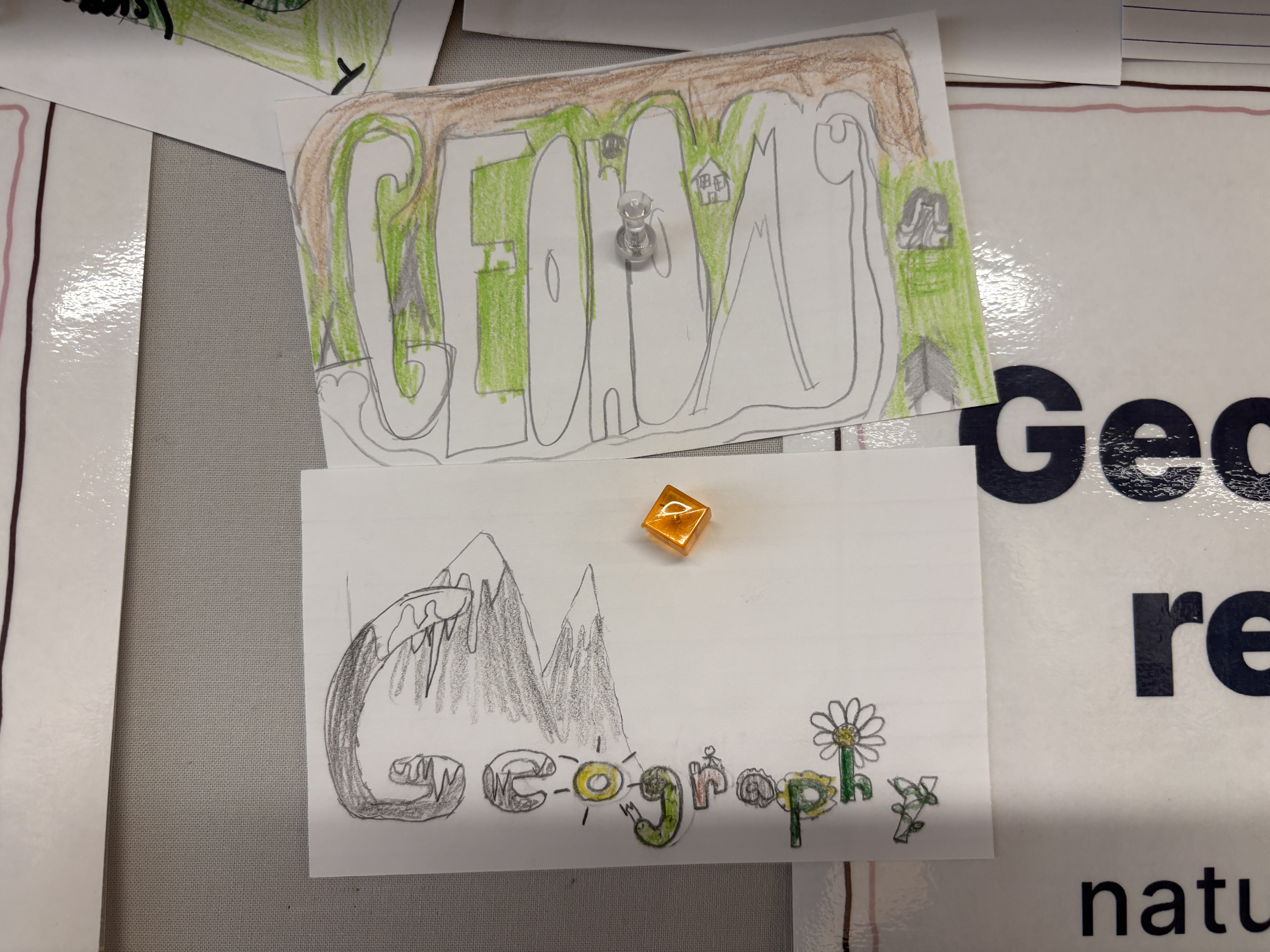
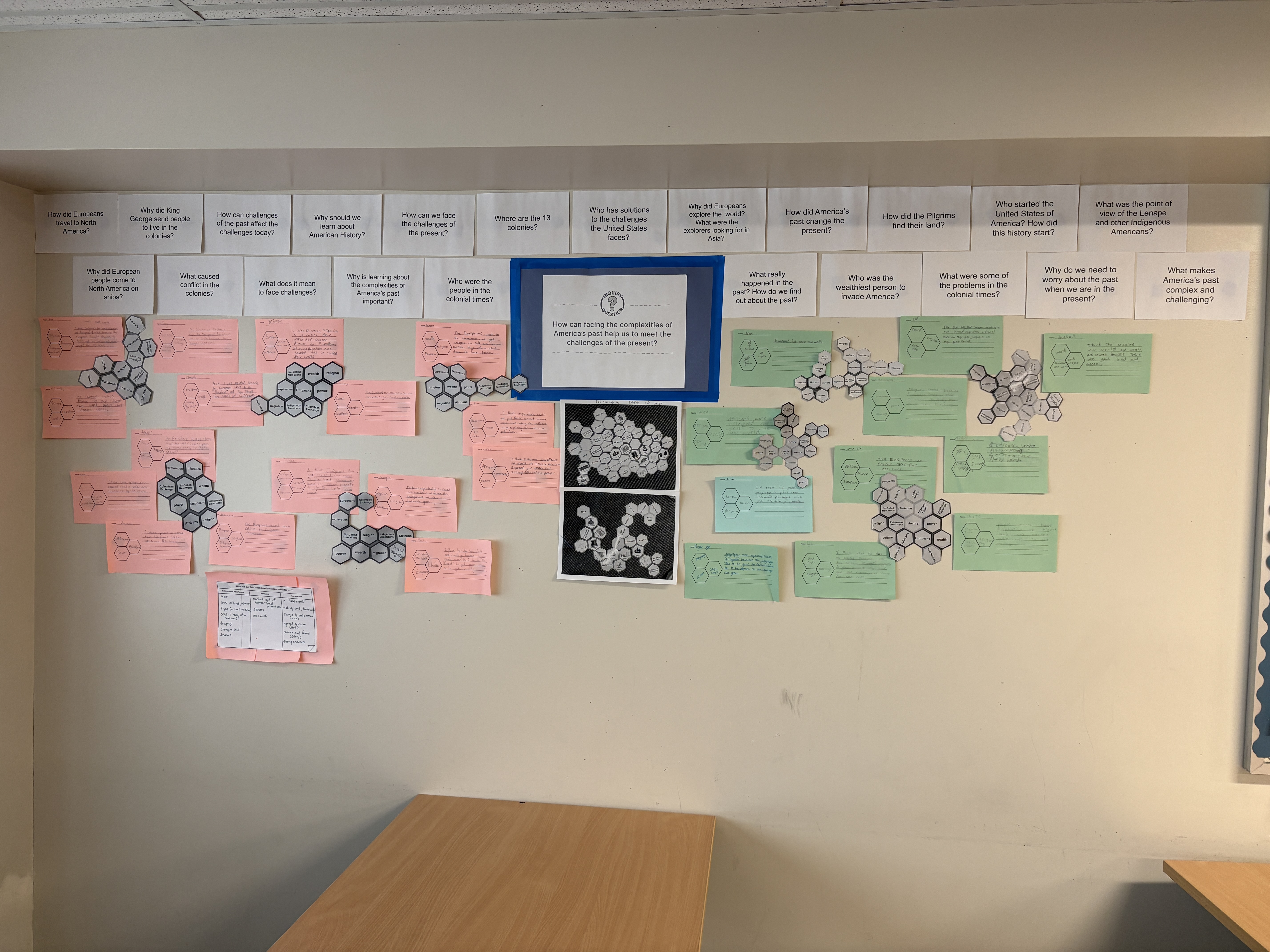
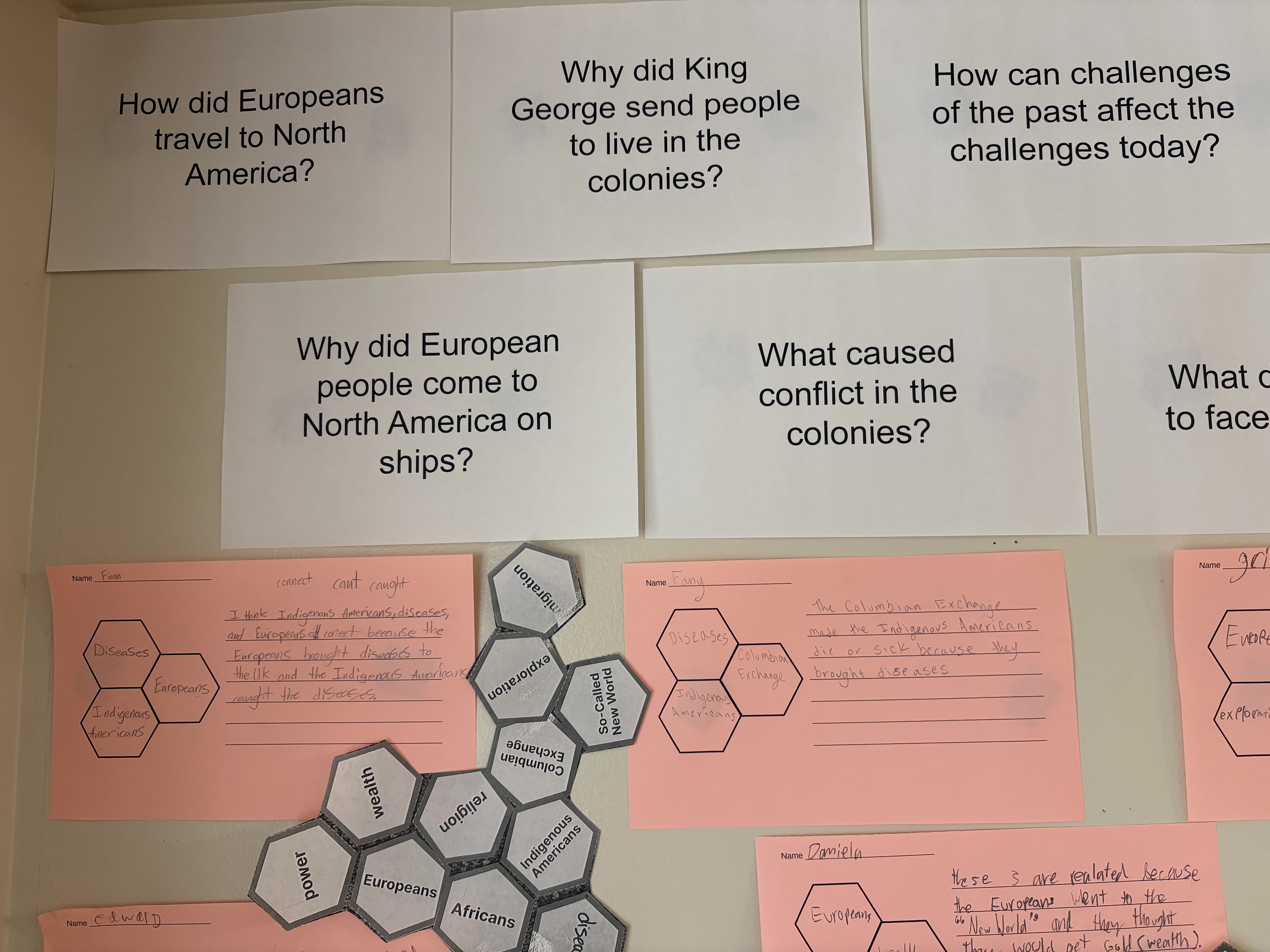
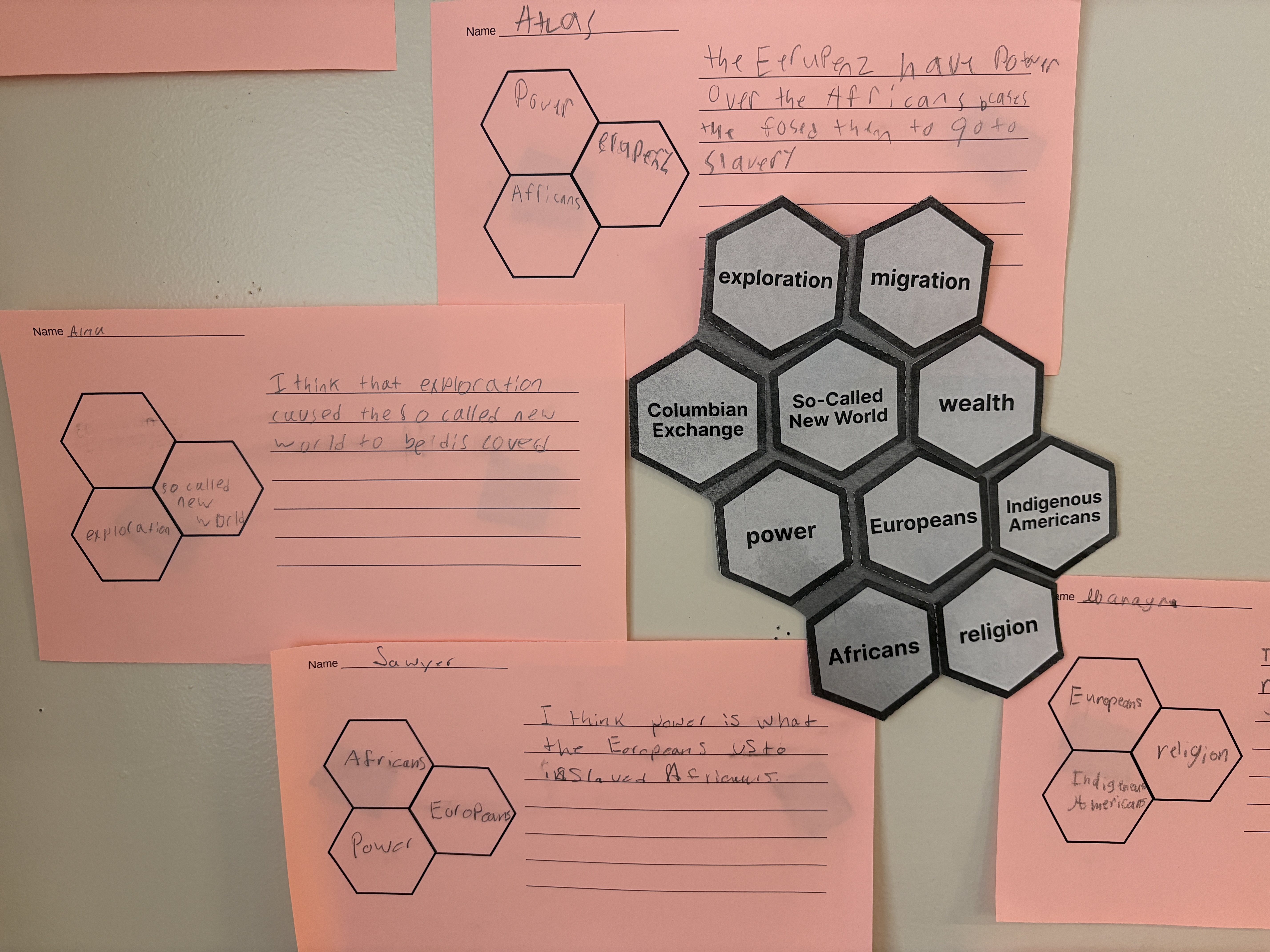
The hexagon mapping was a great way to reinforce vocabulary and repeating the exercise with different sets of cards, and then combined cards, was even more powerful. Writing their connections after doing it verbally also reinforced their thinking.
Additional Info
Betsy McMichael from Roaring Fork School District: CO, 5th Grade
We are just starting the American Revolution unit and the kids had just completed the gallery walk and reading about revolution and revolutionary meanings. We came back to center and discussed our inquiry question. They wrote their thoughts while thinking about the people/events they had just read about.
The American Revolution
5th Grade
Anchor Chart
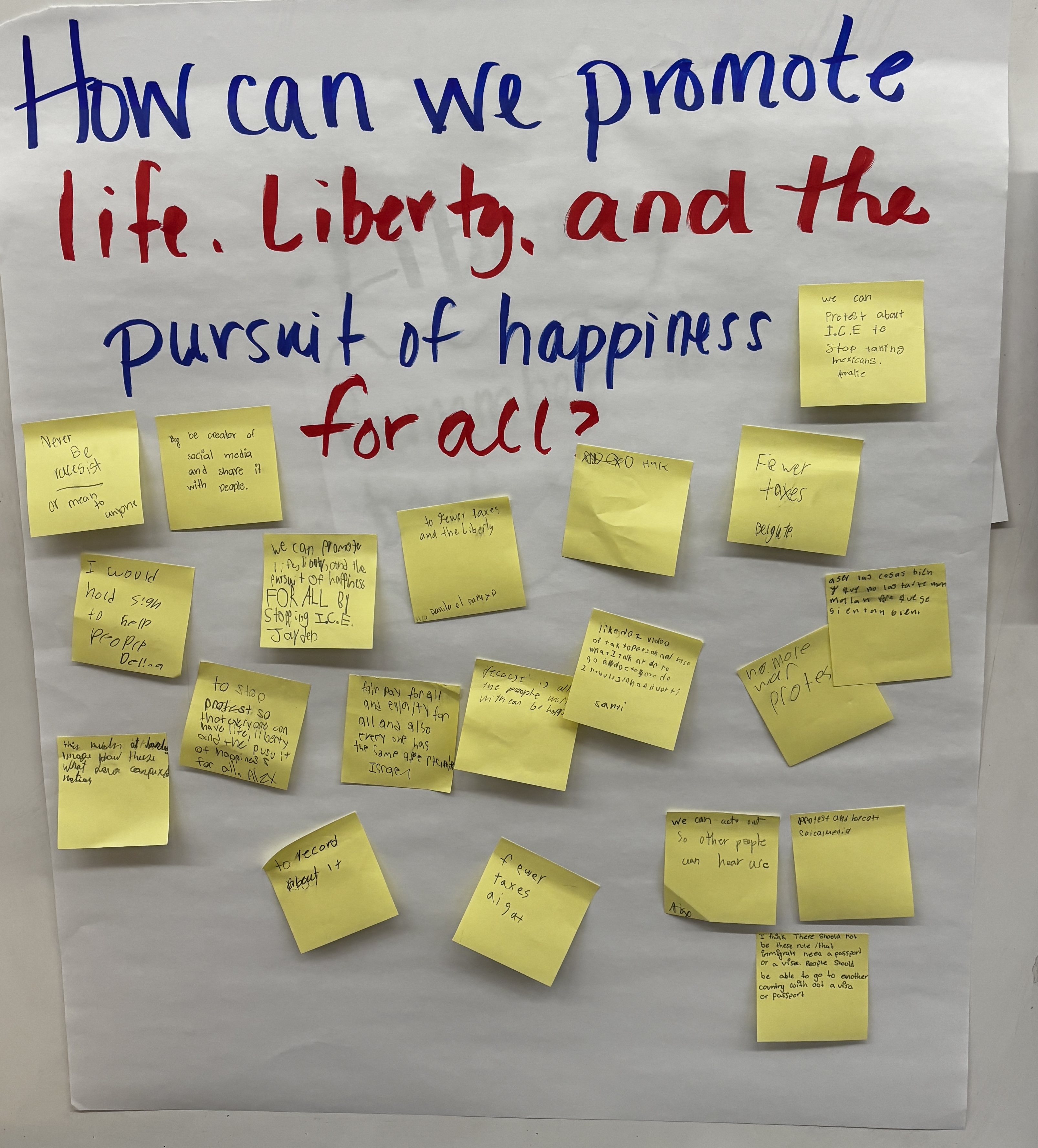
We are just starting the American Revolution unit and the kids had just completed the gallery walk and reading about revolution and revolutionary meanings. We came back to center and discussed our inquiry question. They wrote their thoughts while thinking about the people/events they had just read about.
Additional Info
Maribel Moon from Cherry Creek Schools: CO, 5th Grade
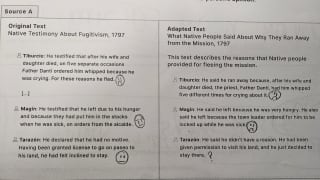
We are learning how to annotate text to deeply connect with it. I encourage their annotations to reflect their voice. They are improving as we continue to practice this skill. This is from From Territory to Golden State.
Our Changing Landscape
4th Grade
Handout
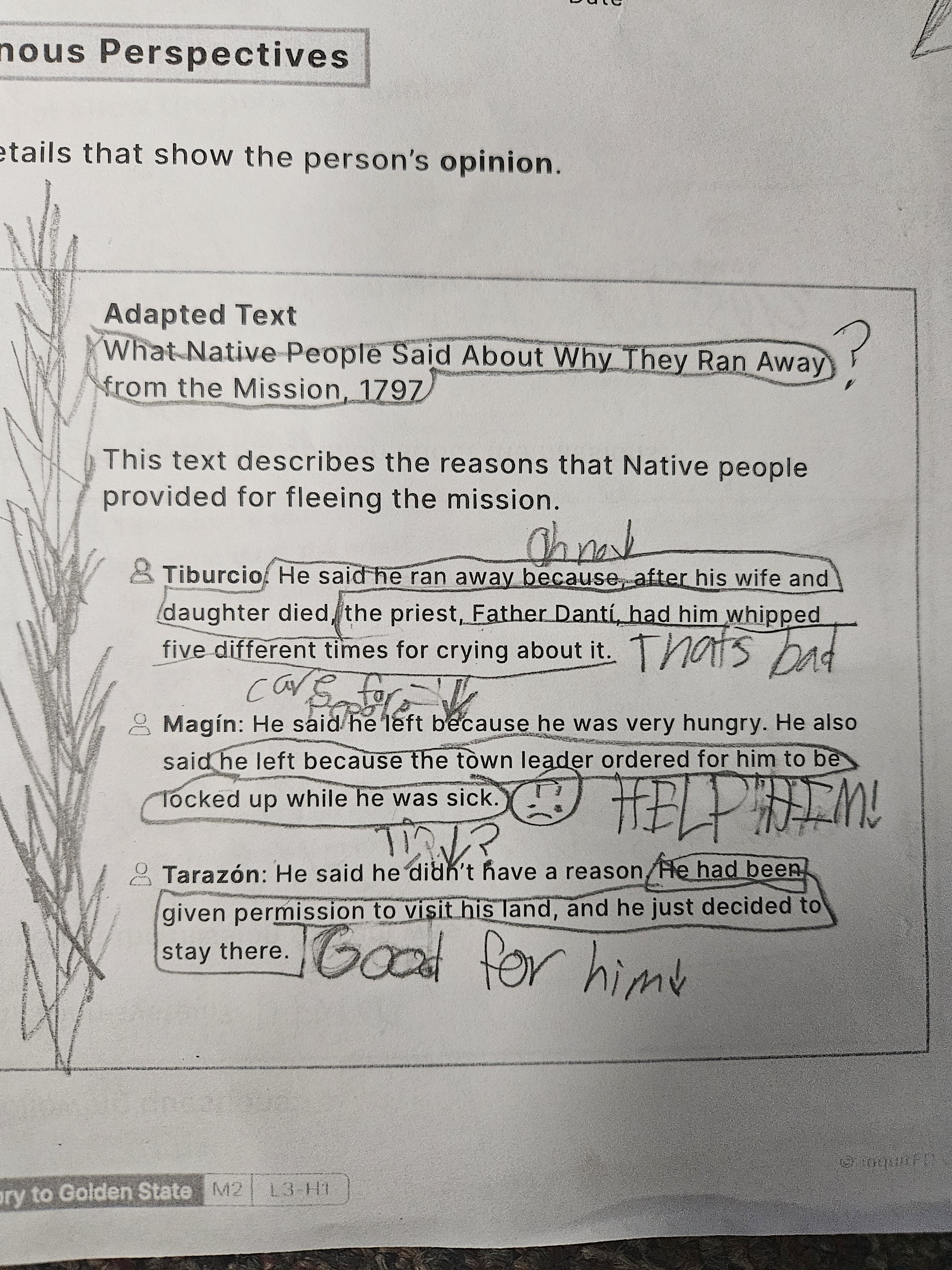
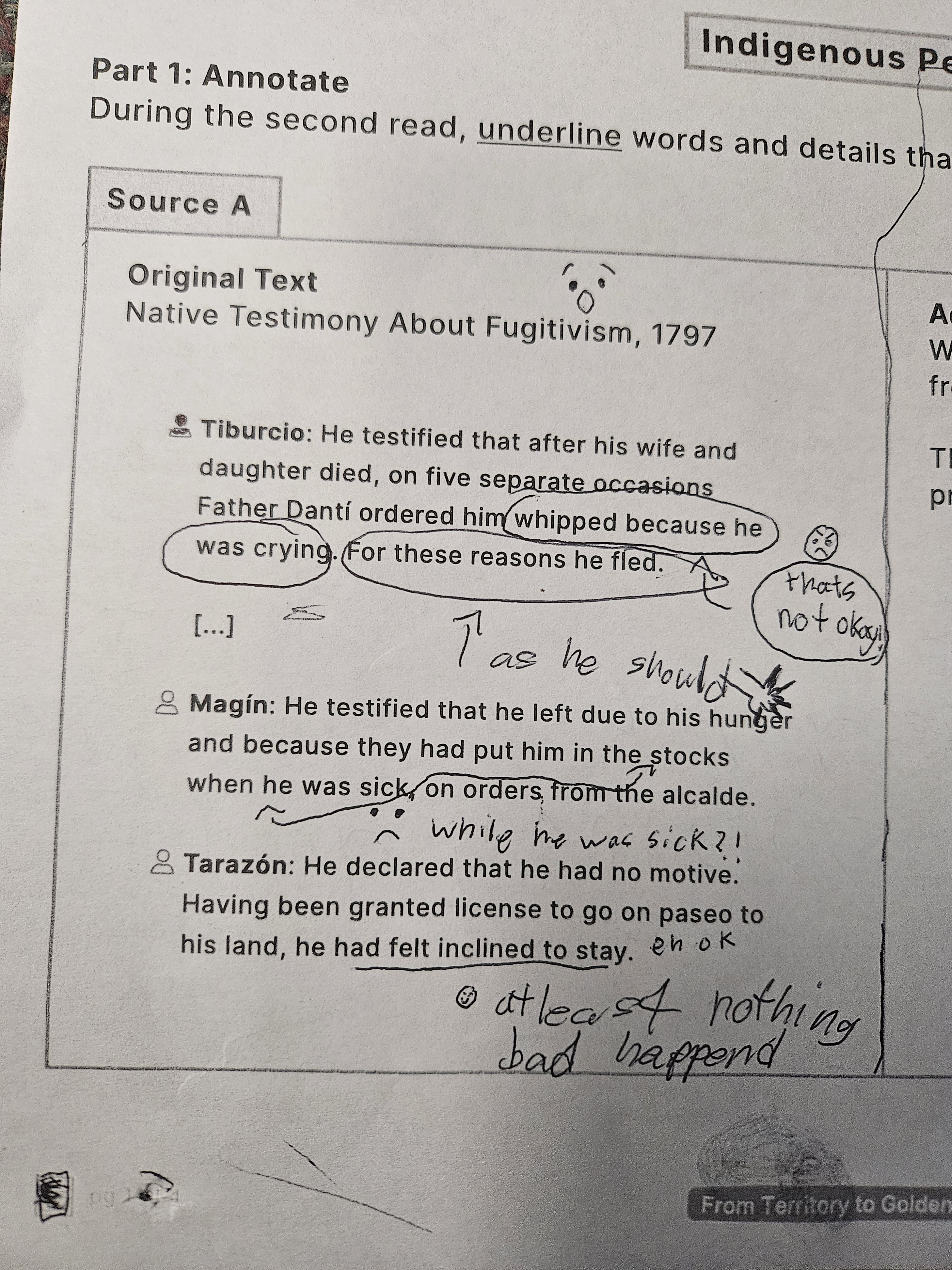
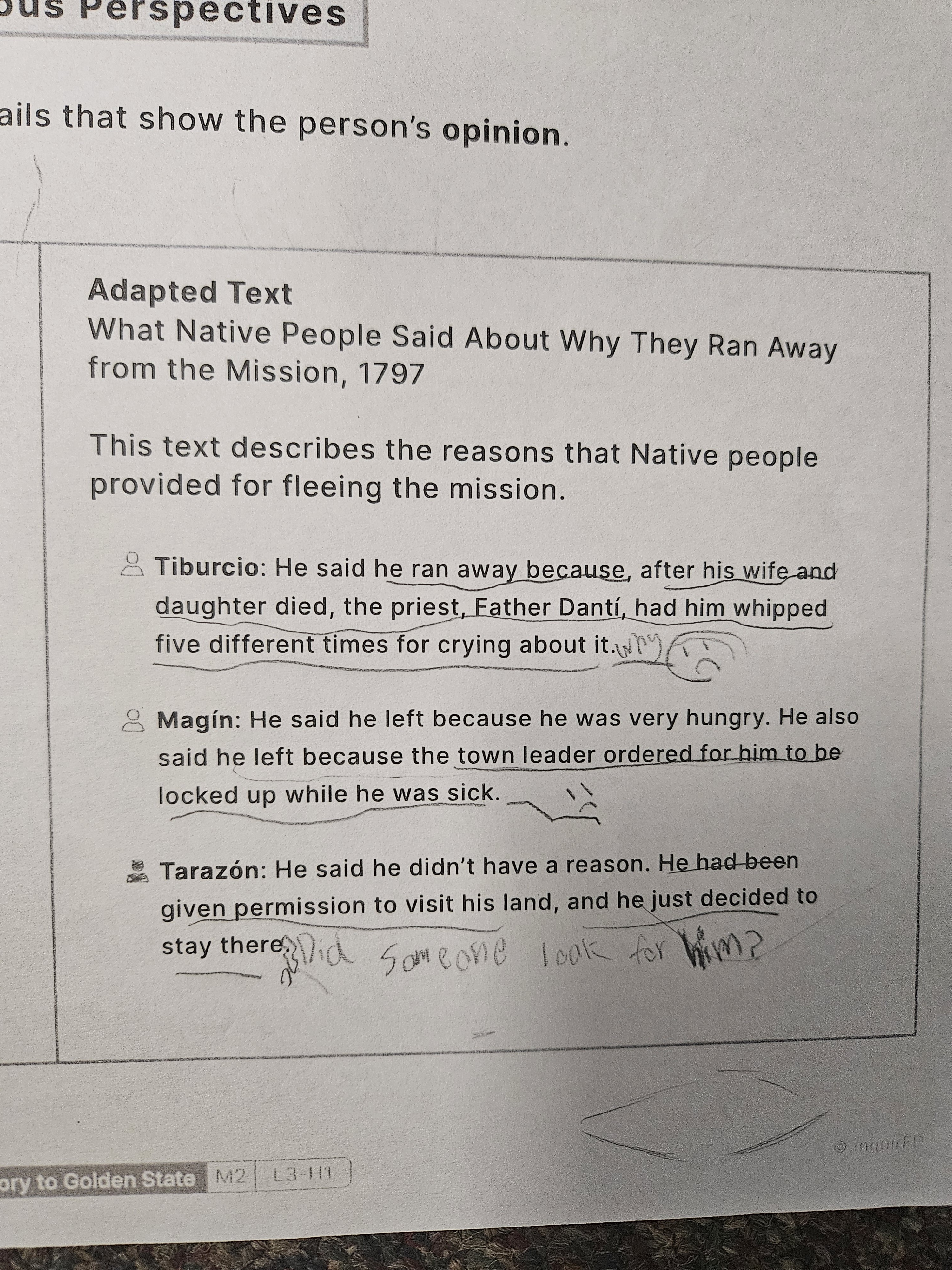
We are learning how to annotate text to deeply connect with it. I encourage their annotations to reflect their voice. They are improving as we continue to practice this skill. This is from From Territory to Golden State.
Additional Info
Faye Vea-Jenkins from Rio School District: CA, 4th Grade
Check out our work from the 20th Century Civil Rights Inquiry!
The 20th Century Civil Rights Movement
3rd Grade
Wall Display
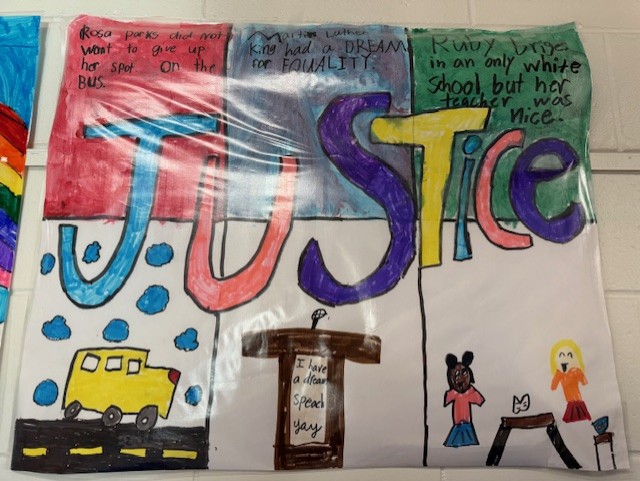
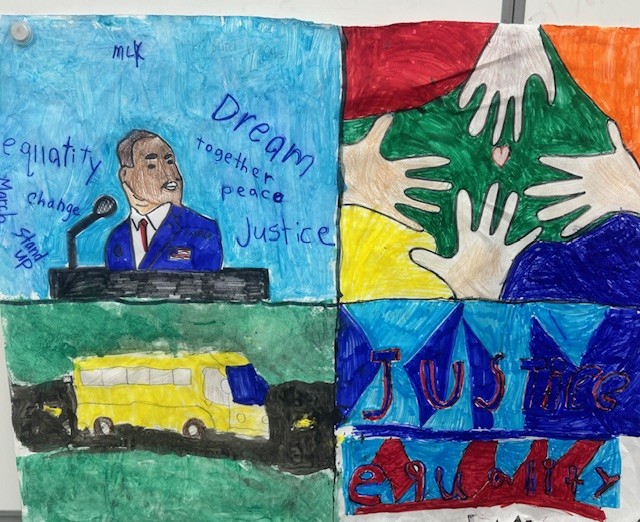
Check out our work from the 20th Century Civil Rights Inquiry!
Additional Info
Shue, Tiffany from West Aurora School District: IL, 3rd Grade
Each student is creating their own poster using Canva. We will print and post the photos around the school once everyone is done! Students are also recording themselves reading their maker statement and a QR code will be created to listen to the recording.
Meeting Needs and Wants
2nd Grade
Inquiry Challenge Statement
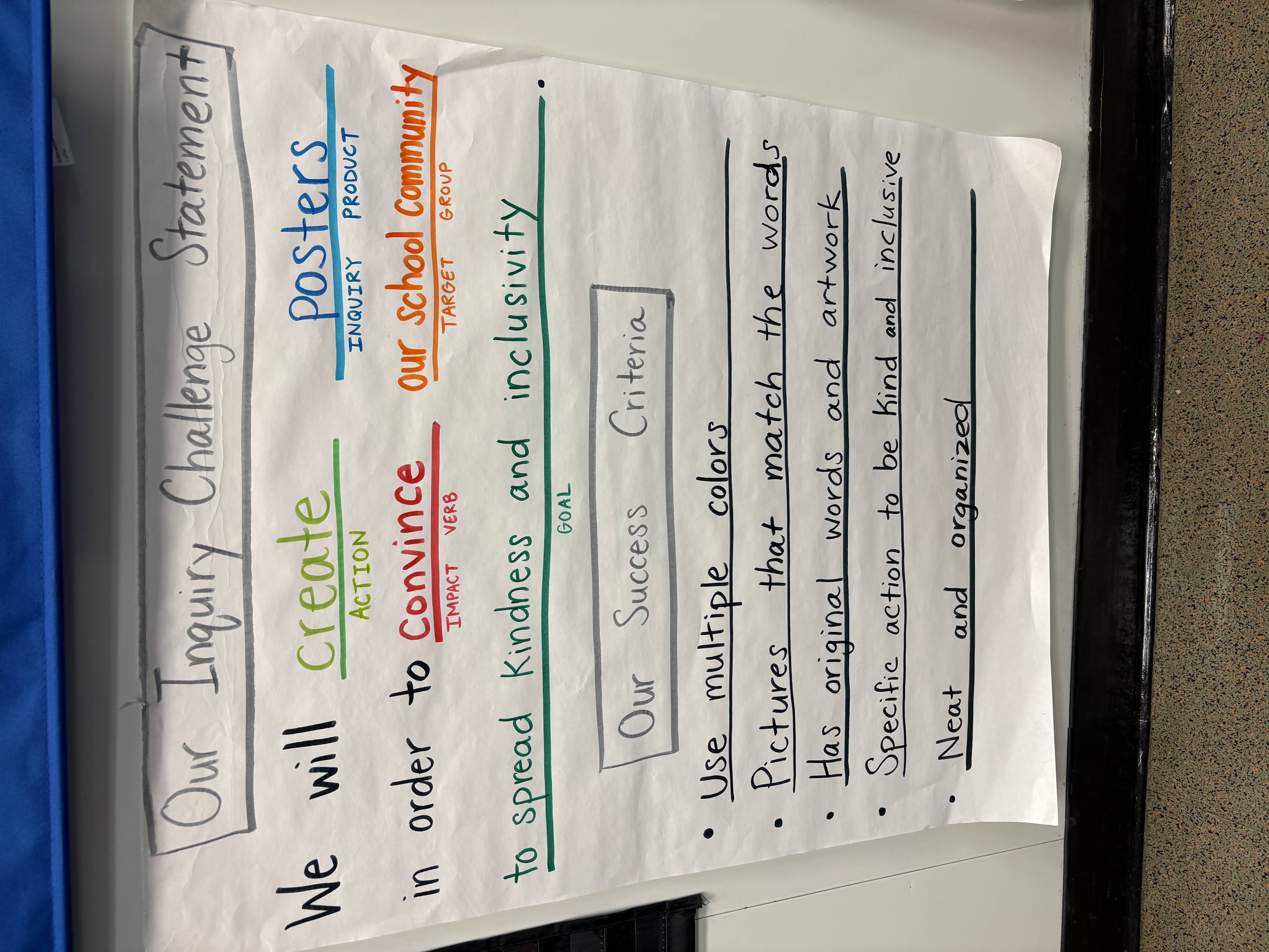
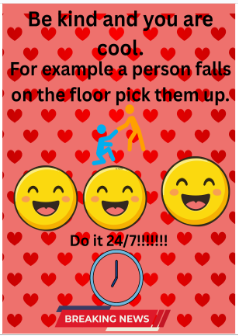
Each student is creating their own poster using Canva. We will print and post the photos around the school once everyone is done! Students are also recording themselves reading their maker statement and a QR code will be created to listen to the recording.
Additional Info
from , 2nd Grade
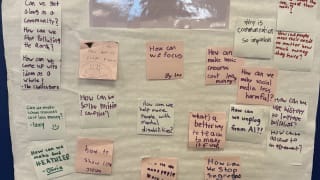
Students worked in groups to generate questions using the Question Formulation Technique (QFT). They selected their favorite questions and we kept them posted throughout the inquiry. When we got to the end, we used them as a spring board for brainstorming meaningful action project that linked the past with the present and felt relevant to the students.
The Human Story
6th Grade
Investigation Questions Anchor Chart
Students worked in groups to generate questions using the Question Formulation Technique (QFT). They selected their favorite questions and we kept them posted throughout the inquiry. When we got to the end, we used them as a spring board for brainstorming meaningful action project that linked the past with the present and felt relevant to the students.
Additional Info
Kbregman from Unity School: FL, 6th Grade
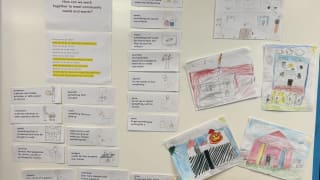
Inquiry Wall from Meeting Needs and Wants
Meeting Needs and Wants
2nd Grade
Inquiry-Long Display

Inquiry Wall from Meeting Needs and Wants
Additional Info
Dominika Romano from Community Consolidated School District 93: IL, 2nd Grade
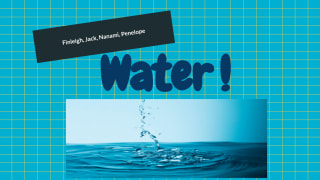
Our work is from the Natural Resources Unit and each student group took charge of using the resources provided from Inquired to research and create a presentation on what they have learned to turnkey to their class. The regions project was from the same unit and how each region provided different types of natural resources.
Natural Resources of the U.S.
4th Grade
Final Product
Our work is from the Natural Resources Unit and each student group took charge of using the resources provided from Inquired to research and create a presentation on what they have learned to turnkey to their class. The regions project was from the same unit and how each region provided different types of natural resources.
Additional Info
Christina Lim from , 4th Grade
As an IB candidate school we have been learning how to teach with an inquiry mindset. InquirED has really helped with inquiry-based learning, and giving students agency over their own learning. The students are invested in their learning and asking deep questions!
Natural Resources of the U.S.
4th Grade
Wall Display
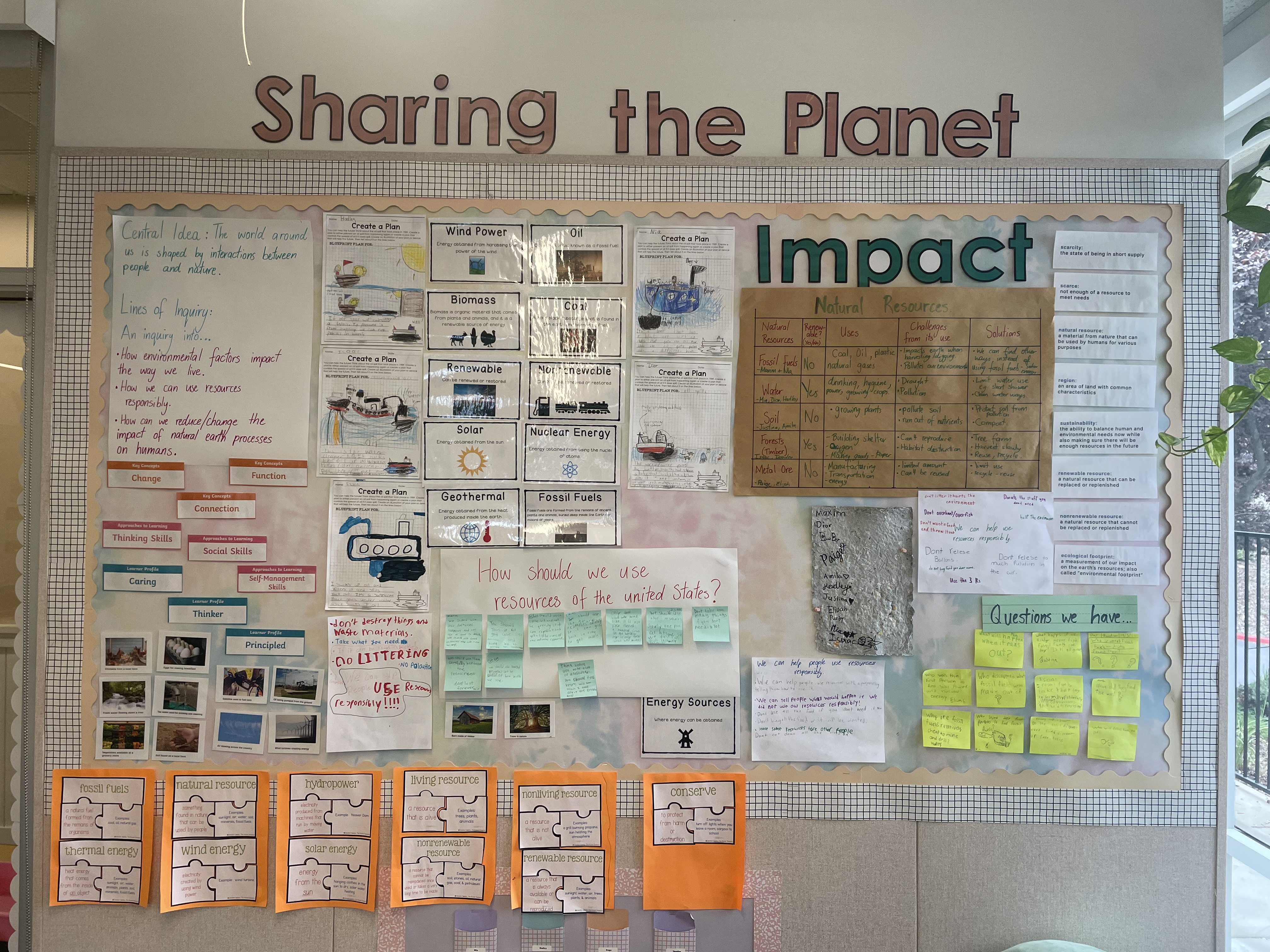
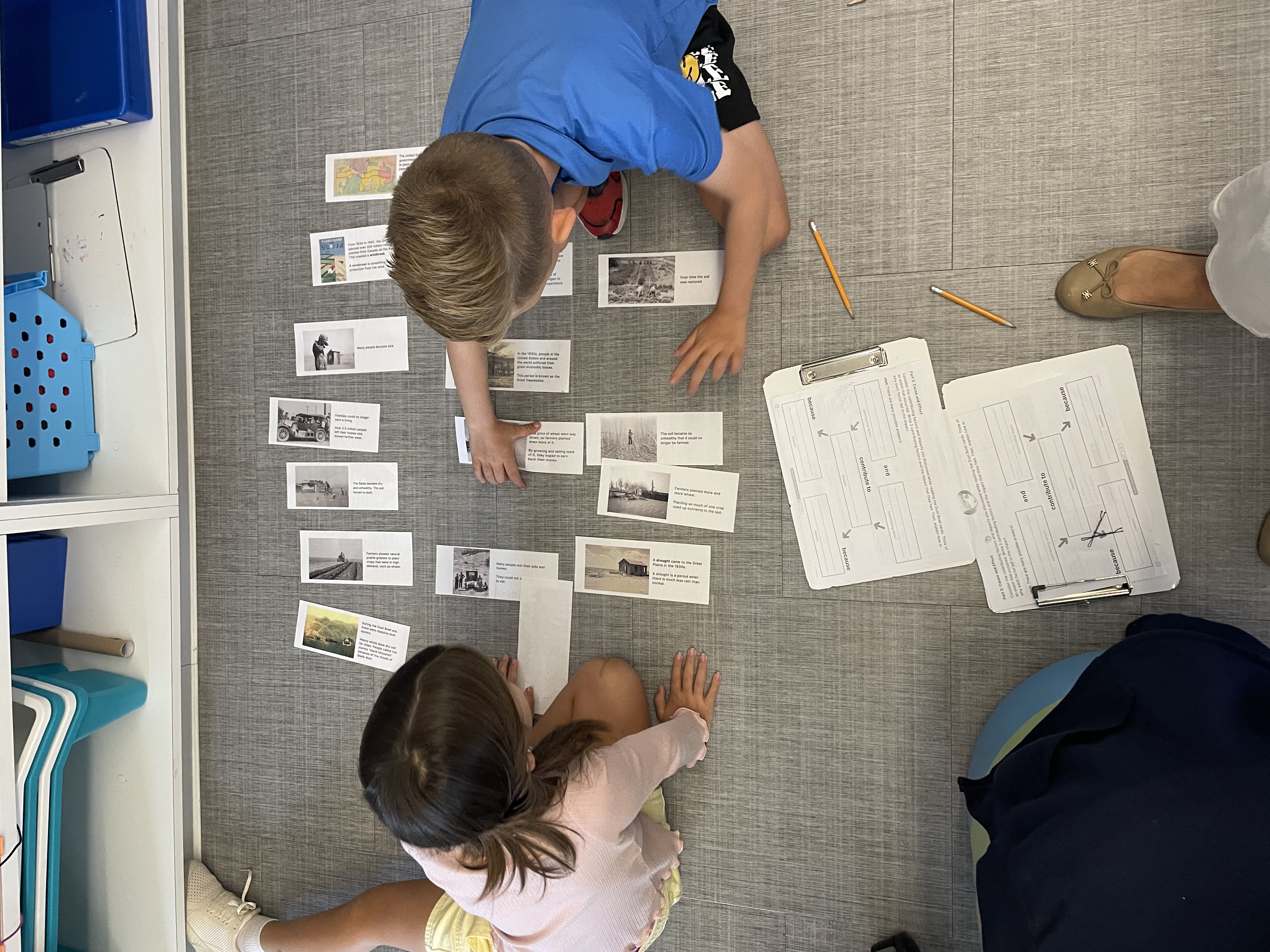
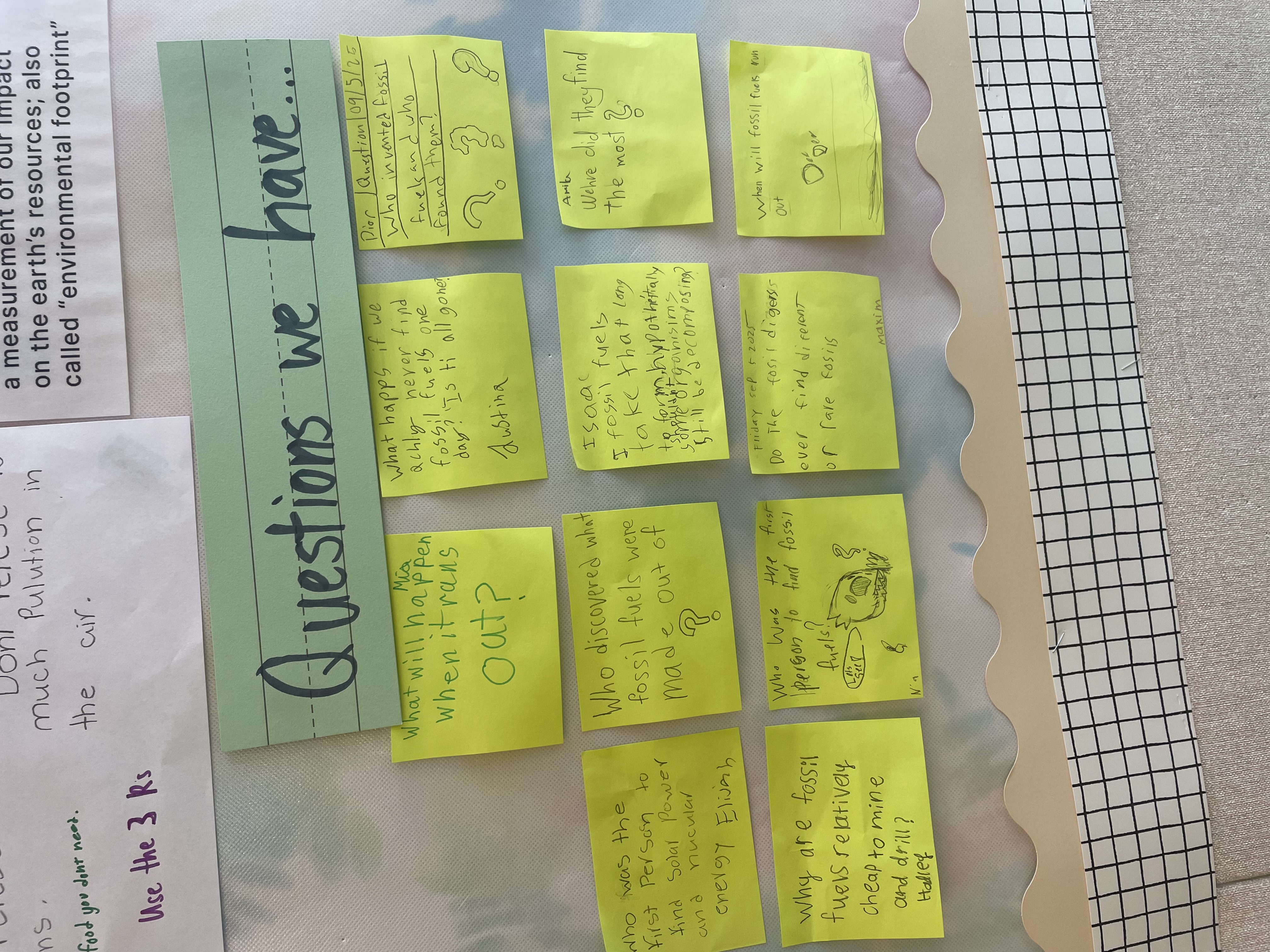
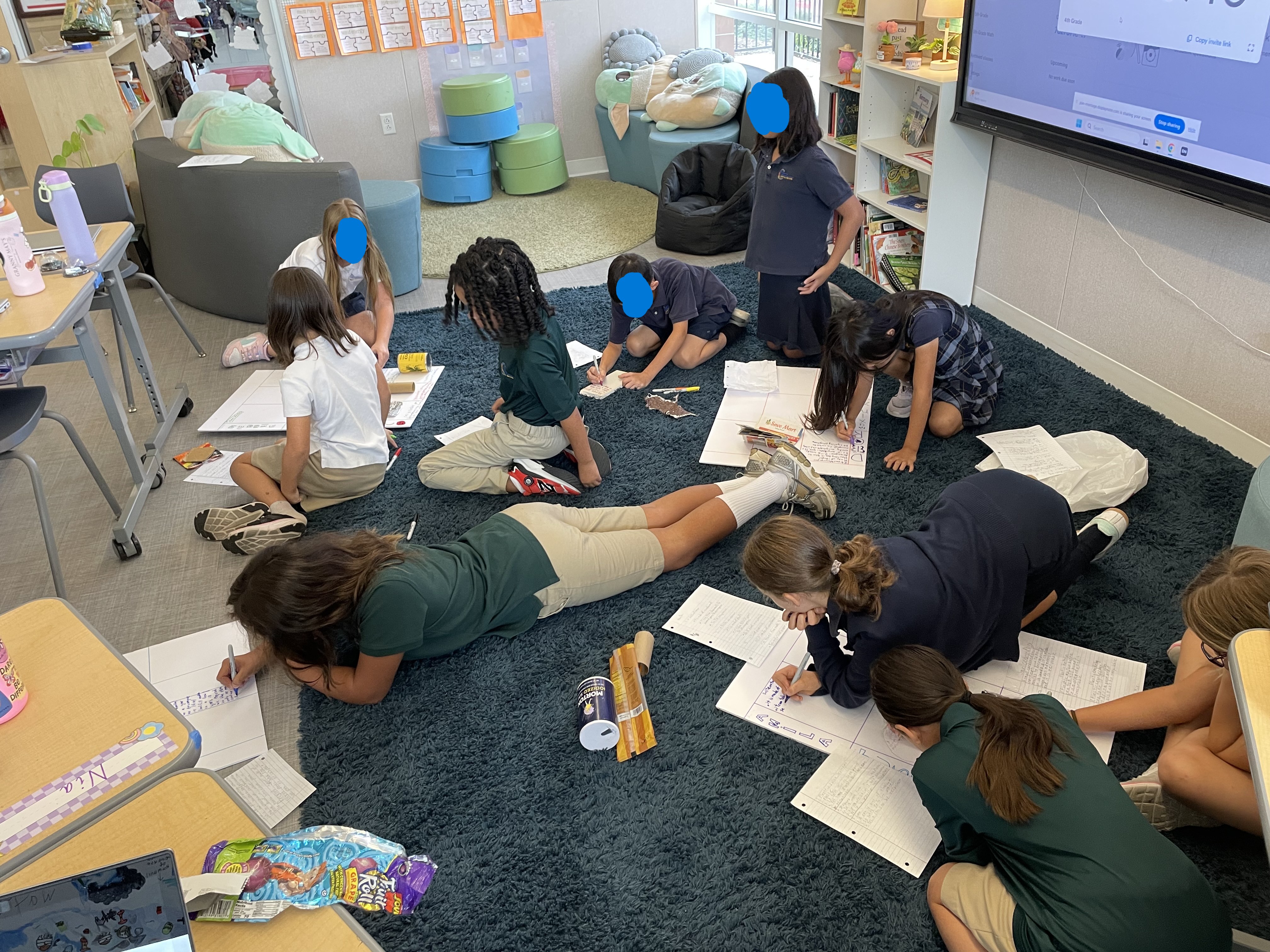
As an IB candidate school we have been learning how to teach with an inquiry mindset. InquirED has really helped with inquiry-based learning, and giving students agency over their own learning. The students are invested in their learning and asking deep questions!
Additional Info
BettyS Steele from California International School: CA, 4th Grade
American Revolution Timeline
The American Revolution
5th Grade
Wall Display
American Revolution Timeline
Additional Info
Watts, Trevon from Jefferson County Schools: KY, 5th Grade
Students enjoyed reflecting on what makes them unique by creating self portraits that focused on their outside traits along side one of their highlighted inside strengths.
My Team and Self
Kindergarten
Handout
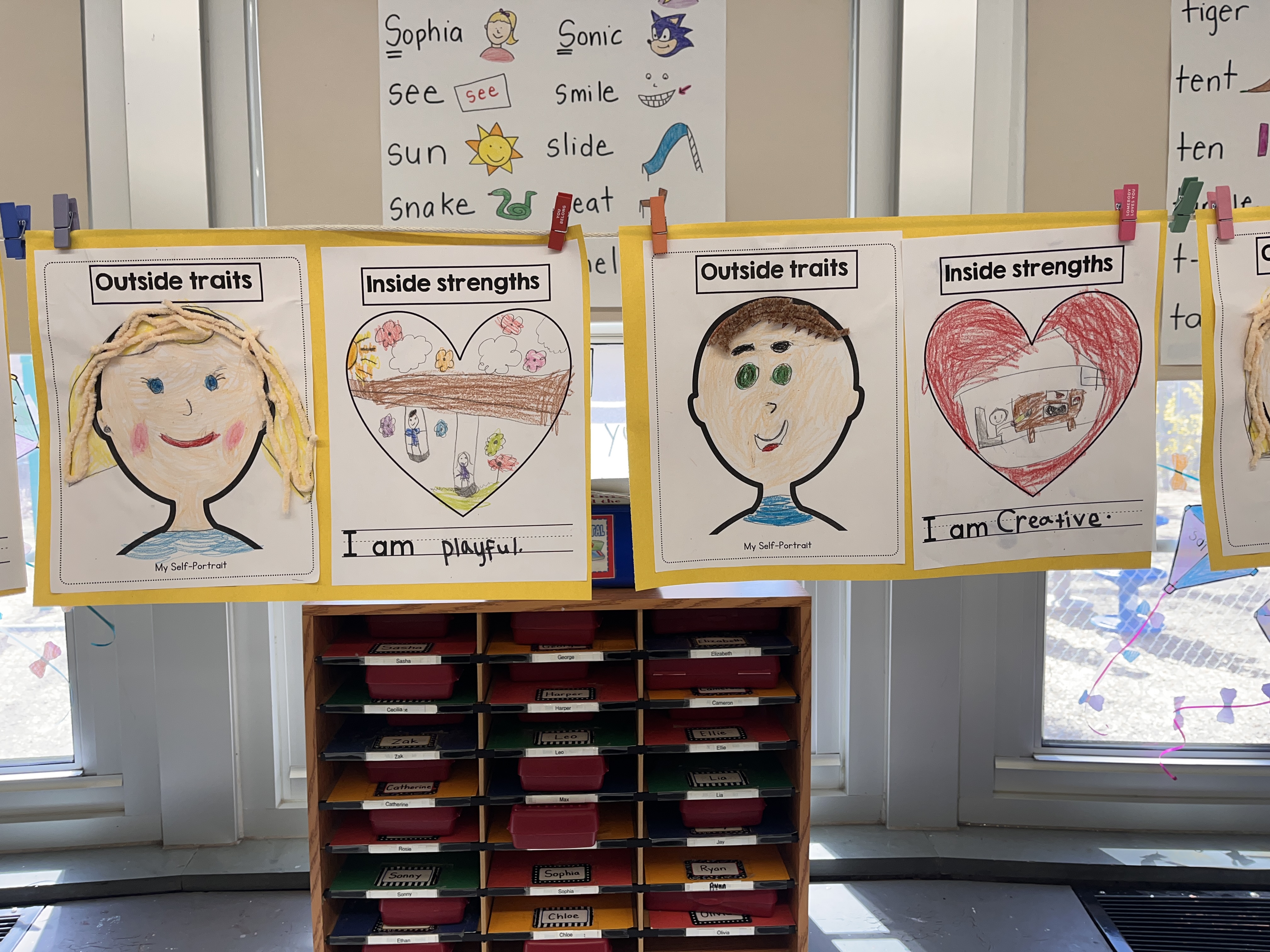
Students enjoyed reflecting on what makes them unique by creating self portraits that focused on their outside traits along side one of their highlighted inside strengths.
Additional Info
Kathryn Droske from , Kindergarten
No results found.
There are no results with this criteria. Try changing your search.