
Celebrating inquiry in every classroom
Teachers across the country shared photos of students in the thick of inquiry — asking questions, testing ideas, and discovering something new. Here are the classrooms that stood out.
Outstanding inquiry across every grade
These classrooms were picked for their creativity, depth of questioning, and student engagement.
The Colonial Era
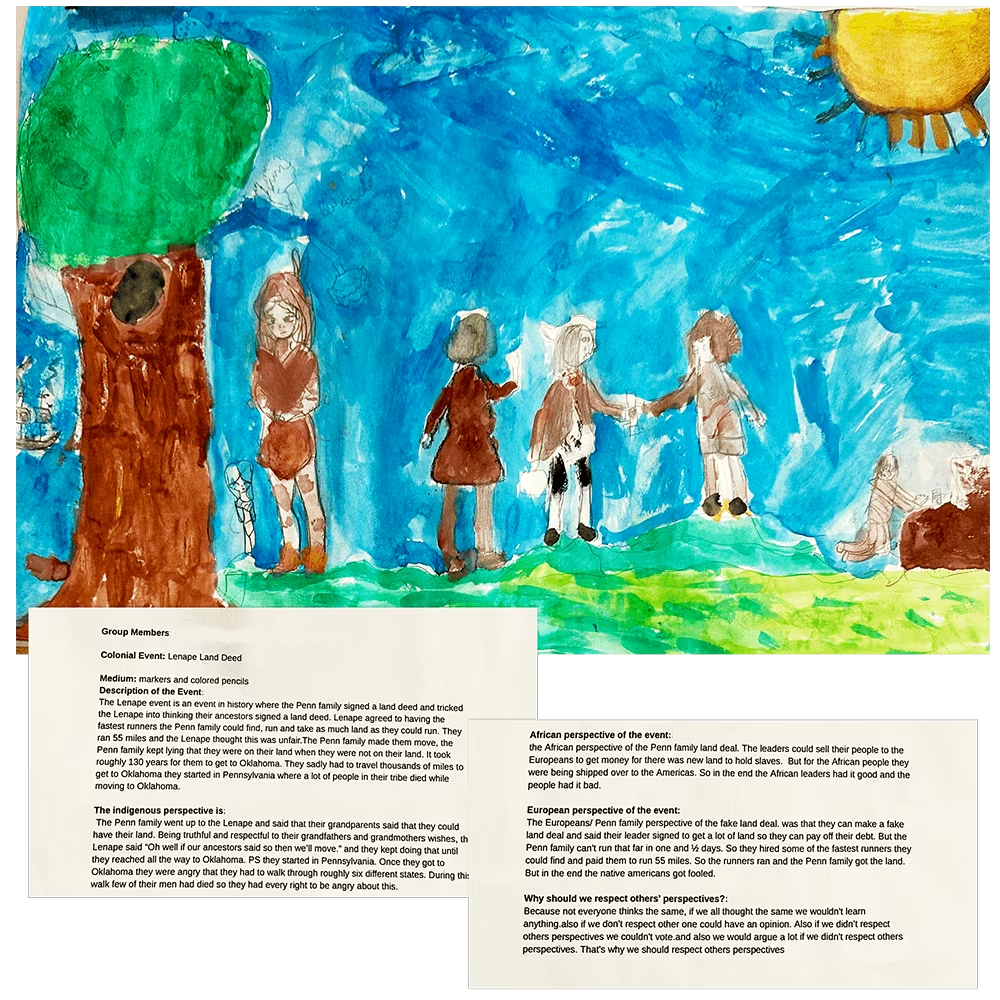
This end of unit project for the Colonial America unit asks students to explore an important event or aspect of colonial life. Students chose a topic and created an illustration in the medium of their choice. They also wrote a caption that explains the event from the perspectives of the different groups they studied, helping them consider how people experienced the same moment in different ways.
Migration & Movement
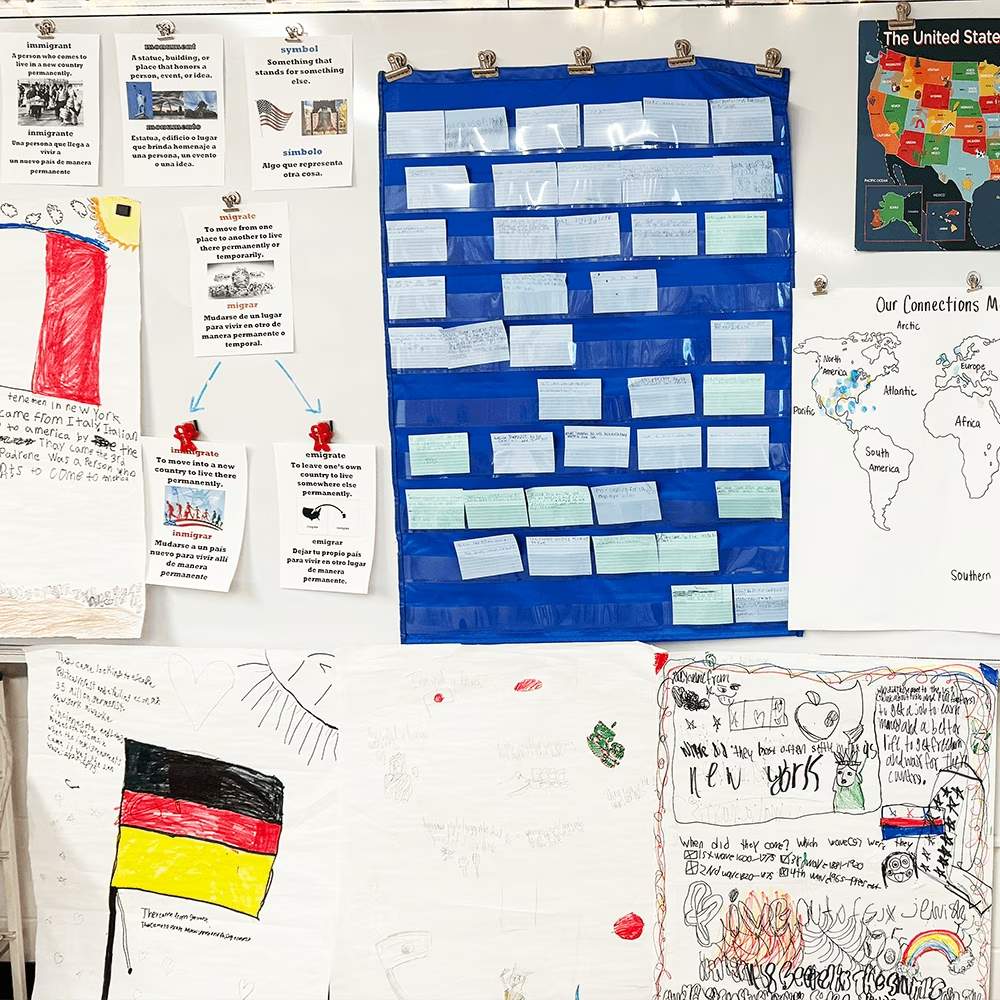
After reading about different waves of immigration, third grade students created posters about a specific immigrant group and presented what they learned to the class. The activity sparked discussion about push and pull factors and helped students understand the challenges immigrants faced before and after arriving in the United States.
My Team & Self
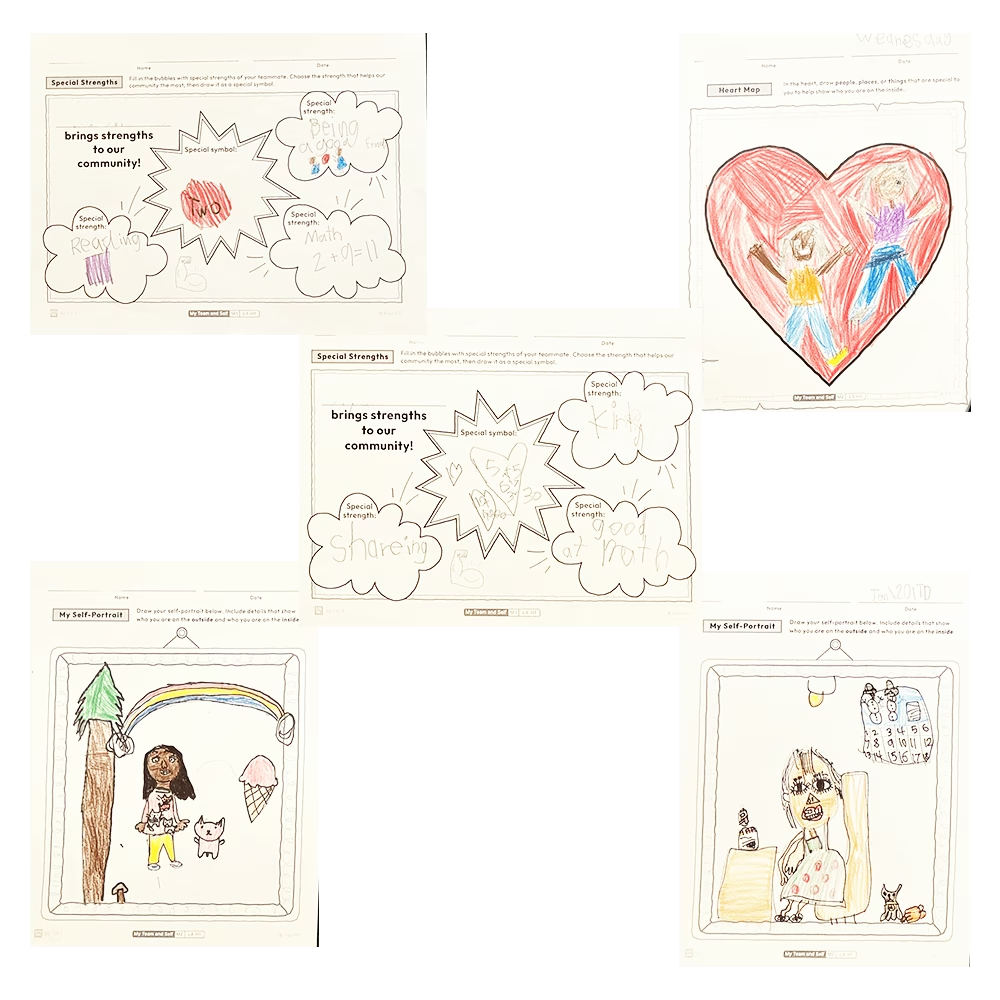
In the My Team and Self inquiry unit, students reflected on their own strengths and then identified the strengths of their classmates. They shared and celebrated these qualities as a class while learning how each person contributes to a team. The experience helped students understand the importance of teamwork and appreciating one another.
Download your certificate
Every student who participated in Inquiry Week 2026 deserves recognition. Download the official participation certificate to celebrate their curiosity and hard work.
Download certificate (PDF)Student Works
Explore examples from the Inquiry Work Gallery.
Click on a thumbnail below to expand and view more images.
We extended the Innovator Profile to create different pieces about our innovator of the past we each studied. Each student created a biography report, a portrait, timeline cards for our class timeline and a watercolor trait poster.
Past, Present, and Future
2nd Grade
Other
.jpeg)
.jpeg)
.jpeg)
.jpeg)
We extended the Innovator Profile to create different pieces about our innovator of the past we each studied. Each student created a biography report, a portrait, timeline cards for our class timeline and a watercolor trait poster.
Additional Info
Melissa Riehle from Lakota Local School District: OH, 2nd Grade
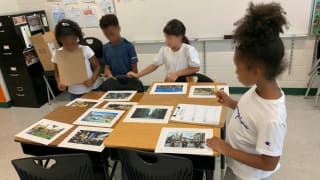
Our Special Location: Station work on urban, rural, and suburban terms and student work.
Our Special Location
1st Grade
Handout
.jpeg)
.jpeg)
.jpeg)
.jpeg)
.jpeg)
Our Special Location: Station work on urban, rural, and suburban terms and student work.
Additional Info
Katherine Beliveau from Winston-Salem /Forsyth County Schools: NC, 1st Grade, 2nd Grade, 4th Grade
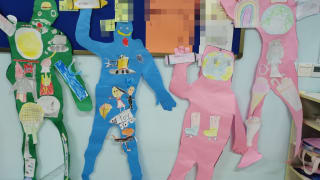
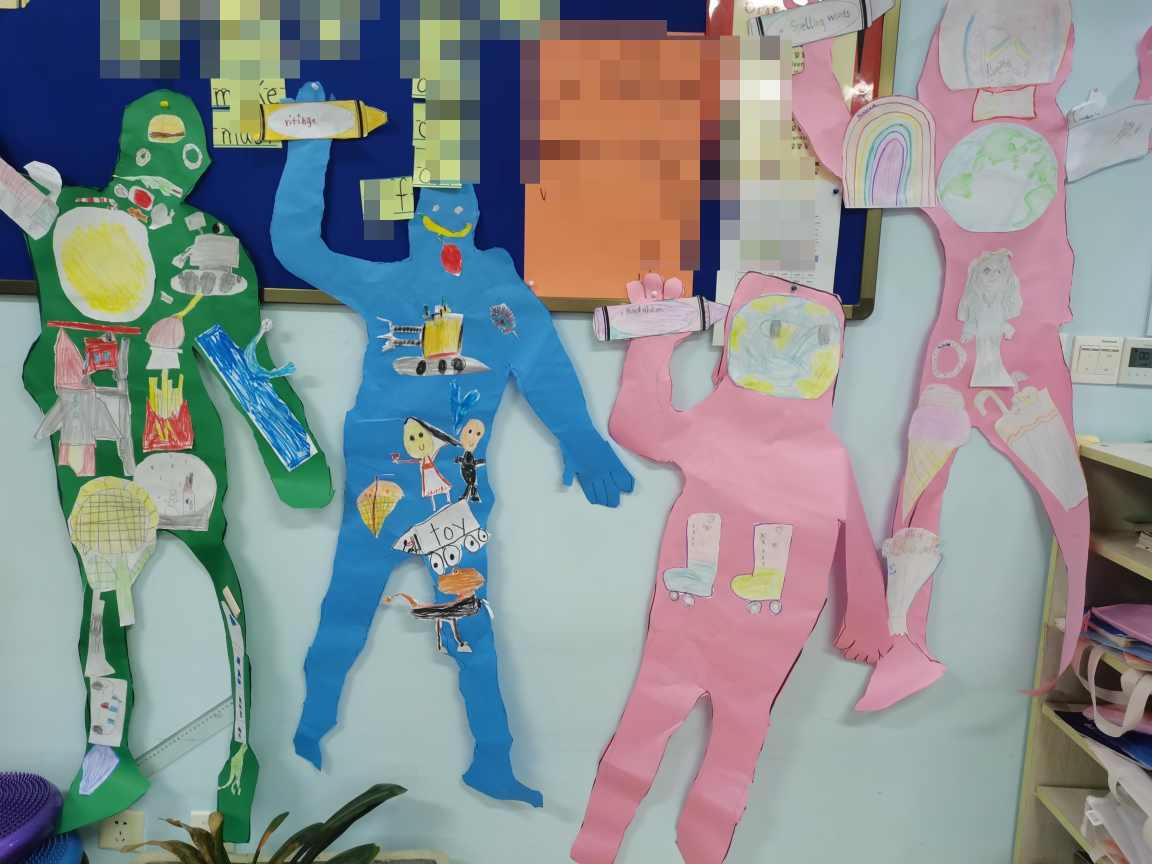
We traced and cut out life sized bodies and filled them with drawings of our favorite people, places, and things that make us unique.
My Team and Self
Kindergarten
Final Product
.jpeg)
We traced and cut out life sized bodies and filled them with drawings of our favorite people, places, and things that make us unique.
Additional Info
Emma Stewart from Quality Schools International: IT, Kindergarten
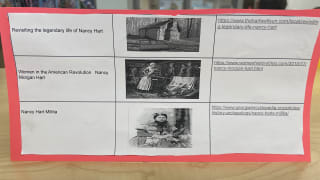
The students LOVED making historical models and didn't even notice that I was having them practice making a claim (to name what they wanted to show with their model), use primary sources (to make their details historically accurate, and elaborate on their thinking (with a maker statement). They created a scavenger hunt for other classes to do as they visited our exhibit. While these projects took a long time and were messy, they were worth it for the high student engagement and deep thinking they prompted.
The American Revolution
5th Grade
Final Product
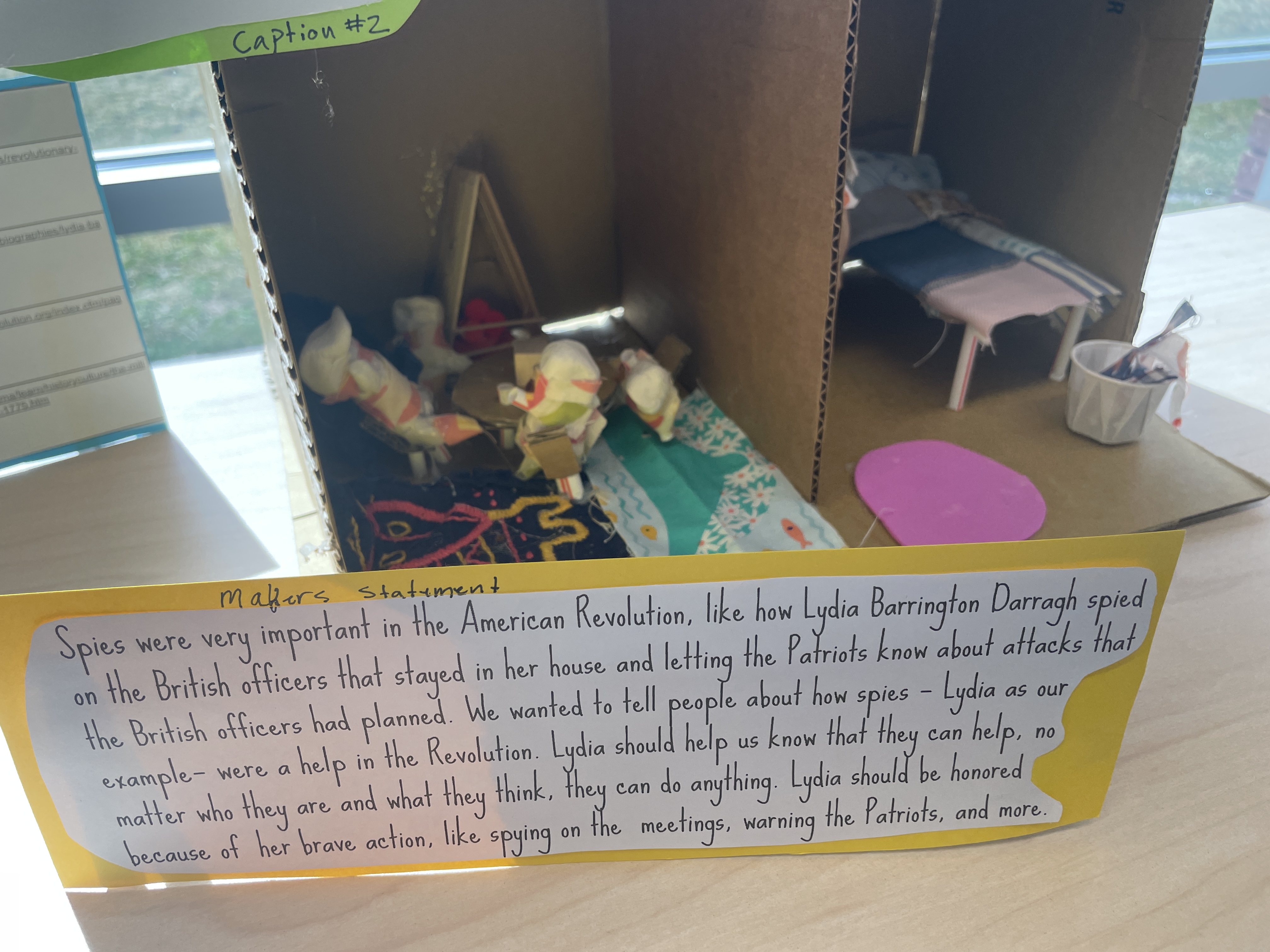
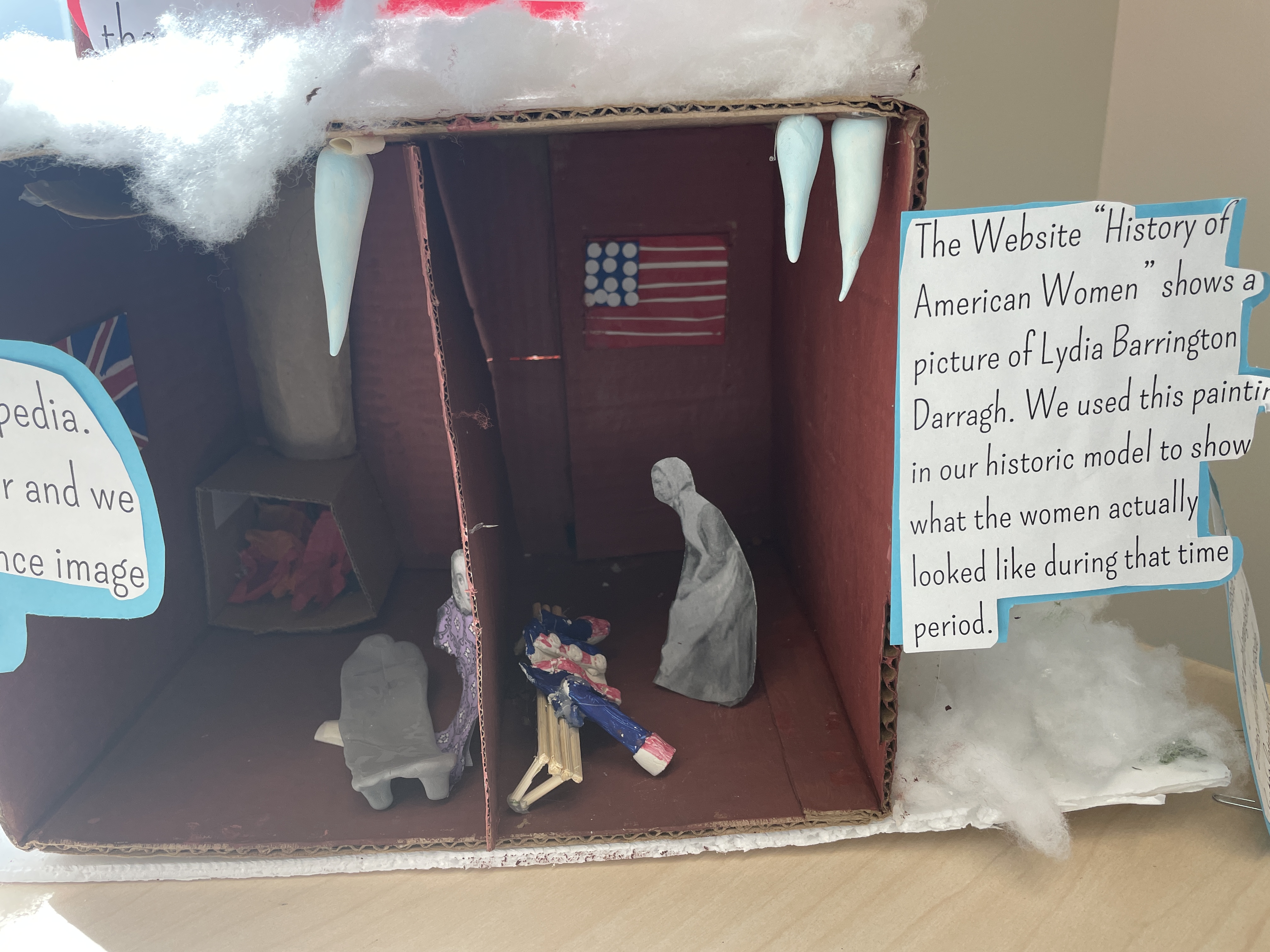
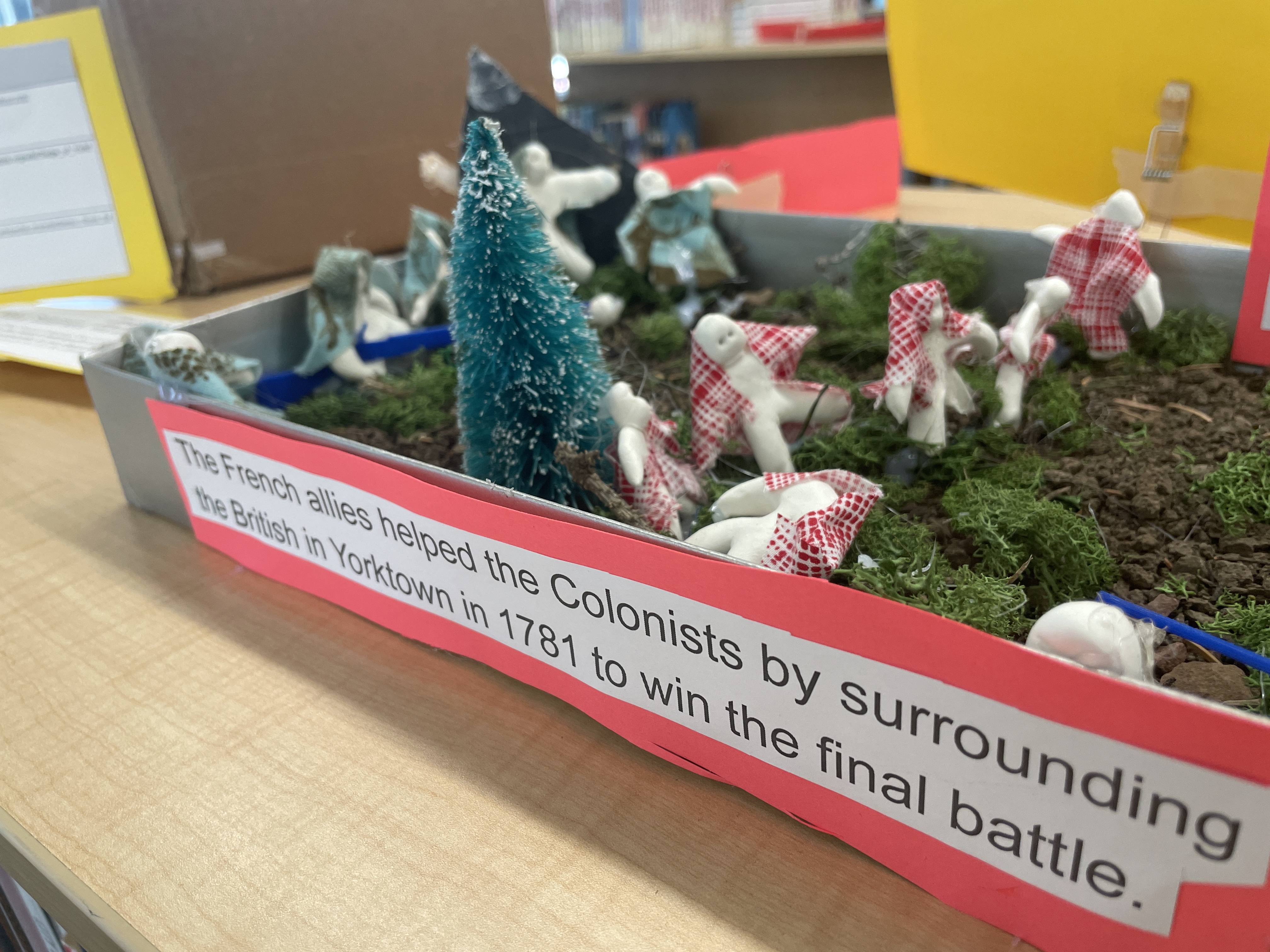
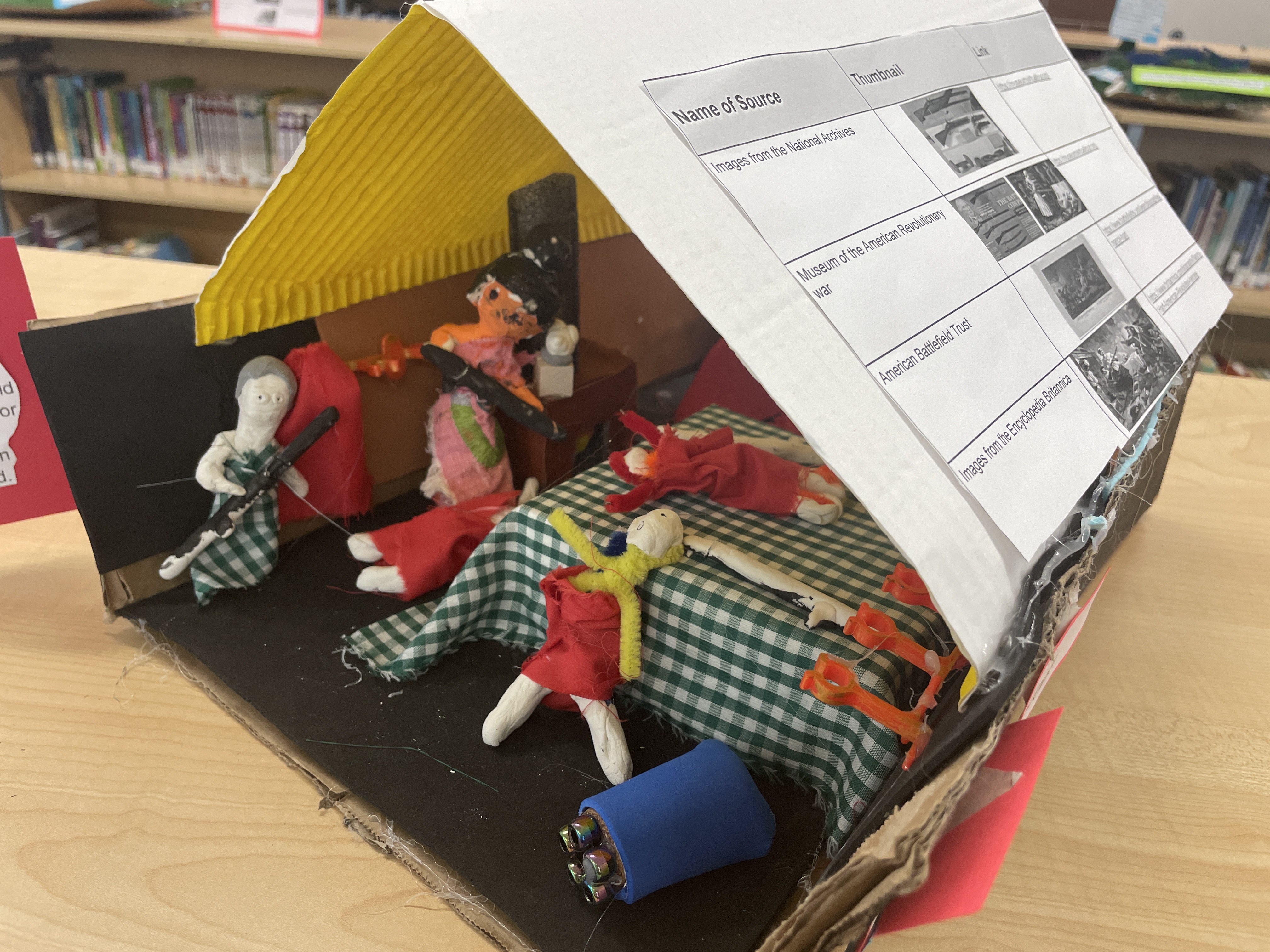
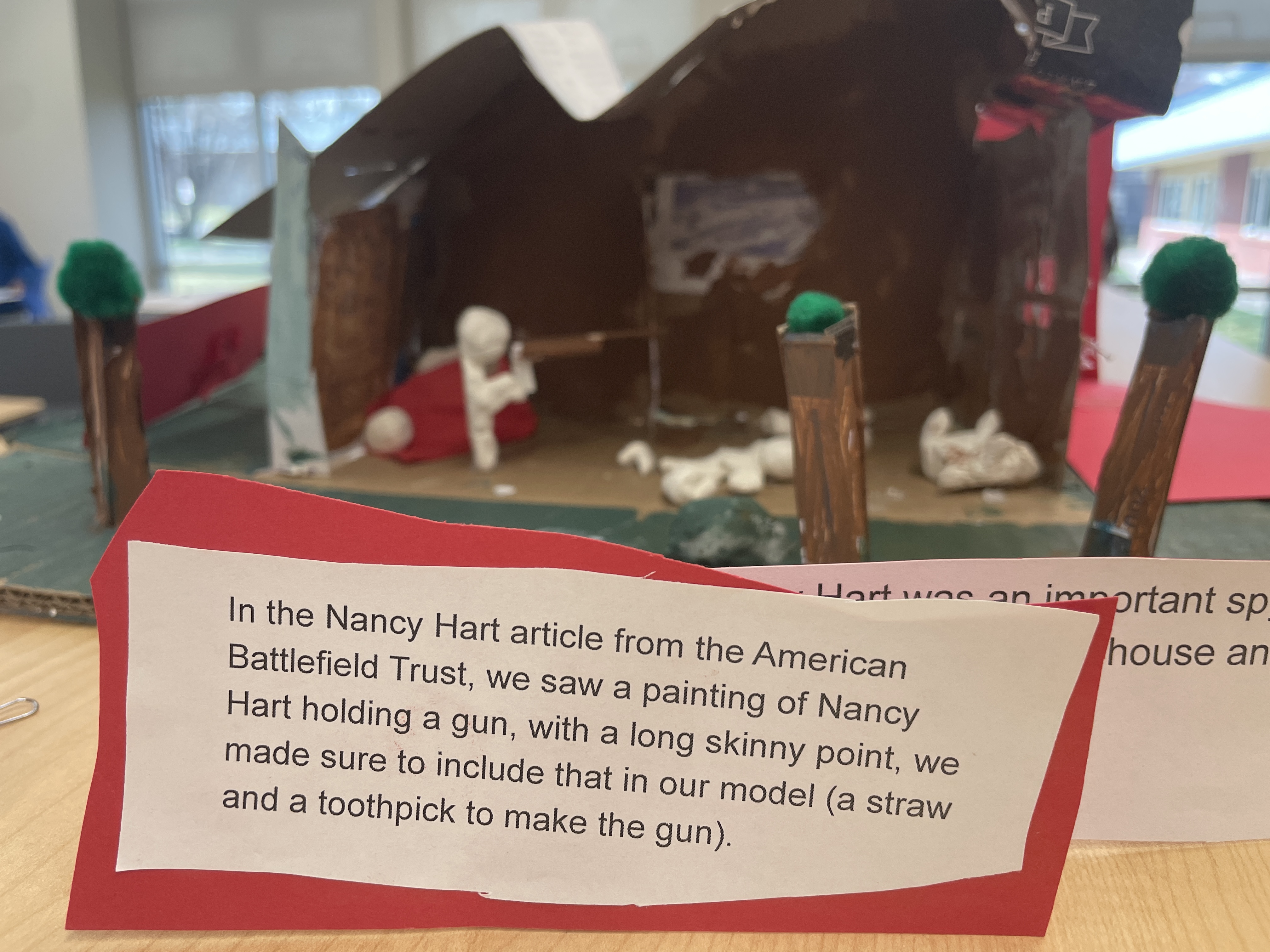
The students LOVED making historical models and didn't even notice that I was having them practice making a claim (to name what they wanted to show with their model), use primary sources (to make their details historically accurate, and elaborate on their thinking (with a maker statement). They created a scavenger hunt for other classes to do as they visited our exhibit. While these projects took a long time and were messy, they were worth it for the high student engagement and deep thinking they prompted.
Additional Info
Betsy McMichael from Roaring Fork School District: CO, 5th Grade
The students formed their own groups or worked individually and created their own challenge statements. This resulted in a variety of products from a recipe book with sustainable recipes, posters, board games, and dioramas.
Natural Resources of the U.S.
4th Grade
Final Product
.jpeg)
.jpeg)
.jpeg)
.jpeg)
.jpeg)
The students formed their own groups or worked individually and created their own challenge statements. This resulted in a variety of products from a recipe book with sustainable recipes, posters, board games, and dioramas.
Additional Info
Jim Bowering from Berkley Schools: MI, 4th Grade
These are power point presentations each child created for a natural resource of their choice. In their presentation they had to showcase their knowledge of the resource (what is it, where is it found, renewable or nonrenewable), how it is used, and ideas for conserving it locally as well as globally. After student created their presentations they shared them in small groups and used the warm/cool/ suggestion feedback. They continue to give feedback organically in class using these frameworks.
Natural Resources of the U.S.
5th Grade
Final Product
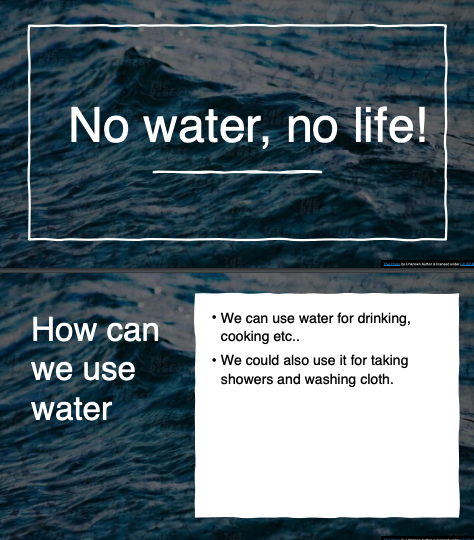
These are power point presentations each child created for a natural resource of their choice. In their presentation they had to showcase their knowledge of the resource (what is it, where is it found, renewable or nonrenewable), how it is used, and ideas for conserving it locally as well as globally. After student created their presentations they shared them in small groups and used the warm/cool/ suggestion feedback. They continue to give feedback organically in class using these frameworks.
Additional Info
Meagan Fleming from Tacoma Public Schools: WA, 5th Grade
We have added more to this bulletin board as the unit continues. We were very inspired by hearing immigrant stories, so we invited parents of our students to come and share their own immigration story. It was INCREDIBLE- the students learned so much and got to hear different perspectives, journeys, trials, obstacles, learn about countries and cultures, etc. The yellow chart is how we kept track of who came, where they immigrated from and to, the push/pull factors, any obstacles they faced, etc.
Migration and Movement
3rd Grade
Inquiry-Long Display
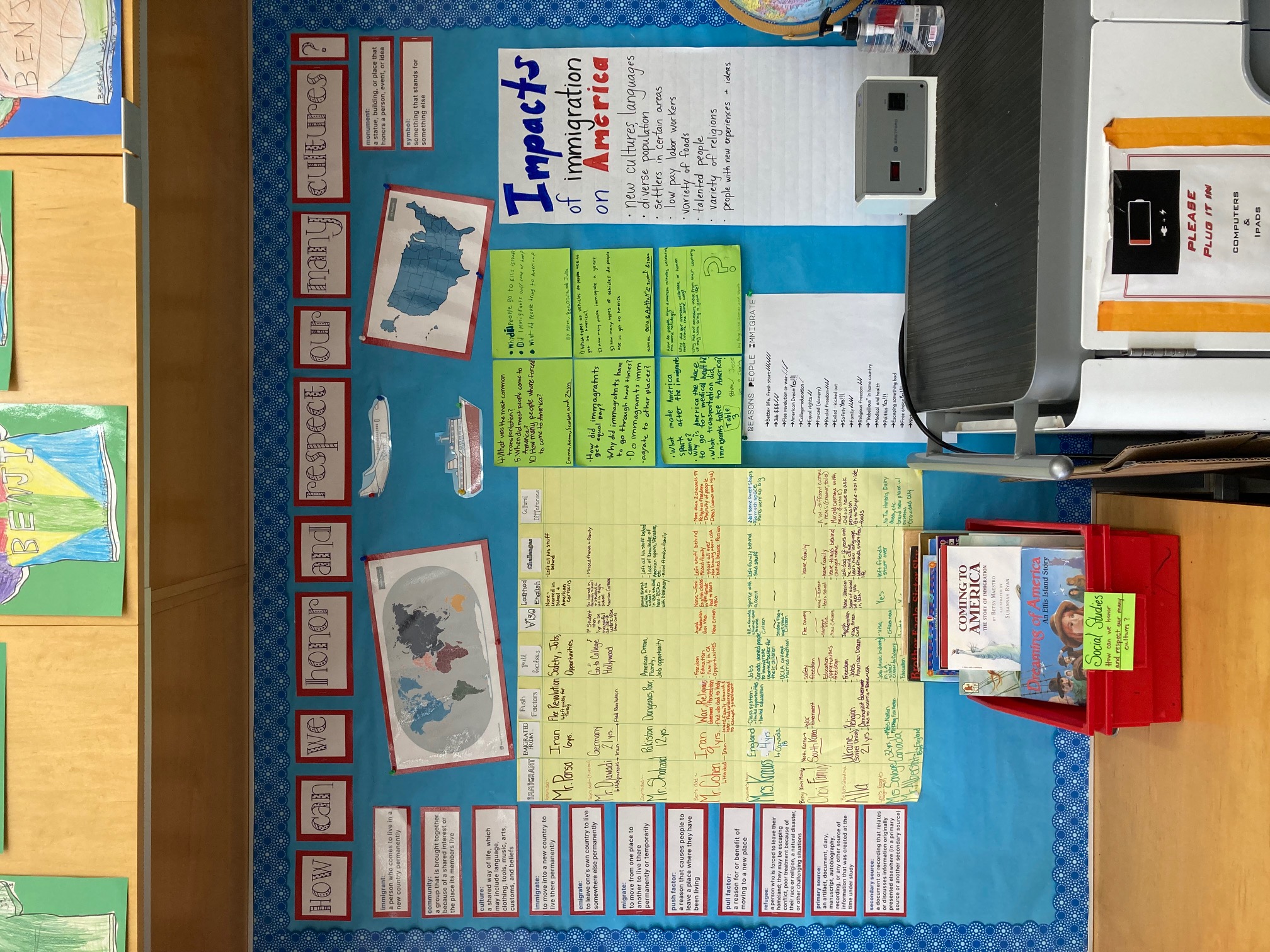
We have added more to this bulletin board as the unit continues. We were very inspired by hearing immigrant stories, so we invited parents of our students to come and share their own immigration story. It was INCREDIBLE- the students learned so much and got to hear different perspectives, journeys, trials, obstacles, learn about countries and cultures, etc. The yellow chart is how we kept track of who came, where they immigrated from and to, the push/pull factors, any obstacles they faced, etc.
Additional Info
Anya Logvinsky from John Thomas Dye School: CA, 3rd Grade
This is the first inquiry unit that my 4th graders complete. The Wellsnipps simulation activity at the start really engaged students to learn more about sustainability. The case studies were additionally eye opening as they come both from the somewhat distant and recent past. The entire class gave input for the words assigned per letter. Moreover, we assigned students to the cover page (art-oriented), table of contents and glossary as well. This picture book was given to our Kindergarten class and the teachers have been sharing small bits of it to students one at a time.
Natural Resources of the U.S.
4th Grade
Final Product
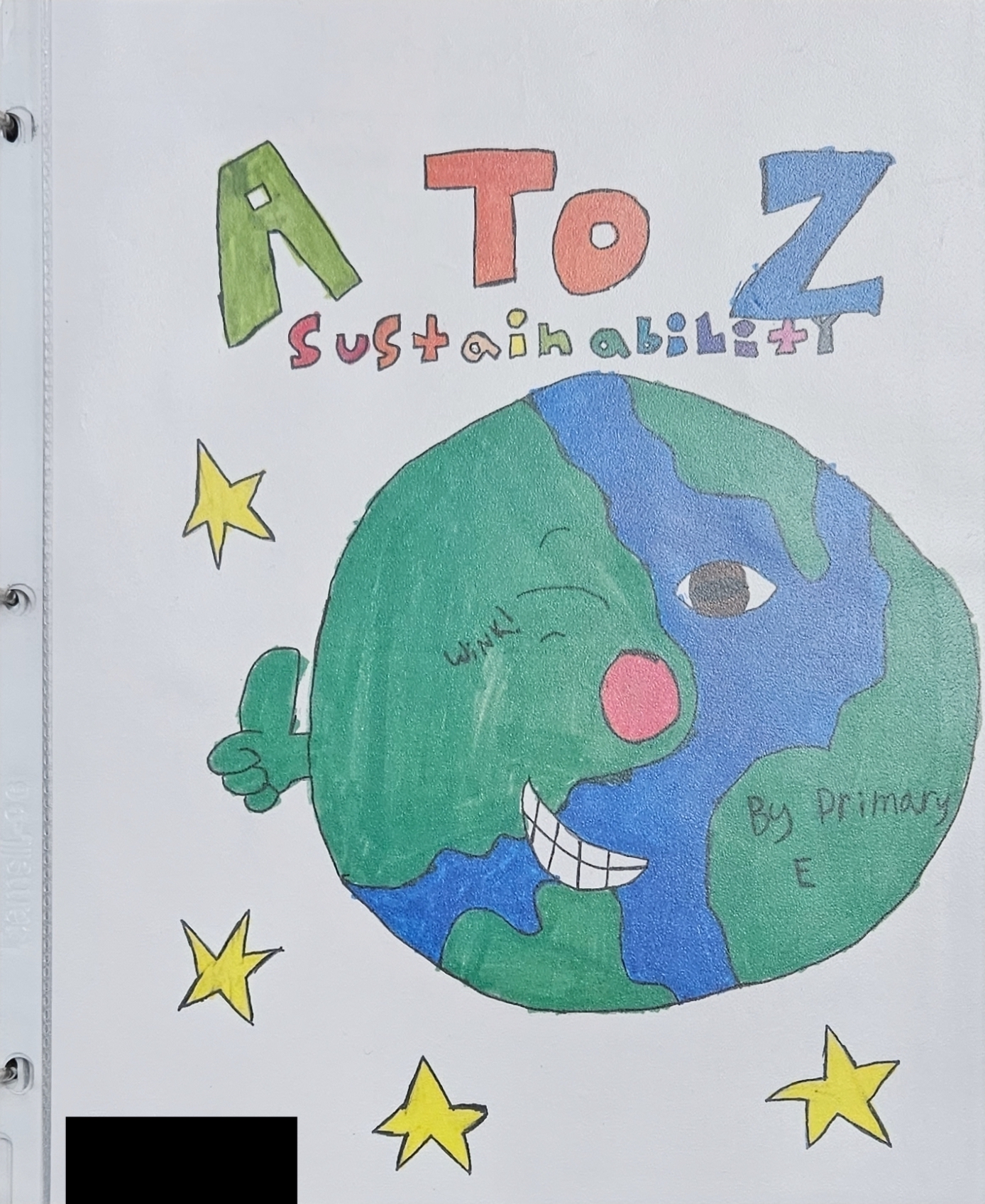
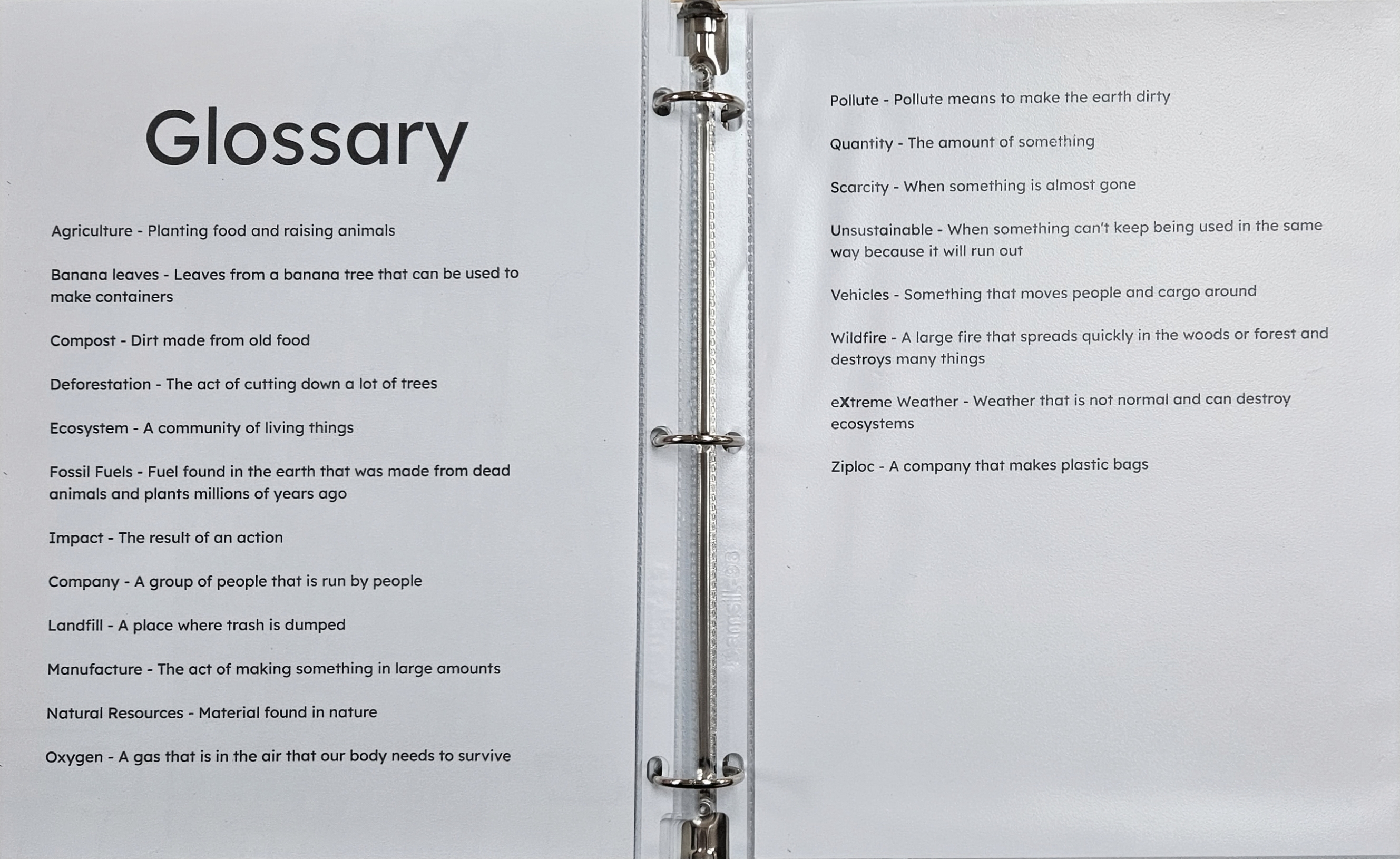
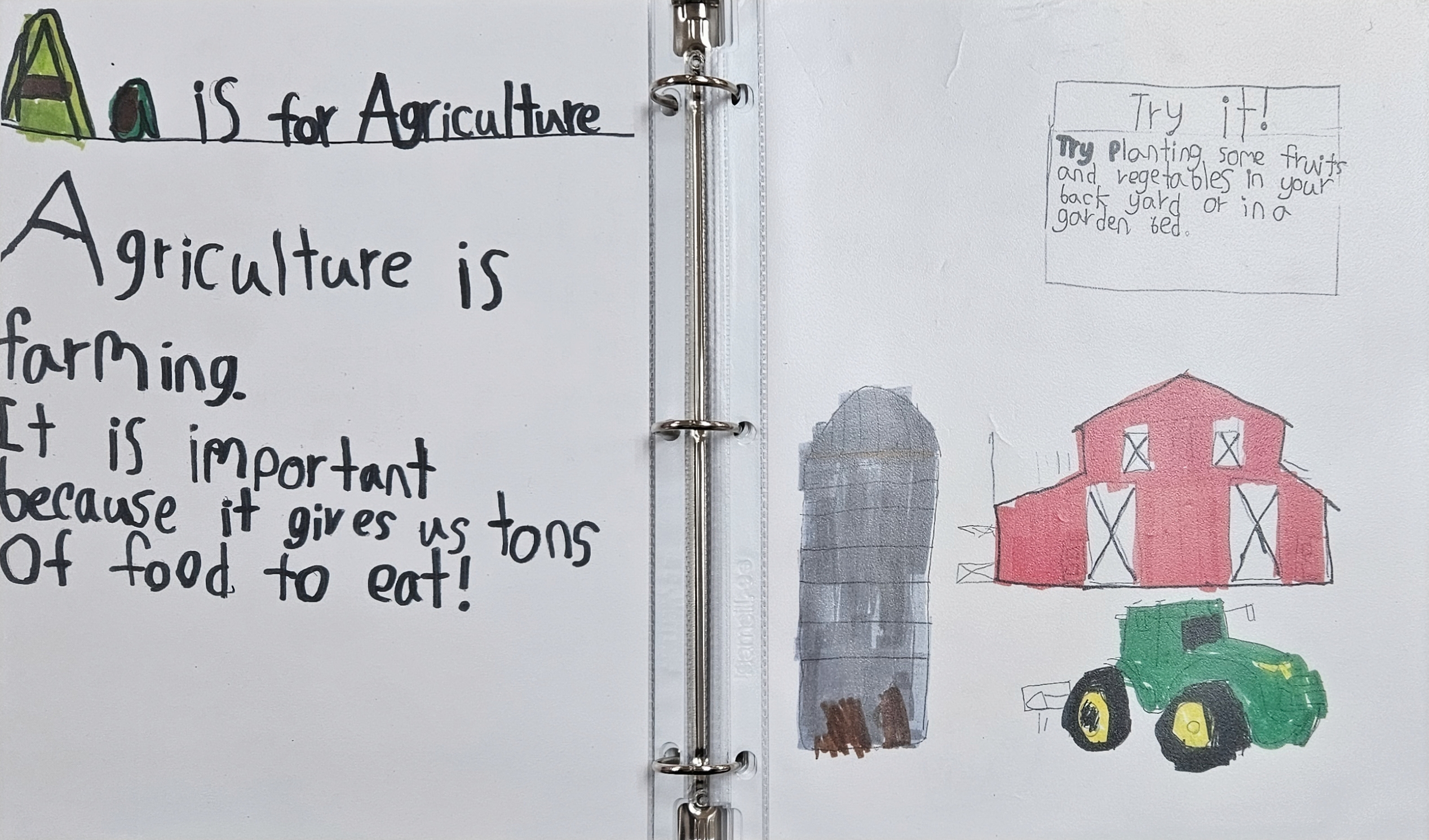
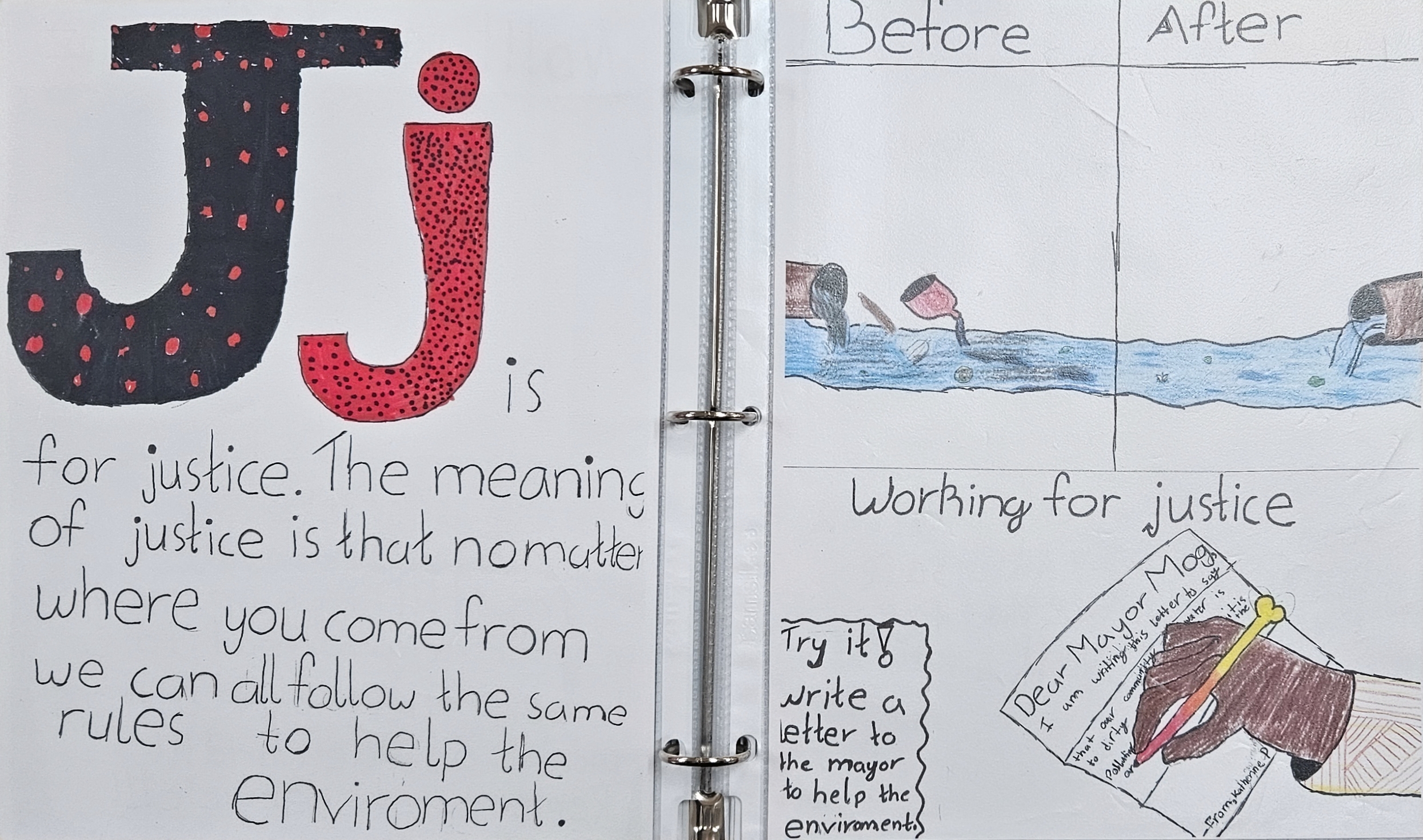
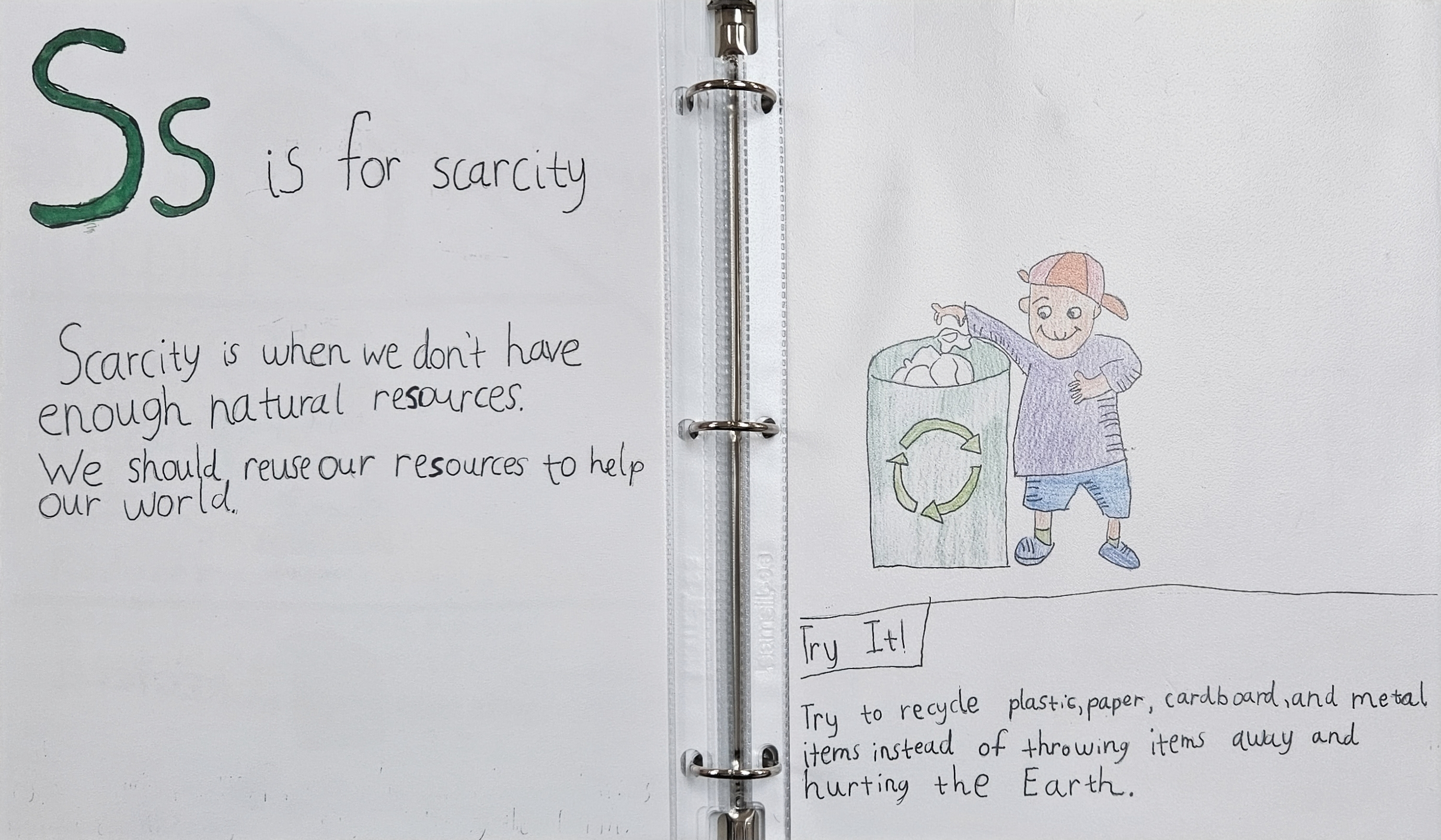
This is the first inquiry unit that my 4th graders complete. The Wellsnipps simulation activity at the start really engaged students to learn more about sustainability. The case studies were additionally eye opening as they come both from the somewhat distant and recent past. The entire class gave input for the words assigned per letter. Moreover, we assigned students to the cover page (art-oriented), table of contents and glossary as well. This picture book was given to our Kindergarten class and the teachers have been sharing small bits of it to students one at a time.
Additional Info
Paul Han from Next Generation School: IL, 4th Grade
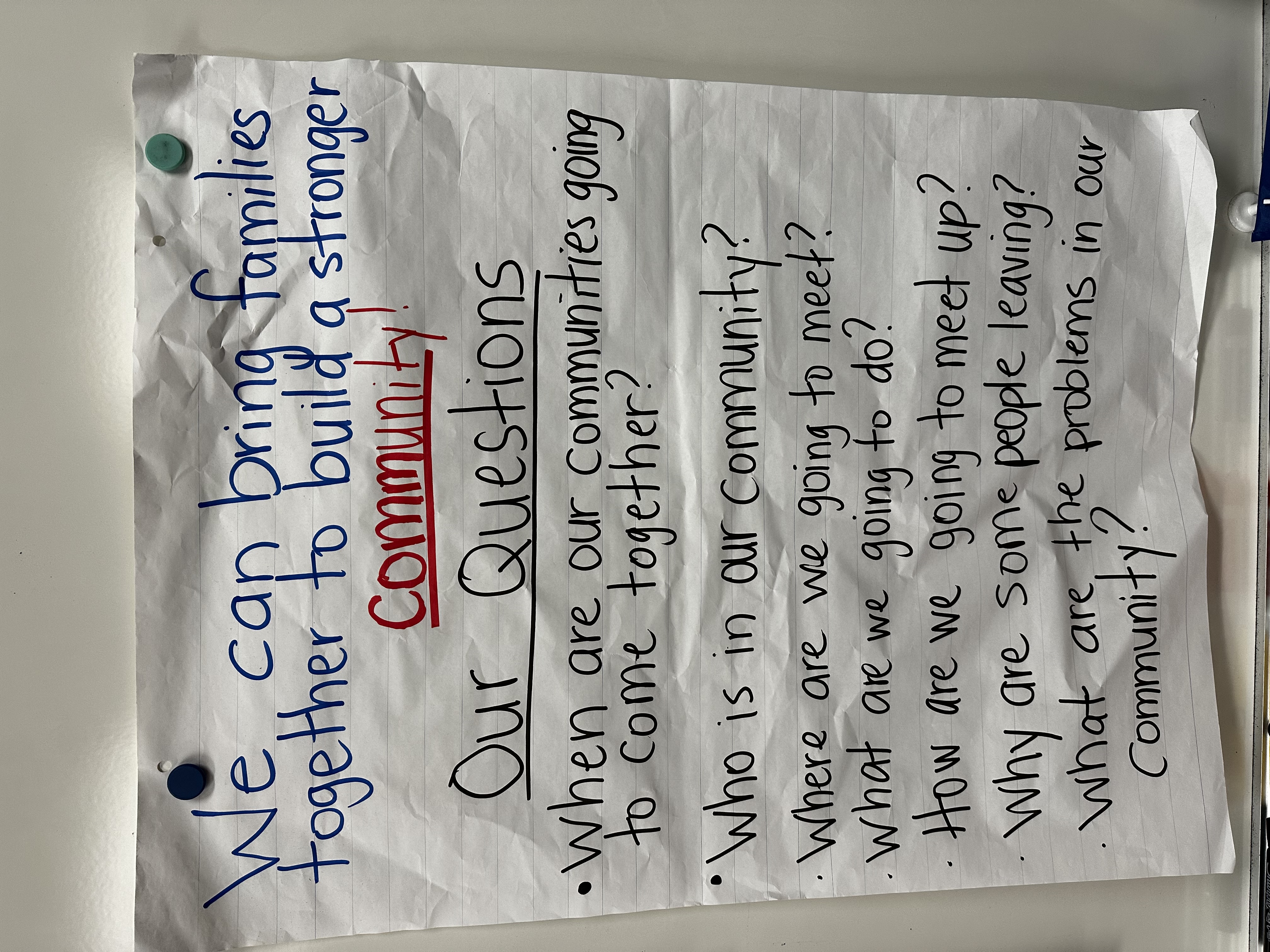
Families Near and Far
1st Grade
Investigation Questions Anchor Chart
Additional Info
Amanda Fabian from South Brunswick School District: NJ, 1st Grade
Our class learned about the making of the transcontinental railroad and how it impacted our country. As part of the reflection, the students did a craft to match the lesson.
Innovation
2nd Grade
Other
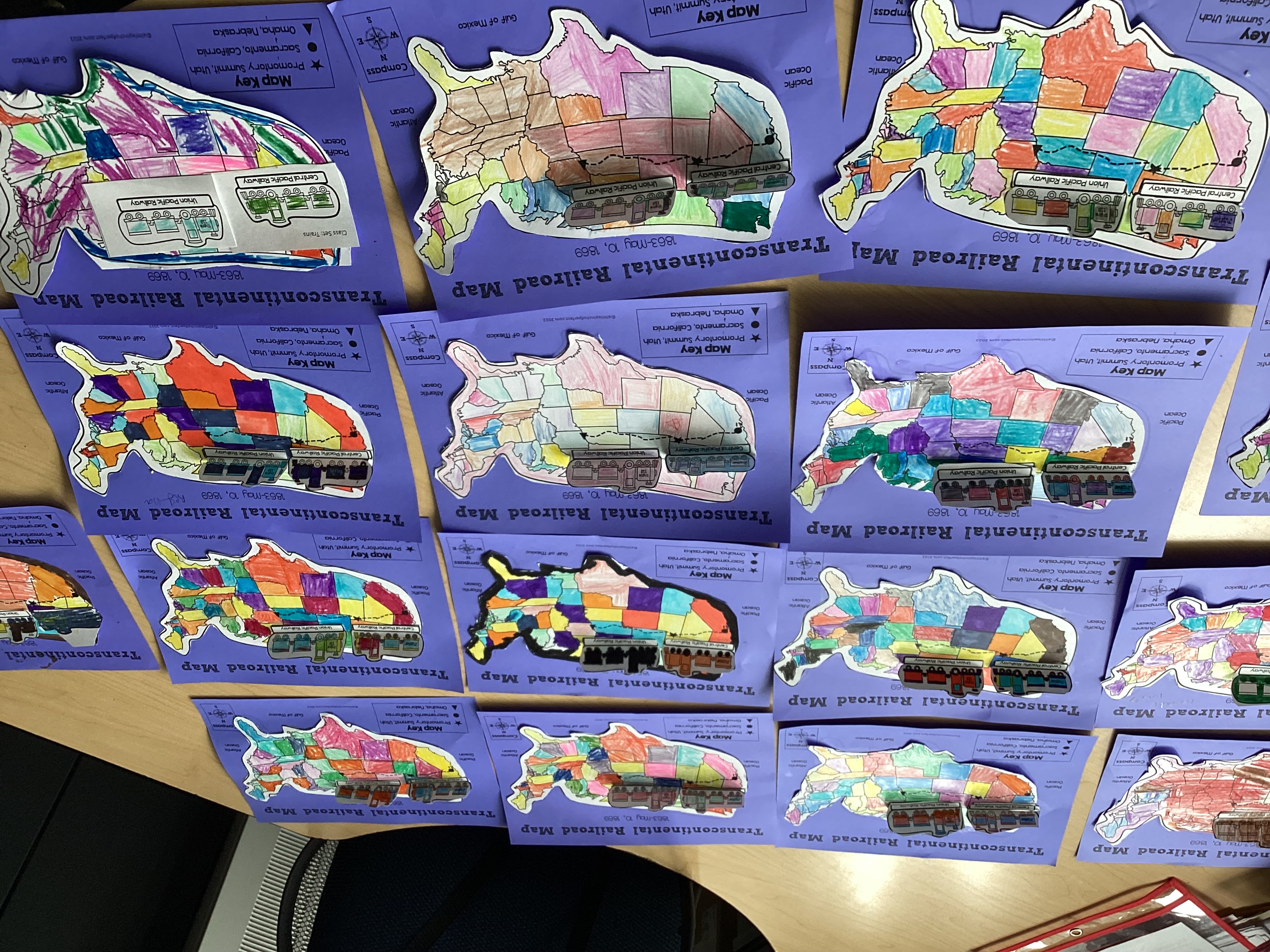
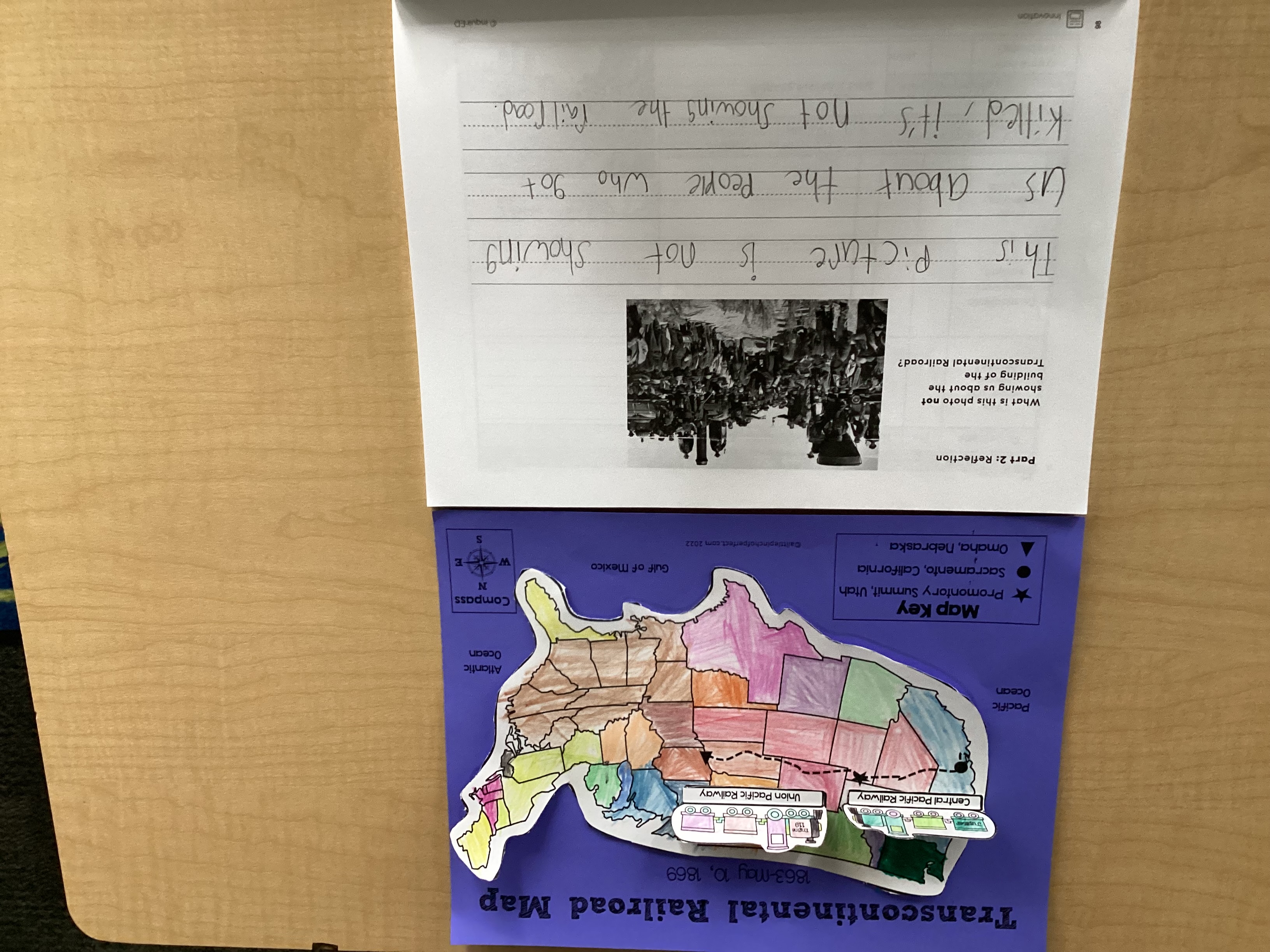
Our class learned about the making of the transcontinental railroad and how it impacted our country. As part of the reflection, the students did a craft to match the lesson.
Additional Info
Cynthia Atkinson from National Heritage Academies - Parent District: NC, MI, NY, CO, 2nd Grade
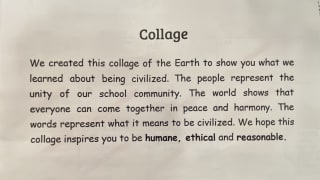
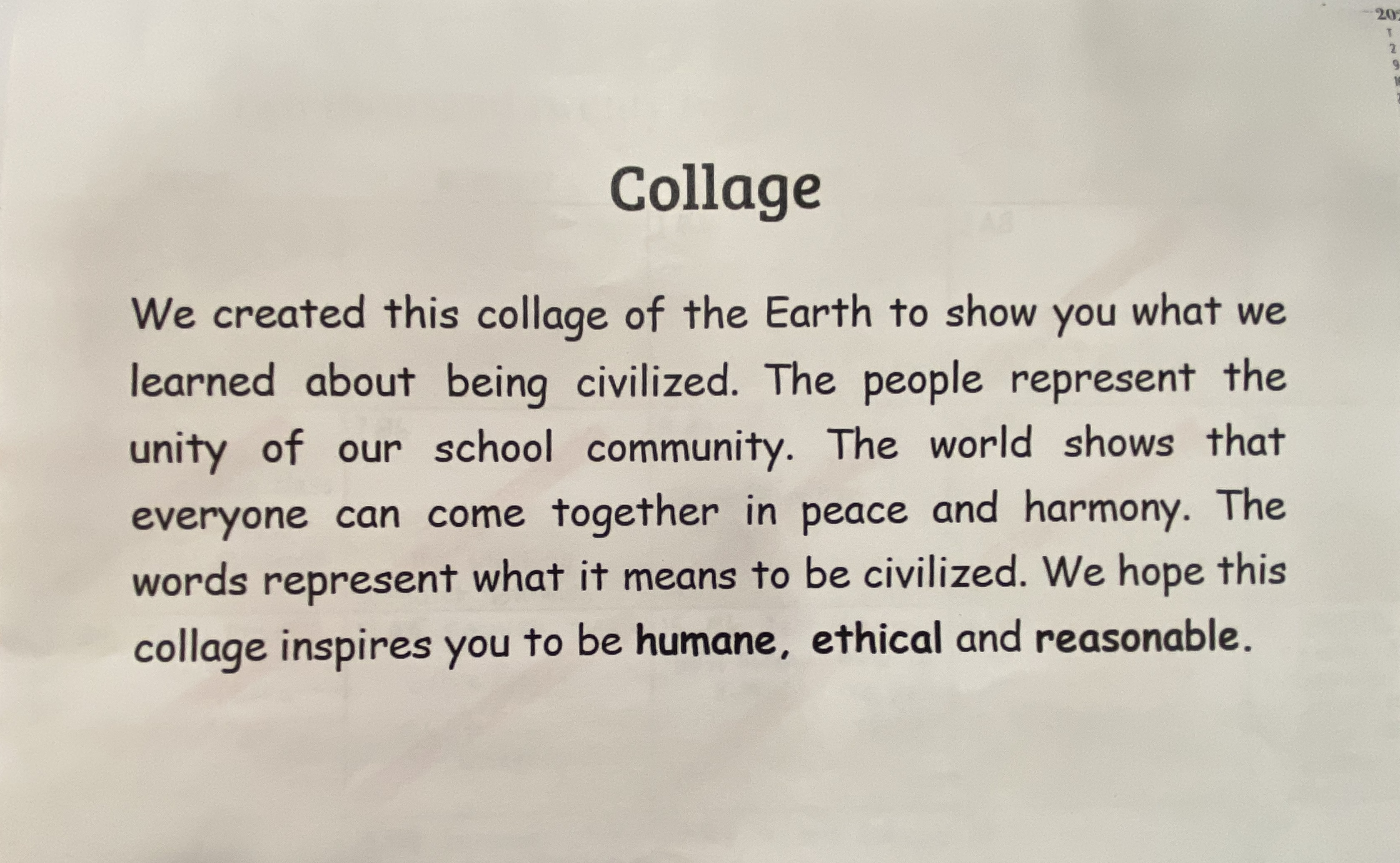
Students created a representation of how they can make the world humane, ethical, and reasonable
Ancient Mesopotamia
6th Grade
Final Product
.jpeg)
Students created a representation of how they can make the world humane, ethical, and reasonable
Additional Info
Kimberly Allen from School District of Belleville: WI, 6th Grade
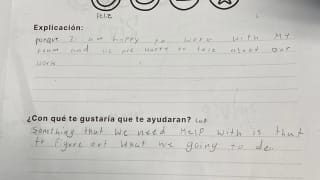
After drawing their prototype for their inquiry project, students wrote a reflection of how they feel their project is going and what they may need help with.
Natural Resources of the U.S.
4th Grade
Handout
.jpeg)
After drawing their prototype for their inquiry project, students wrote a reflection of how they feel their project is going and what they may need help with.
Additional Info
Sarah Arndt from Kipp Texas, Inc.: TX, 4th Grade
No results found.
There are no results with this criteria. Try changing your search.