
Celebrating inquiry in every classroom
Teachers across the country shared photos of students in the thick of inquiry — asking questions, testing ideas, and discovering something new. Here are the classrooms that stood out.
Outstanding inquiry across every grade
These classrooms were picked for their creativity, depth of questioning, and student engagement.
The Colonial Era
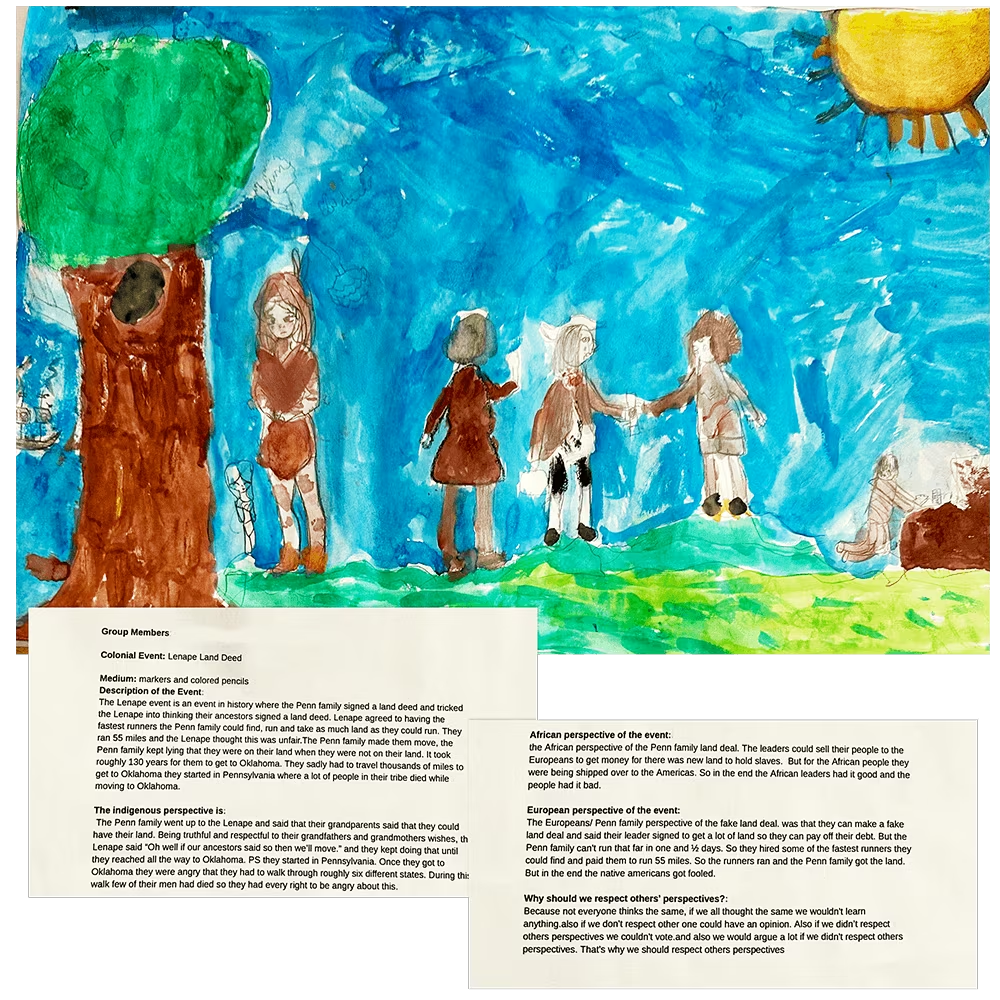
This end of unit project for the Colonial America unit asks students to explore an important event or aspect of colonial life. Students chose a topic and created an illustration in the medium of their choice. They also wrote a caption that explains the event from the perspectives of the different groups they studied, helping them consider how people experienced the same moment in different ways.
Migration & Movement
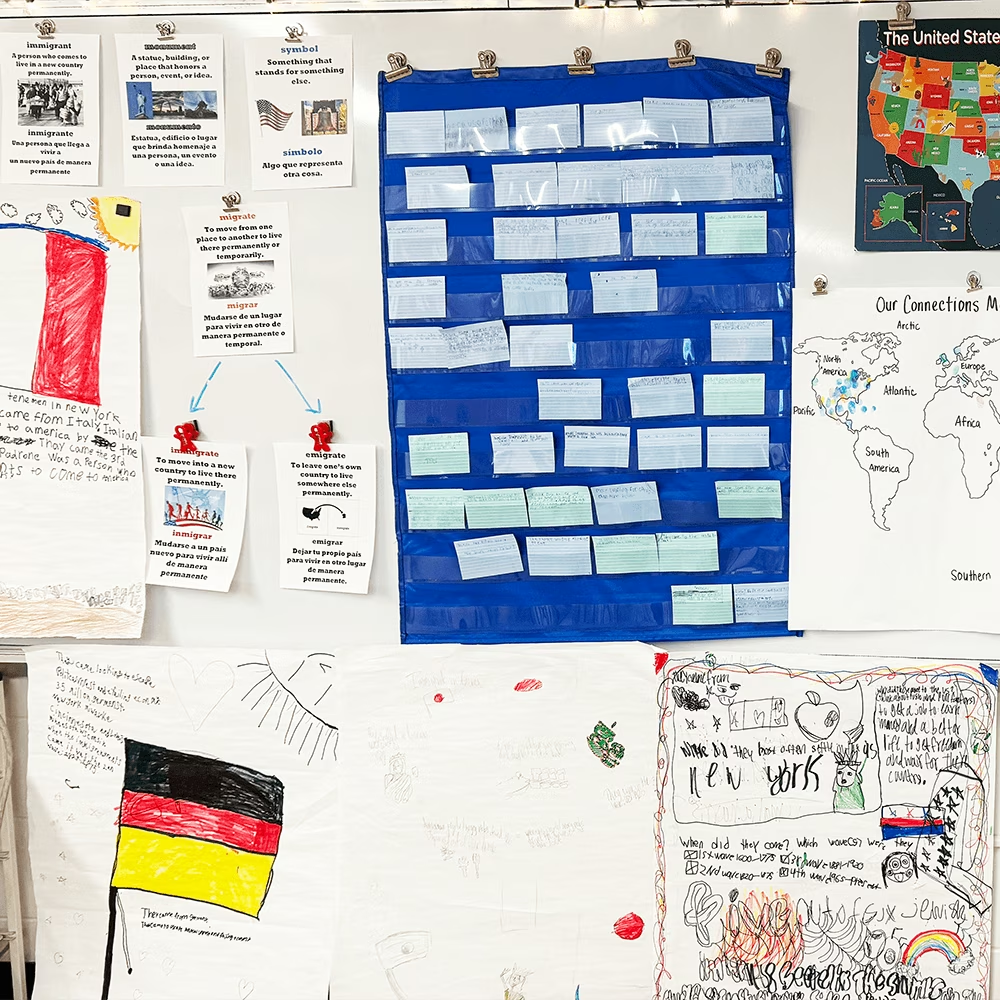
After reading about different waves of immigration, third grade students created posters about a specific immigrant group and presented what they learned to the class. The activity sparked discussion about push and pull factors and helped students understand the challenges immigrants faced before and after arriving in the United States.
My Team & Self
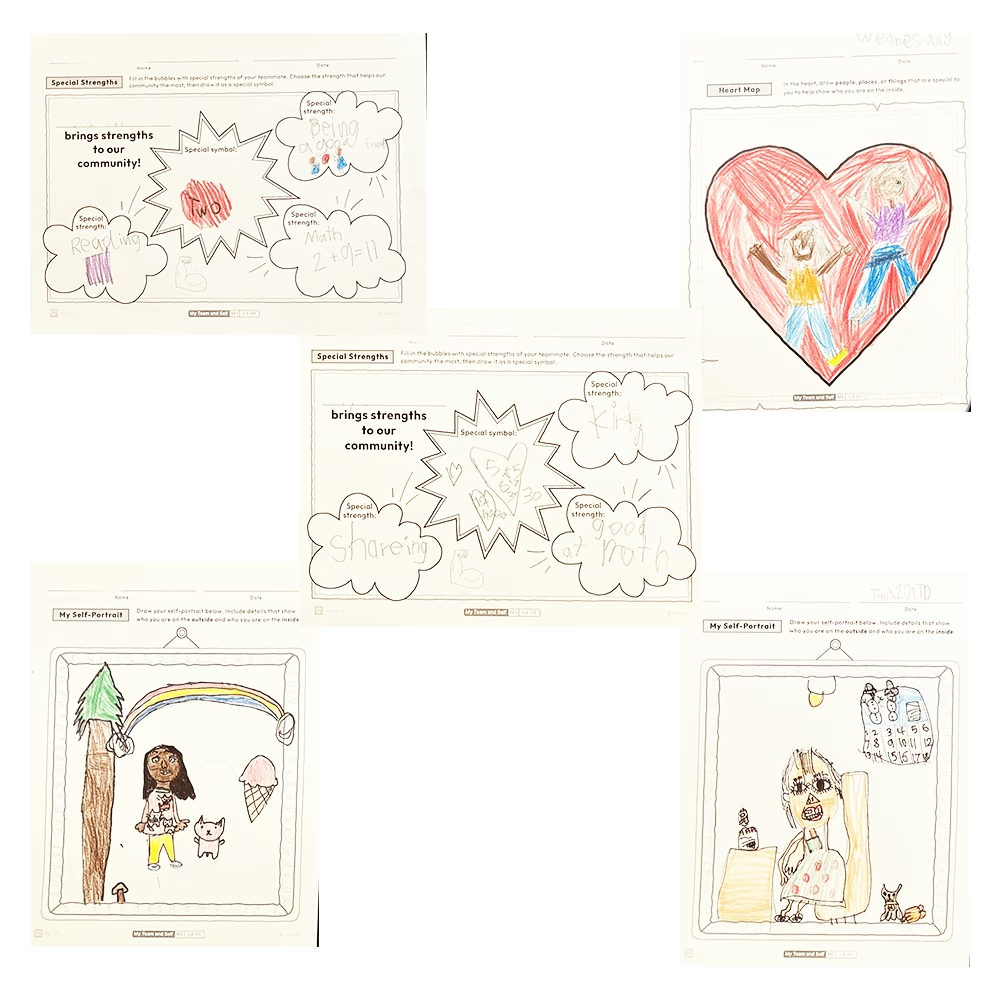
In the My Team and Self inquiry unit, students reflected on their own strengths and then identified the strengths of their classmates. They shared and celebrated these qualities as a class while learning how each person contributes to a team. The experience helped students understand the importance of teamwork and appreciating one another.
Download your certificate
Every student who participated in Inquiry Week 2026 deserves recognition. Download the official participation certificate to celebrate their curiosity and hard work.
Download certificate (PDF)Student Works
Explore examples from the Inquiry Work Gallery.
Click on a thumbnail below to expand and view more images.
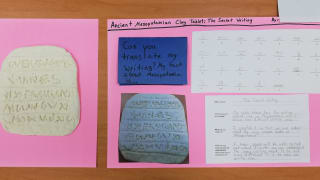
Students created their own alphabet on a piece of paper. Next, we made homemade clay. Then, students used their alphabet to inscribe a fact they learned about ancient Mesopotamia on their clay tablets and share it with others. Finally, students created a 2D product so their work could be displayed.
Ancient Mesopotamia
5th Grade
Final Product
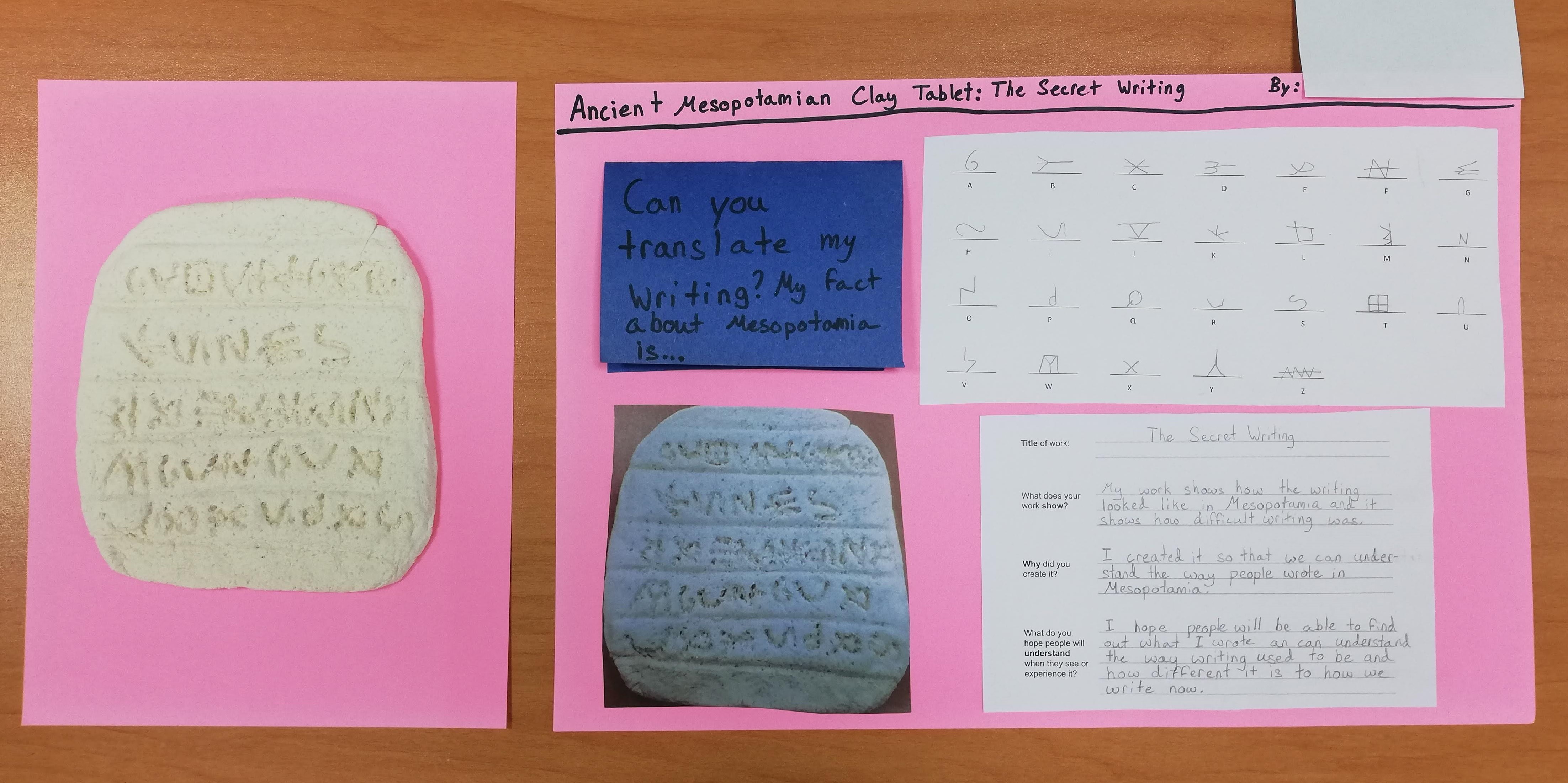
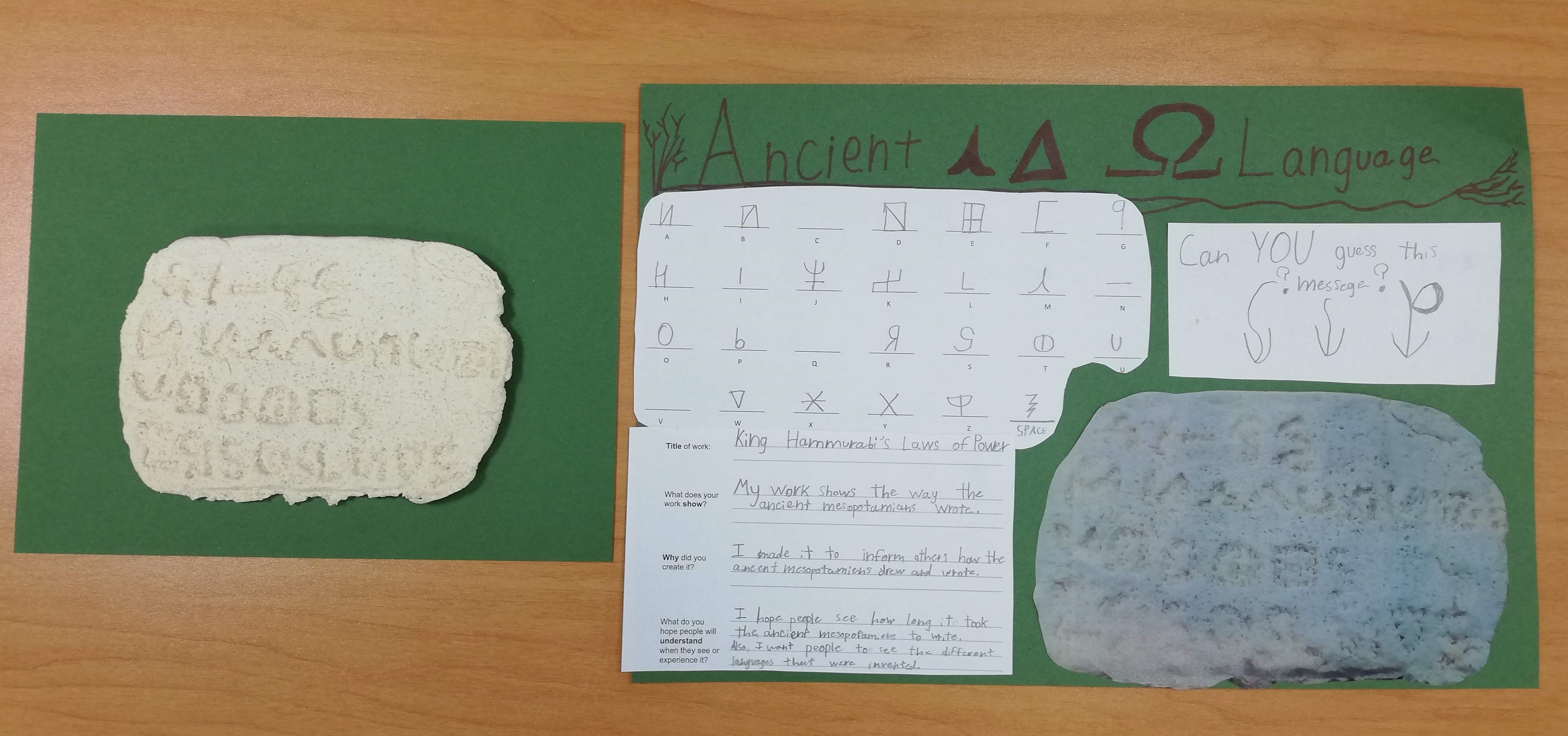
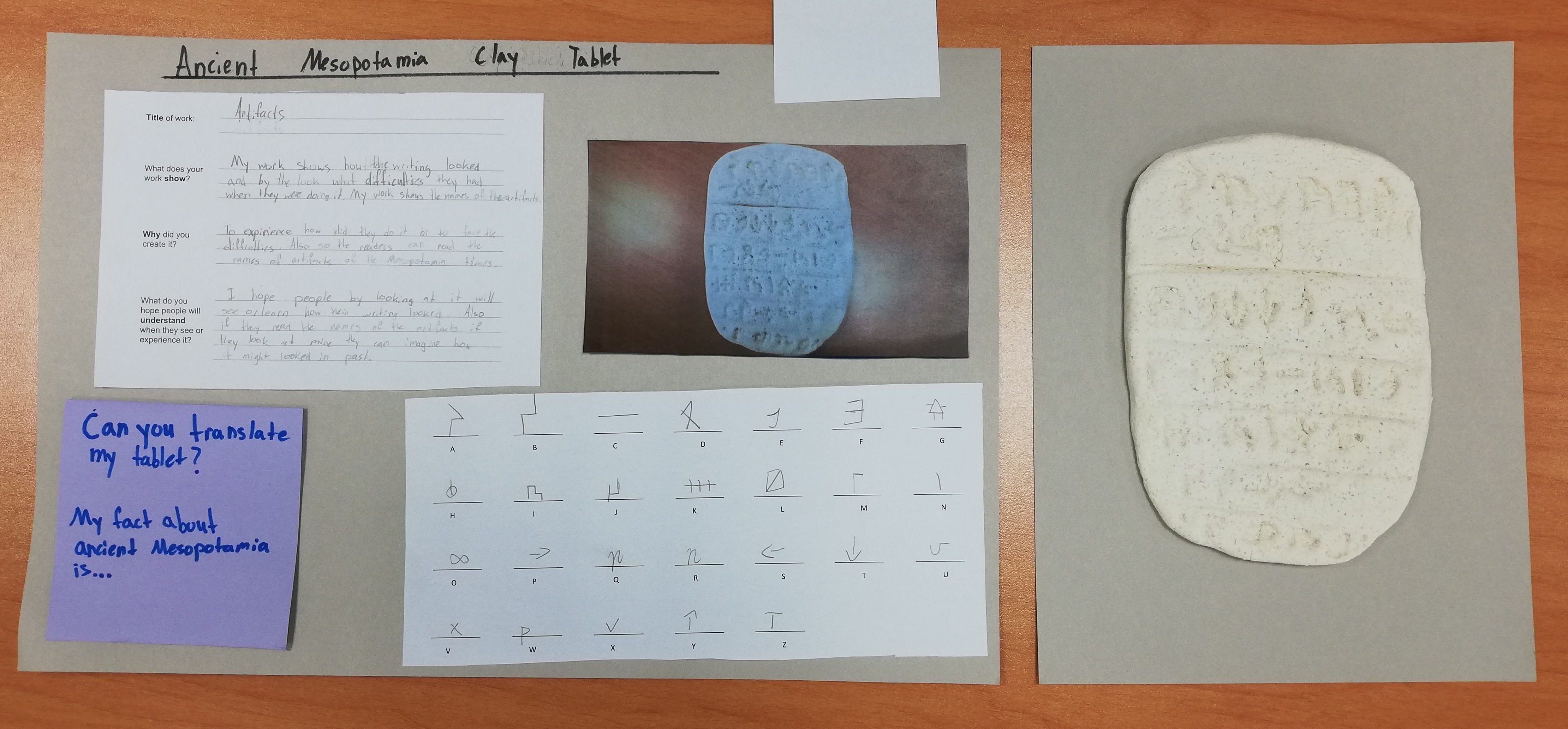
Students created their own alphabet on a piece of paper. Next, we made homemade clay. Then, students used their alphabet to inscribe a fact they learned about ancient Mesopotamia on their clay tablets and share it with others. Finally, students created a 2D product so their work could be displayed.
Additional Info
Angela Warner from Quality Schools International: IT, 5th Grade
The class decided to make a book for the final product to share with the 6-year old class. They chose 4 areas to research, Culture, Economics, travel, and History. Throughout their research they were looking for ways that culture was linked to the environment, and examples of cultural diffusion. They found examples in culture, ie: foods that have traveled throughout the world, in Economics, ie: companies that have entered many countries such as McDonalds, and in travel, ie: the types of experiences that may be common around the world, ie: on and off tour buses, hotel companies, etc. These findings were shared in their books to show how we are connected with multiple places around the world.
Global Connections
3rd Grade
Final Product
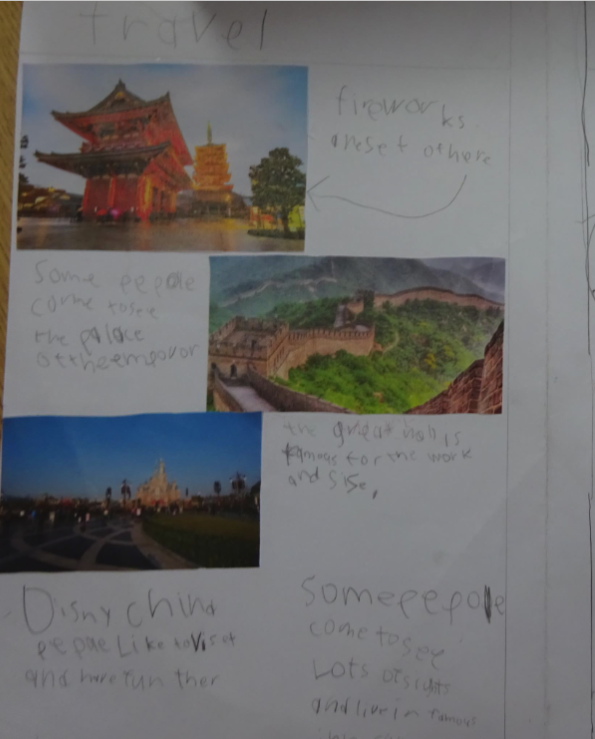
The class decided to make a book for the final product to share with the 6-year old class. They chose 4 areas to research, Culture, Economics, travel, and History. Throughout their research they were looking for ways that culture was linked to the environment, and examples of cultural diffusion. They found examples in culture, ie: foods that have traveled throughout the world, in Economics, ie: companies that have entered many countries such as McDonalds, and in travel, ie: the types of experiences that may be common around the world, ie: on and off tour buses, hotel companies, etc. These findings were shared in their books to show how we are connected with multiple places around the world.
Additional Info
Heather Chapman from Quality Schools International: IT, 3rd Grade
These are connections students made between the events that tell the history of Illinois.
Our State and Region
4th Grade
Wall Display
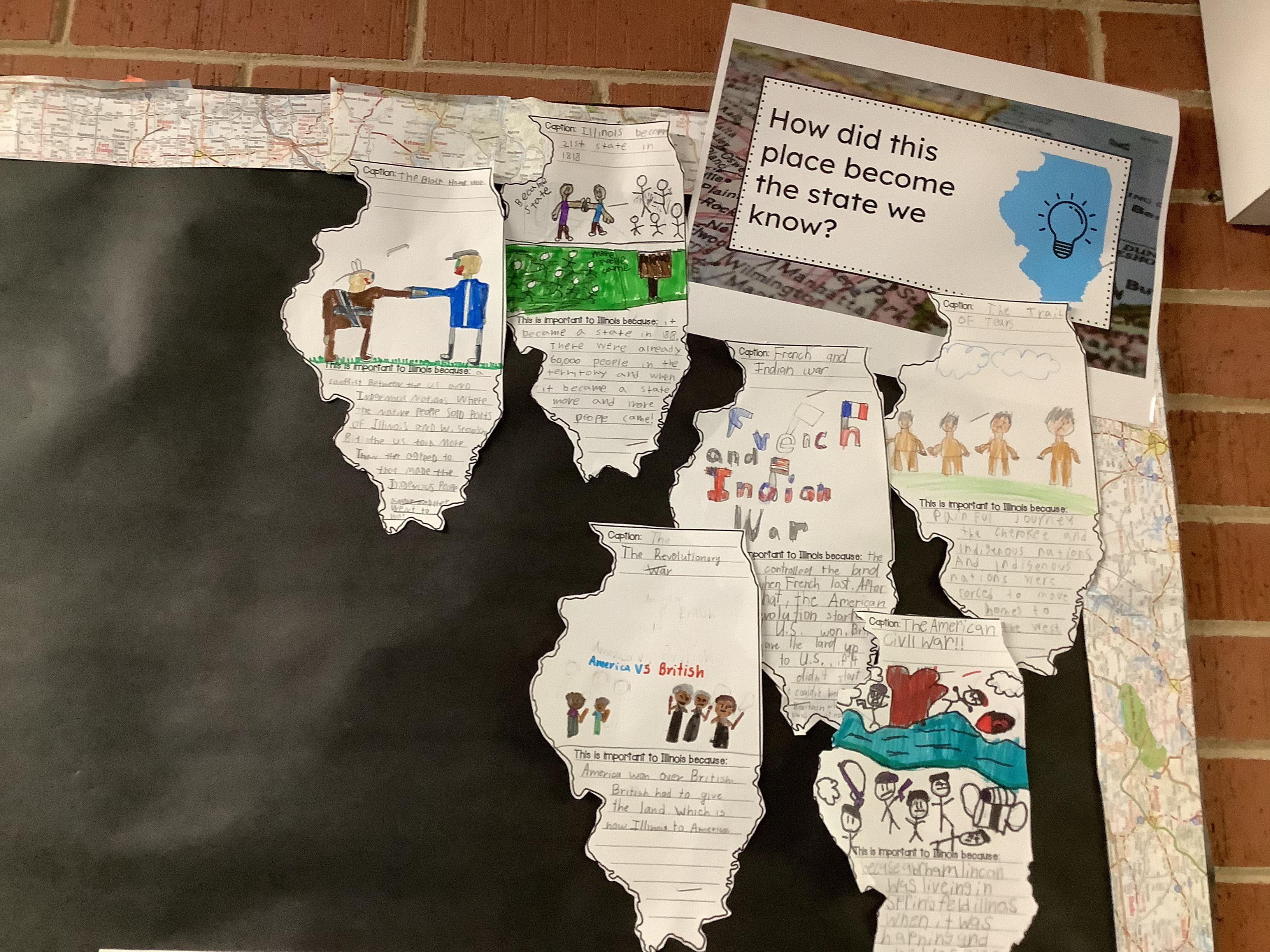
These are connections students made between the events that tell the history of Illinois.
Additional Info
Jennie Greene from Skokie District 68: IL, 4th Grade
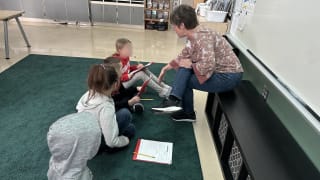
We interviewed members of our community to learn how innovation has changed over time.
Past, Present, and Future
2nd Grade
Other
.jpeg)
.jpeg)
.jpeg)
We interviewed members of our community to learn how innovation has changed over time.
Additional Info
Melissa Riehle from Lakota Local School District: OH, 2nd Grade
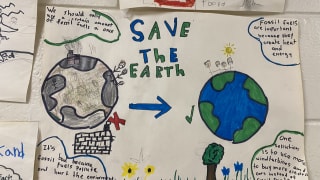
Students made posters to encourage people to conserve resources in English and Spanish.
Natural Resources of the U.S.
4th Grade
Wall Display
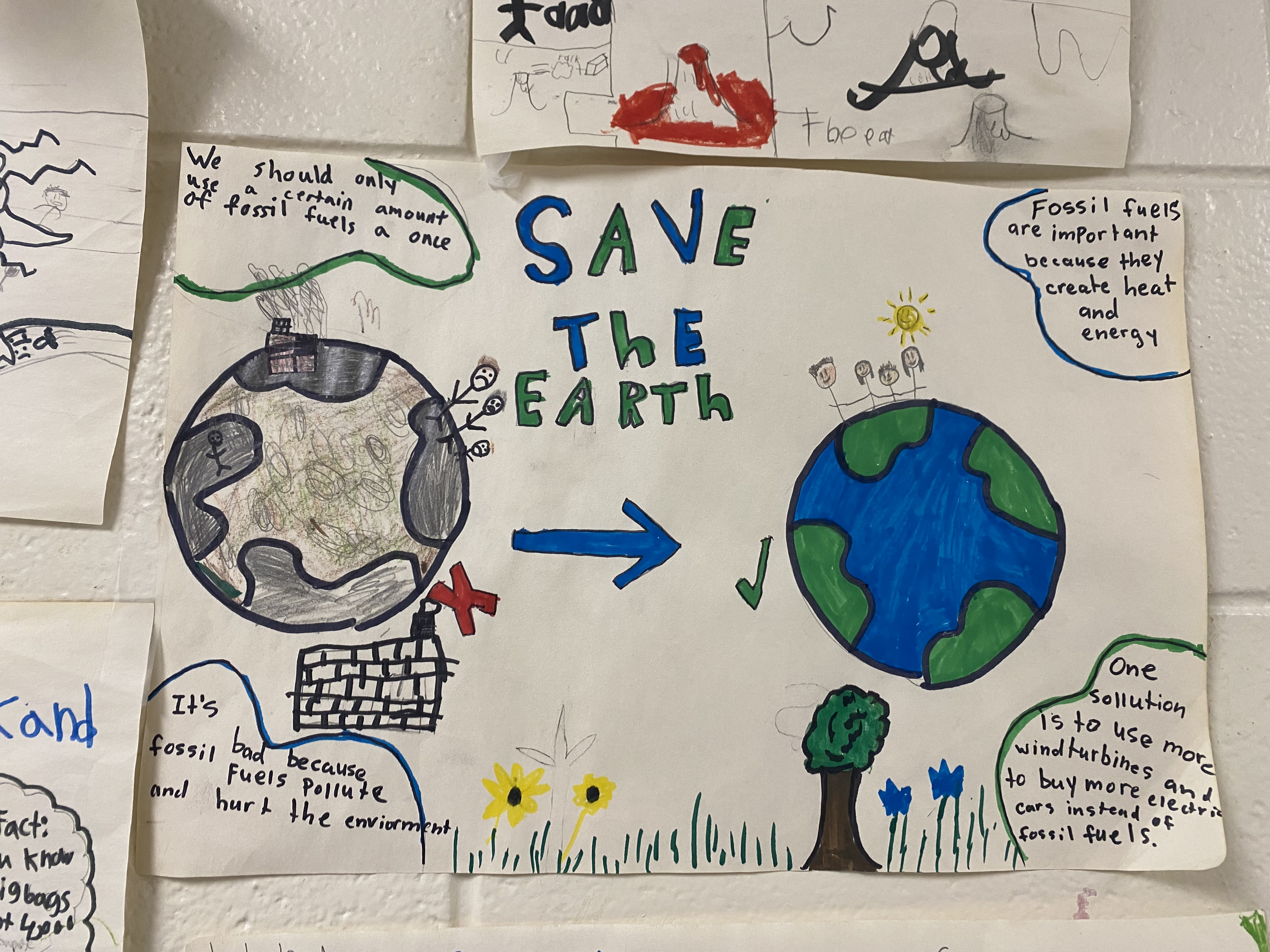
Students made posters to encourage people to conserve resources in English and Spanish.
Additional Info
Kelly Ashline from Community Consolidated School District 93: IL, 4th Grade
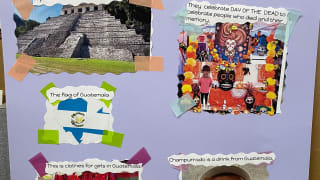
Our students "immigrated" from different countries and made a scrapbook page about their homeland. They had to include a place/landmark, food, the culture, and a tradition of that country. They also had to provide a caption for each picture to tell us what was being represented in each picture. We took pictures of each student, removed the background, and strunk them down to be able to put themselves in pictures found online.
Migration and Movement
3rd Grade
Final Product
.jpeg)
.jpeg)
.jpeg)
.jpeg)
.jpeg)
Our students "immigrated" from different countries and made a scrapbook page about their homeland. They had to include a place/landmark, food, the culture, and a tradition of that country. They also had to provide a caption for each picture to tell us what was being represented in each picture. We took pictures of each student, removed the background, and strunk them down to be able to put themselves in pictures found online.
Additional Info
Suzy Boehm from Franklin Park District 84: IL, 3rd Grade

Our first graders ended their unit, "Our Special Location," by creating a mural. Along the way, students learned about murals in the Austin area and heard from two artists, including a successful muralist. Our students worked closely with our art teacher to represent different aspects of their special location, which was our school (Trinity). We had a big presentation in chapel with six students explaining what they'd learned along the way in this unit. And then, of course, we pulled back the curtain on the stage and revealed the finished mural by our first graders. It was a wonderful way to bring families in to celebrate and witness all that our students had learned in this valuable social studies unit.
Our Special Location
1st Grade
Final Product
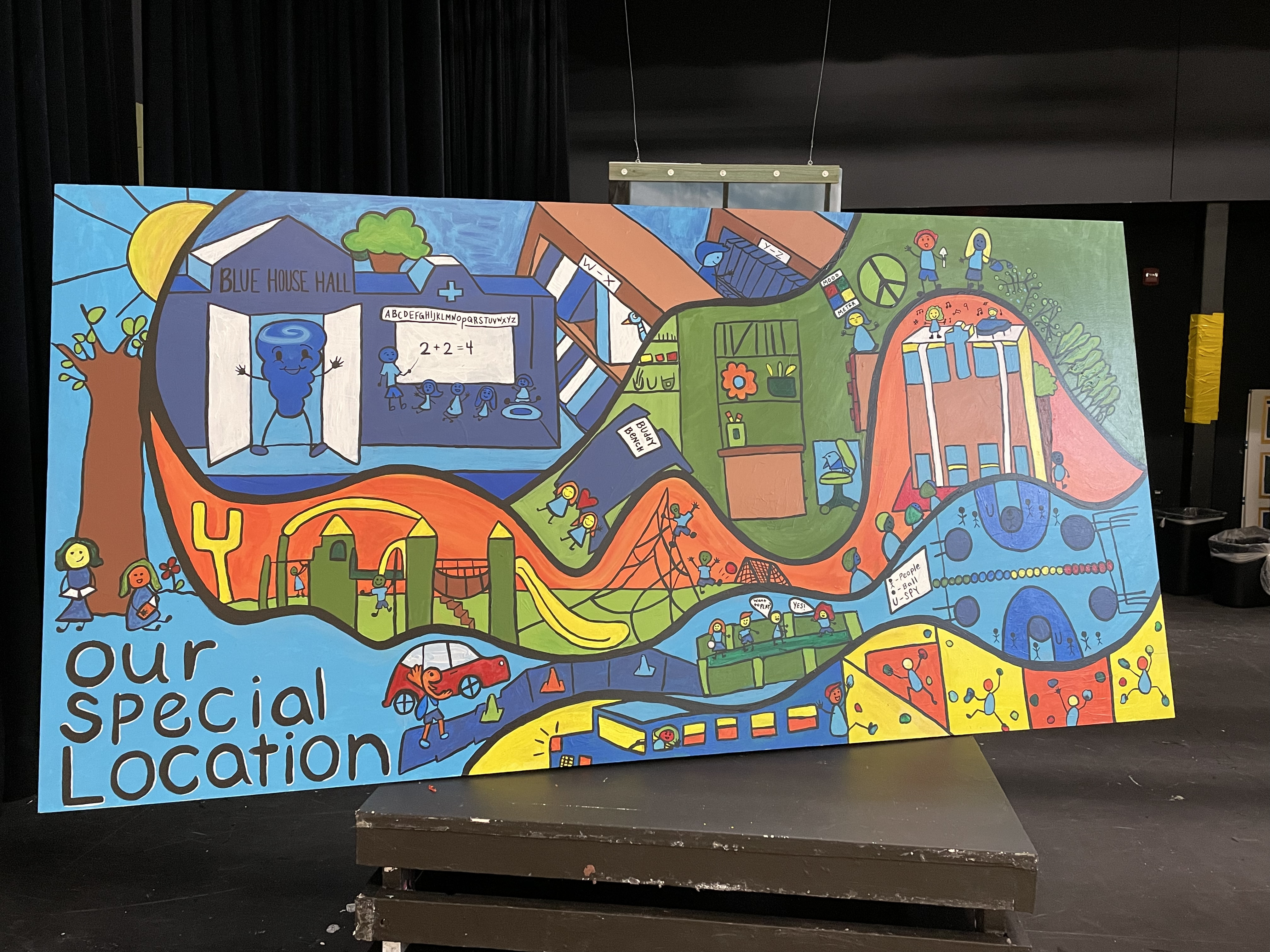
Our first graders ended their unit, "Our Special Location," by creating a mural. Along the way, students learned about murals in the Austin area and heard from two artists, including a successful muralist. Our students worked closely with our art teacher to represent different aspects of their special location, which was our school (Trinity). We had a big presentation in chapel with six students explaining what they'd learned along the way in this unit. And then, of course, we pulled back the curtain on the stage and revealed the finished mural by our first graders. It was a wonderful way to bring families in to celebrate and witness all that our students had learned in this valuable social studies unit.
Additional Info
Ashley Pfiester from Trinity Episcopal School of Austin: TX, 1st Grade
These posters are students' displays created after researching different social groups in the Colonial Era.
The Colonial Era
5th Grade
Wall Display
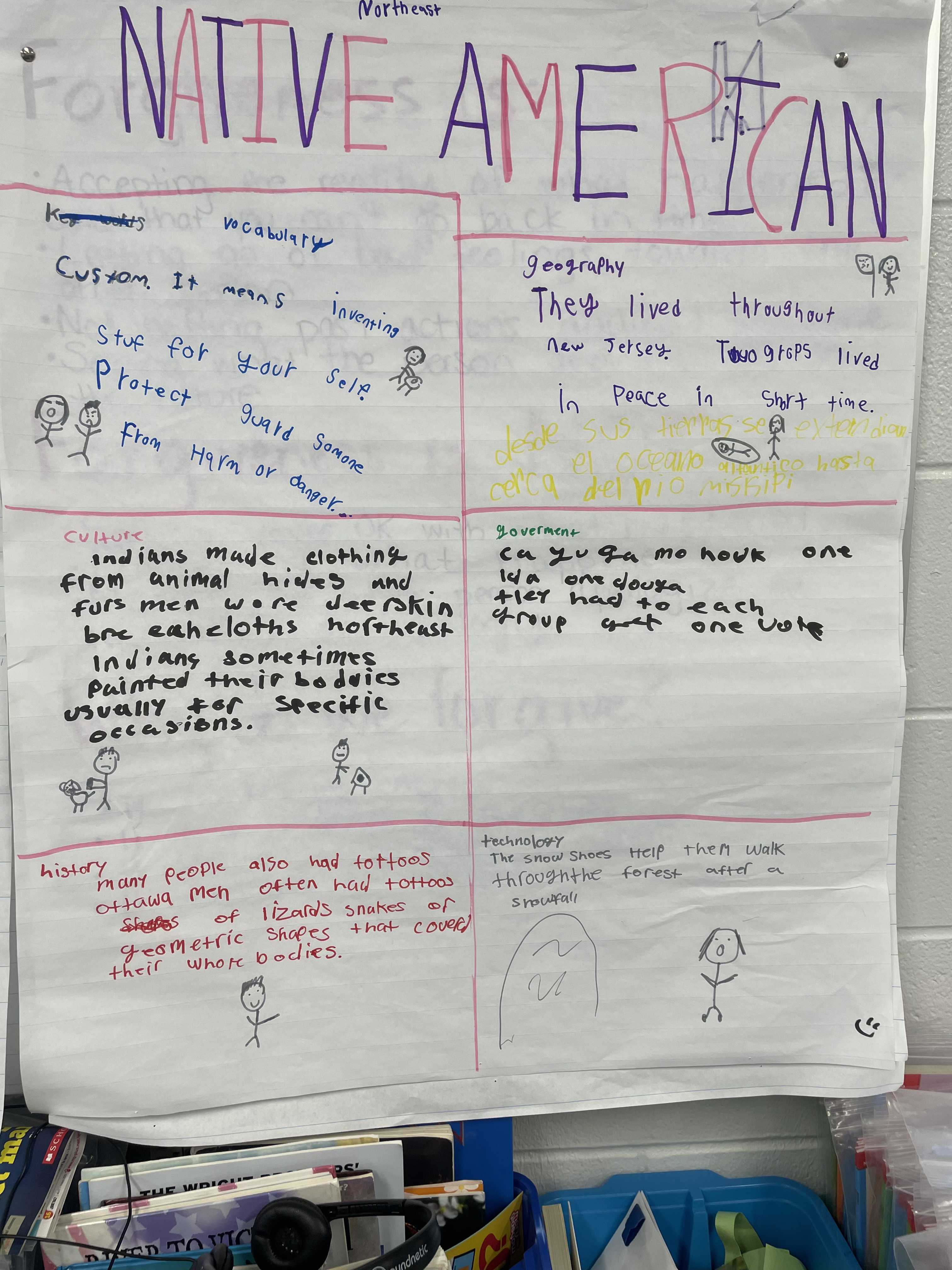
These posters are students' displays created after researching different social groups in the Colonial Era.
Additional Info
Rosa Cappetta from Community Consolidated School District 59: IL, 5th Grade
For the migration and movement unit, students were given free choice to create an inquiry product. Some students created presentations on Google Slides while others created posters and books. The pictures attached include the inquiry wall I posted for students to assist in writing their action statements. Some examples of statements are "We will design a book in order to teach our community to celebrate diverse cultures;" "We will build the alphabet in our cultures to teach the school different foods;" "We will produce a guidebook to educate younger students about places around the world." The pictures of the projects include the book teaching about cultures. Students included the alphabet and foods from the culture. Another group made a poster of some of the traditional foods from the cultures they chose using the alphabet. They loved these projects and were so proud of their finished products!
Migration and Movement
3rd Grade
Final Product
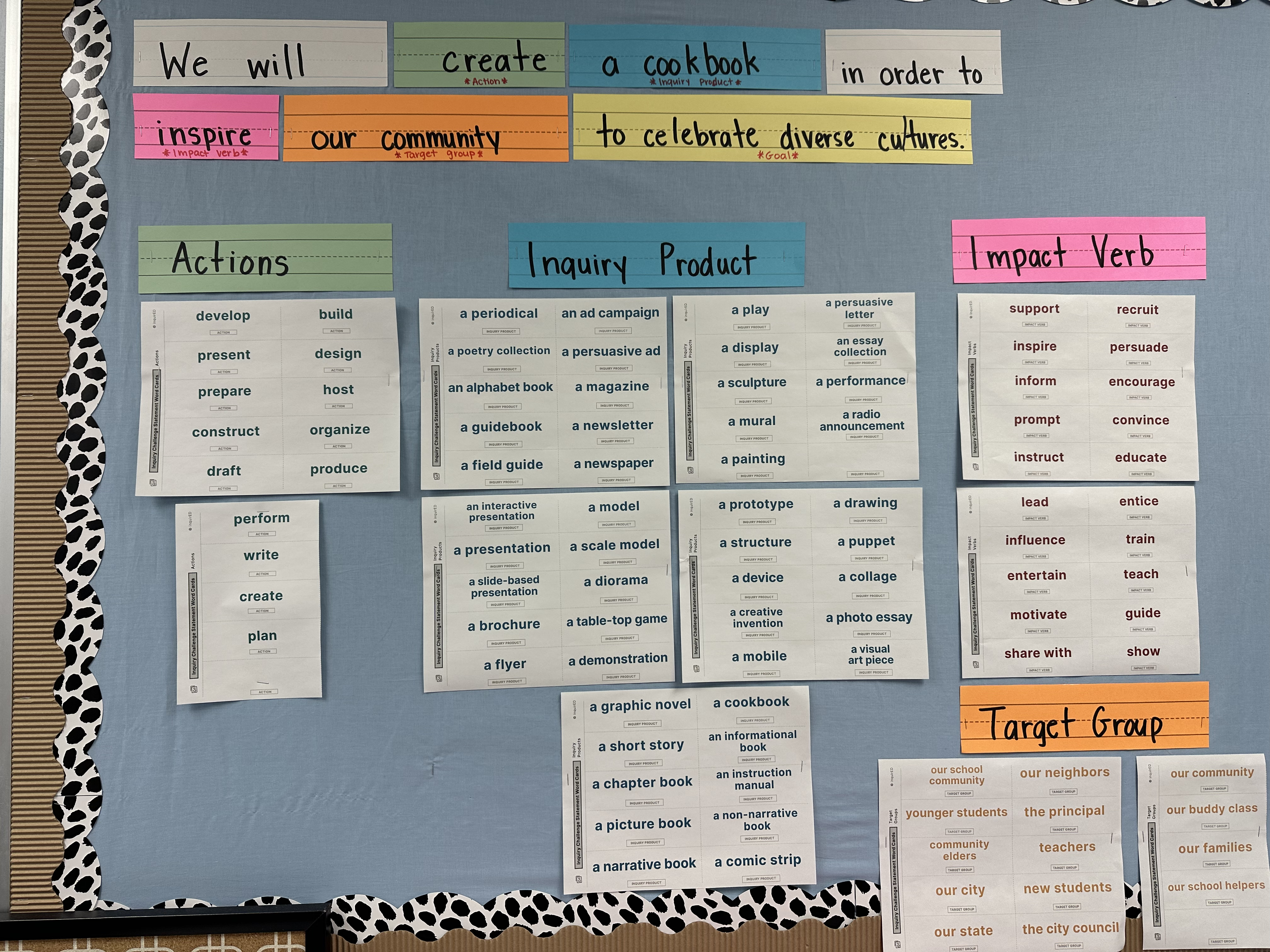
For the migration and movement unit, students were given free choice to create an inquiry product. Some students created presentations on Google Slides while others created posters and books. The pictures attached include the inquiry wall I posted for students to assist in writing their action statements. Some examples of statements are "We will design a book in order to teach our community to celebrate diverse cultures;" "We will build the alphabet in our cultures to teach the school different foods;" "We will produce a guidebook to educate younger students about places around the world." The pictures of the projects include the book teaching about cultures. Students included the alphabet and foods from the culture. Another group made a poster of some of the traditional foods from the cultures they chose using the alphabet. They loved these projects and were so proud of their finished products!
Additional Info
Nicole Dorfman from Kildeer Countryside Community Consolidated School District 96: IL, 3rd Grade
These are connections students made between the events that tell the history of Illinois.
Our State and Region
4th Grade
Wall Display
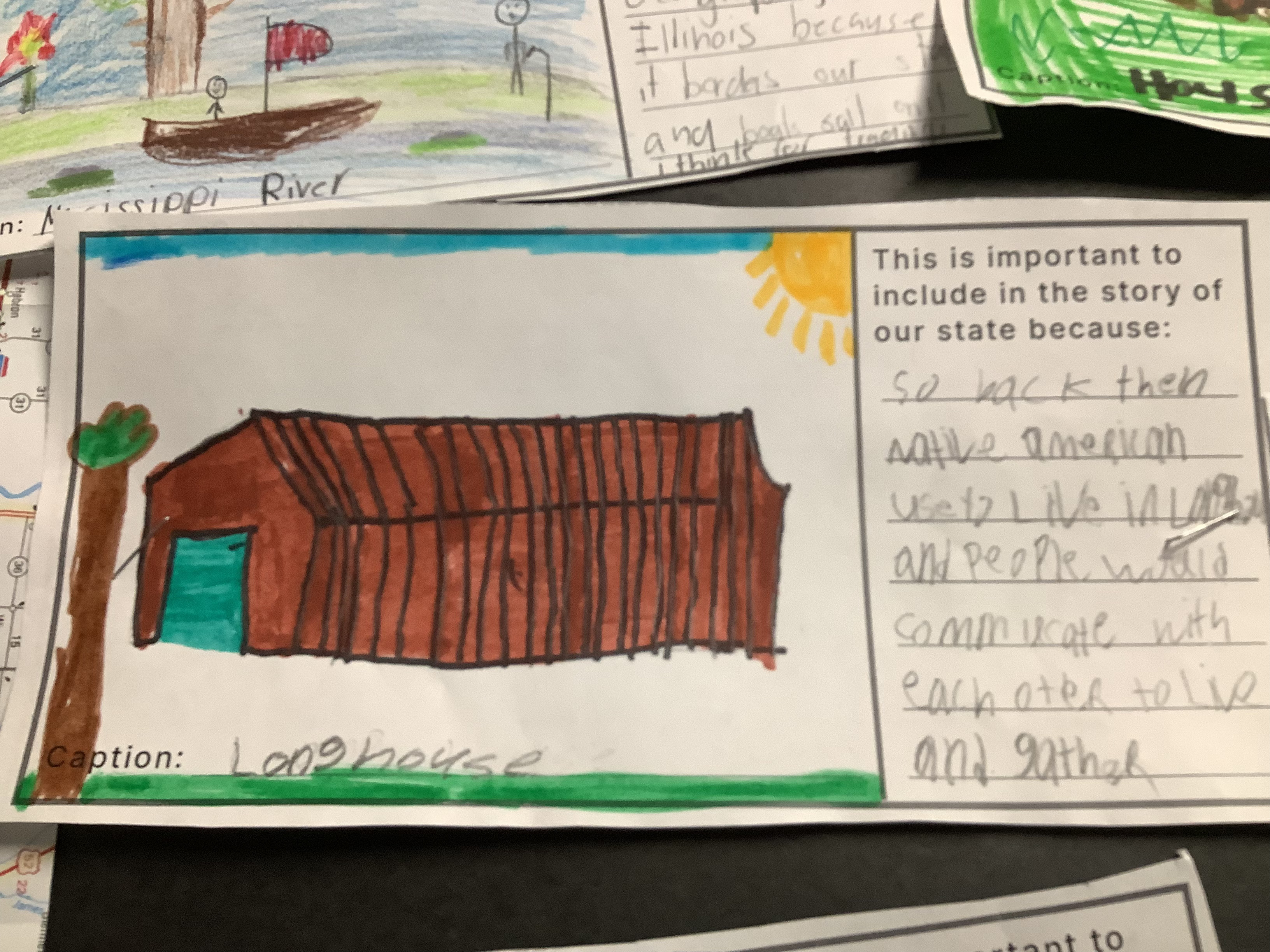
These are connections students made between the events that tell the history of Illinois.
Additional Info
Jennie Greene from Skokie District 68: IL, 4th Grade
We started this Inquiry with our Investigation questions which we have now started to answer as we continue to work through this inquiry. This footsteps visual is great to show students what they are learning and display these so they can be proud of their work. We are in the middle of Module 5 in this inquiry and are about to begin our present footsteps on our path to equality and justice.
The 20th Century Civil Rights Movement
3rd Grade
Wall Display
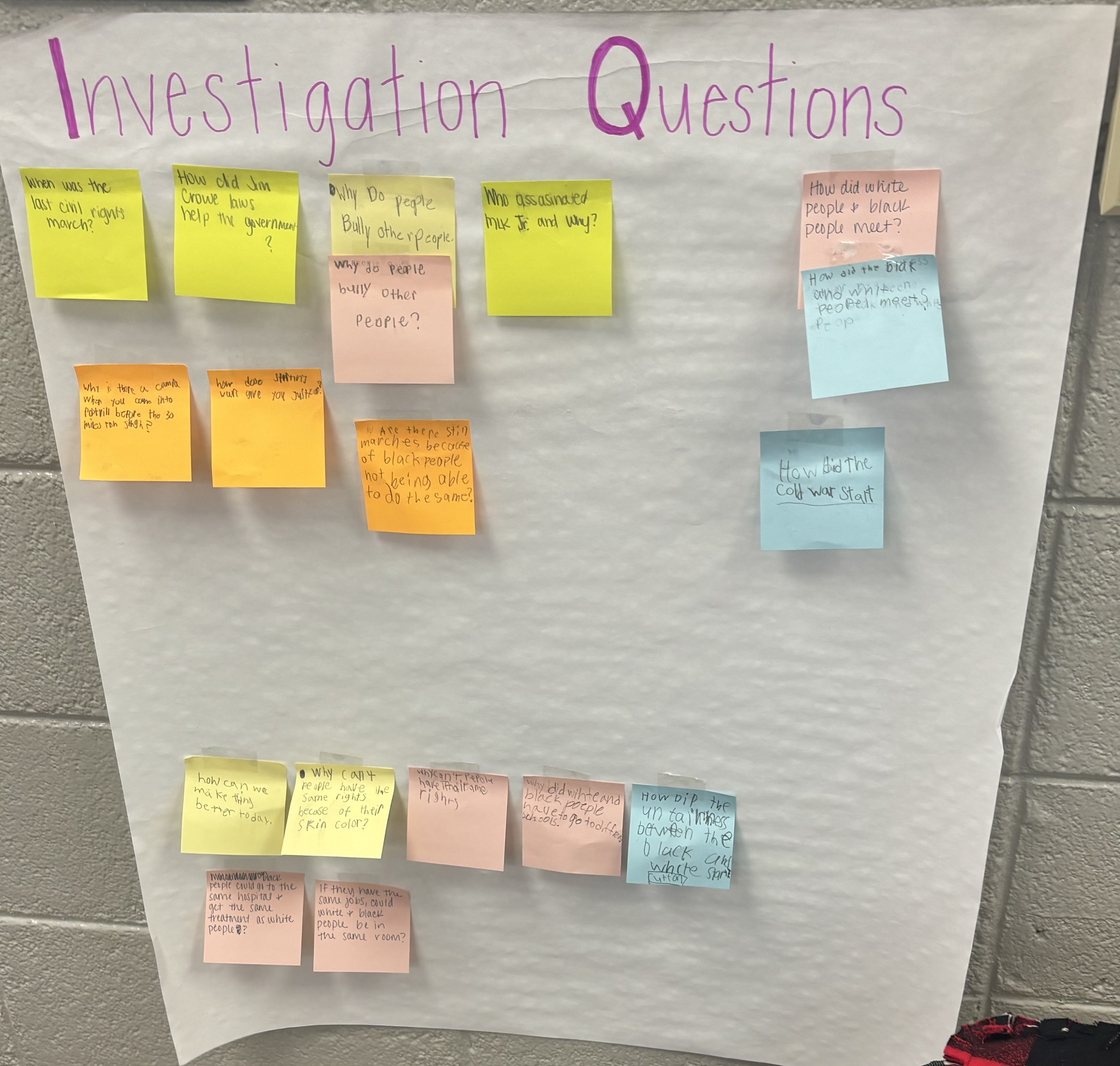
We started this Inquiry with our Investigation questions which we have now started to answer as we continue to work through this inquiry. This footsteps visual is great to show students what they are learning and display these so they can be proud of their work. We are in the middle of Module 5 in this inquiry and are about to begin our present footsteps on our path to equality and justice.
Additional Info
Carley Sweeney from Allamakee Community School District: IA, 3rd Grade
These are connections students made between the events that tell the history of Illinois.
Our State and Region
4th Grade
Wall Display
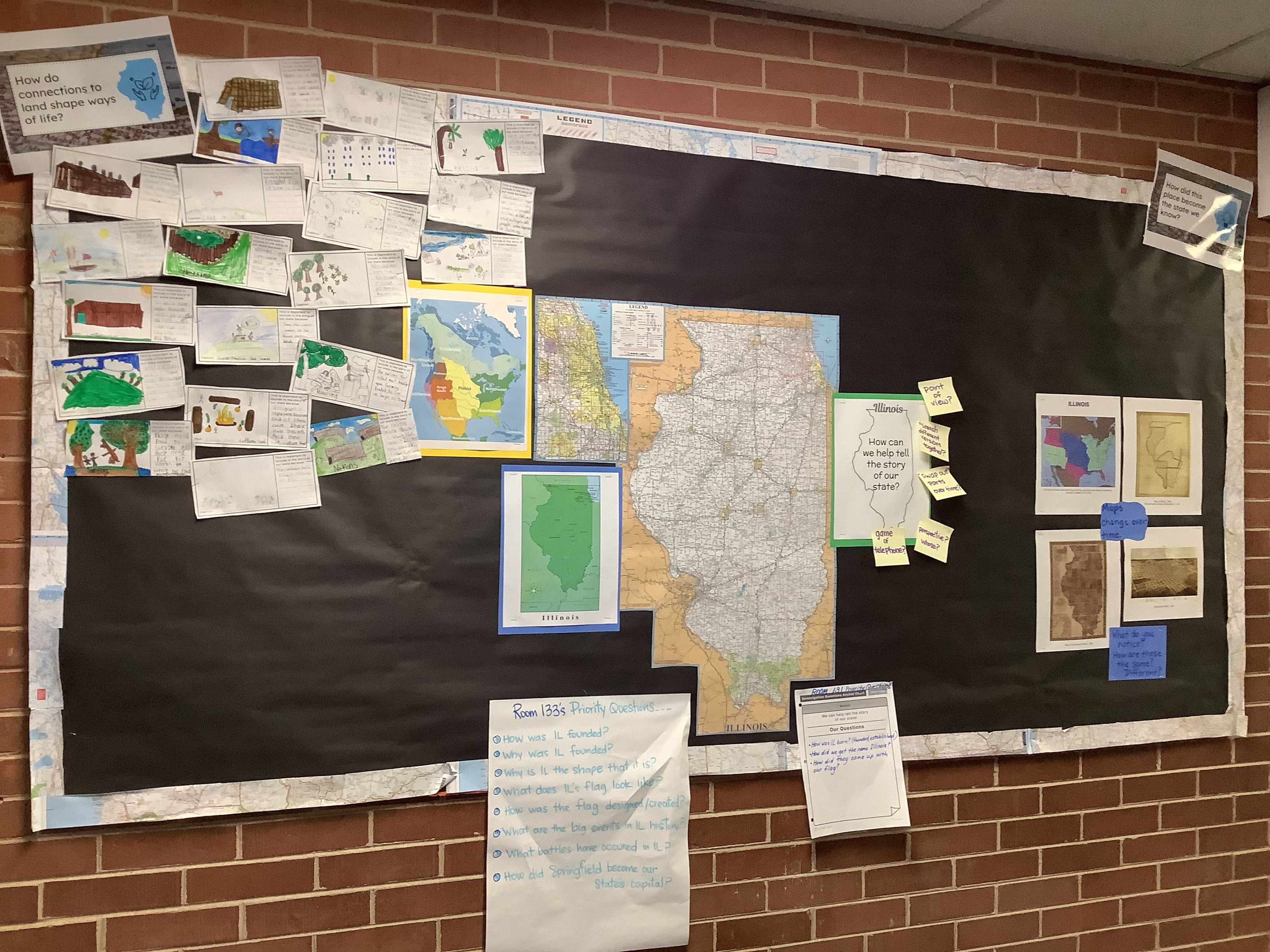
These are connections students made between the events that tell the history of Illinois.
Additional Info
Jennie Greene from Skokie District 68: IL, 4th Grade
No results found.
There are no results with this criteria. Try changing your search.