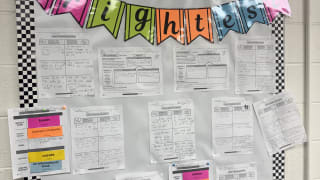
Teachers across the country shared photos of students in the thick of inquiry — asking questions, testing ideas, and discovering something new. Here are the classrooms that stood out.


These classrooms were picked for their creativity, depth of questioning, and student engagement.

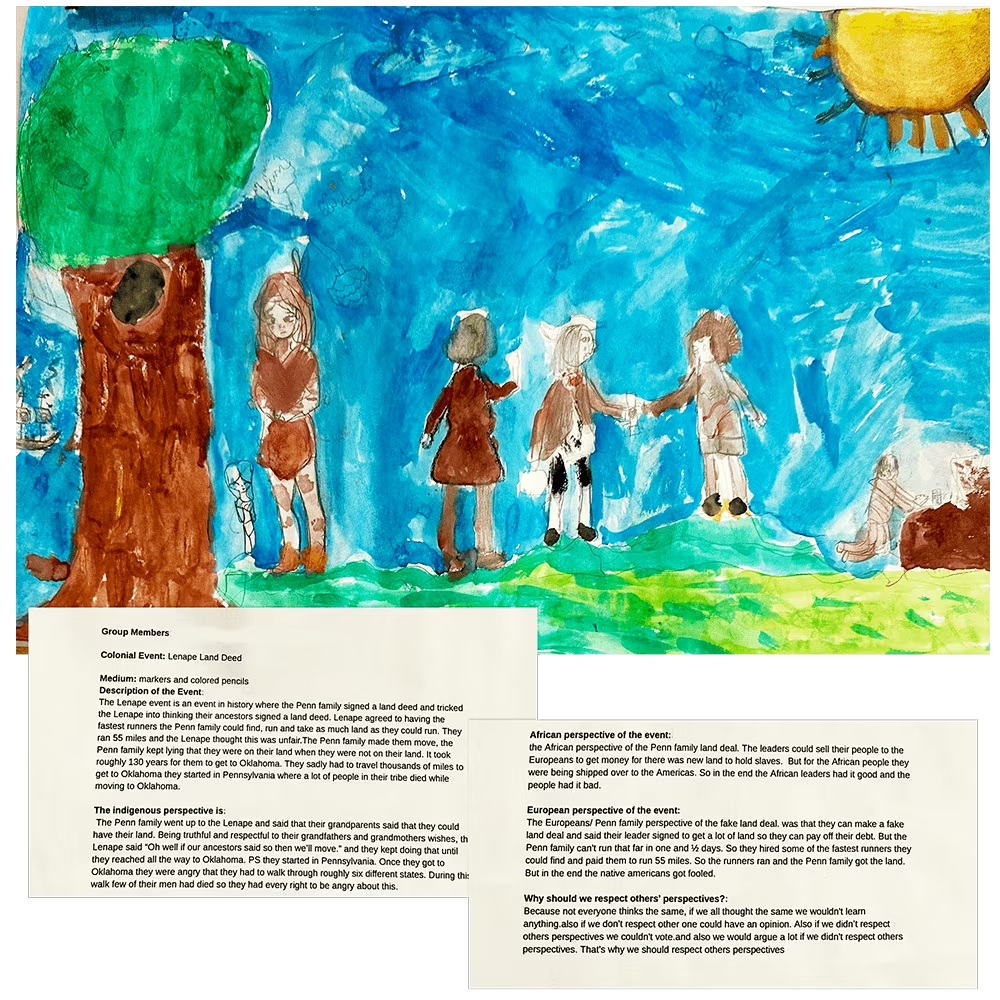
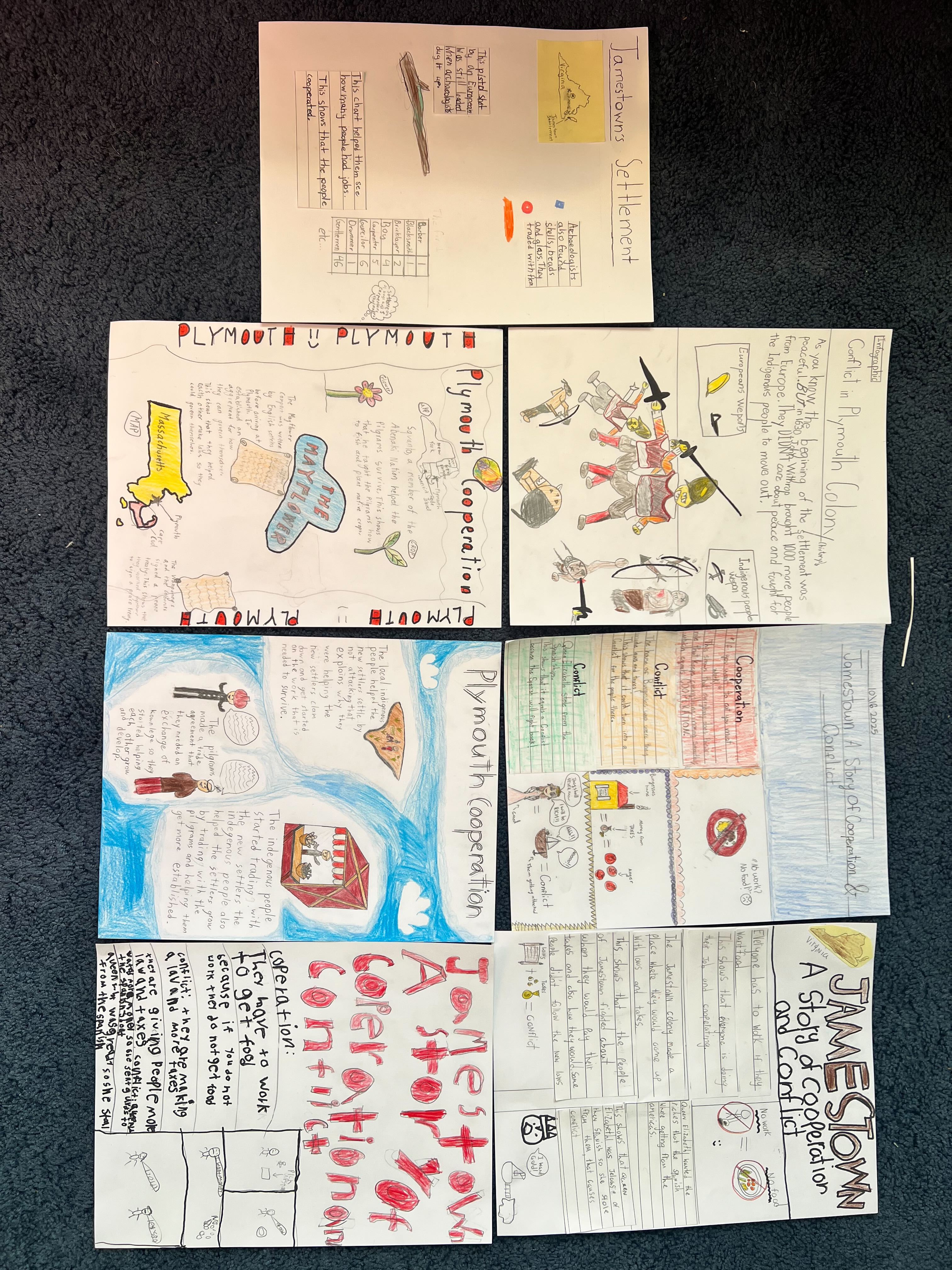
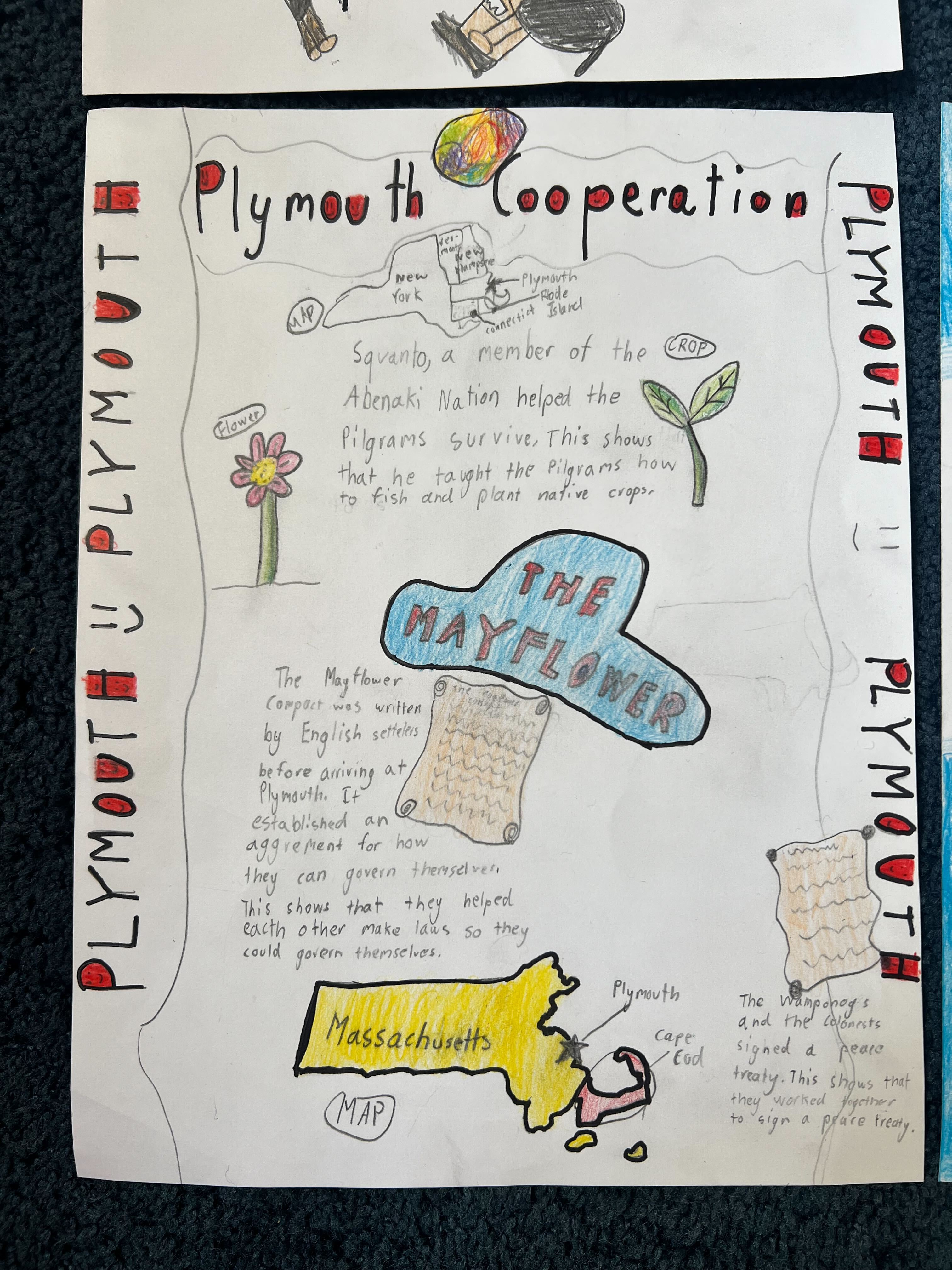
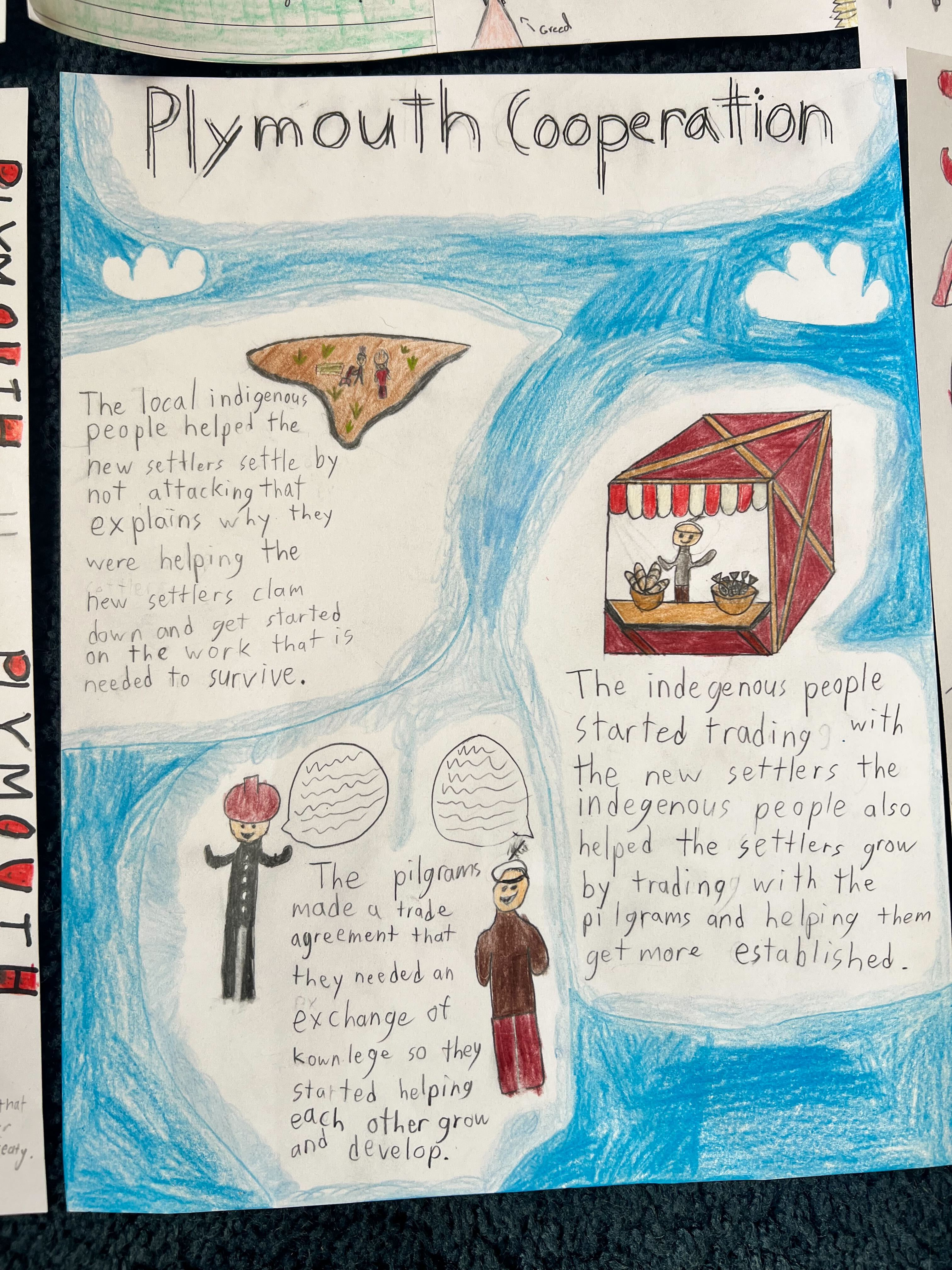
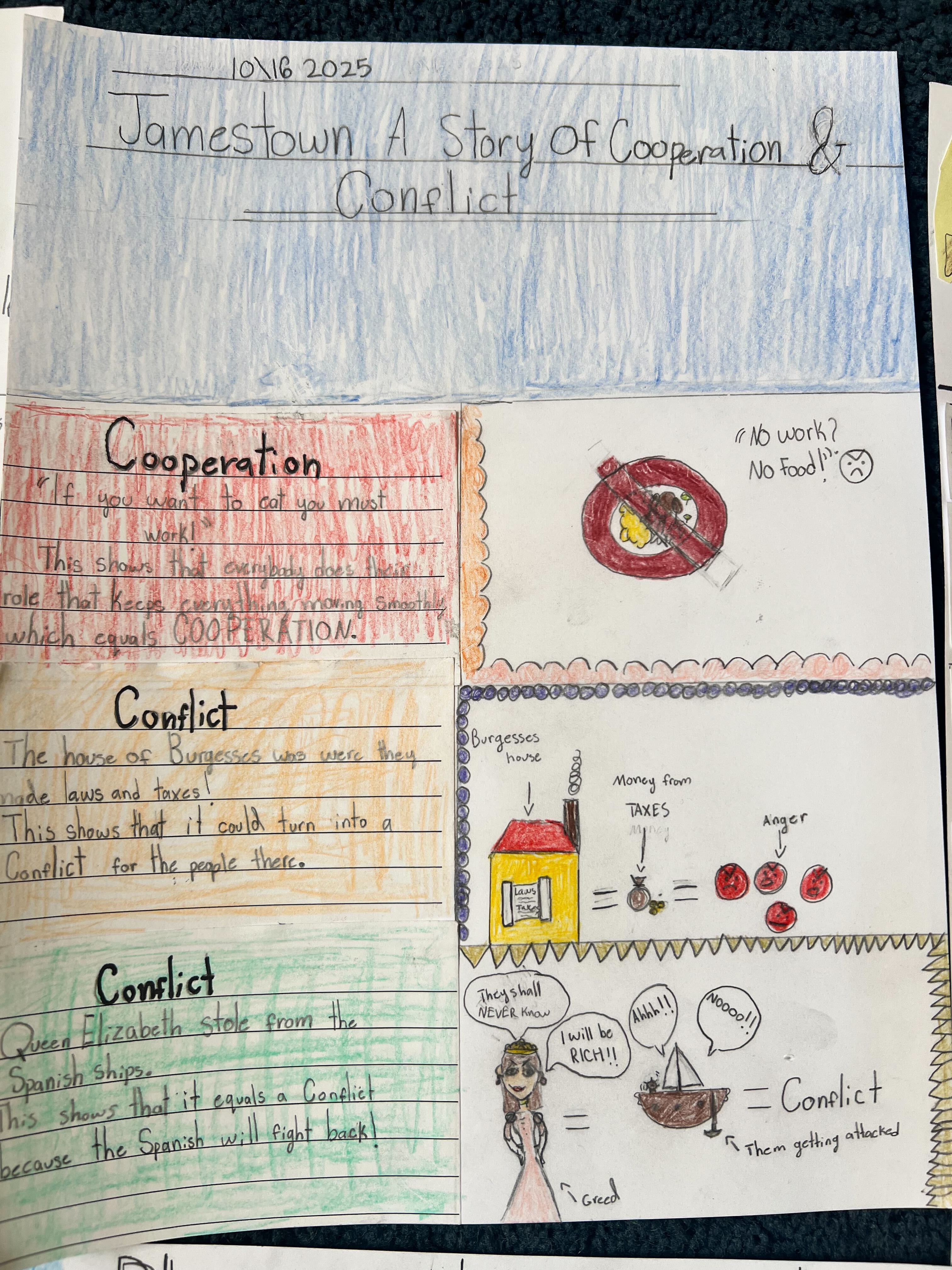
This end of unit project for the Colonial America unit asks students to explore an important event or aspect of colonial life. Students chose a topic and created an illustration in the medium of their choice. They also wrote a caption that explains the event from the perspectives of the different groups they studied, helping them consider how people experienced the same moment in different ways.

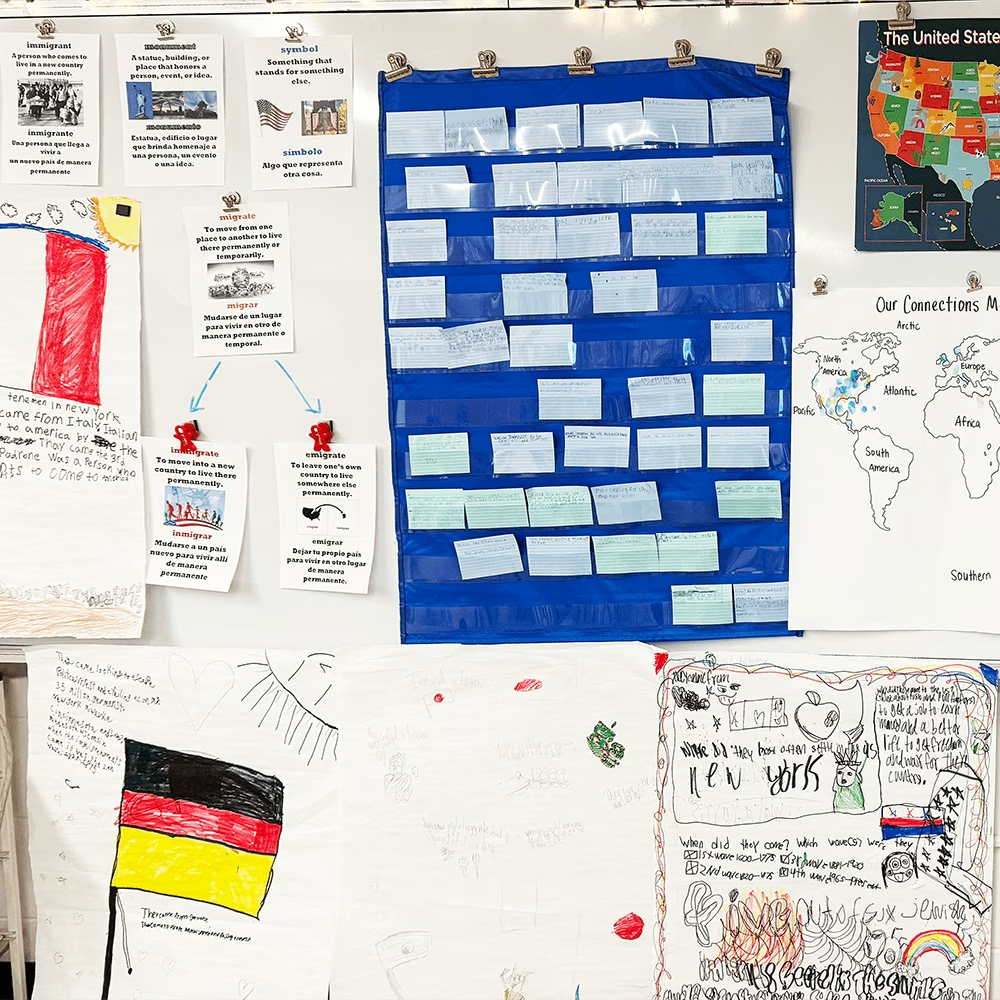
After reading about different waves of immigration, third grade students created posters about a specific immigrant group and presented what they learned to the class. The activity sparked discussion about push and pull factors and helped students understand the challenges immigrants faced before and after arriving in the United States.

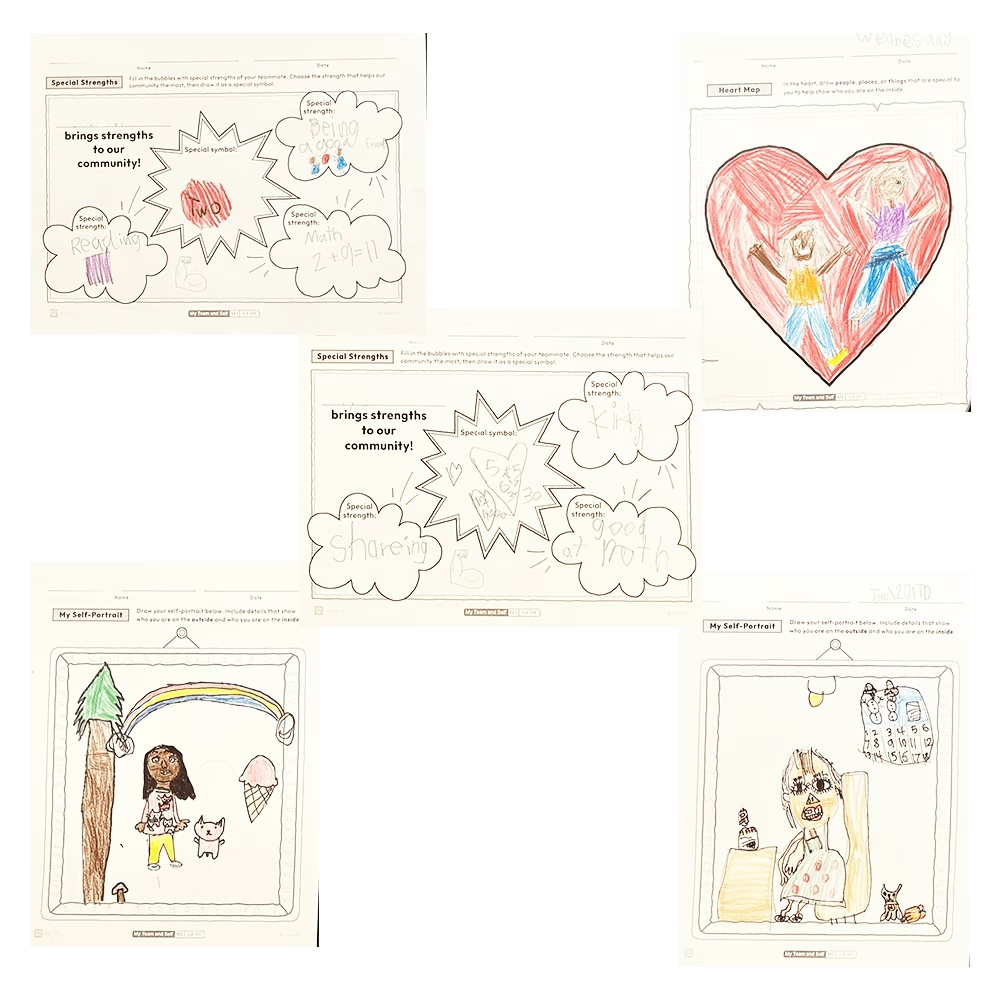
In the My Team and Self inquiry unit, students reflected on their own strengths and then identified the strengths of their classmates. They shared and celebrated these qualities as a class while learning how each person contributes to a team. The experience helped students understand the importance of teamwork and appreciating one another.
Every student who participated in Inquiry Week 2026 deserves recognition. Download the official participation certificate to celebrate their curiosity and hard work.
Download certificate (PDF)Click on a thumbnail below to expand and view more images.

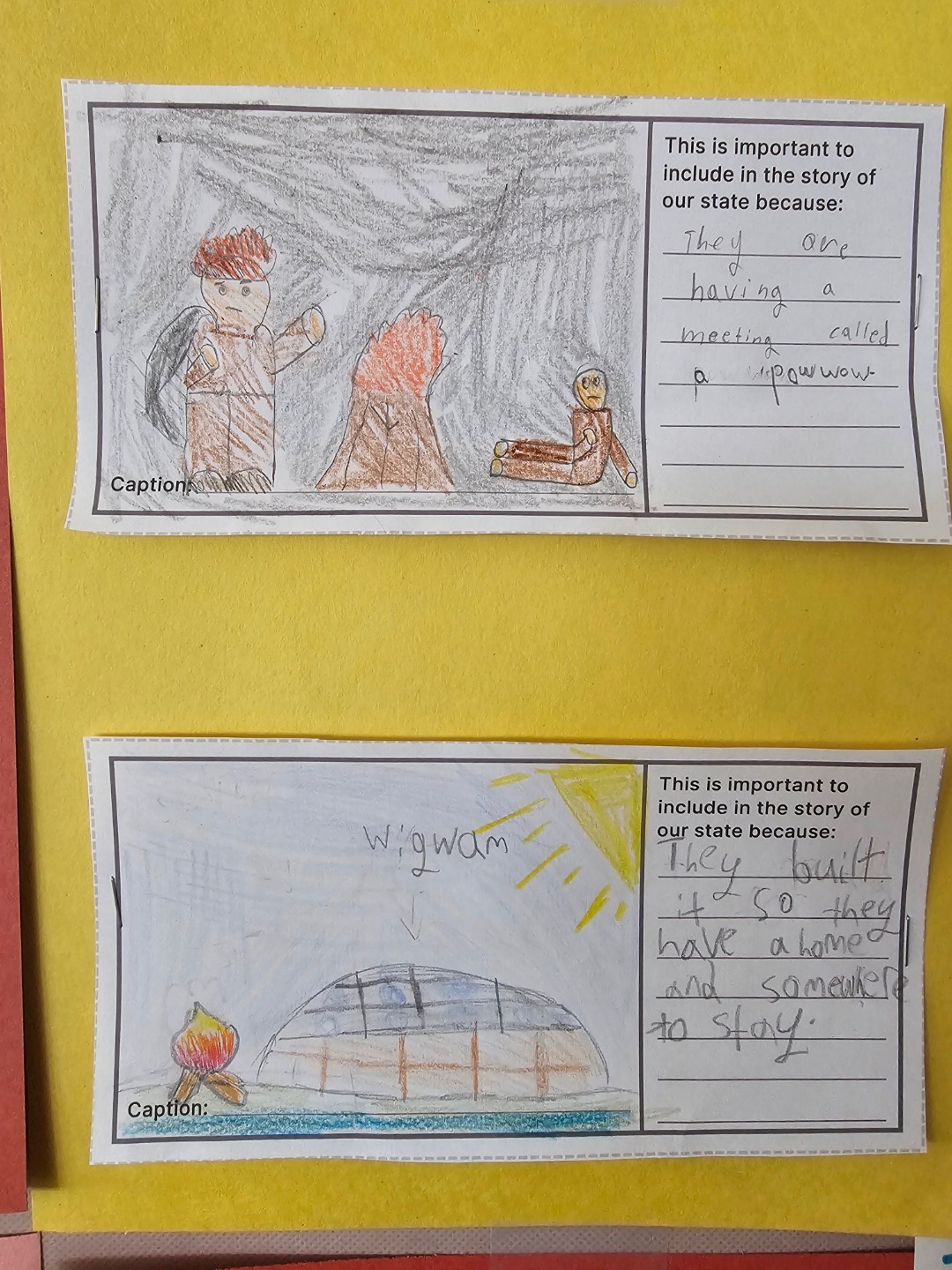
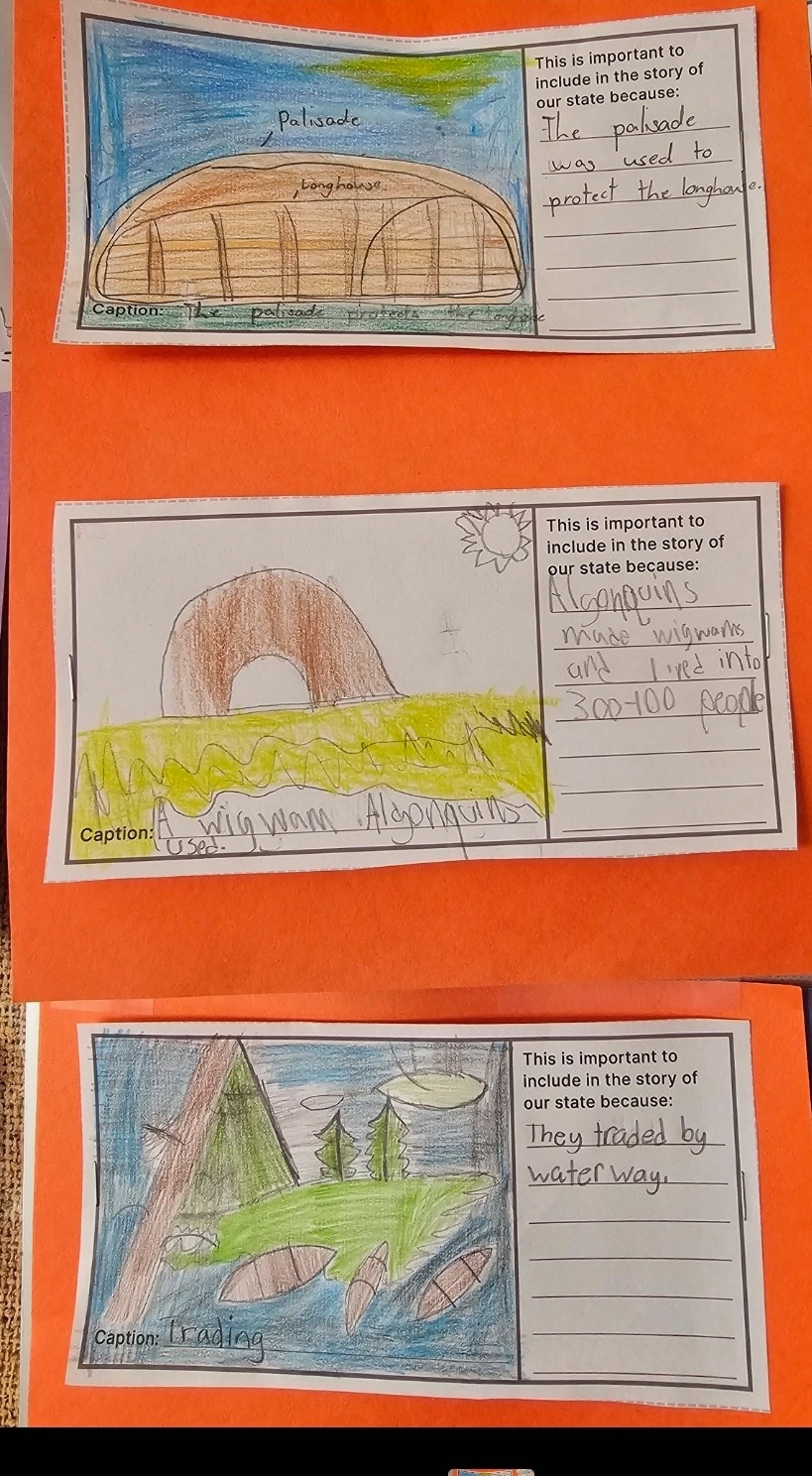
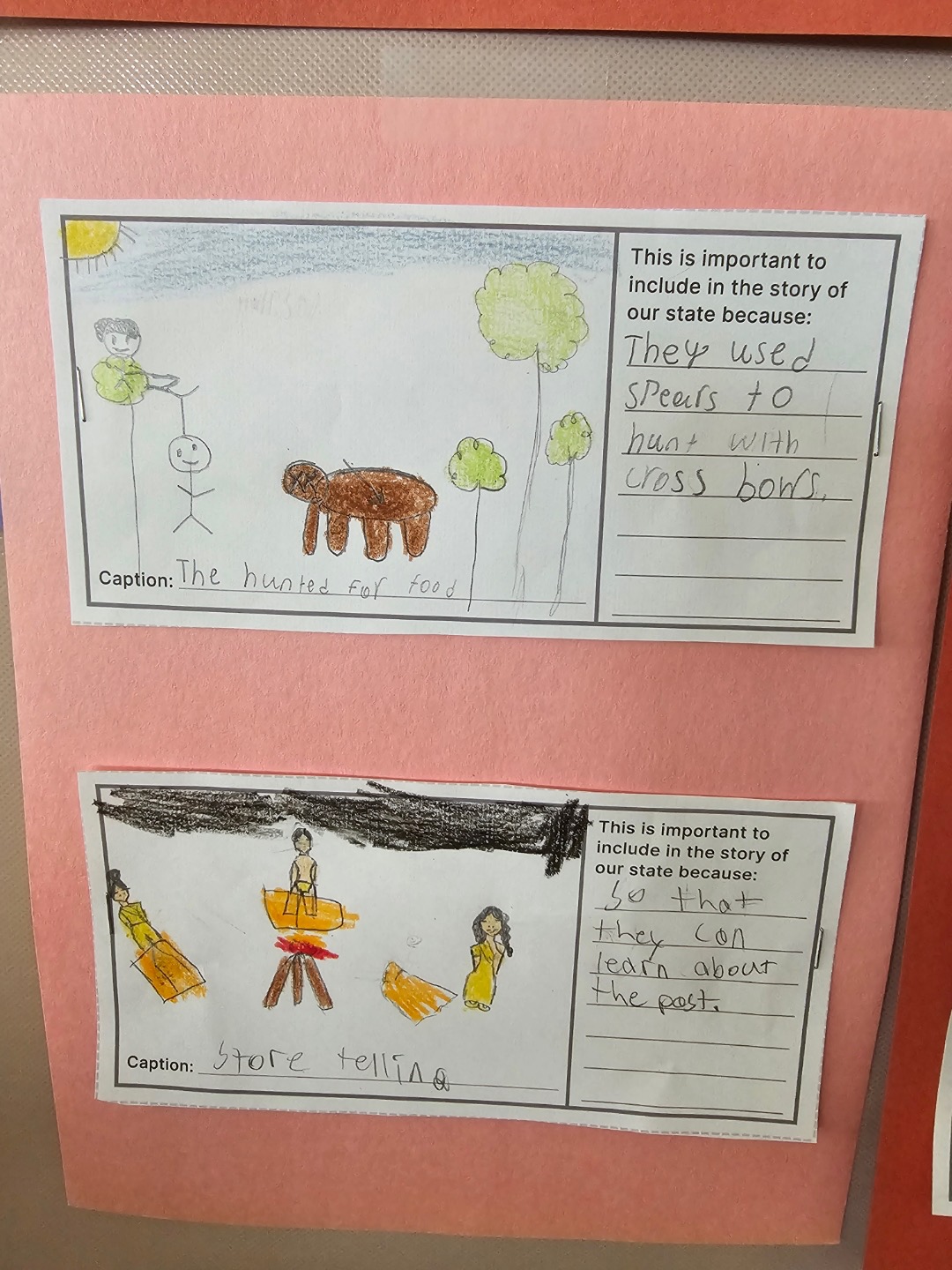
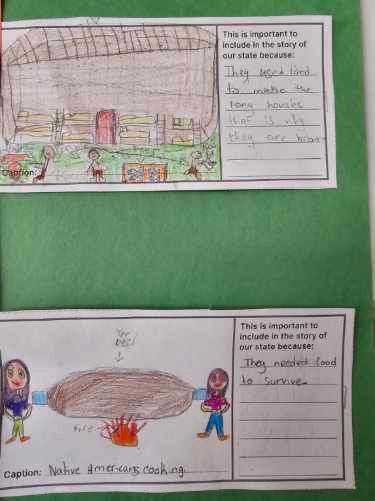
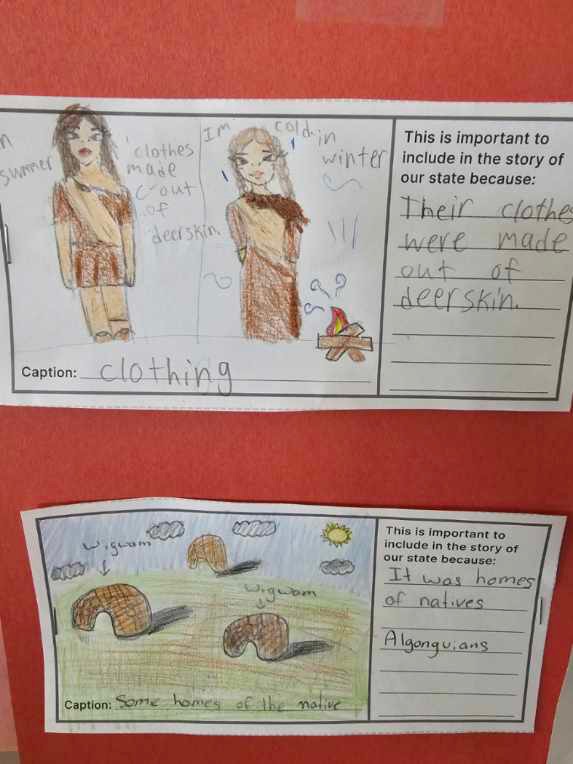
Check out our work from the Native America Inquiry!
Native America
5th Grade
Wall Display

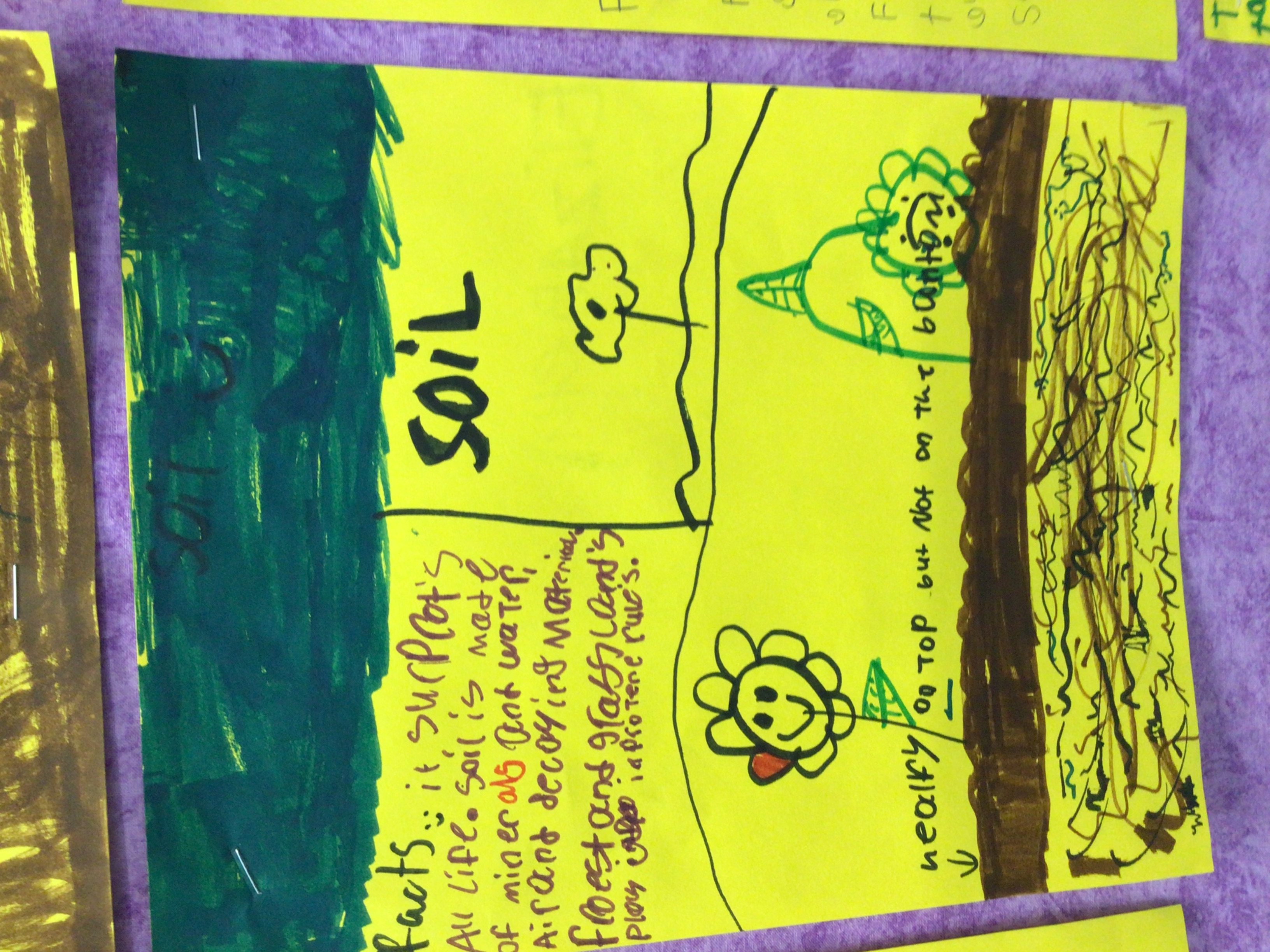
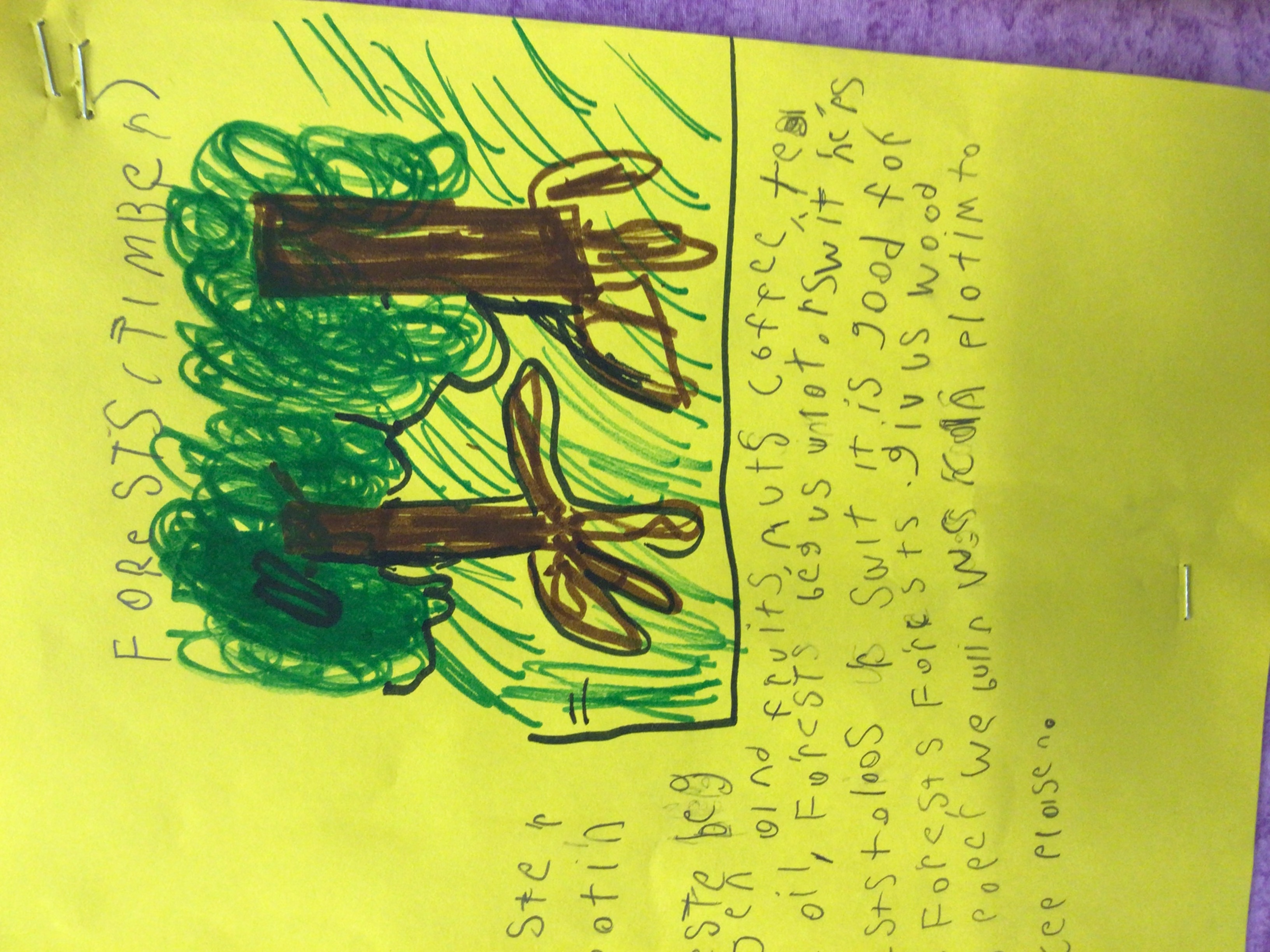
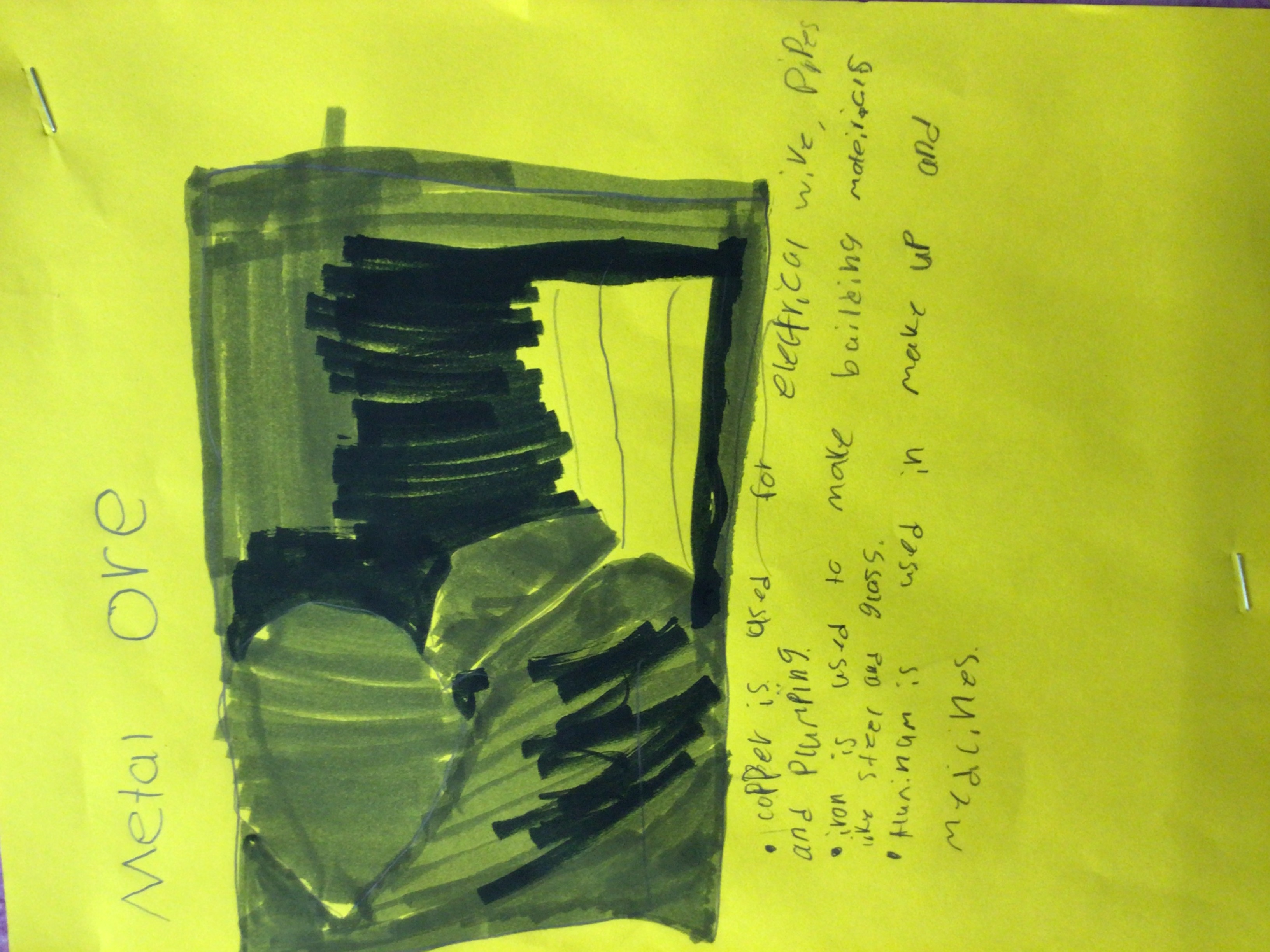
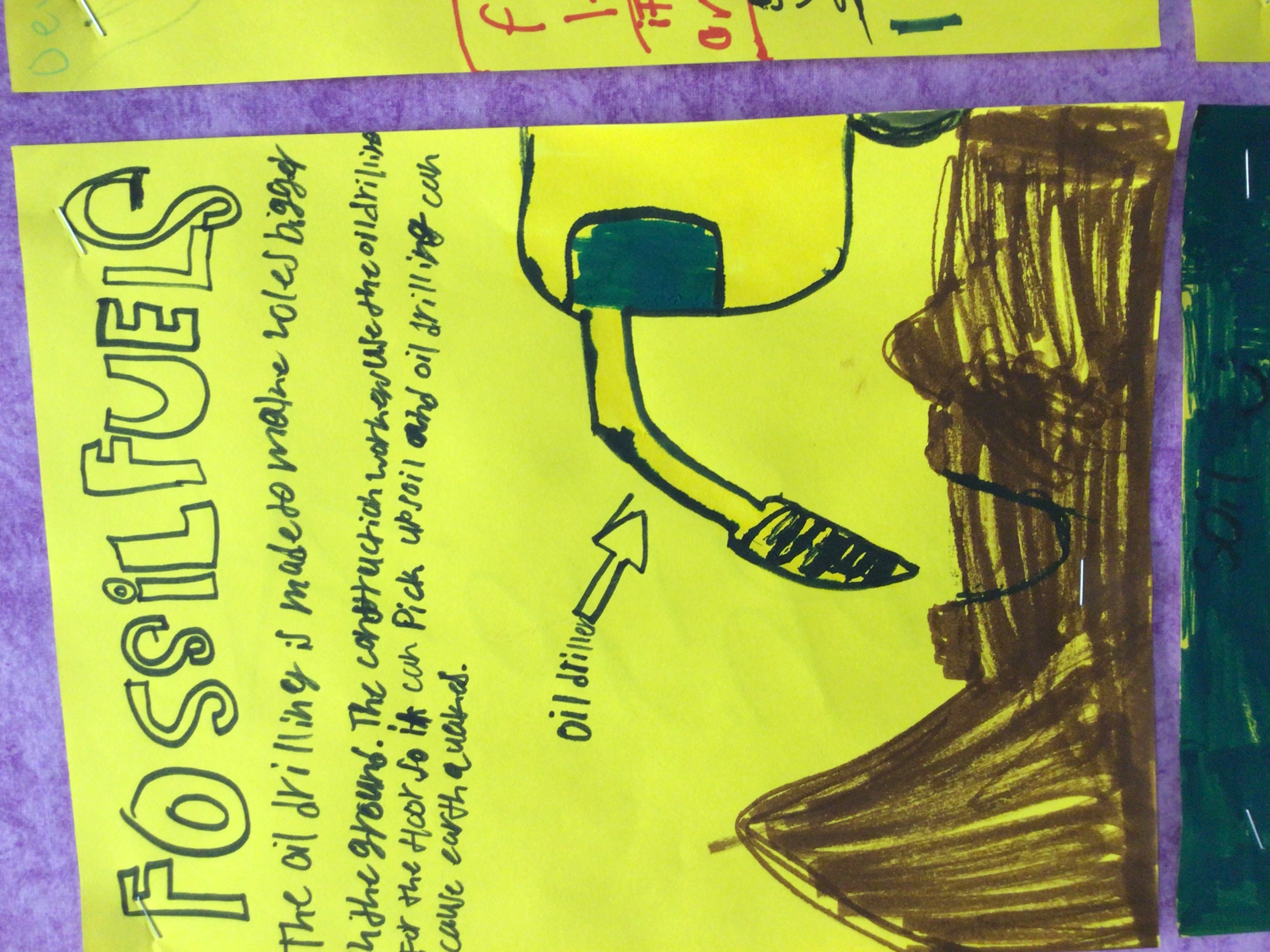
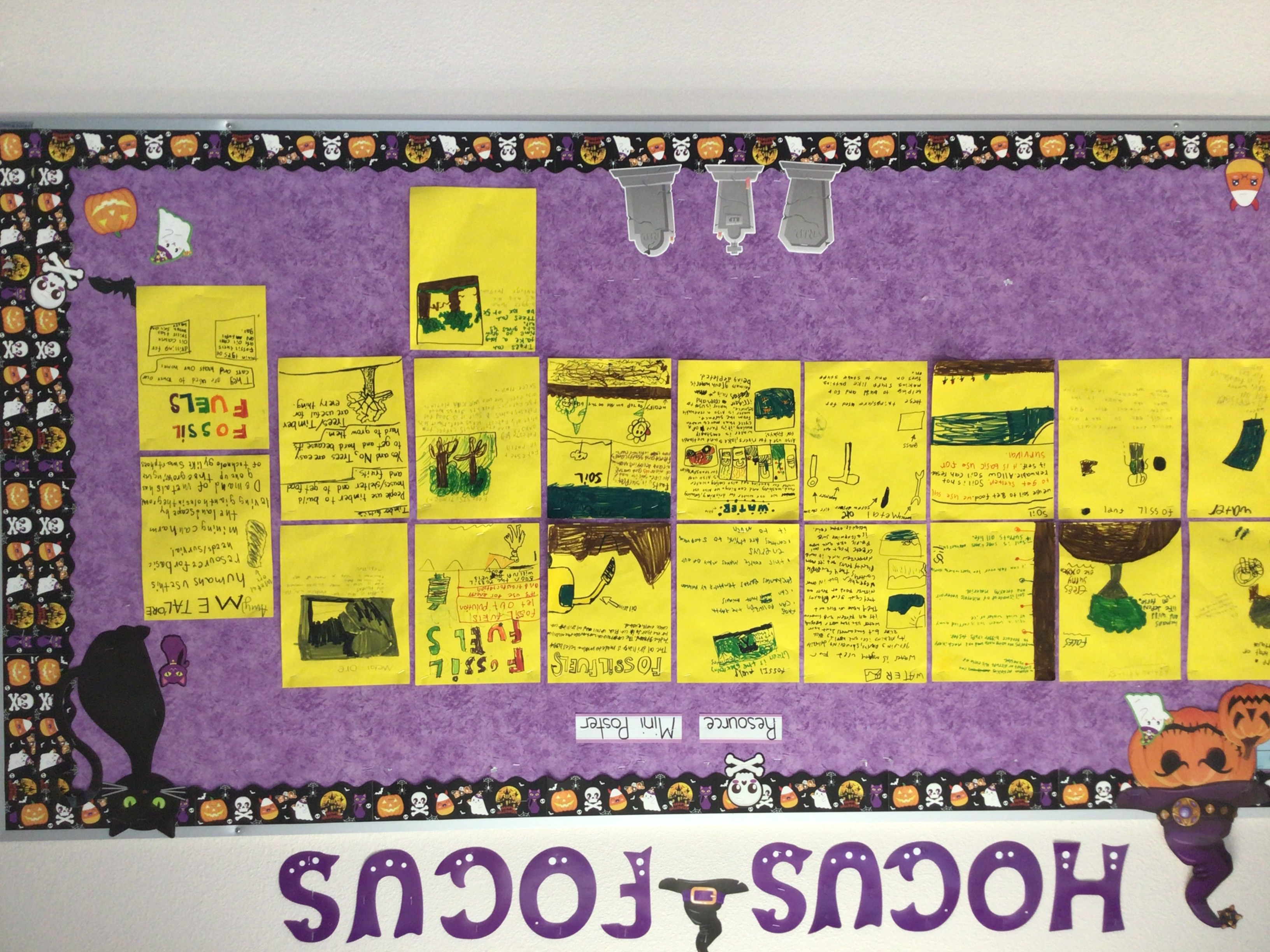
These are the Resource Mini Posters!
Natural Resources of the U.S.
4th Grade
Other

My 4th graders have become incredibly intrigued by social studies lately! They've even expressed a desire to incorporate it into every day, which is such a delight to hear, especially coming from students who usually shy away from history discussions. The new approach we've been using has truly captured their interest, and they have been exceptionally engaged in every lesson. Their enthusiasm and excitement to continue learning in this engaging way are truly inspiring. It's so rewarding to see them develop a love for history through these interactive lessons!
The Colonial Era
4th Grade
My 4th graders have become incredibly intrigued by social studies lately! They've even expressed a desire to incorporate it into every day, which is such a delight to hear, especially coming from students who usually shy away from history discussions. The new approach we've been using has truly captured their interest, and they have been exceptionally engaged in every lesson. Their enthusiasm and excitement to continue learning in this engaging way are truly inspiring. It's so rewarding to see them develop a love for history through these interactive lessons!
Additional Info
from , 4th Grade

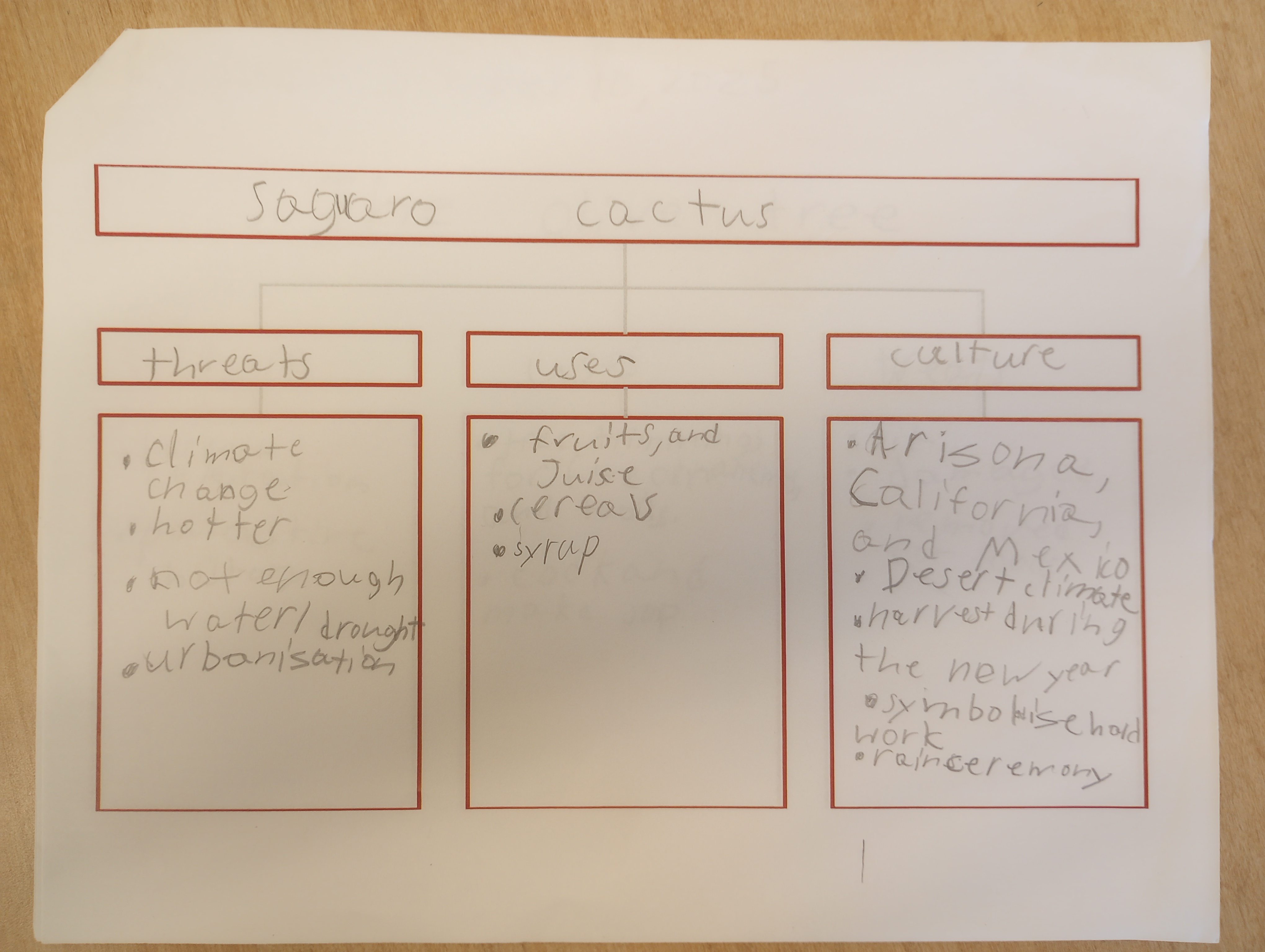
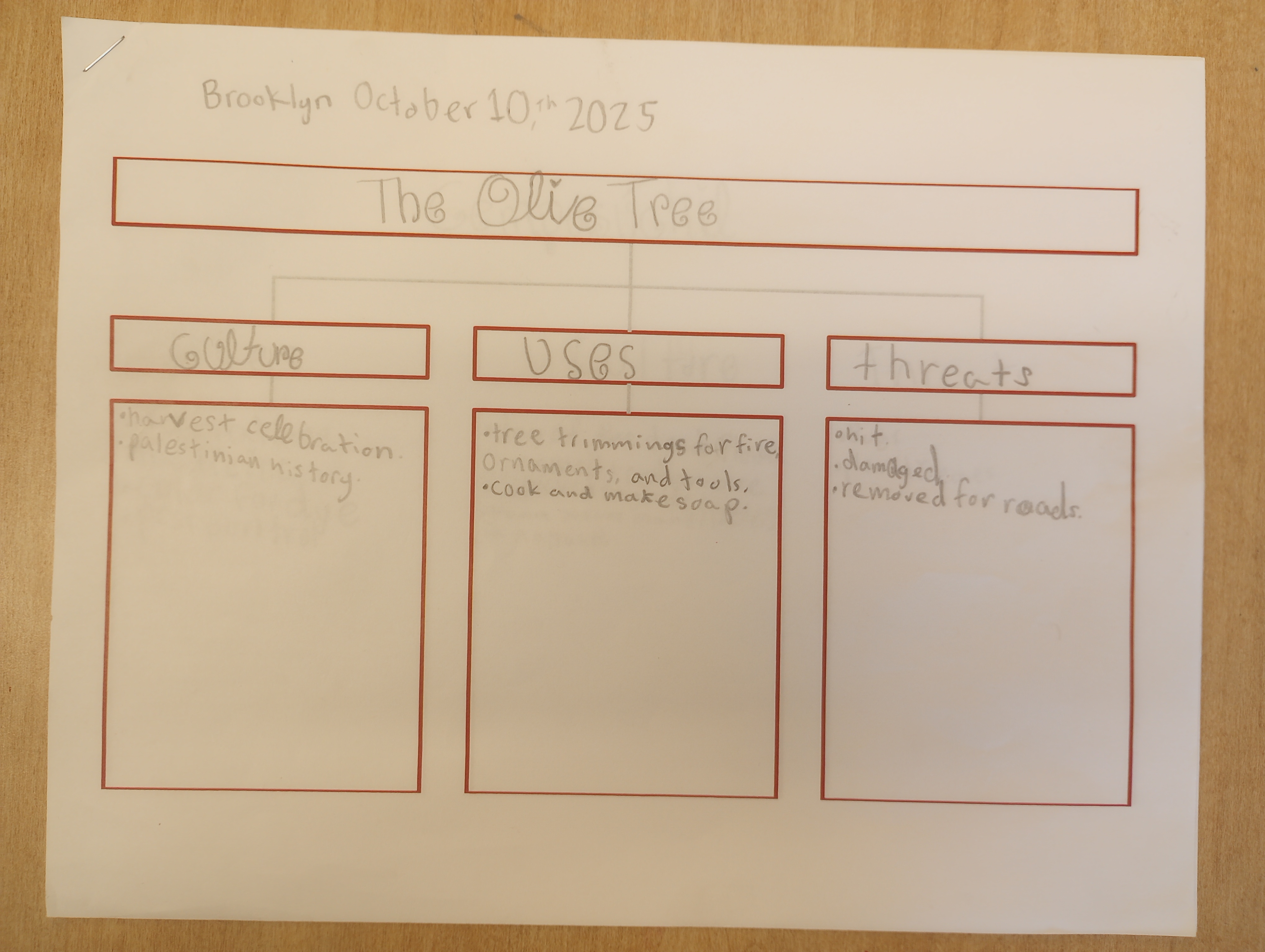
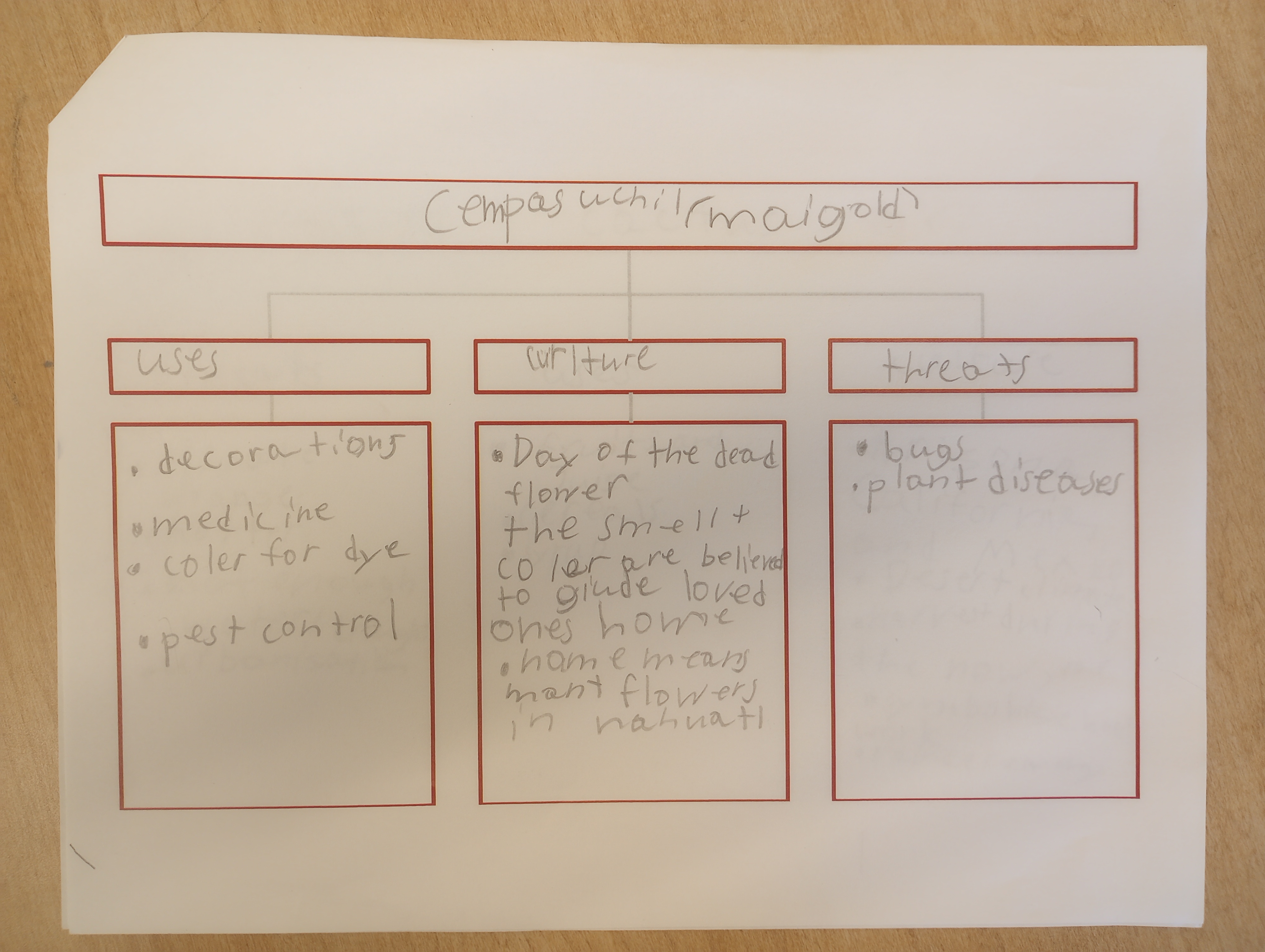
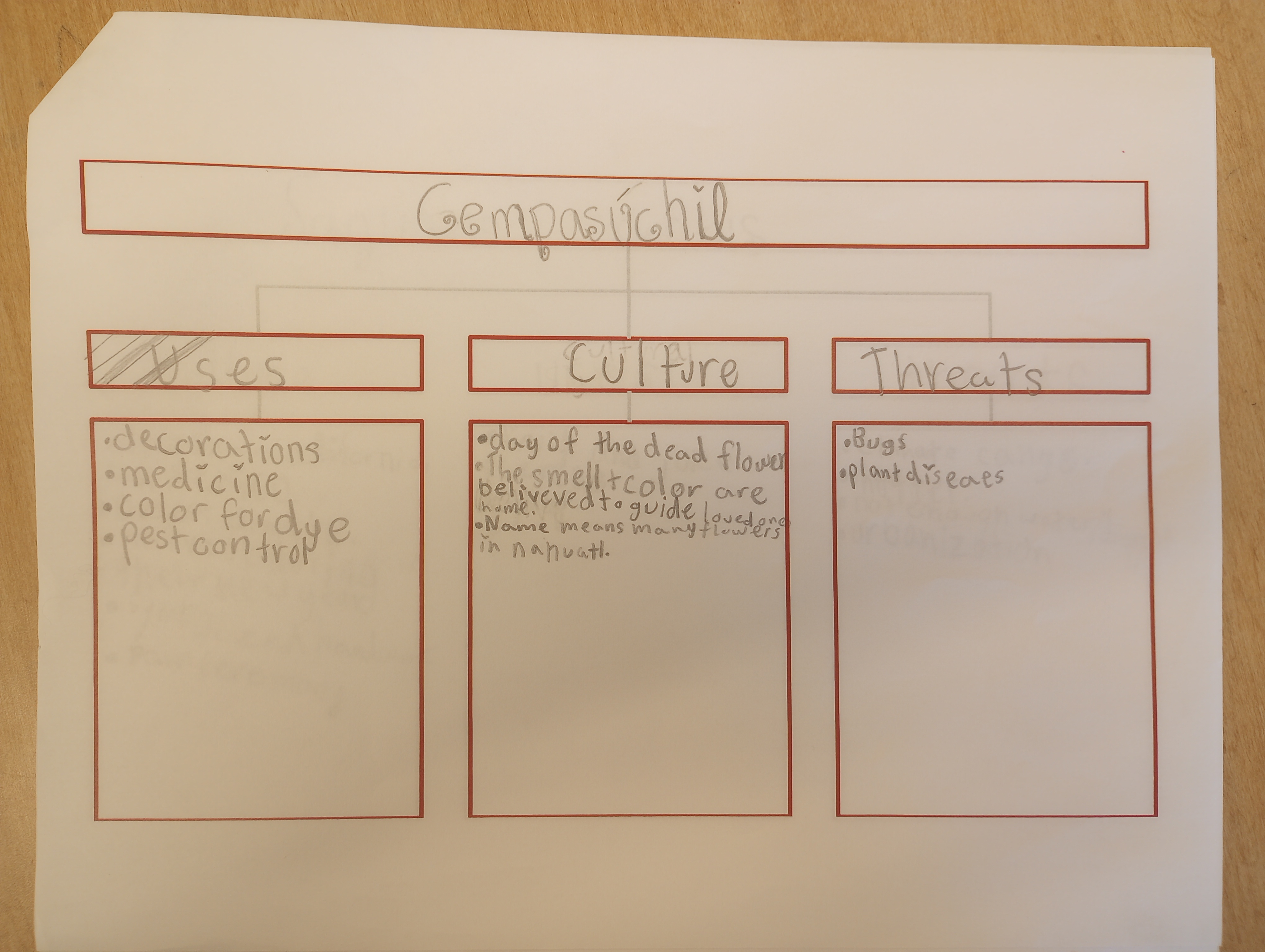
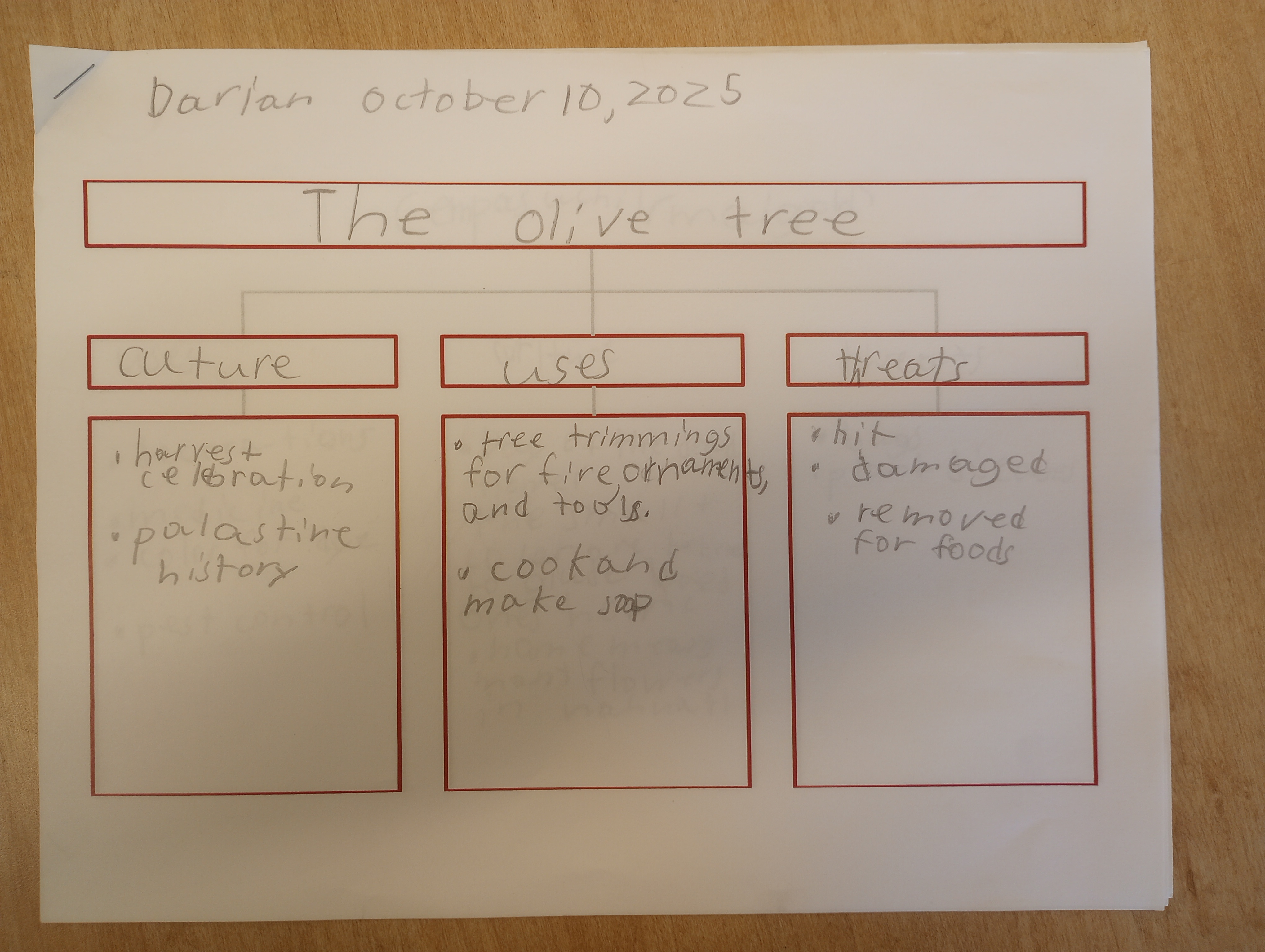
I teach at a TK-8 STEAM School that encourages collaboration, real-world problem solving, and creative thinking. My grade-level team organizes "STEAM Rotations" on Friday for all 3rd-grade students. The students participate in 3 different workshops led by a 3rd grade teacher. We have taken the essential question "How does geography shape culture?" and used it as the theme for one of the weeks of our STEAM Rotations. We were inspired by the real-world examples used in Inquired and wanted to incorporate some that were important to our students. Because we are a Transdisciplinary school, we were thrilled to see that Inquired organically ties in other subjects such as Science & Reading/Writing into the curriculum. This made it very easy for us to naturally blend in both our Earth Science (World Climates) and Life Science (Plants). I am providing two examples of the presentation slides from two of the workshops: The Olive Tree and the Cempasuchil (Marigold flower). These are both culturally relevant and significant to our student population. The third workshop was on the Saguaro cactus which is significant to the native peoples who live on the US/Mexico border. Students will eventually use their Concept Map notes to produce a writing piece on the Native Plant of their choice. Our next Inquired Essential question for our next STEAM Rotation will be focused on Cultural Diffusion: How can I play a part in the Global Community?
Global Connections
3rd Grade
Other
I teach at a TK-8 STEAM School that encourages collaboration, real-world problem solving, and creative thinking. My grade-level team organizes "STEAM Rotations" on Friday for all 3rd-grade students. The students participate in 3 different workshops led by a 3rd grade teacher. We have taken the essential question "How does geography shape culture?" and used it as the theme for one of the weeks of our STEAM Rotations. We were inspired by the real-world examples used in Inquired and wanted to incorporate some that were important to our students. Because we are a Transdisciplinary school, we were thrilled to see that Inquired organically ties in other subjects such as Science & Reading/Writing into the curriculum. This made it very easy for us to naturally blend in both our Earth Science (World Climates) and Life Science (Plants). I am providing two examples of the presentation slides from two of the workshops: The Olive Tree and the Cempasuchil (Marigold flower). These are both culturally relevant and significant to our student population. The third workshop was on the Saguaro cactus which is significant to the native peoples who live on the US/Mexico border. Students will eventually use their Concept Map notes to produce a writing piece on the Native Plant of their choice. Our next Inquired Essential question for our next STEAM Rotation will be focused on Cultural Diffusion: How can I play a part in the Global Community?
Additional Info
Camille Izvarin from Rio School District: CA, 3rd Grade

Check out our work from The 20th Century Civil Rights Movement!
The 20th Century Civil Rights Movement
3rd Grade
Handout
Check out our work from The 20th Century Civil Rights Movement!
Additional Info
from , 3rd Grade

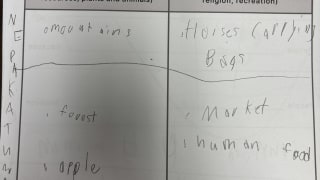
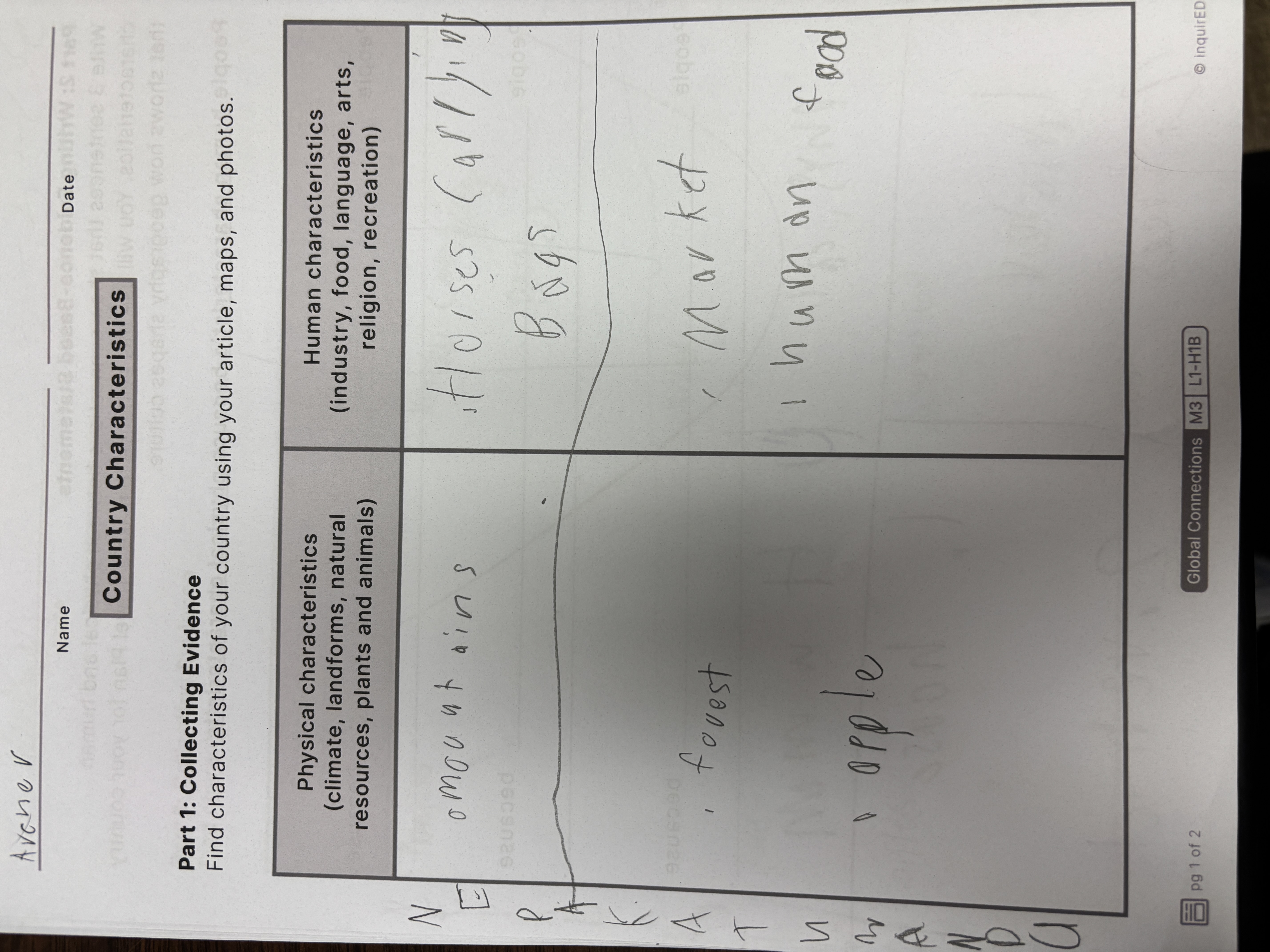
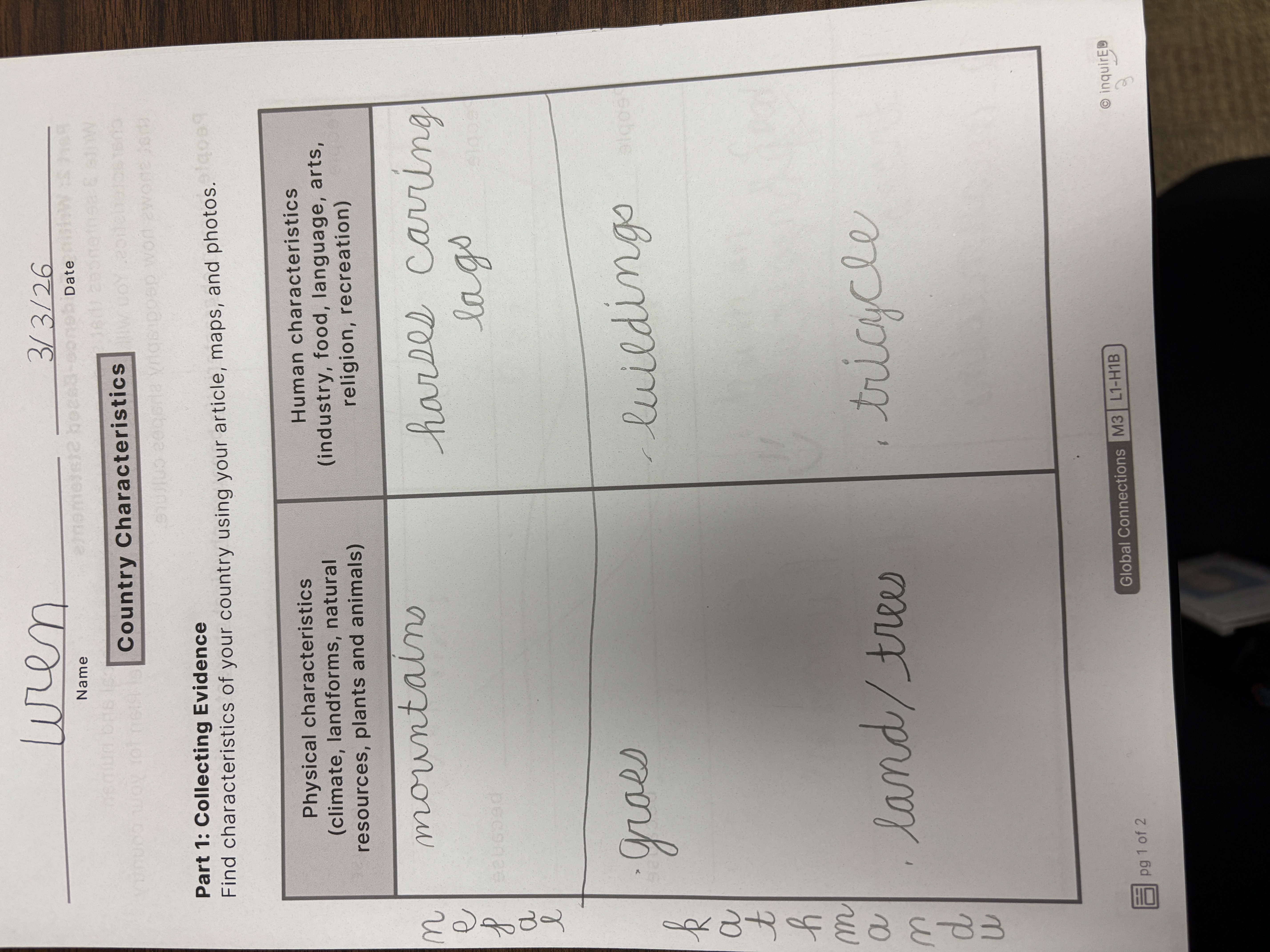
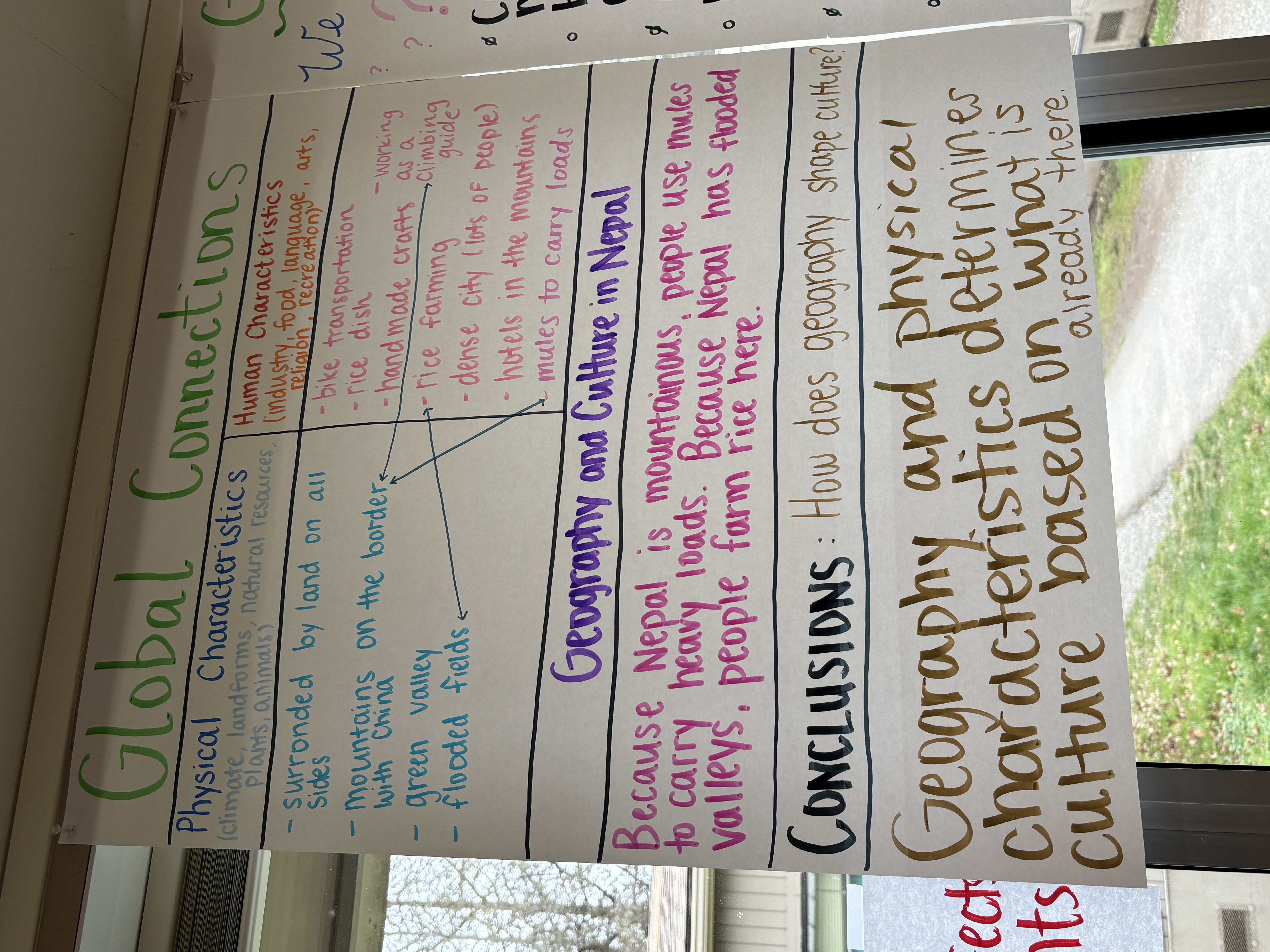
We inquired about physical and human characteristics we could see in Nepal and it's capital Kathmandu.
Global Connections
3rd Grade
Handout

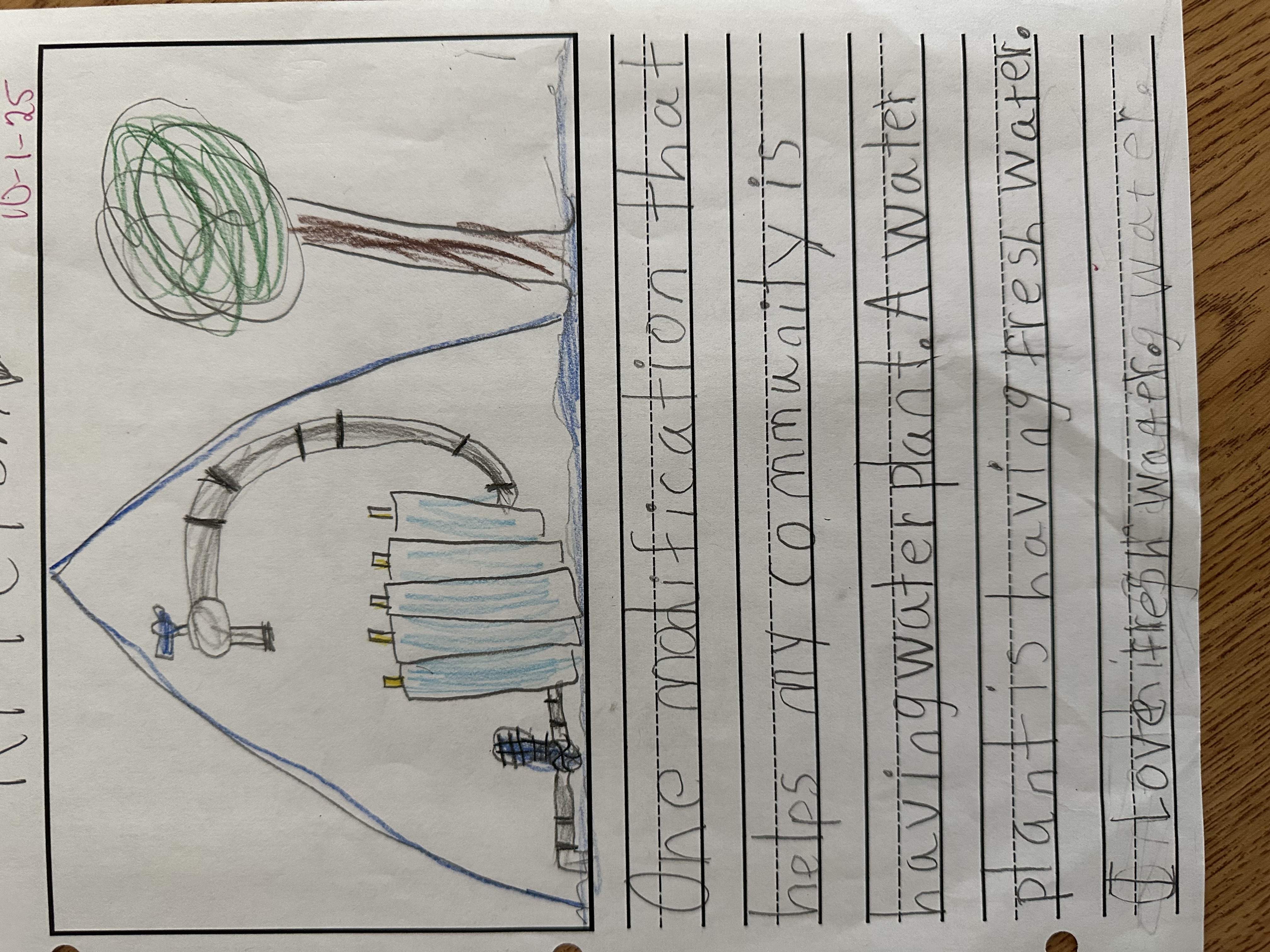
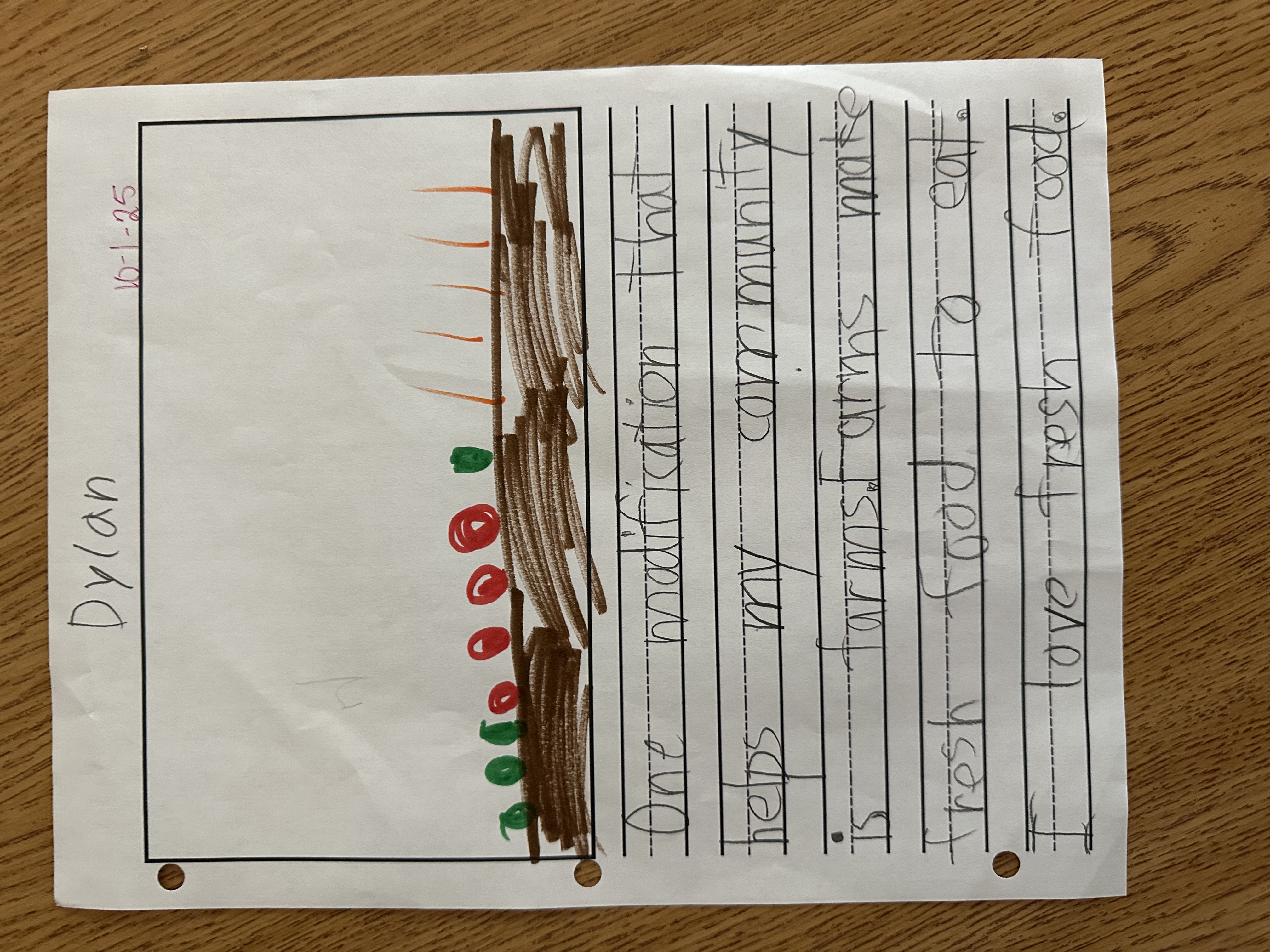
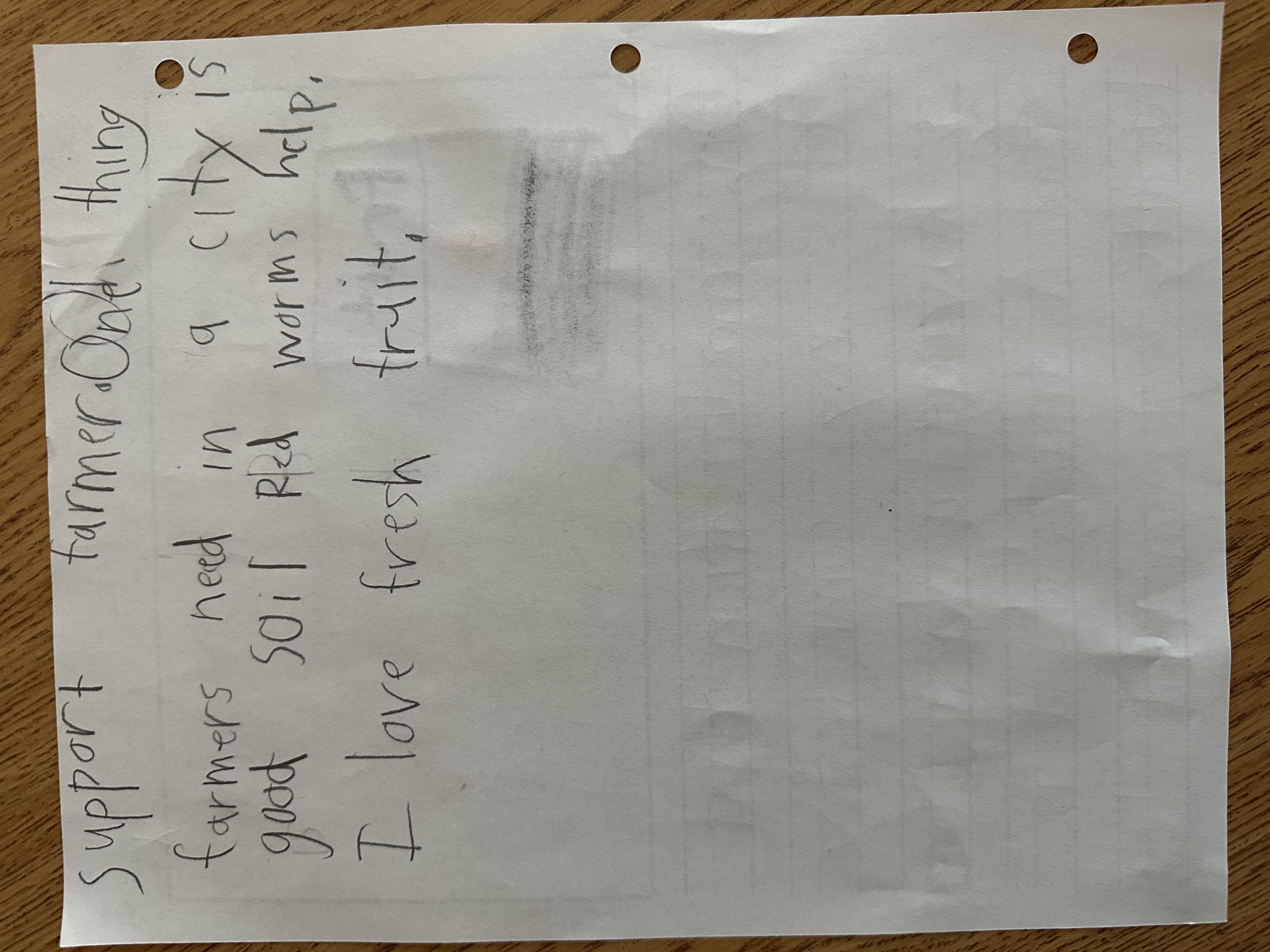
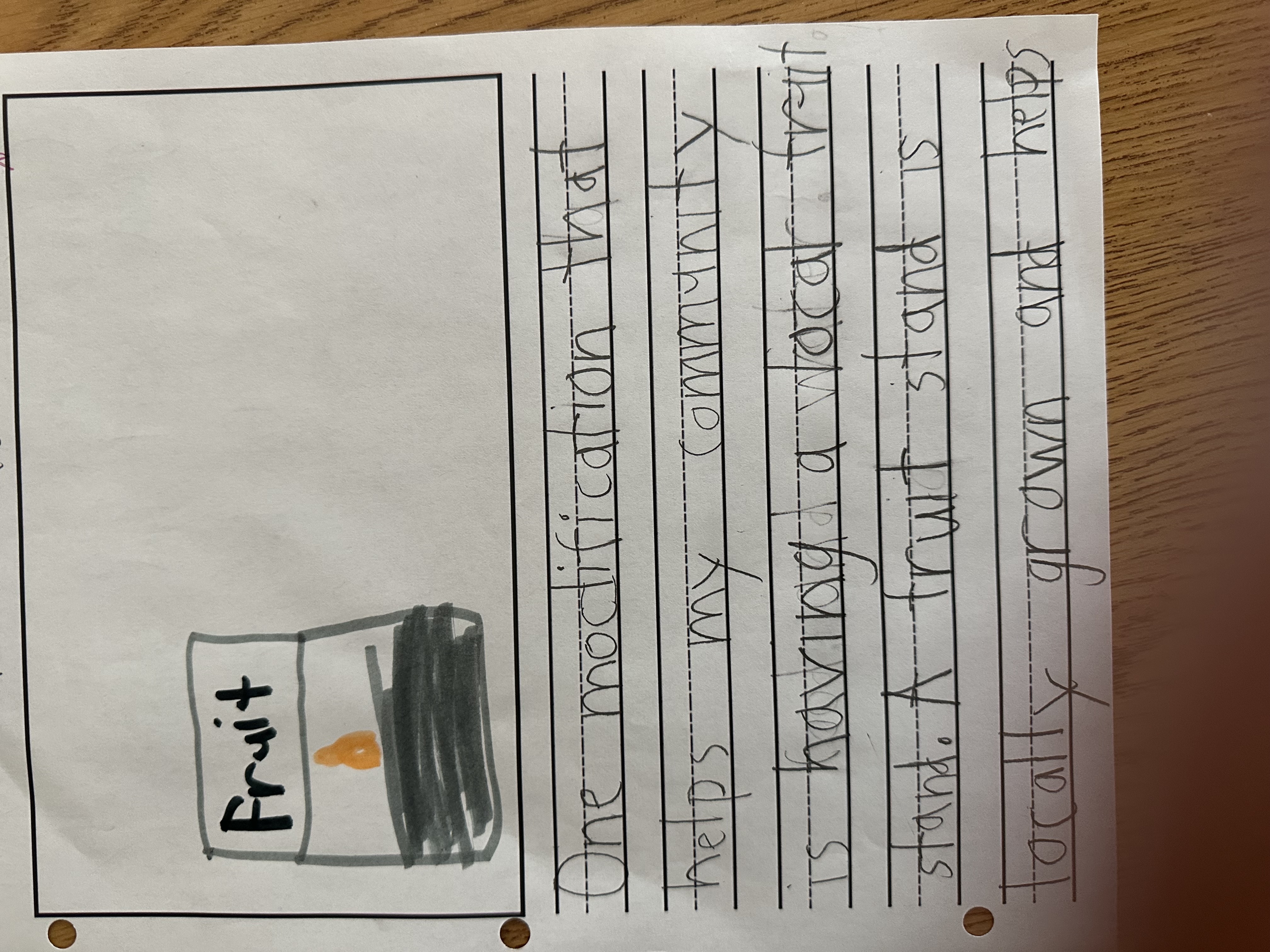
This learning wall was built throughout the unit. We read many books about changing landscapes in our community across time. The anchor charts at the bottom of the wall helped us to talk about the modifications in our community. In language arts we used Atlas' to find common and proper nouns across our state, country, and world. We ended the unit finding one spot on our campus that needed modification. We made posters and wrote letters to our principal.
Our Changing Landscape
2nd Grade
Wall Display
This learning wall was built throughout the unit. We read many books about changing landscapes in our community across time. The anchor charts at the bottom of the wall helped us to talk about the modifications in our community. In language arts we used Atlas' to find common and proper nouns across our state, country, and world. We ended the unit finding one spot on our campus that needed modification. We made posters and wrote letters to our principal.
Additional Info
Christine Crutchfield from Mount Pisgah Christian School: GA, 2nd Grade

The students had a great time learning in Module 2. They were able to share through their illustrations how the land and its resources contributed to our state.
Our State and Region
4th Grade
Handout

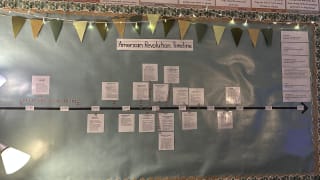
Interactive American Revolution timeline
The American Revolution
5th Grade
Wall Display
Interactive American Revolution timeline
Additional Info
from , 5th Grade

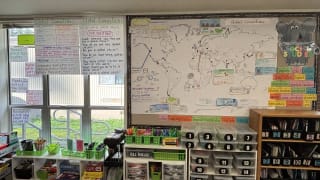
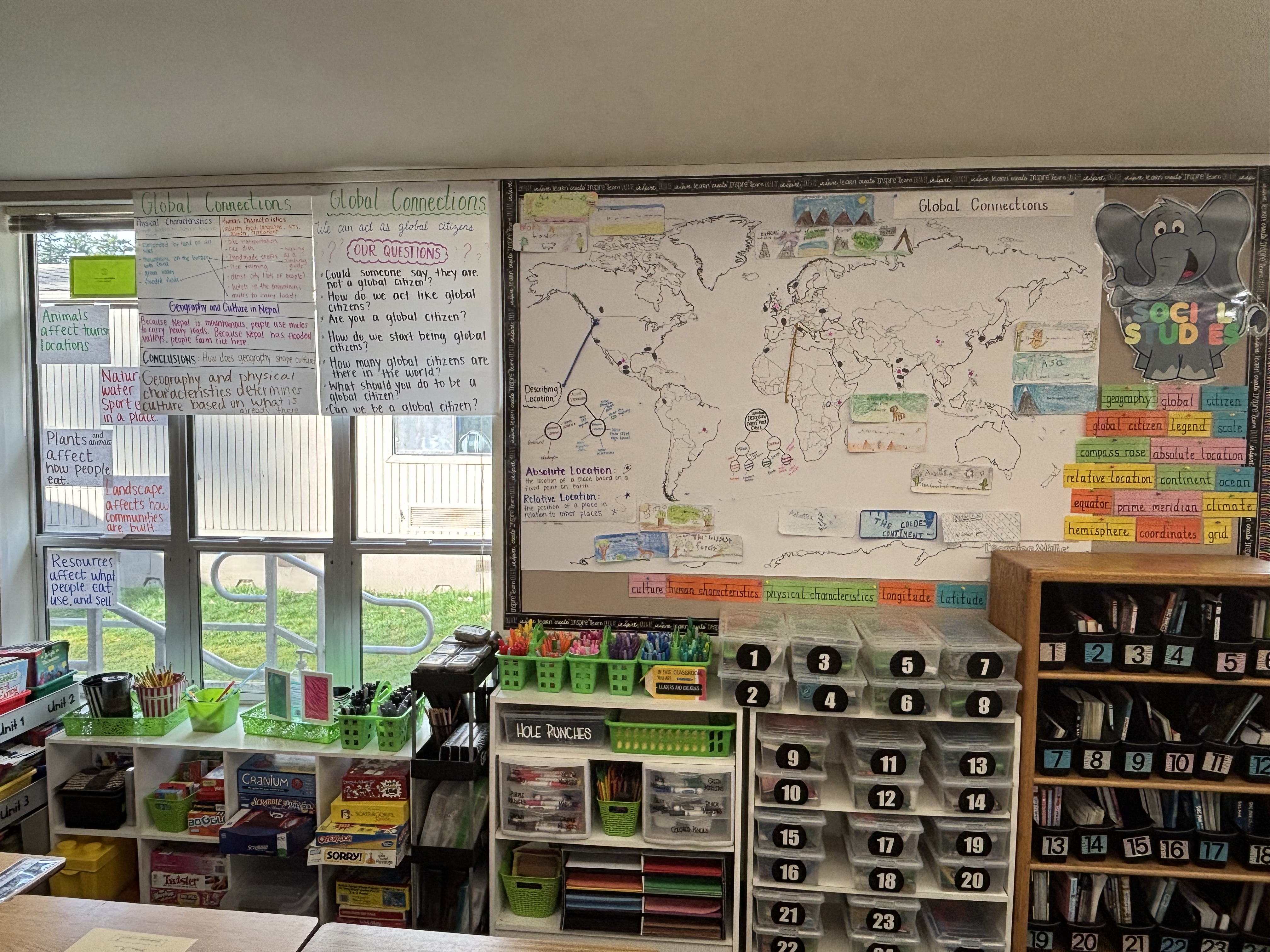
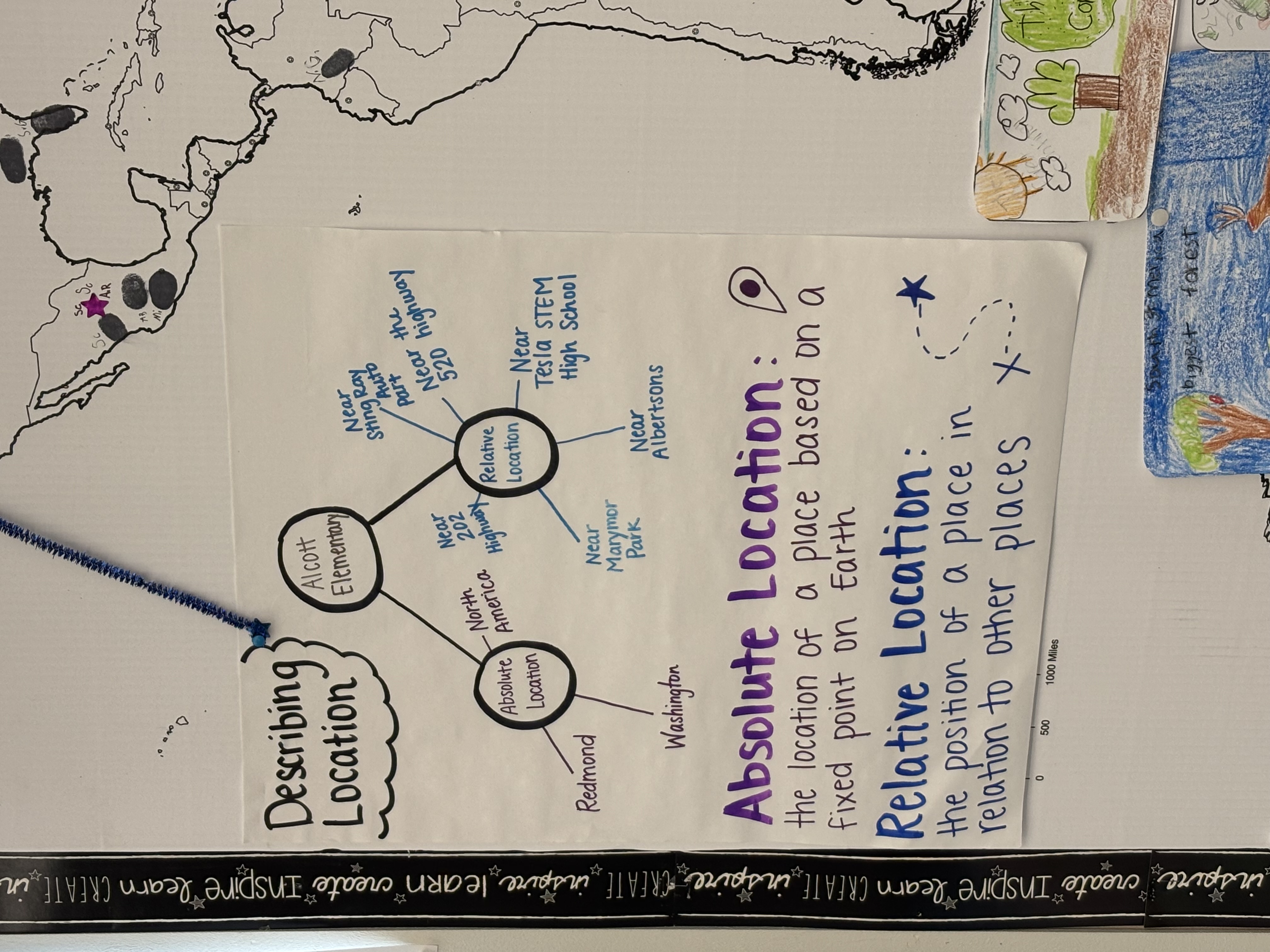
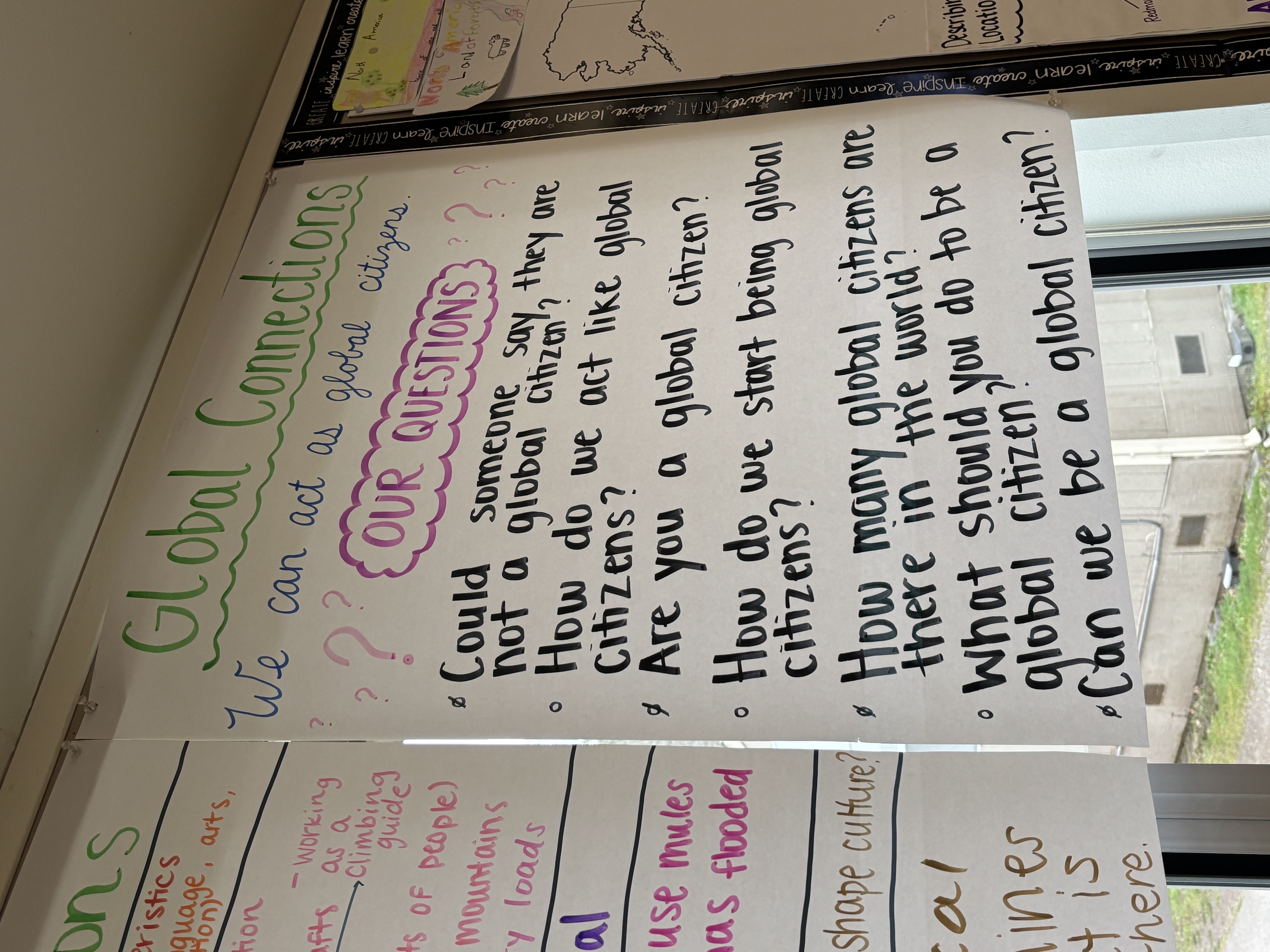
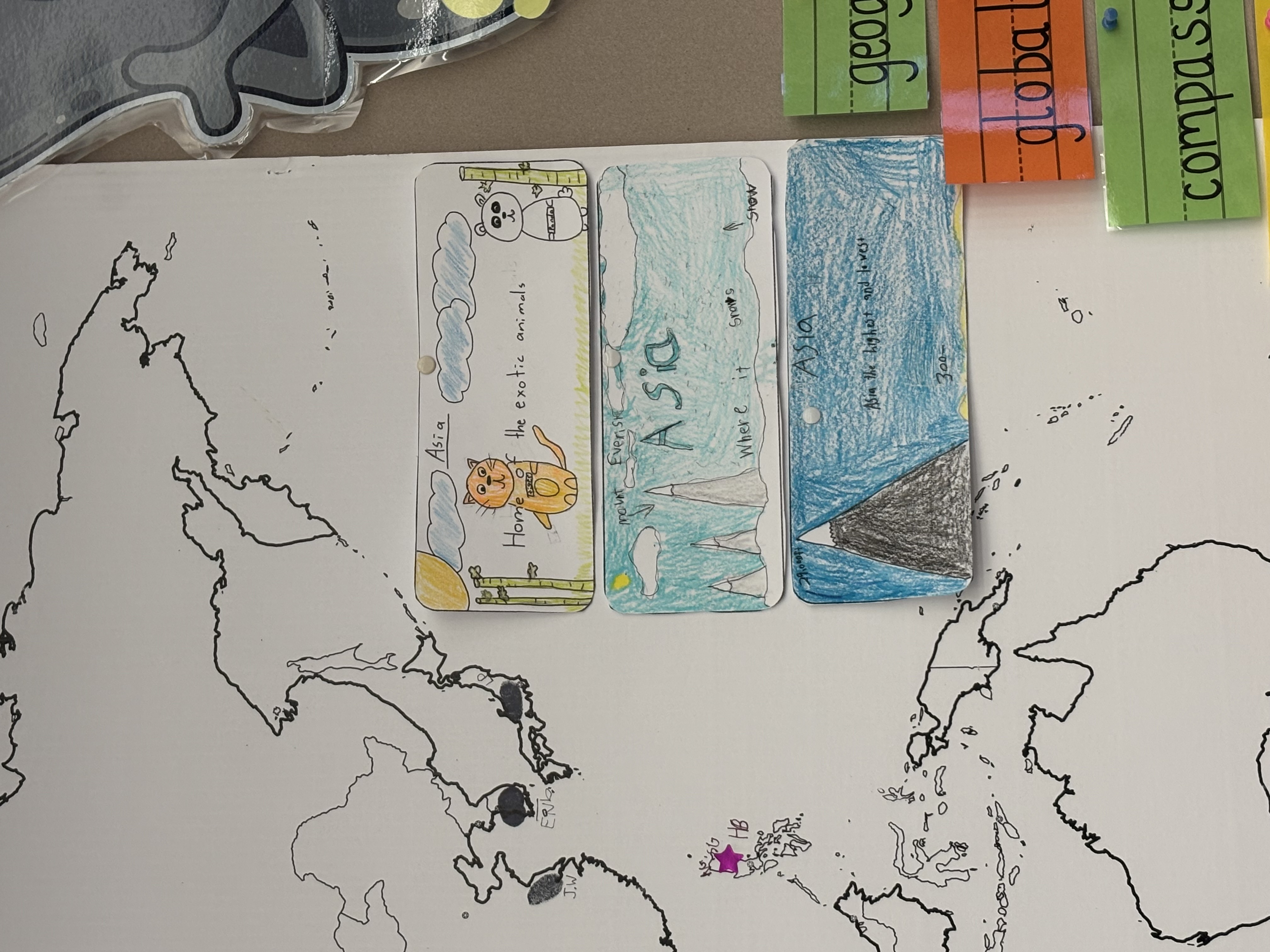
Students are about half way through the unit. The questions were generated by students and recorded by the teacher, same with the essential question reflection ideas posted onto the window. Students have been adding connections to the map and we even added information about the Winter Olympics to our connections map! Students each made a bumper sticker to represent a continent that they learned about through group research. Students are currently researching about a country with a small group and preparing to create a travel plan.
Global Connections
3rd Grade
Wall Display
Students are about half way through the unit. The questions were generated by students and recorded by the teacher, same with the essential question reflection ideas posted onto the window. Students have been adding connections to the map and we even added information about the Winter Olympics to our connections map! Students each made a bumper sticker to represent a continent that they learned about through group research. Students are currently researching about a country with a small group and preparing to create a travel plan.
Additional Info
Nicole Guptil from Lake Washington School District: WA, 3rd Grade

Our team scheduled an in-person visit with our Village Arborist can discuss the Village-owned trees and someone from our public works department will talk about the landscape of Carol Stream.
Our Special Location
1st Grade
Other
Our team scheduled an in-person visit with our Village Arborist can discuss the Village-owned trees and someone from our public works department will talk about the landscape of Carol Stream.
Additional Info
Gina Mastrodomenico from Community Consolidated School District 93: IL, 1st Grade

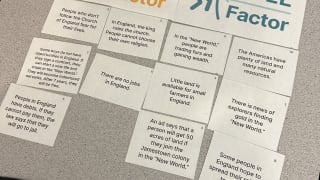
Students sorted push and pull reasons for immigration.
The Colonial Era
5th Grade
Other
Students sorted push and pull reasons for immigration.
Additional Info
from , 5th Grade
There are no results with this criteria. Try changing your search.