
Welcome to Inquiry Week!
March 2–6, 2026
All week long, we’re celebrating inquiry by lifting up real classroom work and the questions students and teachers are exploring. If inquiry is happening where you teach, you belong here. There are two ways to participate.
Submit Inquiry Work
Have inquiry work from your classroom? We’d love to see it. You can submit:
- Inquiry Walls or question charts
- Student-generated questions
- Teacher Inquiry Questions
- In-progress work from your classroom
- Anything else that shows inquiry in your classroom!
Share Inquiry Questions
Not ready to submit work yet? You can still join the conversation. Inquiry often starts with a question. A real one that students or teachers are wondering about right now. You can share your Inquiry Question by:
- Commenting on an Inquiry Week post on Instagram or LinkedIn
- Replying to one of our Inquiry Week emails
We’ll be highlighting Inquiry Questions all week so educators can learn from one another.
Share Inquiry Work
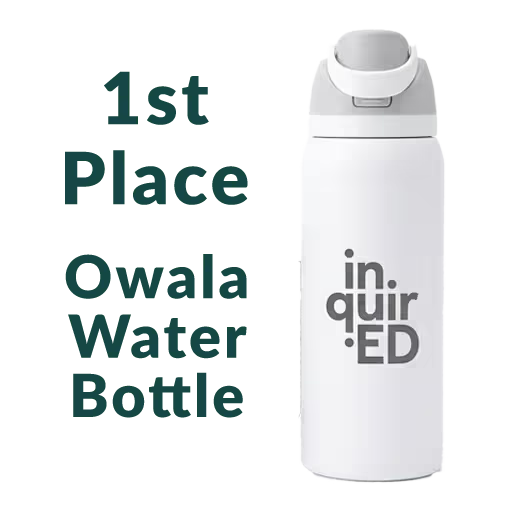
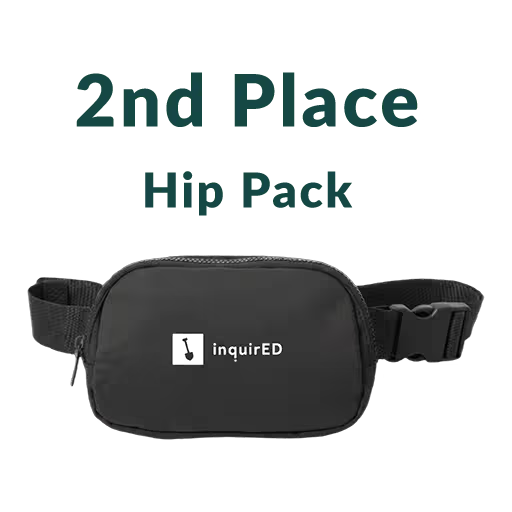
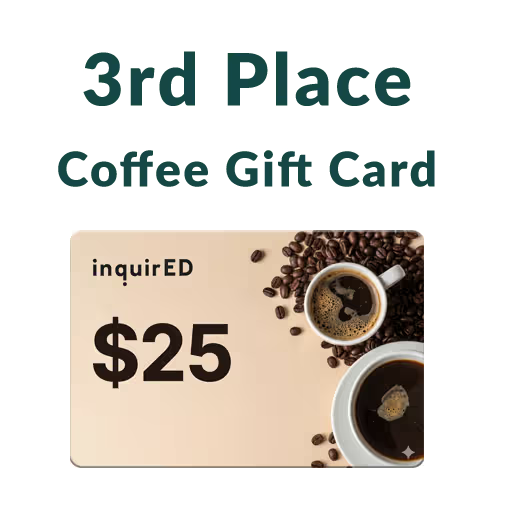
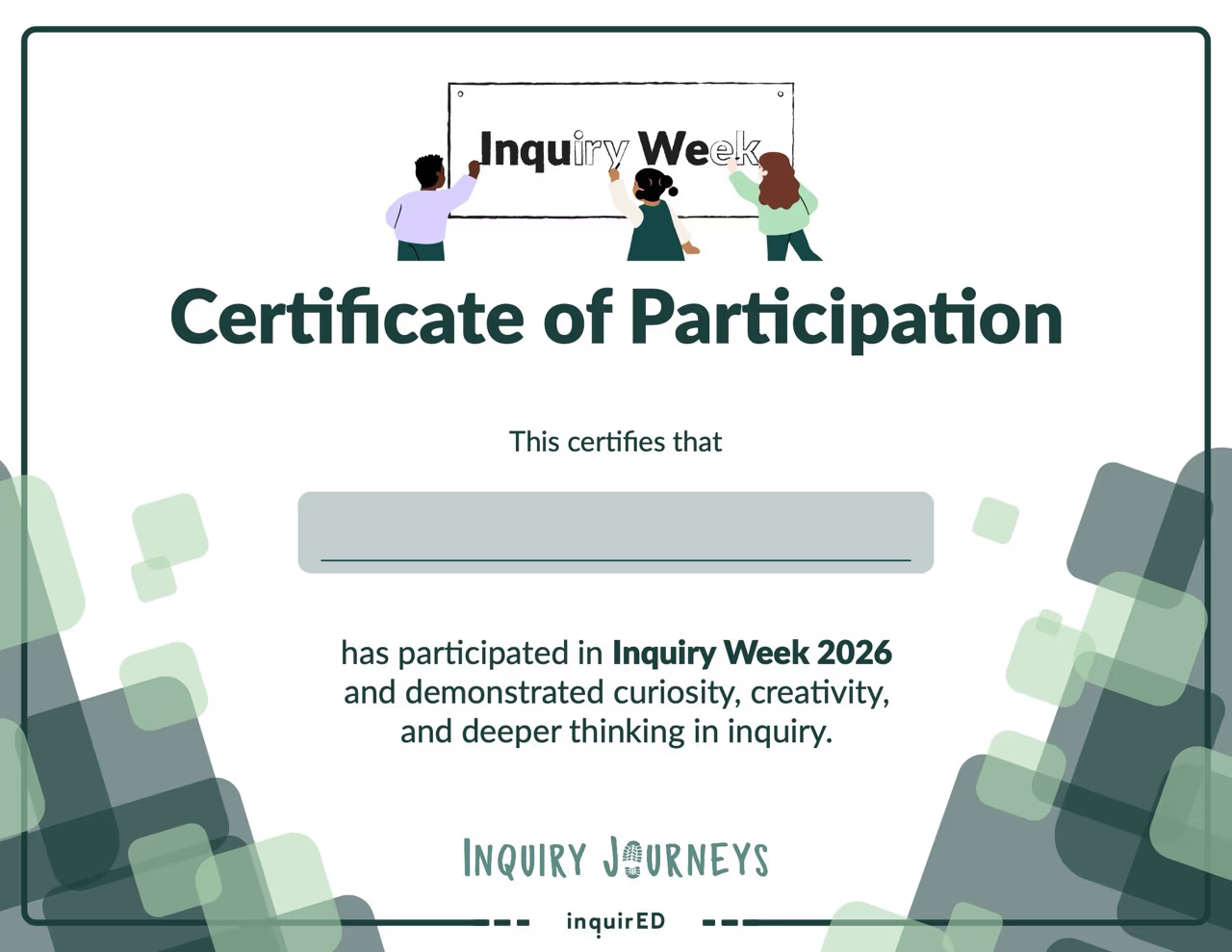
Celebrate your students!
Inquiry Week is also about celebrating students and the questions they bring to learning.
We’re sharing a student Inquiry Week certificate you can use to recognize students for their curiosity, questioning, and thinking. It’s a simple way to celebrate inquiry, whether your work feels finished or still in progress.
Contest FAQs
Do submissions need to be perfect?
No. We’re interested in the learning process, not polished final products.
Inquiry work might include student work, vocabulary, anchor charts, images, or other artifacts that show thinking over time. If it reflects real student questions and learning, it counts.
How will winners be chosen?
Submissions are reviewed for creativity, clarity, and how well they represent the inquiry process. Winning submissions may be featured in an Inquiry Work Gallery to help other educators see what inquiry can look like in real classrooms.
What file types can I submit?
You can submit:
- Images (JPG or PNG)
- Videos (MP4 or MOV) Files should be under 100 MB.
Do I need to submit physical copies of student work?
No. Digital submissions work great.
If space is limited, feel free to share smaller pieces of student work or snapshots that capture student thinking, reading, or writing in social studies.
Any tips for taking photos or videos of my inquiry work?
A few simple tips:
- Take more than one photo.
- Include at least one full view, plus a few close-ups.
- Make sure the image is bright and easy to read.
Clear photos help us see student thinking more clearly.
Looking for inspiration?
Explore examples from the Inquiry Work Gallery.
Click on a thumbnail below to expand and view more images.
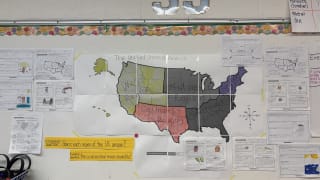
The bulletin board shows a cross curricular connection between ELA and Social Studies. We studied poetry in ELA and Natural Resources in Social Studies. Students wrote poems to describe the uses, challenges, and solutions of using natural resources.
Natural Resources of the U.S.
4th Grade
Inquiry-Long Display
The bulletin board shows a cross curricular connection between ELA and Social Studies. We studied poetry in ELA and Natural Resources in Social Studies. Students wrote poems to describe the uses, challenges, and solutions of using natural resources.
Additional Info
Ronye Craft from Detroit Public Schools Community - Parent District: MI, 4th Grade
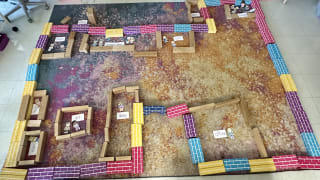
The children loved working through this unit! They were very excited to included all the places in our school, as well as showing all the people that make our school a great place to learn. When choosing a project, they were eager to build something using all of the planning and prep work they had done.
Navigating School
Kindergarten
Wall Display
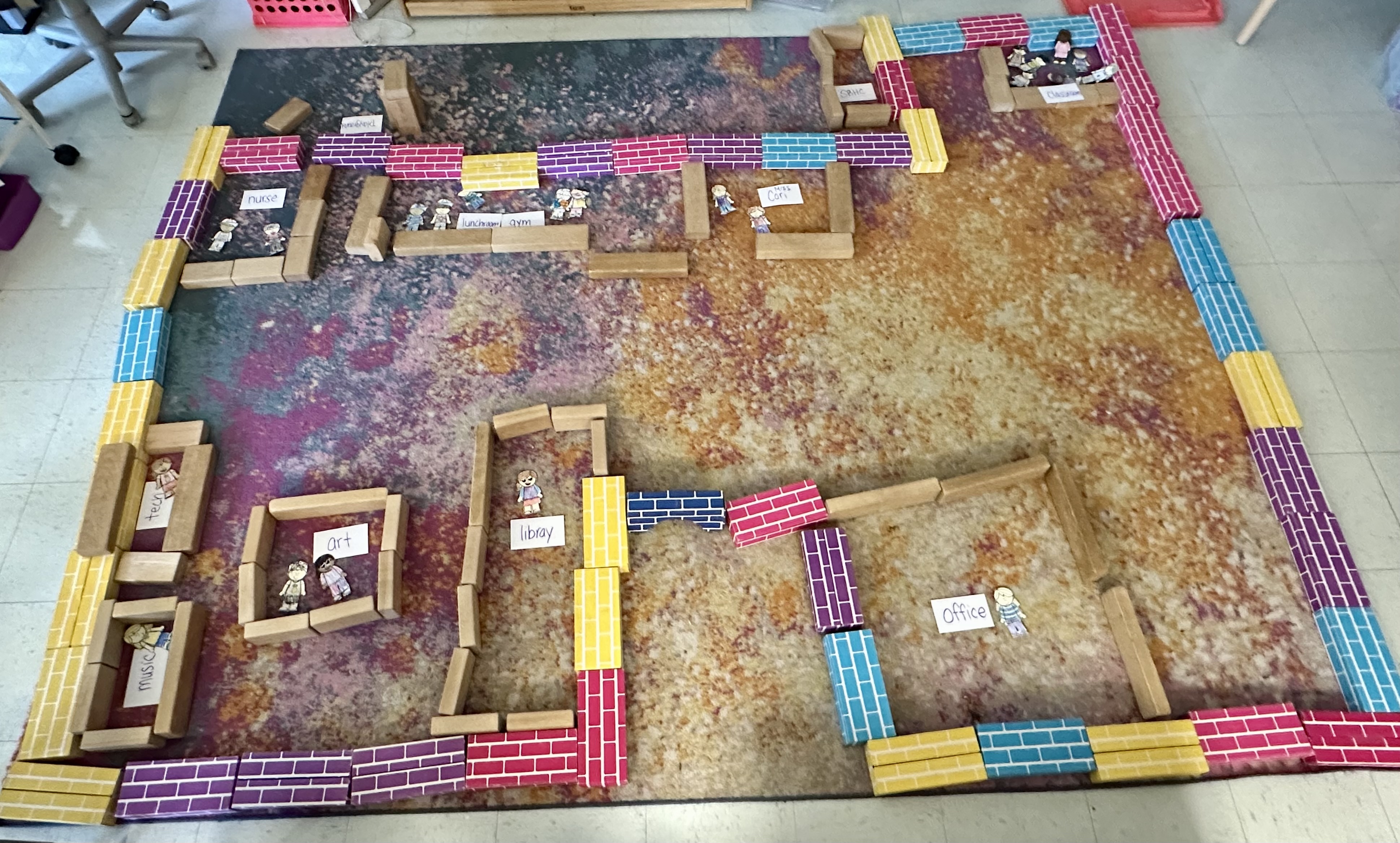
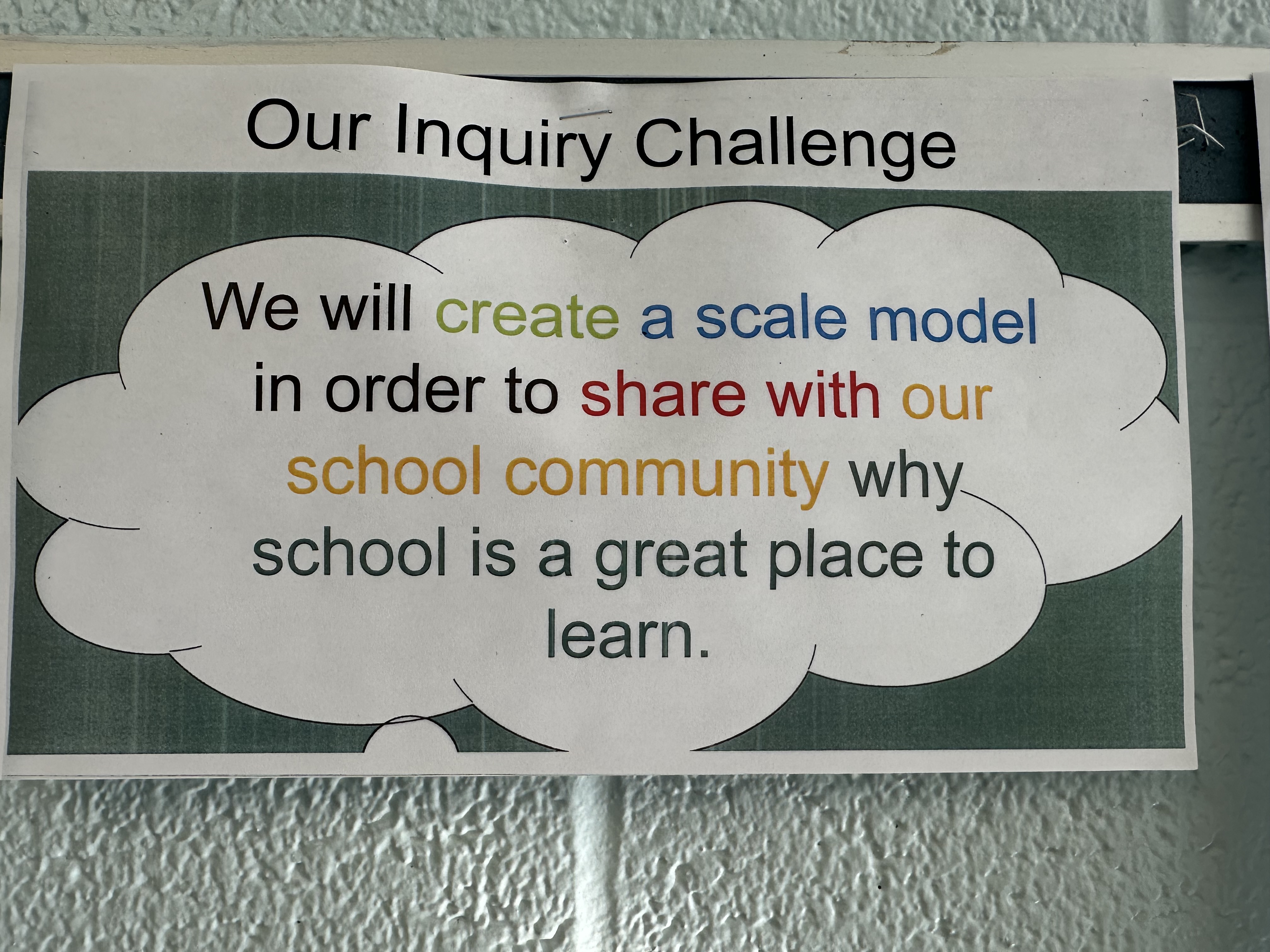
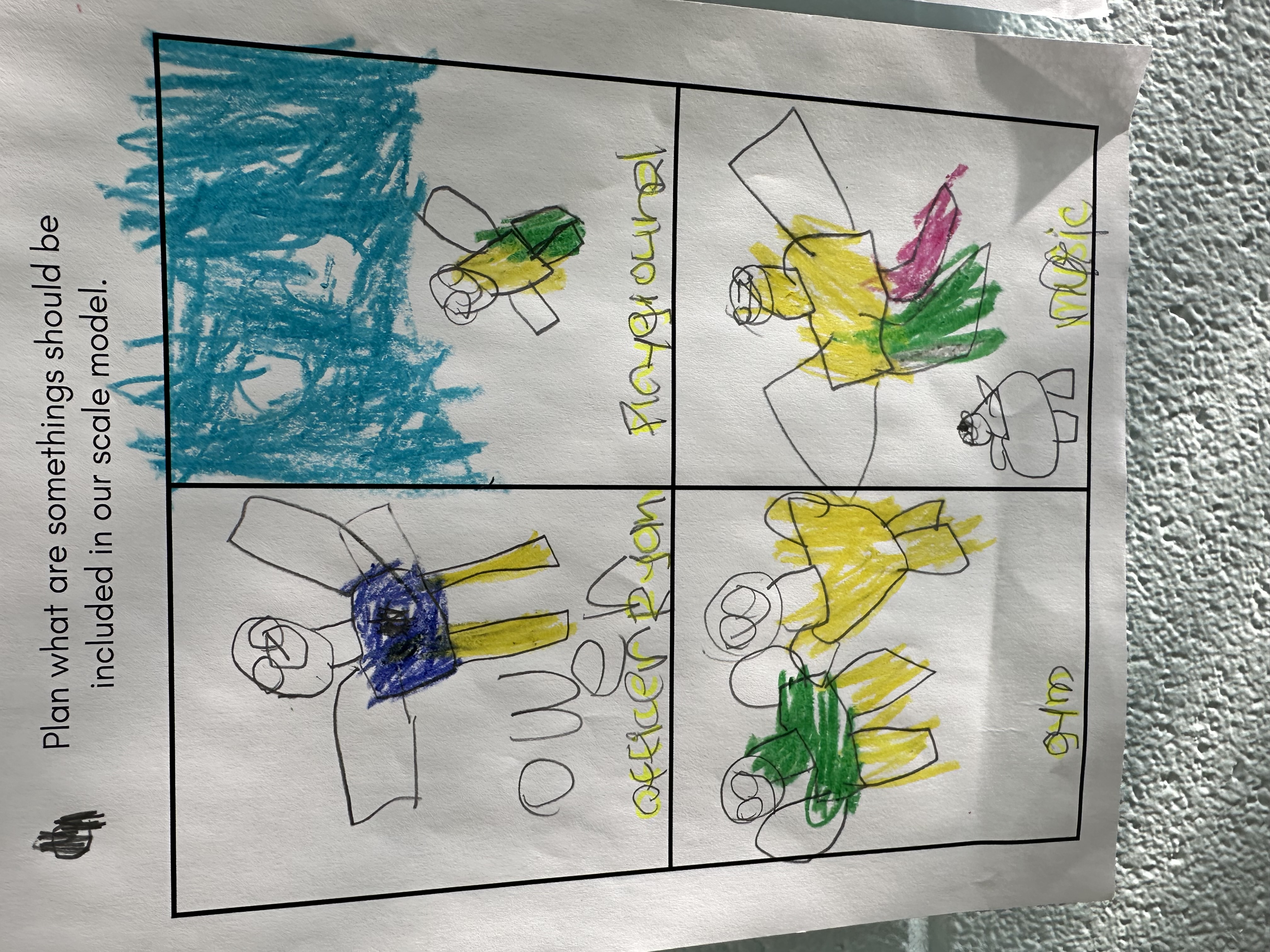
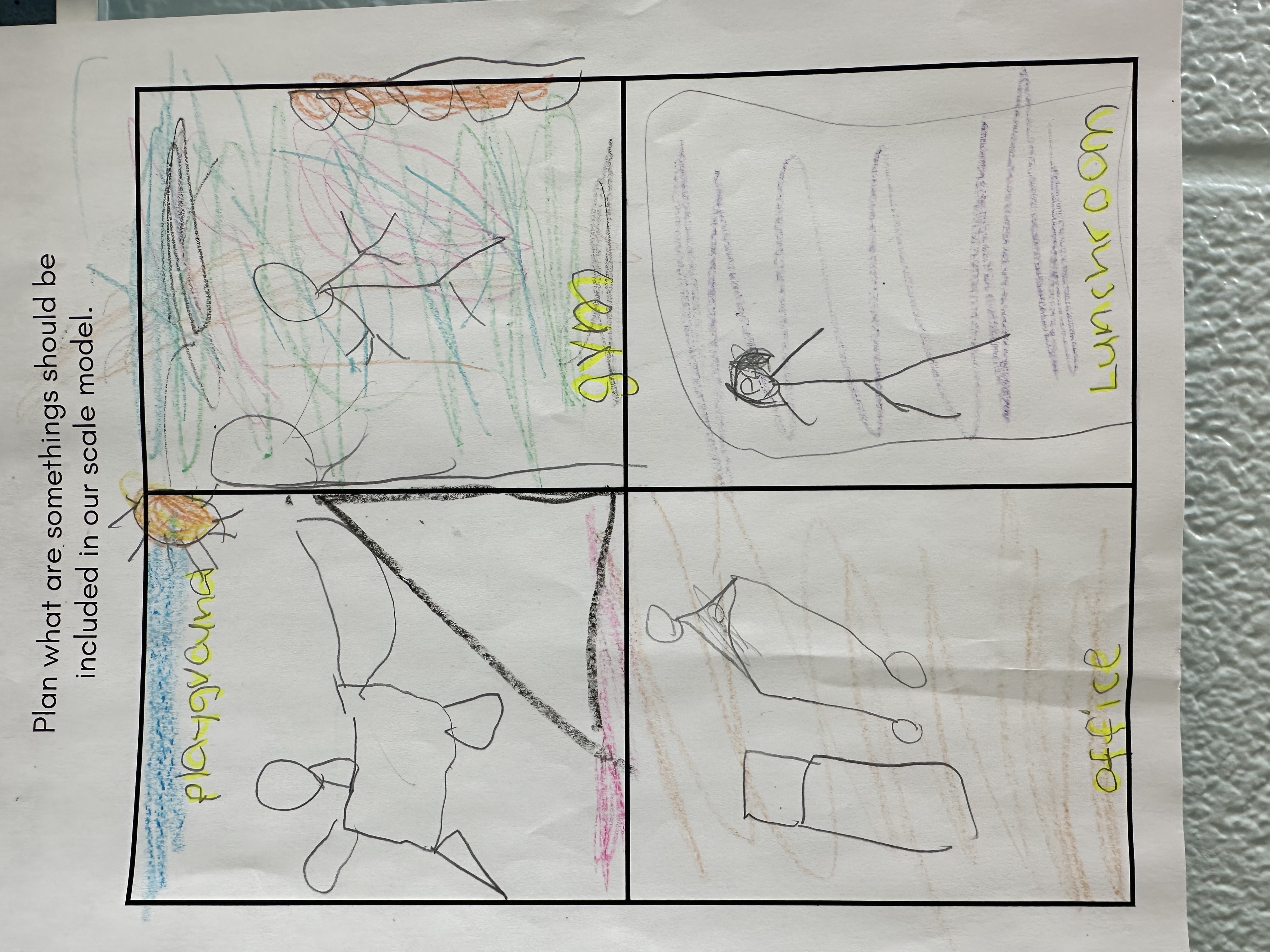
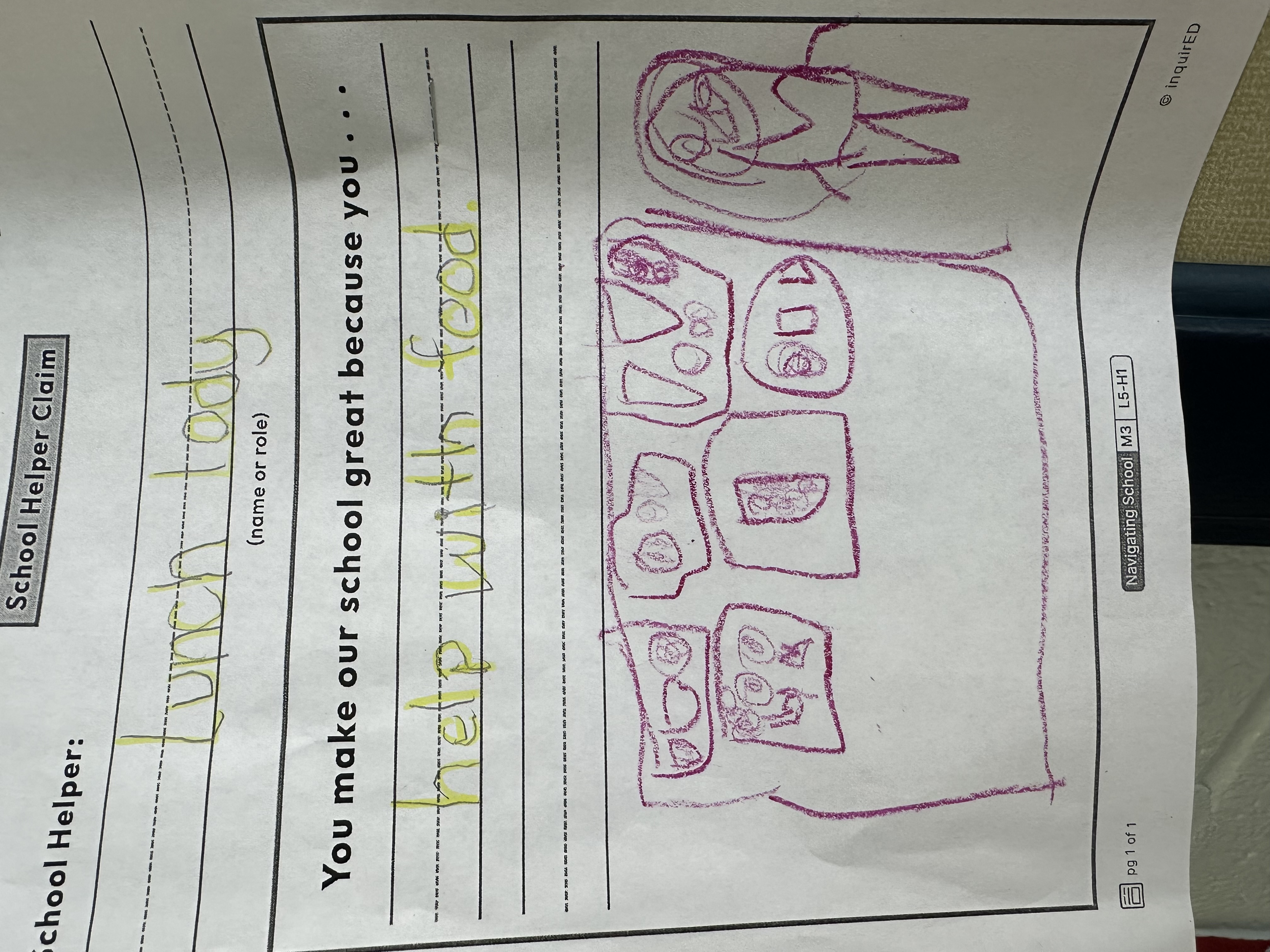
The children loved working through this unit! They were very excited to included all the places in our school, as well as showing all the people that make our school a great place to learn. When choosing a project, they were eager to build something using all of the planning and prep work they had done.
Additional Info
from , Kindergarten
Students created a community name and decided what was important in the community. We also created a community cheer. The teacher says: "Who let the dogs out?" student respond by barking. This has brought our class together as a community of learners.
Meeting Needs and Wants
2nd Grade
Wall Display
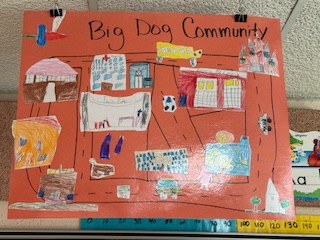
Students created a community name and decided what was important in the community. We also created a community cheer. The teacher says: "Who let the dogs out?" student respond by barking. This has brought our class together as a community of learners.
Additional Info
Farrell, Jean from School District of Lancaster: PA, 2nd Grade

This is our inquiry wall that we build throughout the American Revolution. There is a timeline on the bottom with the events. The students made portraits of revolutionaries on one side (quick sketches).
The American Revolution
5th Grade
Inquiry-Long Display
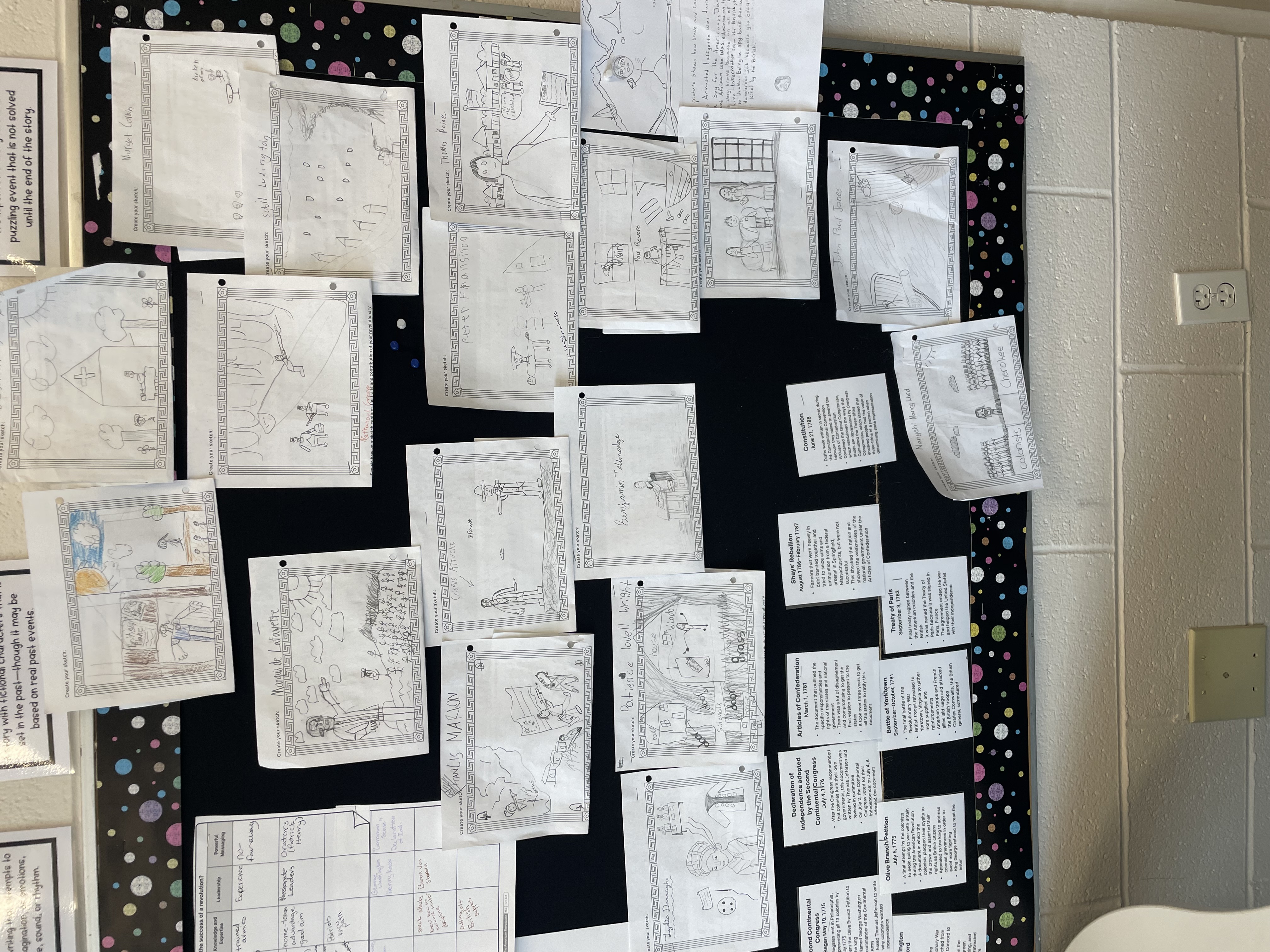
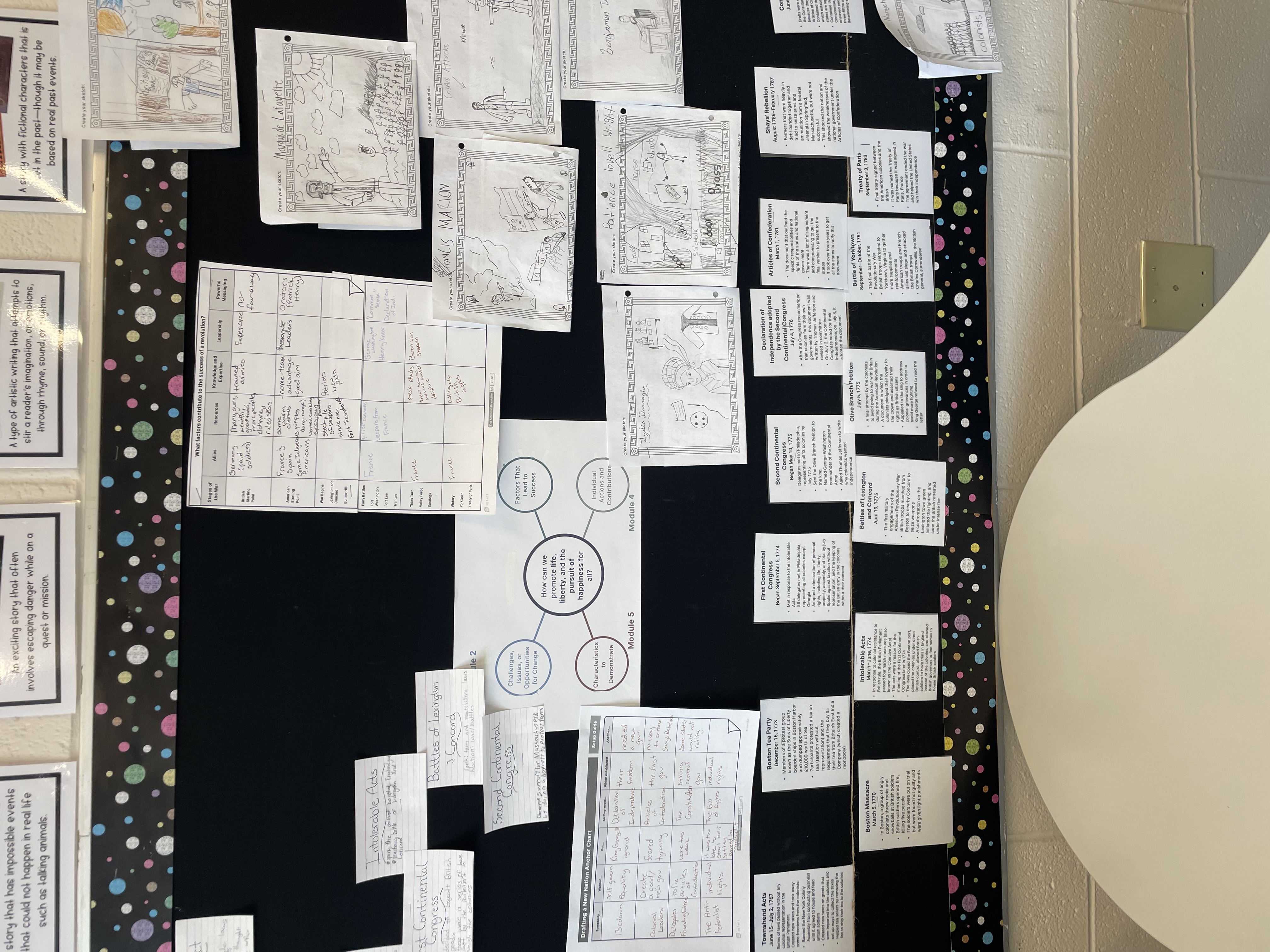
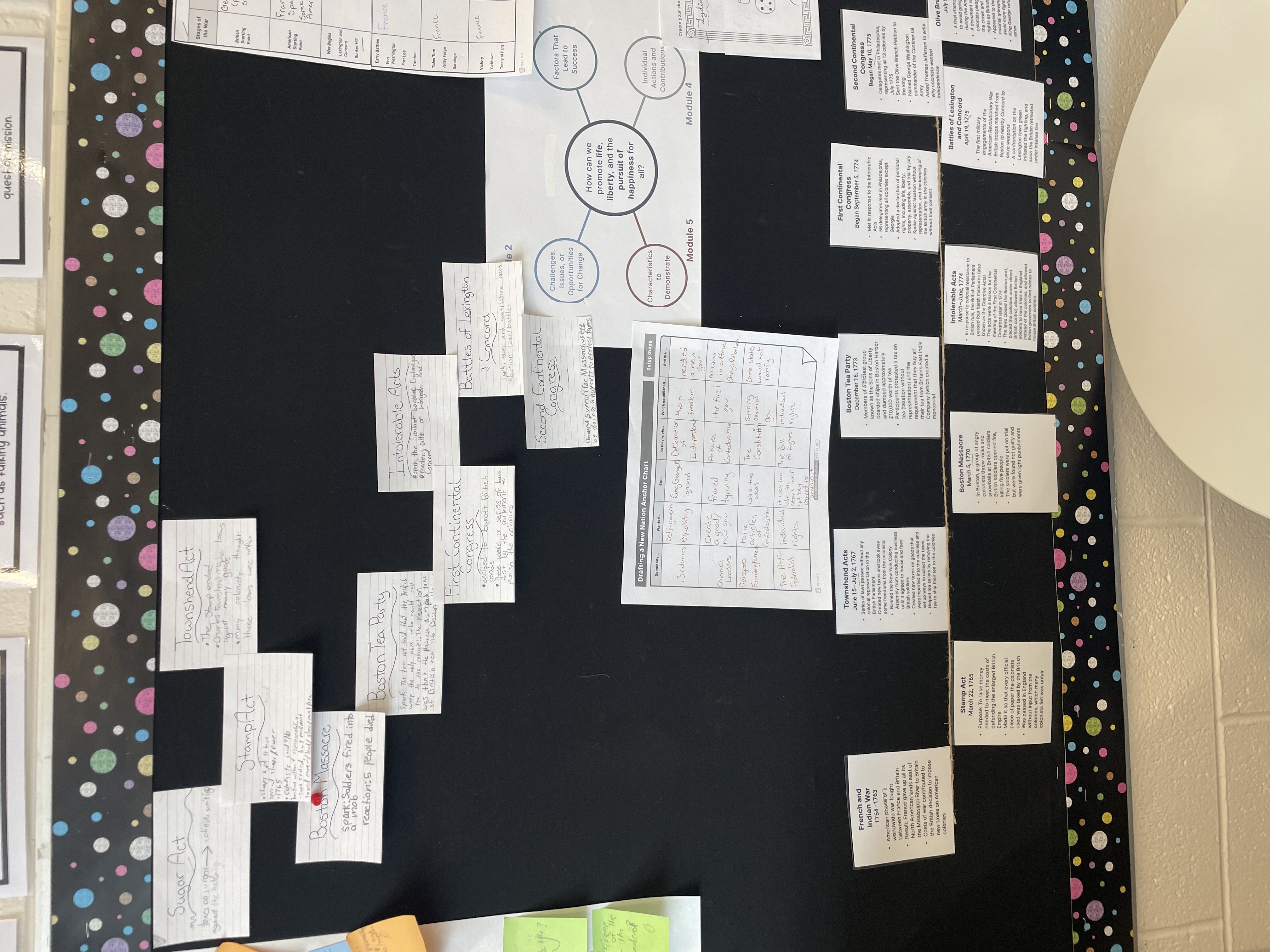
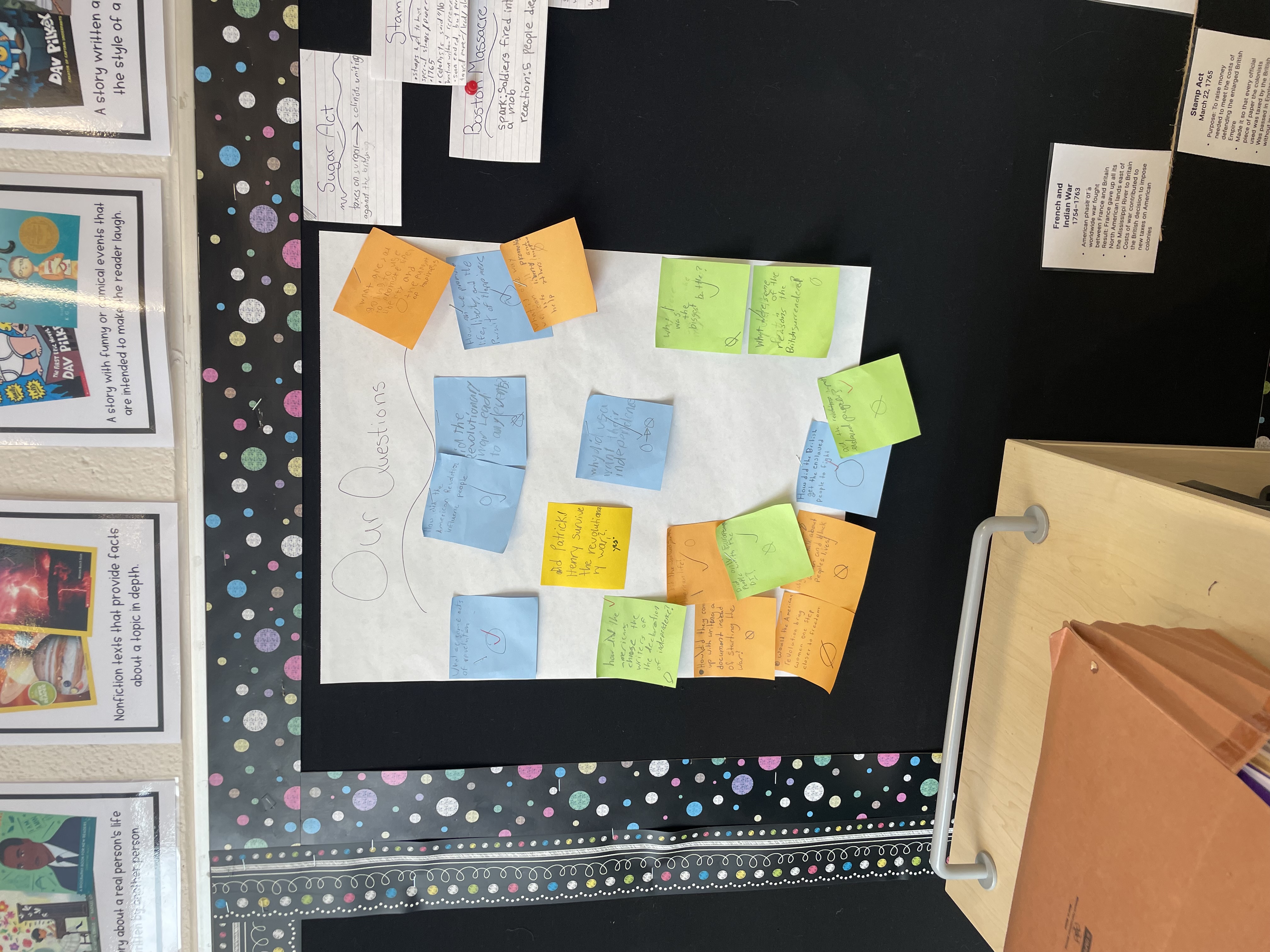
This is our inquiry wall that we build throughout the American Revolution. There is a timeline on the bottom with the events. The students made portraits of revolutionaries on one side (quick sketches).
Additional Info
Kkish from Hover: PA, 5th Grade
After completing our investigation in the unit, students were presented with these different options to showcase their work.
Native America
5th Grade
Final Product
After completing our investigation in the unit, students were presented with these different options to showcase their work.
Additional Info
Hannah Azofeifa-Urena from Flemington-Raritan School District: NJ, 5th Grade
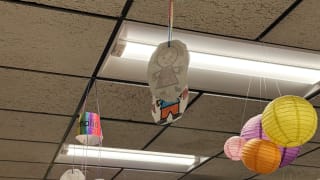
Students created a Family Mobile to represent the members of their family.
Families Near and Far
1st Grade
Final Product
Students created a Family Mobile to represent the members of their family.
Additional Info
Emily Hagan from , 1st Grade
We are just starting the American Revolution unit and the kids had just completed the gallery walk and reading about revolution and revolutionary meanings. We came back to center and discussed our inquiry question. They wrote their thoughts while thinking about the people/events they had just read about.
The American Revolution
5th Grade
Anchor Chart
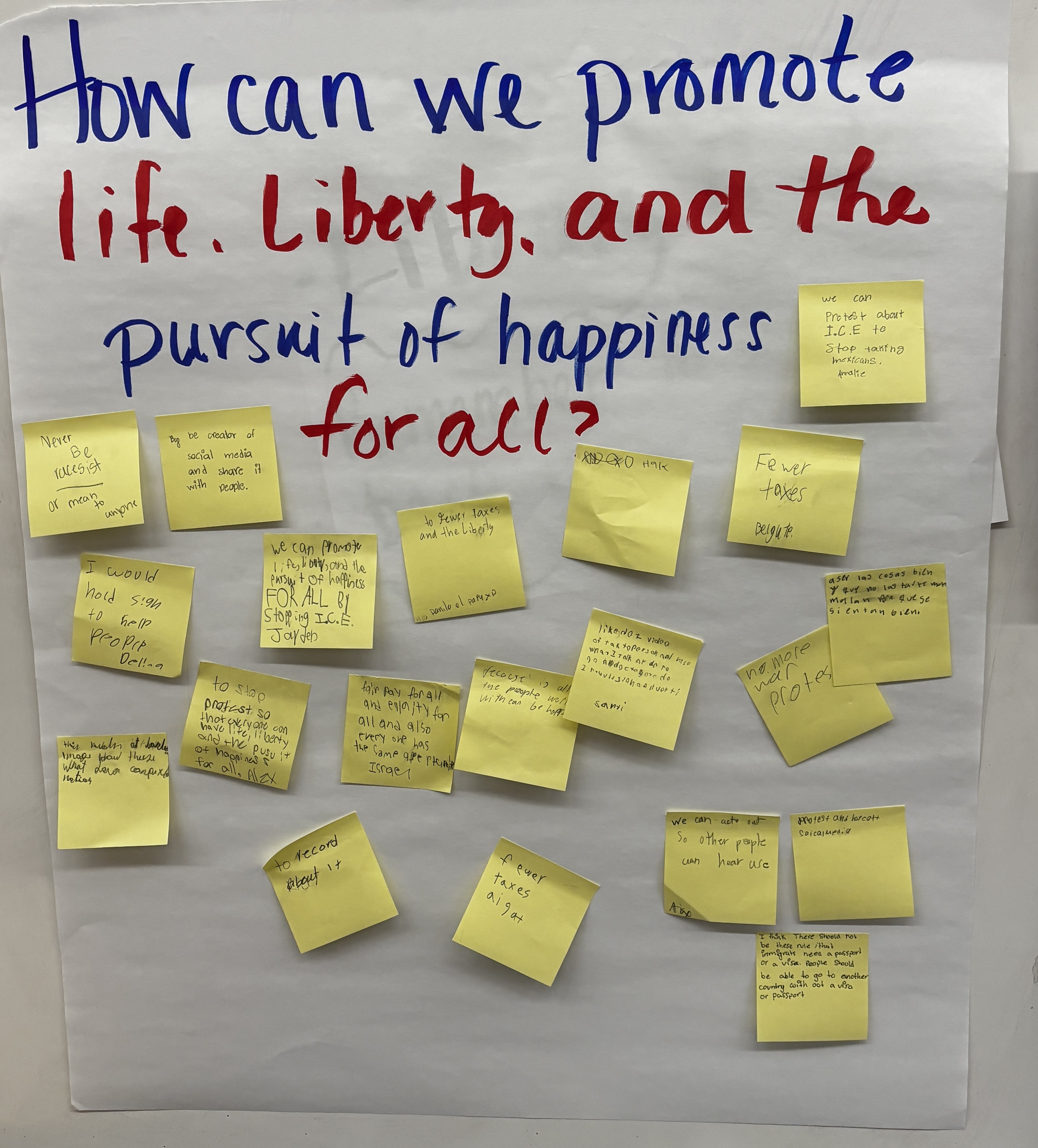
We are just starting the American Revolution unit and the kids had just completed the gallery walk and reading about revolution and revolutionary meanings. We came back to center and discussed our inquiry question. They wrote their thoughts while thinking about the people/events they had just read about.
Additional Info
Maribel Moon from Cherry Creek Schools: CO, 5th Grade

My students worked so hard this unit to reach our unit goal of celebrating cultural differences!
Global Connections
3rd Grade
Final Product
My students worked so hard this unit to reach our unit goal of celebrating cultural differences!
Additional Info
Ana Mejia from Newark Educators Community Charter School: NJ, 3rd Grade

Students taking a closer look at the immigrant experience by examining Ellis Island and furthering their understanding of the 3rd wave of immigration. They are also analyzing primary and secondary sources through media and photographs, as well as drawing conclusions about the impacts of immigration in the US.
Migration and Movement
3rd Grade
Students taking a closer look at the immigrant experience by examining Ellis Island and furthering their understanding of the 3rd wave of immigration. They are also analyzing primary and secondary sources through media and photographs, as well as drawing conclusions about the impacts of immigration in the US.
Additional Info
Yolanda Lee from San Francisco Unified School District: CA, 3rd Grade
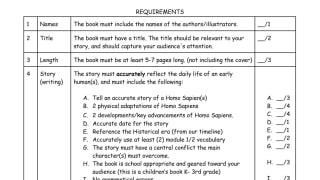
6th grade World History wrapped up their module 1 and 2 learning with the creation of a children's book. The students worked in pairs to demonstrate the advancements, adaptions, innovations, and overall life of early humans. The students had two class periods (1 hr periods) to work on it, and then two weeks to finish on their own. They had a blast creating their projects. Many utilized Canva, as well as Google Slides, and some students hand drew their books.
The Human Story
6th Grade
Other
6th grade World History wrapped up their module 1 and 2 learning with the creation of a children's book. The students worked in pairs to demonstrate the advancements, adaptions, innovations, and overall life of early humans. The students had two class periods (1 hr periods) to work on it, and then two weeks to finish on their own. They had a blast creating their projects. Many utilized Canva, as well as Google Slides, and some students hand drew their books.
Additional Info
from , 6th Grade
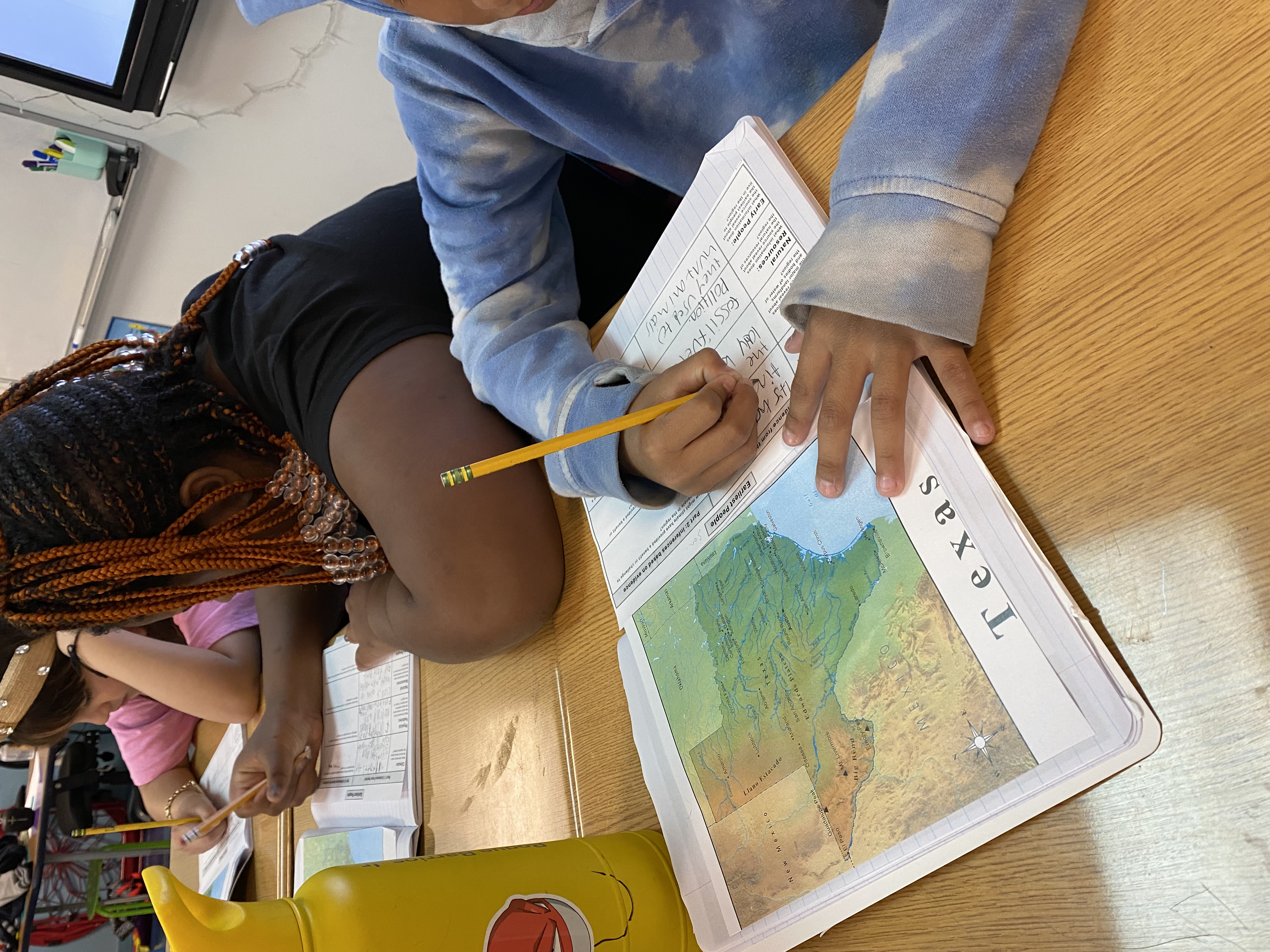
Students work in small groups to learn more about their state's history.
Our State and Region
4th Grade
Handout
.jpeg)
Students work in small groups to learn more about their state's history.
Additional Info
Sarah Arndt from Kipp Texas, Inc.: TX, 4th Grade
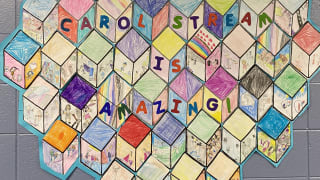
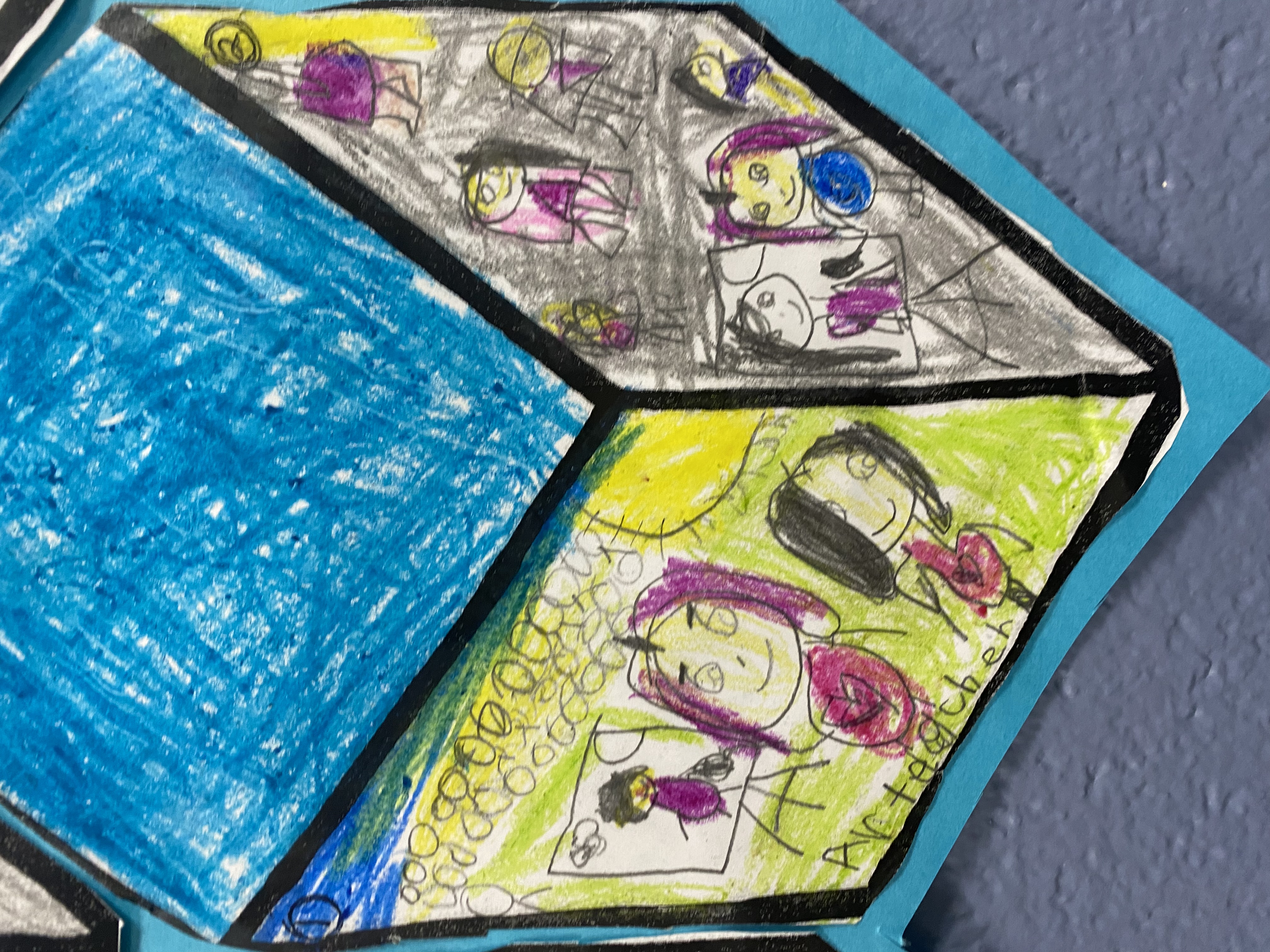
Students learned all about Carol Stream and learned all about the amazing places you can visit.
Our Special Location
1st Grade
Inquiry-Long Display
.jpeg)
Students learned all about Carol Stream and learned all about the amazing places you can visit.
Additional Info
Kelly Ashline from Community Consolidated School District 93: IL, 1st Grade
No results found.
There are no results with this criteria. Try changing your search.