
Meet the 2026 Inquiry Work Contest winners
Teachers across the country shared inquiry work from their classrooms this fall, from anchor charts and student work to classroom video. Thank you to every teacher who entered. These are the classrooms that stood out.
Students doing the thinking
Entries were scored on how clearly the work shows students investigating a question, building evidence and sharing their own thinking.
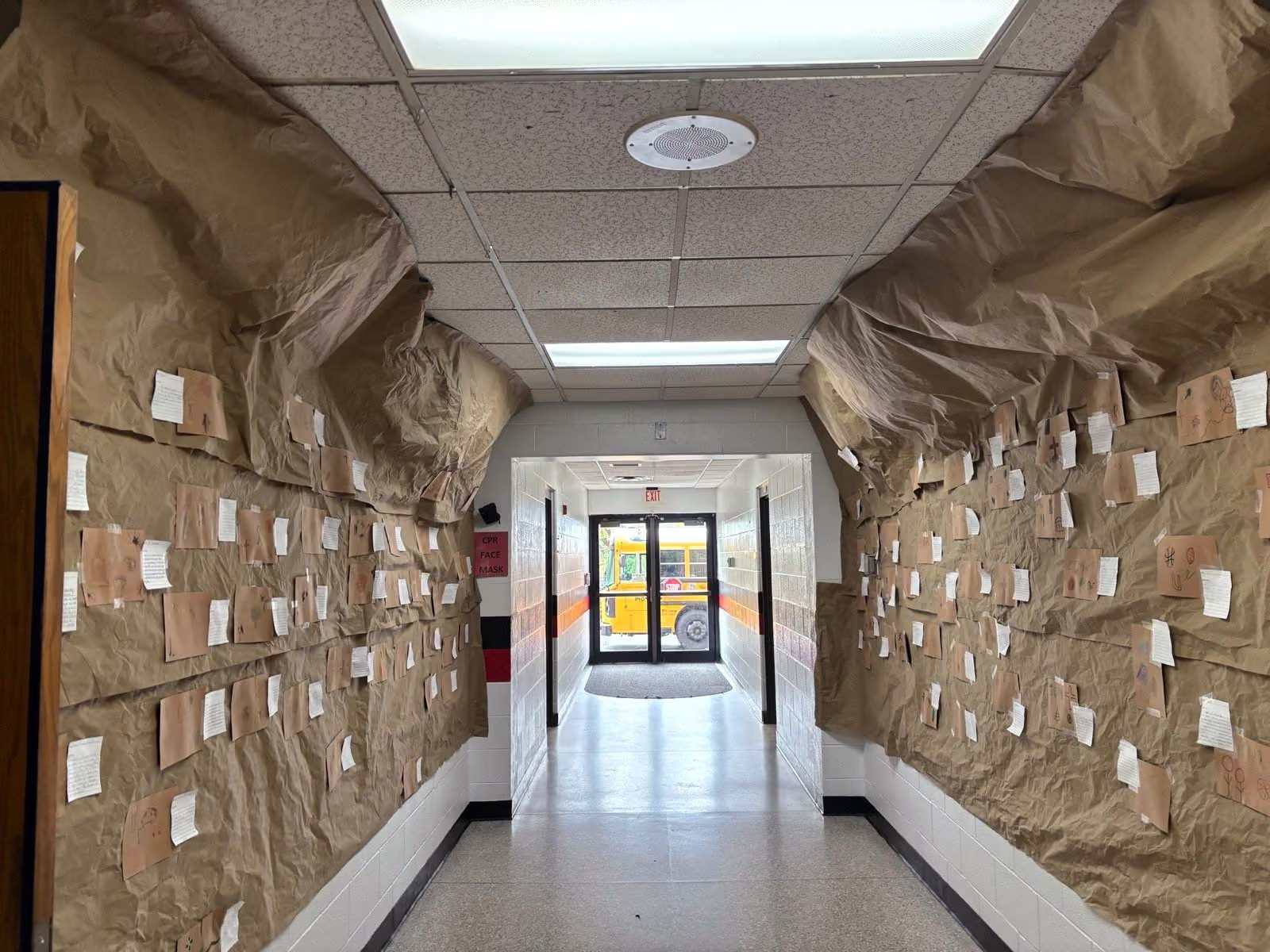
Telling the story of 6th grade through cave art
The Human Story
After studying early humans and the stories artifacts can tell, 6th graders created their own Paleolithic cave art. Using four symbols and no words, each student answered the question "What story would you tell?" Then they switched roles, analyzed the art as archaeologists and wrote museum placards to explain it. The finished pieces came together on a simulated cave wall that tells the story of 6th grade.
Sorting artifacts to uncover their stories
Native America
5th graders spent this inquiry investigating what artifacts can tell us and who they belong to. In the video, students work together to sort artifacts from Native American cultures into categories they came up with on their own, including materials, how items were used, time frame, tribe and how items were made. They then took a position on whether artifacts should be kept in museums or returned to their cultures of origin and wrote out their claims and reasoning, shown in the photo.
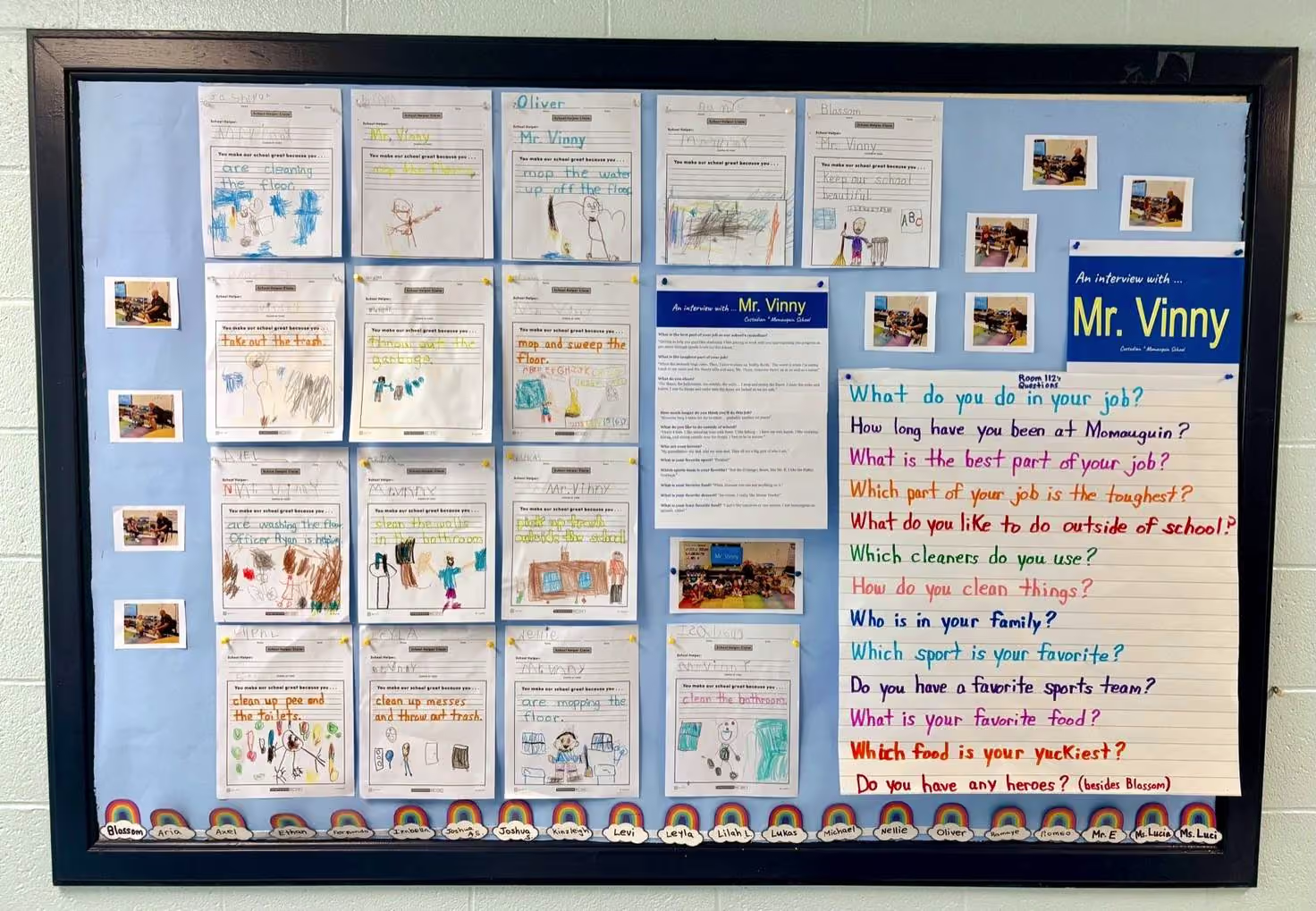
Interviewing the grown-ups who help our school
Navigating School
Kindergartners brainstormed the grown-ups who help at school and voted to interview their custodian. With teacher support, they wrote questions to learn about his role and his life outside of work, then illustrated and labeled what they learned.
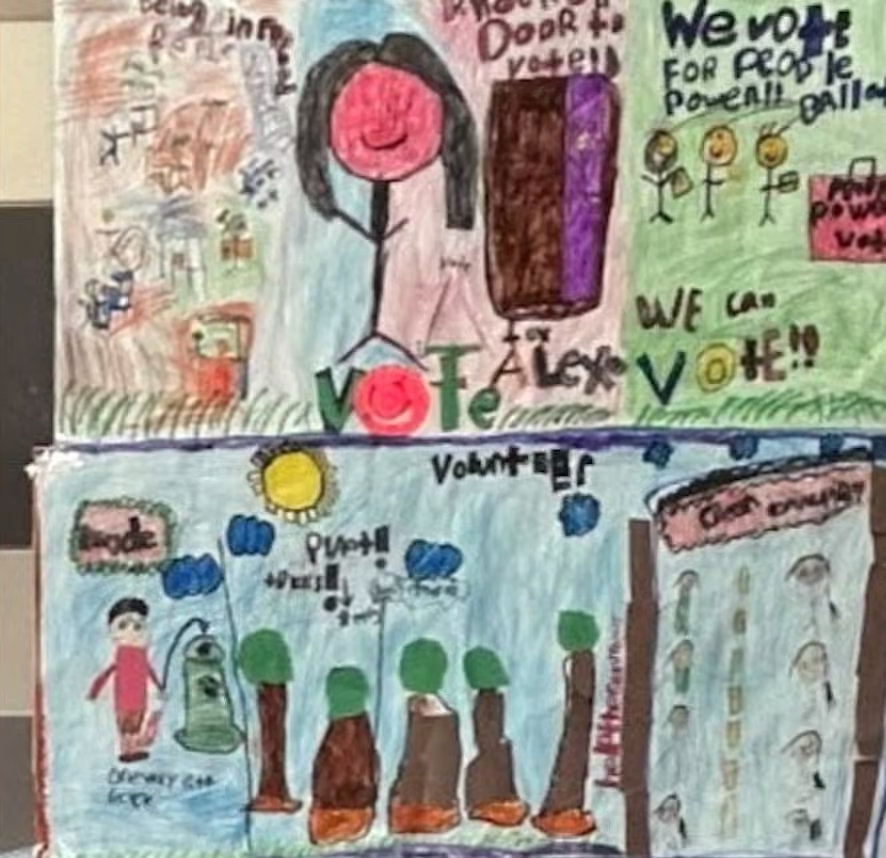
A layer cake for a healthy democracy
Rights and Responsibilities
3rd graders designed a layer cake to show their audience how people can take part in a democracy. They decided which layer should support the ones above it, from knowing how government works and using your rights to staying informed, volunteering and voting.
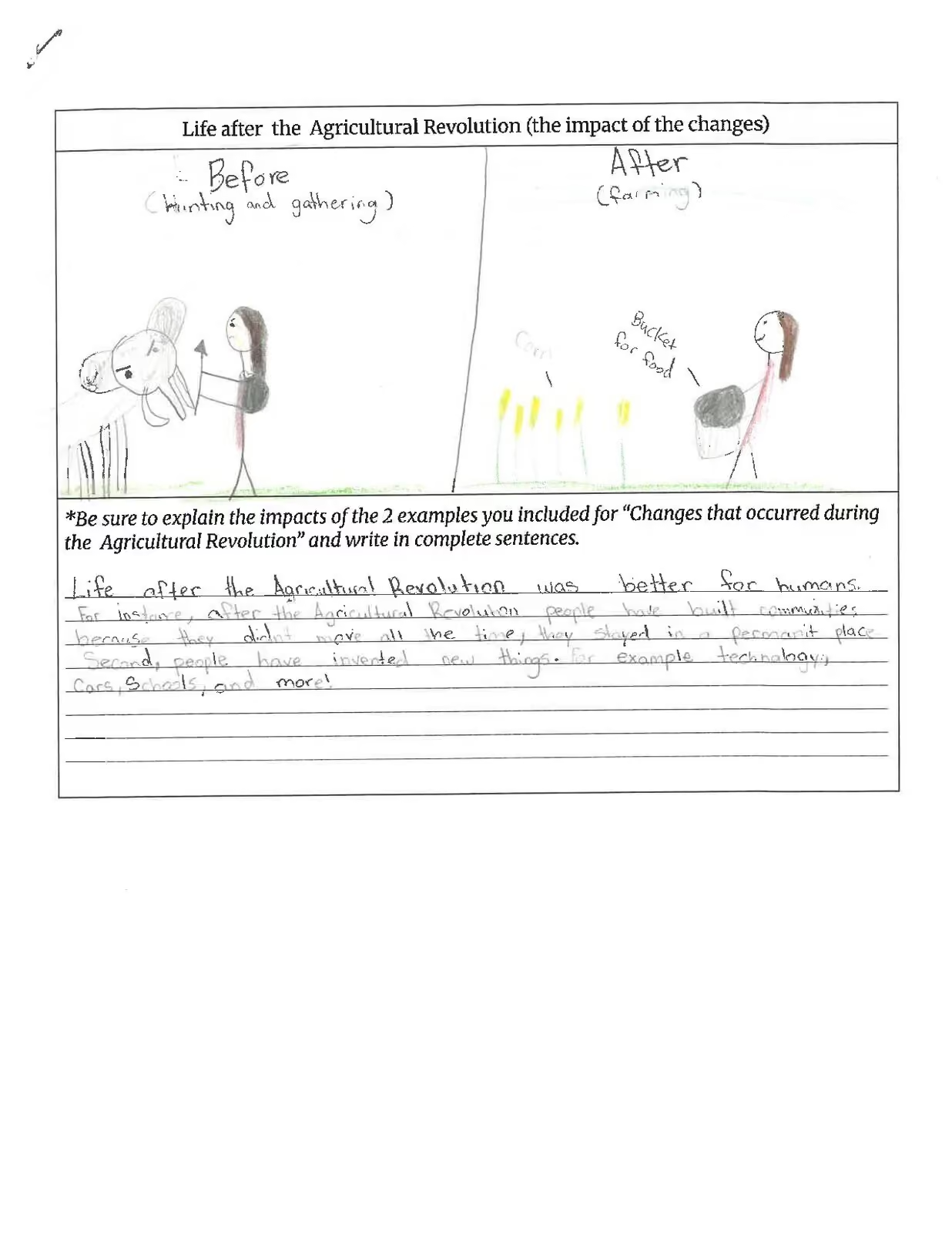
Comic strips on the Agricultural Revolution
The Human Story
6th graders created two-part comic strips about the Agricultural Revolution. First, they illustrated the changes it brought, like farming in place of hunting and gathering and people taking on different jobs. Then they showed the impact on daily life and weighed the tradeoffs, such as a steadier food supply against crop failures and disease from domesticated animals.
More standout classrooms
These classrooms will also be featured in this year's showcase.
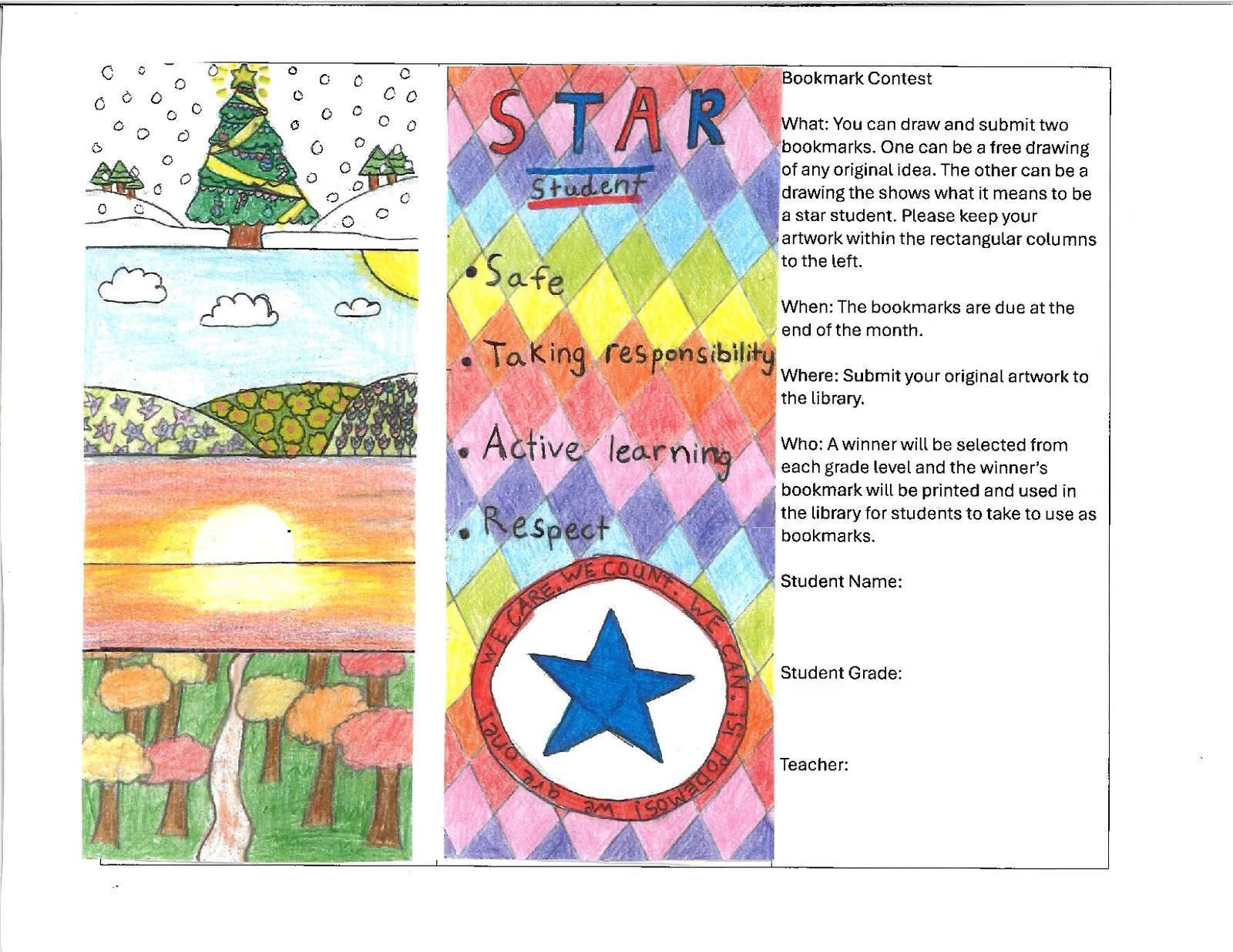
Star student bookmarks
My Team and Self
Students designed bookmarks about being a star student, and the winning designs are printed in color and handed out with library books.
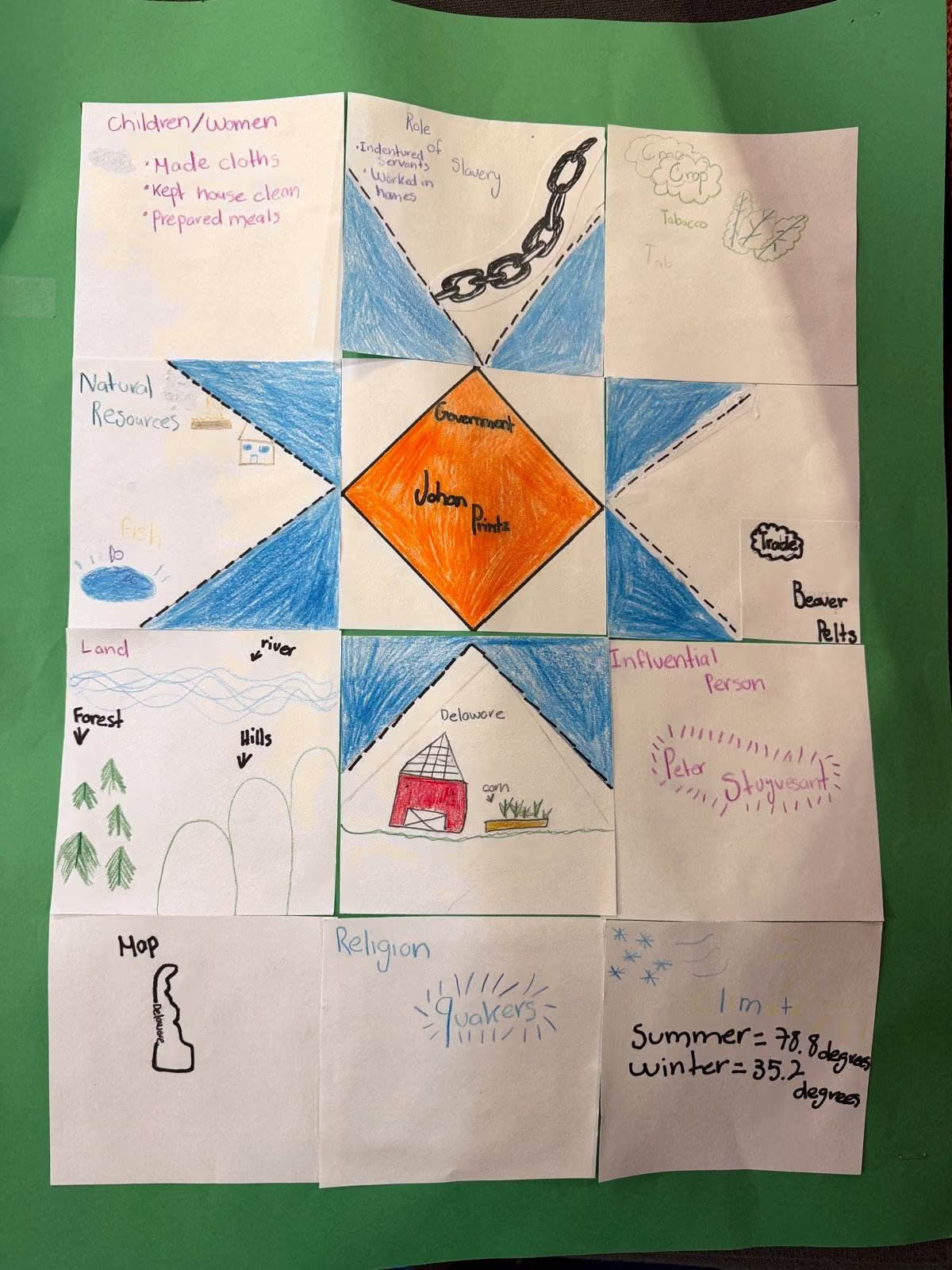
A colonial regions quilt
The Colonial Era
Students researched how culture, geography and economics shaped each colonial region, then designed quilt blocks based on historical regional patterns that came together as a bulletin-board-sized quilt.
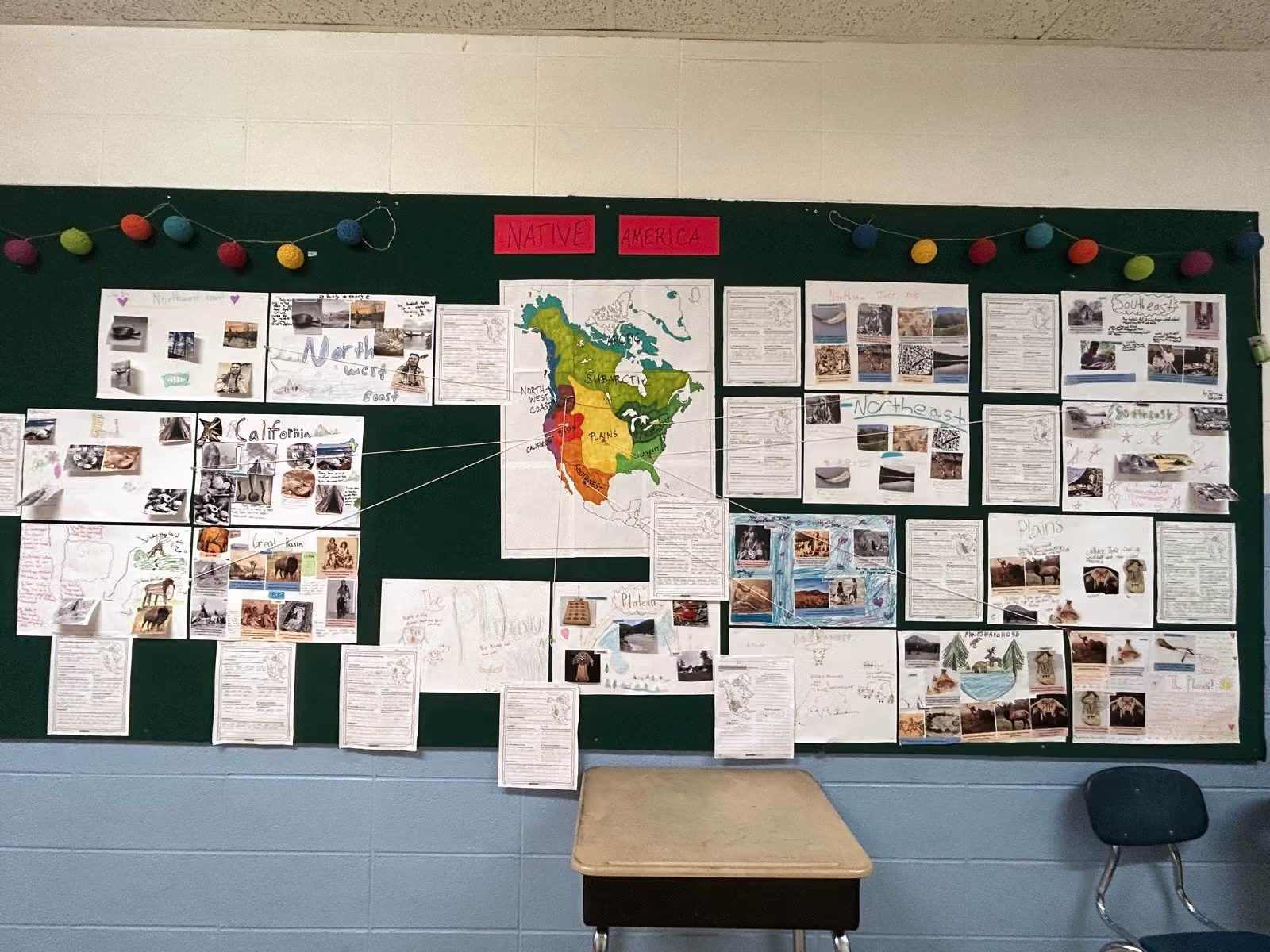
Native America inquiry wall
Native America
Students turned their research into large posters connected to each region on a hallway map that families explored during conferences.
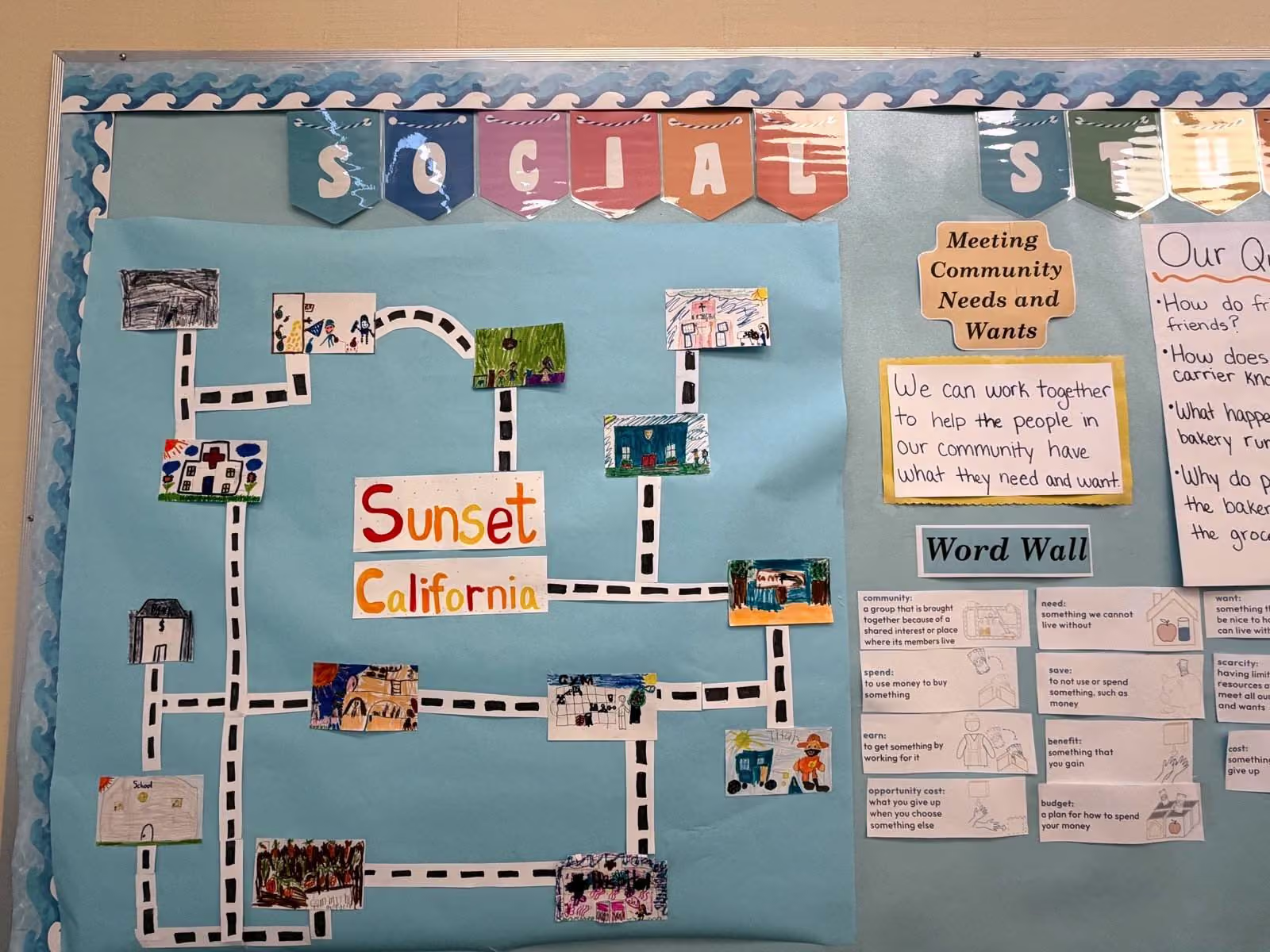
Mapping a community's needs and wants
Meeting Needs and Wants
Students built a class community called Sunset California and created a word splash connecting their vocabulary, with many placing scarcity at the center.
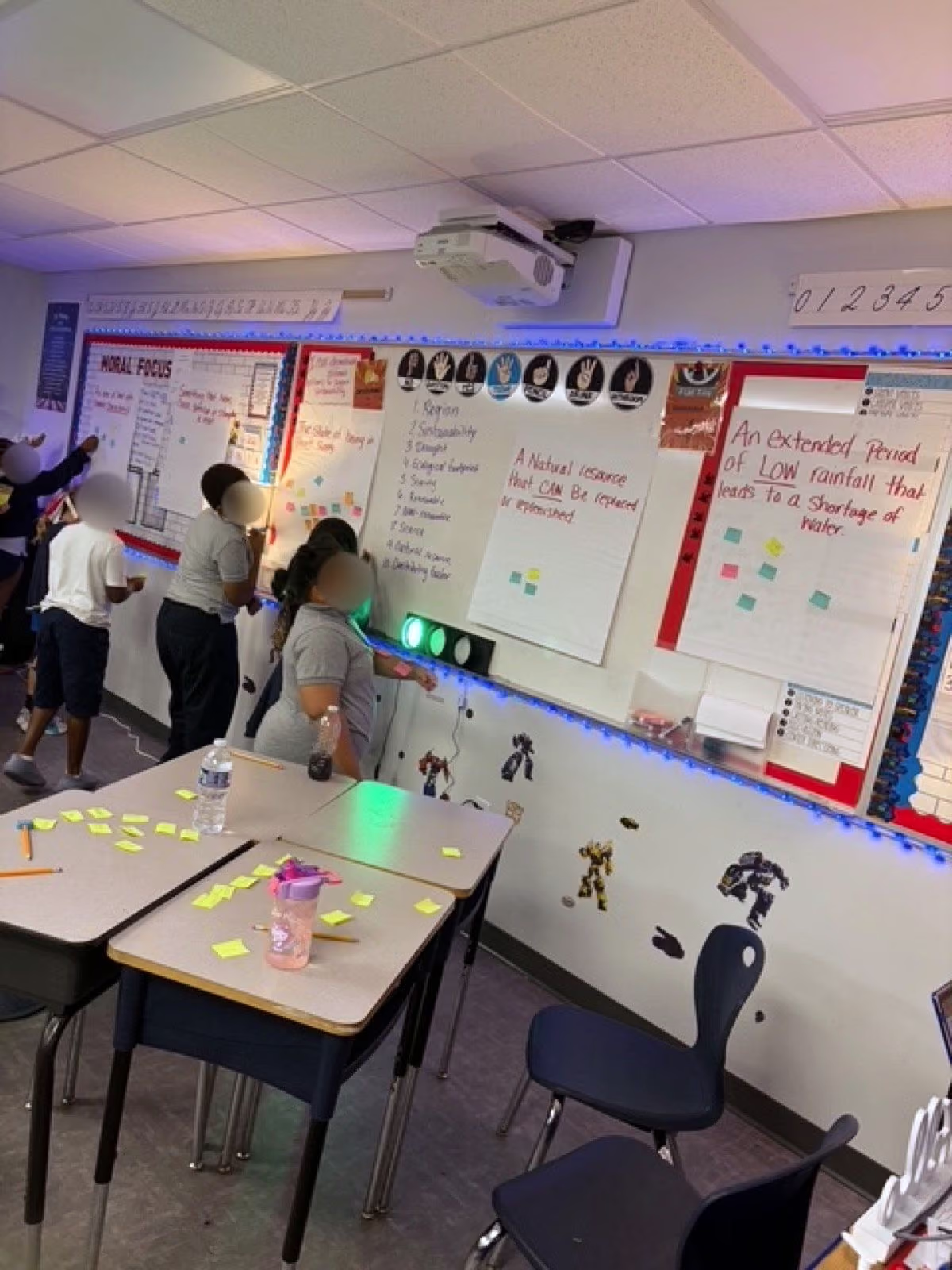
Vocabulary anchor chart challenge
Natural Resources of the U.S.
Students reviewed unit vocabulary by racing to place each term on the correct anchor chart.
Student Works
Explore examples from the Inquiry Work Gallery.
Click on a thumbnail below to expand and view more images.
This is the end result of our unit-long display. Students were so engaged with this project and excited each time we added something new. One time we were talking about communities in ELA, specifically landfills, and a student raised her hand to tell me that we needed to figure out how to deal with garbage in Blue Town. This sparked a deeper conversation and a new addition to our town. The student were using our display to make connections with our fictional town and real world. It was awesome!
Meeting Needs and Wants
2nd Grade
Inquiry-Long Display
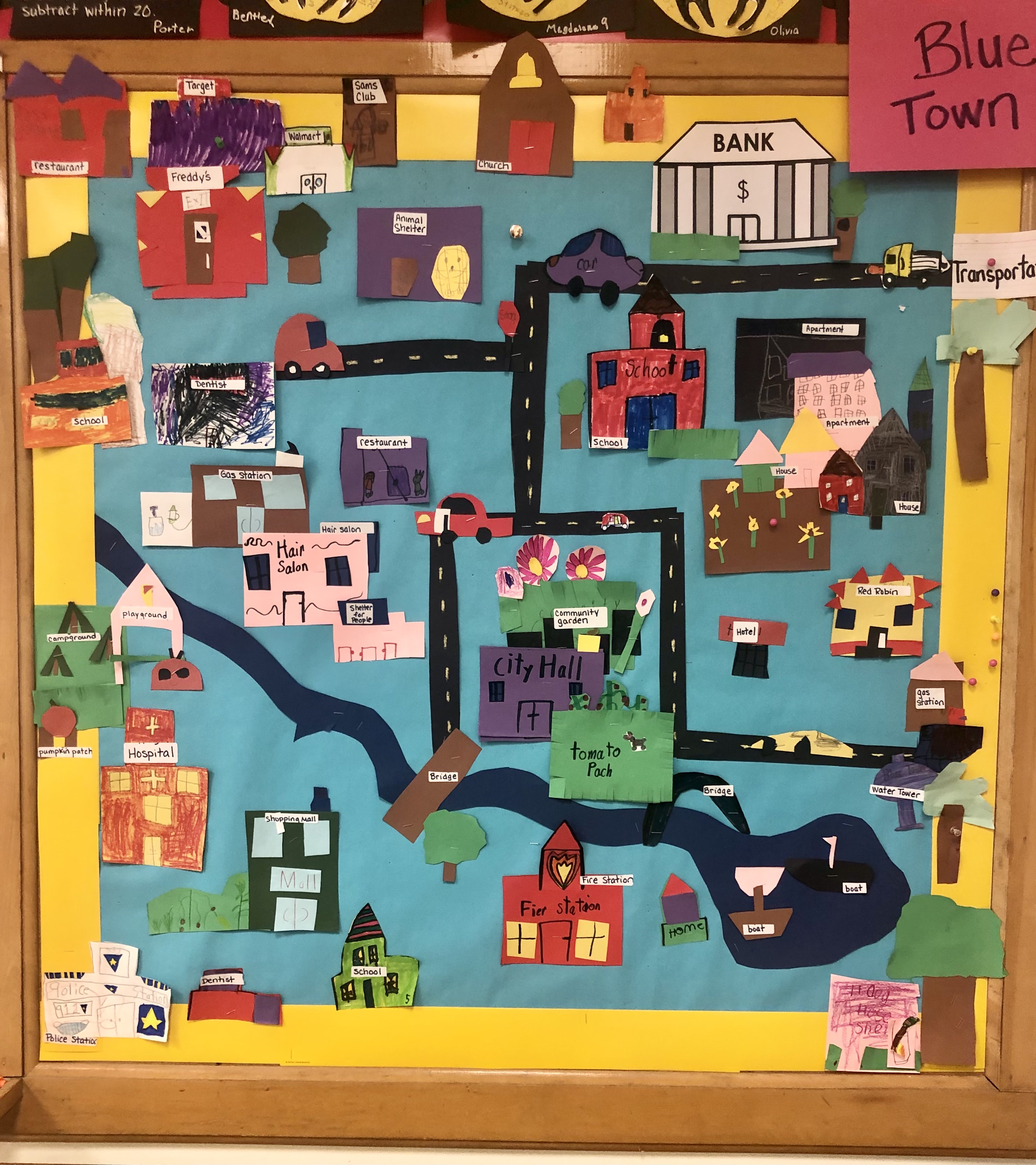
This is the end result of our unit-long display. Students were so engaged with this project and excited each time we added something new. One time we were talking about communities in ELA, specifically landfills, and a student raised her hand to tell me that we needed to figure out how to deal with garbage in Blue Town. This sparked a deeper conversation and a new addition to our town. The student were using our display to make connections with our fictional town and real world. It was awesome!
Additional Info
Nikki Bechen from Dubuque Community School District: IA, 2nd Grade
The Colonial Era
5th Grade
Other
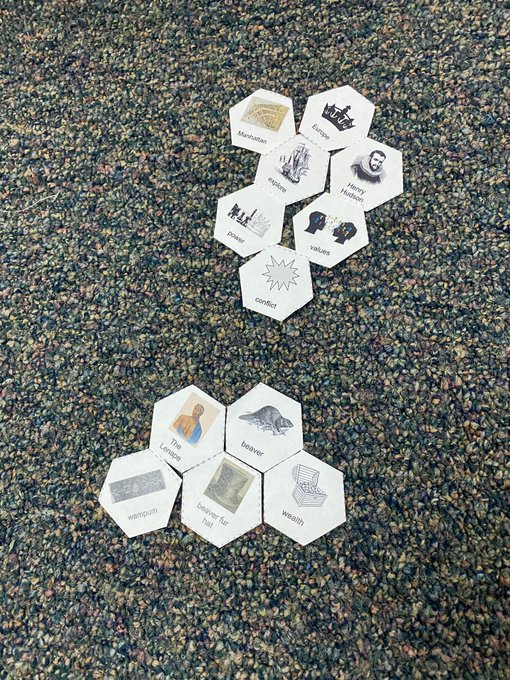
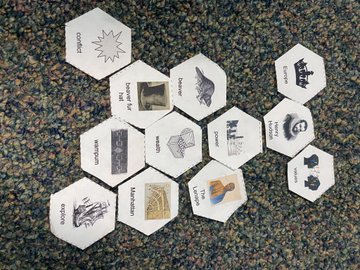
Additional Info
from , 5th Grade
Celebrating our different family traditions
Families Near and Far
1st Grade
Wall Display
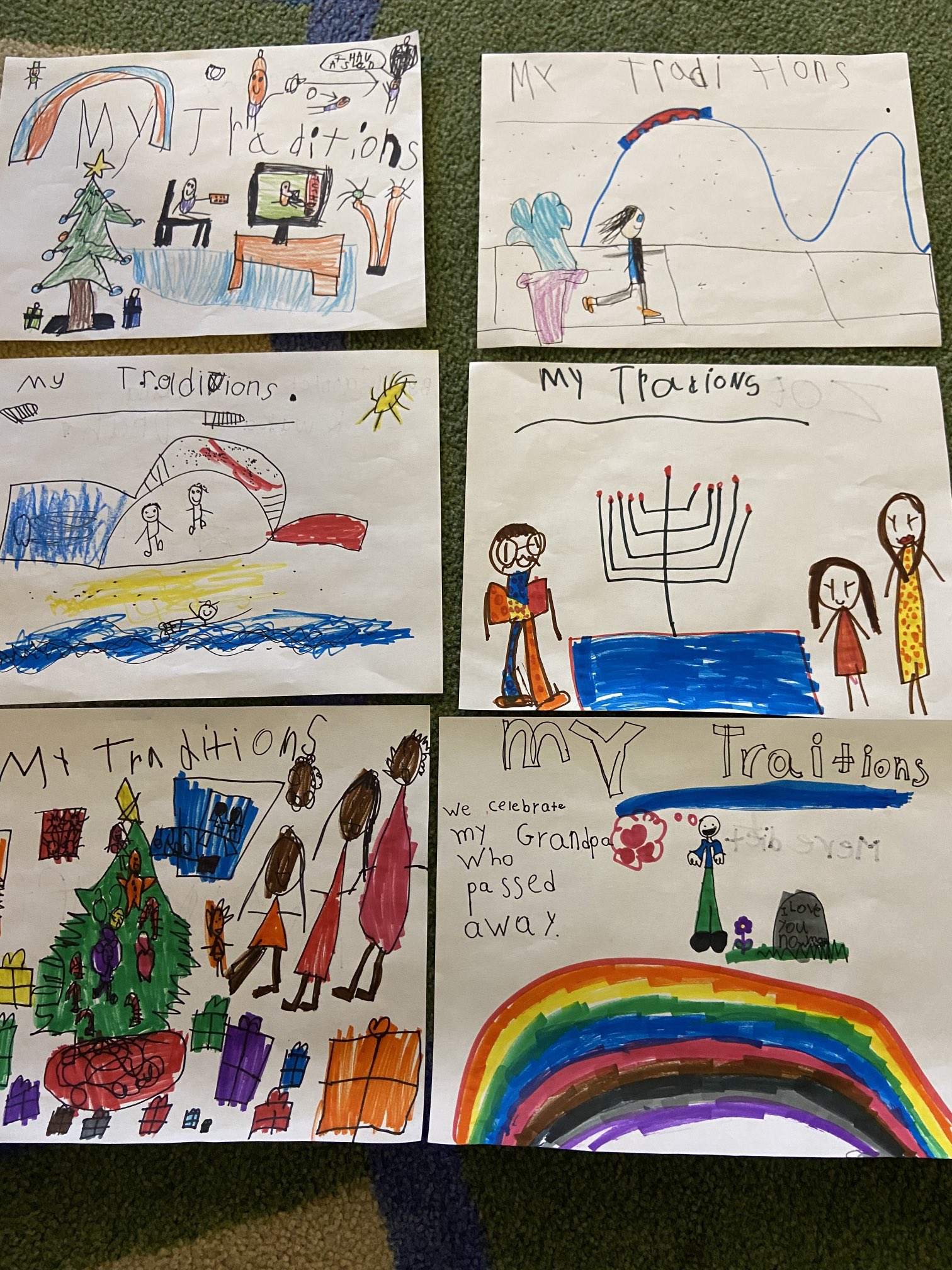
Celebrating our different family traditions
Additional Info
Jessica Hickey from Lakota Local School District: OH, 1st Grade
Since this was our first inquiry product, and kindergarten, we kept is somewhat simple. I gave them a few ideas and they discussed at their table groups which one(s) they liked best. We narrowed it down to a few, then voted. Painting a picture won. Then we worked on building the Inquiry Product Statement from there. They did such a great job! After they finished their paintings, we shared them, then hung them up with the statement.
Navigating School
Kindergarten
Final Product
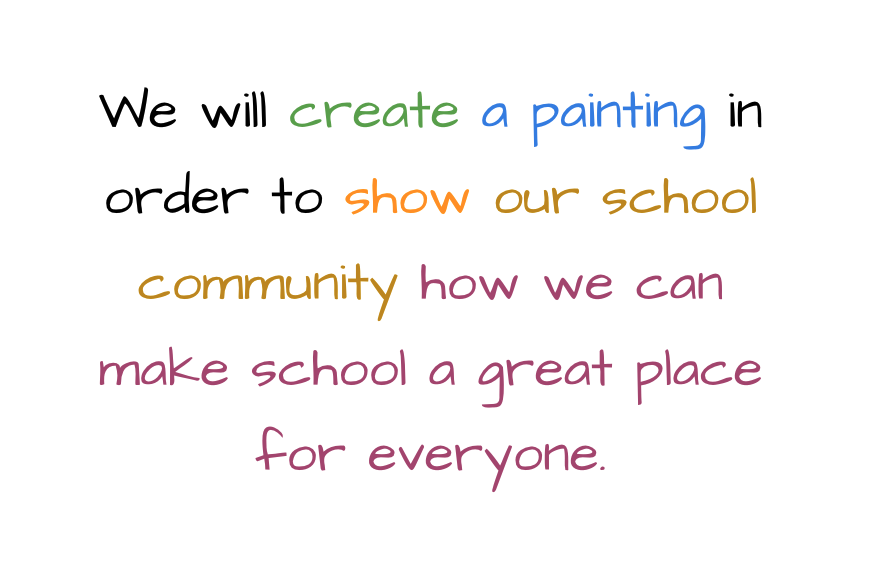
Since this was our first inquiry product, and kindergarten, we kept is somewhat simple. I gave them a few ideas and they discussed at their table groups which one(s) they liked best. We narrowed it down to a few, then voted. Painting a picture won. Then we worked on building the Inquiry Product Statement from there. They did such a great job! After they finished their paintings, we shared them, then hung them up with the statement.
Additional Info
Lori Schieltz from Iowa City Community School District: IA, Kindergarten
Student "docents" presented and answered questions for classes in our K-5 building who signed up to visit our "museum" in the LRC. It was on display for 2 weeks. They worked for quite a while planning what to put in their portion to inspire others to honor our heritage, then created a prototype, before their final displays were made.
Native America
5th Grade
Final Product
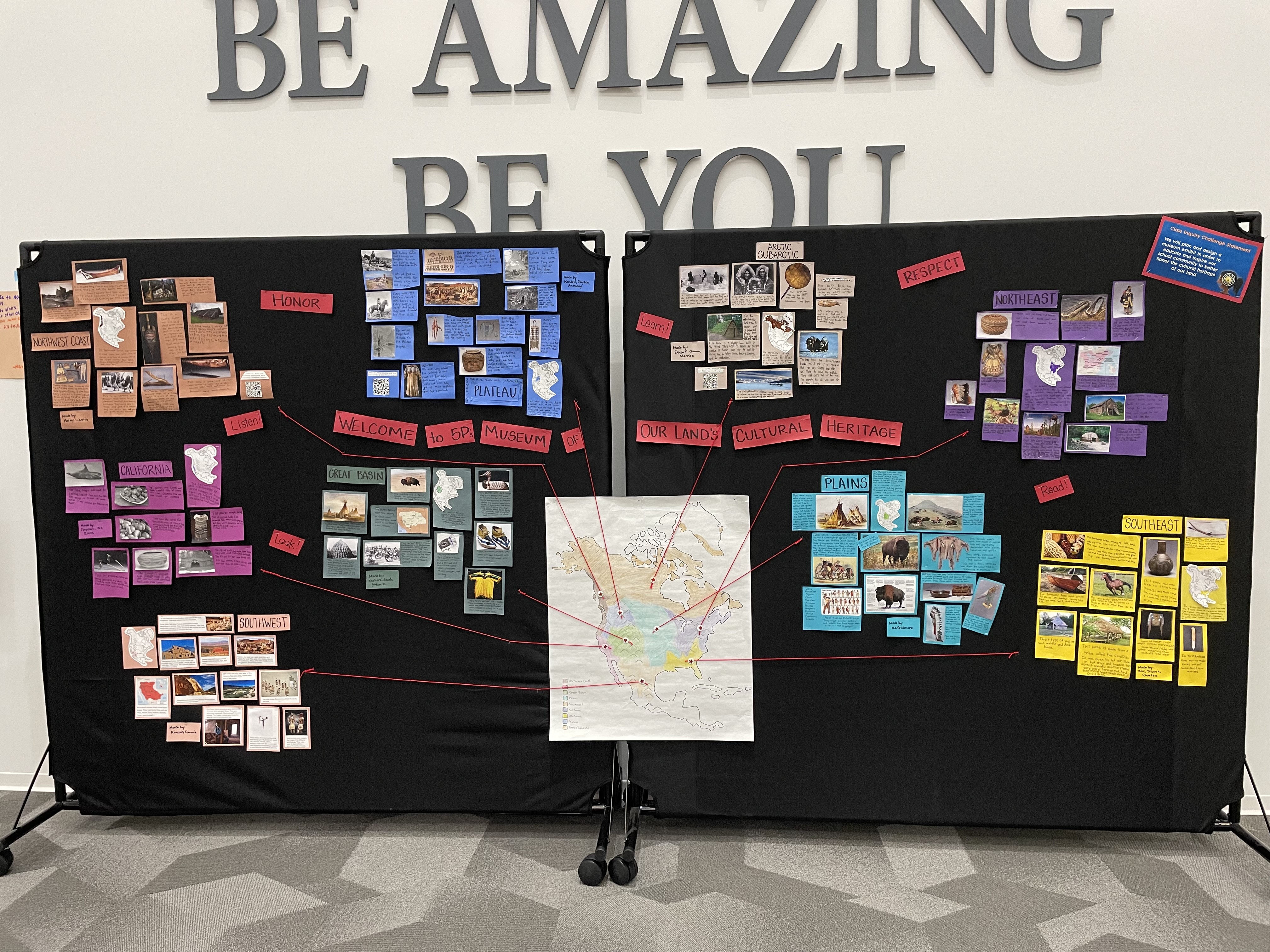
Student "docents" presented and answered questions for classes in our K-5 building who signed up to visit our "museum" in the LRC. It was on display for 2 weeks. They worked for quite a while planning what to put in their portion to inspire others to honor our heritage, then created a prototype, before their final displays were made.
Additional Info
Elizabeth Pridmore from Lisle Community Unit School District 202: IL, 5th Grade
These are first graders' awesome end of the unit projects! They had SO much fun teaching others about our special location, our Lakota community!
Our Special Location
1st Grade
Final Product
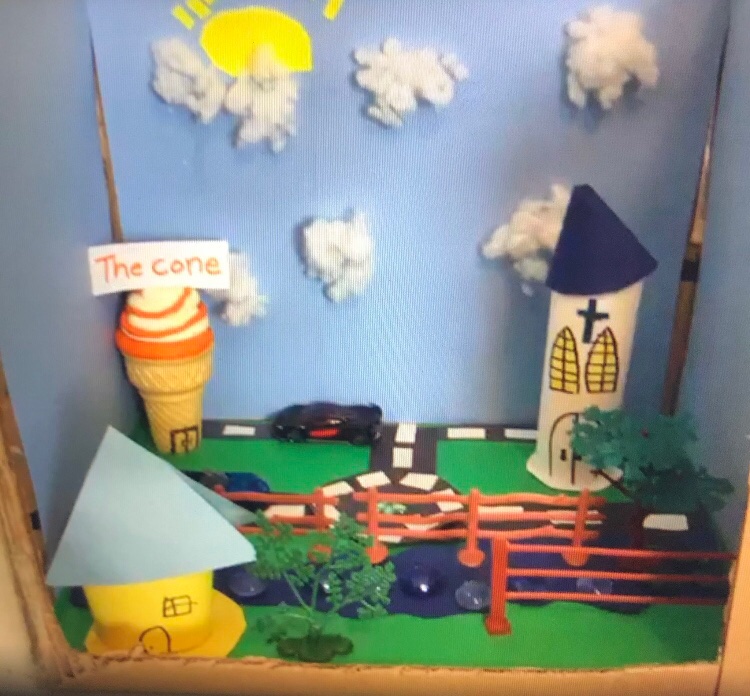
These are first graders' awesome end of the unit projects! They had SO much fun teaching others about our special location, our Lakota community!
Additional Info
Ledra Bugg from Lakota Local School District: OH, 1st Grade
QFT on how we can bring families together to make our community stronger
Families Near and Far
1st Grade
Investigation Questions Anchor Chart
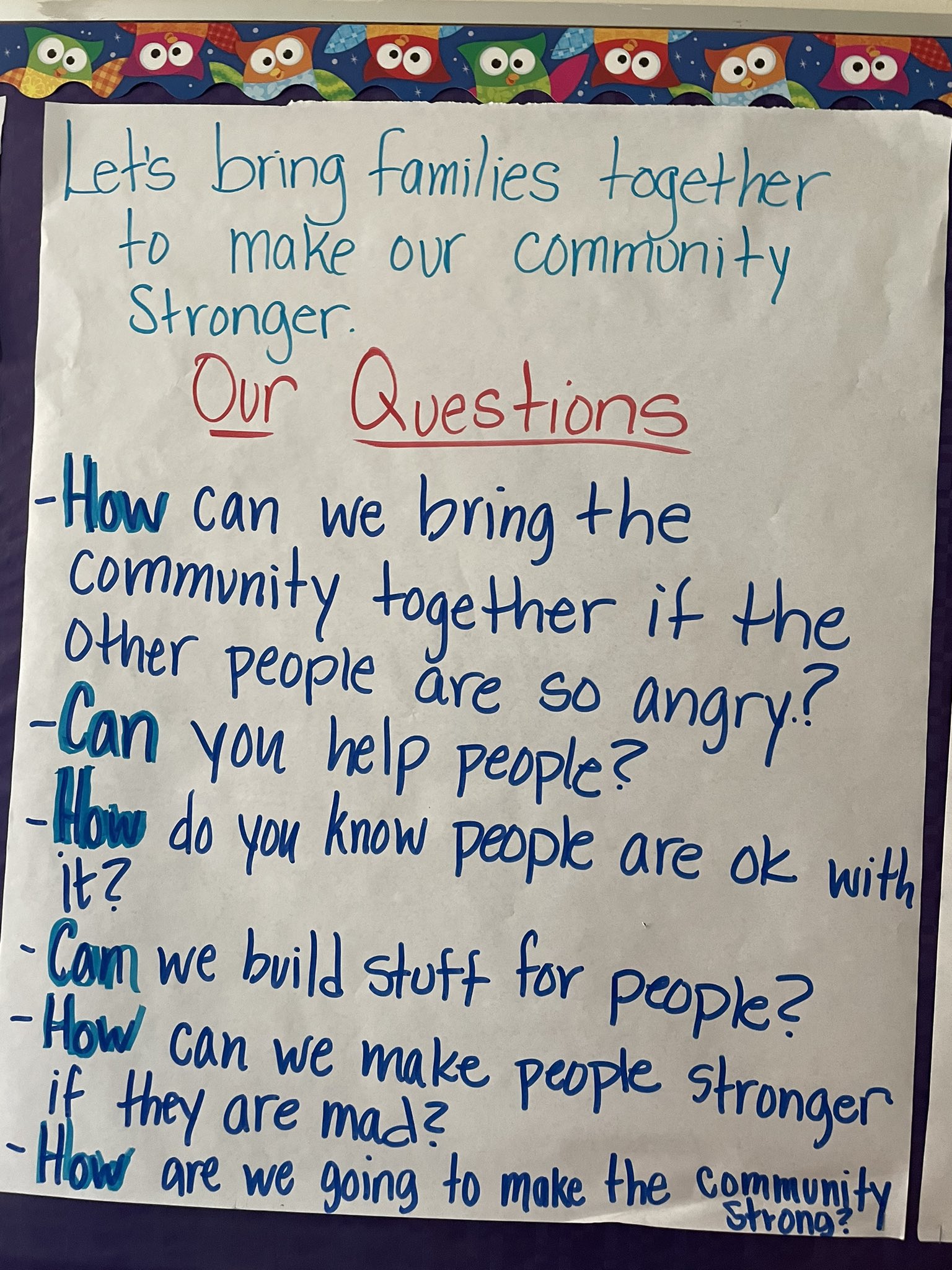
QFT on how we can bring families together to make our community stronger
Additional Info
Mary Sue from East Maine School District 63: IL, 1st Grade
Students really enjoyed working together to create something meaningful.
Families Near and Far
1st Grade
Final Product
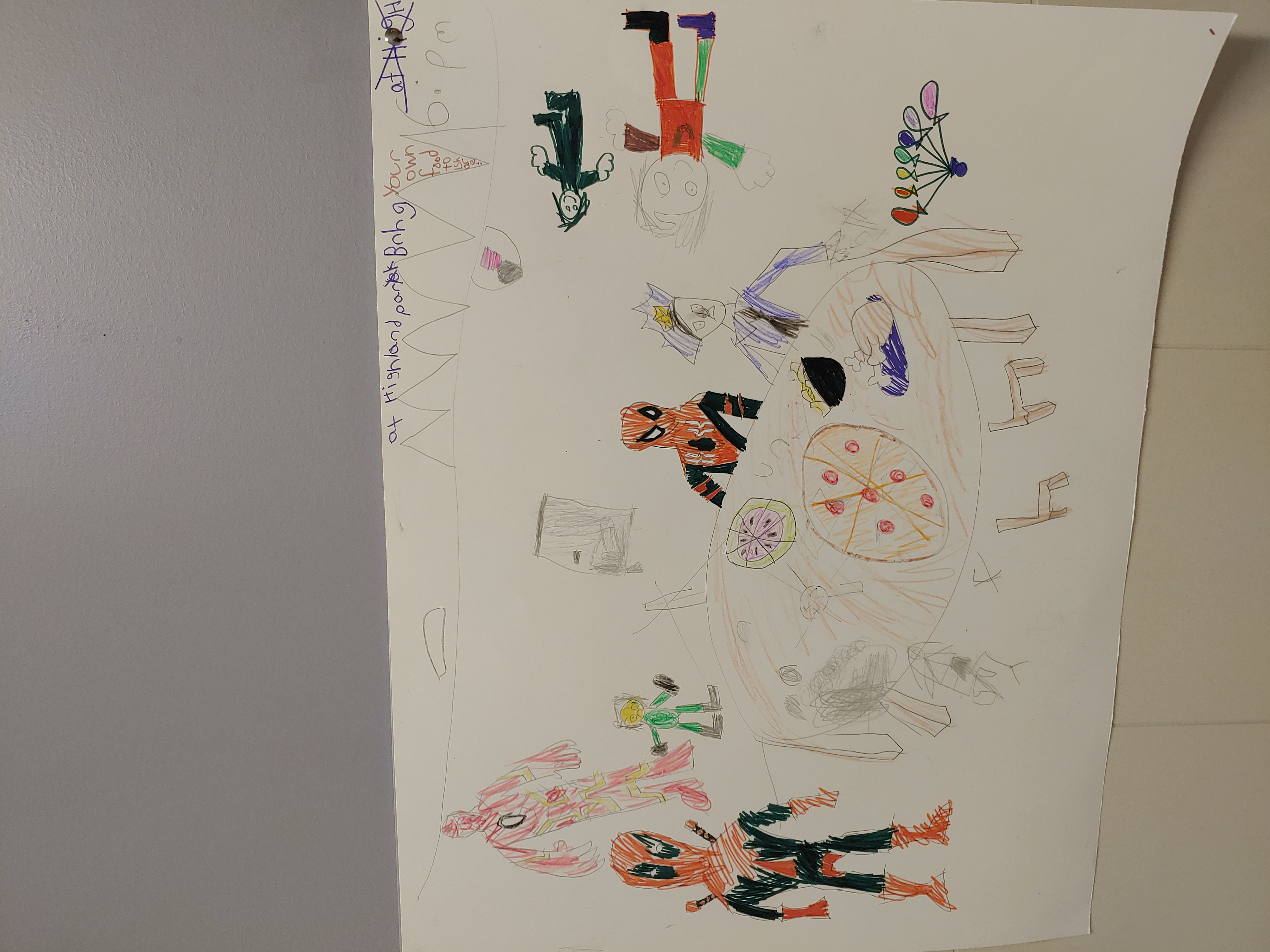
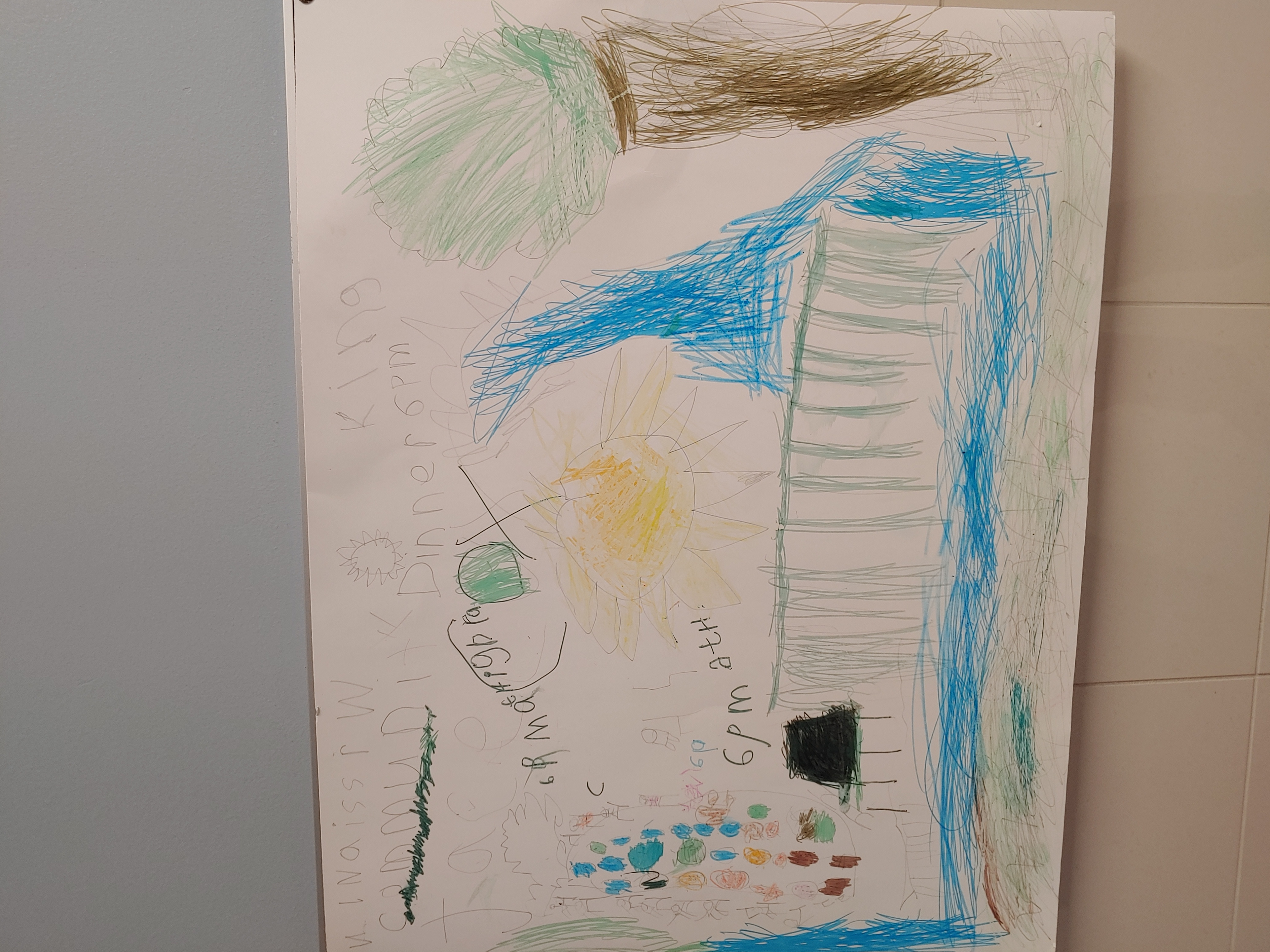
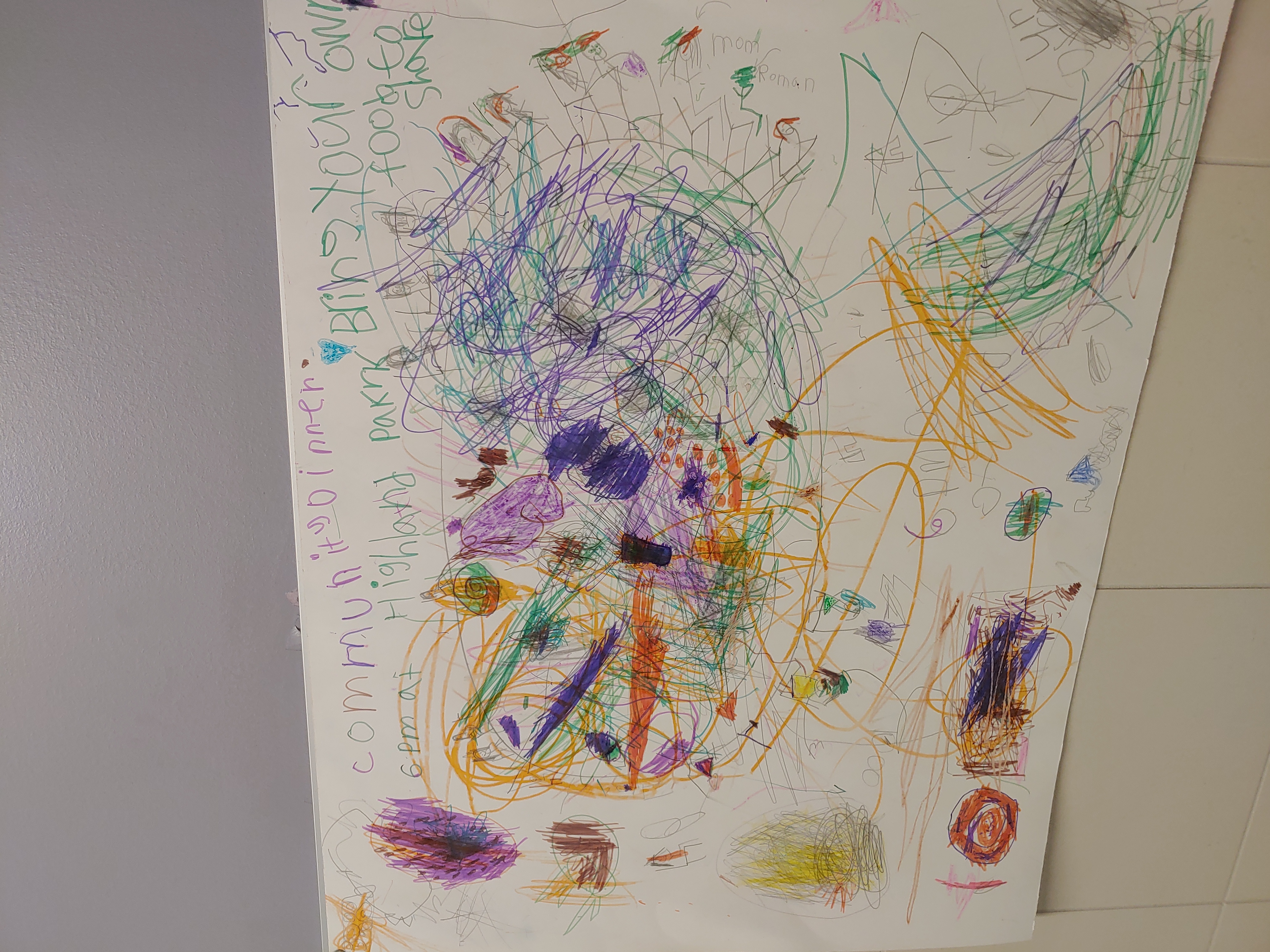
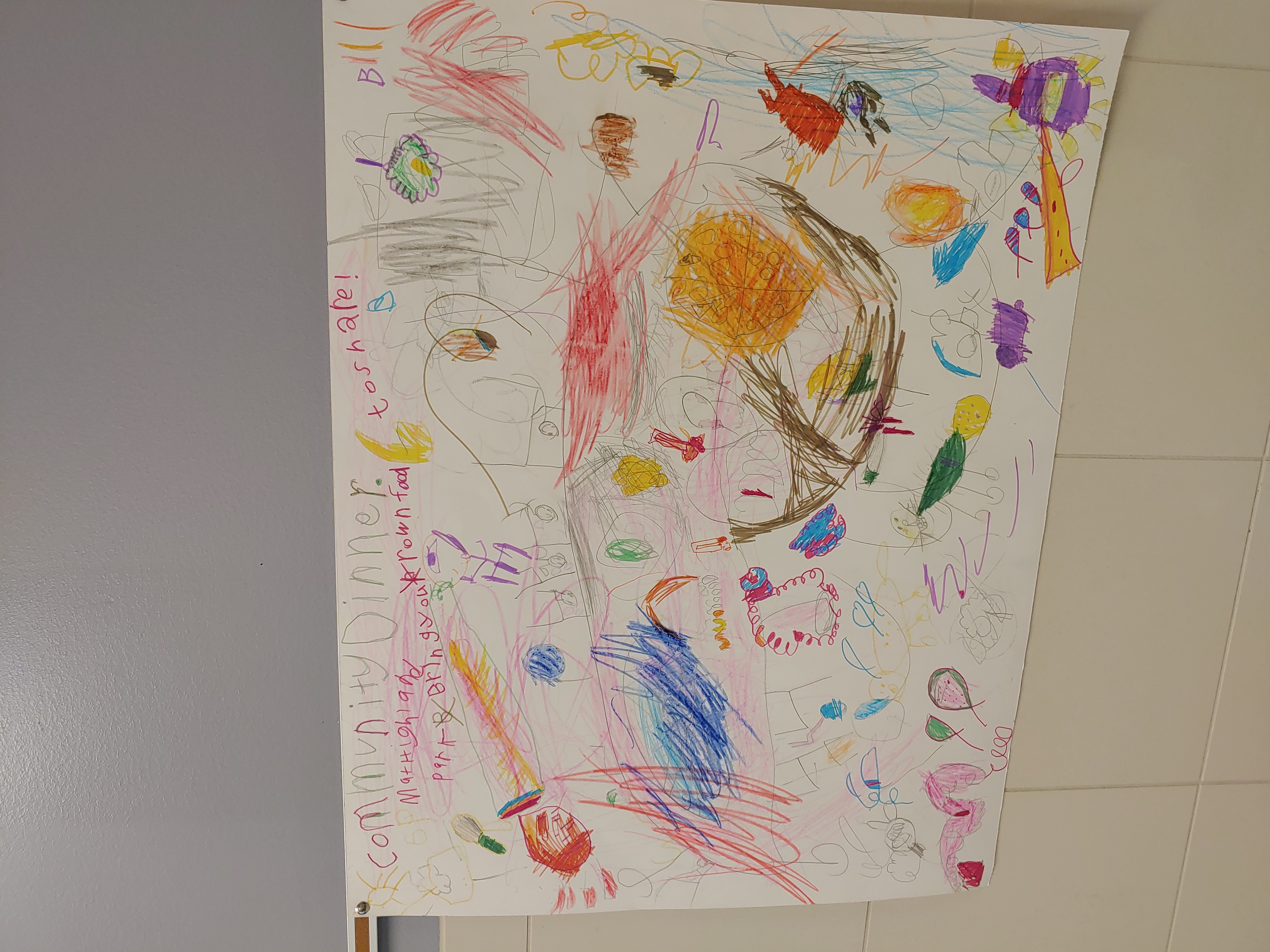
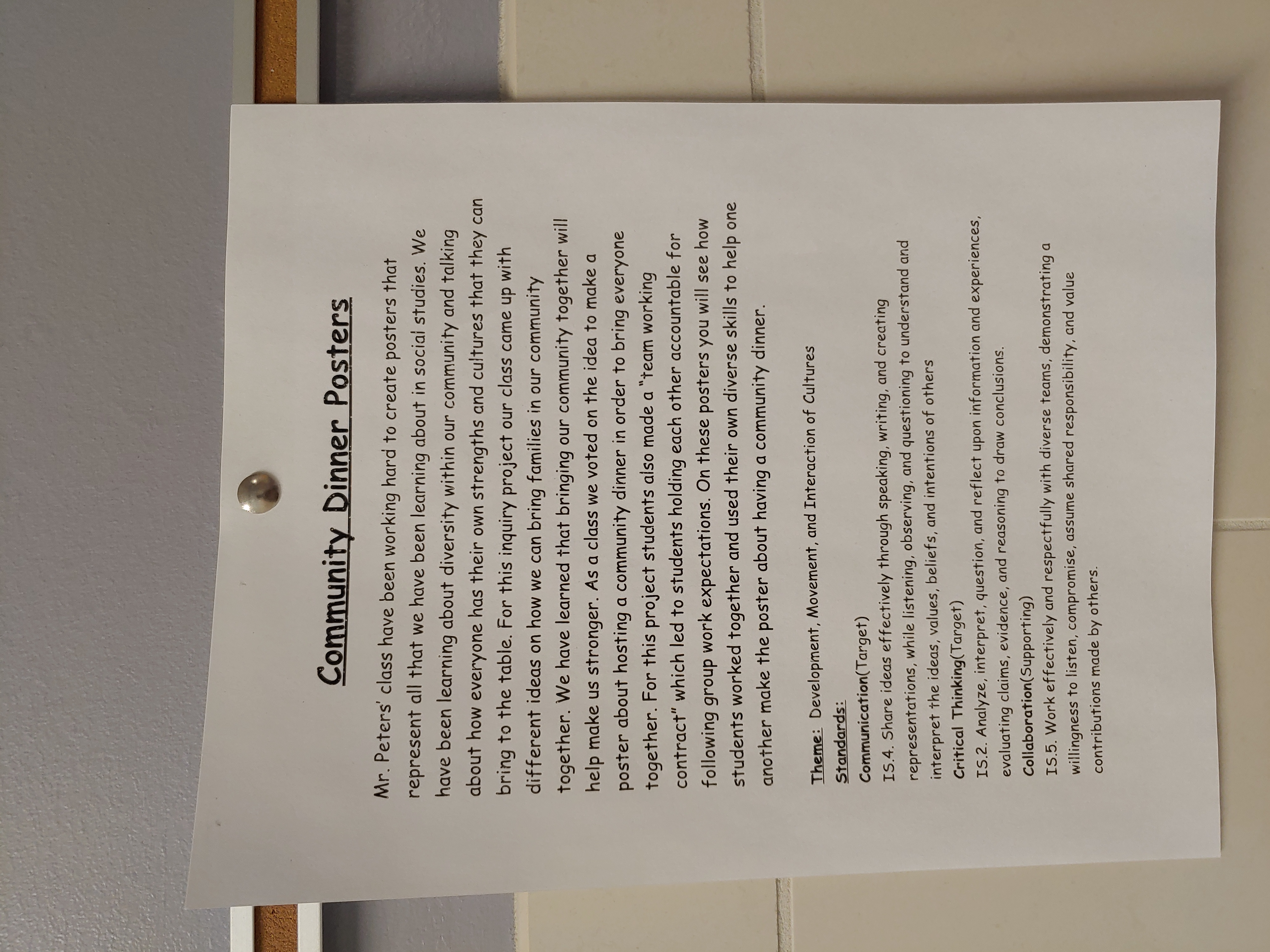
Students really enjoyed working together to create something meaningful.
Additional Info
Jeremy Peters from Rochester City School District: NY, 1st Grade
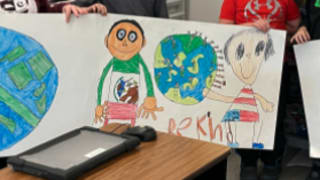
The students were insightful and open-minded during our unit. They learned all about global connections and how we can be global citizens. It has been an enlightening unit for the kids to see how connected we are to the people and places around the world. A student of mine is learning to read in Mandarin so he read a version of The Hungry Caterpillar, I read it in English, and our ESL teacher read it in Spanish. After we interviewed his mom who was pulled to America from Taiwan after falling in love many years ago. We learned so much! It was a great example of how globalization and cultural diffusion is alive and thriving. It was an incredible experience to have them see how everything we have been learning is a part of who we are as humans. We did a mural for our final product this time and they came up with the idea of a variety of people holding hands to show unity around the world. This is before it was hung up in the school.
Global Connections
3rd Grade
Final Product
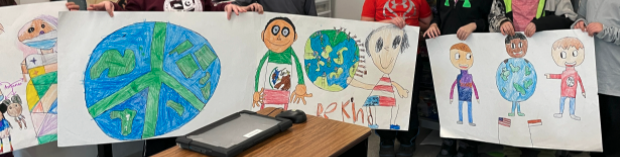
The students were insightful and open-minded during our unit. They learned all about global connections and how we can be global citizens. It has been an enlightening unit for the kids to see how connected we are to the people and places around the world. A student of mine is learning to read in Mandarin so he read a version of The Hungry Caterpillar, I read it in English, and our ESL teacher read it in Spanish. After we interviewed his mom who was pulled to America from Taiwan after falling in love many years ago. We learned so much! It was a great example of how globalization and cultural diffusion is alive and thriving. It was an incredible experience to have them see how everything we have been learning is a part of who we are as humans. We did a mural for our final product this time and they came up with the idea of a variety of people holding hands to show unity around the world. This is before it was hung up in the school.
Additional Info
Rachel Dawson from Lisle Community Unit School District 202: IL, 3rd Grade

QFT on using resources responsibly
Natural Resources of the U.S.
4th Grade
Investigation Questions Anchor Chart
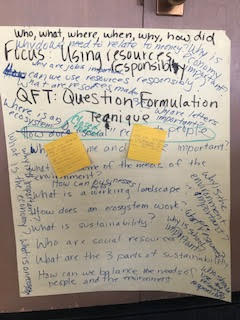
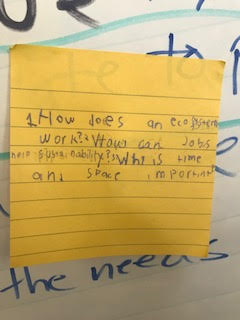
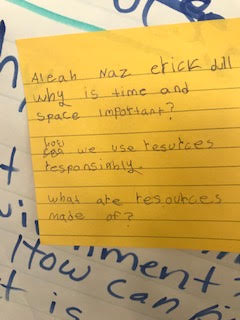
QFT on using resources responsibly
Additional Info
THERESE BOUSHAY from Denver Public Schools: CO, 4th Grade
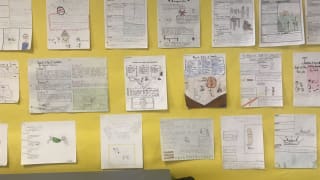
During our Thirteen Colonies unit, students explored the question: How can facing the complexities of America's past help us to meet the challenges in the present? In module 3, we tried to find answers to this question by analyzing how cooperation and conflict affected the survival of a community. After learning the challenges and success of the Jamestown vs. Plymouth colony, students collected evidence to help them form a claim whether these settlements were stories of cooperation/conflict. Students exhibited their thoughts in the form of an infographic; they were required to have a claim, three pieces of evidence, and an image that illustrated their claim. Students were encouraged to design an infographic that would "pop", or be interesting to look at.
The Colonial Era
5th Grade
Wall Display
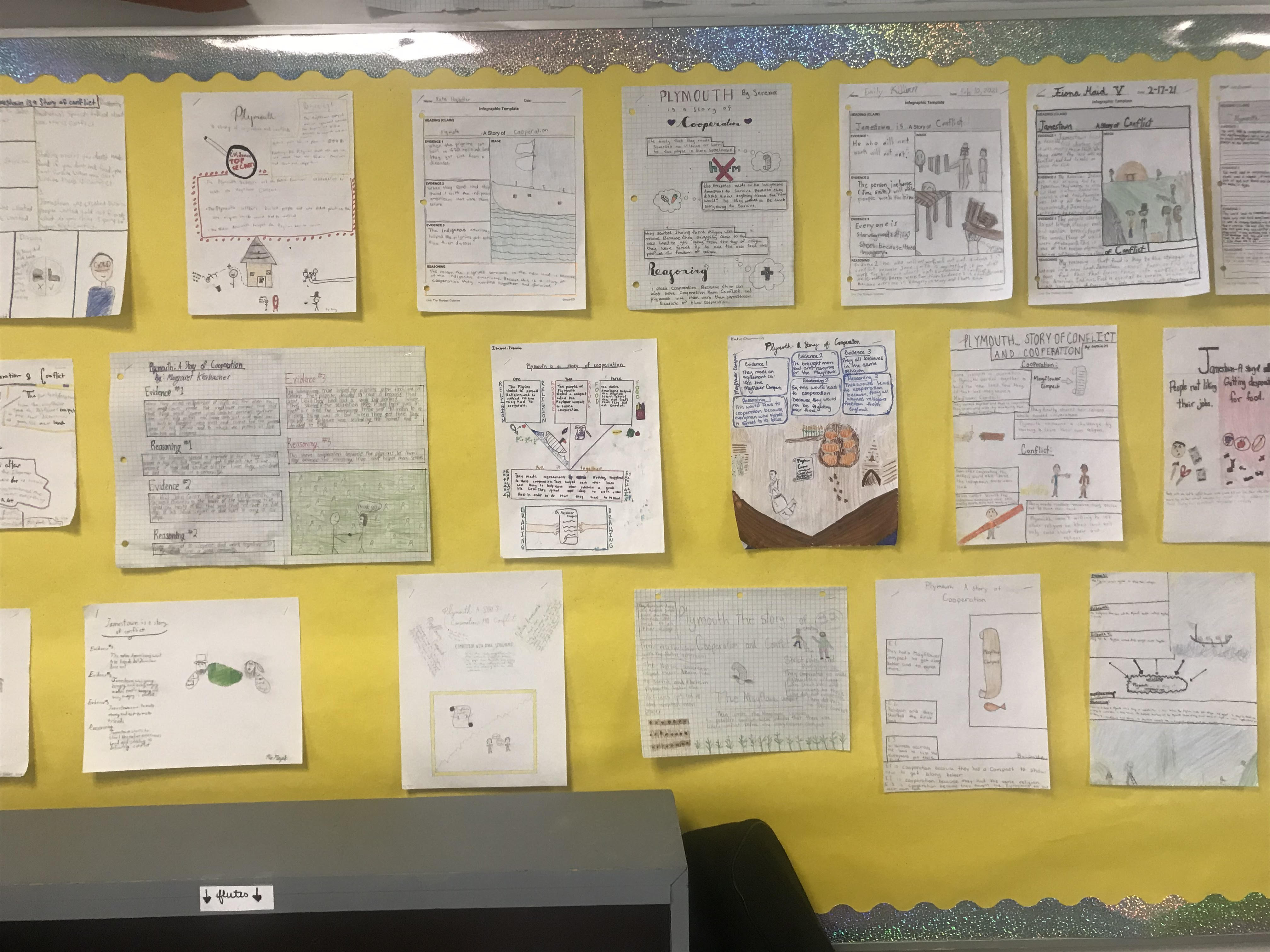
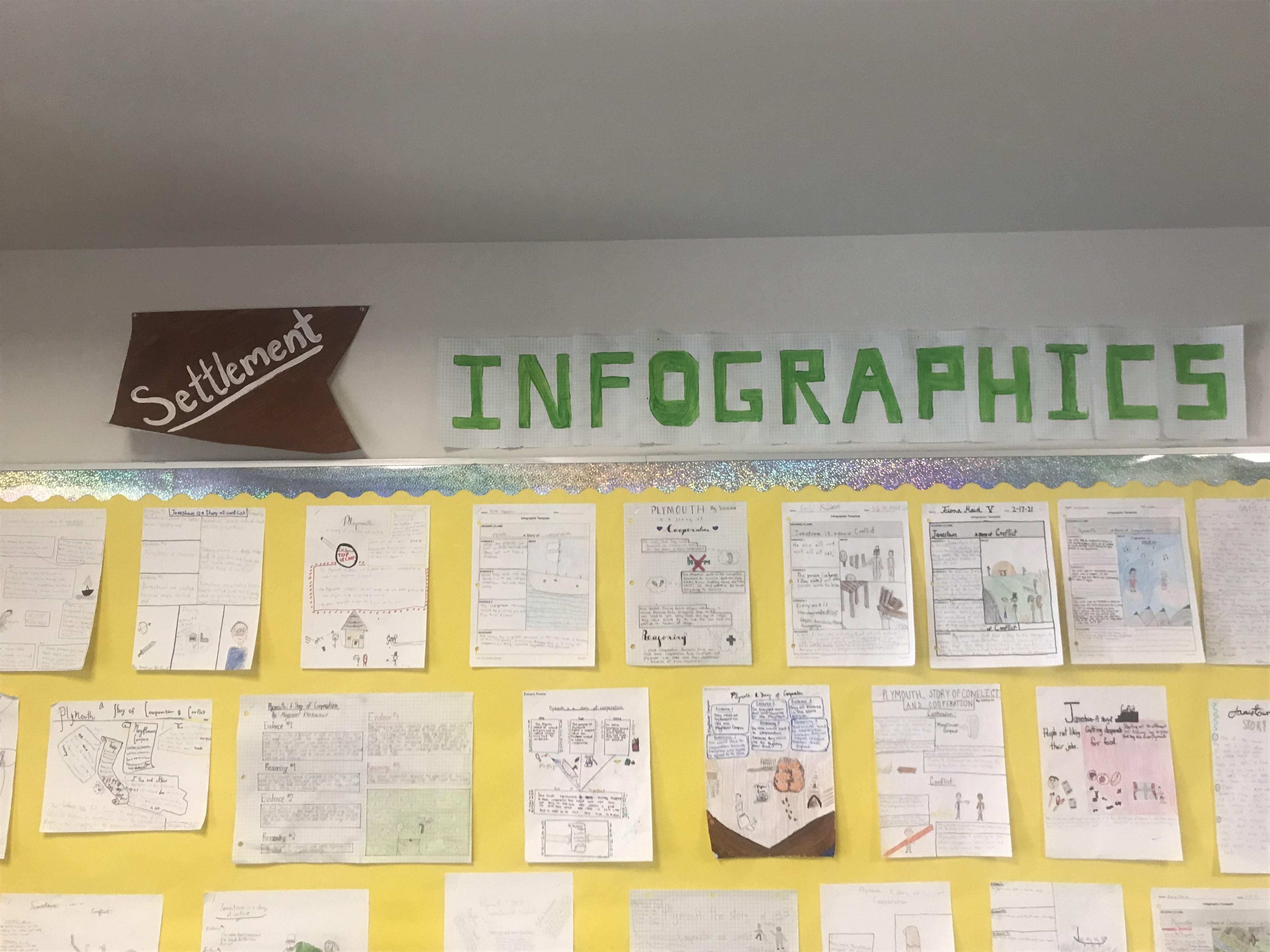
During our Thirteen Colonies unit, students explored the question: How can facing the complexities of America's past help us to meet the challenges in the present? In module 3, we tried to find answers to this question by analyzing how cooperation and conflict affected the survival of a community. After learning the challenges and success of the Jamestown vs. Plymouth colony, students collected evidence to help them form a claim whether these settlements were stories of cooperation/conflict. Students exhibited their thoughts in the form of an infographic; they were required to have a claim, three pieces of evidence, and an image that illustrated their claim. Students were encouraged to design an infographic that would "pop", or be interesting to look at.
Additional Info
Betsy Gugle from Columbus School for Girls: OH, 5th Grade
Students collected gloves to help families in their community through the cold winter.
Families Near and Far
1st Grade
Final Product
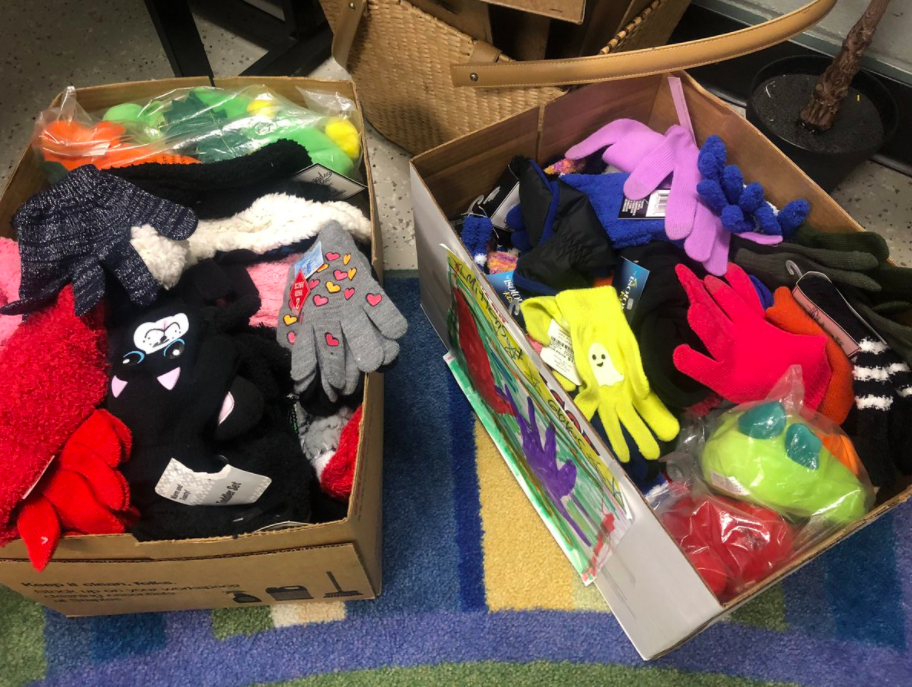
Students collected gloves to help families in their community through the cold winter.
Additional Info
from , 1st Grade
No results found.
There are no results with this criteria. Try changing your search.