
Meet the 2026 Inquiry Work Contest winners
Teachers across the country shared inquiry work from their classrooms this fall, from anchor charts and student work to classroom video. Thank you to every teacher who entered. These are the classrooms that stood out.
Students doing the thinking
Entries were scored on how clearly the work shows students investigating a question, building evidence and sharing their own thinking.
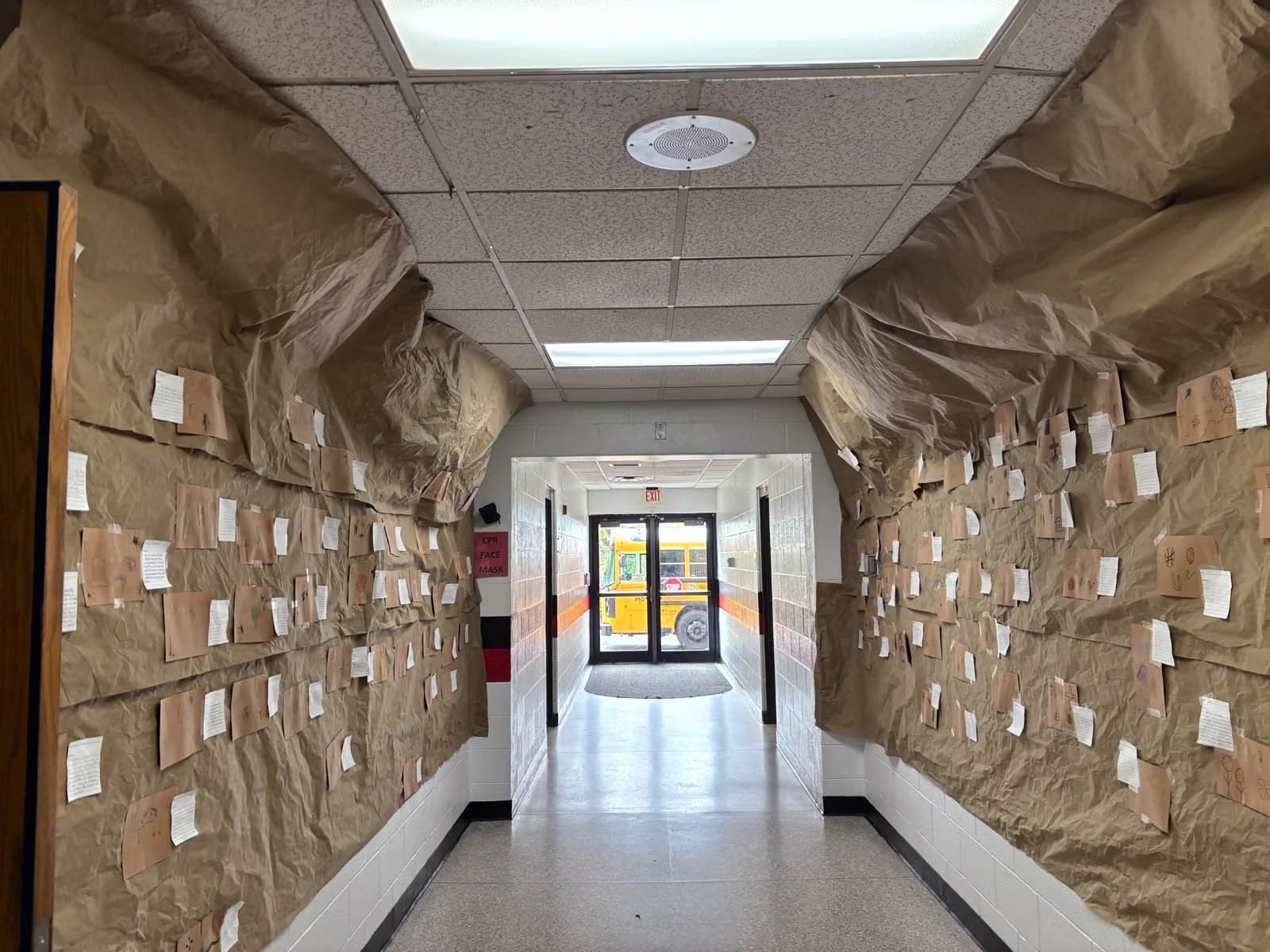
Telling the story of 6th grade through cave art
The Human Story
After studying early humans and the stories artifacts can tell, 6th graders created their own Paleolithic cave art. Using four symbols and no words, each student answered the question "What story would you tell?" Then they switched roles, analyzed the art as archaeologists and wrote museum placards to explain it. The finished pieces came together on a simulated cave wall that tells the story of 6th grade.
Sorting artifacts to uncover their stories
Native America
5th graders spent this inquiry investigating what artifacts can tell us and who they belong to. In the video, students work together to sort artifacts from Native American cultures into categories they came up with on their own, including materials, how items were used, time frame, tribe and how items were made. They then took a position on whether artifacts should be kept in museums or returned to their cultures of origin and wrote out their claims and reasoning, shown in the photo.
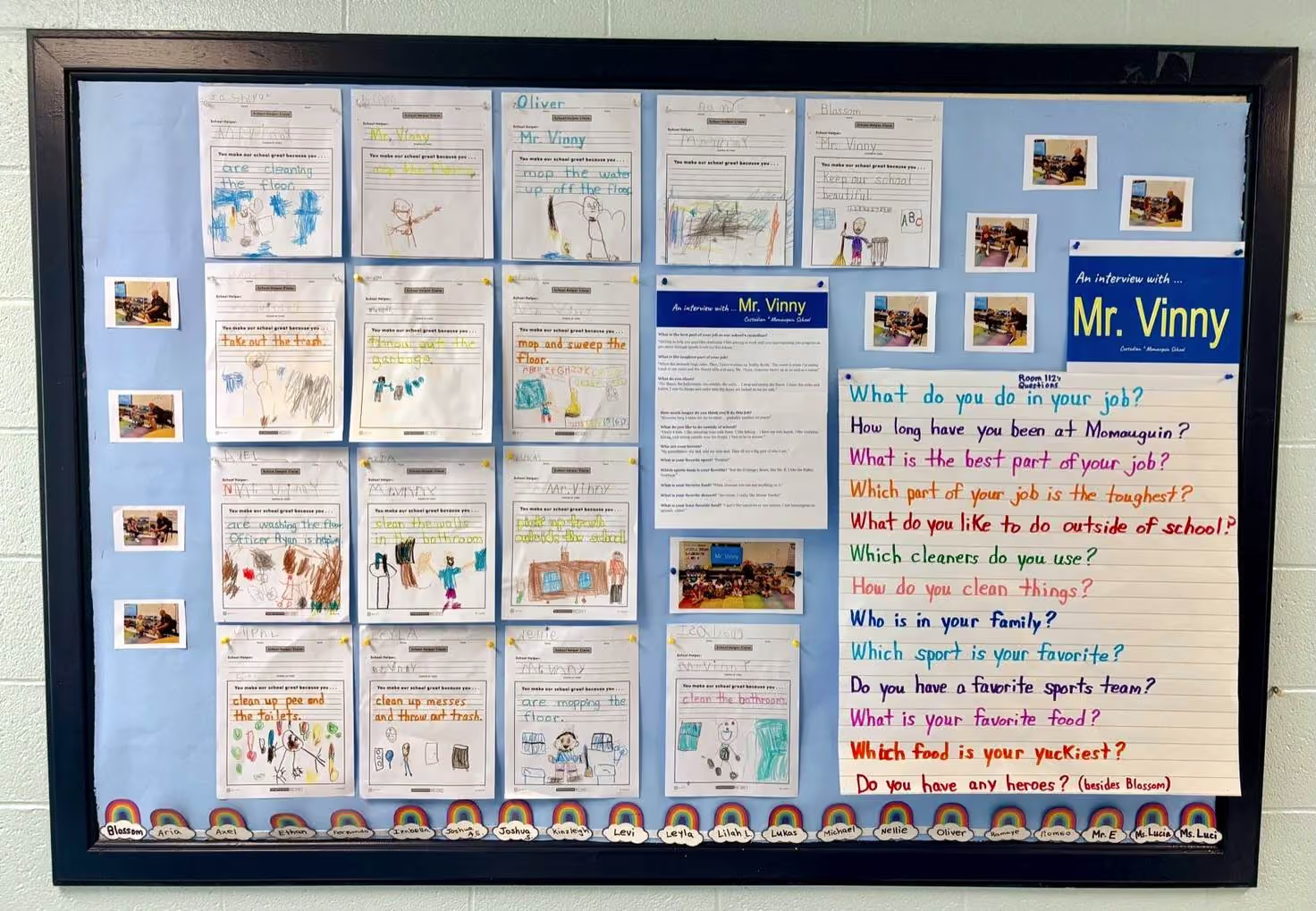
Interviewing the grown-ups who help our school
Navigating School
Kindergartners brainstormed the grown-ups who help at school and voted to interview their custodian. With teacher support, they wrote questions to learn about his role and his life outside of work, then illustrated and labeled what they learned.
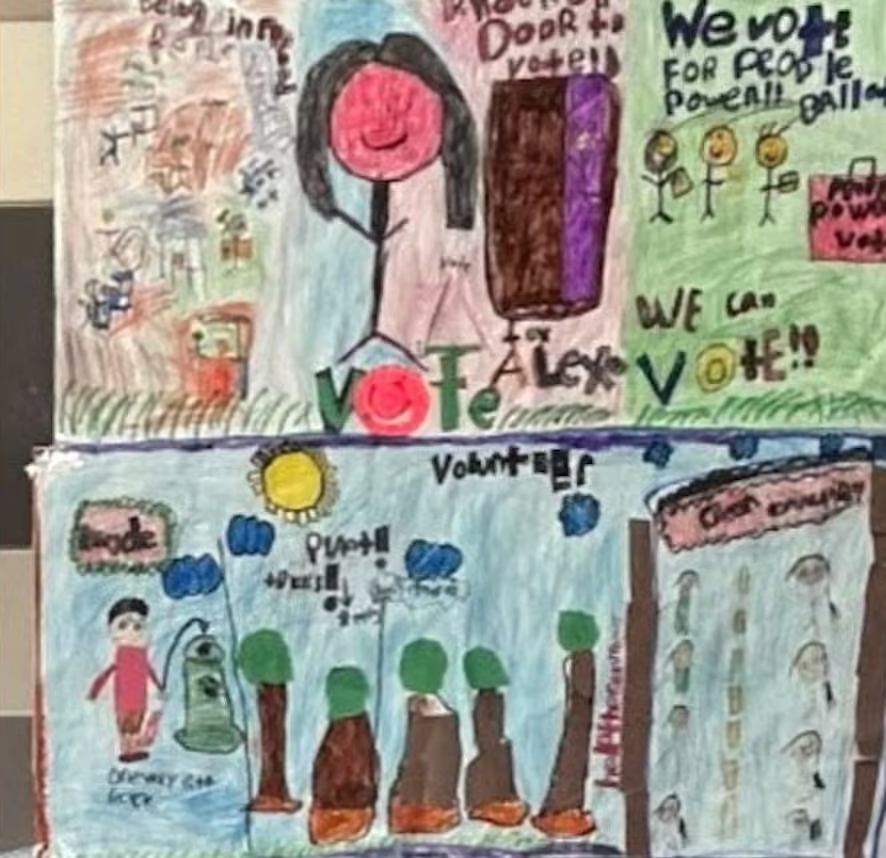
A layer cake for a healthy democracy
Rights and Responsibilities
3rd graders designed a layer cake to show their audience how people can take part in a democracy. They decided which layer should support the ones above it, from knowing how government works and using your rights to staying informed, volunteering and voting.
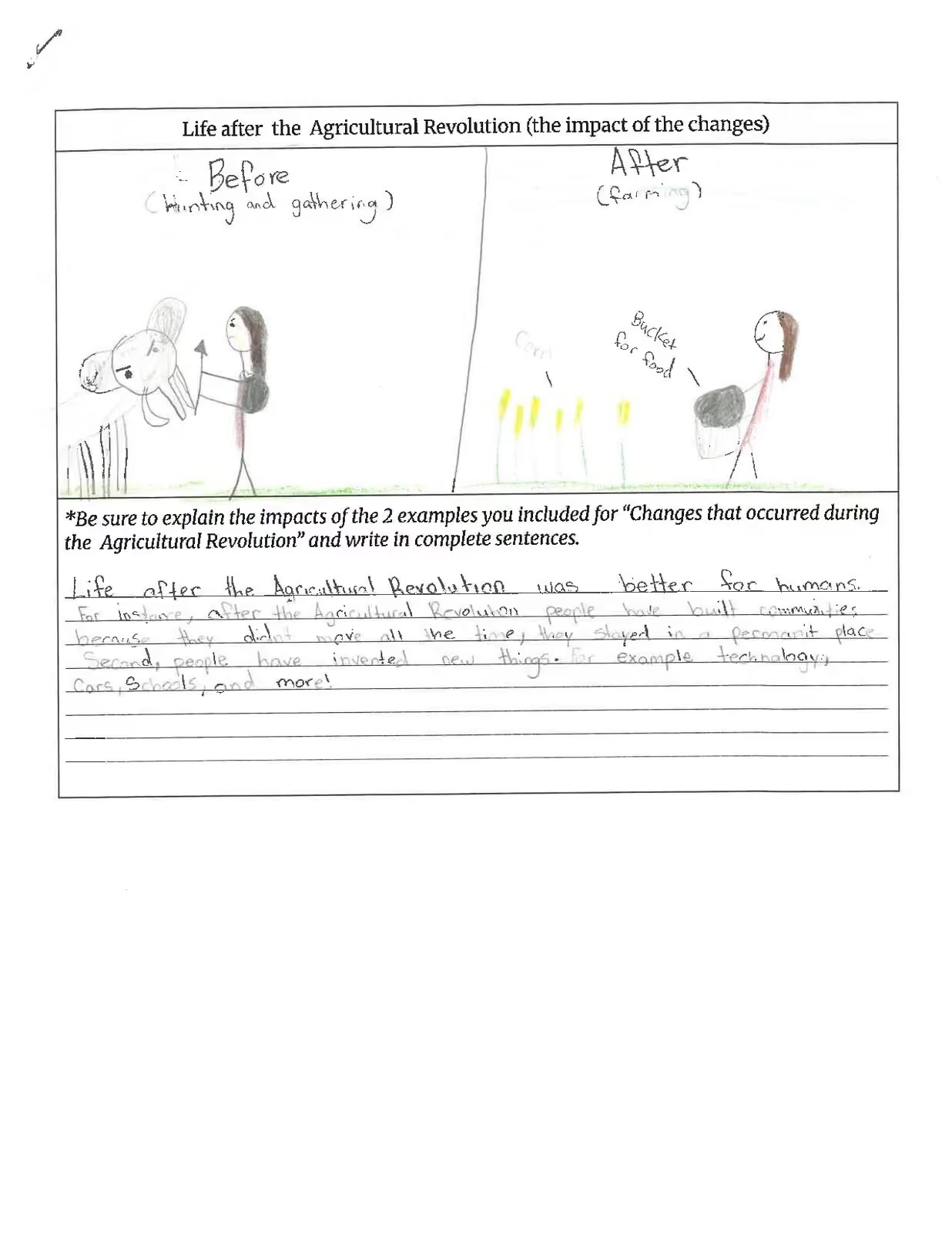
Comic strips on the Agricultural Revolution
The Human Story
6th graders created two-part comic strips about the Agricultural Revolution. First, they illustrated the changes it brought, like farming in place of hunting and gathering and people taking on different jobs. Then they showed the impact on daily life and weighed the tradeoffs, such as a steadier food supply against crop failures and disease from domesticated animals.
More standout classrooms
These classrooms will also be featured in this year's showcase.
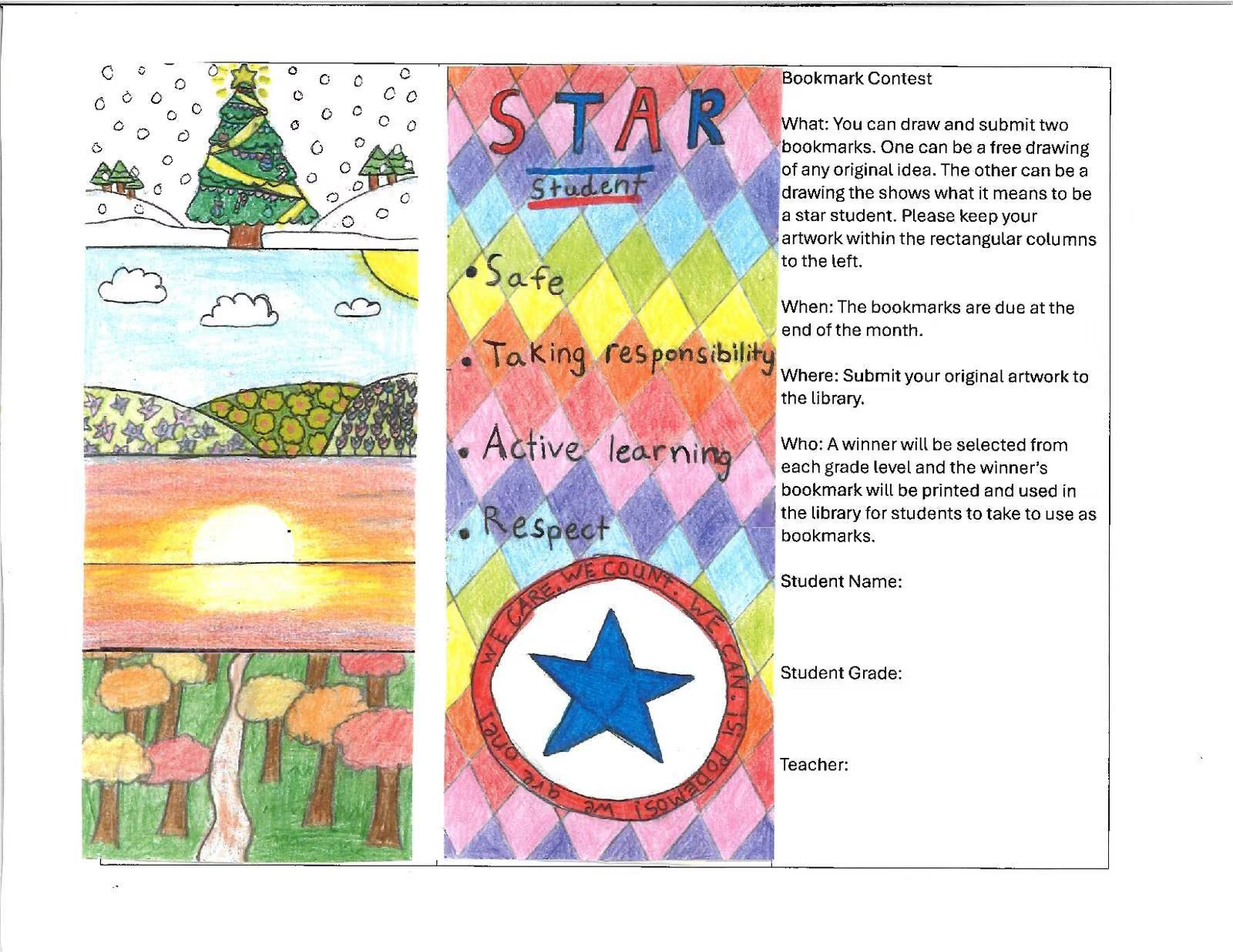
Star student bookmarks
My Team and Self
Students designed bookmarks about being a star student, and the winning designs are printed in color and handed out with library books.
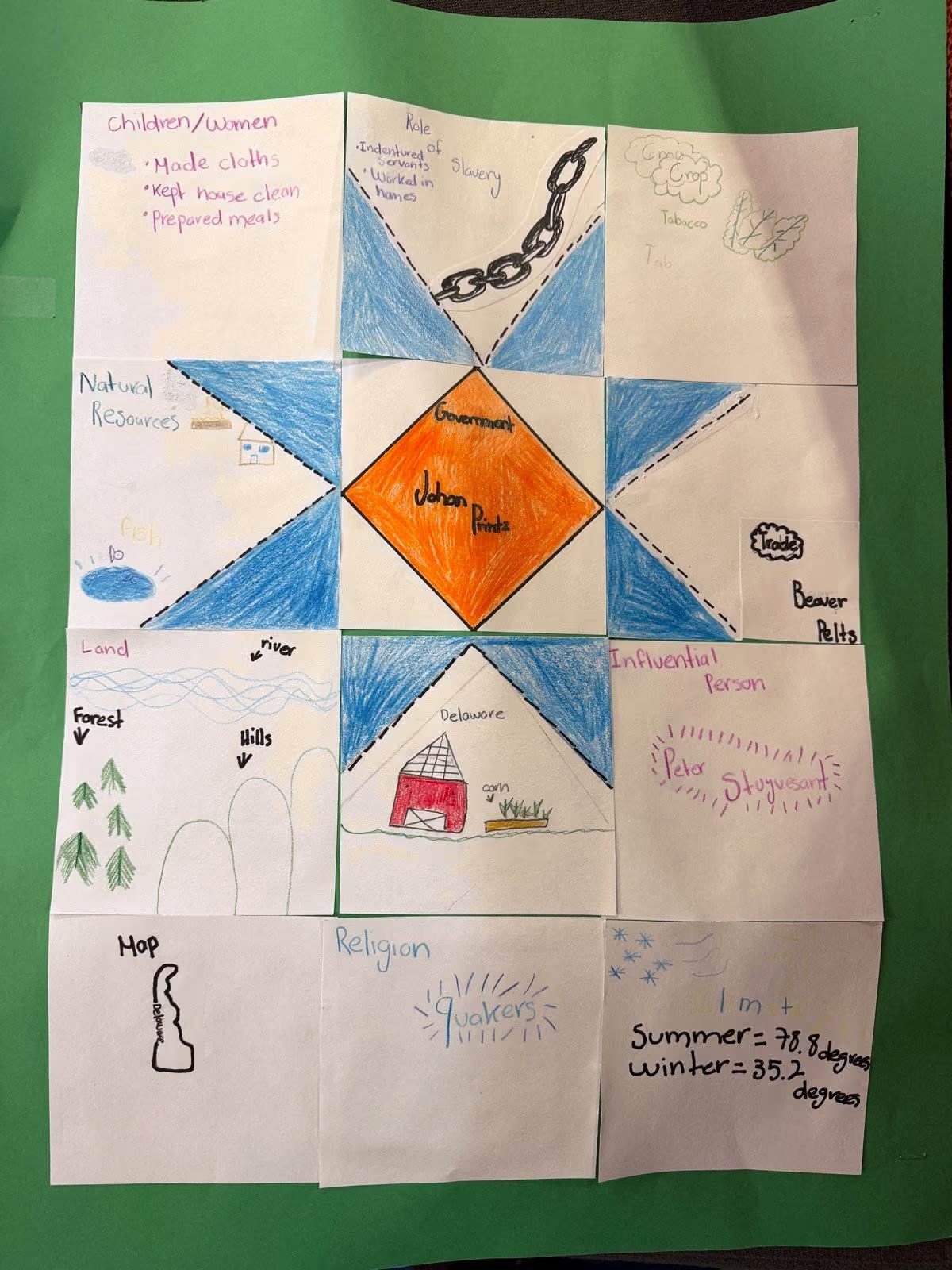
A colonial regions quilt
The Colonial Era
Students researched how culture, geography and economics shaped each colonial region, then designed quilt blocks based on historical regional patterns that came together as a bulletin-board-sized quilt.
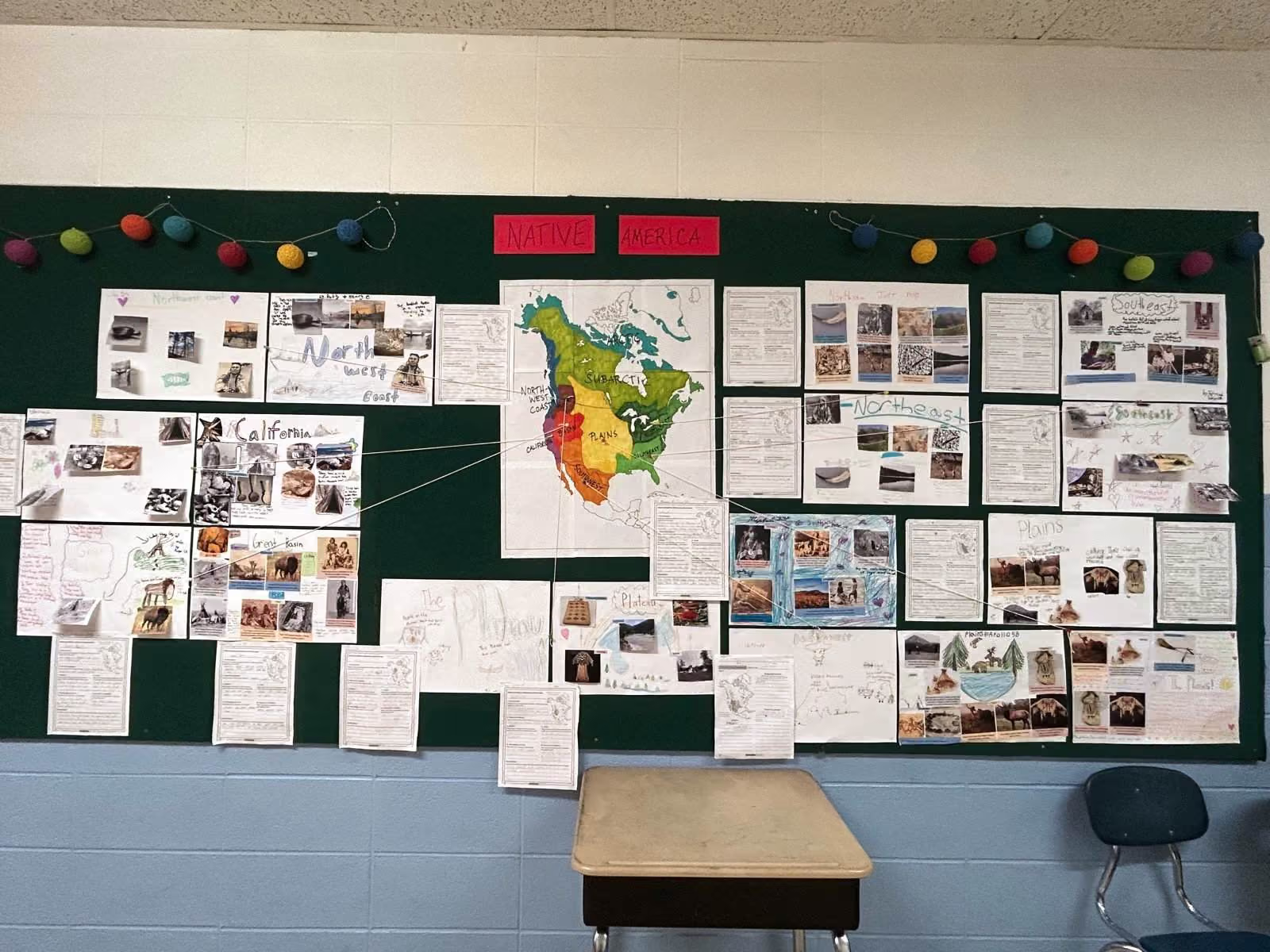
Native America inquiry wall
Native America
Students turned their research into large posters connected to each region on a hallway map that families explored during conferences.
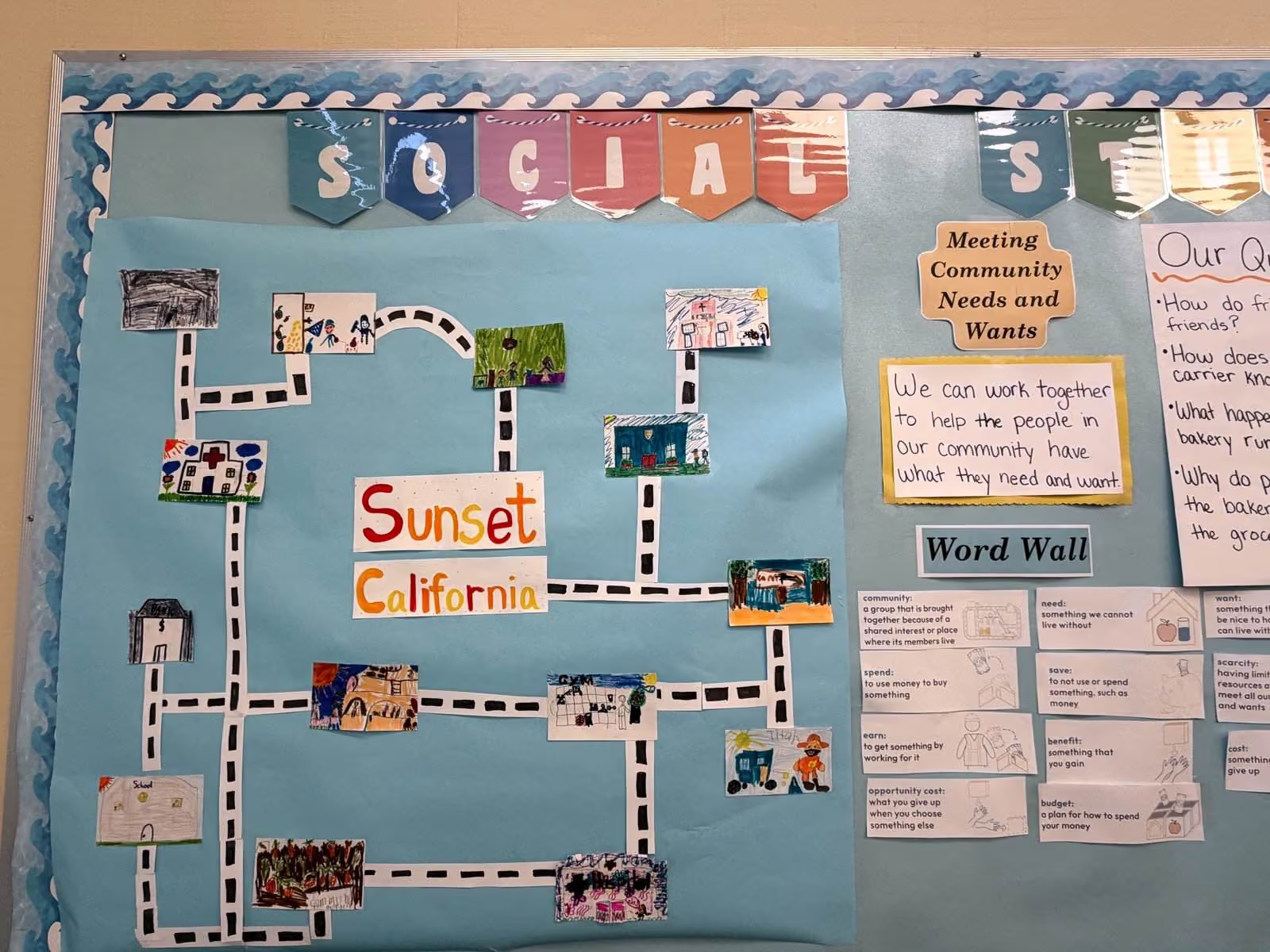
Mapping a community's needs and wants
Meeting Needs and Wants
Students built a class community called Sunset California and created a word splash connecting their vocabulary, with many placing scarcity at the center.
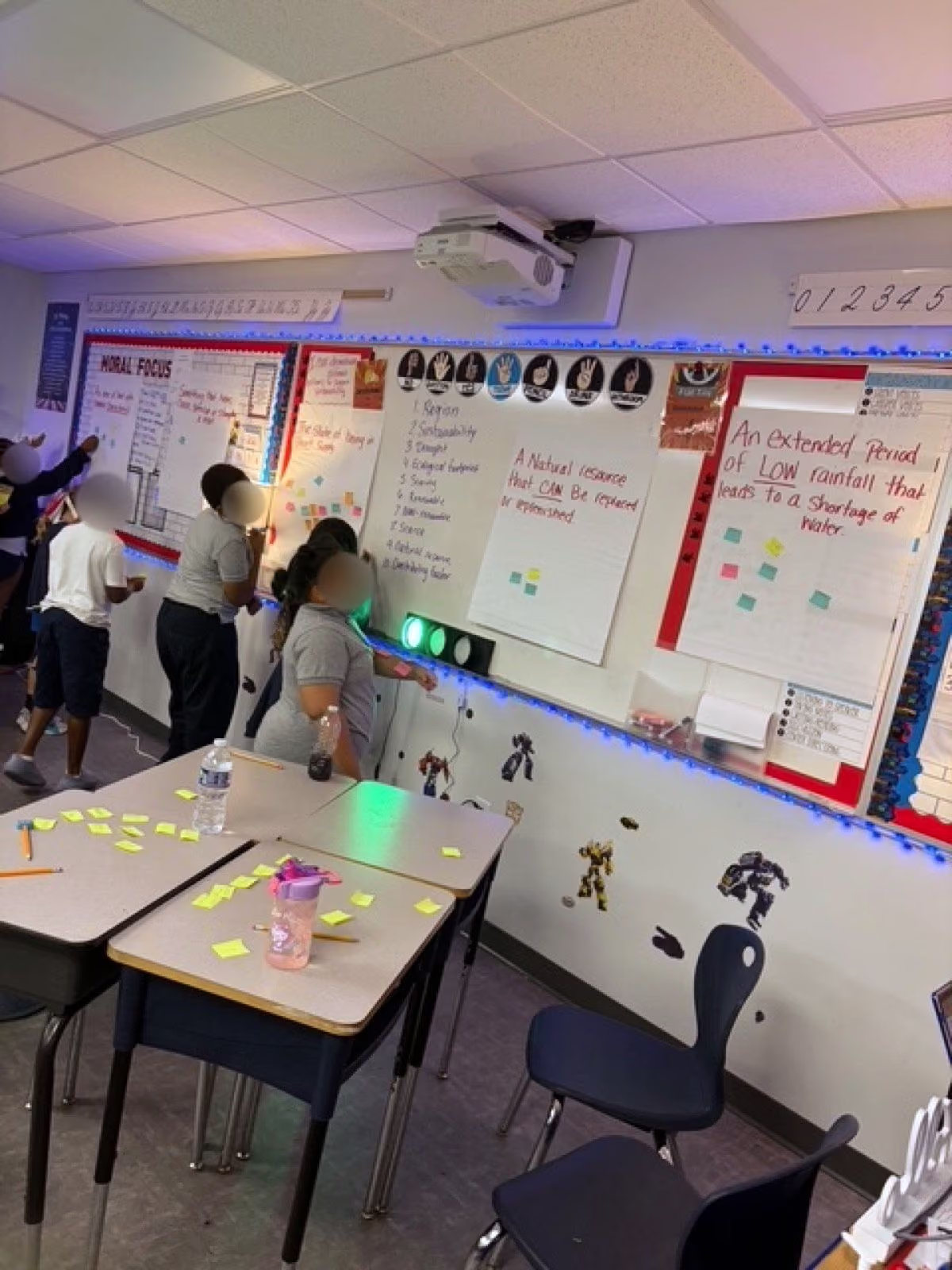
Vocabulary anchor chart challenge
Natural Resources of the U.S.
Students reviewed unit vocabulary by racing to place each term on the correct anchor chart.
Student Works
Explore examples from the Inquiry Work Gallery.
Click on a thumbnail below to expand and view more images.

My Team and Self
Kindergarten
Final Product

Additional Info
Meghan Meyer from Iowa City Community School District: IA, Kindergarten

Global Connections
3rd Grade
Wall Display


Additional Info
Suzanne Kaplan from Park Ridge School District 64: IL, 3rd Grade

Meeting Needs and Wants
2nd Grade
Final Product


Additional Info
Piyasuda Cathis from Quality Schools International: IT, 2nd Grade

Inuit shelter (Location is arctic. Blue represents snow. Salt and cotton balls are used for snow also.)
Native America
5th Grade
Final Product
Inuit shelter (Location is arctic. Blue represents snow. Salt and cotton balls are used for snow also.)
Additional Info
Alba Figueroa from Kipp Texas, Inc.: TX, 5th Grade

Detroit Premier Academy's First grade class of Ms. Czarnecki would like to share our students' Unit 1 social studies Inquiry Product.
Families Near and Far
1st Grade
Final Product

Detroit Premier Academy's First grade class of Ms. Czarnecki would like to share our students' Unit 1 social studies Inquiry Product.
Additional Info
MONIQUE CZARNECKI from National Heritage Academies - Parent District: NC, MI, NY, CO, 1st Grade

These mini posters are the application of learning in Module 3 where students identified reasons and evidence for using natural resources responsibly.
Natural Resources of the U.S.
4th Grade
Wall Display

These mini posters are the application of learning in Module 3 where students identified reasons and evidence for using natural resources responsibly.
Additional Info
Valeria Laitinen from Quality Schools International: IT, 4th Grade

My Team and Self
Kindergarten
Final Product
Additional Info
Patricia User from Flemington-Raritan School District: NJ, Kindergarten

This is from a brand new school with a diverse population. Our class is a multi-age-level class with only two students. The school got involved by letting the main students conduct interviews. It was great.
Families Near and Far
1st Grade
Final Product

This is from a brand new school with a diverse population. Our class is a multi-age-level class with only two students. The school got involved by letting the main students conduct interviews. It was great.
Additional Info
Paula Walker from Quality Schools International: IT, 1st Grade

A 4th grade class made brochures and emailed the school board a letter about it. A small group of students will be speaking at the board meeting next week about sustainability and plastic in school lunch.
Natural Resources of the U.S.
4th Grade
Claim, Evidence and Reasoning


A 4th grade class made brochures and emailed the school board a letter about it. A small group of students will be speaking at the board meeting next week about sustainability and plastic in school lunch.
Additional Info
Allison Slater from Iowa City Community School District: IA, 4th Grade

Our Changing Landscape
1st Grade
Final Product


Additional Info
Paula Walker from Quality Schools International: IT, 1st Grade, 3rd Grade

Students created a graphic novel to educate their reading buddy class to use natural resources in a sustainable way.
Natural Resources of the U.S.
4th Grade
Final Product


Students created a graphic novel to educate their reading buddy class to use natural resources in a sustainable way.
Additional Info
Robbie Pauly from Mason City Community School District: IA, 4th Grade

These are power point presentations each child created for a natural resource of their choice. In their presentation they had to showcase their knowledge of the resource (what is it, where is it found, renewable or nonrenewable), how it is used, and ideas for conserving it locally as well as globally. After student created their presentations they shared them in small groups and used the warm/cool/ suggestion feedback. They continue to give feedback organically in class using these frameworks.
Natural Resources of the U.S.
5th Grade
Final Product

These are power point presentations each child created for a natural resource of their choice. In their presentation they had to showcase their knowledge of the resource (what is it, where is it found, renewable or nonrenewable), how it is used, and ideas for conserving it locally as well as globally. After student created their presentations they shared them in small groups and used the warm/cool/ suggestion feedback. They continue to give feedback organically in class using these frameworks.
Additional Info
Meagan Fleming from Tacoma Public Schools: WA, 5th Grade
No results found.
There are no results with this criteria. Try changing your search.