
Meet the 2026 Inquiry Work Contest winners
Teachers across the country shared inquiry work from their classrooms this fall, from anchor charts and student work to classroom video. Thank you to every teacher who entered. These are the classrooms that stood out.
Students doing the thinking
Entries were scored on how clearly the work shows students investigating a question, building evidence and sharing their own thinking.
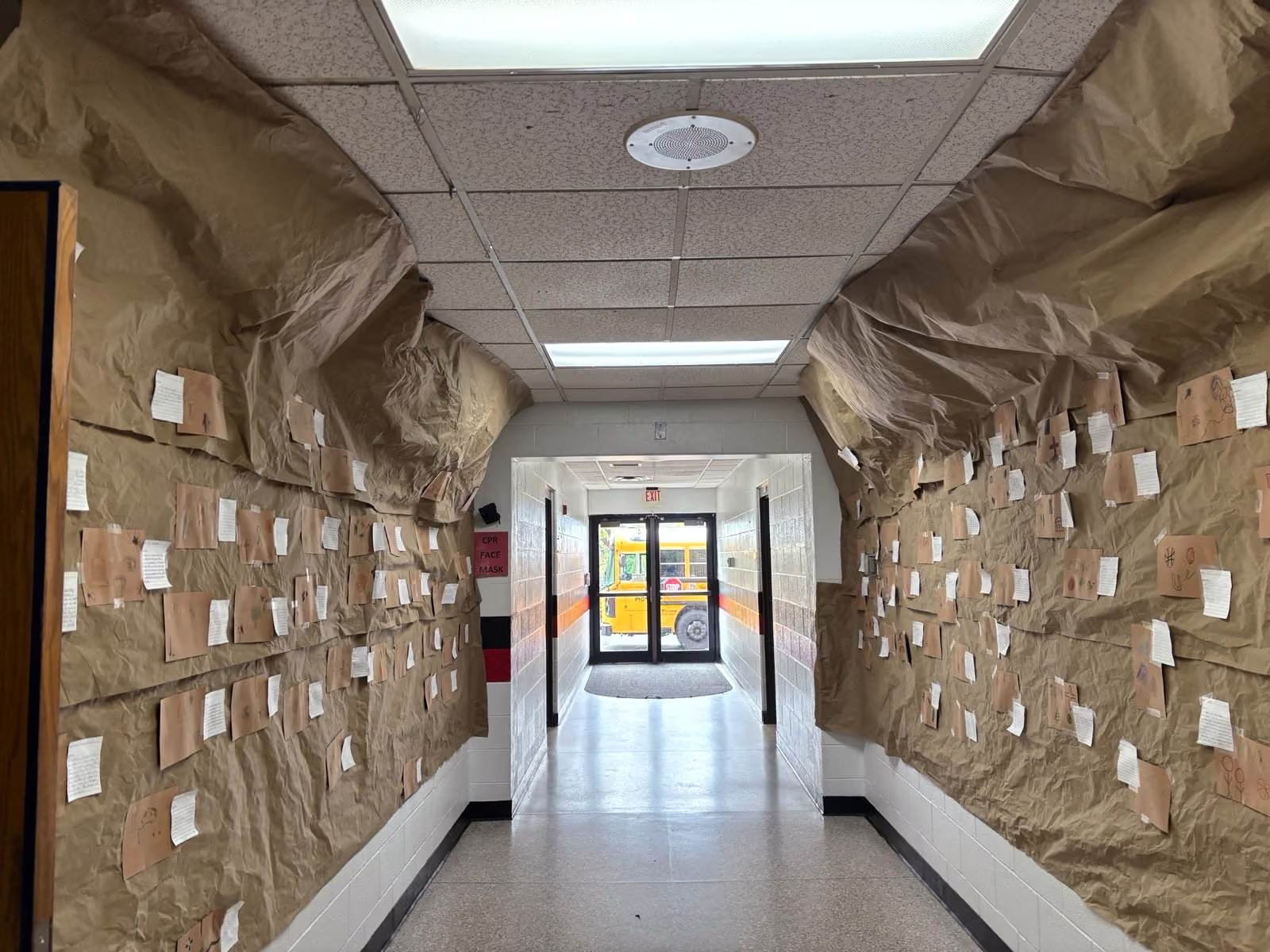
Telling the story of 6th grade through cave art
The Human Story
After studying early humans and the stories artifacts can tell, 6th graders created their own Paleolithic cave art. Using four symbols and no words, each student answered the question "What story would you tell?" Then they switched roles, analyzed the art as archaeologists and wrote museum placards to explain it. The finished pieces came together on a simulated cave wall that tells the story of 6th grade.
Sorting artifacts to uncover their stories
Native America
5th graders spent this inquiry investigating what artifacts can tell us and who they belong to. In the video, students work together to sort artifacts from Native American cultures into categories they came up with on their own, including materials, how items were used, time frame, tribe and how items were made. They then took a position on whether artifacts should be kept in museums or returned to their cultures of origin and wrote out their claims and reasoning, shown in the photo.
Interviewing the grown-ups who help our school
Navigating School
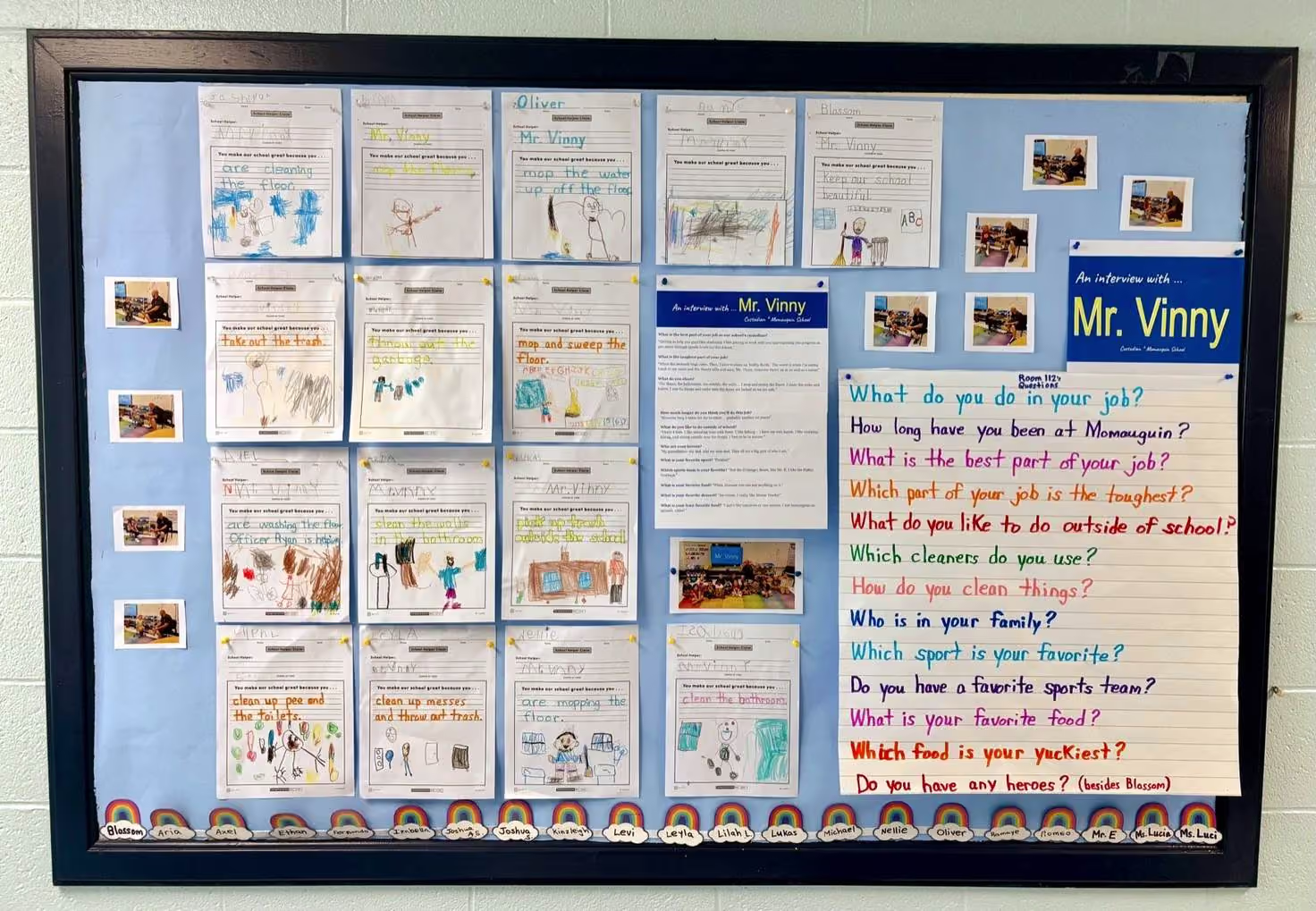
Kindergartners brainstormed the grown-ups who help at school and voted to interview their custodian. With teacher support, they wrote questions to learn about his role and his life outside of work, then illustrated and labeled what they learned.
A layer cake for a healthy democracy
Rights and Responsibilities
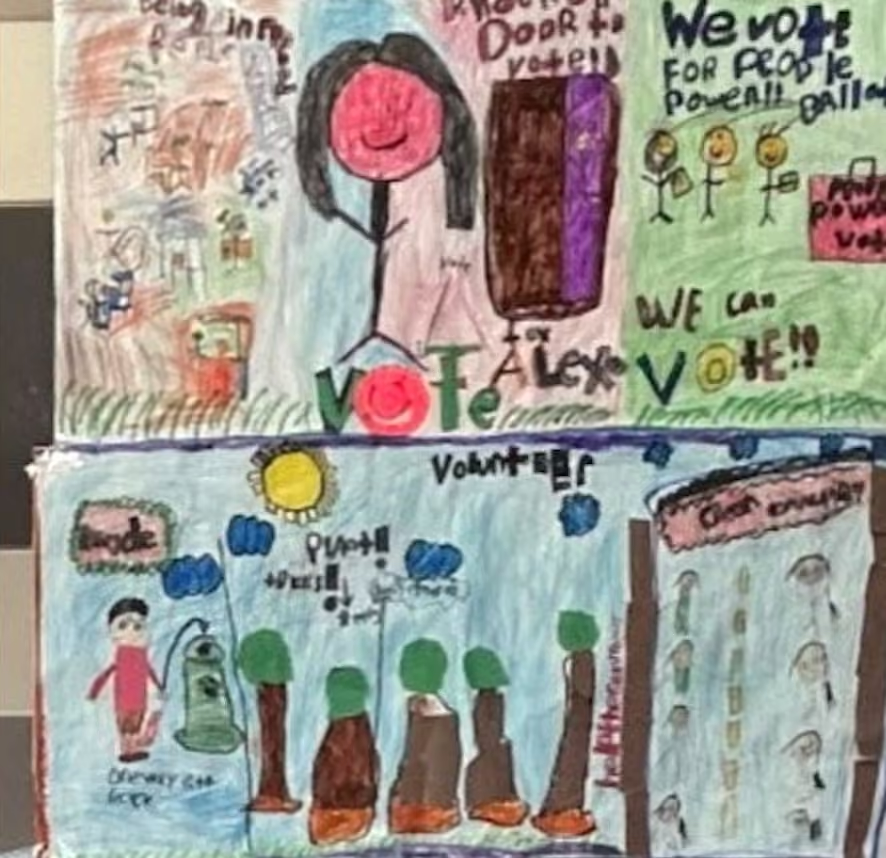
3rd graders designed a layer cake to show their audience how people can take part in a democracy. They decided which layer should support the ones above it, from knowing how government works and using your rights to staying informed, volunteering and voting.
Comic strips on the Agricultural Revolution
The Human Story
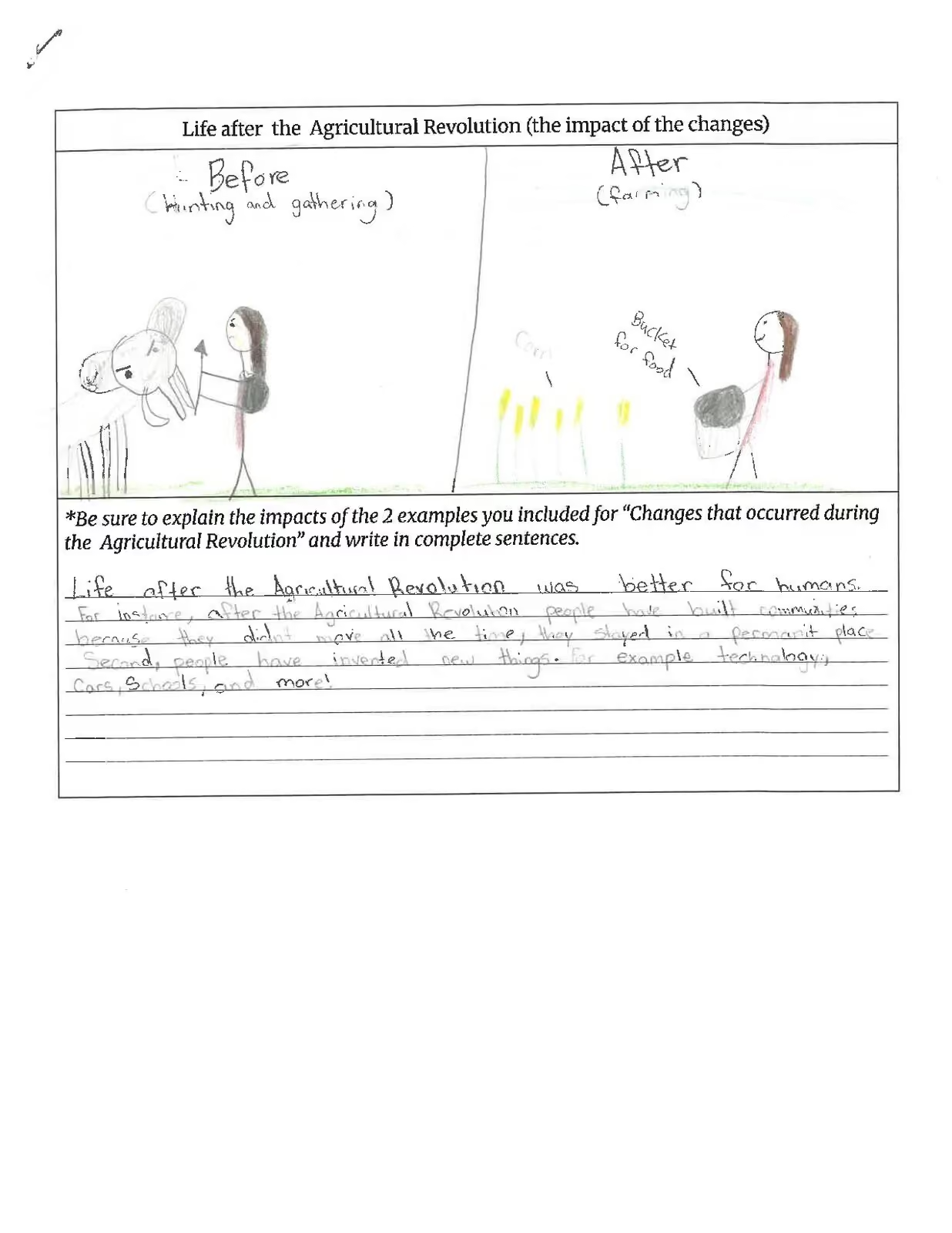
6th graders created two-part comic strips about the Agricultural Revolution. First, they illustrated the changes it brought, like farming in place of hunting and gathering and people taking on different jobs. Then they showed the impact on daily life and weighed the tradeoffs, such as a steadier food supply against crop failures and disease from domesticated animals.
More standout classrooms
These classrooms will also be featured in this year's showcase.
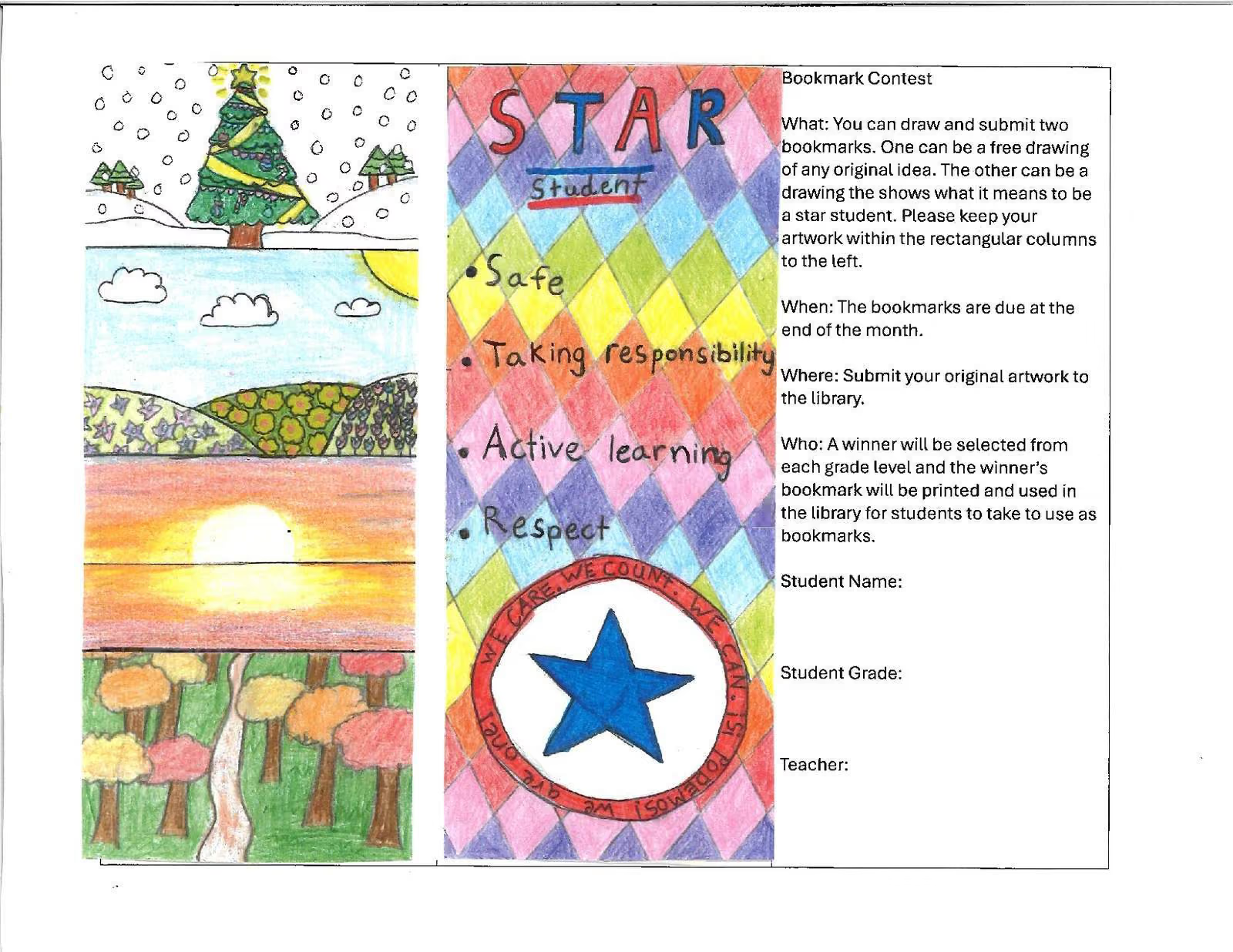
Star student bookmarks
My Team and Self
Students designed bookmarks about being a star student, and the winning designs are printed in color and handed out with library books.
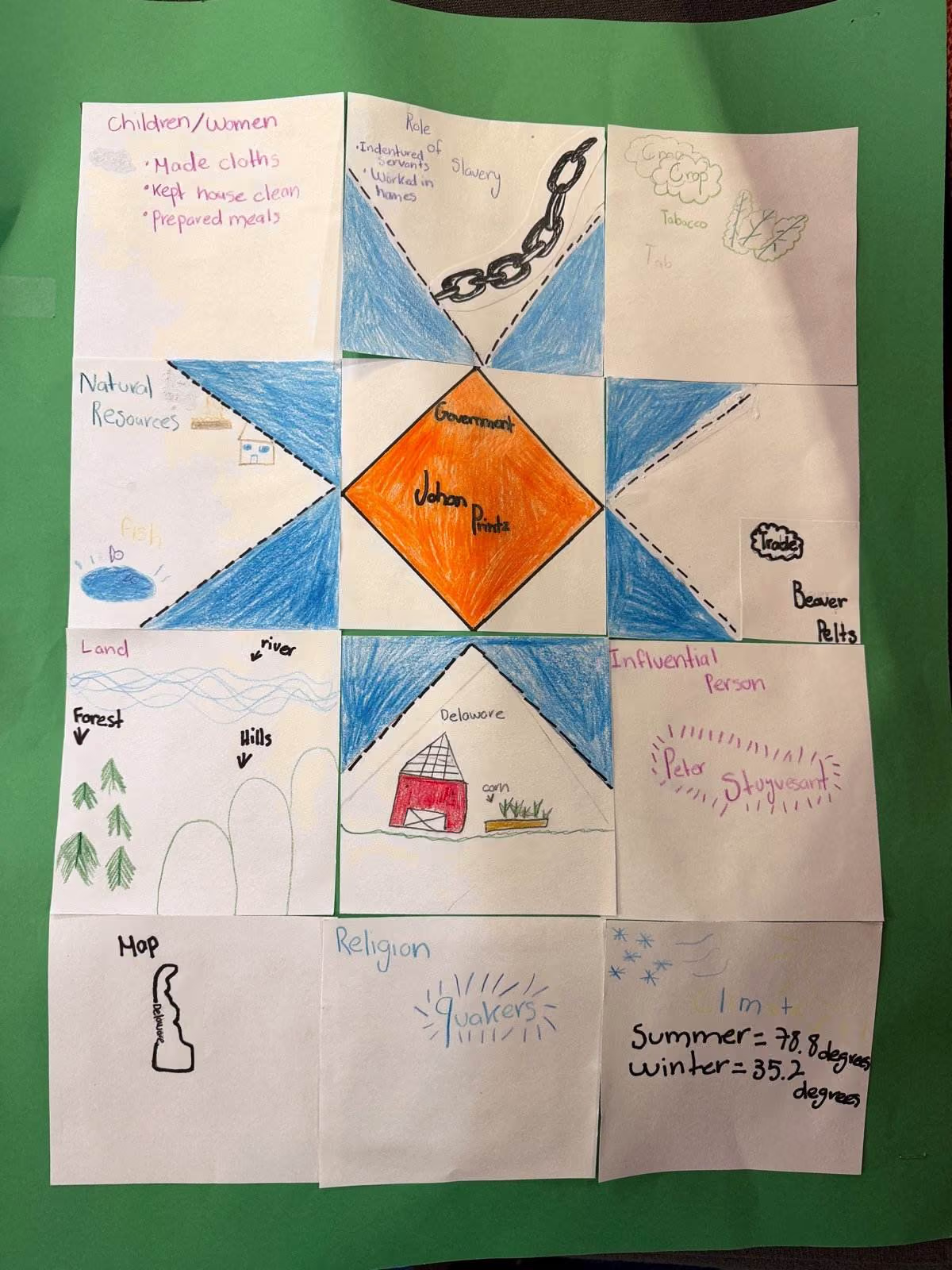
A colonial regions quilt
The Colonial Era
Students researched how culture, geography and economics shaped each colonial region, then designed quilt blocks based on historical regional patterns that came together as a bulletin-board-sized quilt.
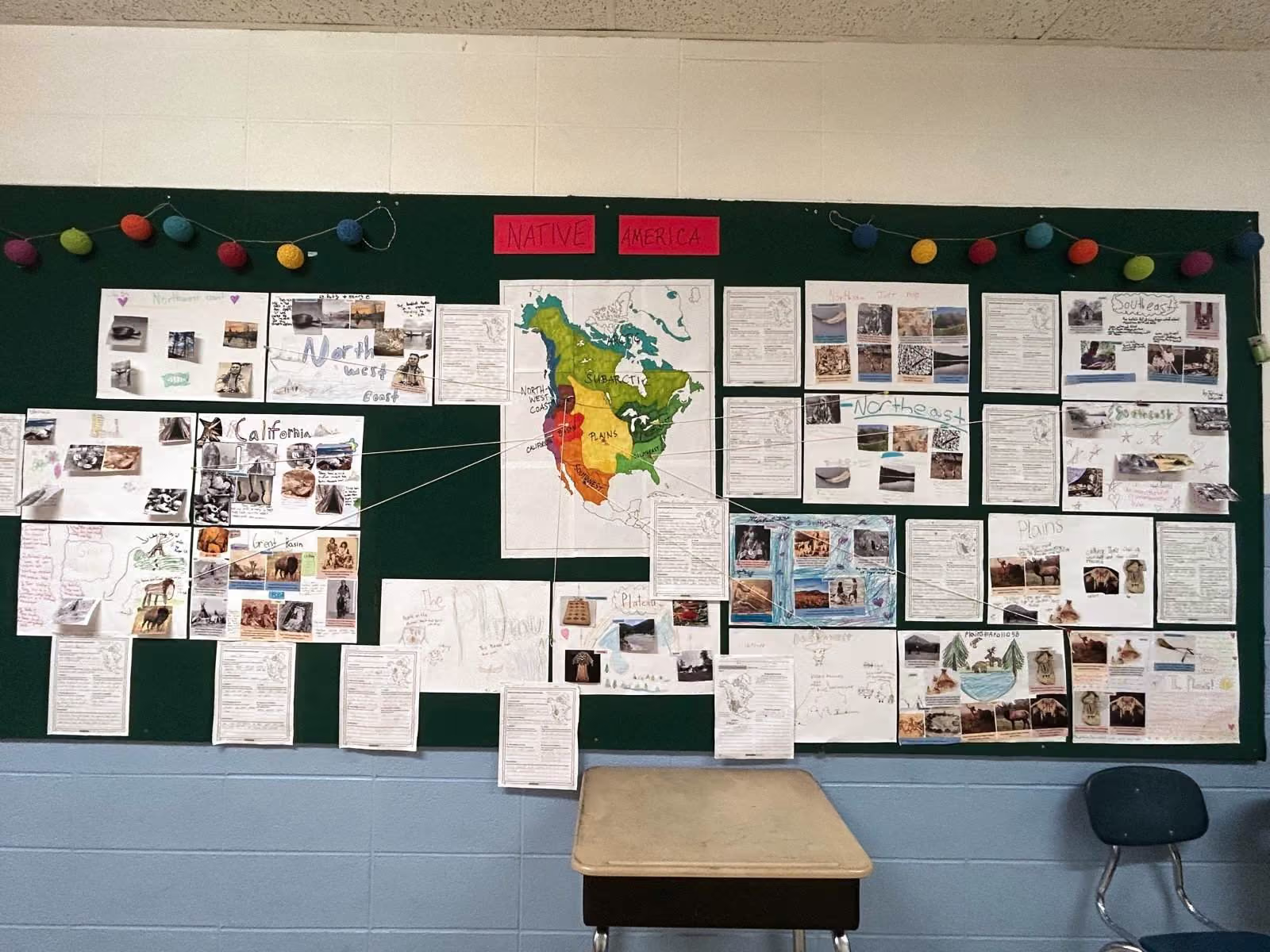
Native America inquiry wall
Native America
Students turned their research into large posters connected to each region on a hallway map that families explored during conferences.
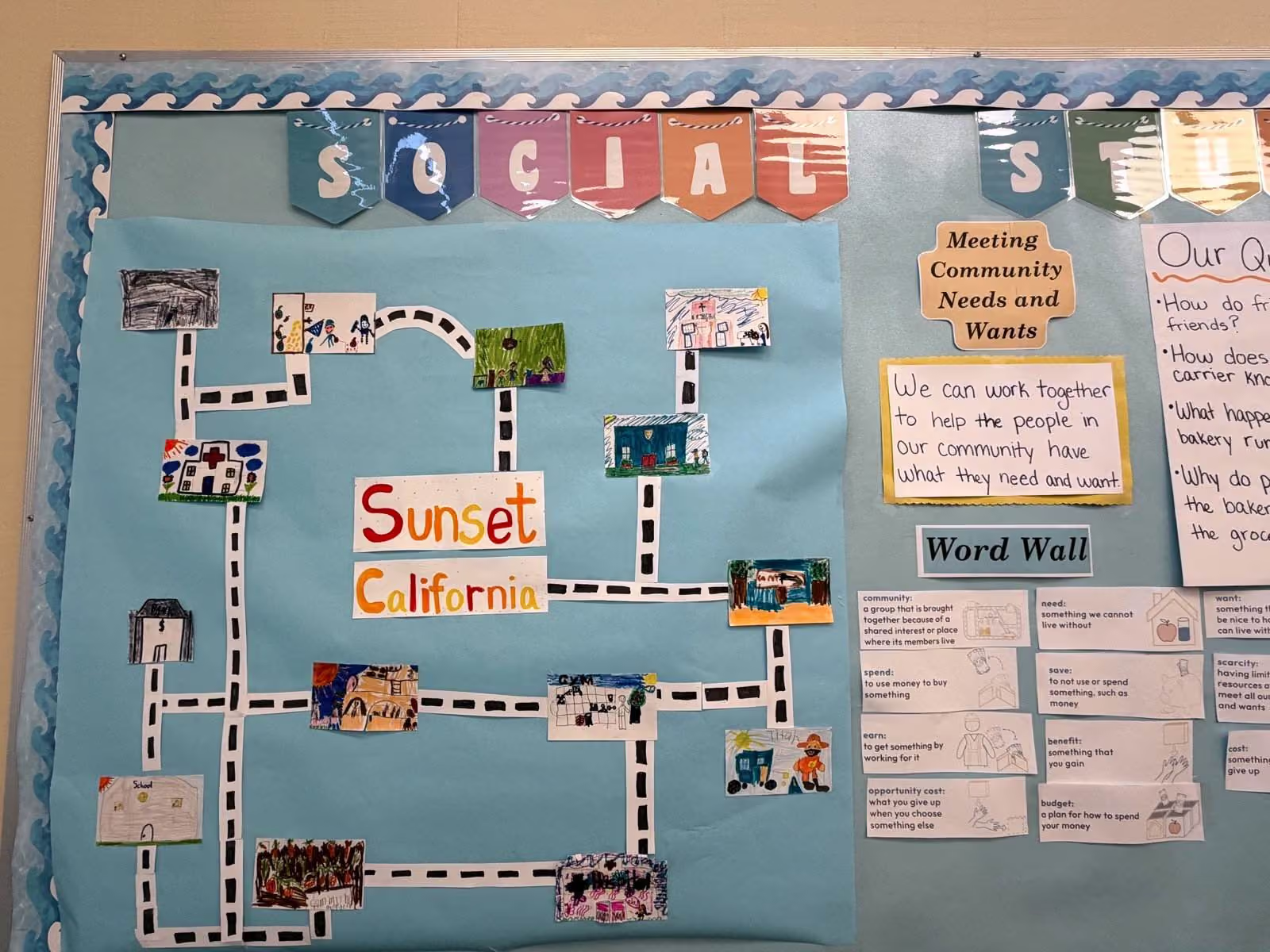
Mapping a community's needs and wants
Meeting Needs and Wants
Students built a class community called Sunset California and created a word splash connecting their vocabulary, with many placing scarcity at the center.
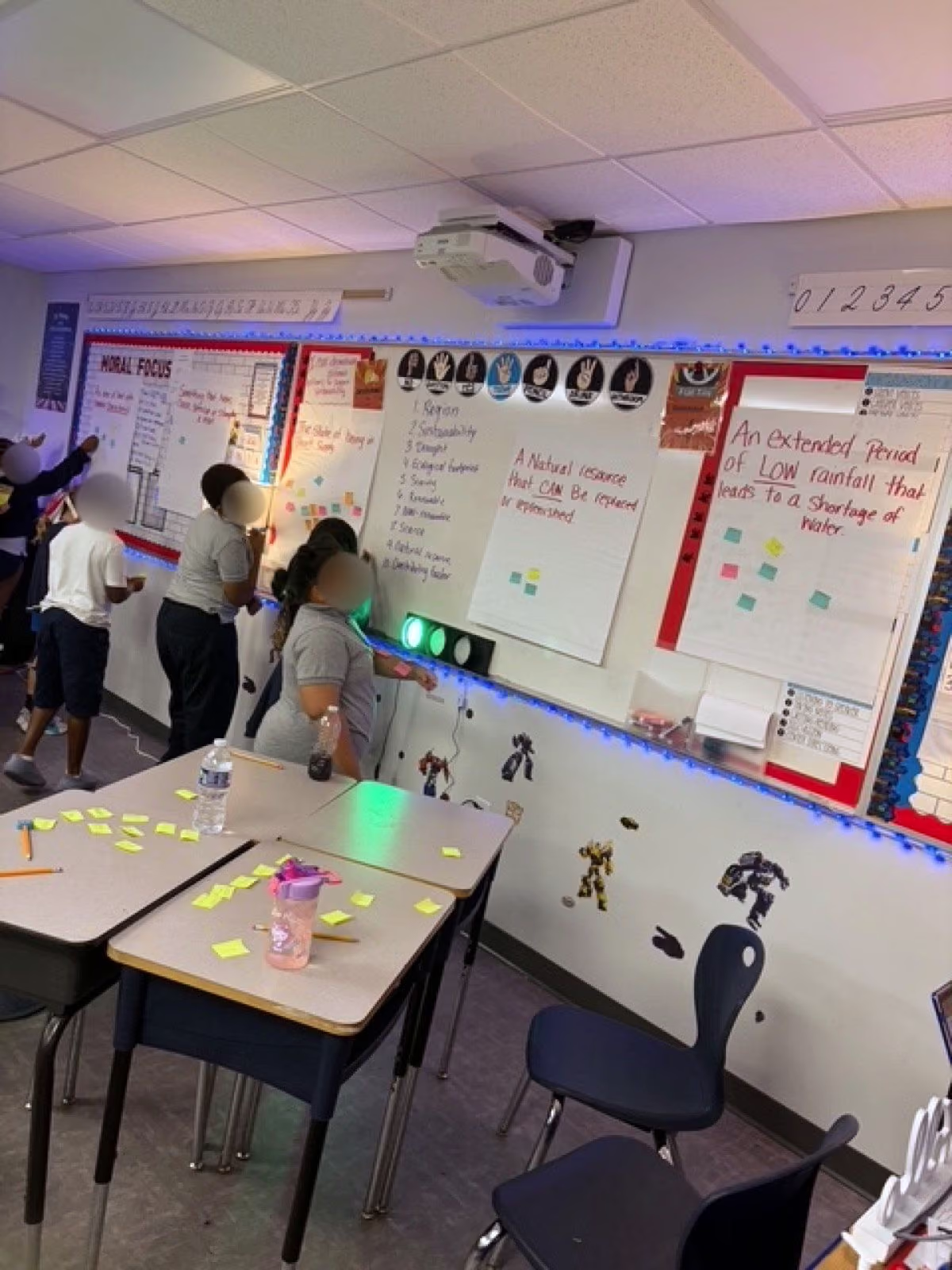
Vocabulary anchor chart challenge
Natural Resources of the U.S.
Students reviewed unit vocabulary by racing to place each term on the correct anchor chart.
Student Works
Explore examples from the Inquiry Work Gallery.
Click on a thumbnail below to expand and view more images.

Using the Inquiry process, students decided to make a cookbook using a family recipe that represented their cultural background. Students cooked the dish at home; many students took pictures of themselves preparing it and included it in the cookbook. Cookbooks were shared with students and their families.
Global Connections
3rd Grade
Final Product


Using the Inquiry process, students decided to make a cookbook using a family recipe that represented their cultural background. Students cooked the dish at home; many students took pictures of themselves preparing it and included it in the cookbook. Cookbooks were shared with students and their families.
Additional Info
Barbara Mastin from Deerfield Public Schools District 109: IL, 3rd Grade
Our State and Region
4th Grade
Final Product
Additional Info
Molly Mancinelli from Lake Washington School District: WA, 4th Grade
Students who created this project investigated the State of Illinois and the various landmarks that they felt were relevant to its history. They created a timeline, as well, incorporating events in the country's past that were important to Illinois, as well as resources and indigenous peoples that were a part of our past, present, and future.
Our State and Region
4th Grade
Final Product
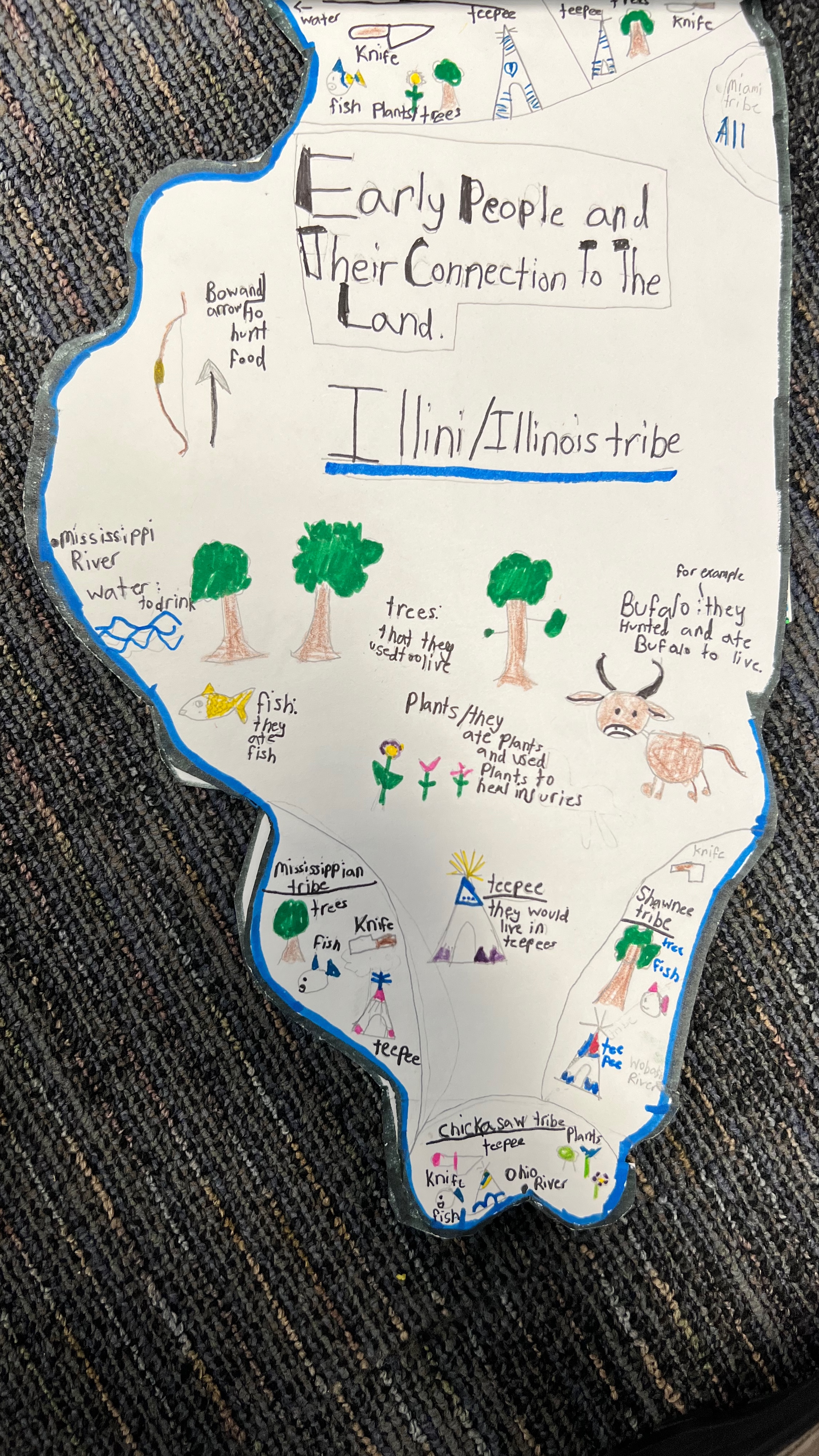
Students who created this project investigated the State of Illinois and the various landmarks that they felt were relevant to its history. They created a timeline, as well, incorporating events in the country's past that were important to Illinois, as well as resources and indigenous peoples that were a part of our past, present, and future.
Additional Info
Jason Pazol from Kildeer Countryside Community Consolidated School District 96: IL, 4th Grade
This mural was inspired by a group project we completed in the beginning of the year. We reflected on our work and recreated a mural to show how we worked as individuals to create a product as a team.
My Team and Self
Kindergarten
Final Product
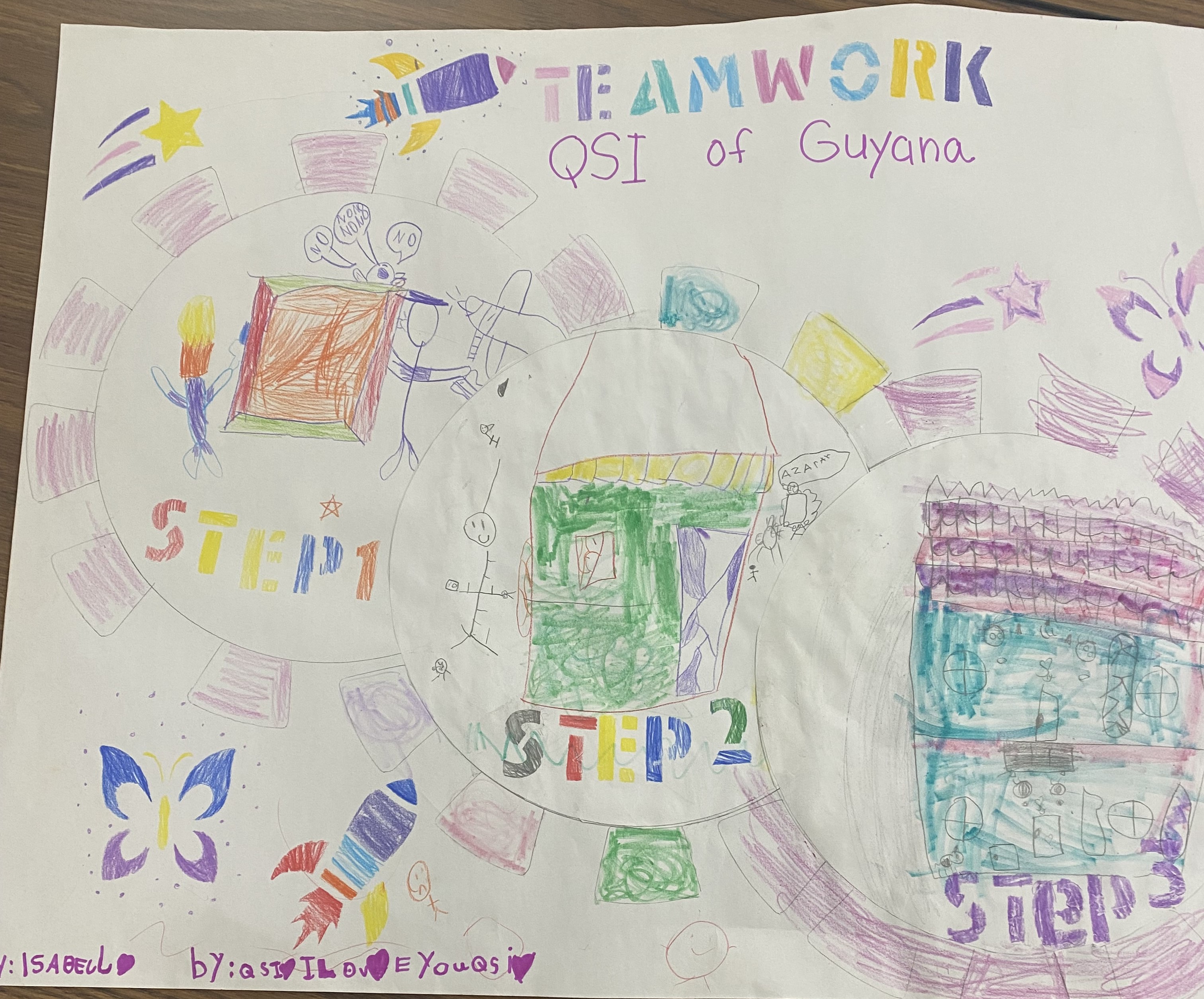
This mural was inspired by a group project we completed in the beginning of the year. We reflected on our work and recreated a mural to show how we worked as individuals to create a product as a team.
Additional Info
Paula Walker from Quality Schools International: IT, Kindergarten, 1st Grade
We learned about all kinds of families and what makes our family special. We did the Vin Diagram as a group. We than build our "family" home with all its members and shared with each other. They saw graphically the similarities and differences by comparing the color codes on each house.
Families Near and Far
1st Grade
Wall Display
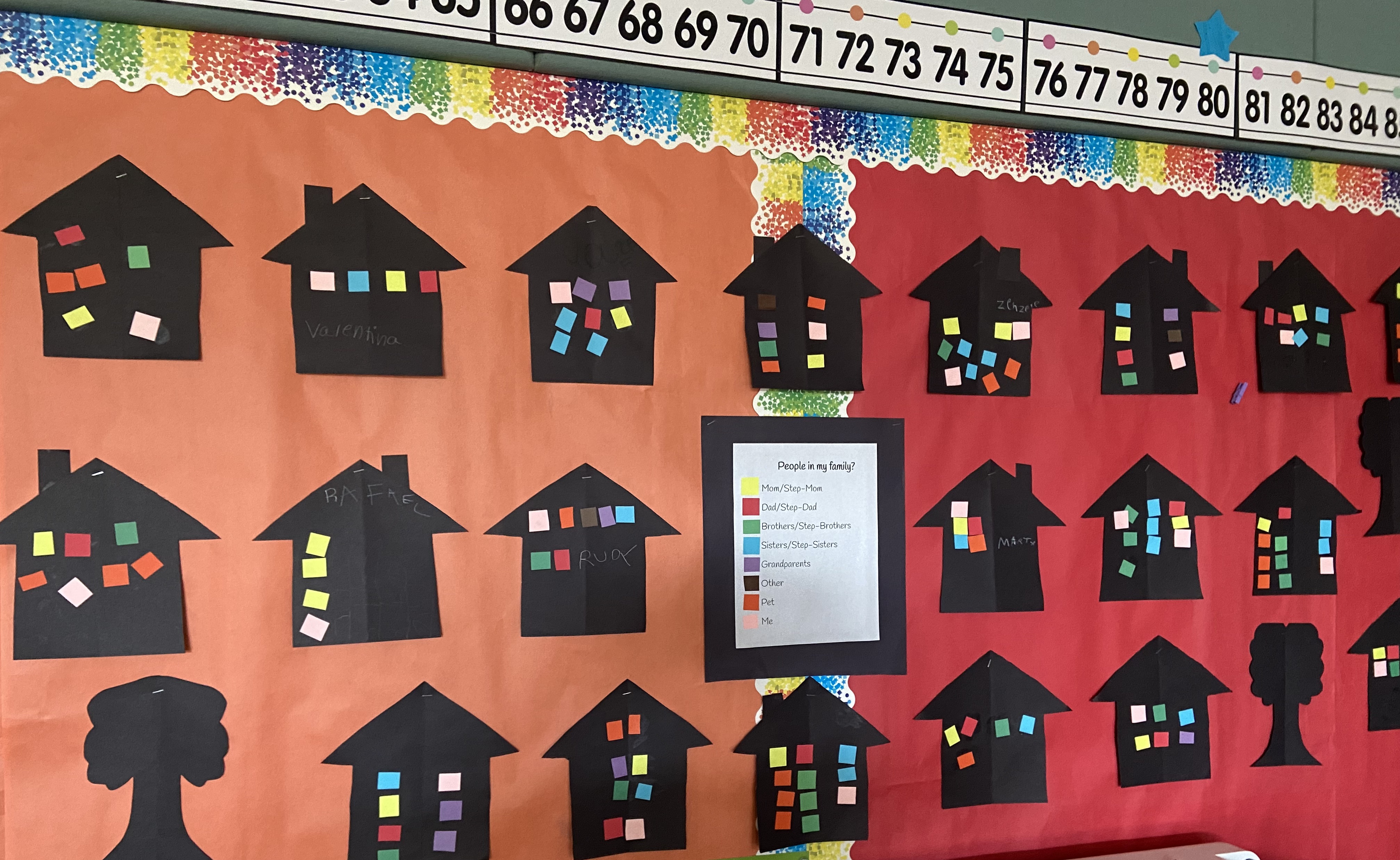
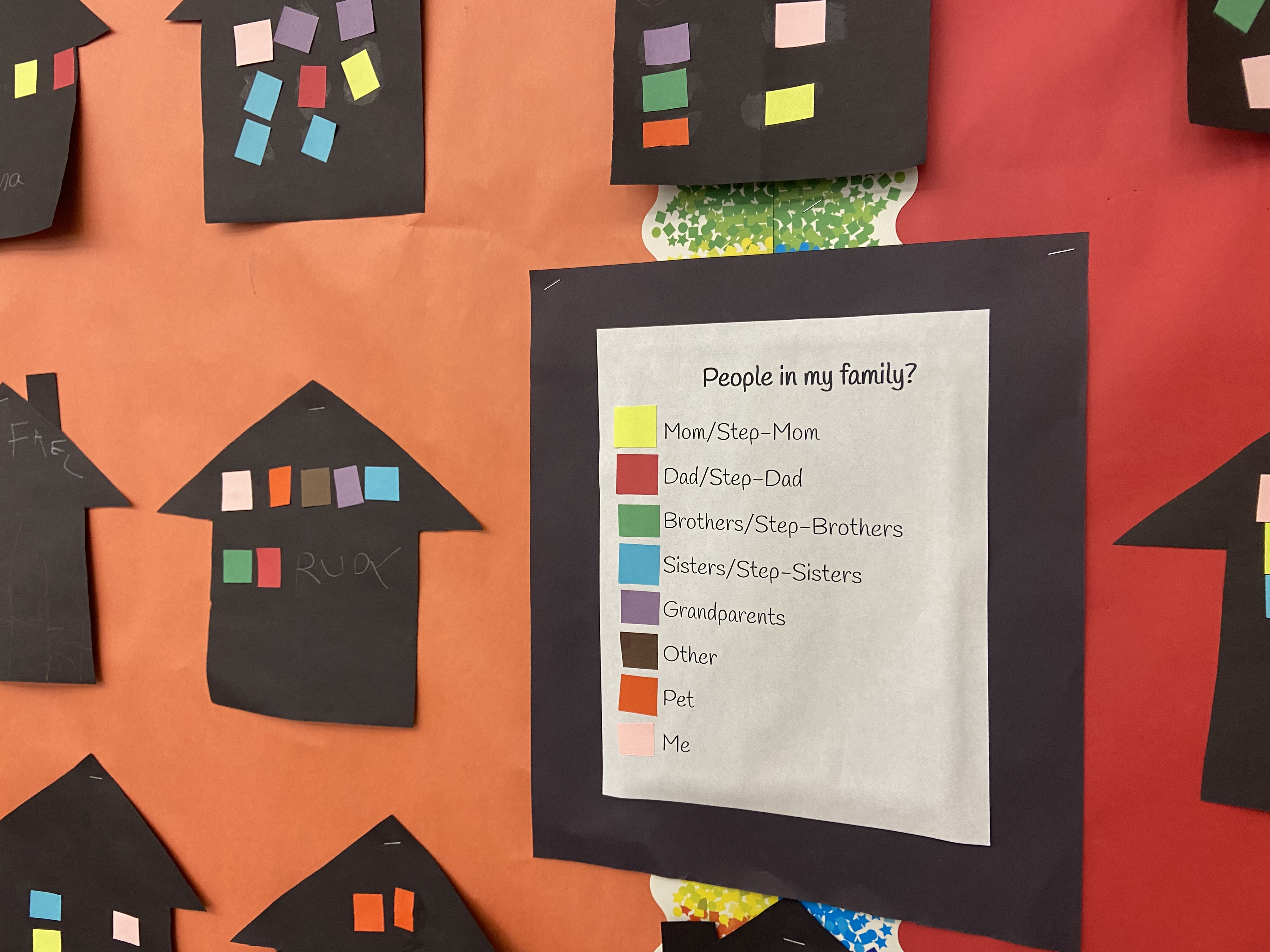
We learned about all kinds of families and what makes our family special. We did the Vin Diagram as a group. We than build our "family" home with all its members and shared with each other. They saw graphically the similarities and differences by comparing the color codes on each house.
Additional Info
Ali Bower from Alameda Unified School District: CA, 1st Grade
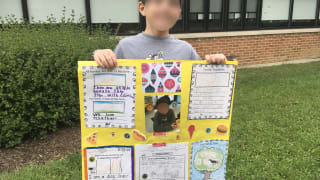
Students took the individual quilt square assignments and combined them into a larger mural that represented who they are!
Families Near and Far
1st Grade
Final Product
Students took the individual quilt square assignments and combined them into a larger mural that represented who they are!
Additional Info
Barbara Mastin from Deerfield Public Schools District 109: IL, 1st Grade
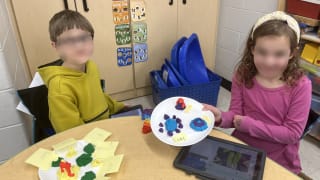
Students used Play-doh to create a landform they learned about. They then made a video on Seesaw showing their landform and explaining what they knew about it. Some teachers had students create the landforms and use them in their final unit map project.
Our Special Location
1st Grade
Other
Students used Play-doh to create a landform they learned about. They then made a video on Seesaw showing their landform and explaining what they knew about it. Some teachers had students create the landforms and use them in their final unit map project.
Additional Info
Barbara Mastin from Deerfield Public Schools District 109: IL, 1st Grade
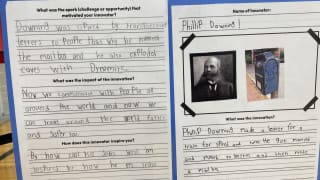
Students researched an innovator, completing the profile handout. These were on display at an innovation fair held by the school.
Innovation
2nd Grade
Handout


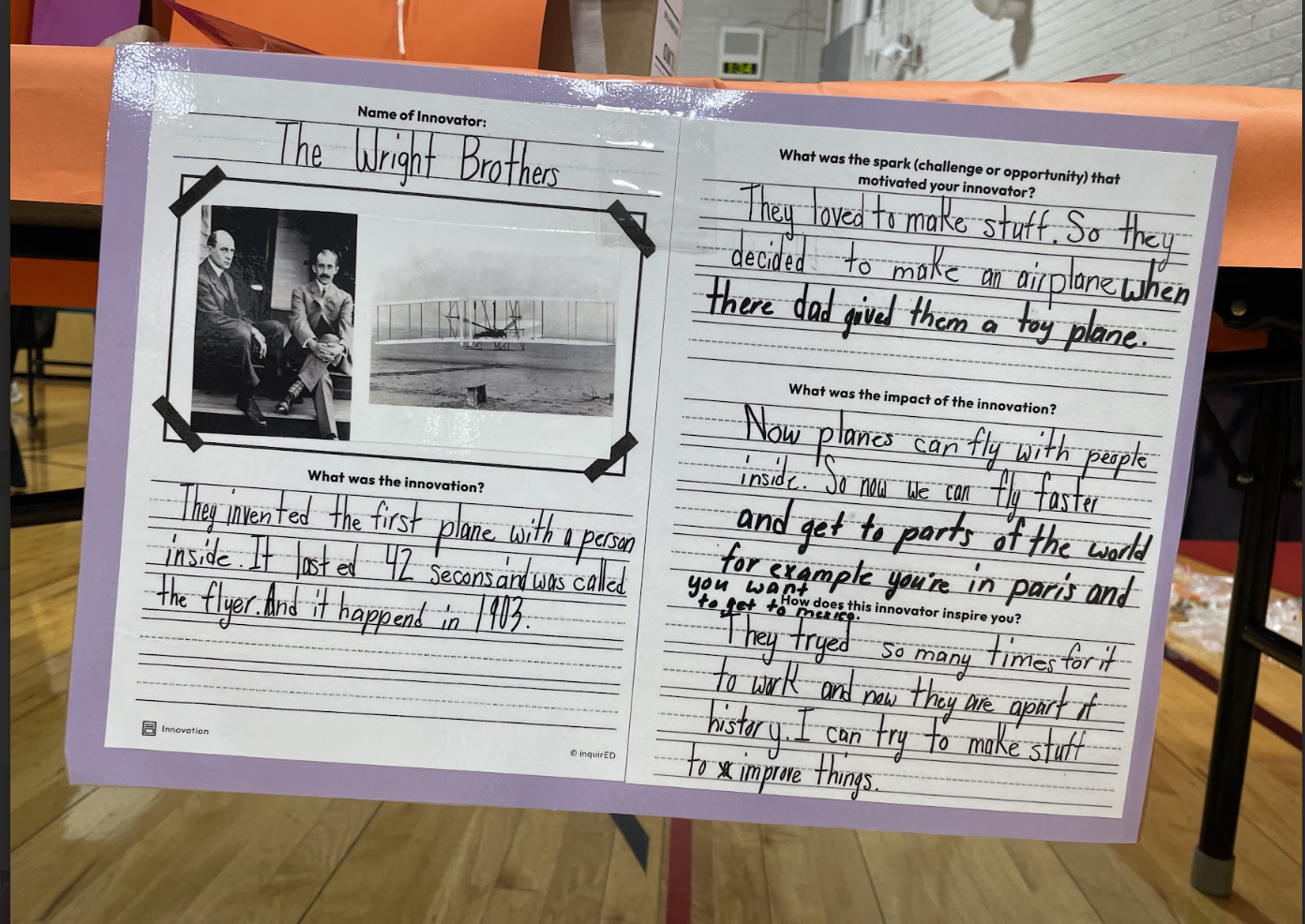
Students researched an innovator, completing the profile handout. These were on display at an innovation fair held by the school.
Additional Info
Barbara Mastin from Deerfield Public Schools District 109: IL, 2nd Grade
These pictures are from Module 8 of The Human Story. The kids are reflecting on what they've learned from the stories throughout the year. They used post-its to react to the questions on each piece of chart paper and then did a gallery walk to look at each other's responses.
The Human Story
6th Grade
Other
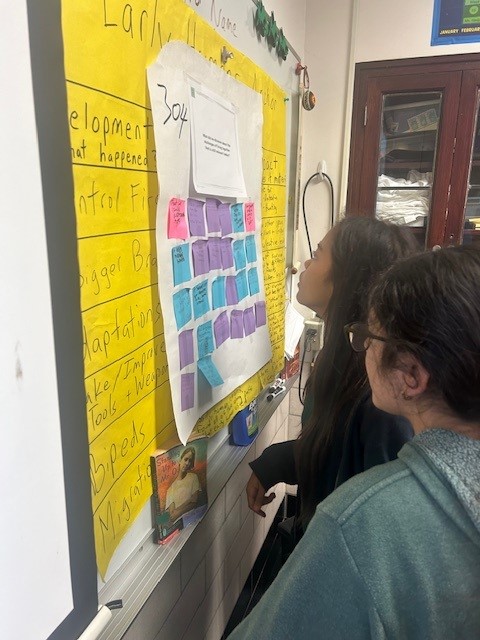
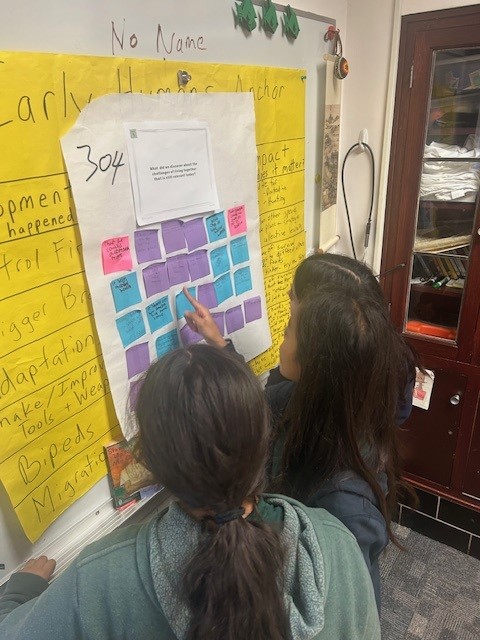
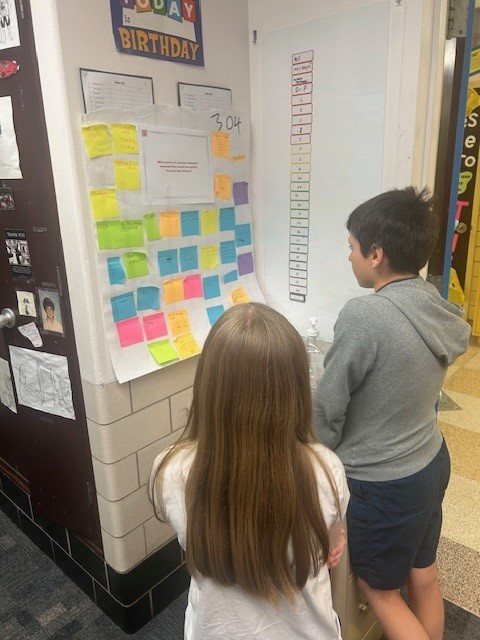
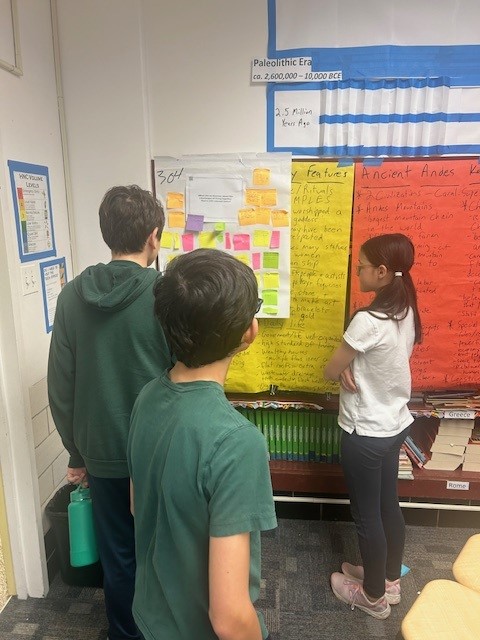
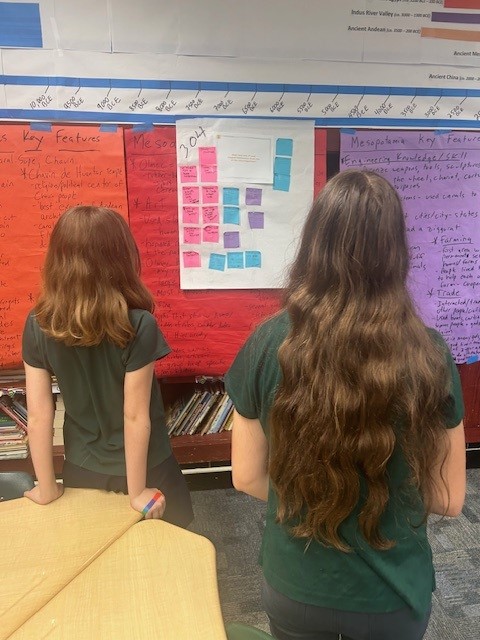
These pictures are from Module 8 of The Human Story. The kids are reflecting on what they've learned from the stories throughout the year. They used post-its to react to the questions on each piece of chart paper and then did a gallery walk to look at each other's responses.
Additional Info
John ORourke from The Frances Xavier Warde School: IL, 6th Grade
My students love adding drawings to the region they are investigating! Celebrating Native America culture has been a blast for these 5th graders!
Native America
5th Grade
Wall Display
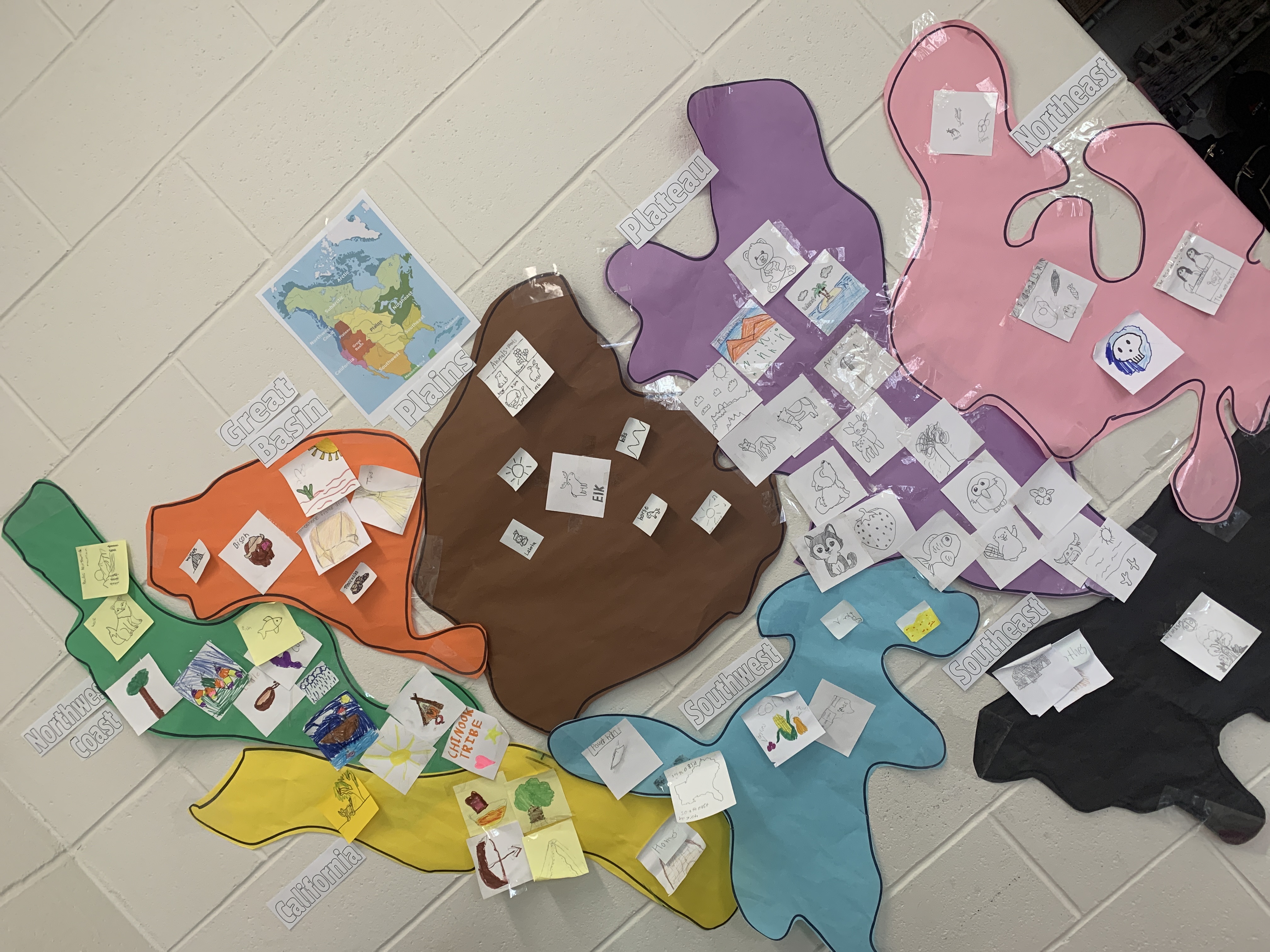
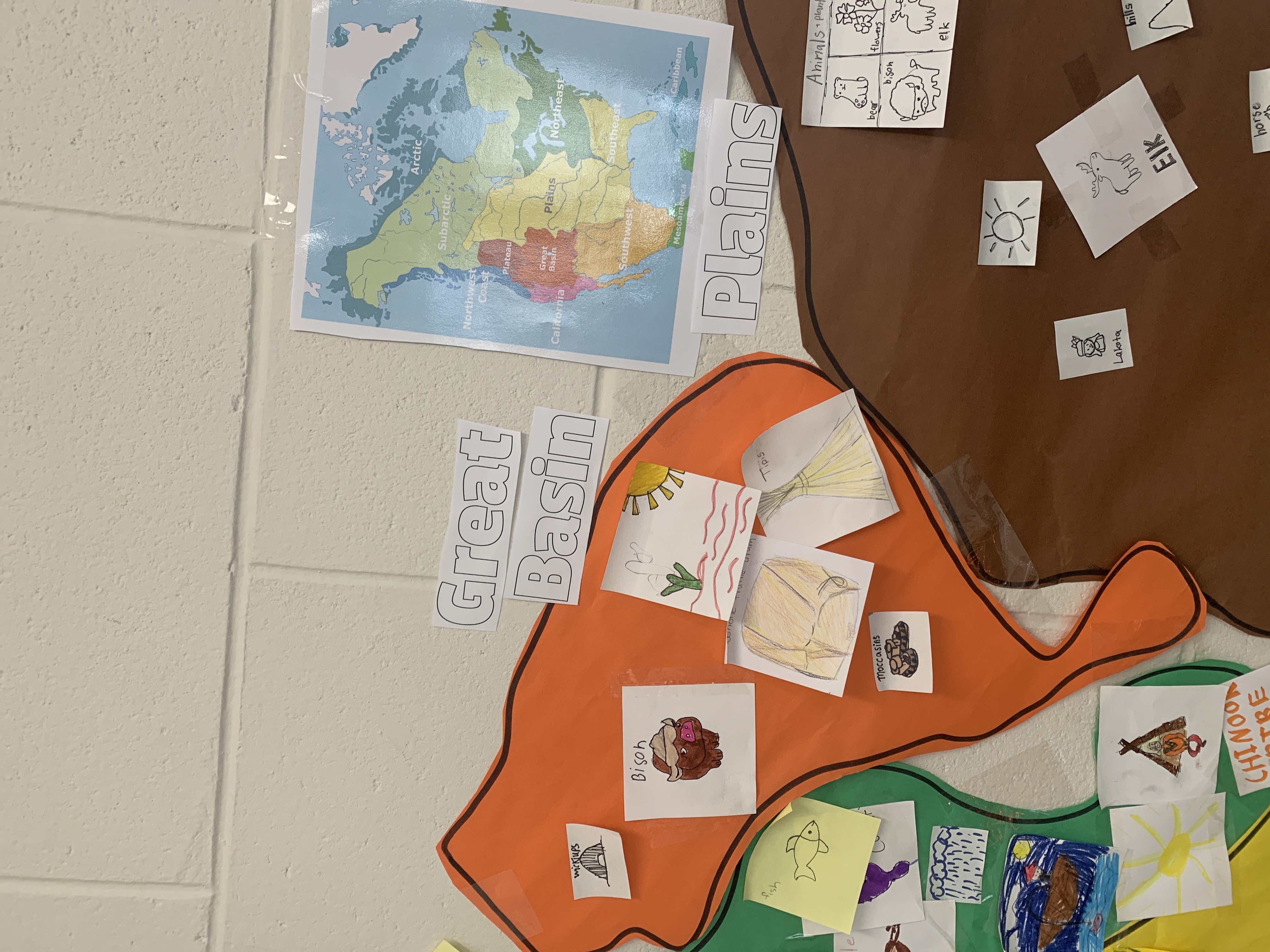
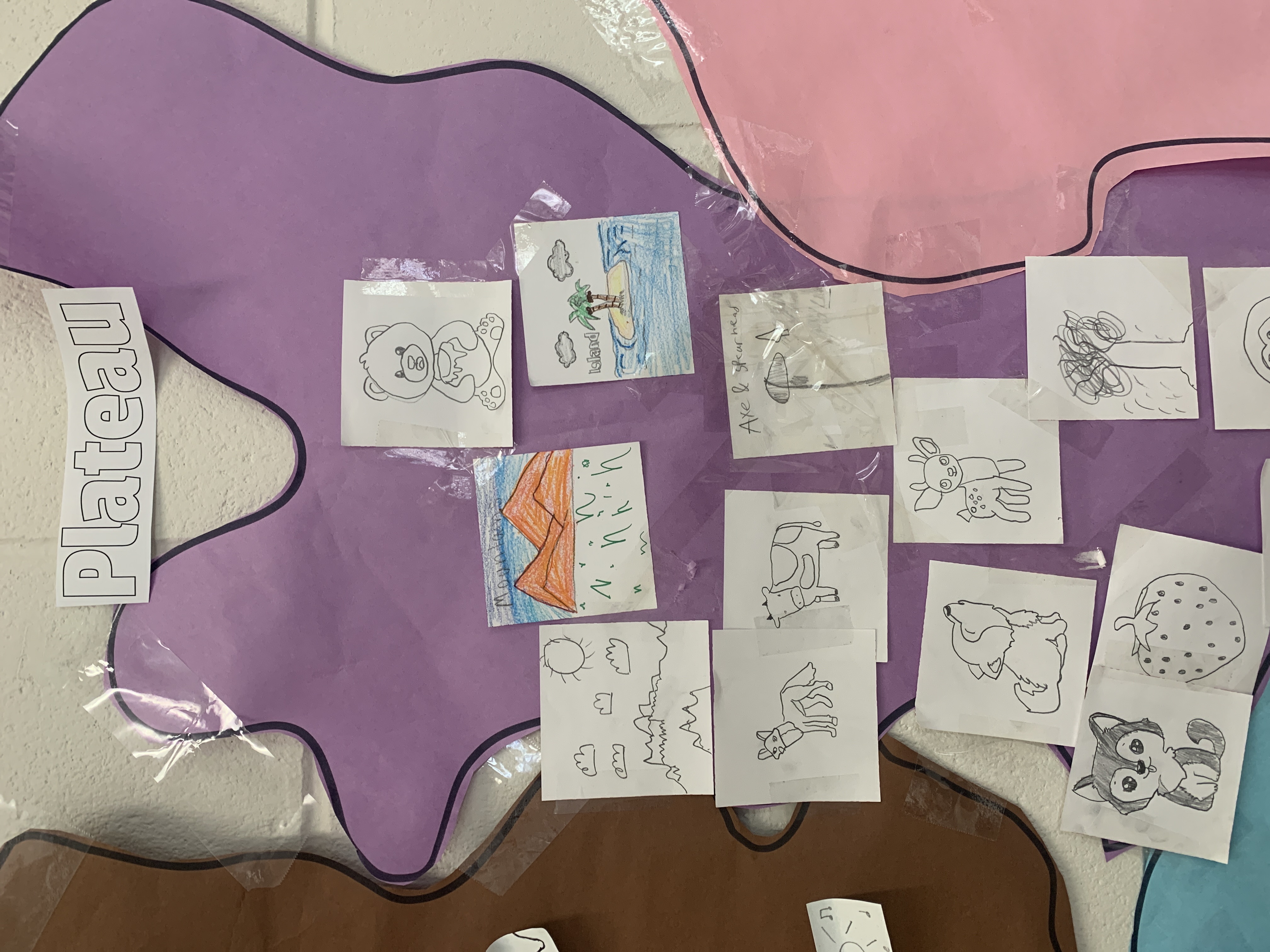
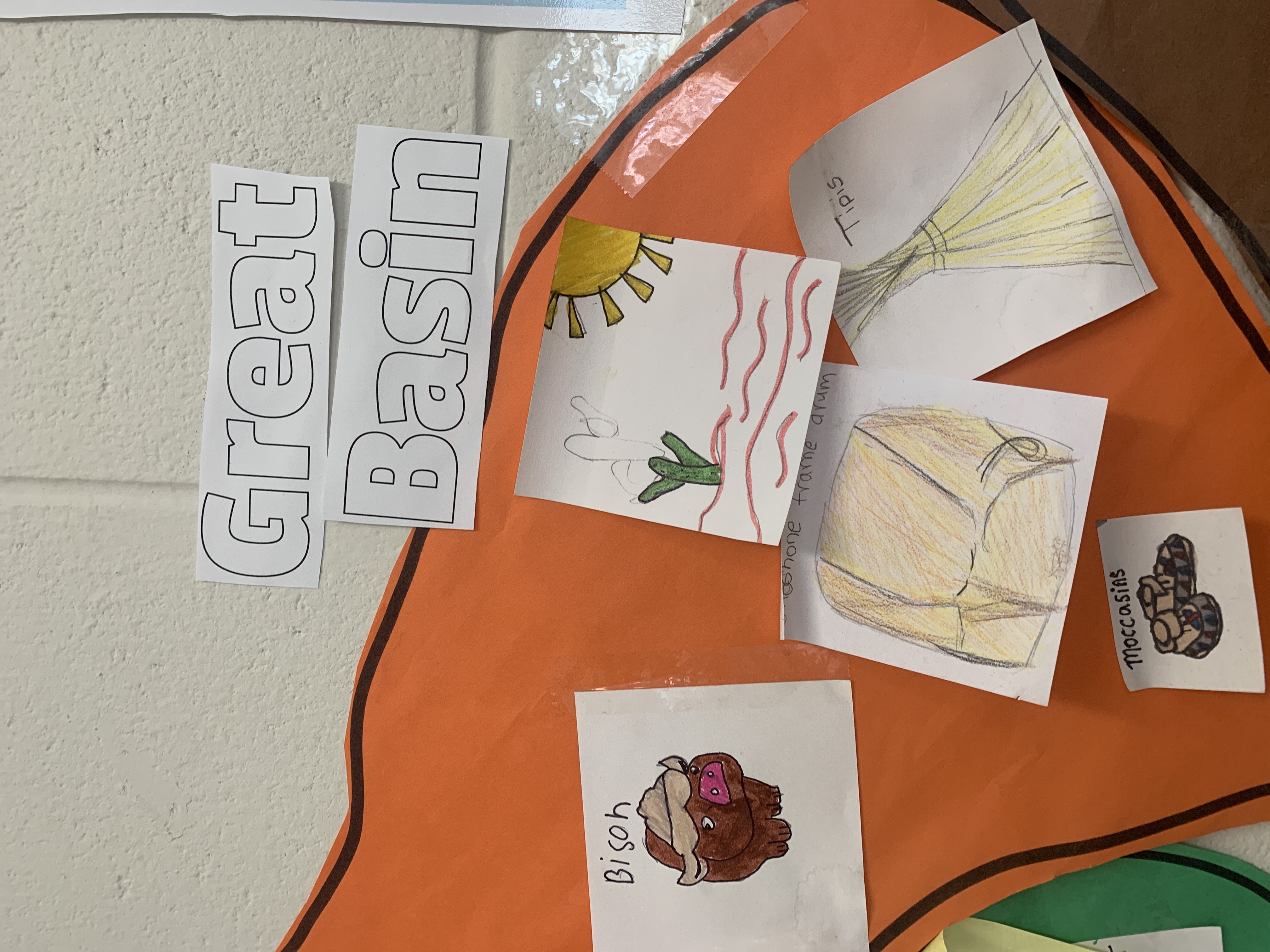
My students love adding drawings to the region they are investigating! Celebrating Native America culture has been a blast for these 5th graders!
Additional Info
Brielle Morgan from South Brunswick School District: NJ, 5th Grade
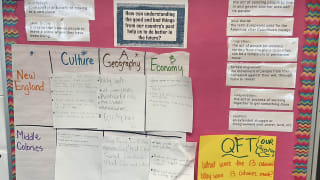
I like to use a jigsaw method when it comes to creating class anchor charts. This way, the students have more ownership of the information, and they have a chance to be leaders and present the information that they learned. The anchor chart that you see was created by student small groups who reread the text to collect information on the differences between the regional colonies. We also rephrase the essential question into our own words which helps ESL students and all students in my classroom to promote better understanding.
The Colonial Era
5th Grade
Wall Display

I like to use a jigsaw method when it comes to creating class anchor charts. This way, the students have more ownership of the information, and they have a chance to be leaders and present the information that they learned. The anchor chart that you see was created by student small groups who reread the text to collect information on the differences between the regional colonies. We also rephrase the essential question into our own words which helps ESL students and all students in my classroom to promote better understanding.
Additional Info
Elizabeth Nielsen from Skokie District 68: IL, 5th Grade
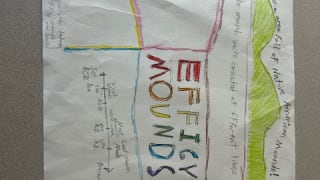
Students worked in small groups, presented to their classmates, and then we hung the posters in the hallway for the entire school to see.
Our State and Region
4th Grade
Final Product
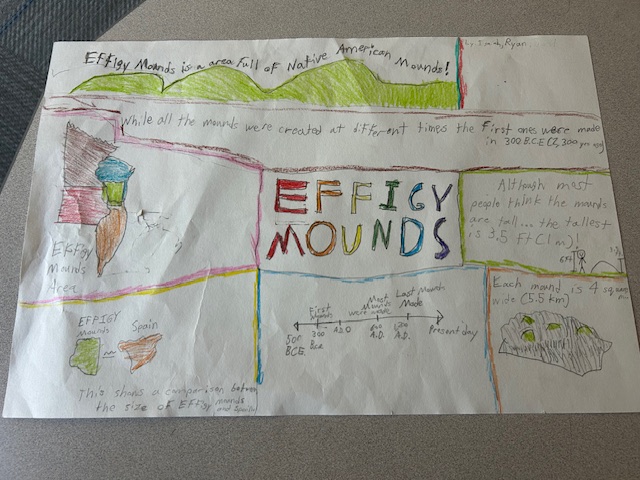
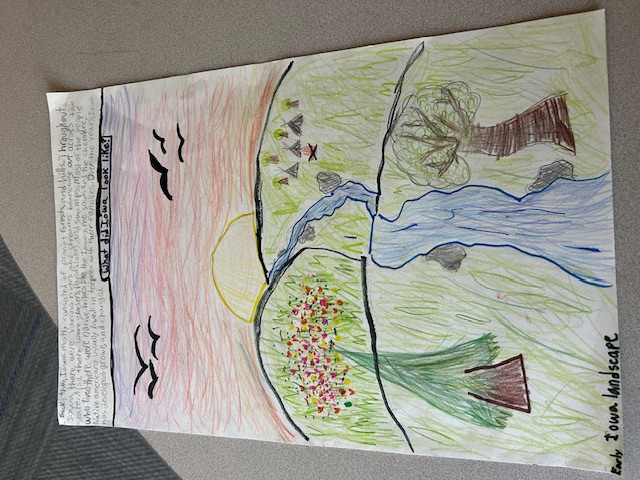
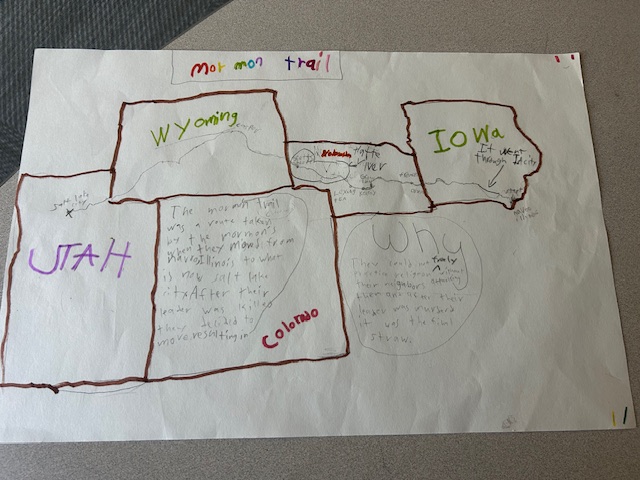
Students worked in small groups, presented to their classmates, and then we hung the posters in the hallway for the entire school to see.
Additional Info
Chelsea Dallman from Iowa City Community School District: IA, 4th Grade
No results found.
There are no results with this criteria. Try changing your search.