
Welcome to Inquiry Week!
March 2–6, 2026
All week long, we’re celebrating inquiry by lifting up real classroom work and the questions students and teachers are exploring. If inquiry is happening where you teach, you belong here. There are two ways to participate.
Submit Inquiry Work
Have inquiry work from your classroom? We’d love to see it. You can submit:
- Inquiry Walls or question charts
- Student-generated questions
- Teacher Inquiry Questions
- In-progress work from your classroom
- Anything else that shows inquiry in your classroom!
Share Inquiry Questions
Not ready to submit work yet? You can still join the conversation. Inquiry often starts with a question. A real one that students or teachers are wondering about right now. You can share your Inquiry Question by:
- Commenting on an Inquiry Week post on Instagram or LinkedIn
- Replying to one of our Inquiry Week emails
We’ll be highlighting Inquiry Questions all week so educators can learn from one another.
Share Inquiry Work
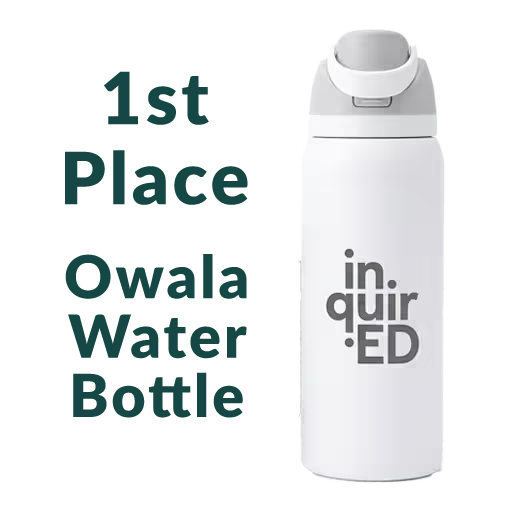
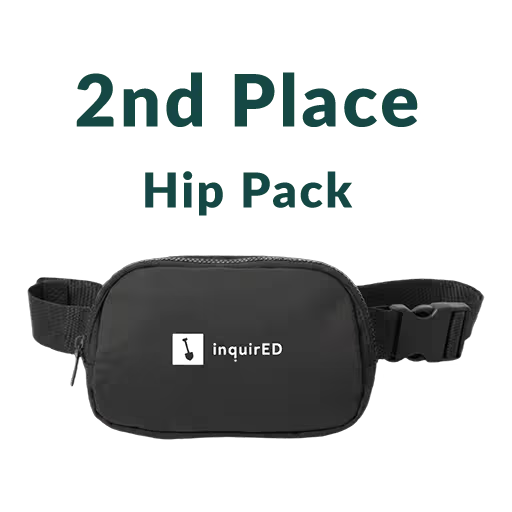
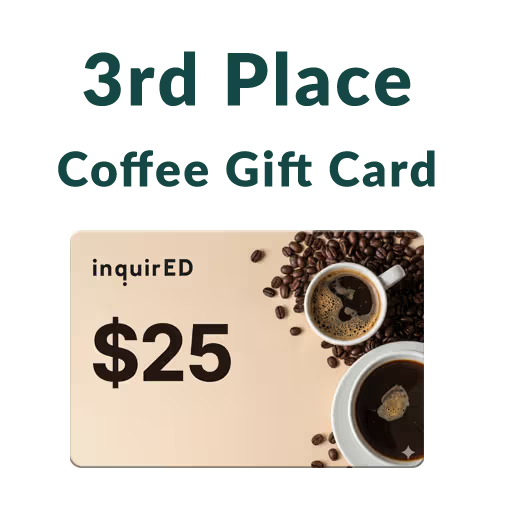
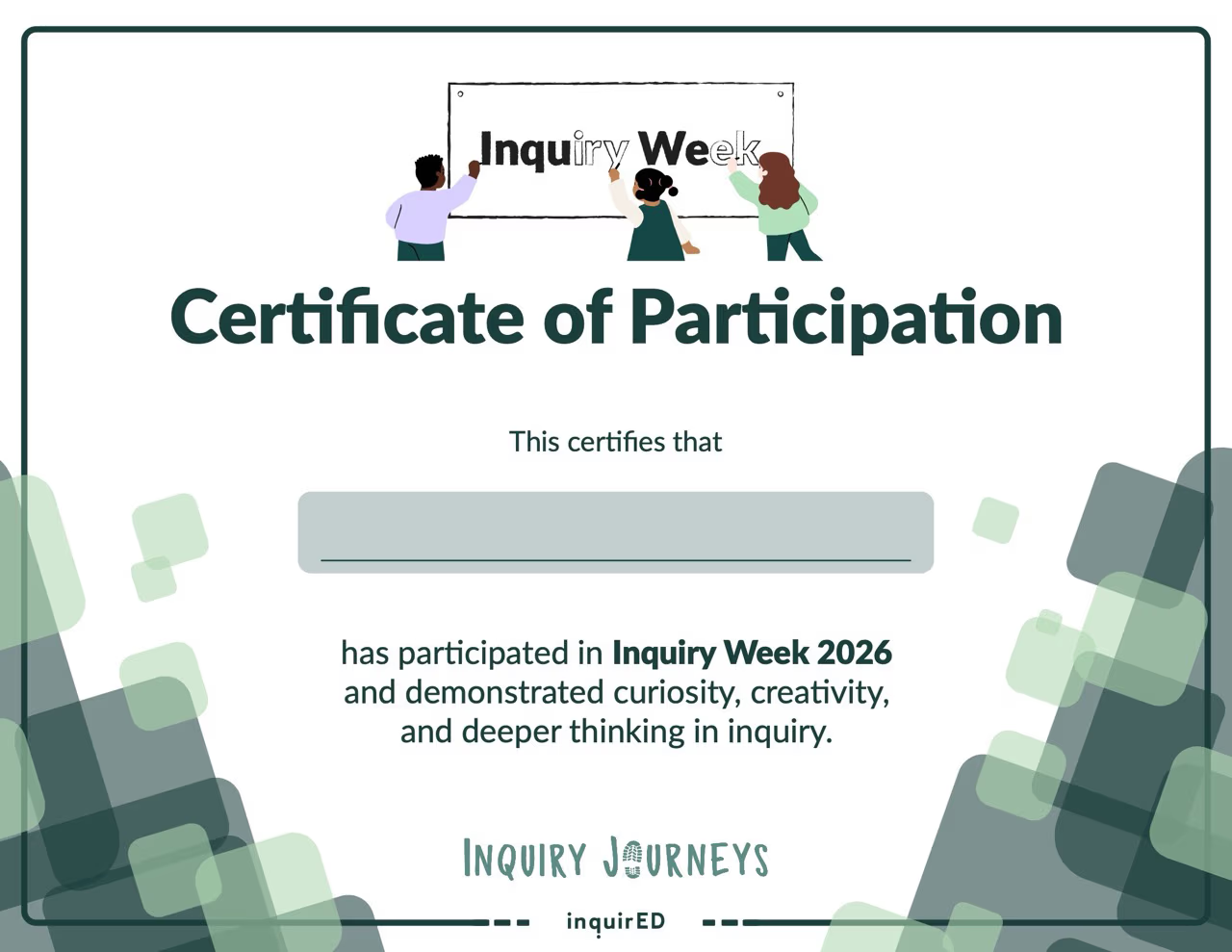
Celebrate your students!
Inquiry Week is also about celebrating students and the questions they bring to learning.
We’re sharing a student Inquiry Week certificate you can use to recognize students for their curiosity, questioning, and thinking. It’s a simple way to celebrate inquiry, whether your work feels finished or still in progress.
Contest FAQs

Do submissions need to be perfect?
No. We’re interested in the learning process, not polished final products.
Inquiry work might include student work, vocabulary, anchor charts, images, or other artifacts that show thinking over time. If it reflects real student questions and learning, it counts.
How will winners be chosen?
Submissions are reviewed for creativity, clarity, and how well they represent the inquiry process. Winning submissions may be featured in an Inquiry Work Gallery to help other educators see what inquiry can look like in real classrooms.
What file types can I submit?
You can submit:
- Images (JPG or PNG)
- Videos (MP4 or MOV) Files should be under 100 MB.
Do I need to submit physical copies of student work?
No. Digital submissions work great.
If space is limited, feel free to share smaller pieces of student work or snapshots that capture student thinking, reading, or writing in social studies.
Any tips for taking photos or videos of my inquiry work?
A few simple tips:
- Take more than one photo.
- Include at least one full view, plus a few close-ups.
- Make sure the image is bright and easy to read.
Clear photos help us see student thinking more clearly.
Looking for inspiration?
Explore examples from the Inquiry Work Gallery.
Click on a thumbnail below to expand and view more images.
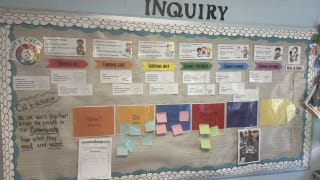
This unit was paired with our Money unit in math and our character traits unit in Language arts. Parents came in to talk about their businesses and how they got to where they are. We ended our unit with a market day. Students made homemade goods, they advertised them by making a poster and a video to first grade. First grade came in and shopped using the money (fake) they earned throughout the semester.
Economic Choices
2nd Grade
Wall Display
This unit was paired with our Money unit in math and our character traits unit in Language arts. Parents came in to talk about their businesses and how they got to where they are. We ended our unit with a market day. Students made homemade goods, they advertised them by making a poster and a video to first grade. First grade came in and shopped using the money (fake) they earned throughout the semester.
Additional Info
Christine Crutchfield from Mount Pisgah Christian School: GA, 2nd Grade
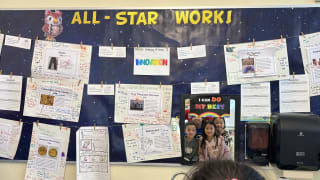
My second grade students LOVED this unit. We kicked the unit off with the QFT, and students did a gallery walk as they annotated the different invention posters. They shared their noticings and wonderings. You can see their “innovative” vocabulary sheets where their understandings of the term evolved throughout the lesson. We finished the unit with a biography presentation on an innovator of their choice!
Innovation
2nd Grade

My second grade students LOVED this unit. We kicked the unit off with the QFT, and students did a gallery walk as they annotated the different invention posters. They shared their noticings and wonderings. You can see their “innovative” vocabulary sheets where their understandings of the term evolved throughout the lesson. We finished the unit with a biography presentation on an innovator of their choice!
Additional Info
Lindsay Goddard from San Francisco Unified School District: CA, 2nd Grade

The hexagon mapping was from the Colonial America unit, but still is relevant so it has stayed on the wall. Nothing beautiful or cohesive, but we really do use what is on the wall as a resource. The TIP chart for vocabulary has cards so that we can take them down and interact with them, the timeline has grown as the unit progressed and the inquiry questions from the launch are visible and referenced periodically.
The American Revolution
5th Grade
Other
The hexagon mapping was from the Colonial America unit, but still is relevant so it has stayed on the wall. Nothing beautiful or cohesive, but we really do use what is on the wall as a resource. The TIP chart for vocabulary has cards so that we can take them down and interact with them, the timeline has grown as the unit progressed and the inquiry questions from the launch are visible and referenced periodically.
Additional Info
Betsy McMichael from Roaring Fork School District: CO, 5th Grade

Amazing student responses from Lesson 5 of the 5th module. Really great connection on opportunities and challenges and how they can take action!
The 20th Century Civil Rights Movement
3rd Grade
Handout
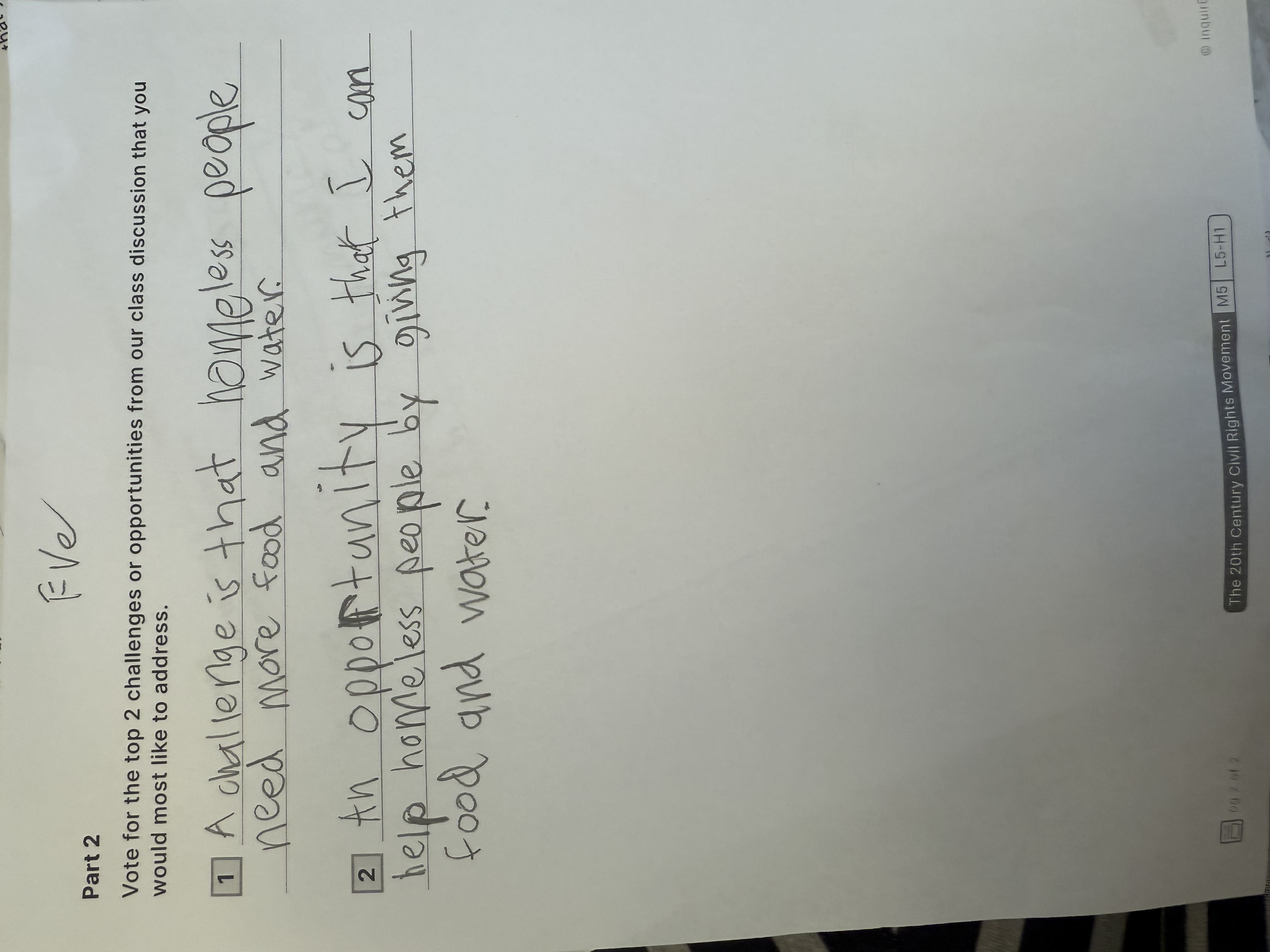
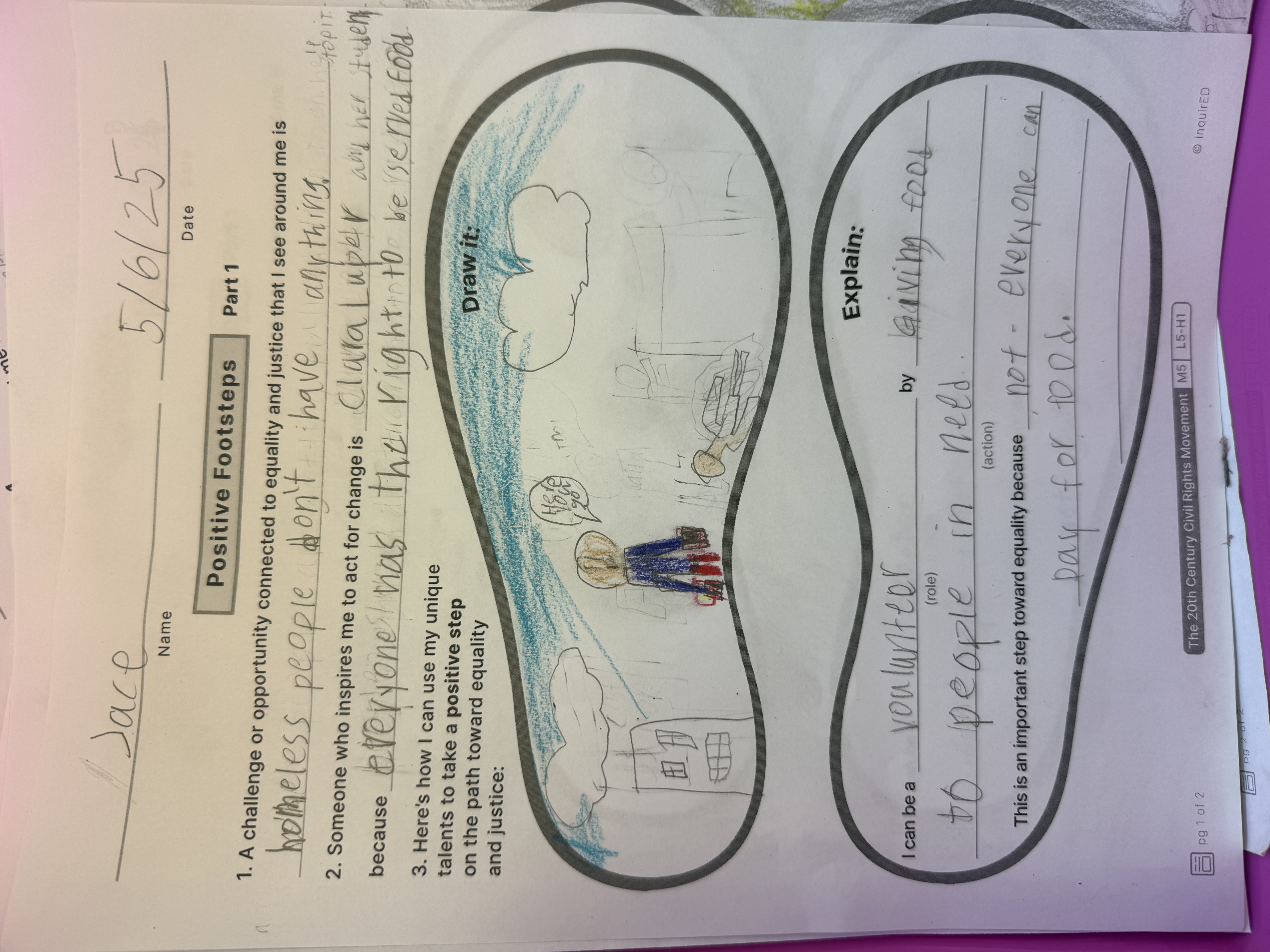
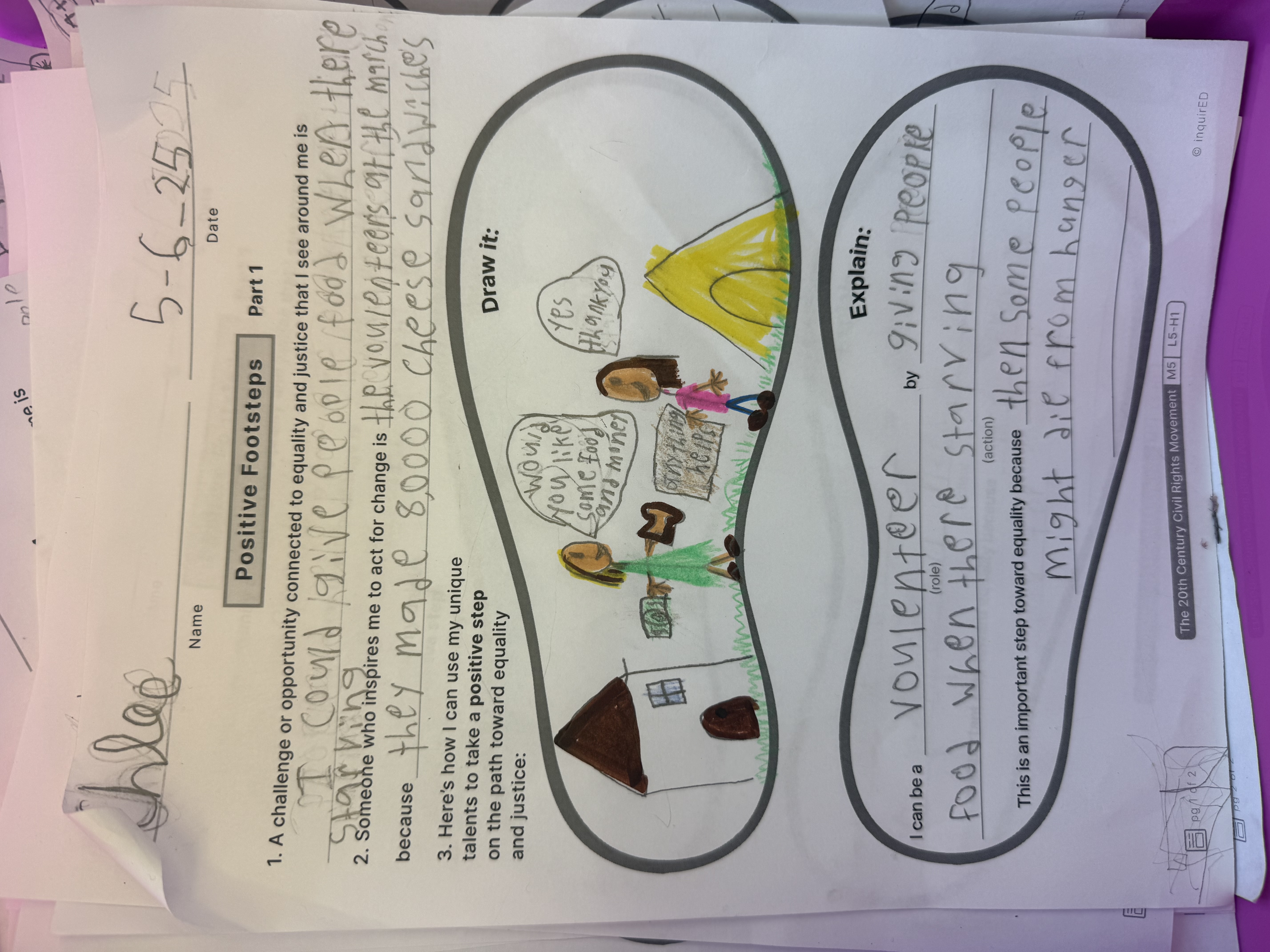
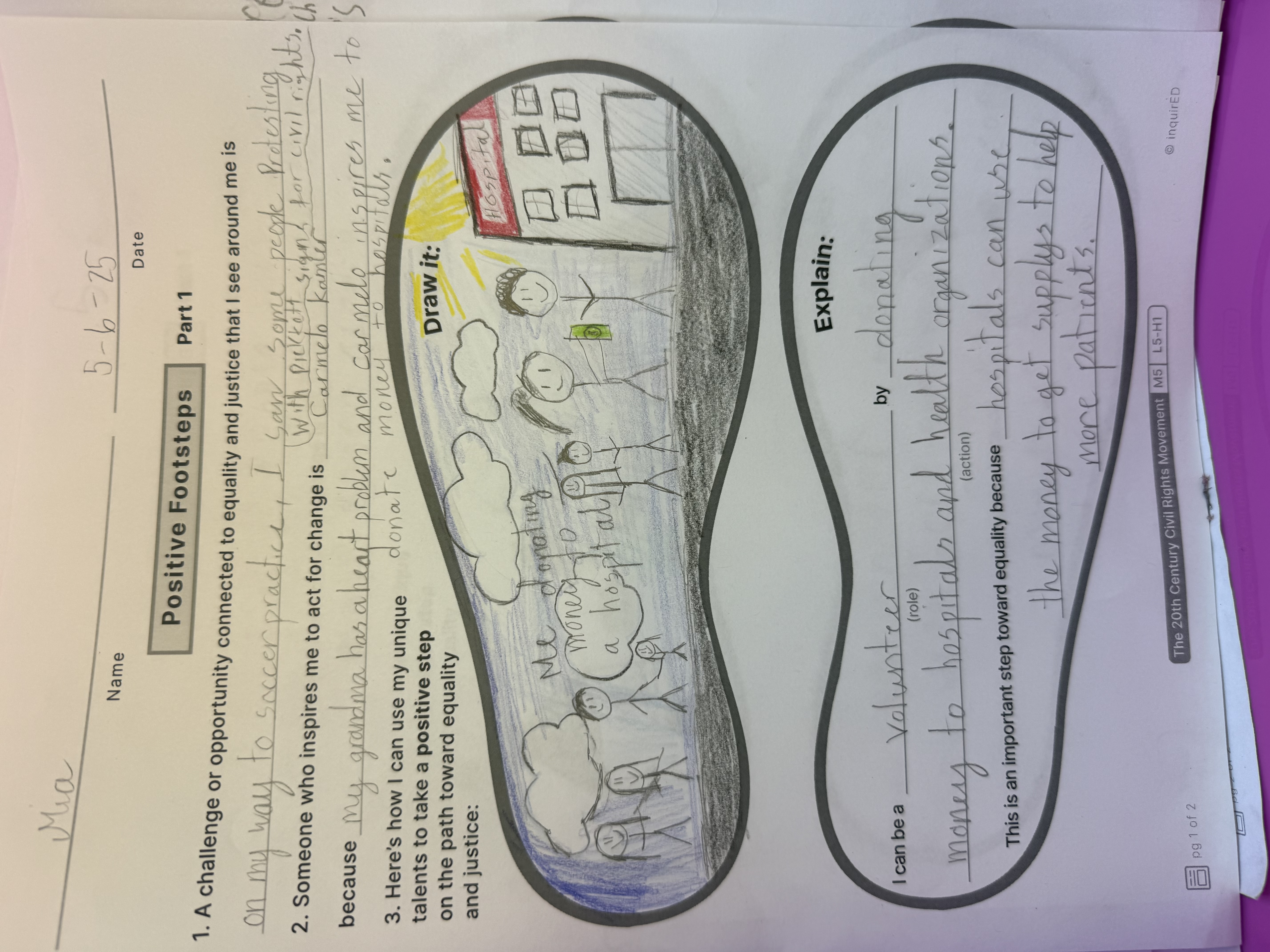
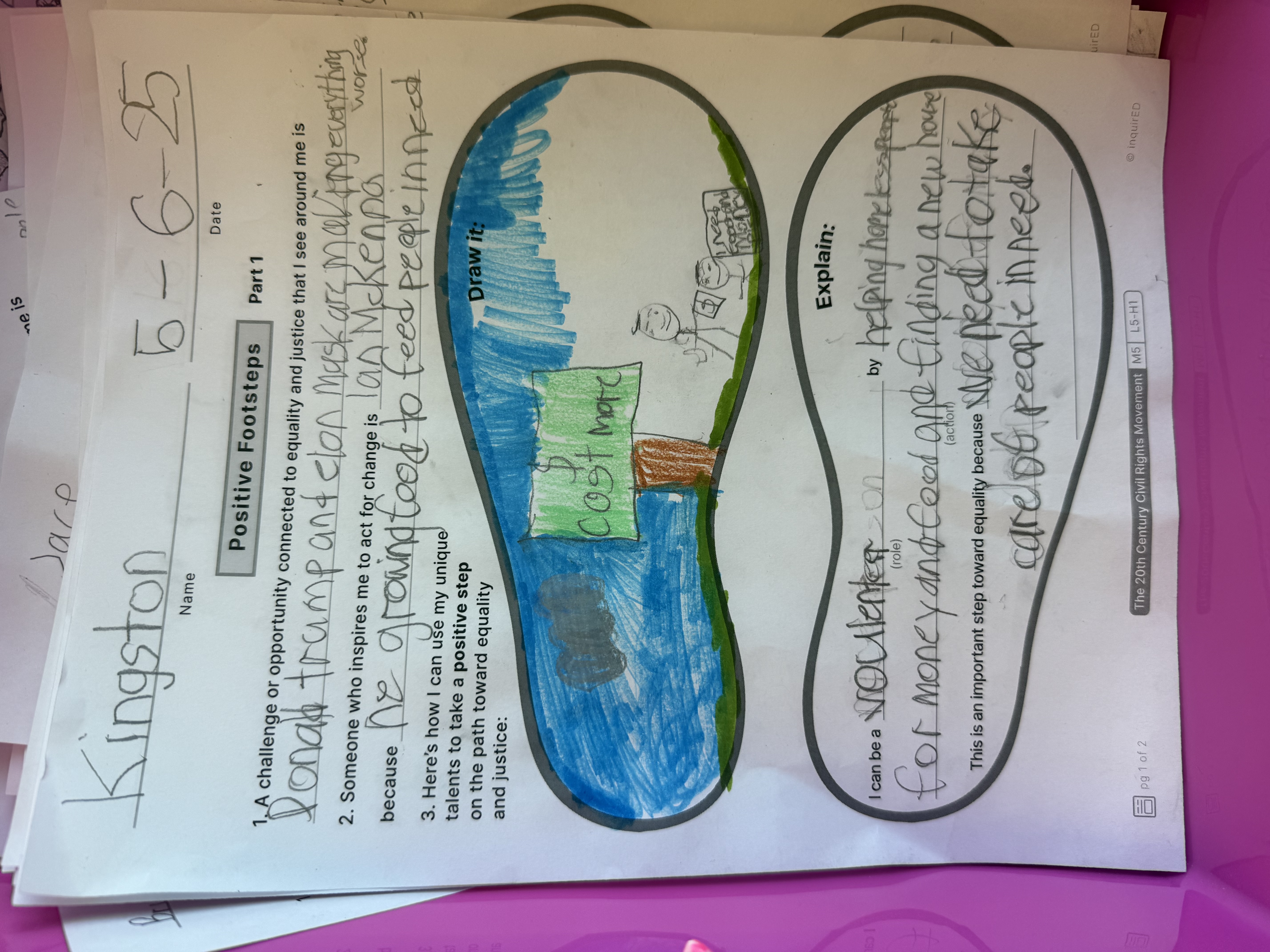
Amazing student responses from Lesson 5 of the 5th module. Really great connection on opportunities and challenges and how they can take action!
Additional Info
Maria-Elena Diaz from Alameda Unified School District: CA, 3rd Grade
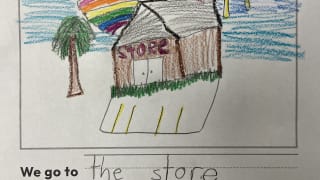
My students are learning SO much! They are engaged and making connections to the content with real-life situations and content.
Our Special Location
2nd Grade
Handout
My students are learning SO much! They are engaged and making connections to the content with real-life situations and content.
Additional Info
from , 2nd Grade
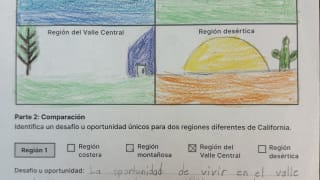
This work is after finishing up our module on California Regions.
Our State and Region
4th Grade
Handout
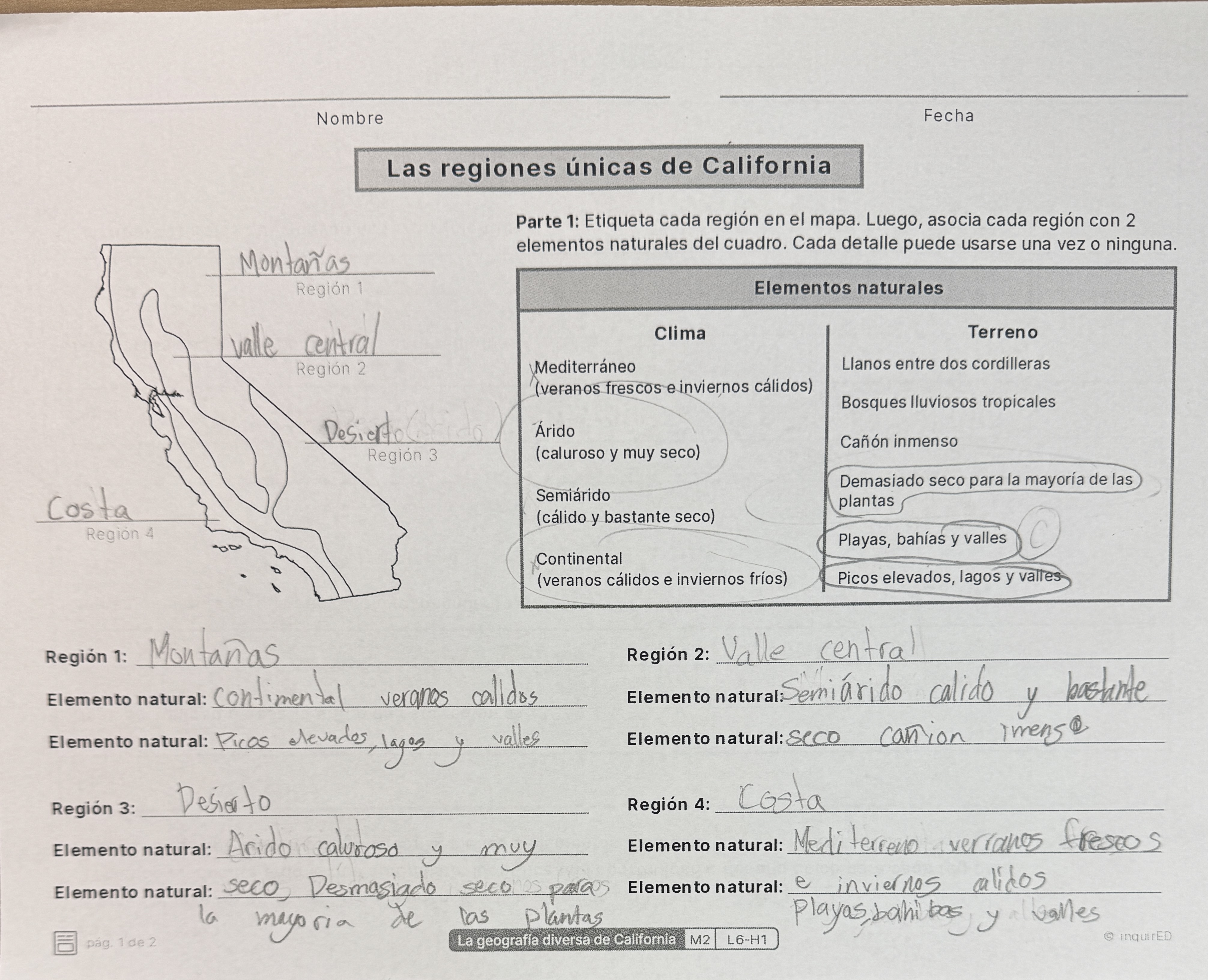
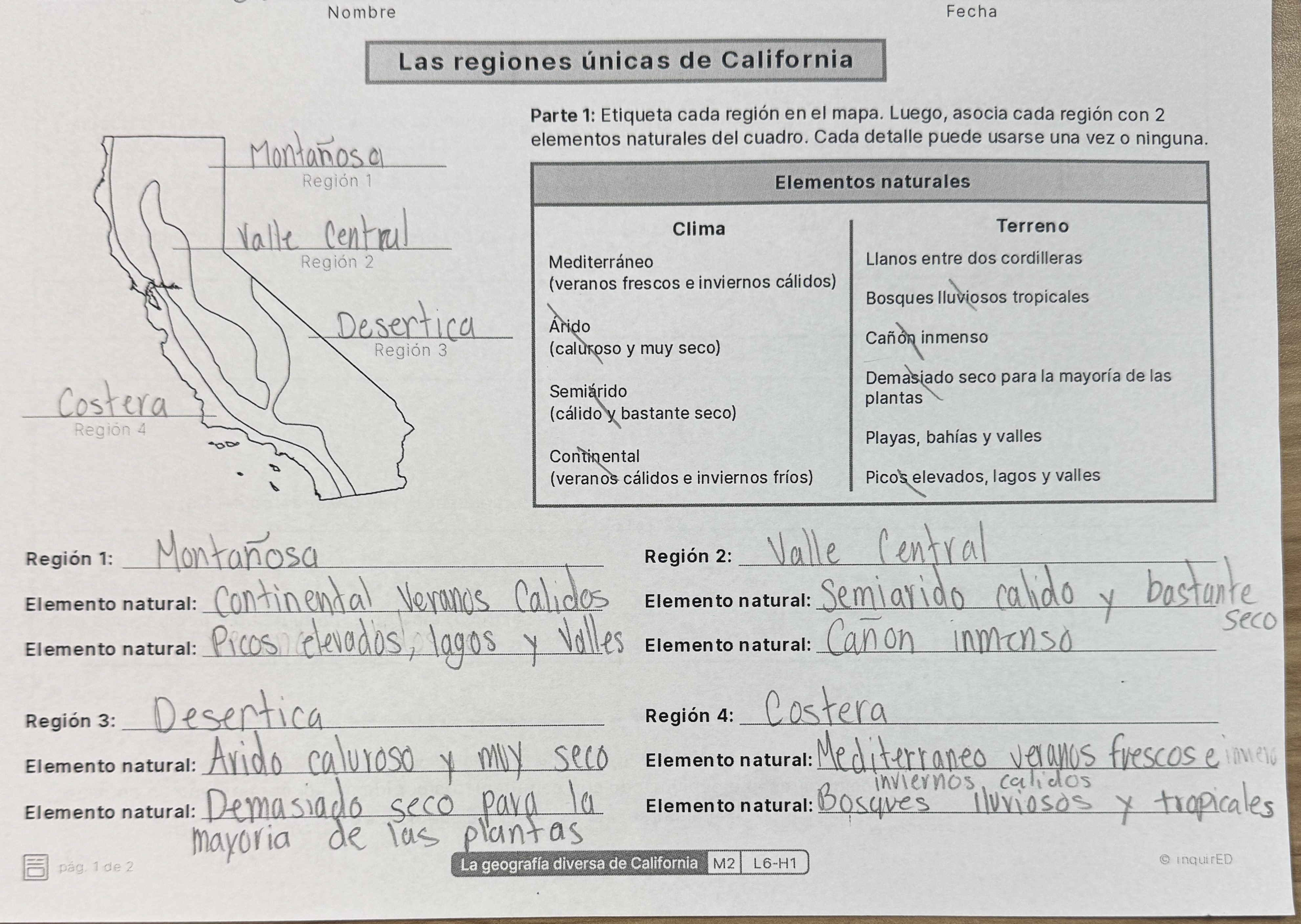
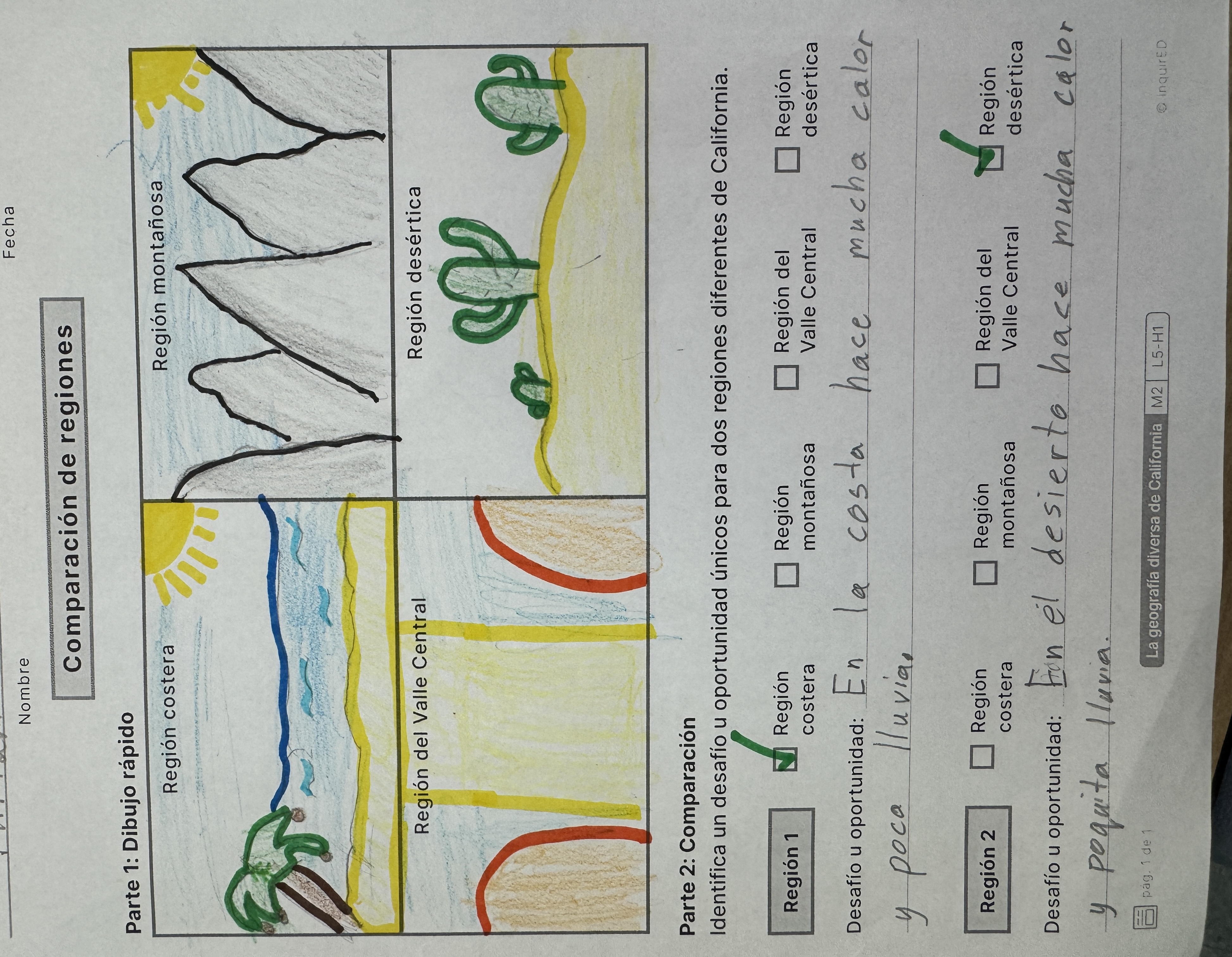
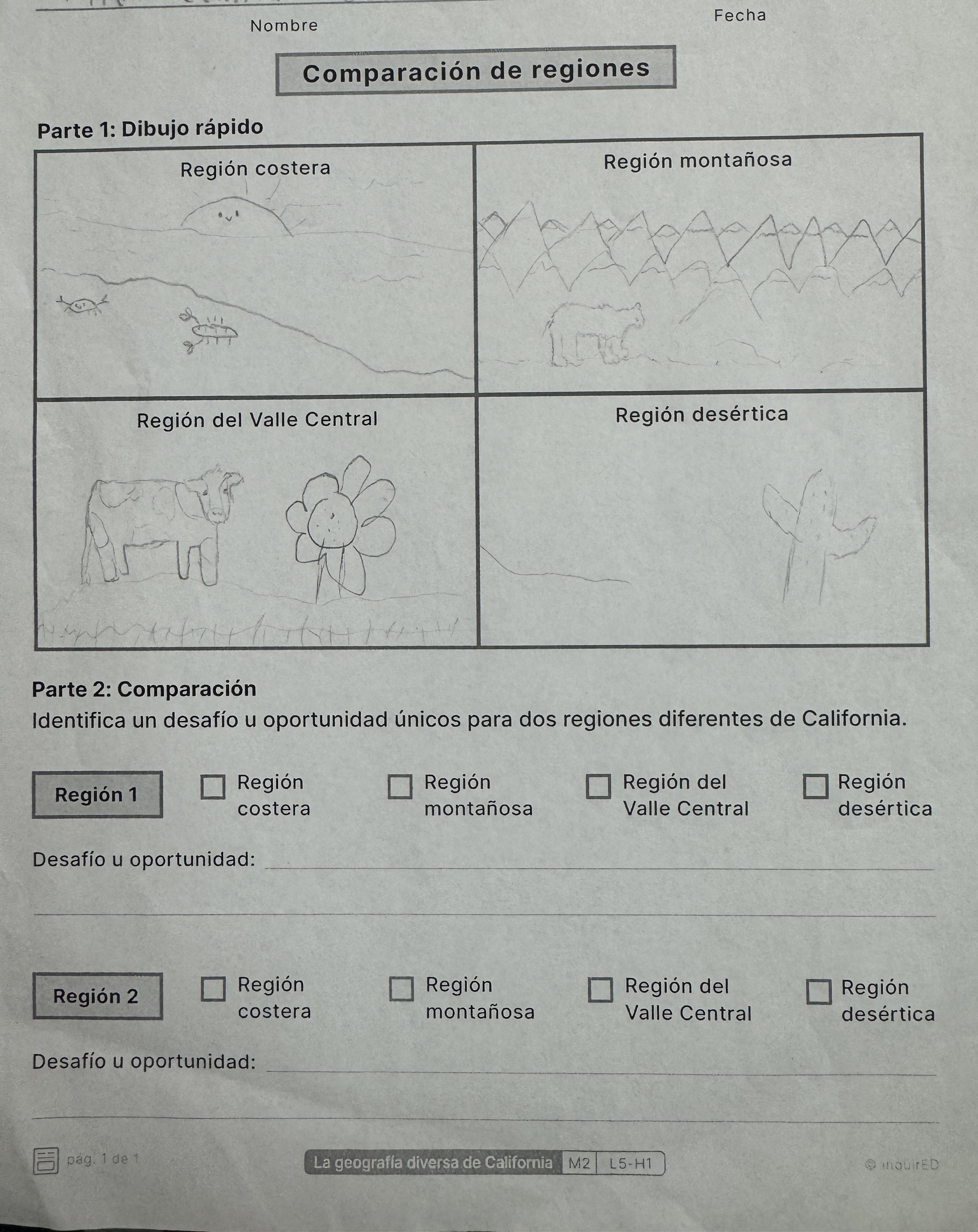
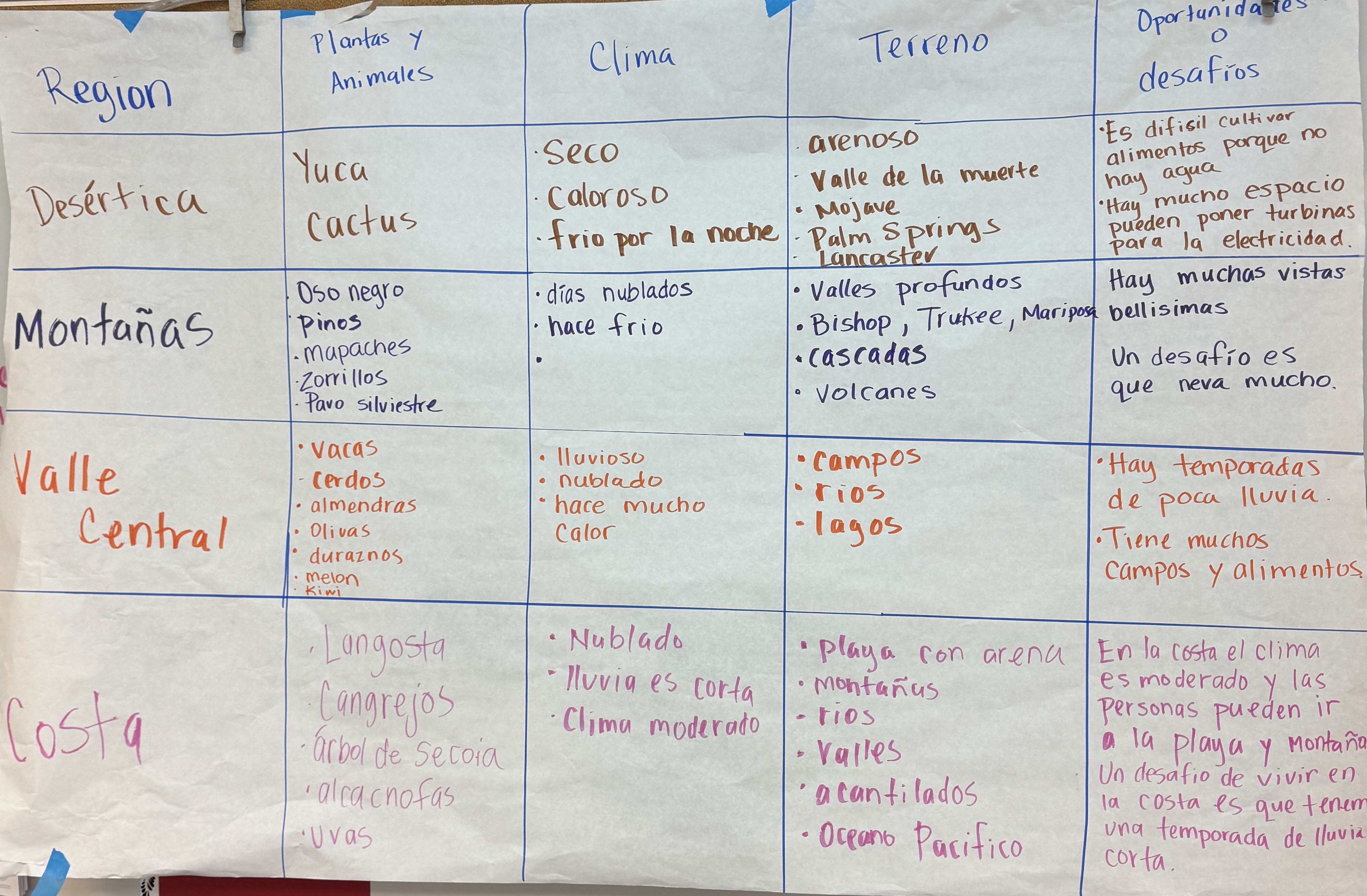
This work is after finishing up our module on California Regions.
Additional Info
Olga Velasco from Rio School District: CA, 4th Grade
We created this map of the school after we did a tour of the special places in our school and discussed the expectations/norms in each area. We had a blast!
Navigating School
Kindergarten
Wall Display
We created this map of the school after we did a tour of the special places in our school and discussed the expectations/norms in each area. We had a blast!
Additional Info
Anne -Levy from Alameda Unified School District: CA, Kindergarten

Students had $20 to budget for a party using one of the lessons from the unit. I open up a store with little cards that they receive with the items they decide to purchase. Then they draw a picture and glue their items on it. Finally students write a paragraph that with a topic sentence, details and conclusion. Their paragraph should include things they chose to buy, something they would've liked to buy but couldn't afford and finally if they had any money left over. I then put these out in the hallway on our bulletin board for parents to see during parent conferences in the fall.
Meeting Needs and Wants
2nd Grade
Handout
Students had $20 to budget for a party using one of the lessons from the unit. I open up a store with little cards that they receive with the items they decide to purchase. Then they draw a picture and glue their items on it. Finally students write a paragraph that with a topic sentence, details and conclusion. Their paragraph should include things they chose to buy, something they would've liked to buy but couldn't afford and finally if they had any money left over. I then put these out in the hallway on our bulletin board for parents to see during parent conferences in the fall.
Additional Info
Cynthia Lopez from Canby School District: OR, 2nd Grade

Students collaborated in groups of 4 to conduct research and find information to describe their region. The next step in this process was an oral presentation of each region. Each group condensed its section onto a notecard (per person) and delivered the content verbally while the remaining students took notes. They had to choose the most salient information and speak slowly and clearly so that the rest of the students could take notes. They put a lot of thought into which elements gave the best picture of their region.
Native America
5th Grade
Handout
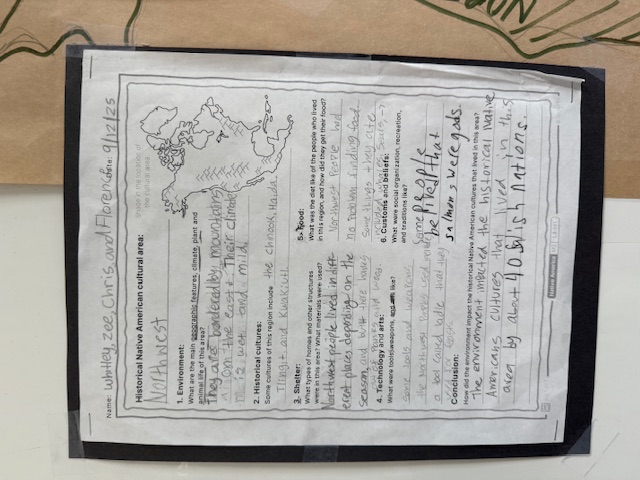
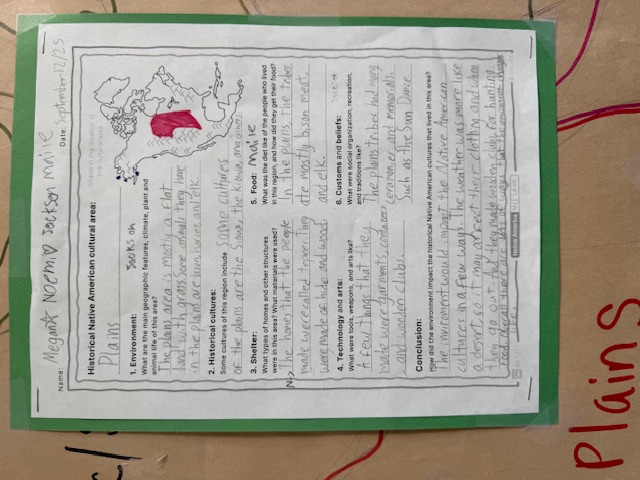

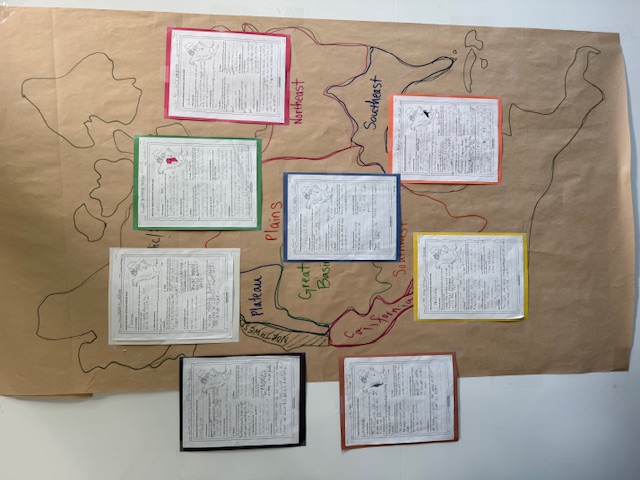
Students collaborated in groups of 4 to conduct research and find information to describe their region. The next step in this process was an oral presentation of each region. Each group condensed its section onto a notecard (per person) and delivered the content verbally while the remaining students took notes. They had to choose the most salient information and speak slowly and clearly so that the rest of the students could take notes. They put a lot of thought into which elements gave the best picture of their region.
Additional Info
Jennifer O'Toole from Rio School District: CA, 5th Grade

We attend an IB school. We love inquiry. This is our community project. We wanted to help our community by solving the Lanternfly problem. We started with a questions. What we wonder and what we already knew. We read books and researched on the computer. We wrote the problem and reported our findings. We took action and killed them. We tally how much we killed in one week. We mapped where they are and where they are going. We presented our findings to guest visitors. We took feedback and reflected on our decision to kill them. We talked about other ways to help our community.
Navigating School
Kindergarten
Anchor Chart
We attend an IB school. We love inquiry. This is our community project. We wanted to help our community by solving the Lanternfly problem. We started with a questions. What we wonder and what we already knew. We read books and researched on the computer. We wrote the problem and reported our findings. We took action and killed them. We tally how much we killed in one week. We mapped where they are and where they are going. We presented our findings to guest visitors. We took feedback and reflected on our decision to kill them. We talked about other ways to help our community.
Additional Info
Beverly Shelton from Alexandria City Public Schools: VA, Kindergarten
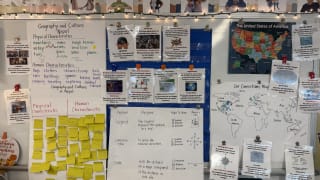
Our 3rd grade classes, during a Think-Pair-Share, generated a list of the physical and human characteristics of Nepal. Next, they wrote out “I See” statements on sticky notes and then added them to our inquiry wall on the Geography and Culture Anchor Chart. Then they examined the images of the countries from their Plane Ticket to find out more about the physical and human characteristics of those countries.
Global Connections
3rd Grade
Wall Display

Our 3rd grade classes, during a Think-Pair-Share, generated a list of the physical and human characteristics of Nepal. Next, they wrote out “I See” statements on sticky notes and then added them to our inquiry wall on the Geography and Culture Anchor Chart. Then they examined the images of the countries from their Plane Ticket to find out more about the physical and human characteristics of those countries.
Additional Info
Jennifer Duzinskas from Maywood School District 89: IL, 3rd Grade

Anchor chart from the "Kids Take Action" lesson featuring our own Changemaker, Carmelo. He wasn’t inspired he was proud to share how he is already taking steps toward addressing an issue that impacts him by raising money for celiac research and one day a treatment or even a cure! He is the artist, leader, organizer, and Colette’s of his own brand because all of his profits are donated to his cause. Anchor chart featuring the class’s questions at the beginning of the lesson. Amazing questions like Why did they start slavery? How can kids take steps toward equality and justice? Why are people still racist and not treating people equally? Will we ever end racism? Can kids hold small marches to protest?
The 20th Century Civil Rights Movement
3rd Grade
Anchor Chart
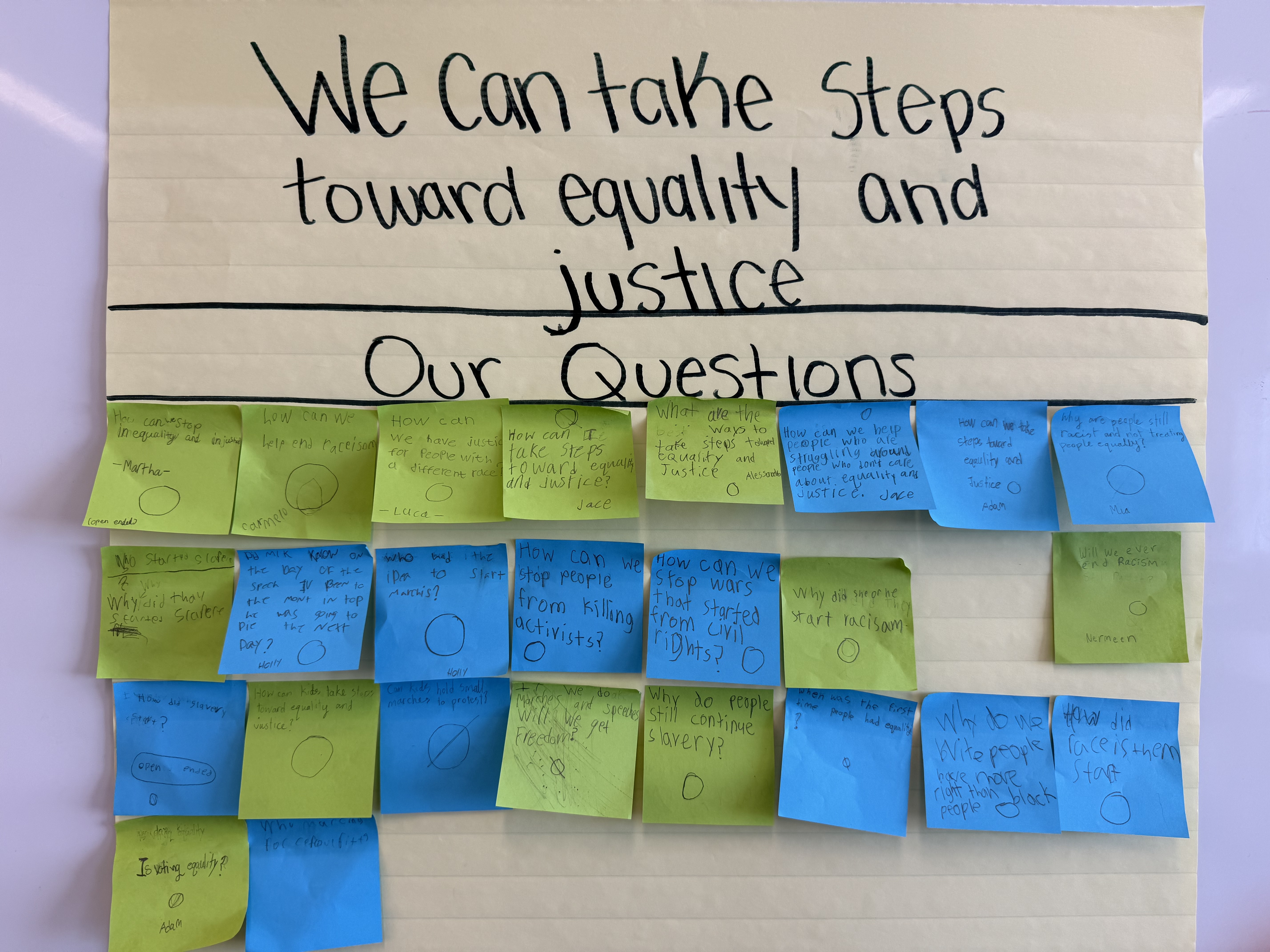
Anchor chart from the "Kids Take Action" lesson featuring our own Changemaker, Carmelo. He wasn’t inspired he was proud to share how he is already taking steps toward addressing an issue that impacts him by raising money for celiac research and one day a treatment or even a cure! He is the artist, leader, organizer, and Colette’s of his own brand because all of his profits are donated to his cause. Anchor chart featuring the class’s questions at the beginning of the lesson. Amazing questions like Why did they start slavery? How can kids take steps toward equality and justice? Why are people still racist and not treating people equally? Will we ever end racism? Can kids hold small marches to protest?
Additional Info
Maria-Elena Diaz from Alameda Unified School District: CA, 3rd Grade
No results found.
There are no results with this criteria. Try changing your search.