
Welcome to Inquiry Week!
March 2–6, 2026
All week long, we’re celebrating inquiry by lifting up real classroom work and the questions students and teachers are exploring. If inquiry is happening where you teach, you belong here. There are two ways to participate.
Submit Inquiry Work
Have inquiry work from your classroom? We’d love to see it. You can submit:
- Inquiry Walls or question charts
- Student-generated questions
- Teacher Inquiry Questions
- In-progress work from your classroom
- Anything else that shows inquiry in your classroom!
Share Inquiry Questions
Not ready to submit work yet? You can still join the conversation. Inquiry often starts with a question. A real one that students or teachers are wondering about right now. You can share your Inquiry Question by:
- Commenting on an Inquiry Week post on Instagram or LinkedIn
- Replying to one of our Inquiry Week emails
We’ll be highlighting Inquiry Questions all week so educators can learn from one another.
Share Inquiry Work
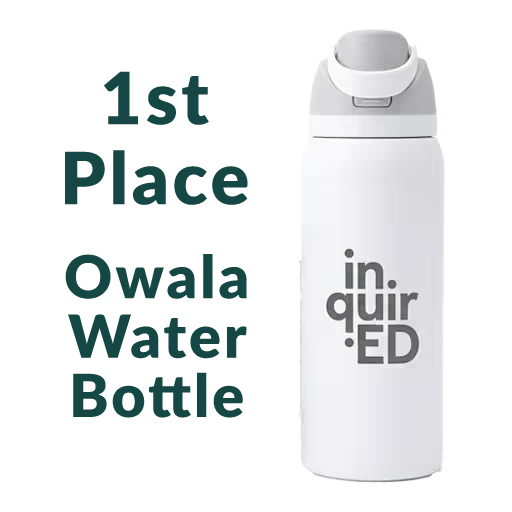
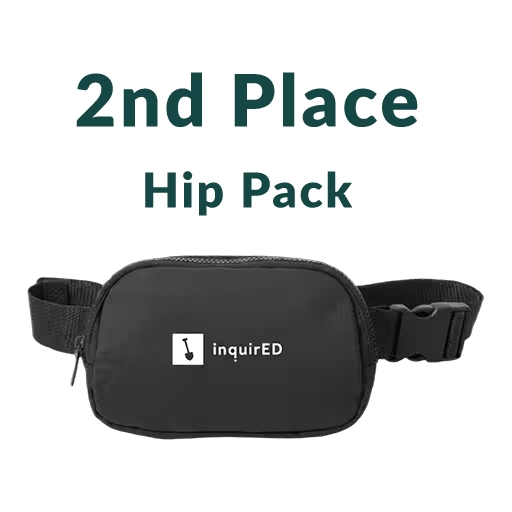
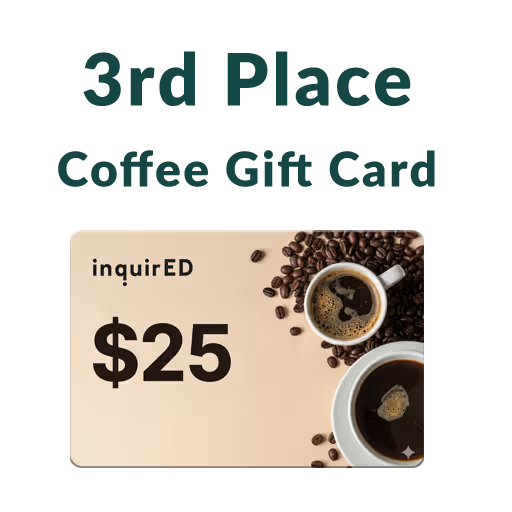
Celebrate your students!
Inquiry Week is also about celebrating students and the questions they bring to learning.
We’re sharing a student Inquiry Week certificate you can use to recognize students for their curiosity, questioning, and thinking. It’s a simple way to celebrate inquiry, whether your work feels finished or still in progress.
Contest FAQs

Do submissions need to be perfect?
No. We’re interested in the learning process, not polished final products.
Inquiry work might include student work, vocabulary, anchor charts, images, or other artifacts that show thinking over time. If it reflects real student questions and learning, it counts.
How will winners be chosen?
Submissions are reviewed for creativity, clarity, and how well they represent the inquiry process. Winning submissions may be featured in an Inquiry Work Gallery to help other educators see what inquiry can look like in real classrooms.
What file types can I submit?
You can submit:
- Images (JPG or PNG)
- Videos (MP4 or MOV) Files should be under 100 MB.
Do I need to submit physical copies of student work?
No. Digital submissions work great.
If space is limited, feel free to share smaller pieces of student work or snapshots that capture student thinking, reading, or writing in social studies.
Any tips for taking photos or videos of my inquiry work?
A few simple tips:
- Take more than one photo.
- Include at least one full view, plus a few close-ups.
- Make sure the image is bright and easy to read.
Clear photos help us see student thinking more clearly.
Looking for inspiration?
Explore examples from the Inquiry Work Gallery.
Click on a thumbnail below to expand and view more images.
This is a family quilt my first grade scholars made about why their families are special. We also included each students fingerprint to show they are unique.
Families Near and Far
1st Grade
Handout
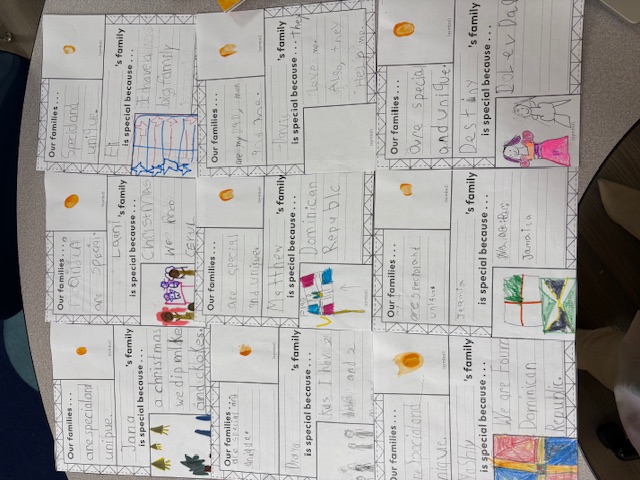
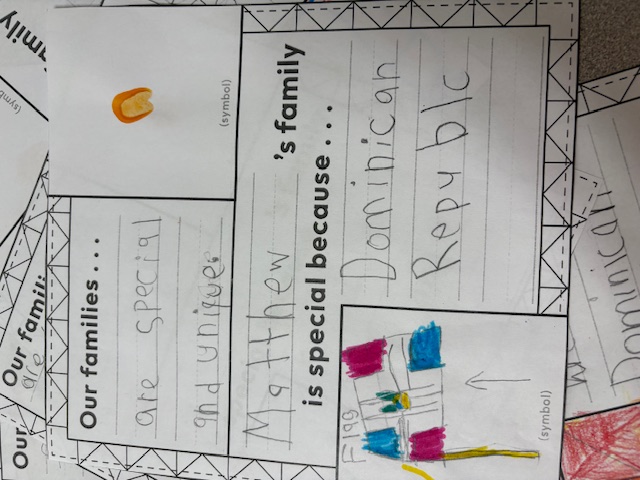
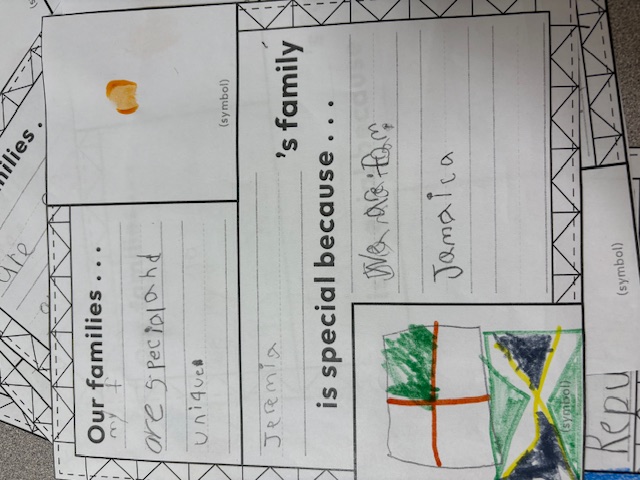
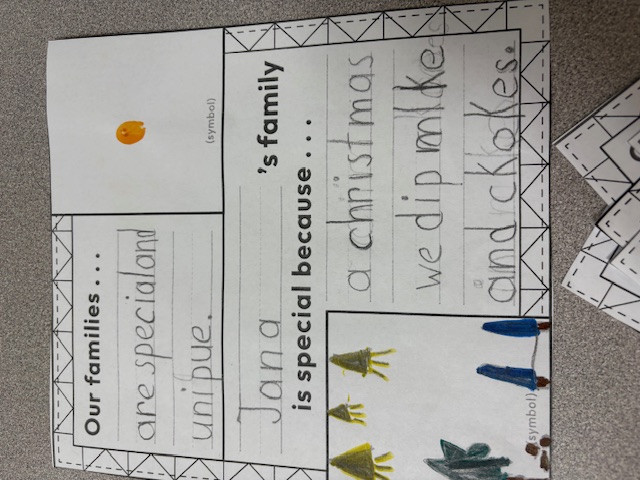
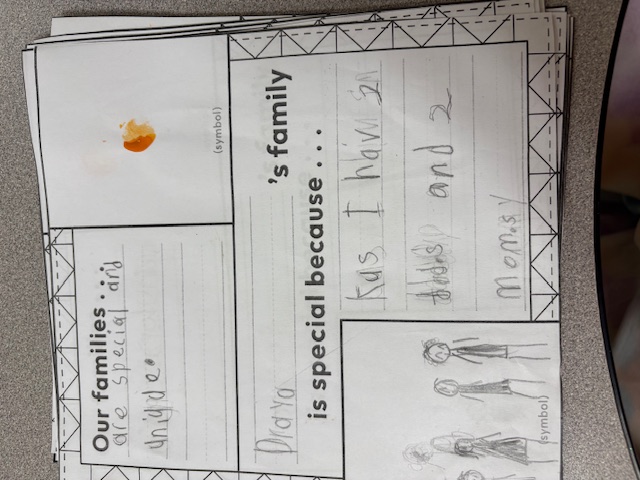
This is a family quilt my first grade scholars made about why their families are special. We also included each students fingerprint to show they are unique.
Additional Info
from , 1st Grade
We love making these infographics on Jamestown and Plymouth. It is a great way for students to practice making a claim and supporting it using specific evidence which we do in both reading and writing.
The Colonial Era
5th Grade
Other
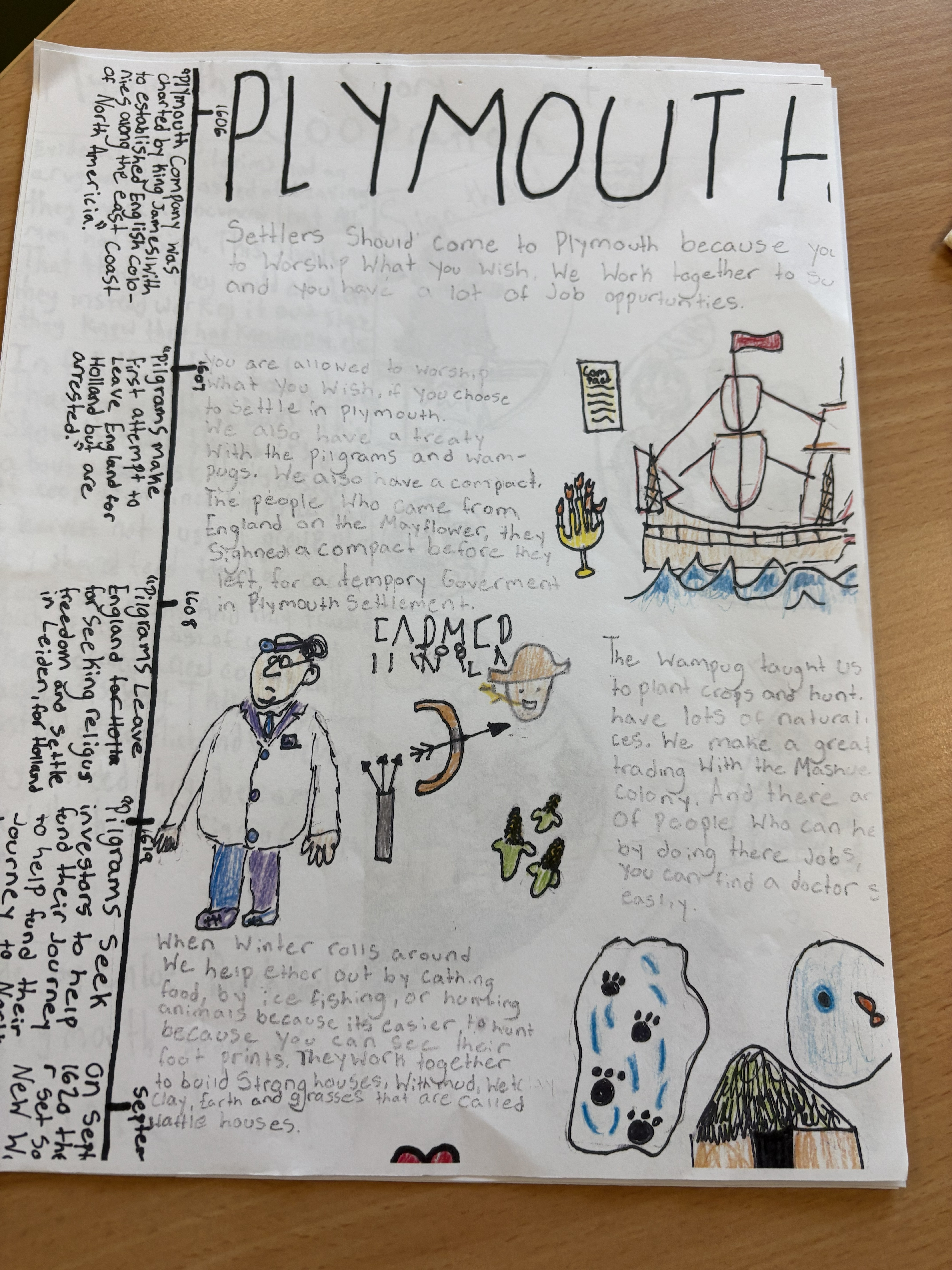
We love making these infographics on Jamestown and Plymouth. It is a great way for students to practice making a claim and supporting it using specific evidence which we do in both reading and writing.
Additional Info
Ashley Bestor from Kettle Moraine SD: WI, 5th Grade
I created a road using thin strips of black paper and craypas. Students were given a half-sheet of paper and told to create a place in our community where our needs were met. I went to the workroom and got some scraps so they could make windows and other shapes for their buildings. Some students made the same building and we put them together to make a two story building. It has been a great conversation piece for when new places come up (could we add that to "Our Community?" Do we have ______ in our community already? Where in the community would you go to meet this need or want?
Meeting Needs and Wants
2nd Grade
Wall Display
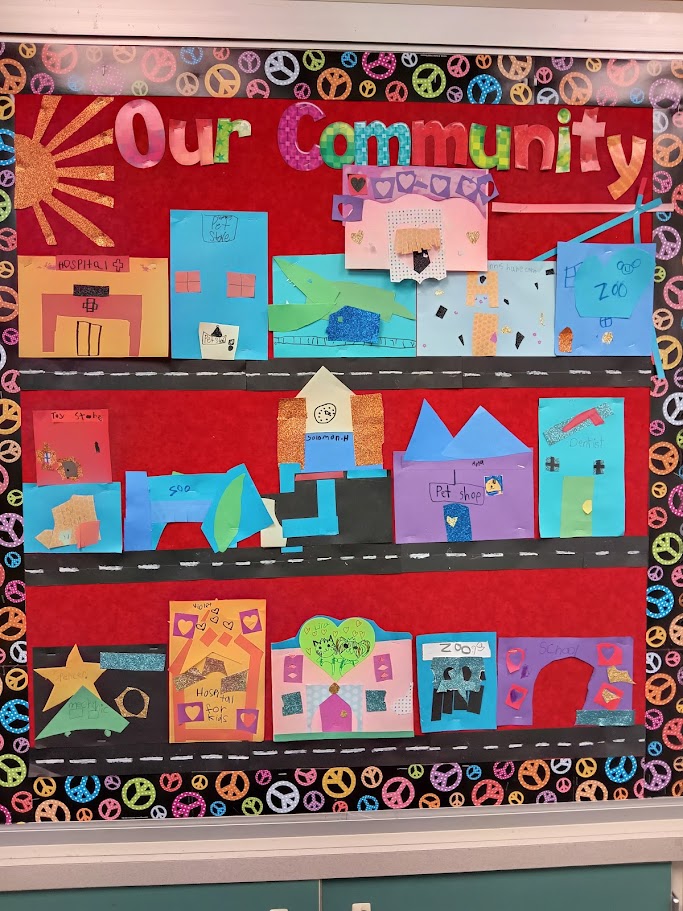
I created a road using thin strips of black paper and craypas. Students were given a half-sheet of paper and told to create a place in our community where our needs were met. I went to the workroom and got some scraps so they could make windows and other shapes for their buildings. Some students made the same building and we put them together to make a two story building. It has been a great conversation piece for when new places come up (could we add that to "Our Community?" Do we have ______ in our community already? Where in the community would you go to meet this need or want?
Additional Info
from , 2nd Grade
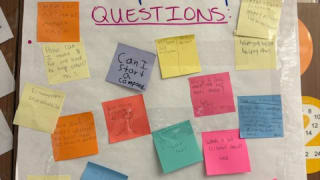
This is my third year using InquirEd and it always amazes me just how much 9 and 10 year olds already know about economics. For example, they might not call their economic choices "opportunity cost," but they are well aware that by making a choice, they are giving up something else.
Economic Choices
4th Grade
Wall Display
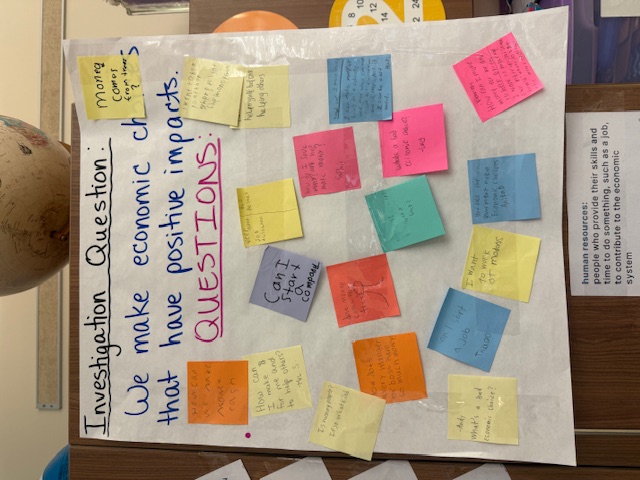
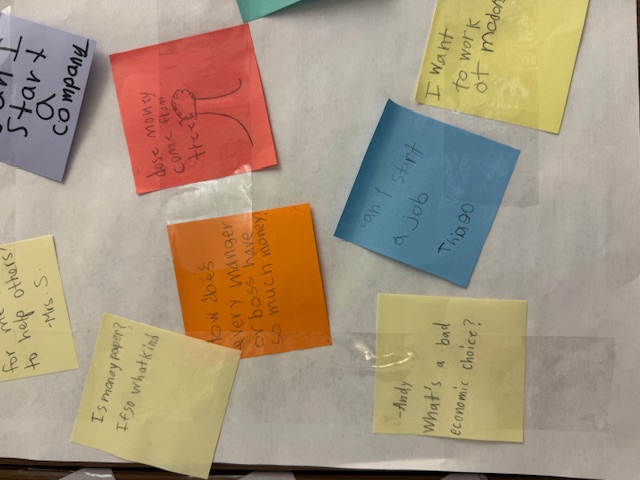
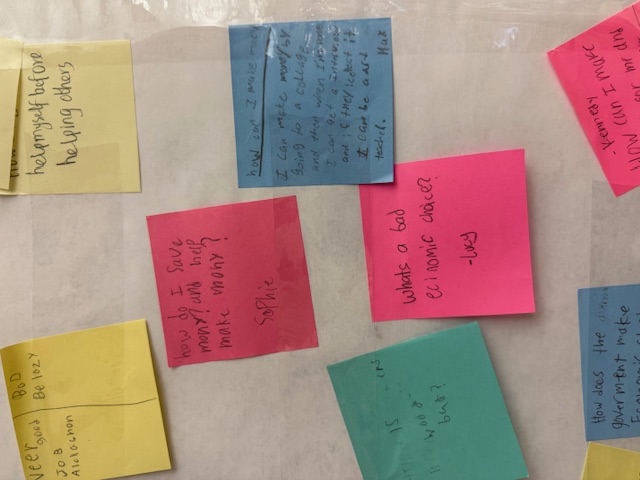
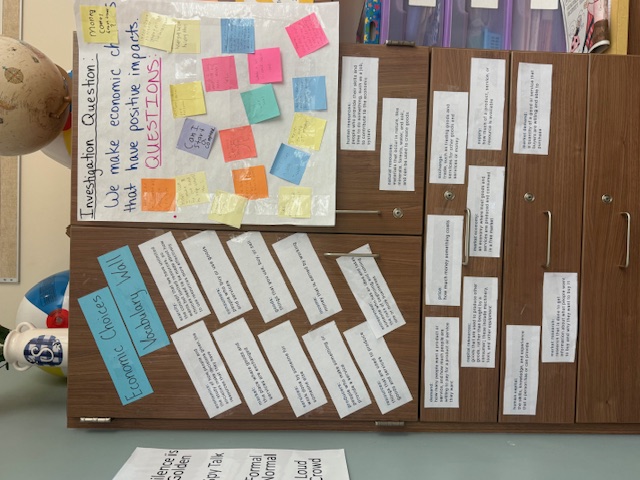
This is my third year using InquirEd and it always amazes me just how much 9 and 10 year olds already know about economics. For example, they might not call their economic choices "opportunity cost," but they are well aware that by making a choice, they are giving up something else.
Additional Info
Tanya Scarpato from Cheltenham School District: PA, 4th Grade
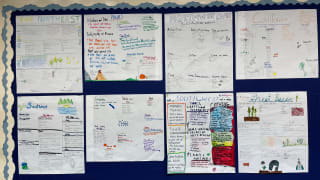
In Module 2/Lessons 4-5, small groups present "mini posters" of the research they have done on their assigned cultural area. My students really wanted to add more color and artwork, so we decided to make more traditionally sized posters to capture what they learned. Posters are on display in their social studies classroom as well as the hallway. Kids enjoyed their classmates' presentations, and also liked the chance to see what other classes created as well. Posters will stay on display through the conclusion of the inquiry in November.
Native America
5th Grade
Wall Display
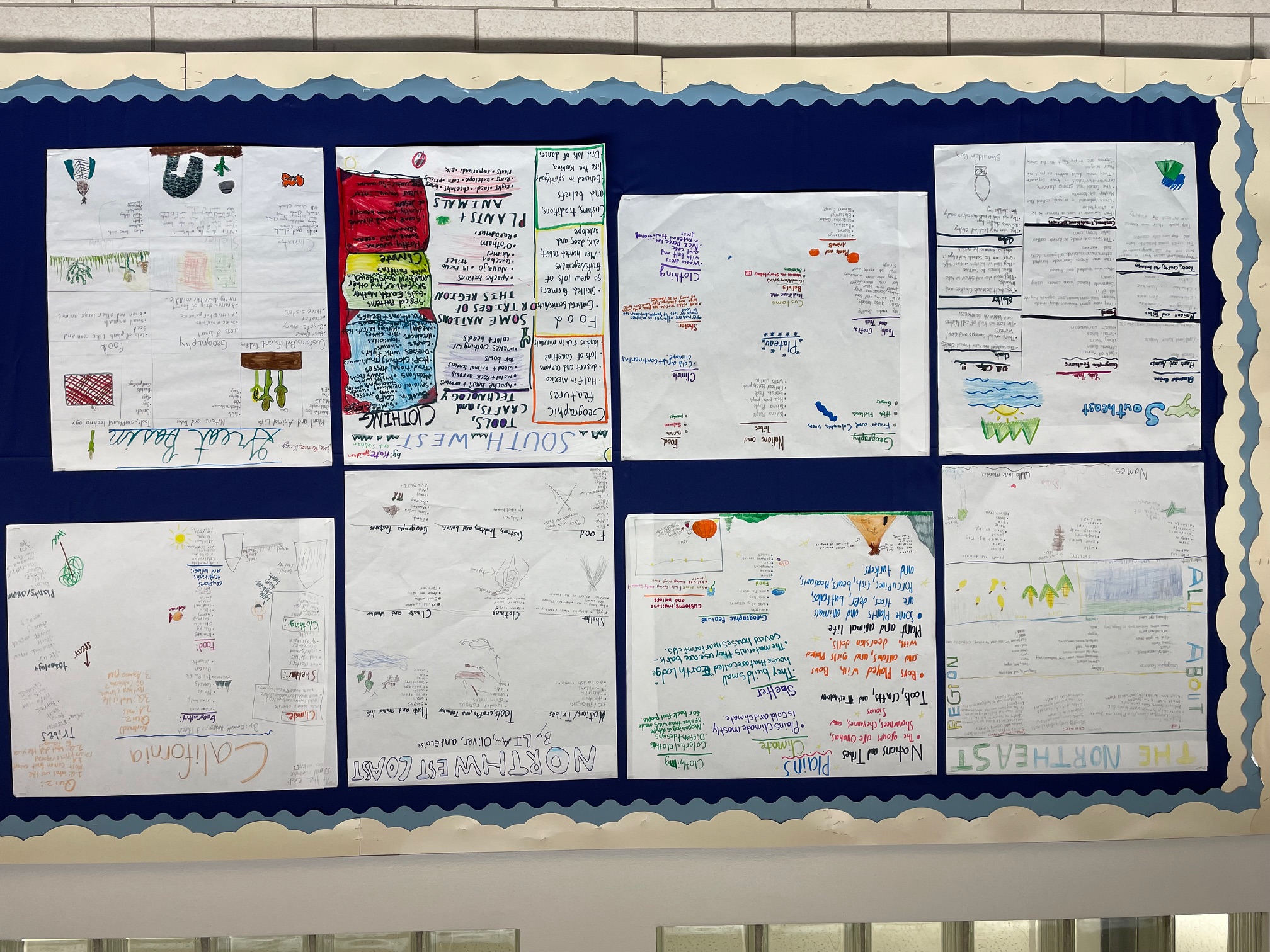
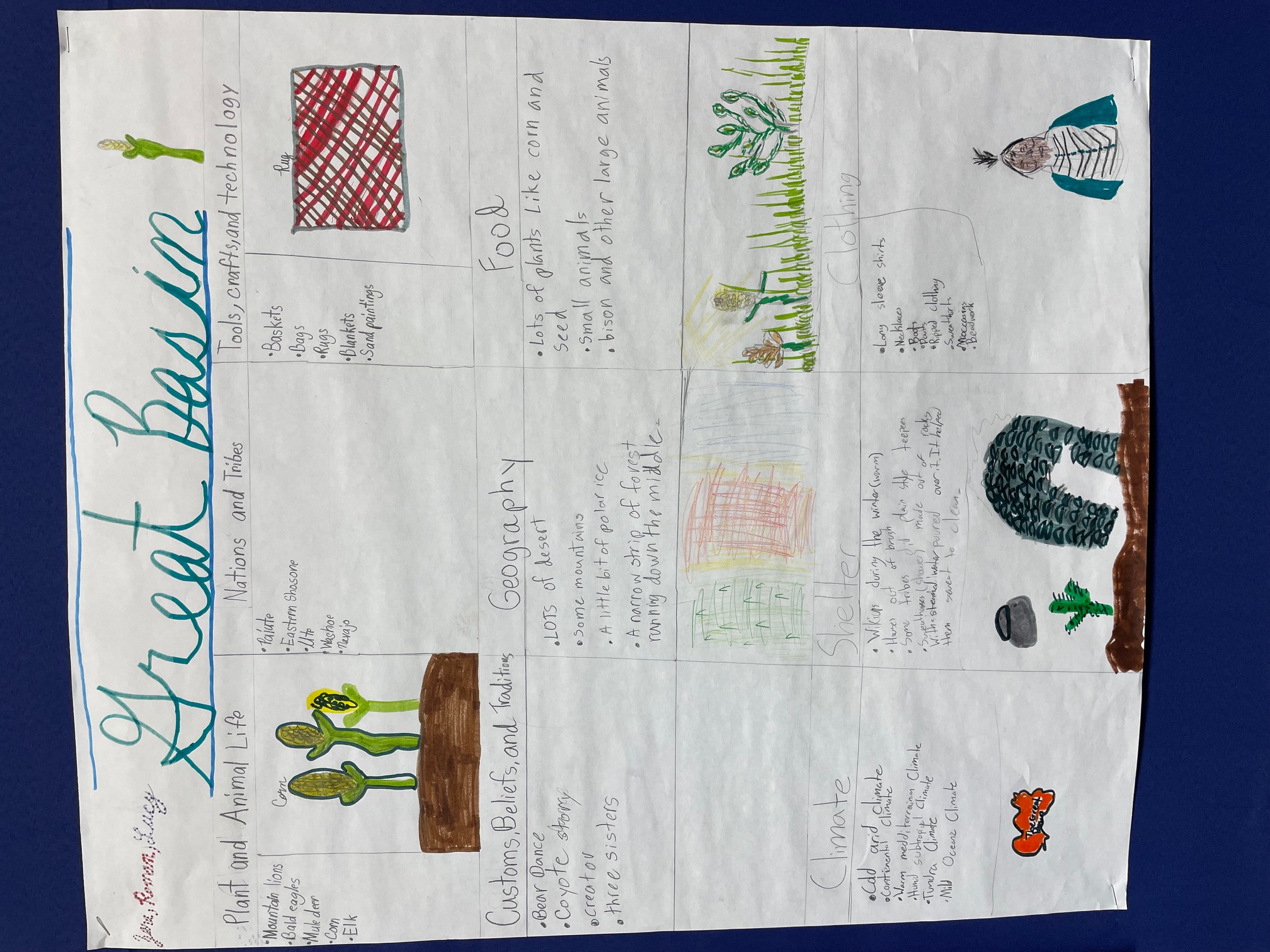
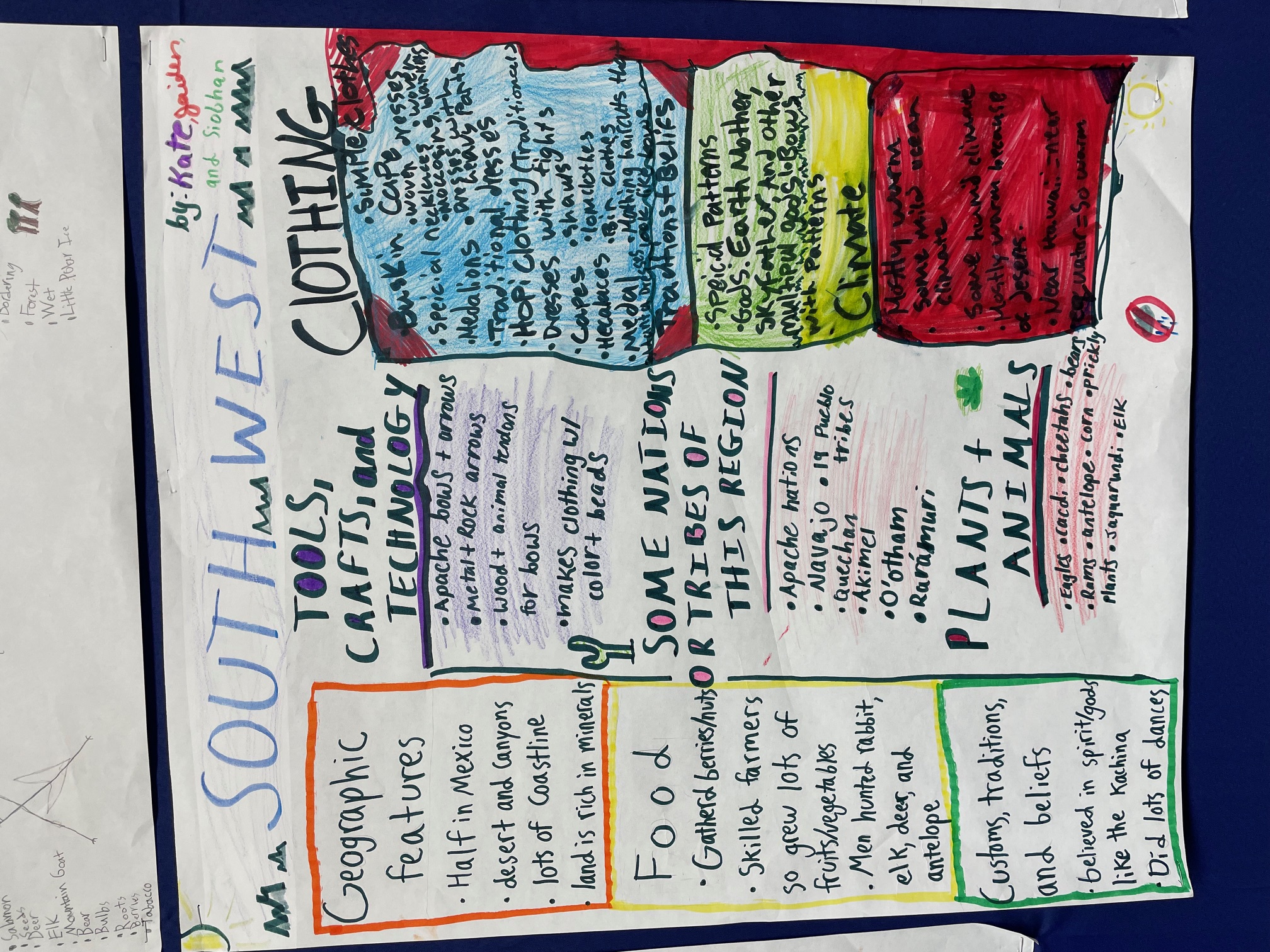
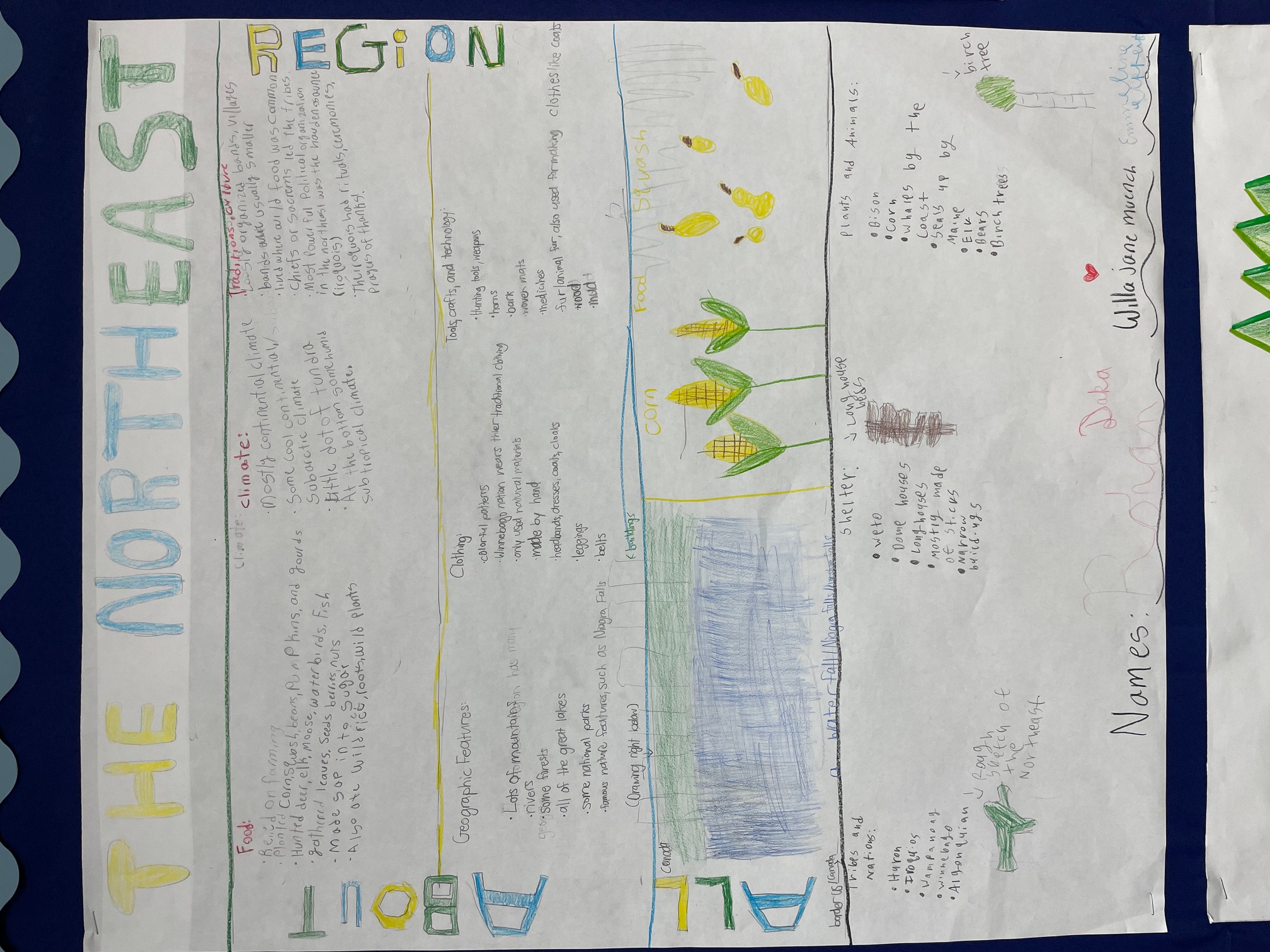
In Module 2/Lessons 4-5, small groups present "mini posters" of the research they have done on their assigned cultural area. My students really wanted to add more color and artwork, so we decided to make more traditionally sized posters to capture what they learned. Posters are on display in their social studies classroom as well as the hallway. Kids enjoyed their classmates' presentations, and also liked the chance to see what other classes created as well. Posters will stay on display through the conclusion of the inquiry in November.
Additional Info
Yasmin Dalal from The Frances Xavier Warde School: IL, 5th Grade
Students practiced financial literacy skills by recognizing that saving helps people meet their needs and wants over time. The lesson also encouraged personal reflection and goal-setting, helping students connect the economic concept of saving to their own lives.
Meeting Needs and Wants
2nd Grade
Handout
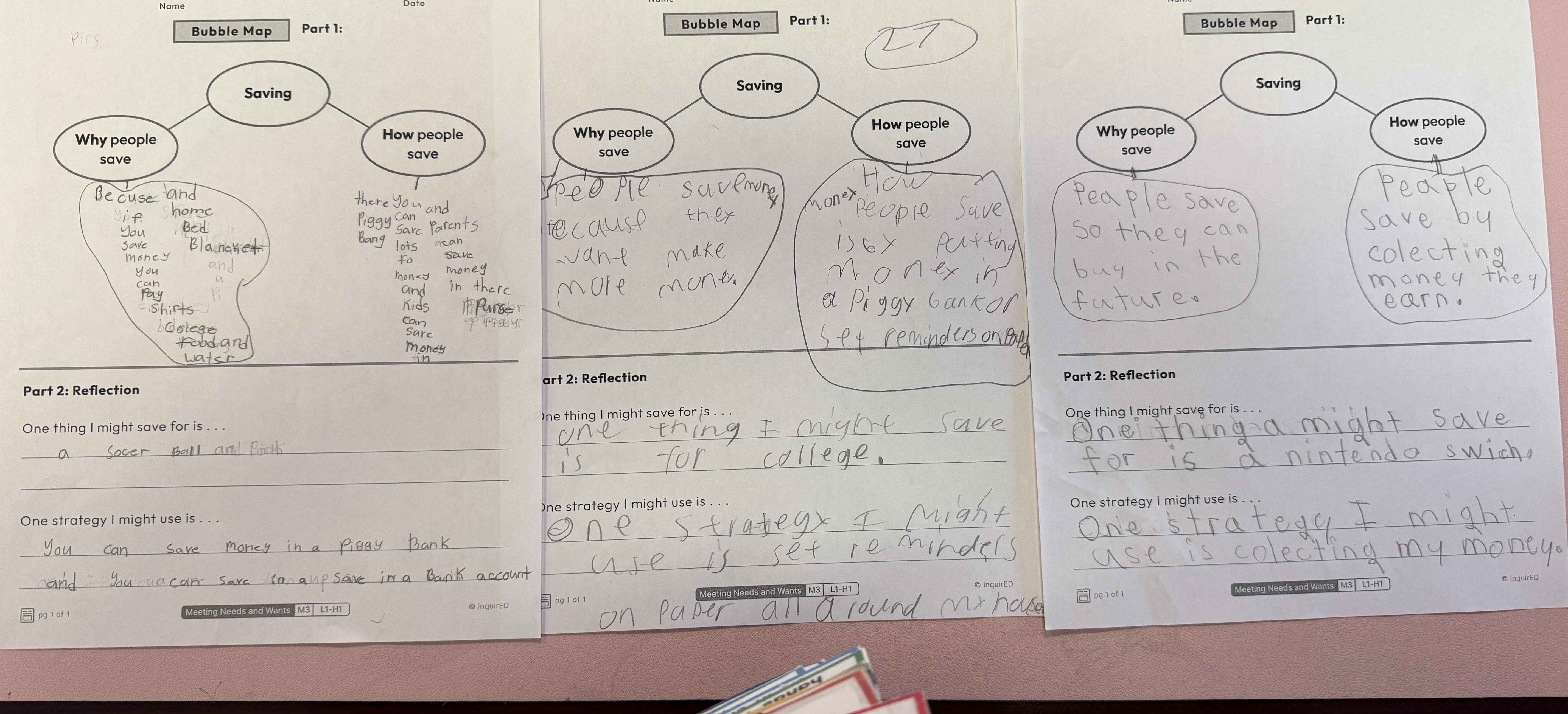
Students practiced financial literacy skills by recognizing that saving helps people meet their needs and wants over time. The lesson also encouraged personal reflection and goal-setting, helping students connect the economic concept of saving to their own lives.
Additional Info
Amanda Surmann from National Heritage Academies - Parent District: NC, MI, NY, CO, 2nd Grade
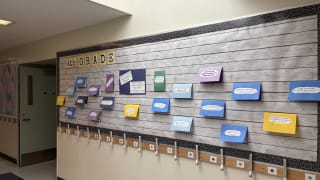
Our Inquiry Unit - 4th Grade California: The Diverse Geography of California After student groups studied a particular region of California, they used their annotated articles to pull ideas/descriptive words to help them write a haiku about that region. We created an interactive bulletin board where students passing by in the hallway could guess what region was being described in the haiku and then check their answer by flipping the card. Students also created illustrations to go along with their answer.
Our State and Region
4th Grade
Wall Display
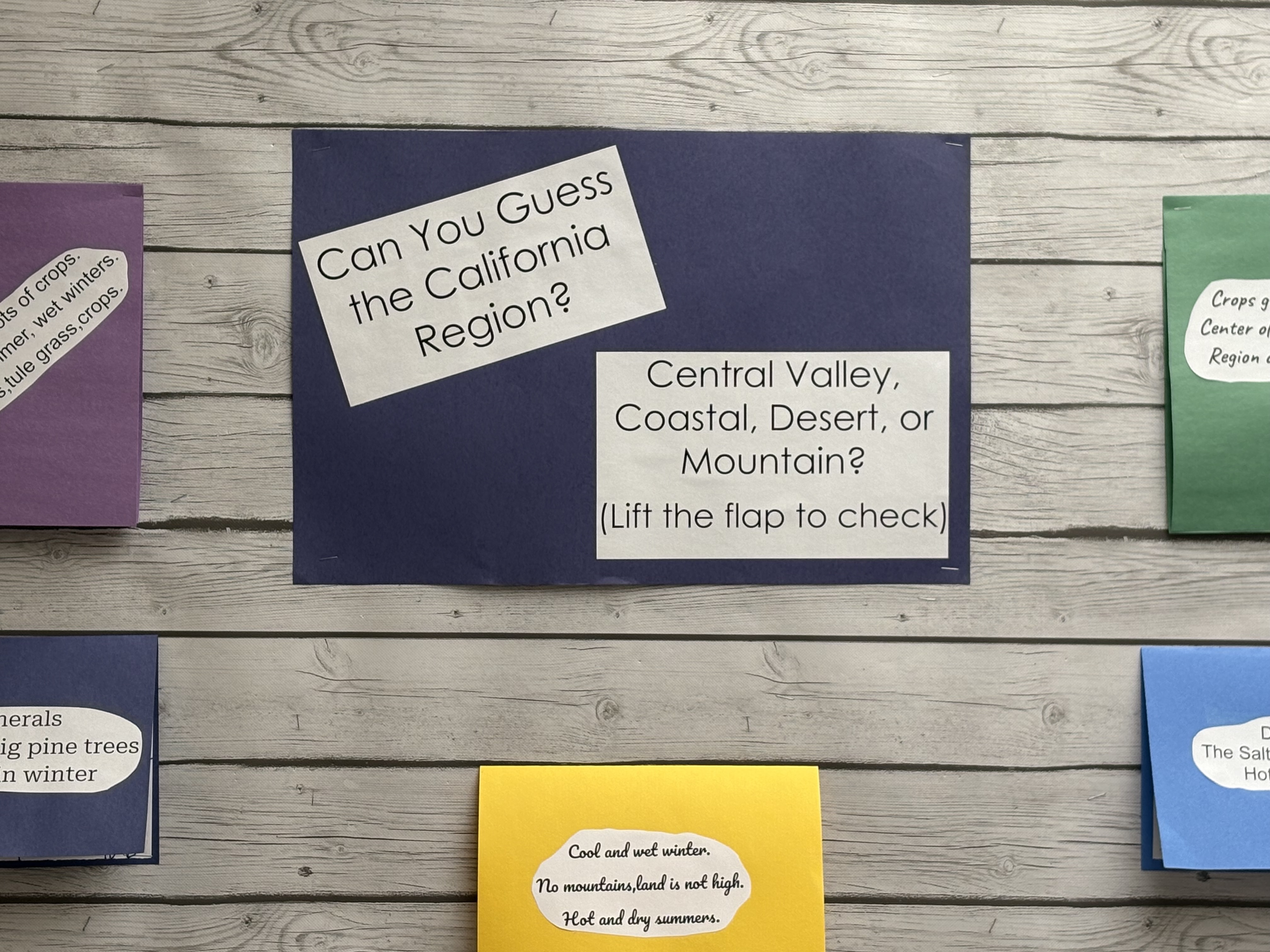
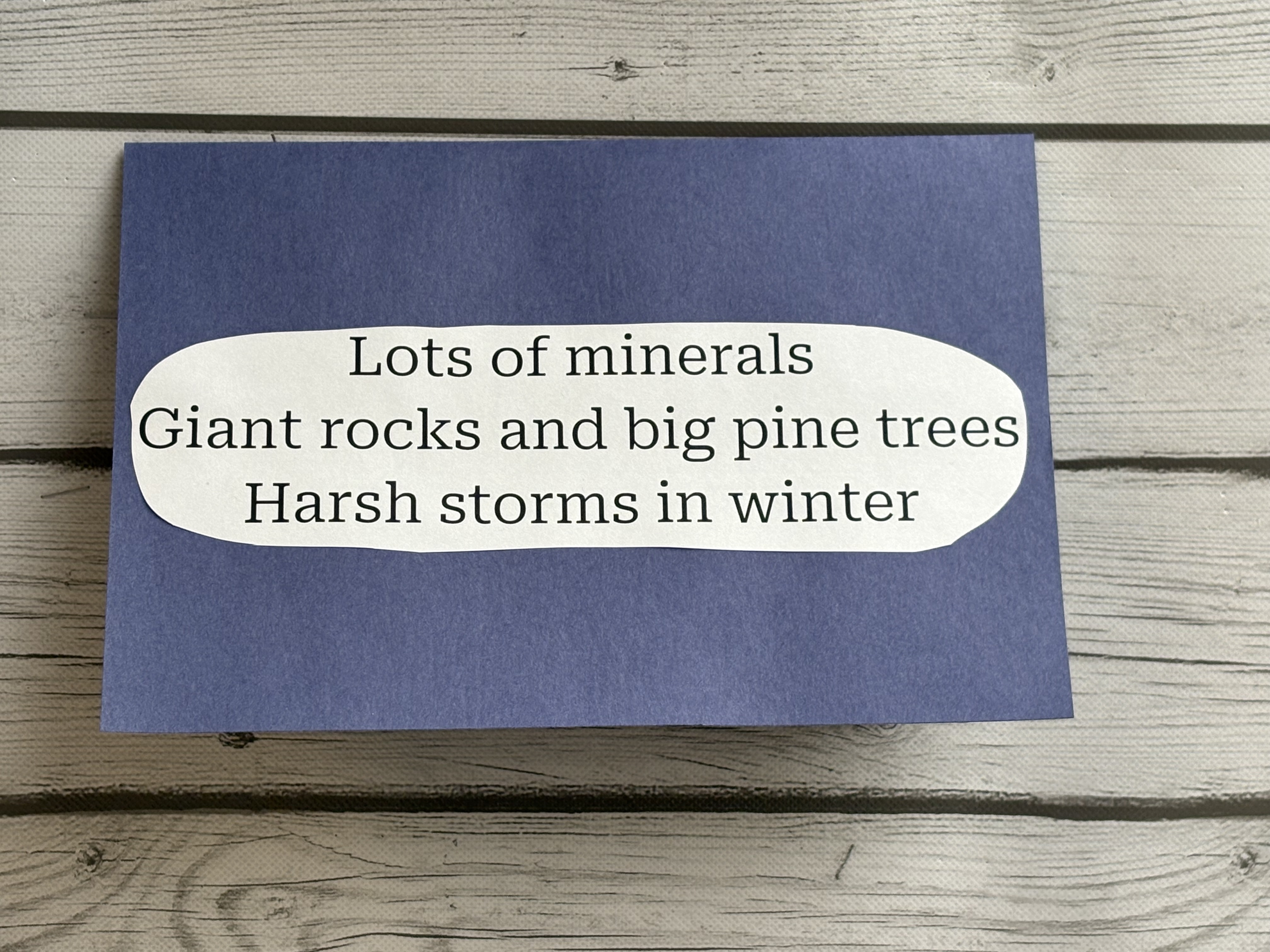
Our Inquiry Unit - 4th Grade California: The Diverse Geography of California After student groups studied a particular region of California, they used their annotated articles to pull ideas/descriptive words to help them write a haiku about that region. We created an interactive bulletin board where students passing by in the hallway could guess what region was being described in the haiku and then check their answer by flipping the card. Students also created illustrations to go along with their answer.
Additional Info
Wendee Lipnick from Walnut Creek Elementary School District: CA, 4th Grade

In this activity, students completed the Changemakers Footsteps handout as part of the 3rd-grade 20th-century Civil Rights Movement unit. The students have been highly engaged and have had thoughtful discussions throughout the lessons. They are beginning to make connections between key events and recognize the patterns of unfairness that people faced during this time. It’s been inspiring to see their empathy and understanding grow as they explore how individuals worked together to create change.
The 20th Century Civil Rights Movement
3rd Grade
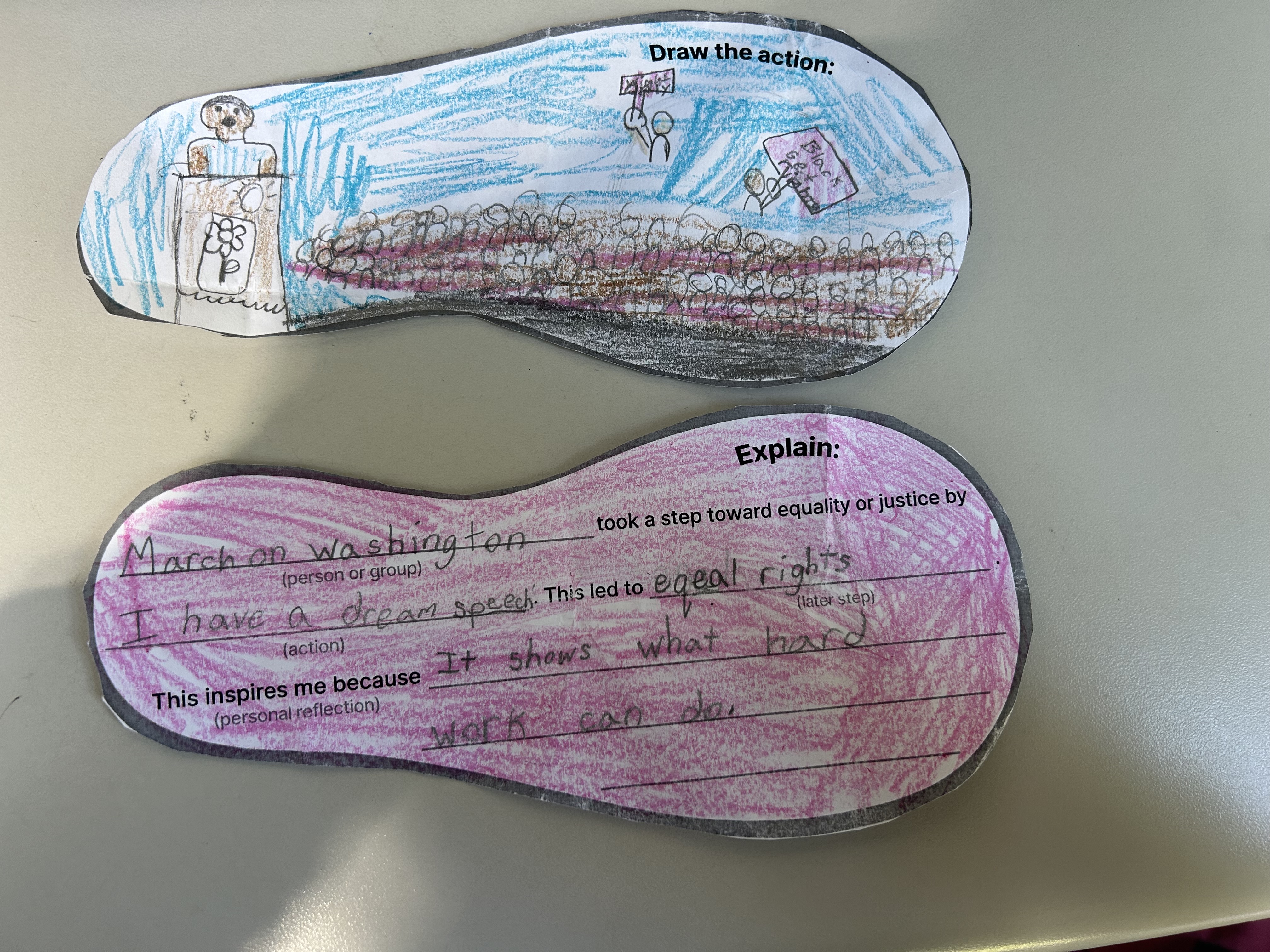
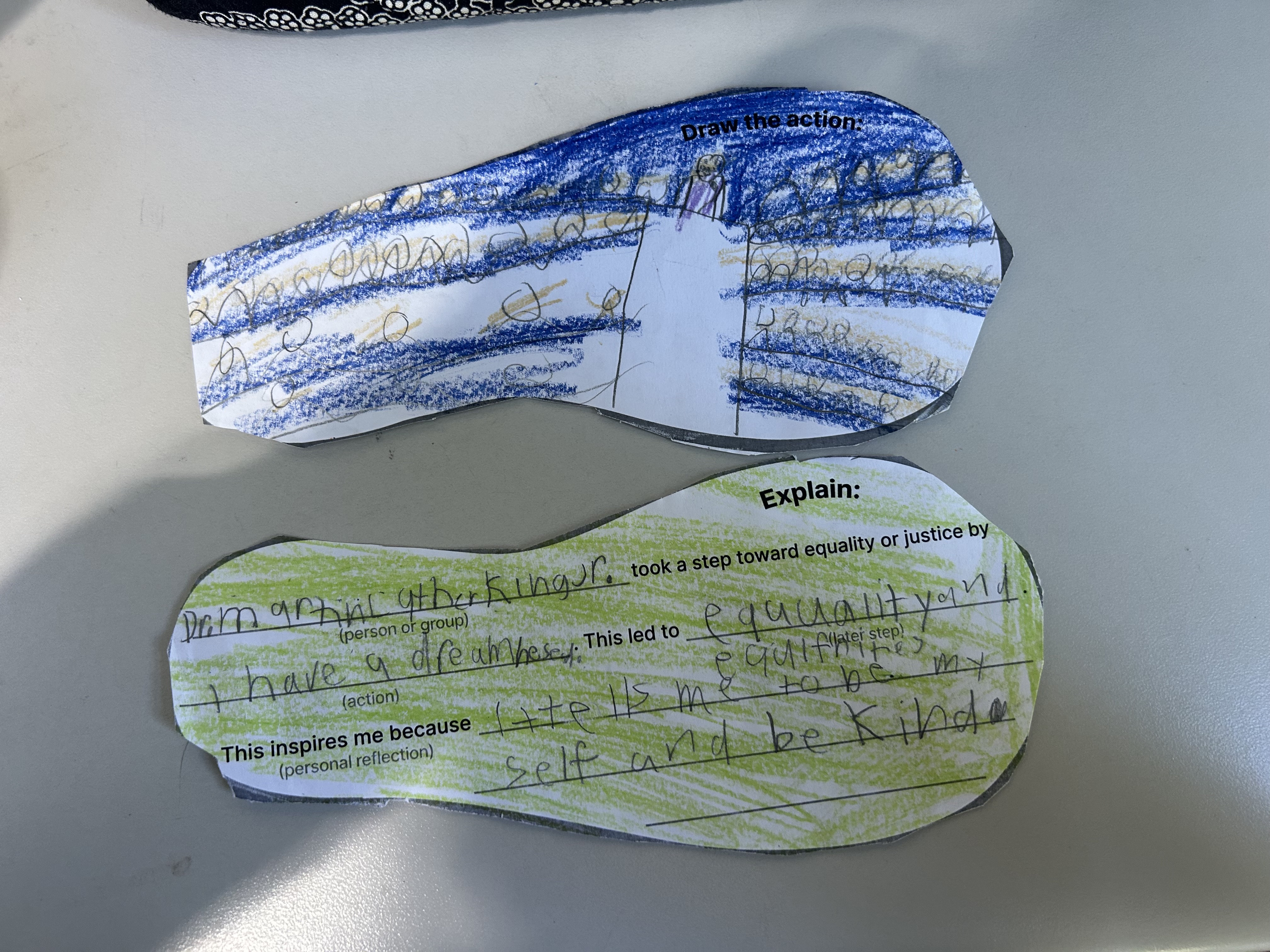
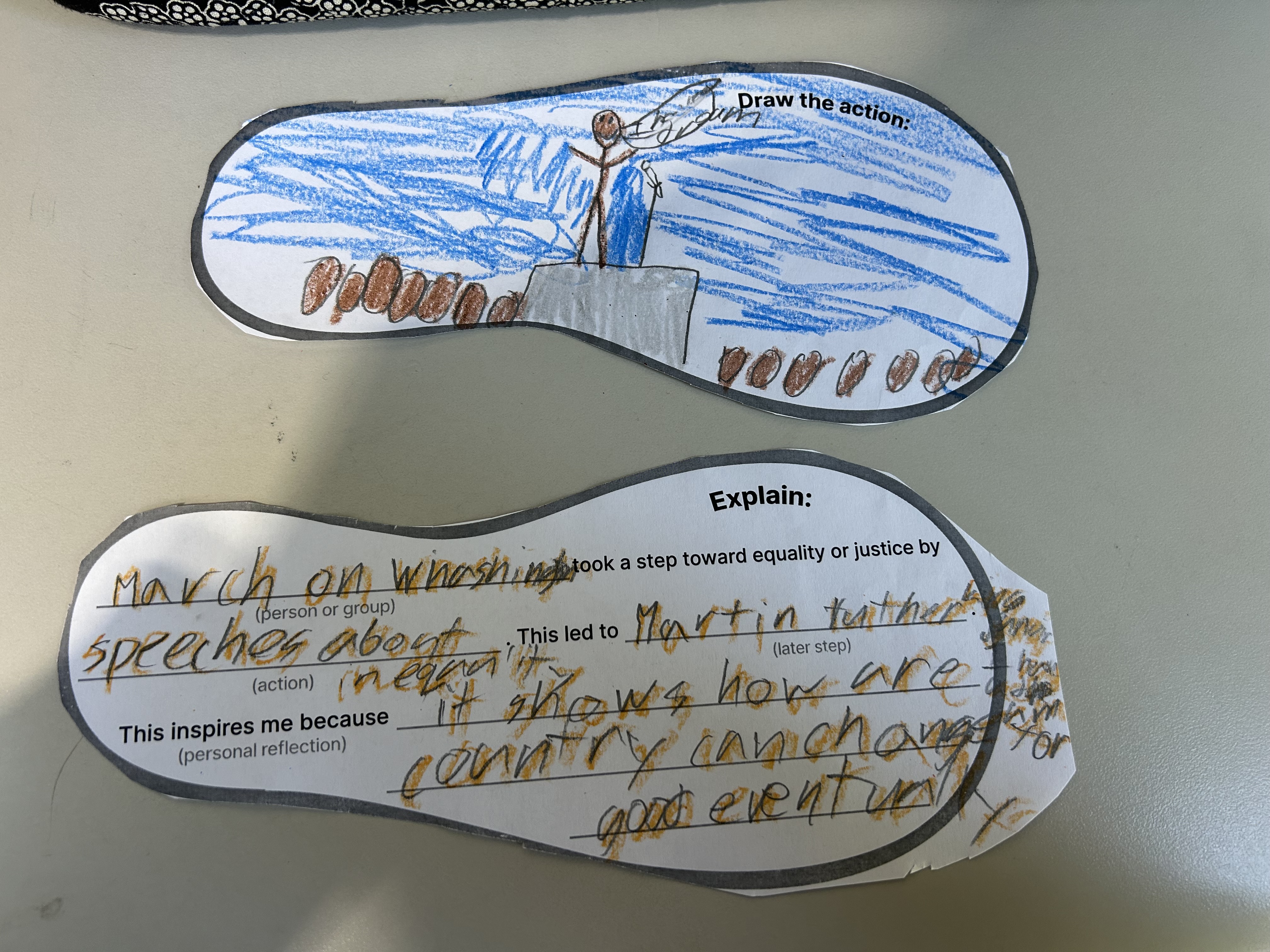
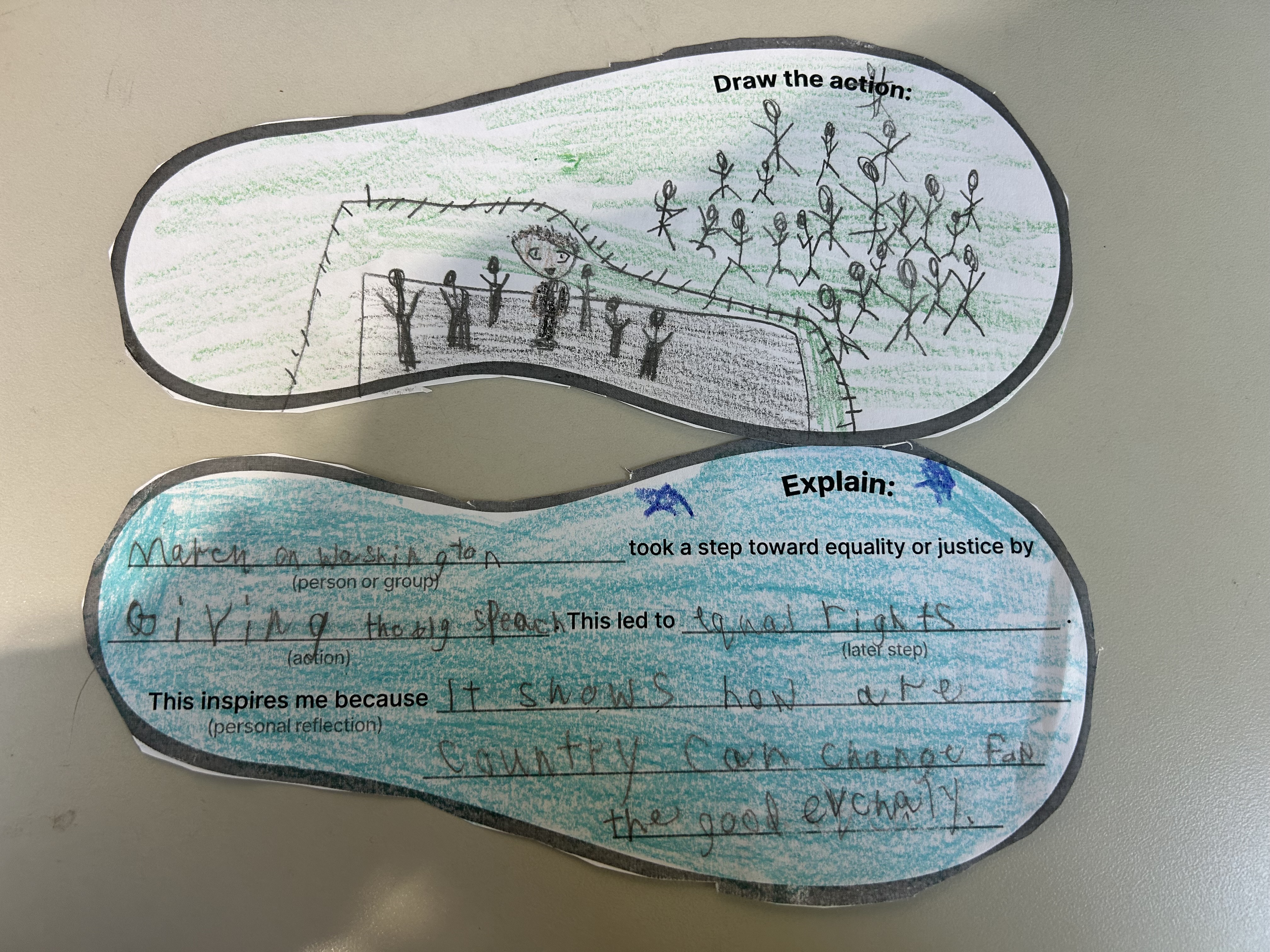
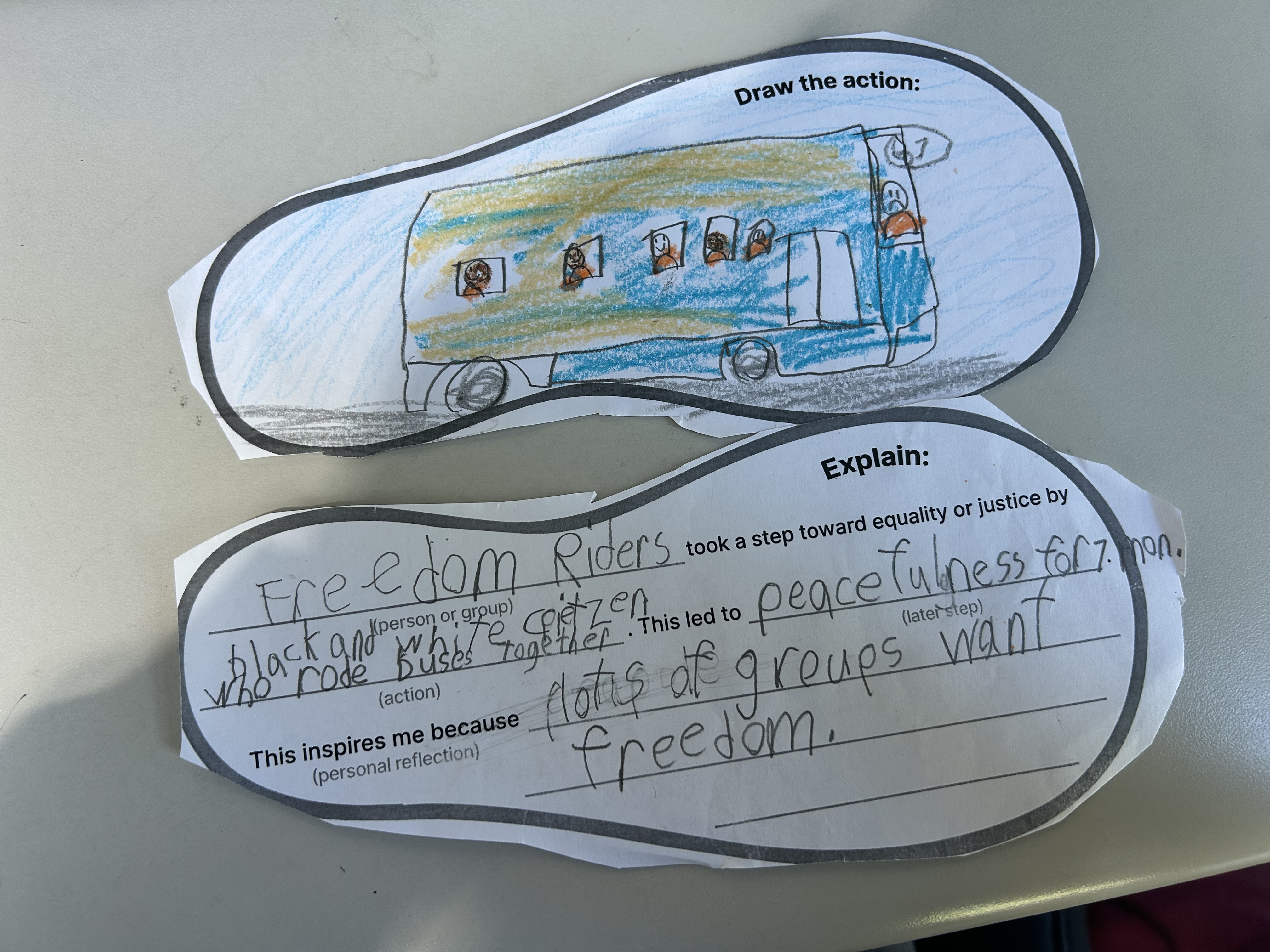
In this activity, students completed the Changemakers Footsteps handout as part of the 3rd-grade 20th-century Civil Rights Movement unit. The students have been highly engaged and have had thoughtful discussions throughout the lessons. They are beginning to make connections between key events and recognize the patterns of unfairness that people faced during this time. It’s been inspiring to see their empathy and understanding grow as they explore how individuals worked together to create change.
Additional Info
from , 3rd Grade
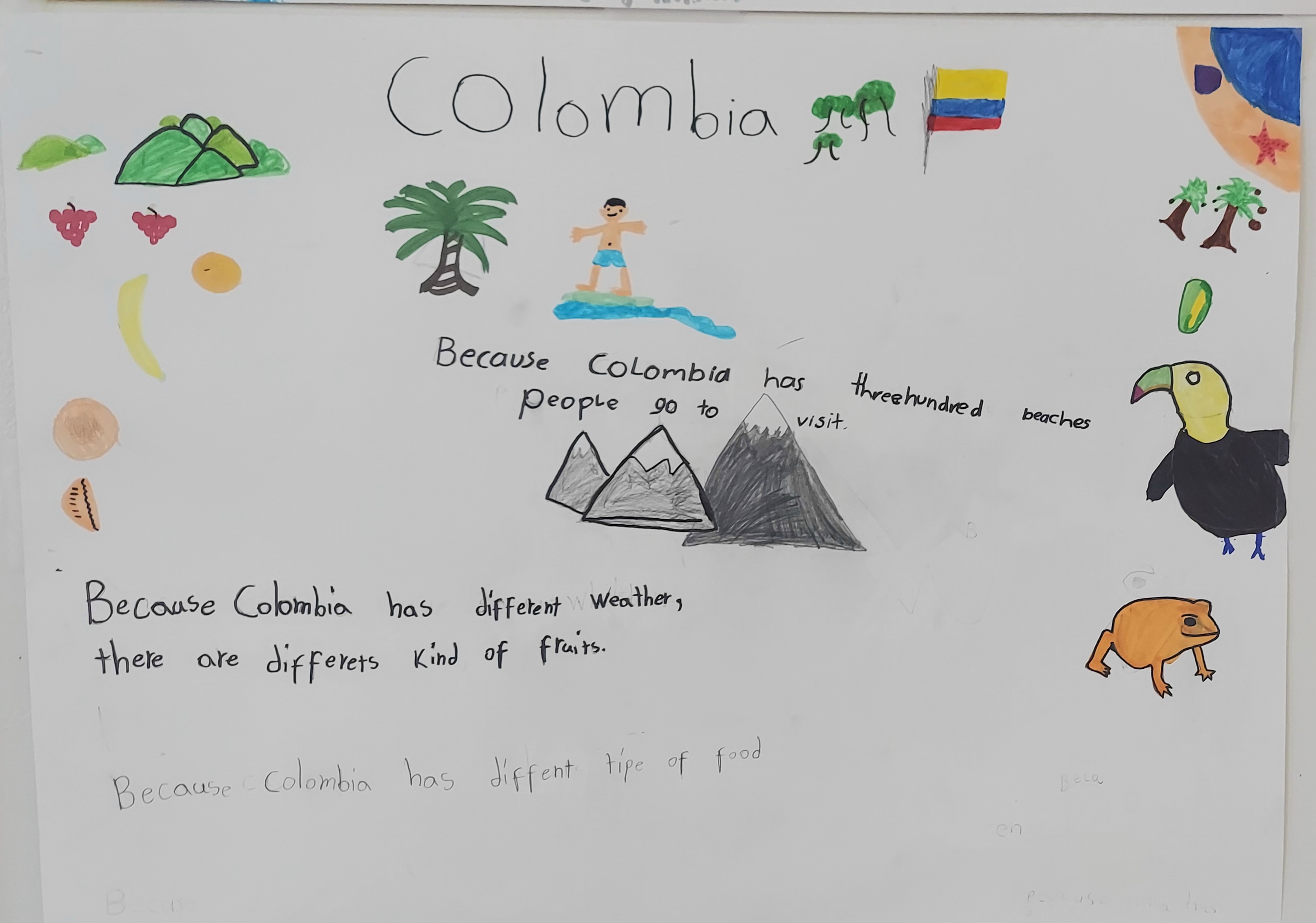
This unit was a fantastic opportunity for my students because they researched their nations and proudly prepared presentations to share essential data, and made genuine connections with other countries.
Global Connections
3rd Grade
Other
.jpeg)
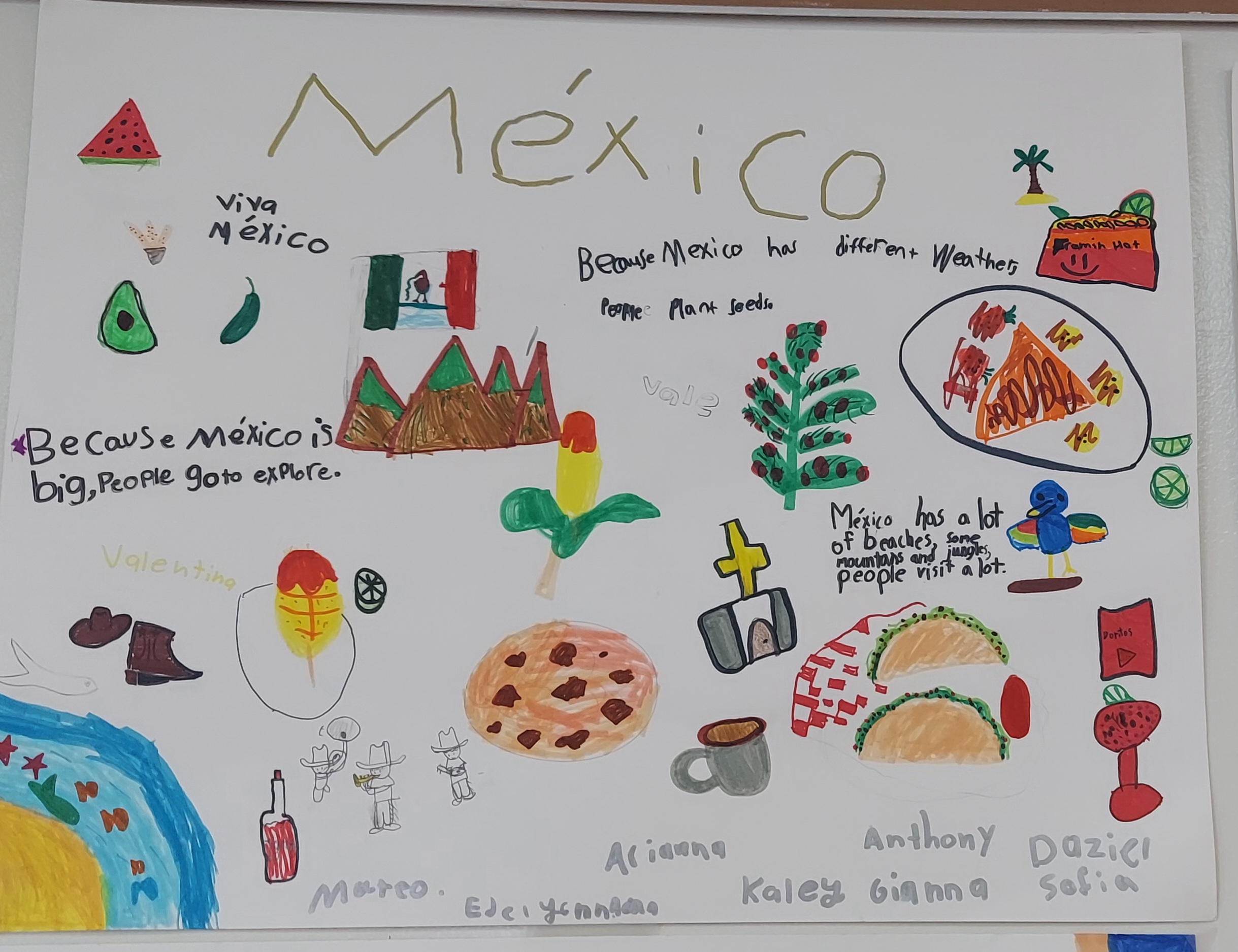
This unit was a fantastic opportunity for my students because they researched their nations and proudly prepared presentations to share essential data, and made genuine connections with other countries.
Additional Info
Gloria Navarrete Rodriguez from dpsk12.net: CO, 3rd Grade

Our class wrote and drew about their favorite foods they eat for special celebrations. We were joined by our Big Buddy Volunteers from Clearwater Retirement Community who shared some of their traditions too! Our class loves listening to their perspectives and stories, and the volunteers enjoyed helping students create their quilt square. We posted everyone's square on our wall as we compared and contrasted everyone's unique traditions.
Families Near and Far
1st Grade
Handout


Our class wrote and drew about their favorite foods they eat for special celebrations. We were joined by our Big Buddy Volunteers from Clearwater Retirement Community who shared some of their traditions too! Our class loves listening to their perspectives and stories, and the volunteers enjoyed helping students create their quilt square. We posted everyone's square on our wall as we compared and contrasted everyone's unique traditions.
Additional Info
from , 1st Grade

Students really took ownership and put their own ideas into this massive mural!
Navigating School
Kindergarten
Wall Display
Students really took ownership and put their own ideas into this massive mural!
Additional Info
Emma Stewart from Quality Schools International: IT, Kindergarten
1. We took the mini-poster display idea from the lesson, and I added the visuals to support what the students learned to create really eye catching posters. 2. Students color coded their notes to allow them to know which resource to back to for reference.
Native America
5th Grade
Handout
.jpeg)
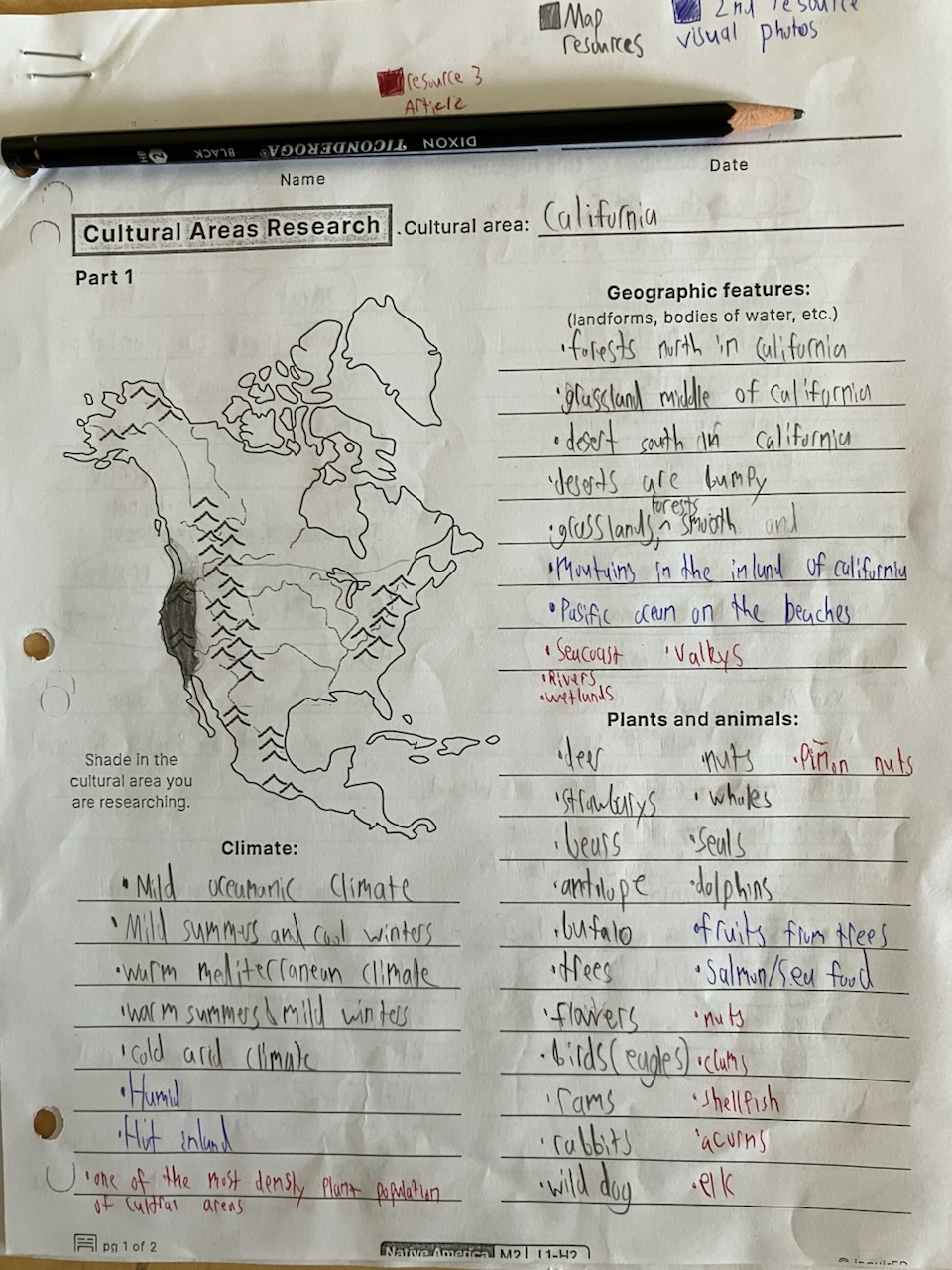
1. We took the mini-poster display idea from the lesson, and I added the visuals to support what the students learned to create really eye catching posters. 2. Students color coded their notes to allow them to know which resource to back to for reference.
Additional Info
JENNIFER Baker from dpsk12.net: CO, 5th Grade
No results found.
There are no results with this criteria. Try changing your search.