
Welcome to Inquiry Week!
March 2–6, 2026
All week long, we’re celebrating inquiry by lifting up real classroom work and the questions students and teachers are exploring. If inquiry is happening where you teach, you belong here. There are two ways to participate.
Submit Inquiry Work
Have inquiry work from your classroom? We’d love to see it. You can submit:
- Inquiry Walls or question charts
- Student-generated questions
- Teacher Inquiry Questions
- In-progress work from your classroom
- Anything else that shows inquiry in your classroom!
Share Inquiry Questions
Not ready to submit work yet? You can still join the conversation. Inquiry often starts with a question. A real one that students or teachers are wondering about right now. You can share your Inquiry Question by:
- Commenting on an Inquiry Week post on Instagram or LinkedIn
- Replying to one of our Inquiry Week emails
We’ll be highlighting Inquiry Questions all week so educators can learn from one another.
Share Inquiry Work
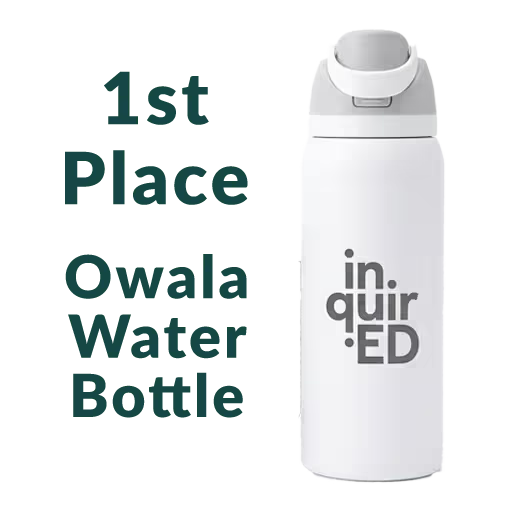
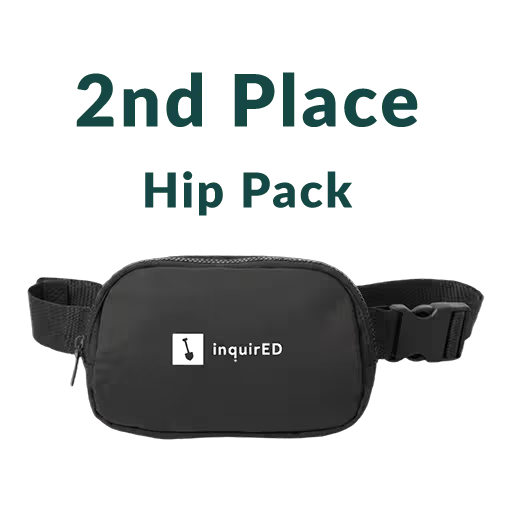
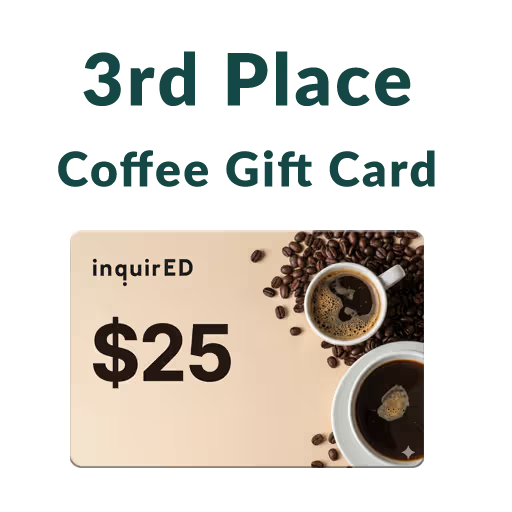
Celebrate your students!
Inquiry Week is also about celebrating students and the questions they bring to learning.
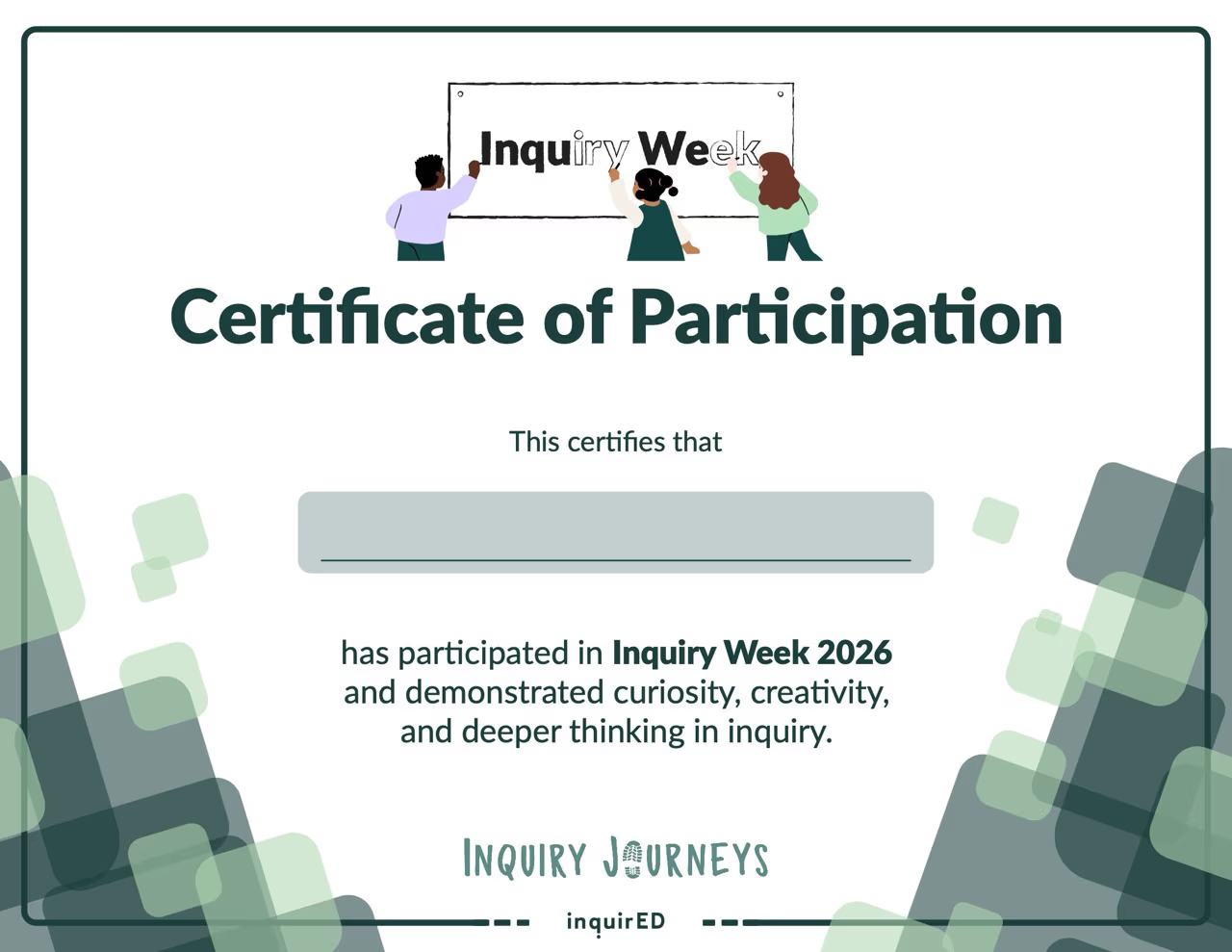
We’re sharing a student Inquiry Week certificate you can use to recognize students for their curiosity, questioning, and thinking. It’s a simple way to celebrate inquiry, whether your work feels finished or still in progress.
Contest FAQs
Do submissions need to be perfect?
No. We’re interested in the learning process, not polished final products.
Inquiry work might include student work, vocabulary, anchor charts, images, or other artifacts that show thinking over time. If it reflects real student questions and learning, it counts.
How will winners be chosen?
Submissions are reviewed for creativity, clarity, and how well they represent the inquiry process. Winning submissions may be featured in an Inquiry Work Gallery to help other educators see what inquiry can look like in real classrooms.
What file types can I submit?
You can submit:
- Images (JPG or PNG)
- Videos (MP4 or MOV) Files should be under 100 MB.
Do I need to submit physical copies of student work?
No. Digital submissions work great.
If space is limited, feel free to share smaller pieces of student work or snapshots that capture student thinking, reading, or writing in social studies.
Any tips for taking photos or videos of my inquiry work?
A few simple tips:
- Take more than one photo.
- Include at least one full view, plus a few close-ups.
- Make sure the image is bright and easy to read.
Clear photos help us see student thinking more clearly.
Looking for inspiration?
Explore examples from the Inquiry Work Gallery.
Click on a thumbnail below to expand and view more images.
The students collaboratively determine what the goal would be for their final products in the Natural Resources Inquiry in response to the Inquiry question, "How should we use the natural resources of the United States?" The common class goal was to stop wasting water, and students decided whether they would work independently or in groups for how they would take action to accomplish this goal. Pictured are some of students' Inquiry Challenge Statements, and Product Plans from Module 6 brainstorming lesson "Brainstorm: Generating Ideas for the Work."
Natural Resources of the U.S.
4th Grade
Final Product
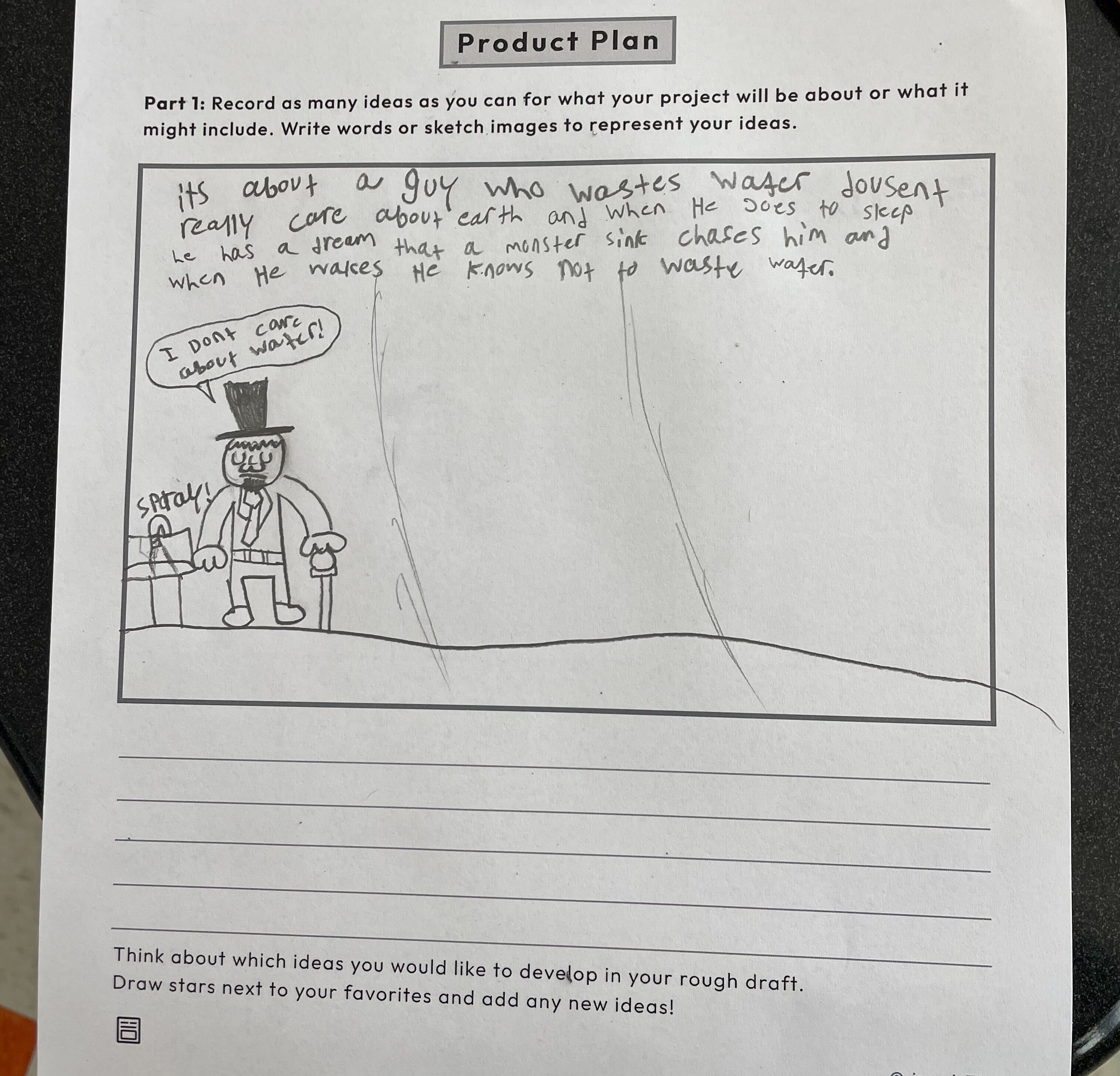
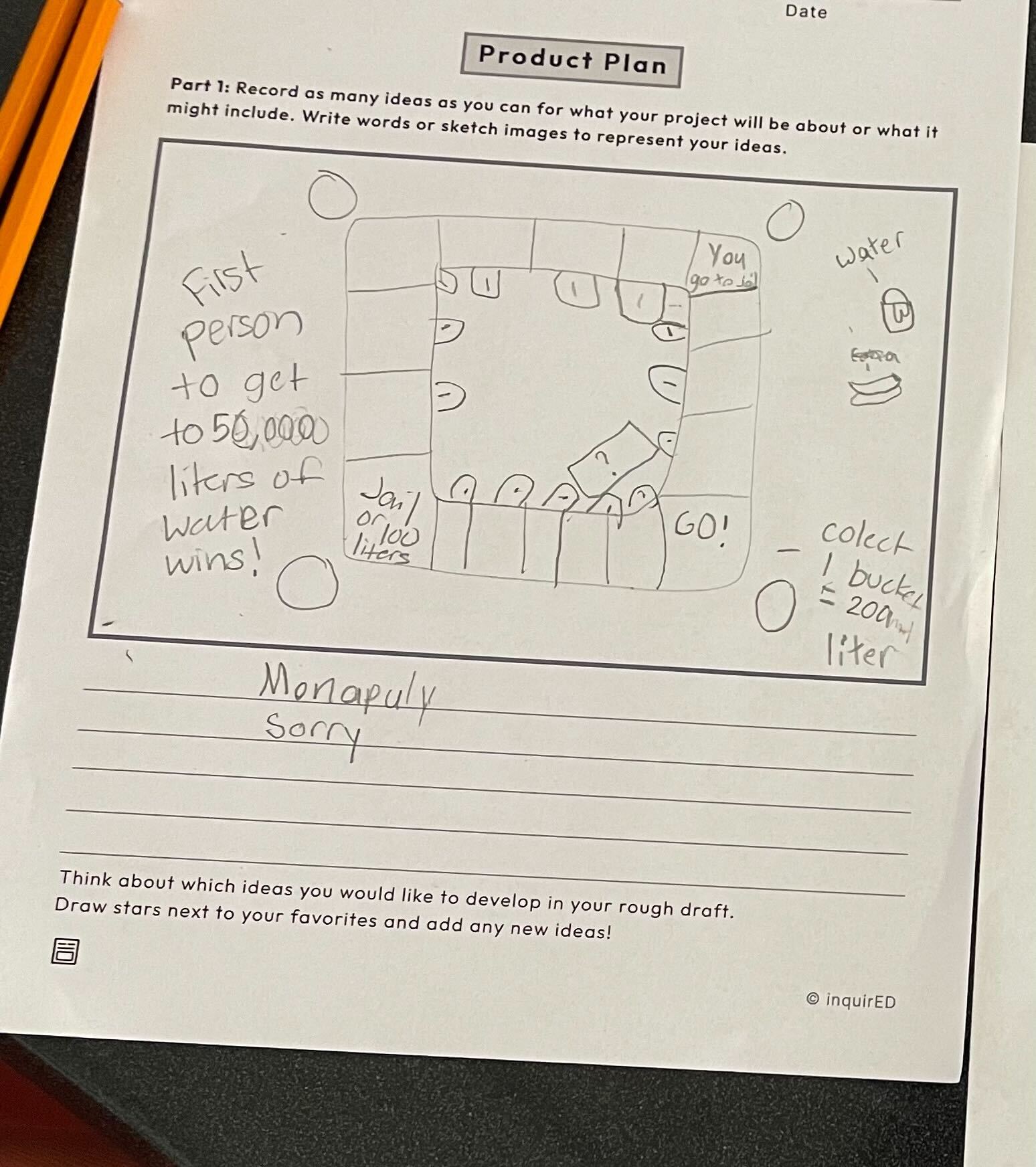
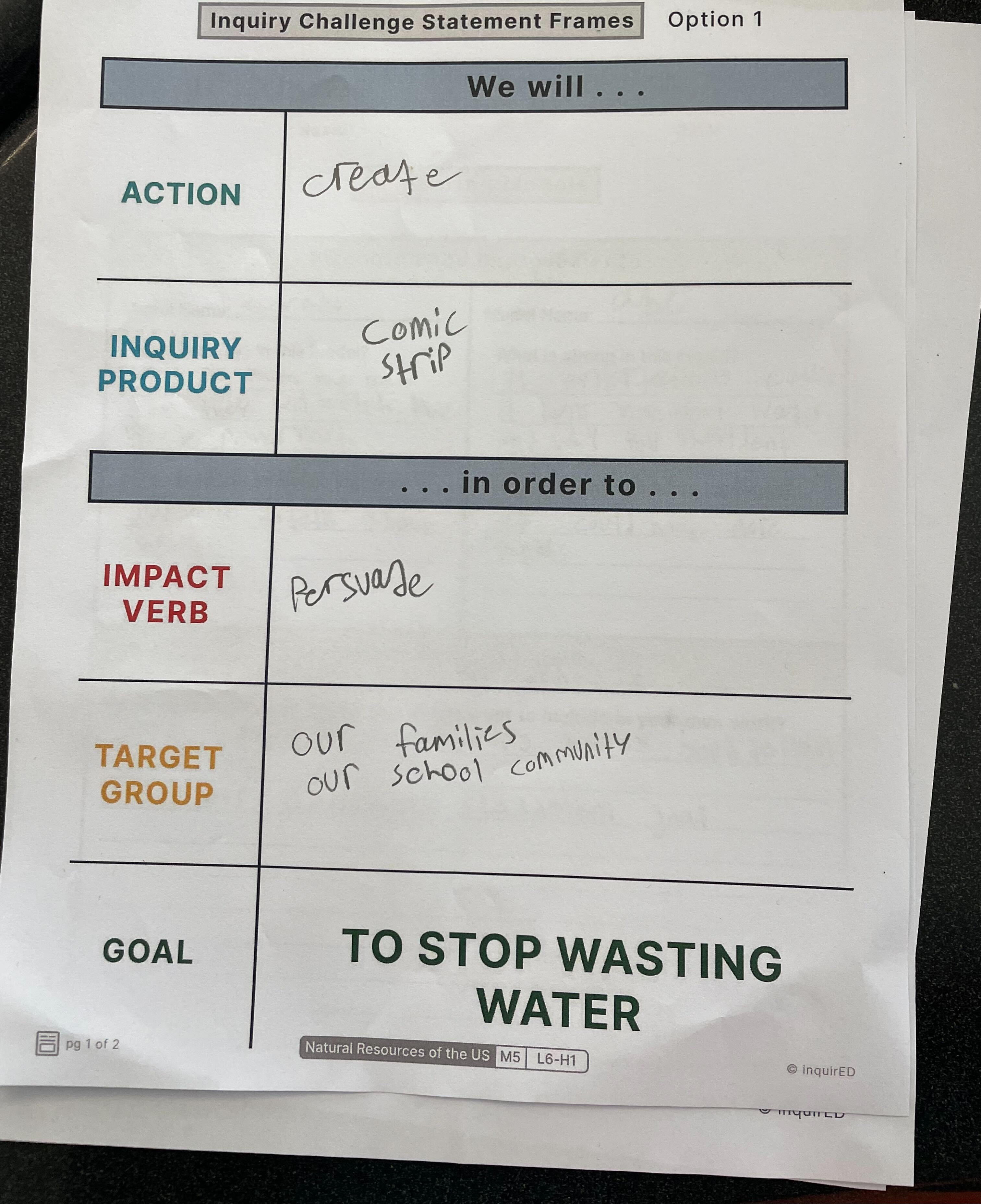
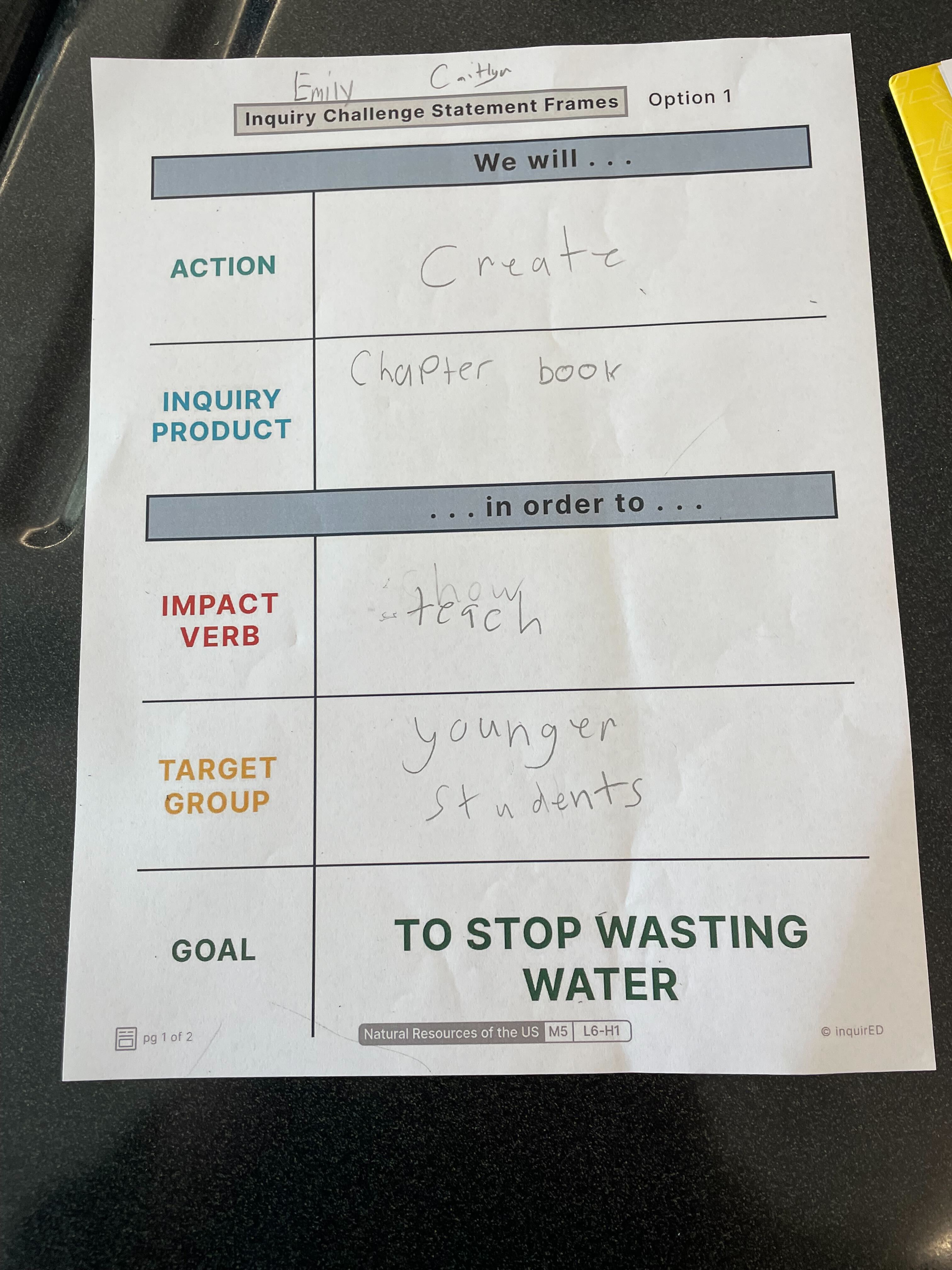
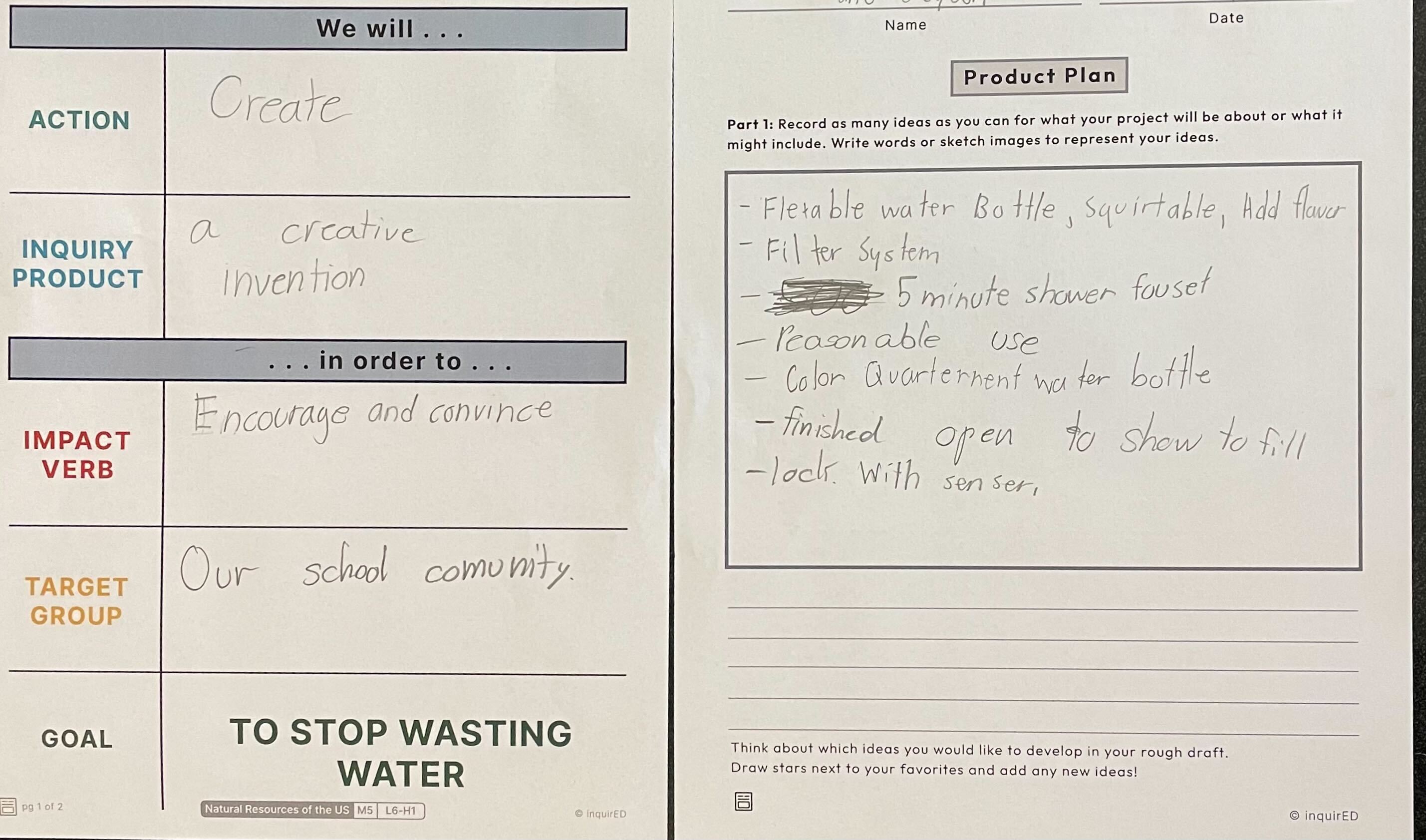
The students collaboratively determine what the goal would be for their final products in the Natural Resources Inquiry in response to the Inquiry question, "How should we use the natural resources of the United States?" The common class goal was to stop wasting water, and students decided whether they would work independently or in groups for how they would take action to accomplish this goal. Pictured are some of students' Inquiry Challenge Statements, and Product Plans from Module 6 brainstorming lesson "Brainstorm: Generating Ideas for the Work."
Additional Info
Yelena Gulkewicz from Hatboro-Horsham School District: PA, 4th Grade
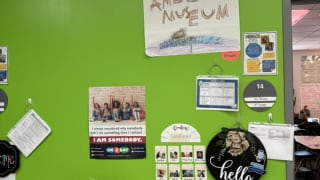
Every year students present their Native American Cultural Area Museum Exhibits: students build, mold, draw, analyze, and create awesome projects to share based on their role in the group. There is a shelter diorama, story analysis, artifact analysis, food samples presentation, artwork presentation or inspired artwork creation, and clothing presentations for each of the cultural areas. Students are placed in their groups and they then decide who is going to take on which role, so it is an amazing project for student choice and demonstrating mastery in multiple ways.
Native America
5th Grade
Final Product


Every year students present their Native American Cultural Area Museum Exhibits: students build, mold, draw, analyze, and create awesome projects to share based on their role in the group. There is a shelter diorama, story analysis, artifact analysis, food samples presentation, artwork presentation or inspired artwork creation, and clothing presentations for each of the cultural areas. Students are placed in their groups and they then decide who is going to take on which role, so it is an amazing project for student choice and demonstrating mastery in multiple ways.
Additional Info
BAILEY GREENWALD from National Heritage Academies - Parent District: NC, MI, NY, CO, 5th Grade
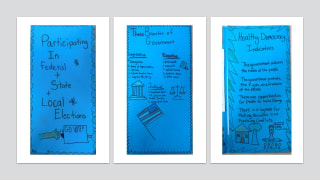
After the election, our fifth graders were disheartened by the low voter turnout at the local, state, and national levels. To address this, we integrated our writing unit with the inquiry project, creating brochures to emphasize the importance of participating in elections at every level.
Rights and Responsibilities
5th Grade
Final Product
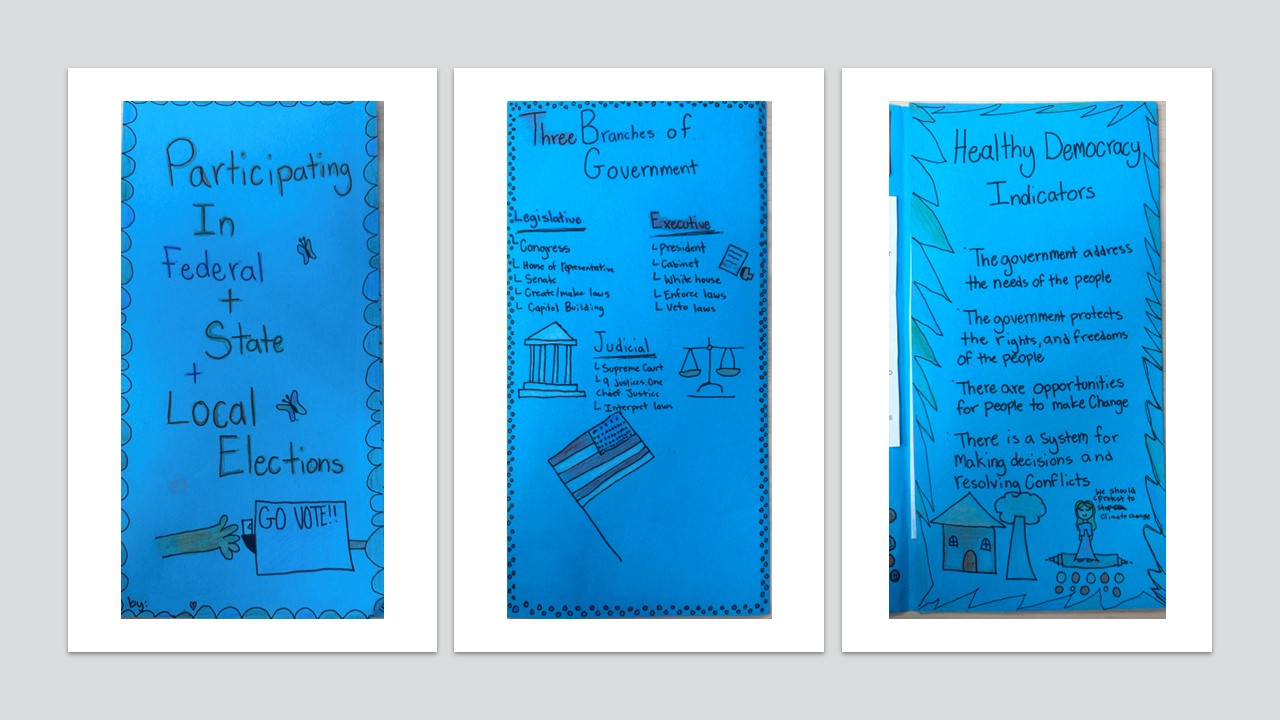
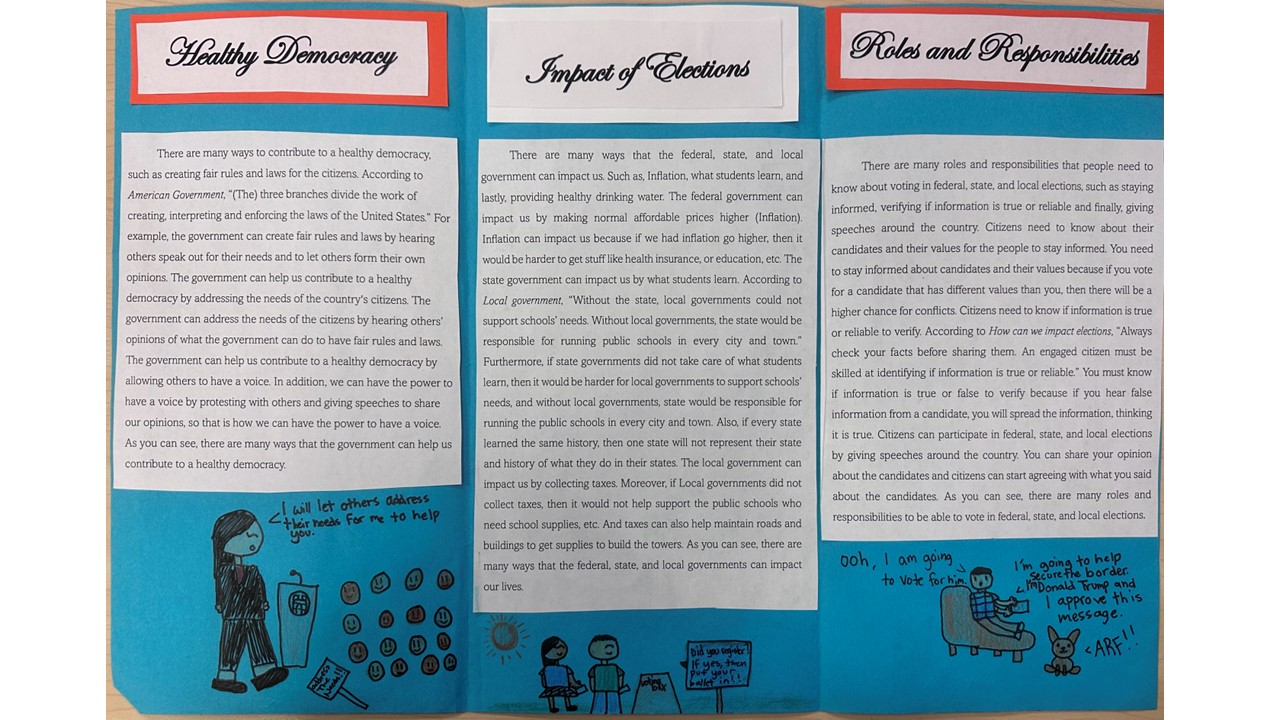
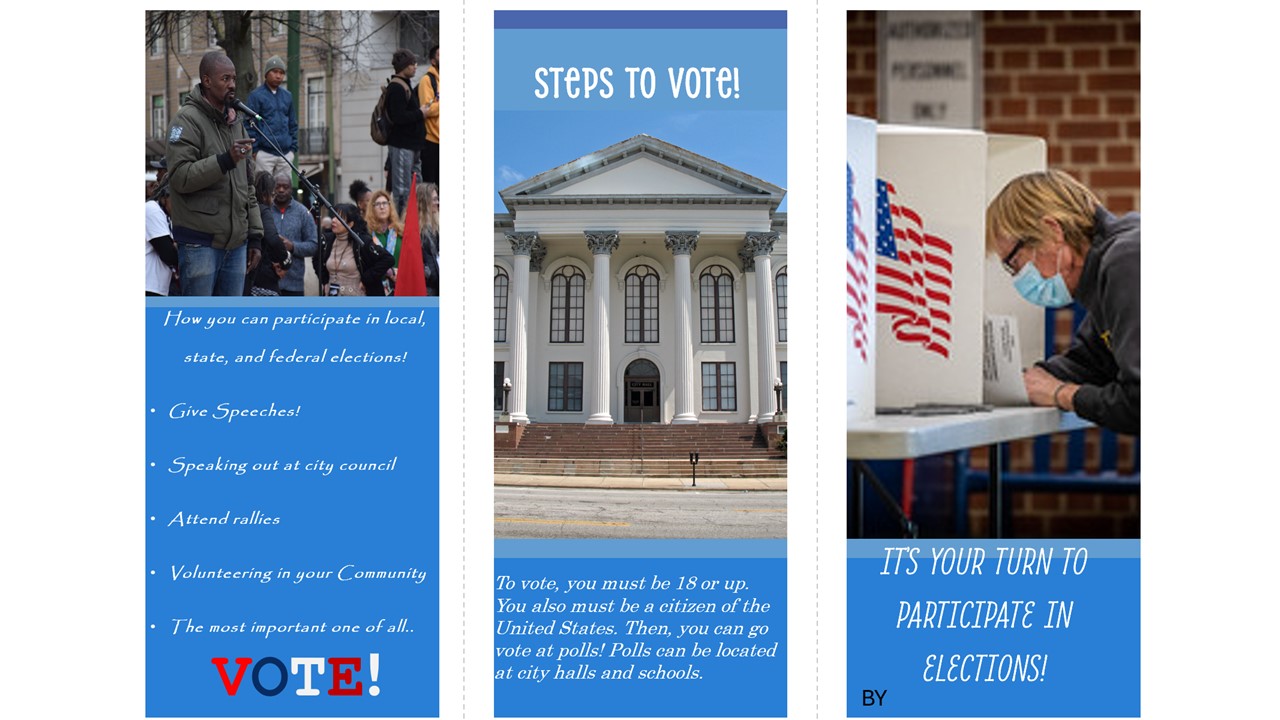
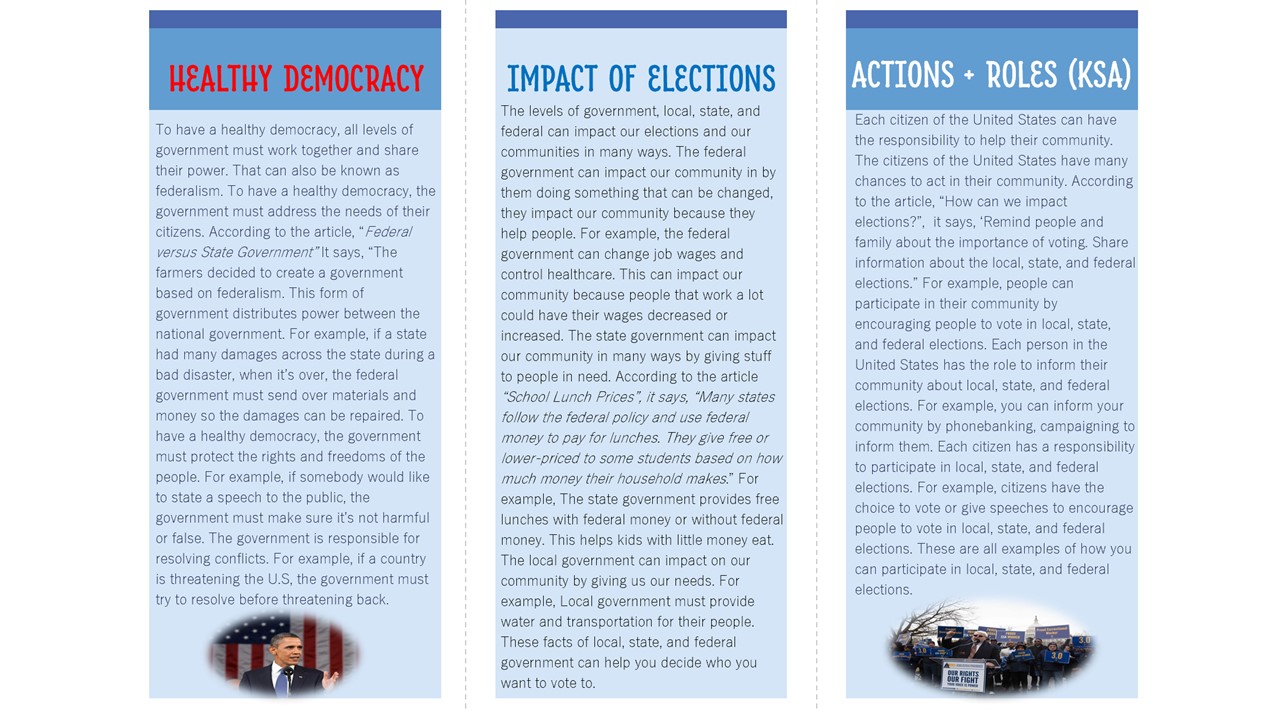
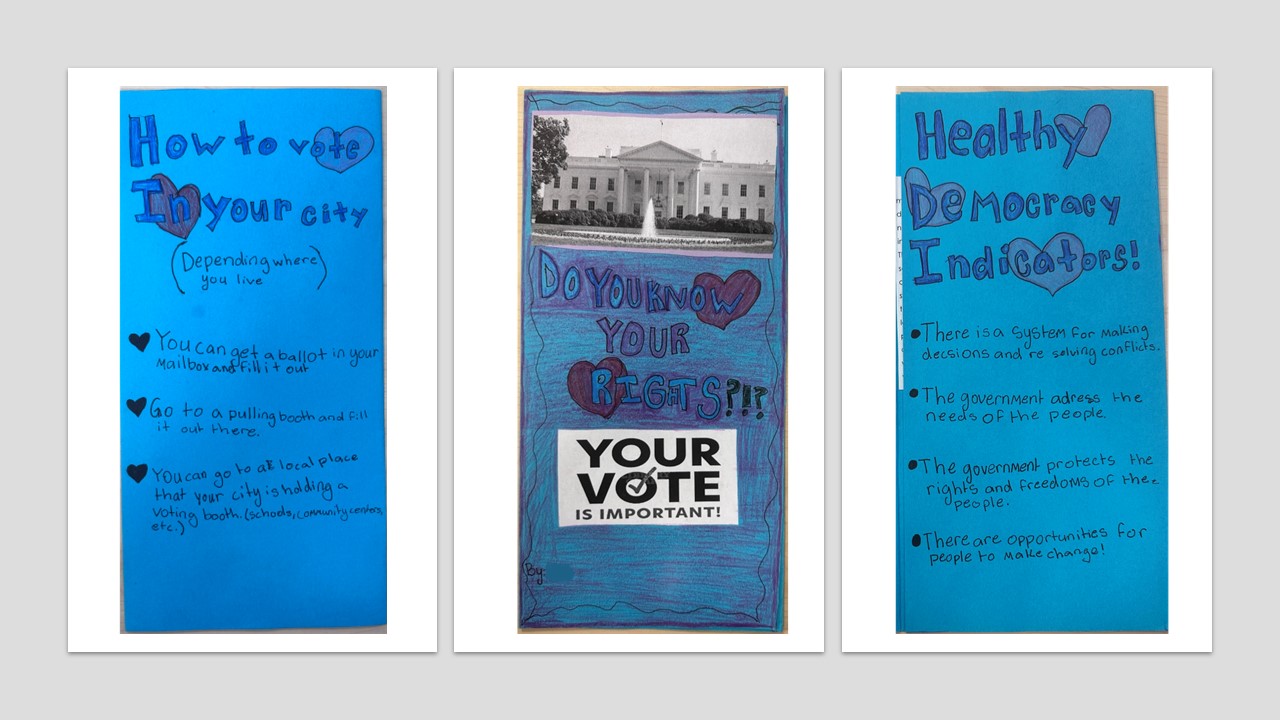
After the election, our fifth graders were disheartened by the low voter turnout at the local, state, and national levels. To address this, we integrated our writing unit with the inquiry project, creating brochures to emphasize the importance of participating in elections at every level.
Additional Info
Seymour, Morgan from Lake Washington School District: WA, 5th Grade
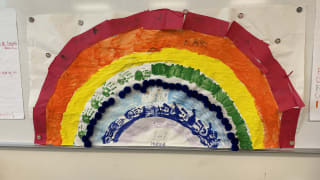
We thought of something that has multiple parts that work together to make something. Our class came up with a rainbow, and each color had a group of 3 or 4 students work together to design the part of the rainbow. Each color represented something that we learned about teamwork: strengths, sharing, kindness, collaboration, etc. The students got to choose what materials to use and how to show what they learned.
My Team and Self
Kindergarten
Final Product
We thought of something that has multiple parts that work together to make something. Our class came up with a rainbow, and each color had a group of 3 or 4 students work together to design the part of the rainbow. Each color represented something that we learned about teamwork: strengths, sharing, kindness, collaboration, etc. The students got to choose what materials to use and how to show what they learned.
Additional Info
Rachel Jordan from Elmhurst District 205 Public Schools: IL, Kindergarten

We learned about all kinds of families and what makes our family special. We did the Vin Diagram as a group. We than build our "family" home with all its members and shared with each other. They saw graphically the similarities and differences by comparing the color codes on each house.
Families Near and Far
1st Grade
Wall Display
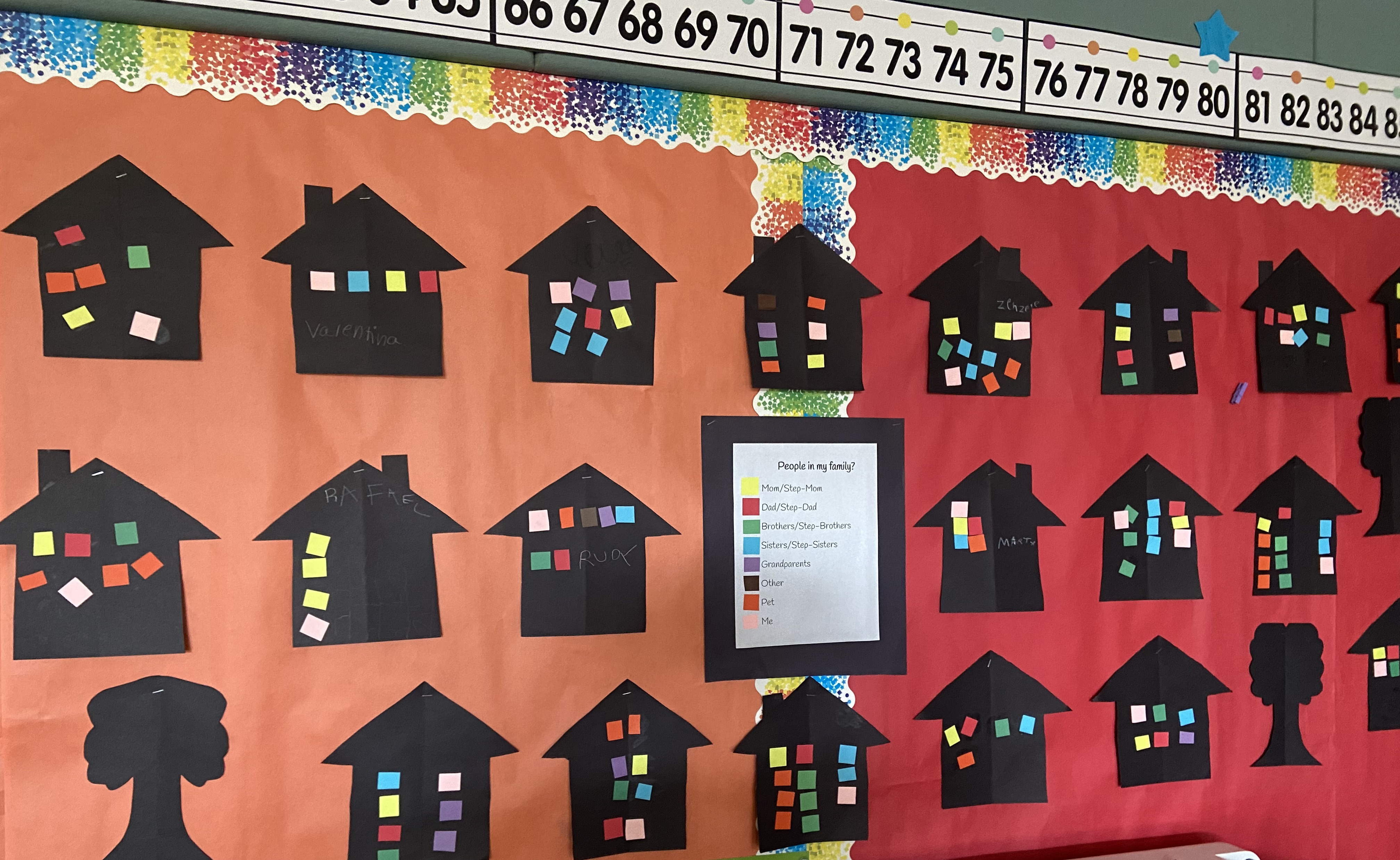
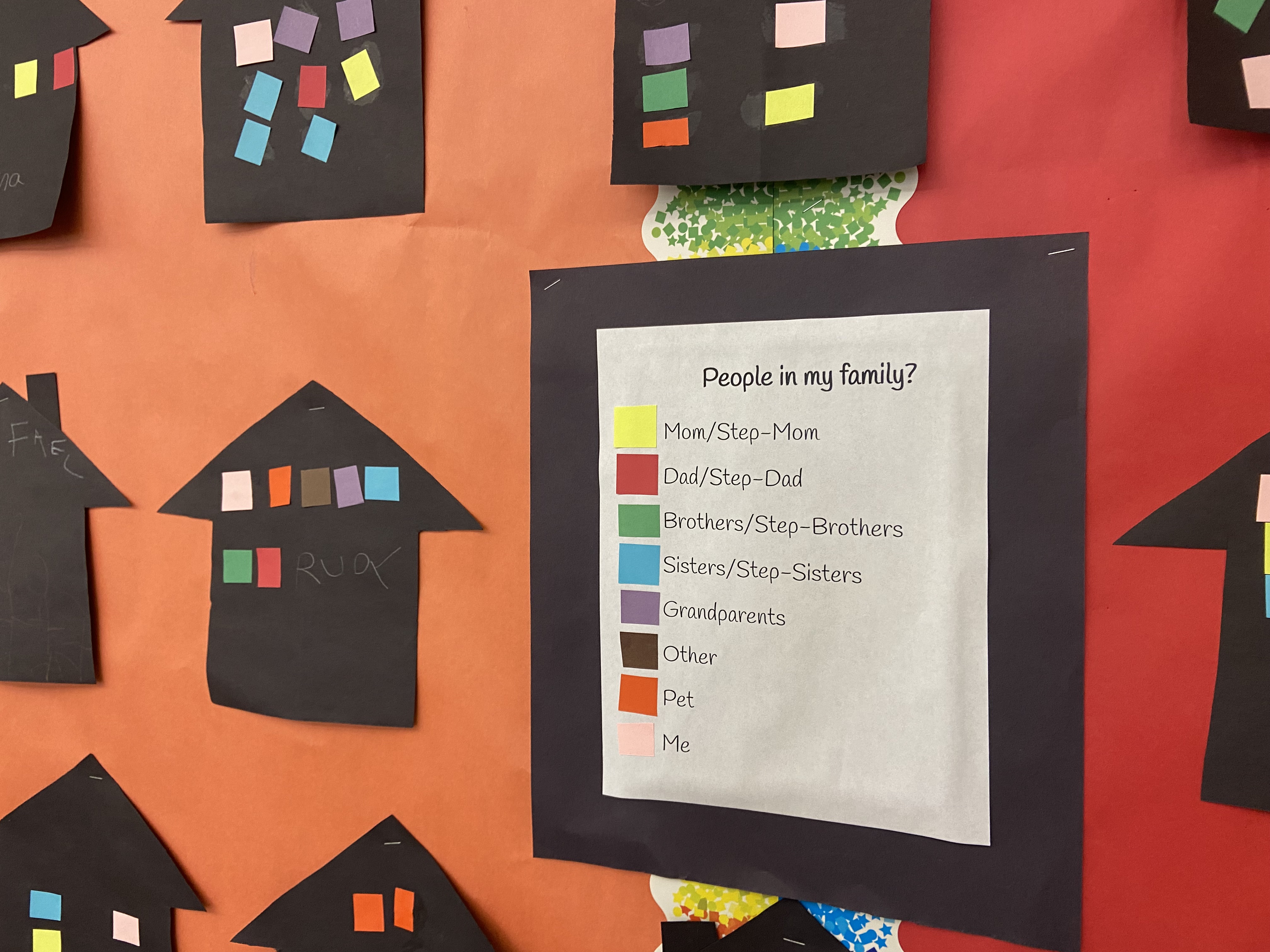
We learned about all kinds of families and what makes our family special. We did the Vin Diagram as a group. We than build our "family" home with all its members and shared with each other. They saw graphically the similarities and differences by comparing the color codes on each house.
Additional Info
Ali Bower from Alameda Unified School District: CA, 1st Grade

To get the kids curious ahead of the Economic unit, I created this wall display. They are so inquisitive and can't wait to see what this unit will be about! I am excited to see what they will come up with as we begin!
Economic Choices
4th Grade
Wall Display
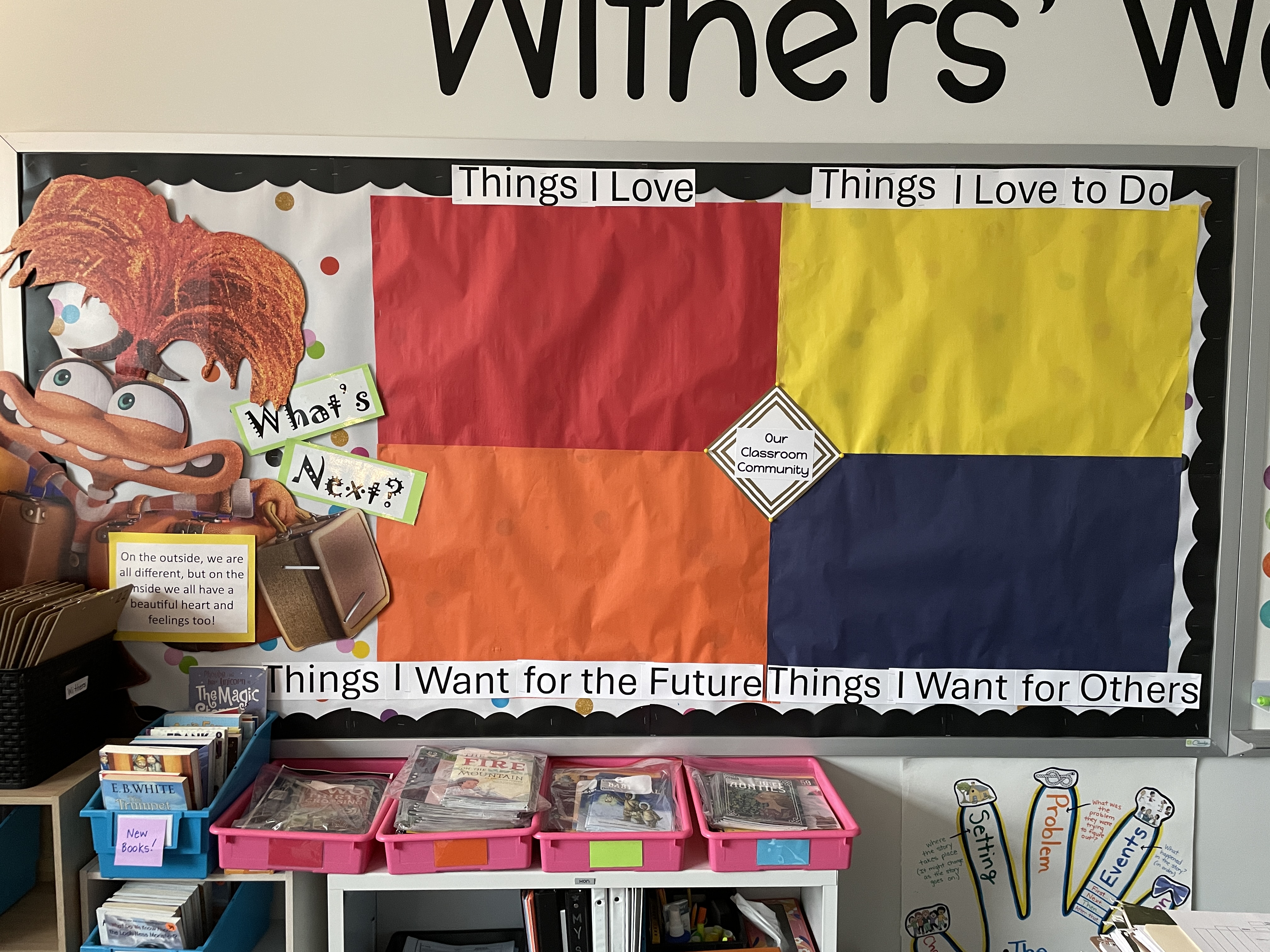
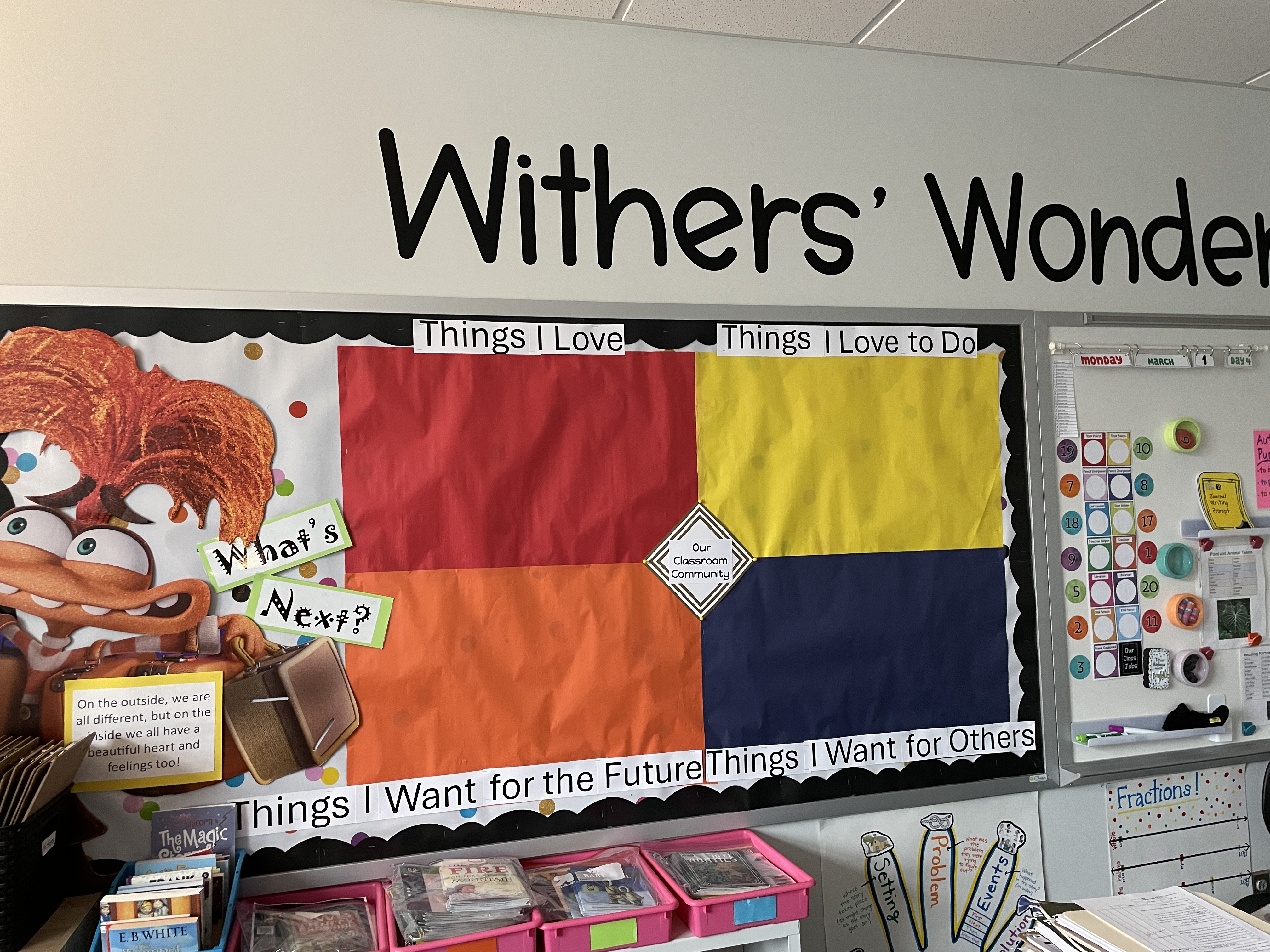
To get the kids curious ahead of the Economic unit, I created this wall display. They are so inquisitive and can't wait to see what this unit will be about! I am excited to see what they will come up with as we begin!
Additional Info
Linda Withers from Waukee Community School District: IA, 4th Grade
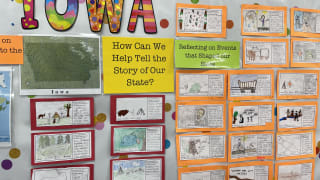
This wall displays shows student work from the Our State and Region.
Our State and Region
4th Grade
Wall Display
This wall displays shows student work from the Our State and Region.
Additional Info
Linda Withers from Waukee Community School District: IA, 4th Grade
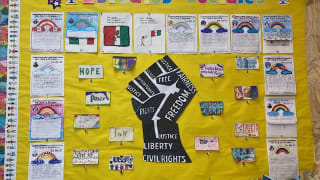
During the month of January and February, we studied the Civil Rights Movements and we celebrated African-American History.
Civic Engagement
3rd Grade
Wall Display
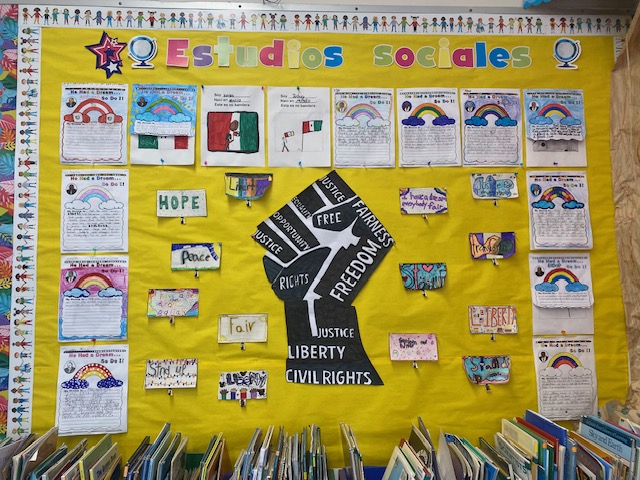
During the month of January and February, we studied the Civil Rights Movements and we celebrated African-American History.
Additional Info
Sonia Valero Arnal from San Francisco Unified School District: CA, 3rd Grade
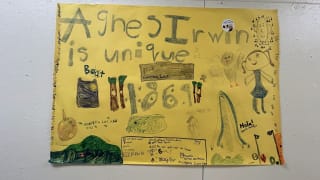
The first grade team worked on symbols that represented our school community. They included a MAP key to help the reader's understand the school "map."
Our Special Location
1st Grade
Wall Display
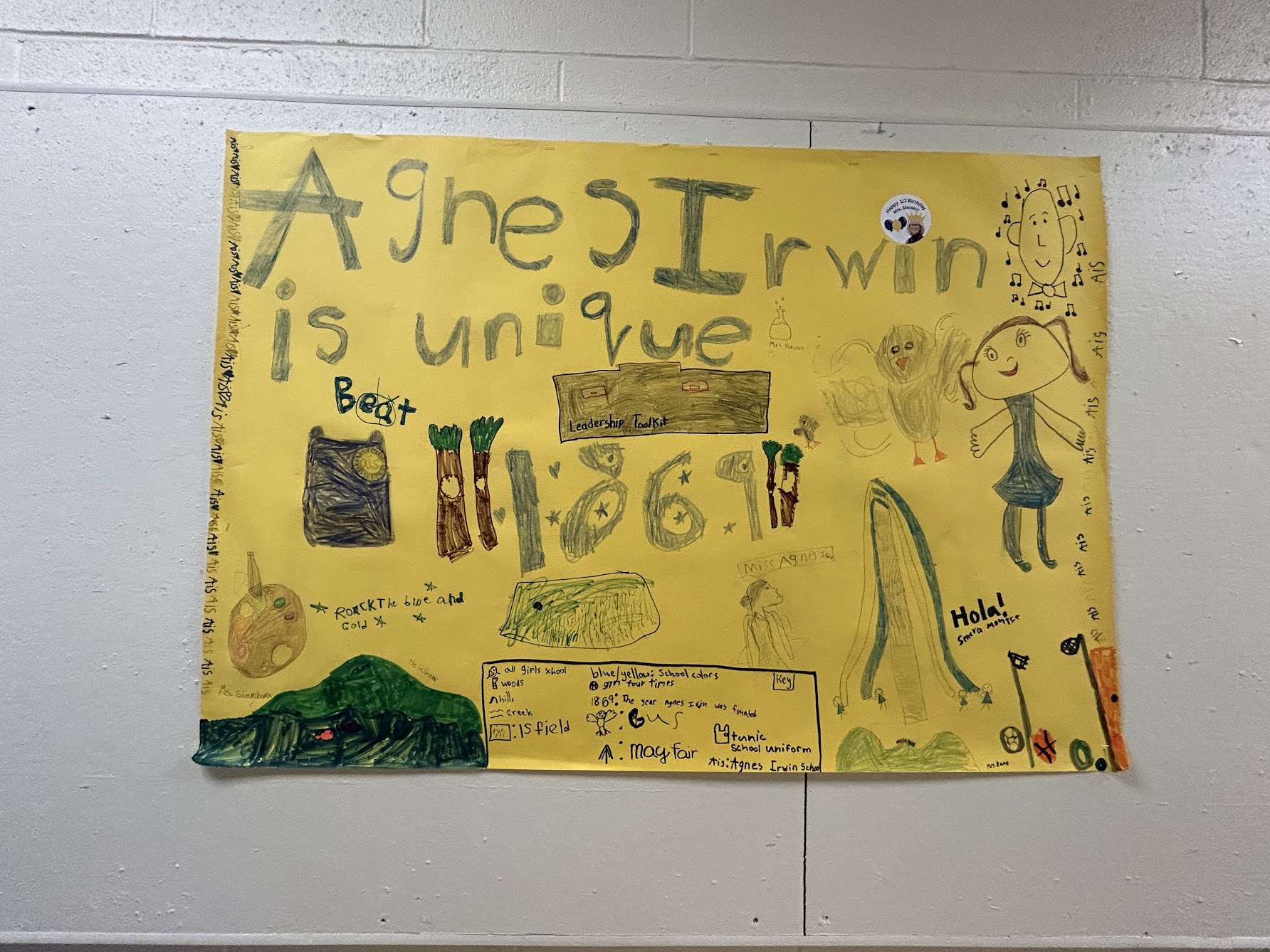
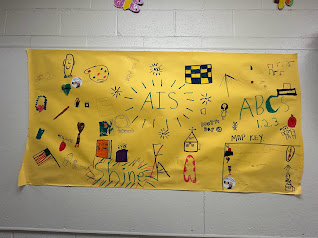
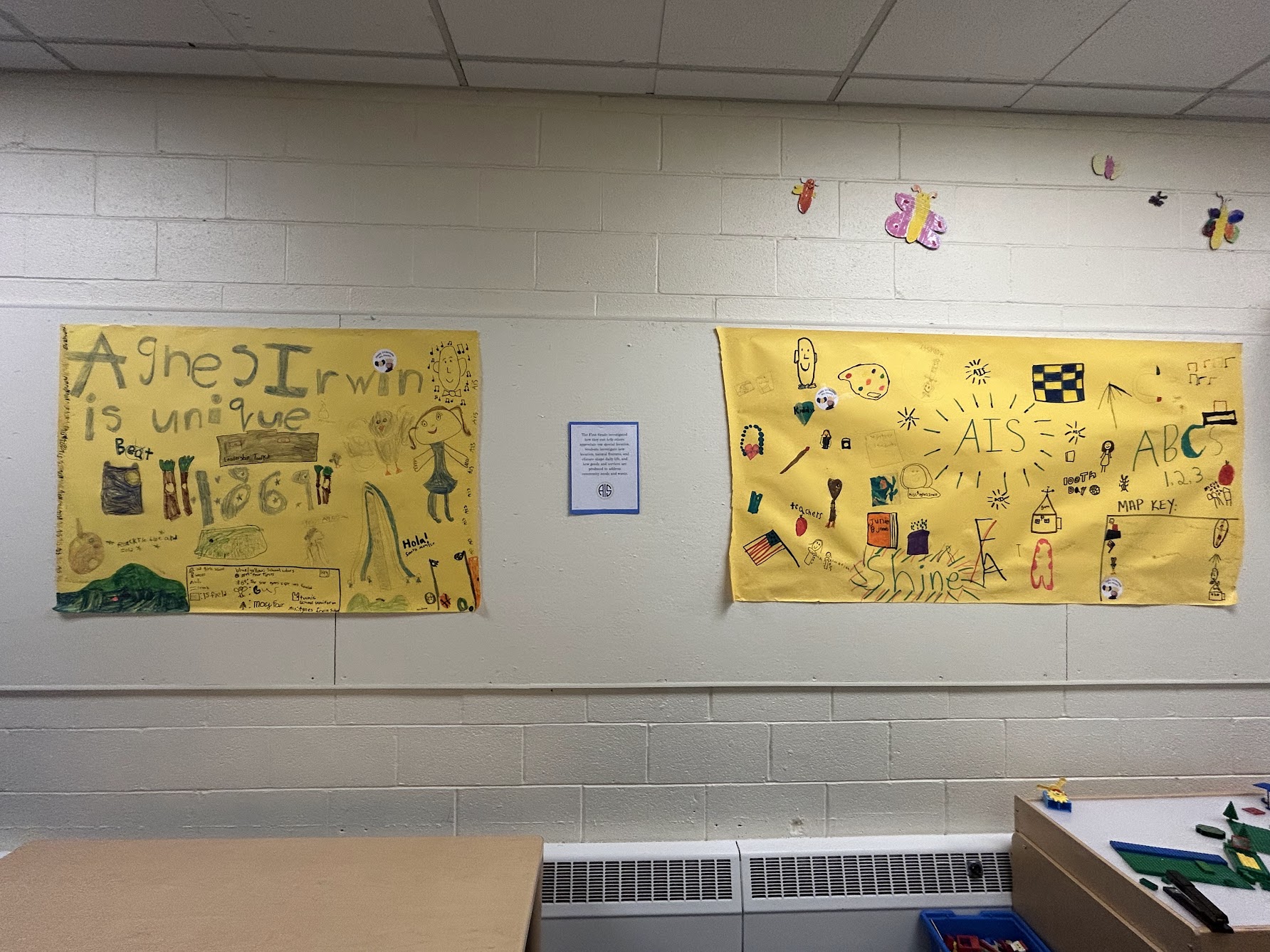
The first grade team worked on symbols that represented our school community. They included a MAP key to help the reader's understand the school "map."
Additional Info
Chrissy Milliken from Agnes Irwin School: PA, 1st Grade

My students loved this project! Each student explained a holiday that their family celebrates and some of the traditions they participate in. Highly recommend!
Families Near and Far
1st Grade
Anchor Chart
My students loved this project! Each student explained a holiday that their family celebrates and some of the traditions they participate in. Highly recommend!
Additional Info
Chrissy Milliken from Agnes Irwin School: PA, 1st Grade
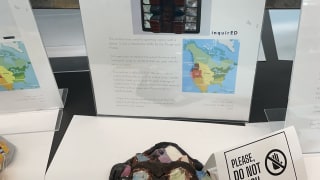
The students chose an artifact from the cultural area that they researched and made a replica out of clay, wood, paint and other materials. In order to inspire and educate our broader community, these replicas were displayed at our local library along with a photograph of the original artifact and information about the cultures of origin. We heard such positive feedback from the library on the interaction of the community with the projects-looking, reading and learning from the student writing and the maps and images included alongside the student work. Having an authentic audience was important to creating quality work.
Native America
5th Grade
Final Product
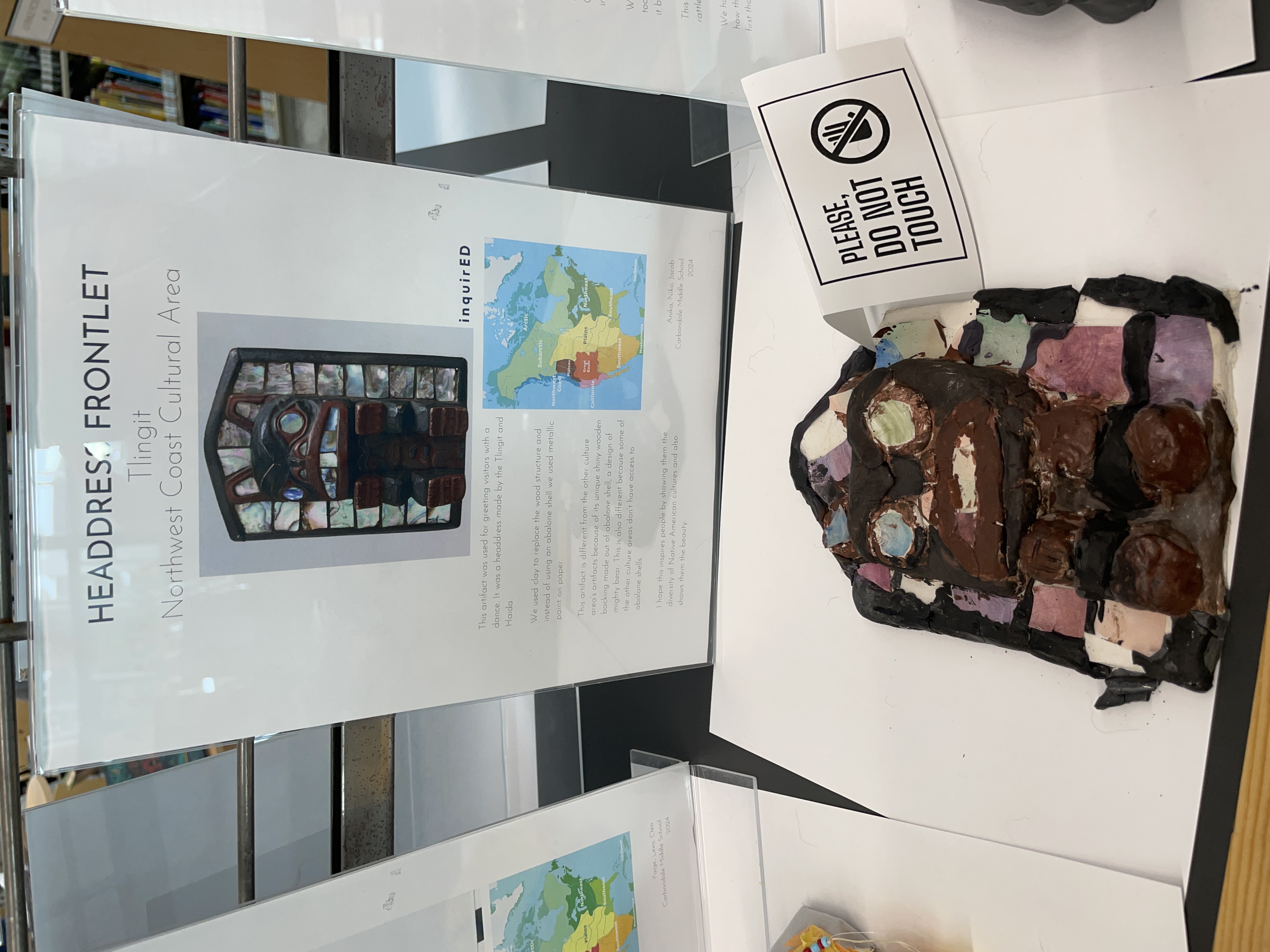
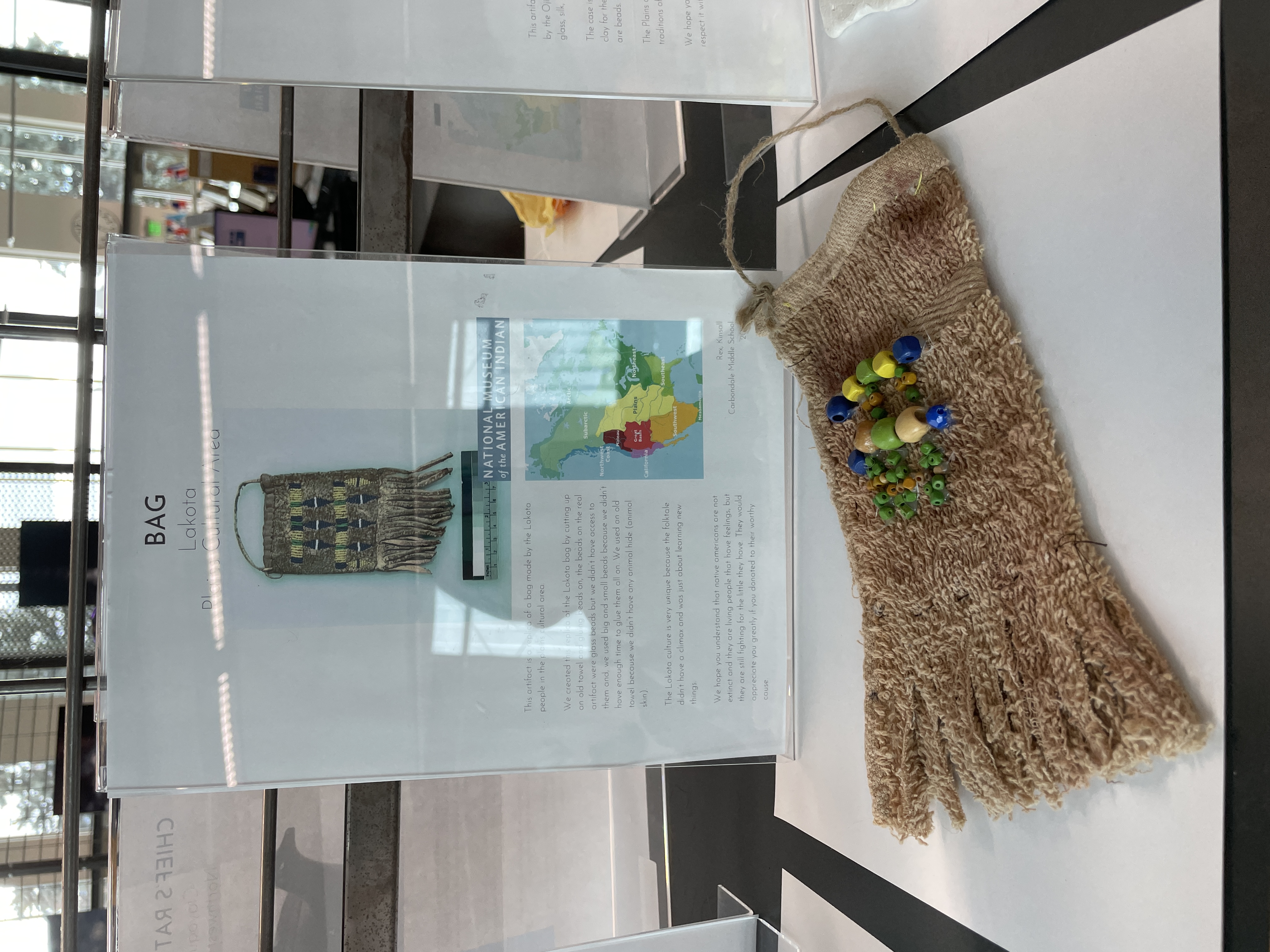
The students chose an artifact from the cultural area that they researched and made a replica out of clay, wood, paint and other materials. In order to inspire and educate our broader community, these replicas were displayed at our local library along with a photograph of the original artifact and information about the cultures of origin. We heard such positive feedback from the library on the interaction of the community with the projects-looking, reading and learning from the student writing and the maps and images included alongside the student work. Having an authentic audience was important to creating quality work.
Additional Info
Betsy McMichael from Roaring Fork School District: CO, 5th Grade

Students created a museum display on the importance of elections based on the Rights and Responsibilities unit in fifth grade. We considered information like the structure of government and how they solve problems, as well as a citizen's right to vote and what they can do to go above and beyond that right.
Rights and Responsibilities
5th Grade
Final Product
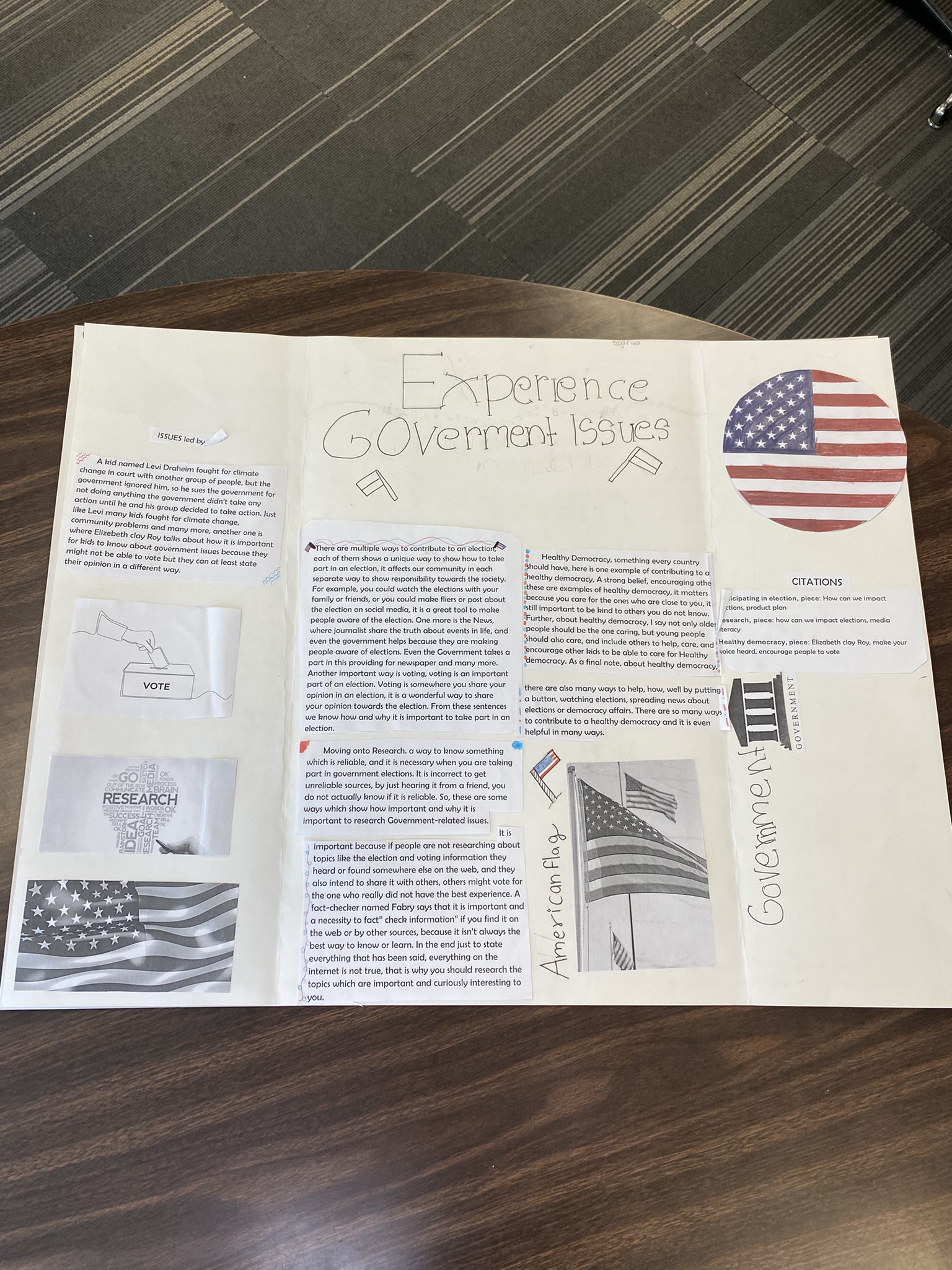
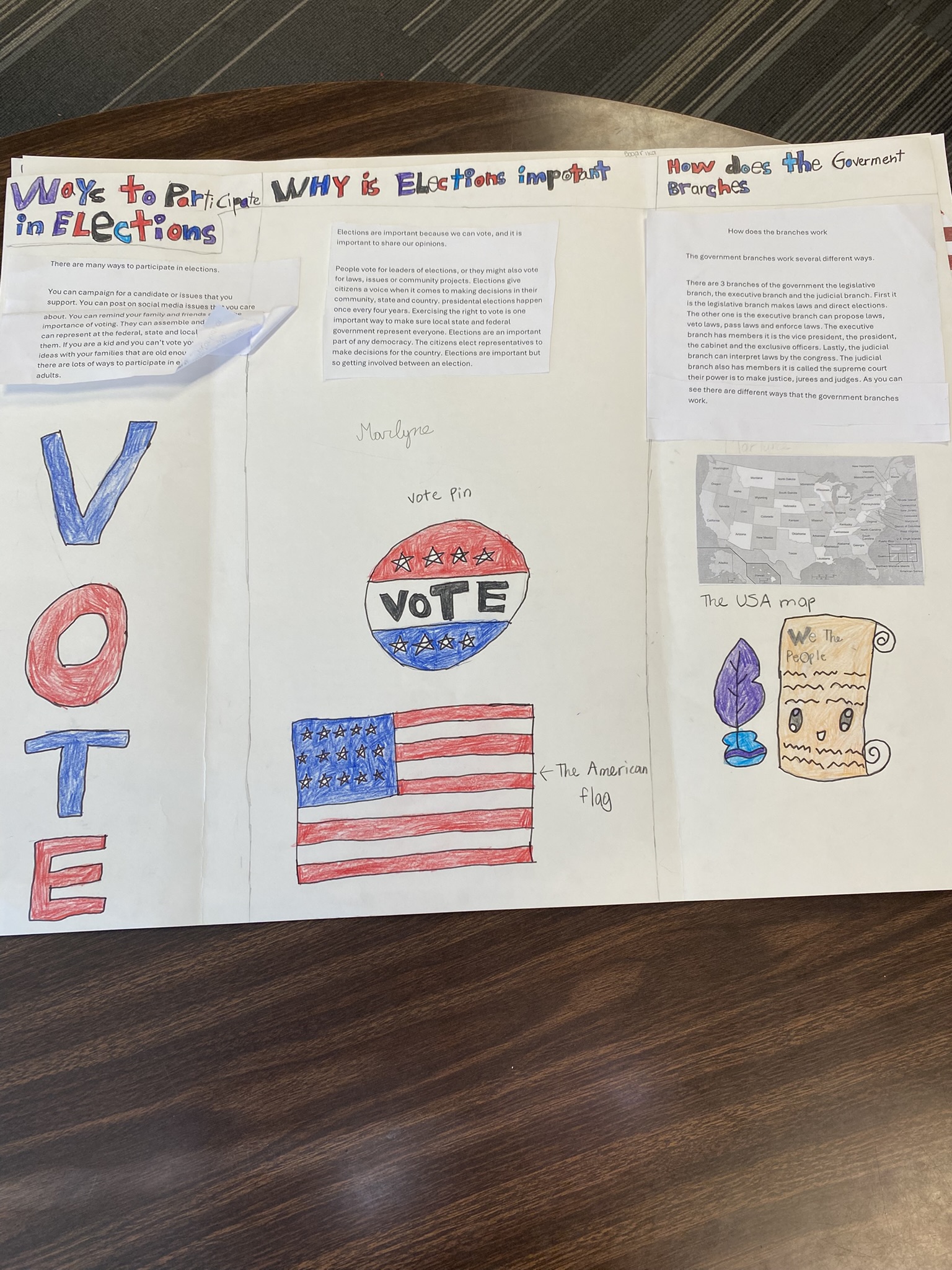
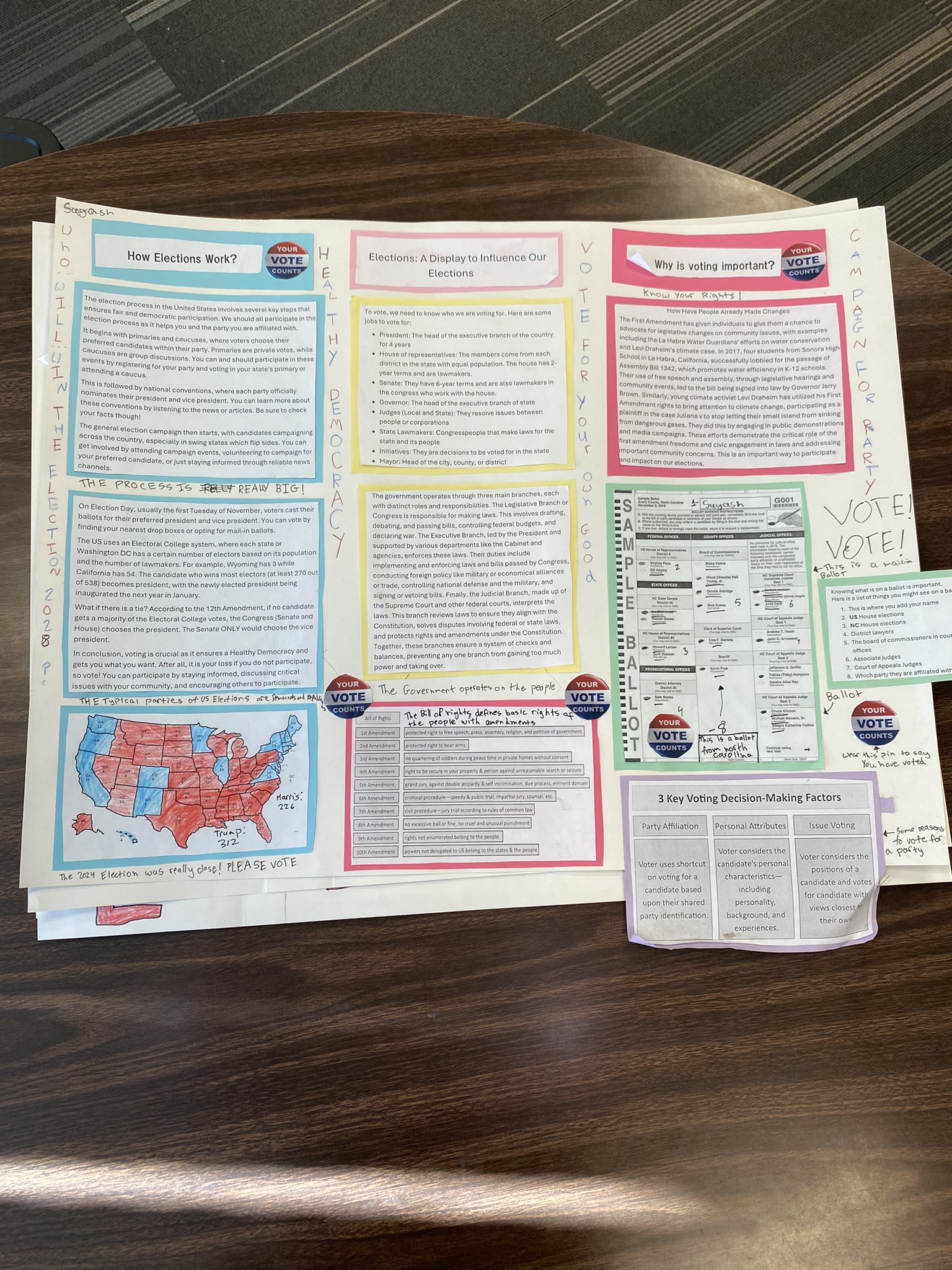
Students created a museum display on the importance of elections based on the Rights and Responsibilities unit in fifth grade. We considered information like the structure of government and how they solve problems, as well as a citizen's right to vote and what they can do to go above and beyond that right.
Additional Info
John Ormson from Lake Washington School District: WA, 5th Grade
No results found.
There are no results with this criteria. Try changing your search.