
Welcome to Inquiry Week!
March 2–6, 2026
All week long, we’re celebrating inquiry by lifting up real classroom work and the questions students and teachers are exploring. If inquiry is happening where you teach, you belong here. There are two ways to participate.
Submit Inquiry Work
Have inquiry work from your classroom? We’d love to see it. You can submit:
- Inquiry Walls or question charts
- Student-generated questions
- Teacher Inquiry Questions
- In-progress work from your classroom
- Anything else that shows inquiry in your classroom!
Share Inquiry Questions
Not ready to submit work yet? You can still join the conversation. Inquiry often starts with a question. A real one that students or teachers are wondering about right now. You can share your Inquiry Question by:
- Commenting on an Inquiry Week post on Instagram or LinkedIn
- Replying to one of our Inquiry Week emails
We’ll be highlighting Inquiry Questions all week so educators can learn from one another.
Share Inquiry Work
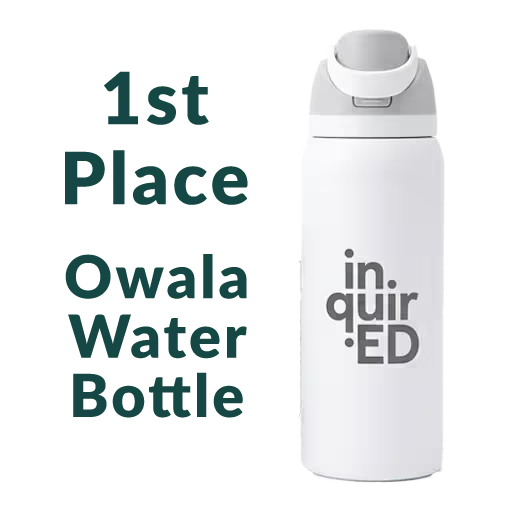
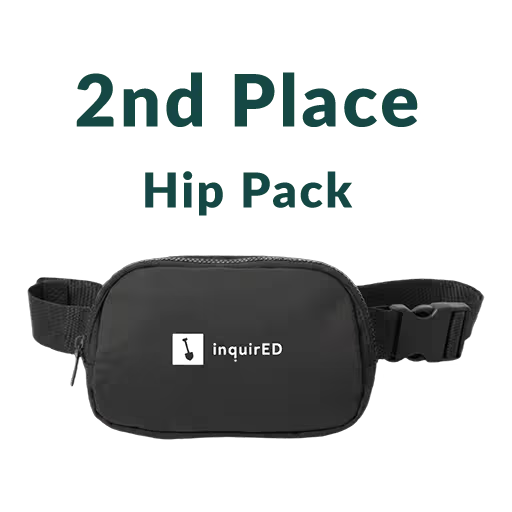

Celebrate your students!
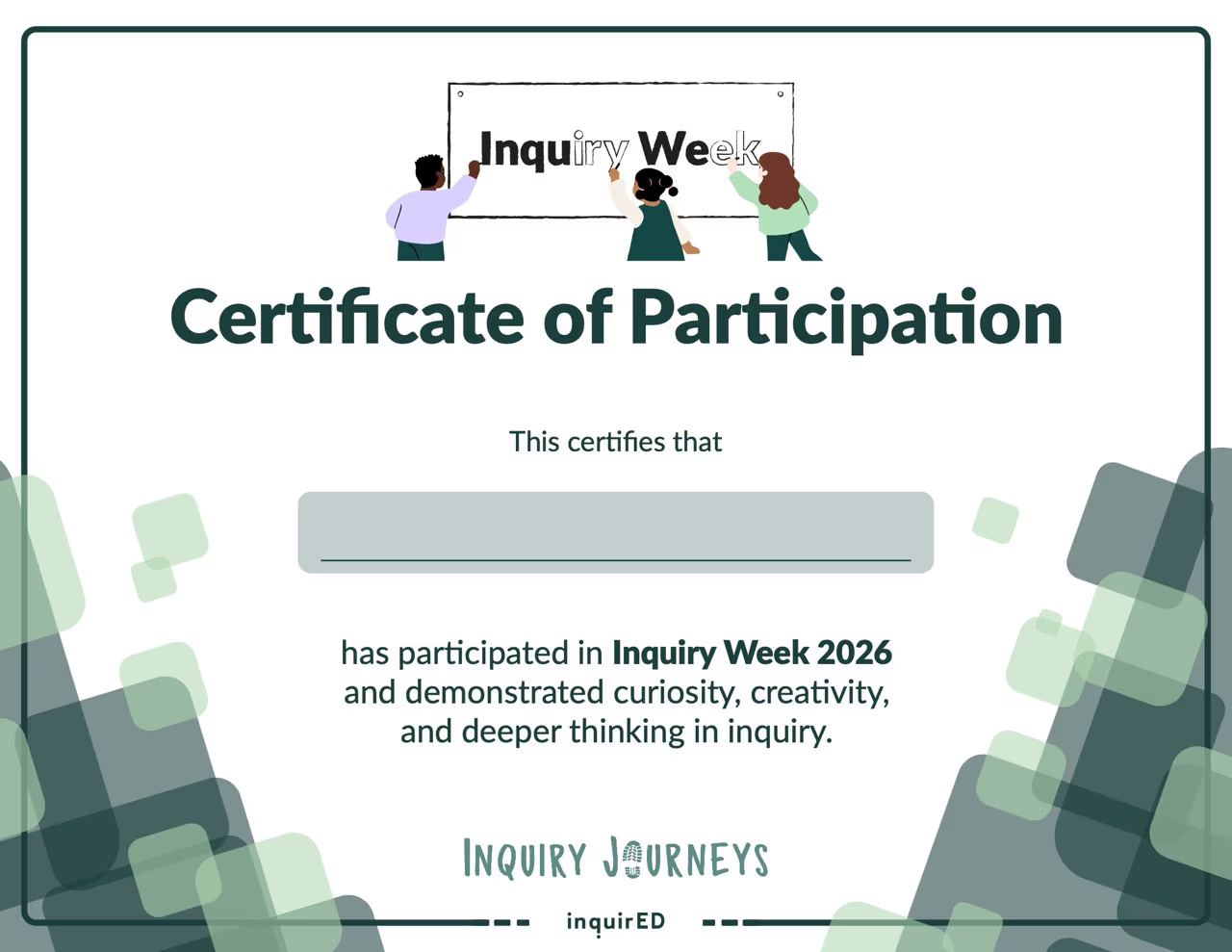
Inquiry Week is also about celebrating students and the questions they bring to learning.
We’re sharing a student Inquiry Week certificate you can use to recognize students for their curiosity, questioning, and thinking. It’s a simple way to celebrate inquiry, whether your work feels finished or still in progress.
Contest FAQs
Do submissions need to be perfect?
No. We’re interested in the learning process, not polished final products.
Inquiry work might include student work, vocabulary, anchor charts, images, or other artifacts that show thinking over time. If it reflects real student questions and learning, it counts.
How will winners be chosen?
Submissions are reviewed for creativity, clarity, and how well they represent the inquiry process. Winning submissions may be featured in an Inquiry Work Gallery to help other educators see what inquiry can look like in real classrooms.
What file types can I submit?
You can submit:
- Images (JPG or PNG)
- Videos (MP4 or MOV) Files should be under 100 MB.
Do I need to submit physical copies of student work?
No. Digital submissions work great.
If space is limited, feel free to share smaller pieces of student work or snapshots that capture student thinking, reading, or writing in social studies.
Any tips for taking photos or videos of my inquiry work?
A few simple tips:
- Take more than one photo.
- Include at least one full view, plus a few close-ups.
- Make sure the image is bright and easy to read.
Clear photos help us see student thinking more clearly.
Looking for inspiration?
Explore examples from the Inquiry Work Gallery.
Click on a thumbnail below to expand and view more images.
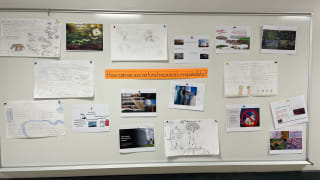
The work pictured here is from the Natural Resources Inquiry, Module 3, in response to the essential question "How can we use natural resources responsibly?" These are students' mini-posters from Lessons 4 and 5, which are displayed in the hallway outside their classroom.
Natural Resources of the U.S.
4th Grade
Wall Display
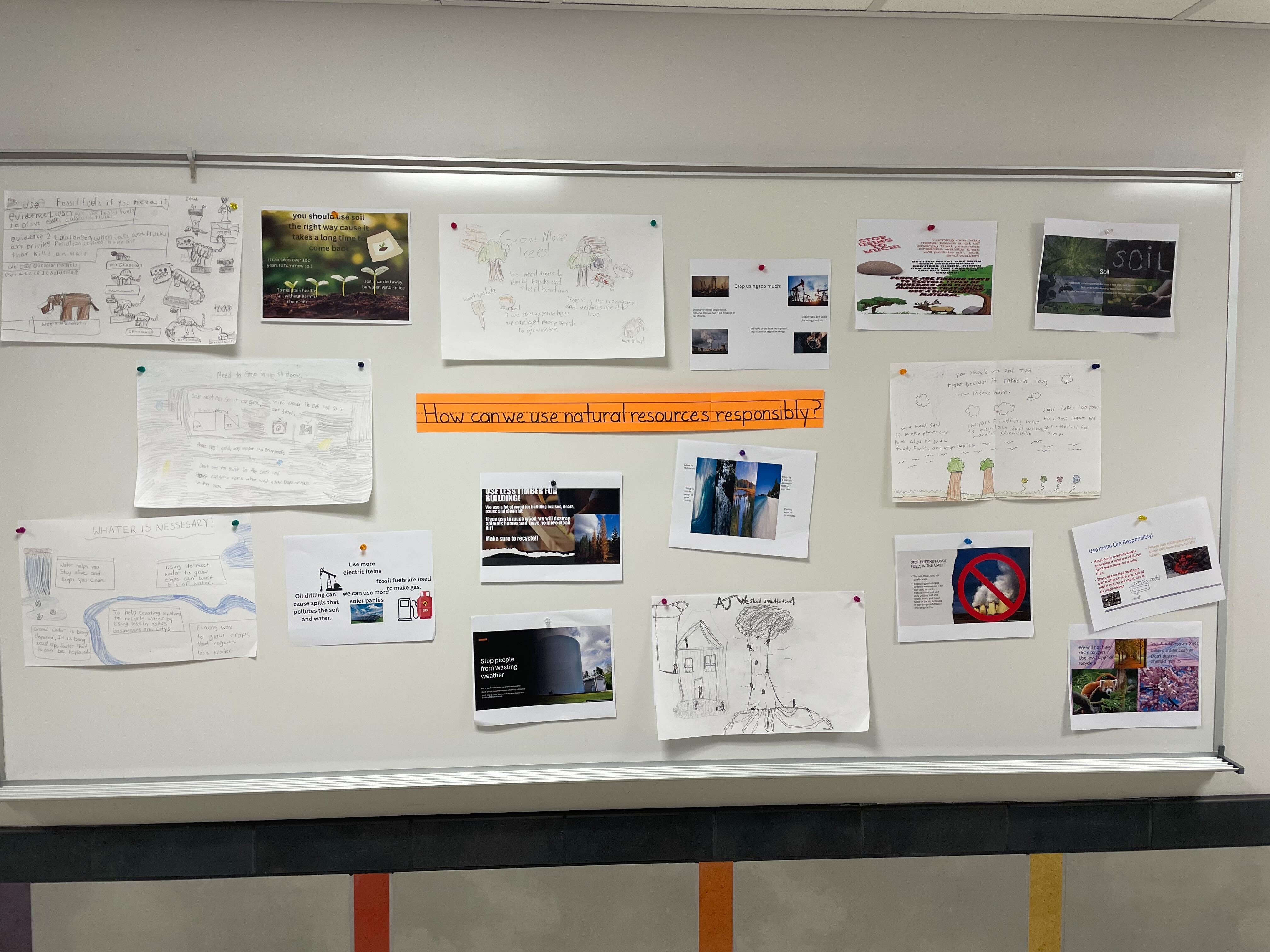
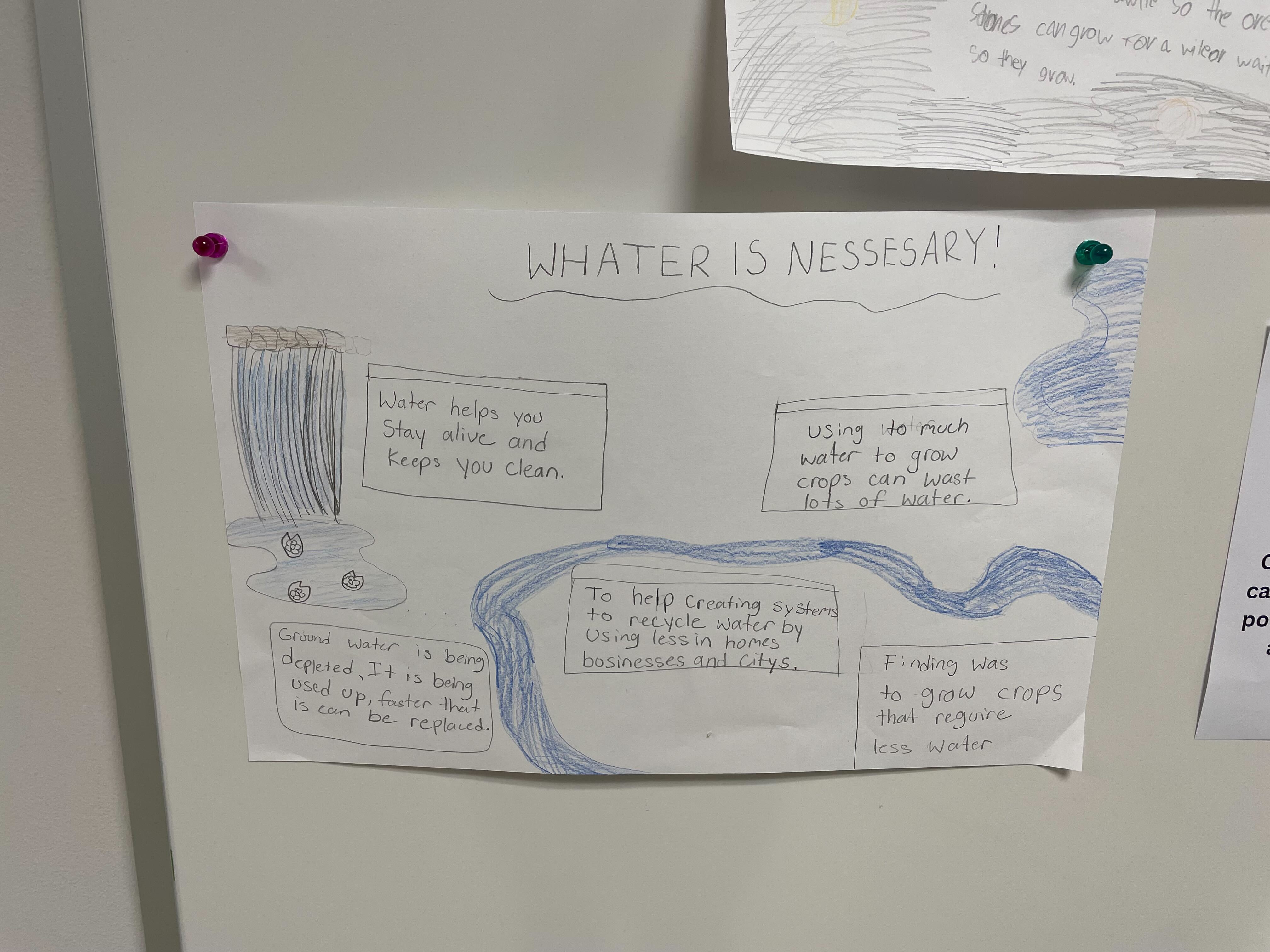
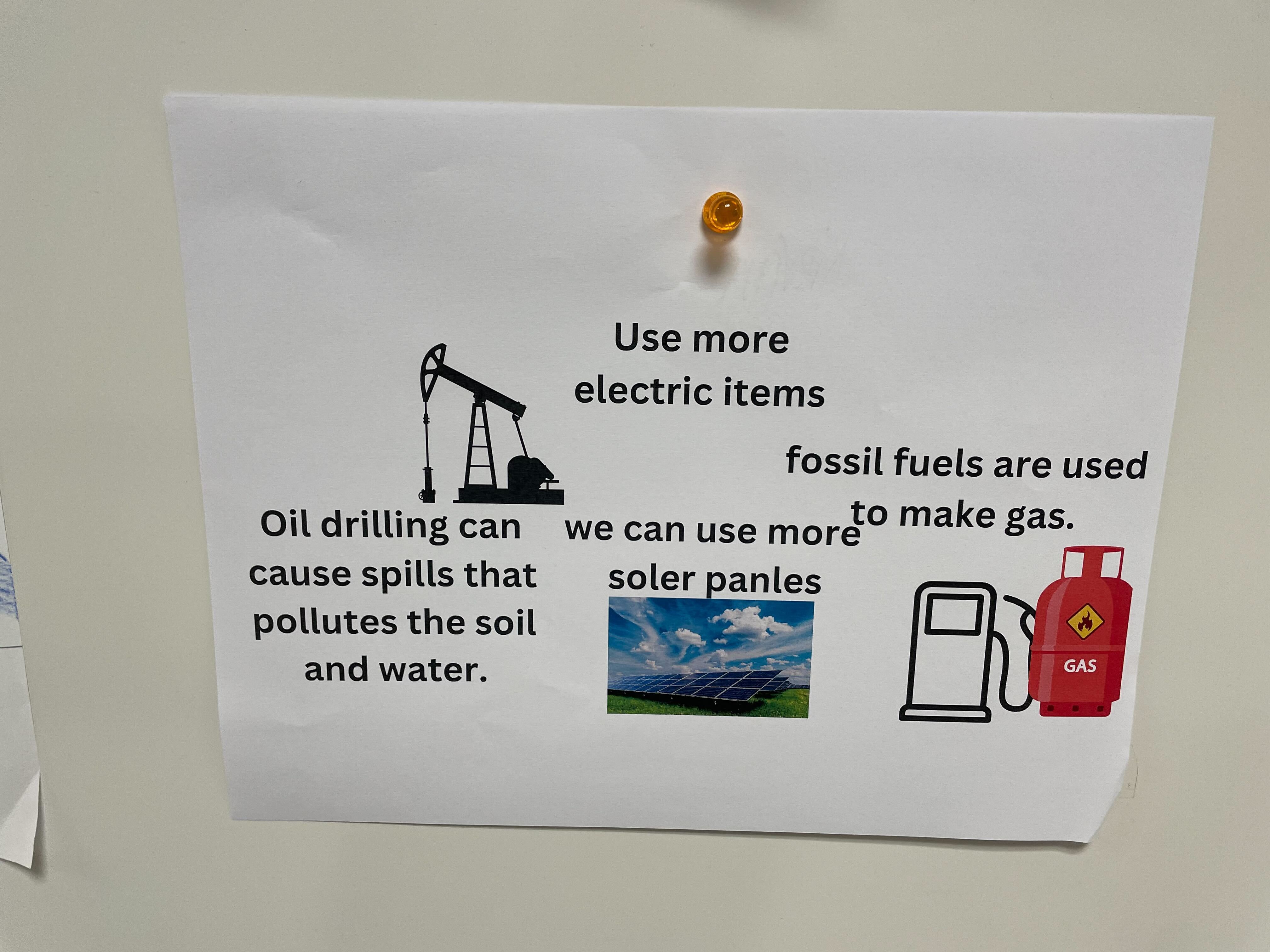
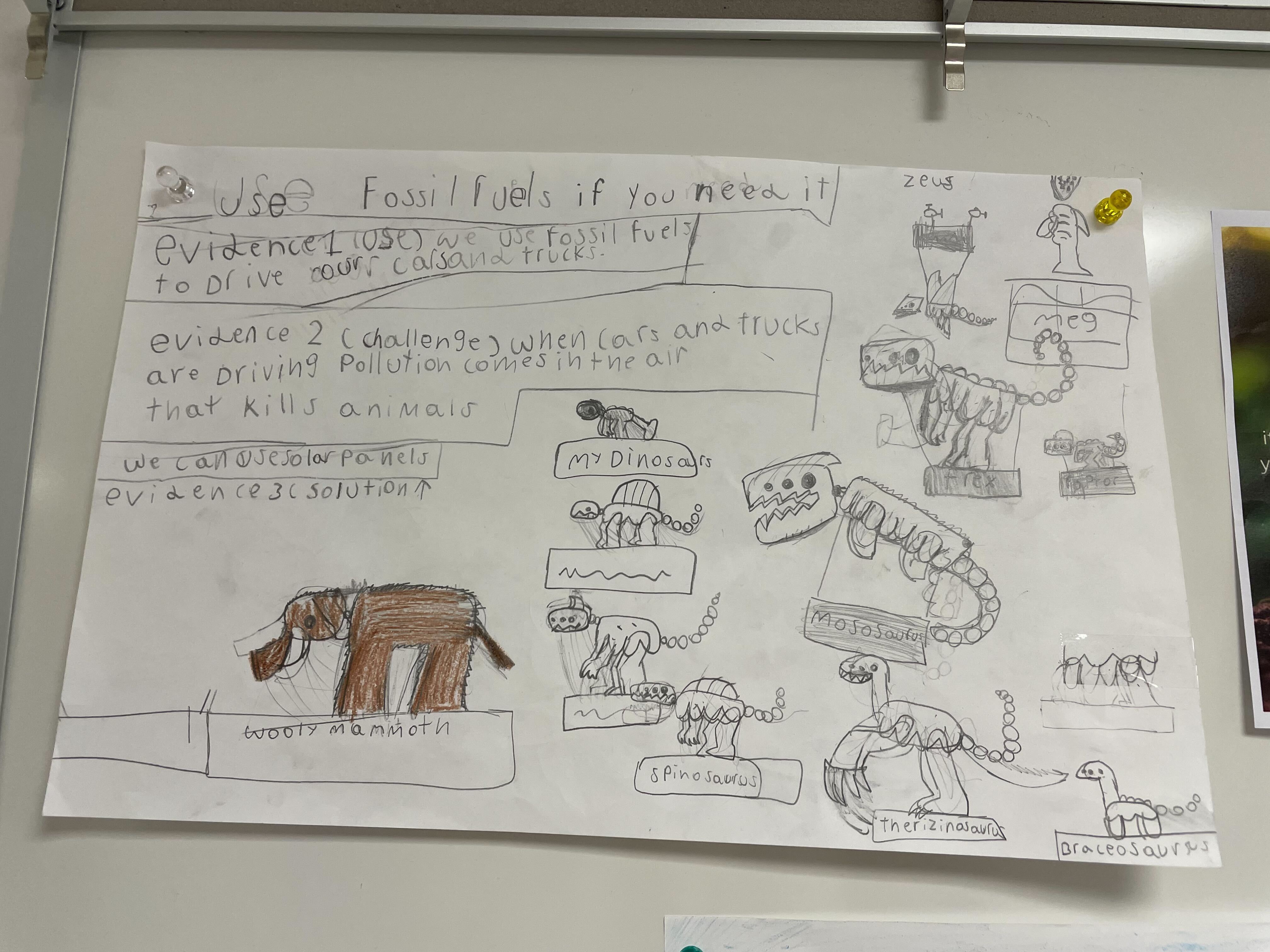
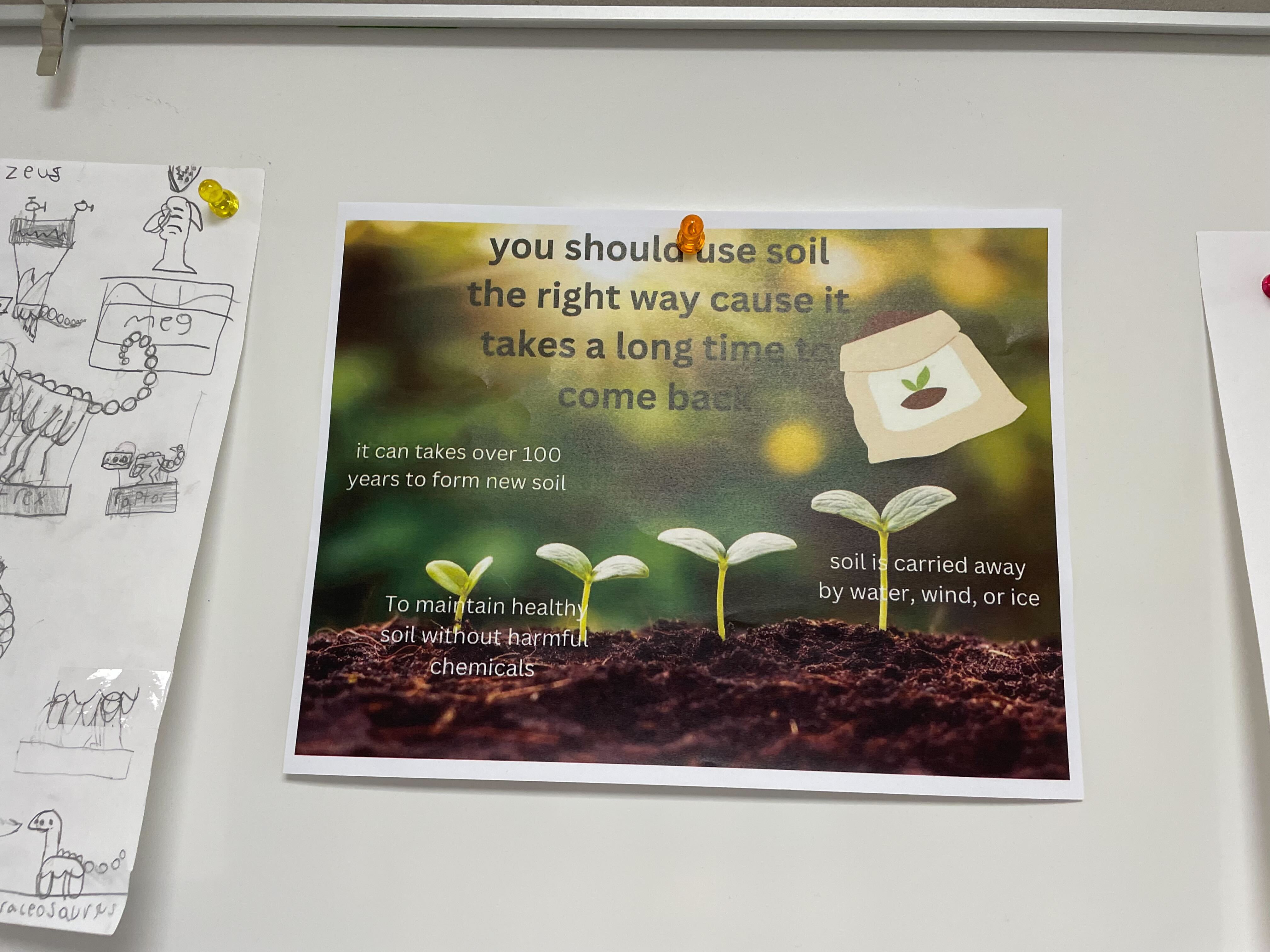
The work pictured here is from the Natural Resources Inquiry, Module 3, in response to the essential question "How can we use natural resources responsibly?" These are students' mini-posters from Lessons 4 and 5, which are displayed in the hallway outside their classroom.
Additional Info
Yelena Gulkewicz from Hatboro-Horsham School District: PA, 4th Grade

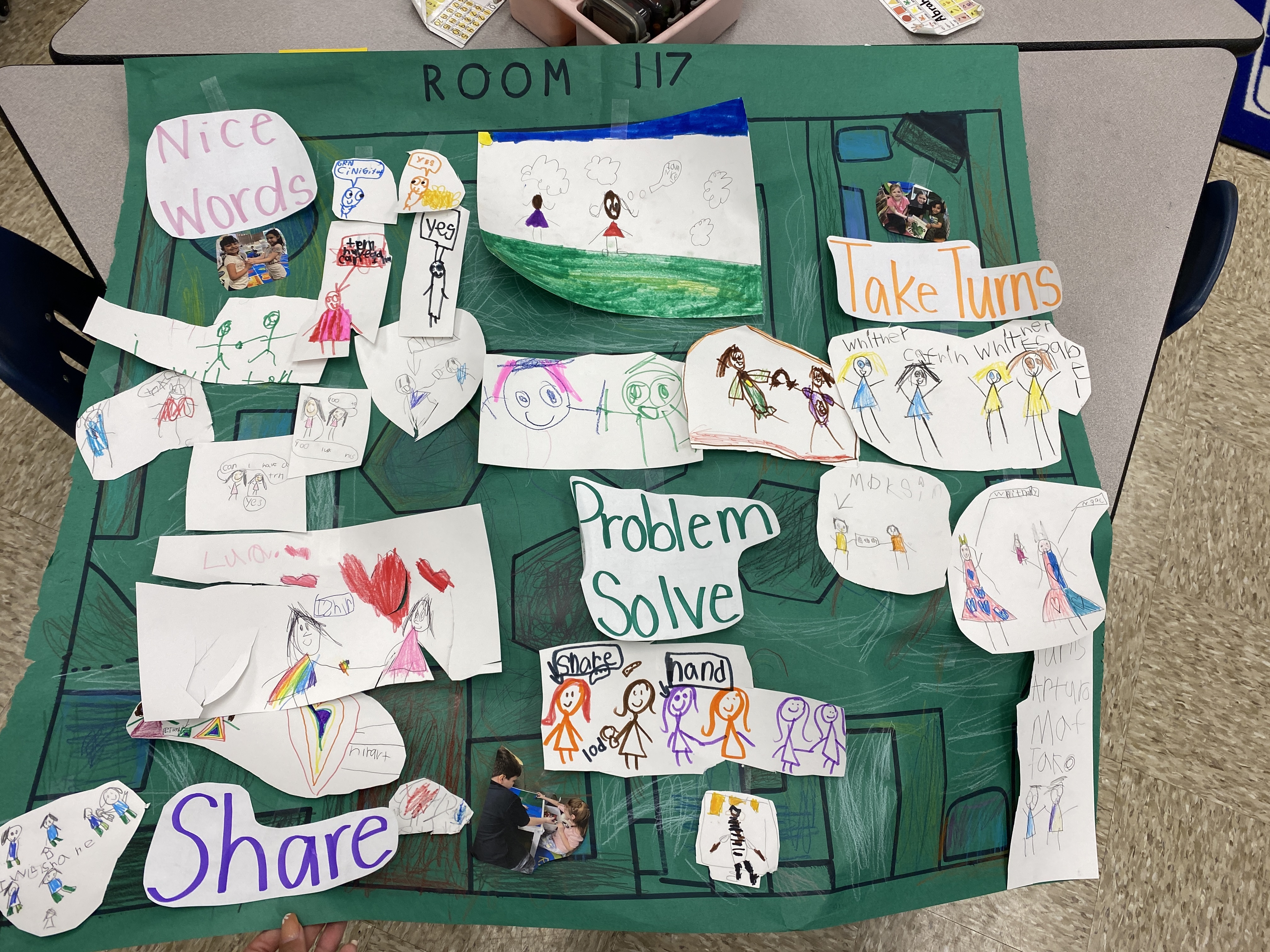
My Team and Self
Kindergarten
Final Product
Additional Info
Amanda Perry from Franklin Park District 84: IL, Kindergarten

My students investigated the various factors that comprise our cultural identity to have a better understanding of the topic. They also investigated how the connections we form and sustain influence our cultural identities and knowledge of others.
Migration and Movement
3rd Grade
Wall Display

My students investigated the various factors that comprise our cultural identity to have a better understanding of the topic. They also investigated how the connections we form and sustain influence our cultural identities and knowledge of others.
Additional Info
Gloria Navarrete Rodriguez from dpsk12.net: CO, 3rd Grade

My students love this unit! There is so much depth and students get to learn multiple perspectives on how Oregon became a state. The Inquiry Wall is something we refer back to all unit long and students love to see their work on the wall.
Our State and Region
4th Grade
Inquiry-Long Display
My students love this unit! There is so much depth and students get to learn multiple perspectives on how Oregon became a state. The Inquiry Wall is something we refer back to all unit long and students love to see their work on the wall.
Additional Info
Amanda Hargadine from Canby School District: OR, 4th Grade

This was a wonderful, student driven project. The class worked in groups to brainstorm places in several categories including: activities, shopping, restaurants, places to visit, and private lessons available. Students focused on 3 specific activities that had personal meaning to them and explained what the place was and why it was kid friendly. Then they chose other pictures of places from the general list for the middle photos and created a list of other things like schools, (mostly private, including preschools), places to shop, lessons, places to visit, etc. depending upon what was already included in their brochure. The class remained excited throughout the activity and they were all proud of their finished products.
Our Special Location
1st Grade
Final Product
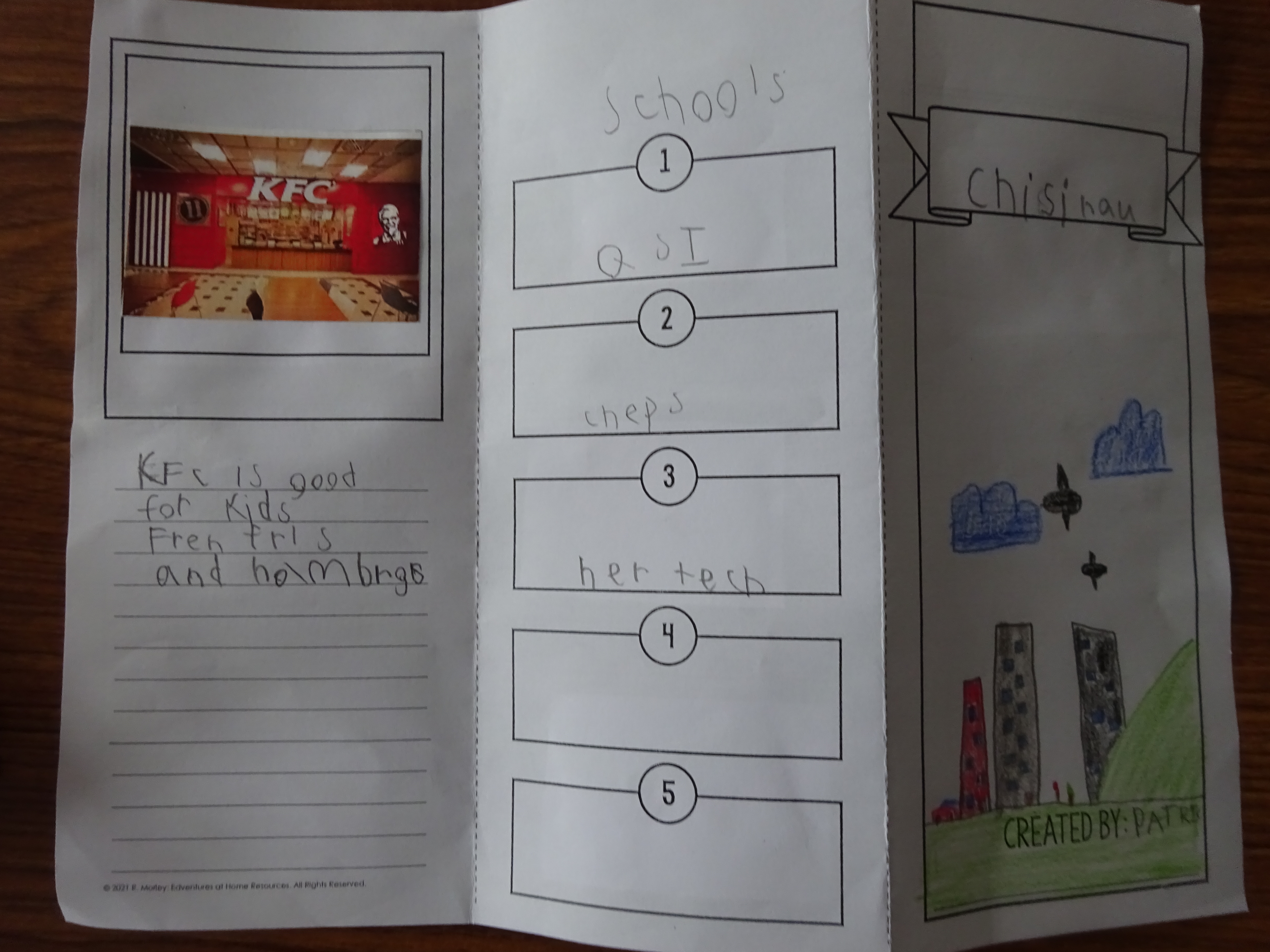
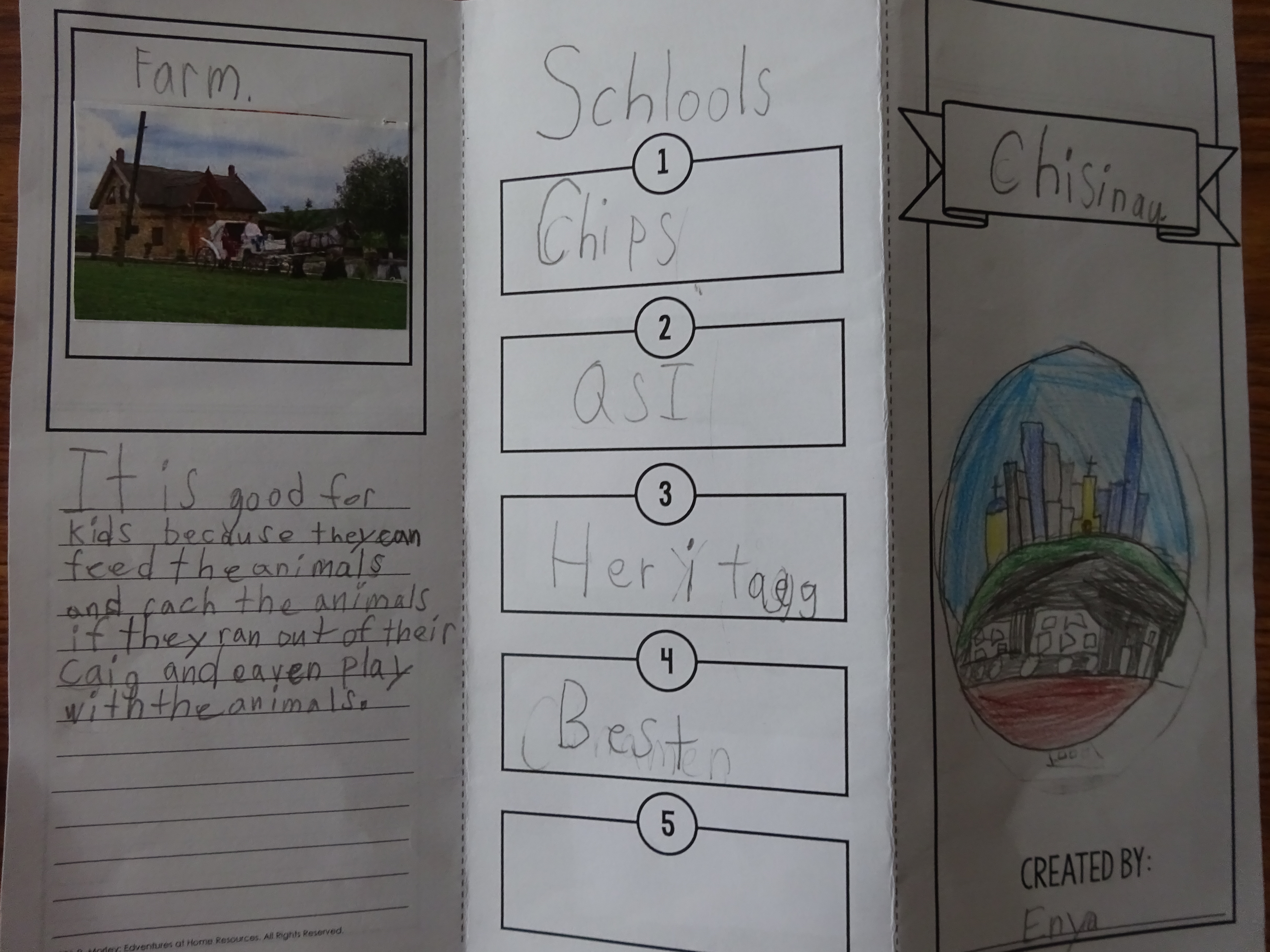
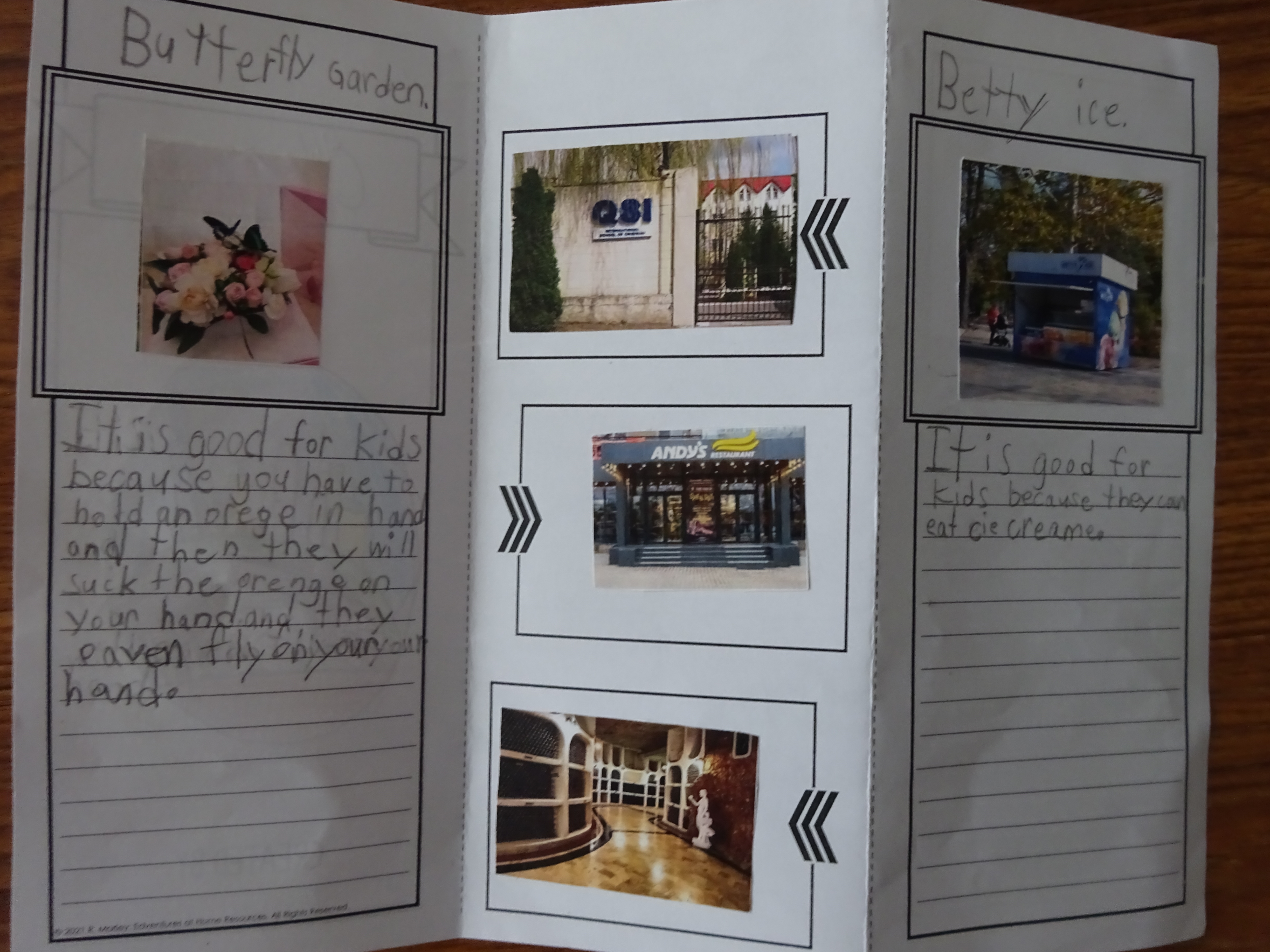
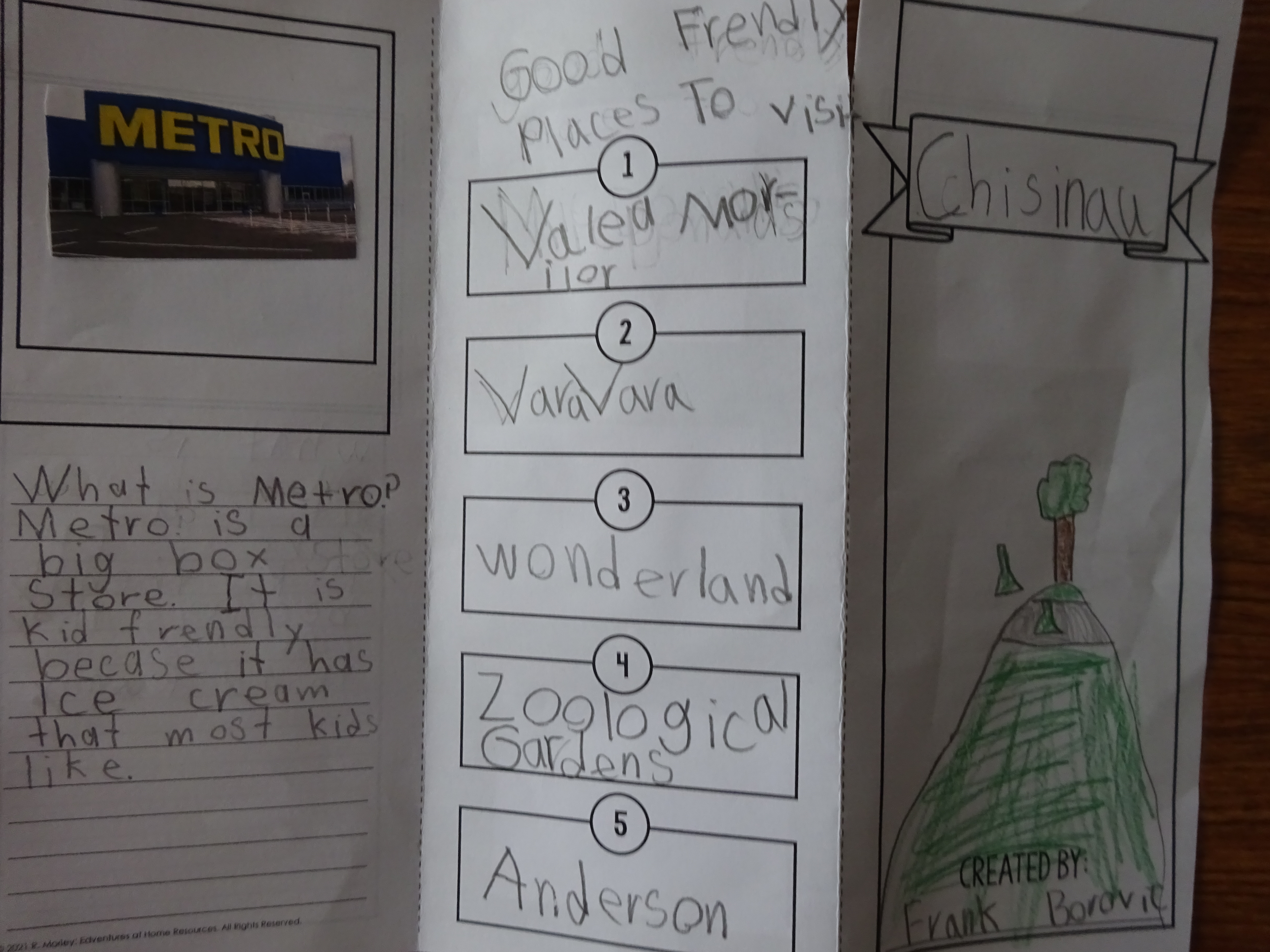
This was a wonderful, student driven project. The class worked in groups to brainstorm places in several categories including: activities, shopping, restaurants, places to visit, and private lessons available. Students focused on 3 specific activities that had personal meaning to them and explained what the place was and why it was kid friendly. Then they chose other pictures of places from the general list for the middle photos and created a list of other things like schools, (mostly private, including preschools), places to shop, lessons, places to visit, etc. depending upon what was already included in their brochure. The class remained excited throughout the activity and they were all proud of their finished products.
Additional Info
Heather Chapman from Quality Schools International: IT, 1st Grade
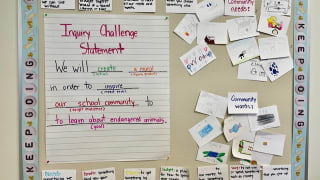
We just completed our inquiry challenge statement and have created a wonderful mural featuring endangered animals.
Meeting Needs and Wants
2nd Grade
Inquiry Challenge Statement
.jpeg)
We just completed our inquiry challenge statement and have created a wonderful mural featuring endangered animals.
Additional Info
Taylor McIntyre from Pilgrim School: CA, 2nd Grade
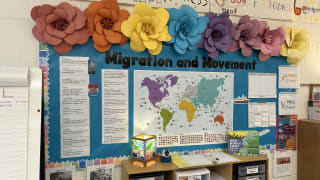
Migration and Movement
3rd Grade
Inquiry-Long Display
Additional Info
Angela Dietzel from Lancaster Mennonite School: PA, 3rd Grade

We have been working on our changing landscape for a while, but we are just in the middle of Module 3! I try to put up some samples of their work as we go along, as well as other resources we pick up throughout our time. Our town is building a new pedestrian bridge, so I took some pictures of that - it's a great example of how our landscape is modified by humans. We also connected to our science unit and studied water erosion for quite a while and how that can change our landscape. The students noticed on the bridge picture how they are using straw to stop the erosion. The paragraphs on Food and Farming was a collaborative write that we did together - students partner read the book and picked out vocabulary from one section that was meaningful. We put it all together to write a multi-paragraph compare and contrast essay! I love building our inquiry walls and hope the students find all sorts of connections to their everyday lives.
Our Changing Landscape
2nd Grade
Wall Display
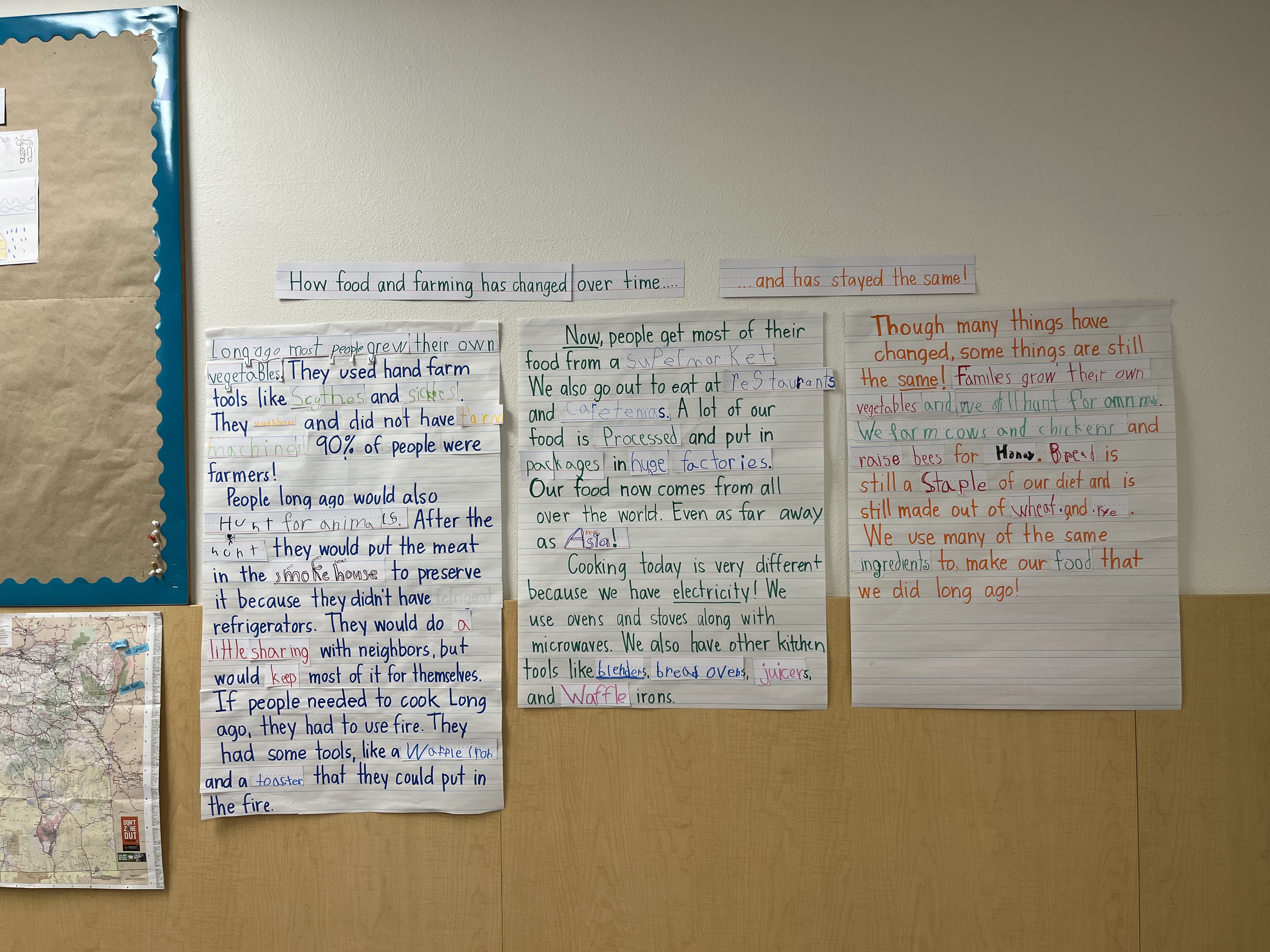
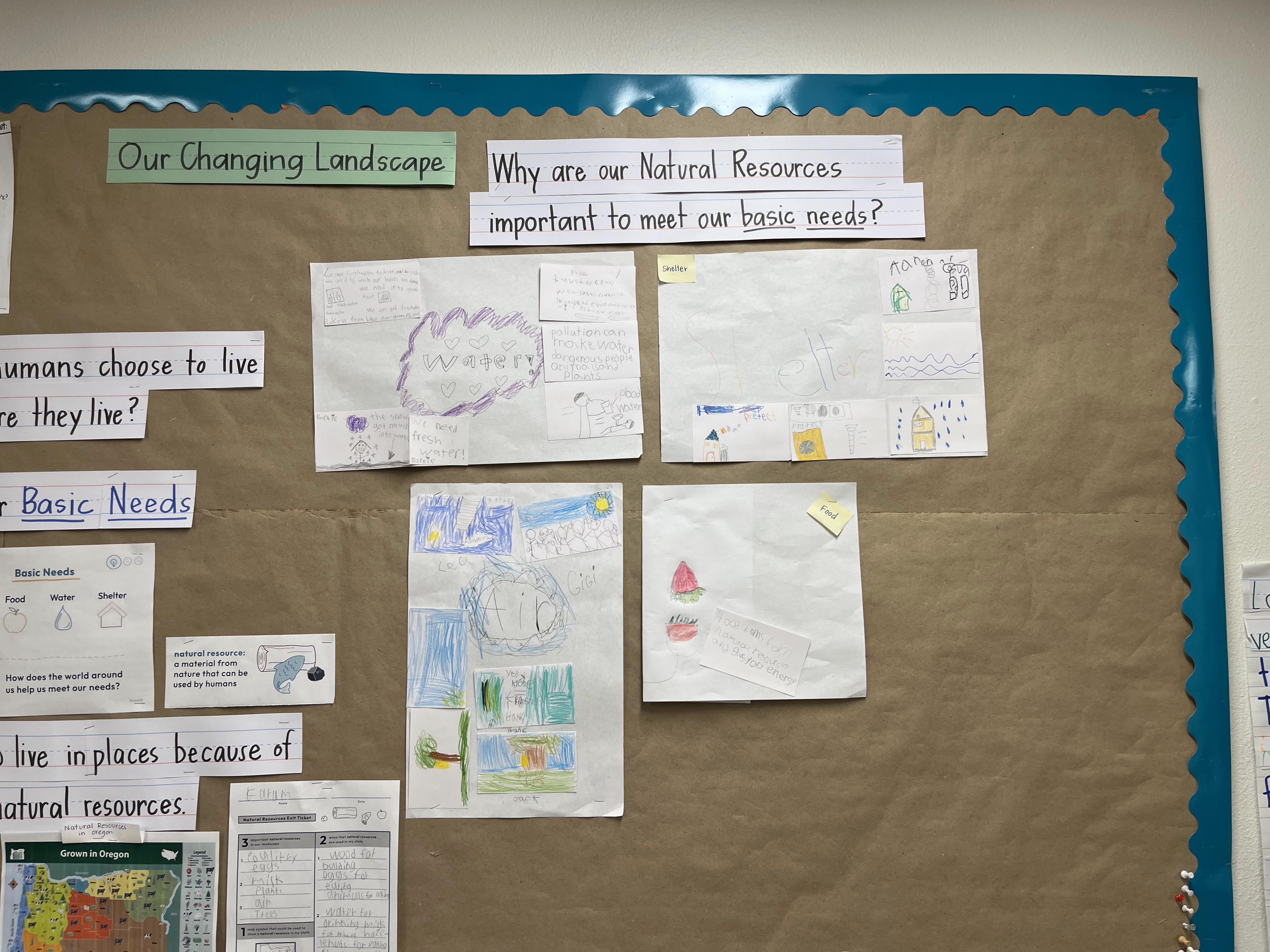
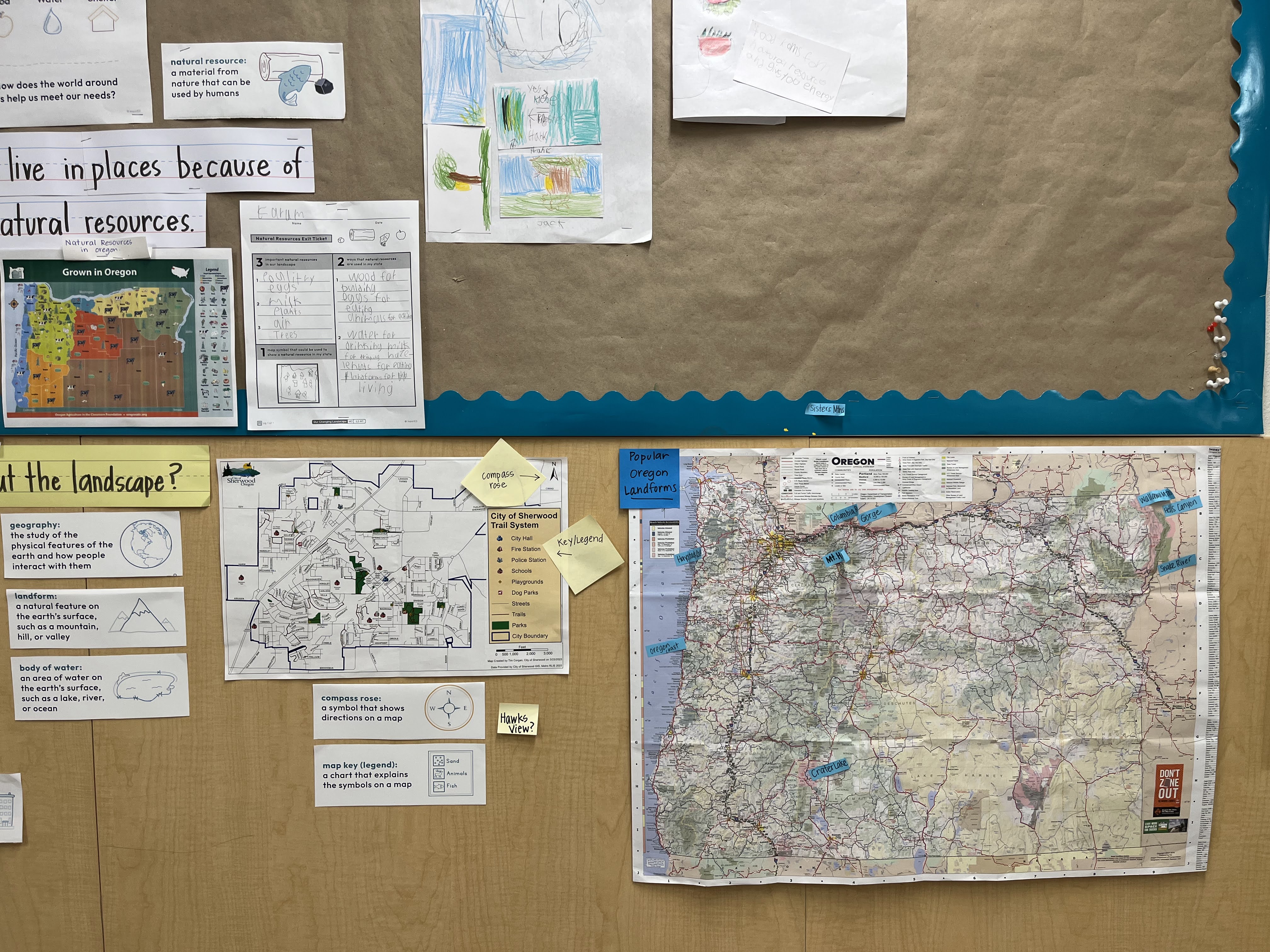
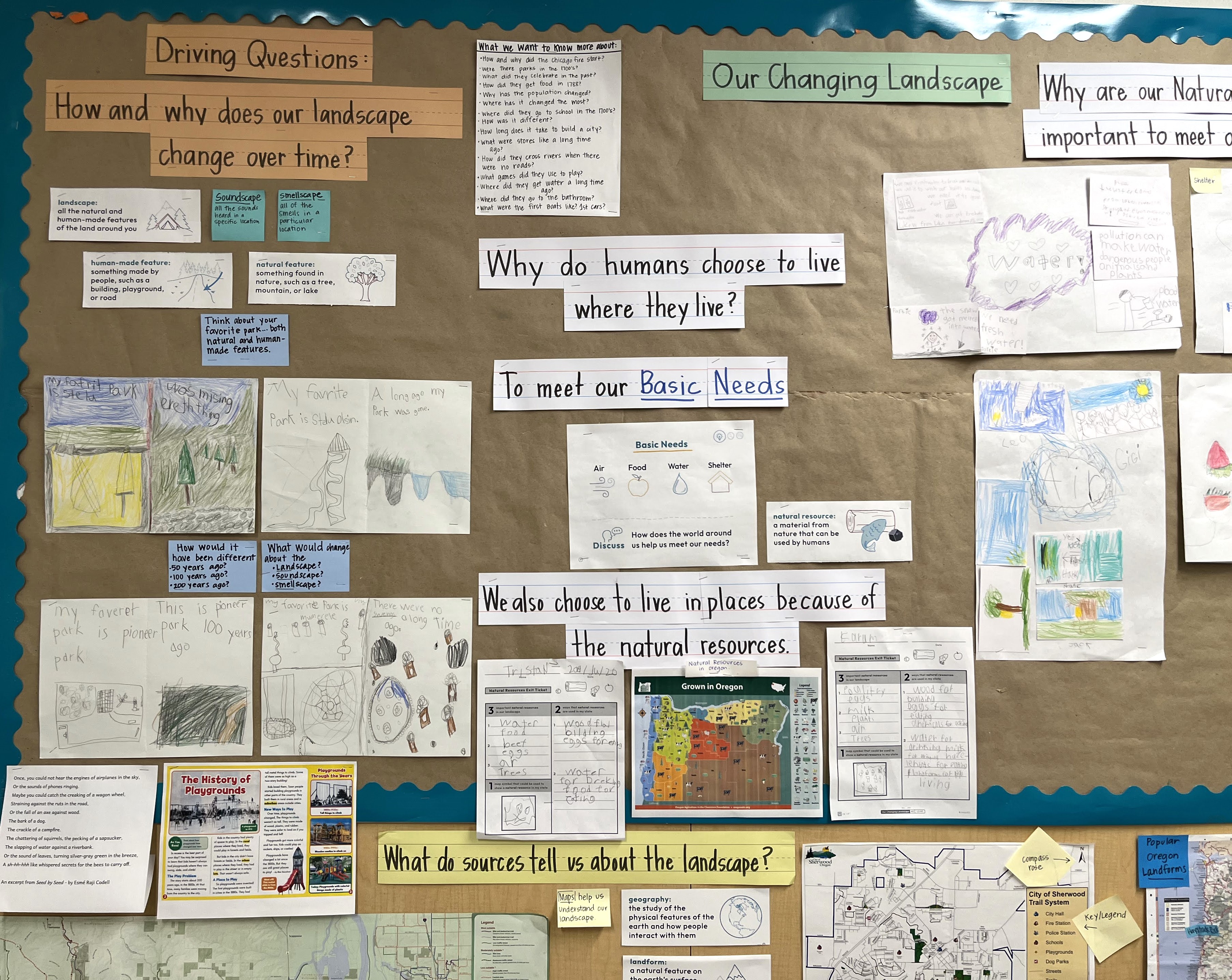
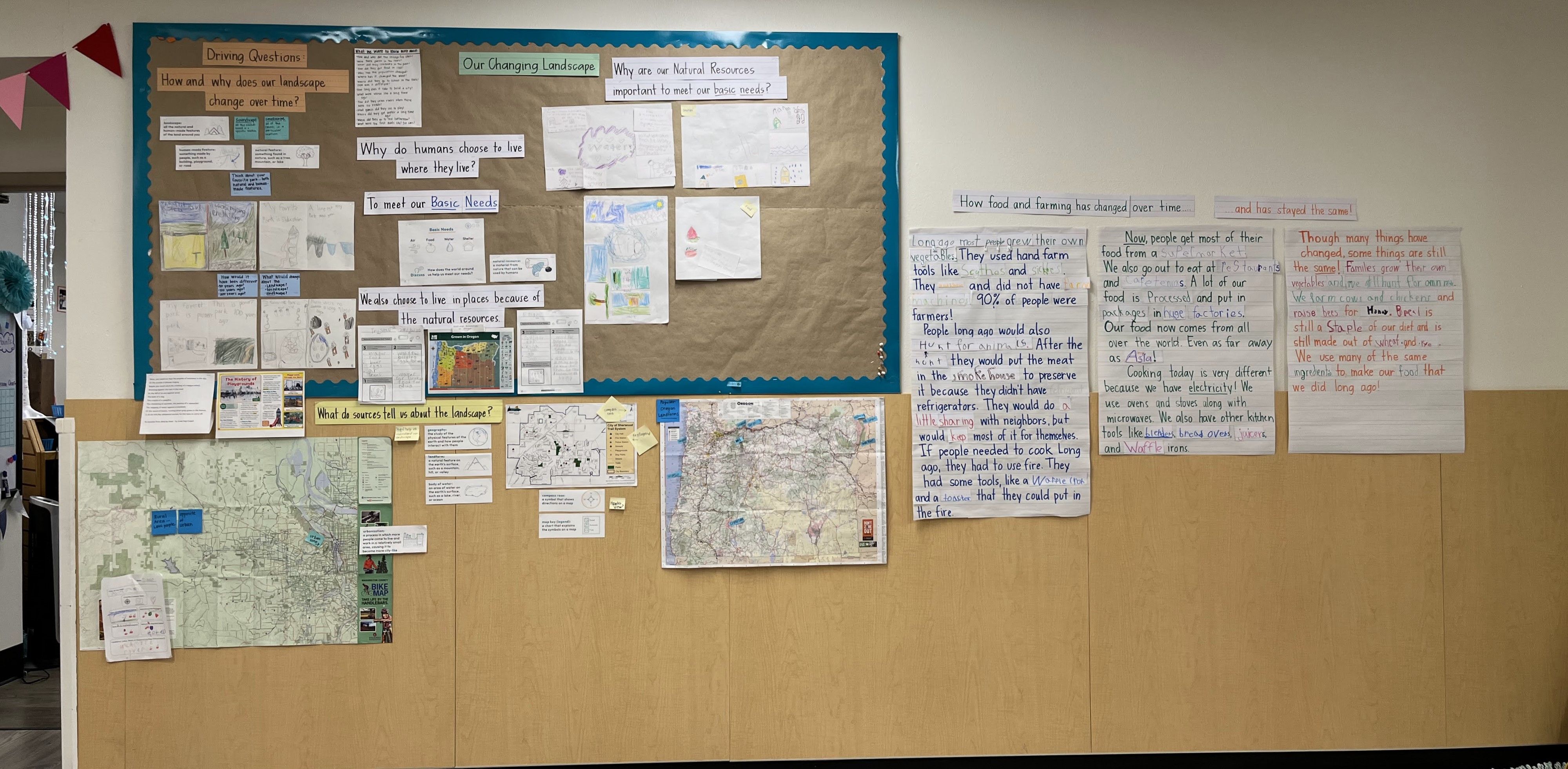
We have been working on our changing landscape for a while, but we are just in the middle of Module 3! I try to put up some samples of their work as we go along, as well as other resources we pick up throughout our time. Our town is building a new pedestrian bridge, so I took some pictures of that - it's a great example of how our landscape is modified by humans. We also connected to our science unit and studied water erosion for quite a while and how that can change our landscape. The students noticed on the bridge picture how they are using straw to stop the erosion. The paragraphs on Food and Farming was a collaborative write that we did together - students partner read the book and picked out vocabulary from one section that was meaningful. We put it all together to write a multi-paragraph compare and contrast essay! I love building our inquiry walls and hope the students find all sorts of connections to their everyday lives.
Additional Info
Emily Smith from Sherwood School District 88J: OR, 2nd Grade

I like to use a jigsaw method when it comes to creating class anchor charts. This way, the students have more ownership of the information, and they have a chance to be leaders and present the information that they learned. The anchor chart that you see was created by student small groups who reread the text to collect information on the differences between the regional colonies. We also rephrase the essential question into our own words which helps ESL students and all students in my classroom to promote better understanding.
The Colonial Era
5th Grade
Wall Display

I like to use a jigsaw method when it comes to creating class anchor charts. This way, the students have more ownership of the information, and they have a chance to be leaders and present the information that they learned. The anchor chart that you see was created by student small groups who reread the text to collect information on the differences between the regional colonies. We also rephrase the essential question into our own words which helps ESL students and all students in my classroom to promote better understanding.
Additional Info
Elizabeth Nielsen from Skokie District 68: IL, 5th Grade

We taught this unit in a 4/5 blend. Students worked in groups and were engaged. Each group focused on a different region and within the group each person created an artifact to represent a different area of the Native American group's life.
Native America
5th Grade
Final Product
.jpeg)
.jpeg)
We taught this unit in a 4/5 blend. Students worked in groups and were engaged. Each group focused on a different region and within the group each person created an artifact to represent a different area of the Native American group's life.
Additional Info
Angela Kastrava from Canby School District: OR, 5th Grade, 4th Grade

Please note that our inquiry wall covers Natural Resources, Our State and Region and Economic Choices (currently in process).
Our State and Region
4th Grade
Wall Display
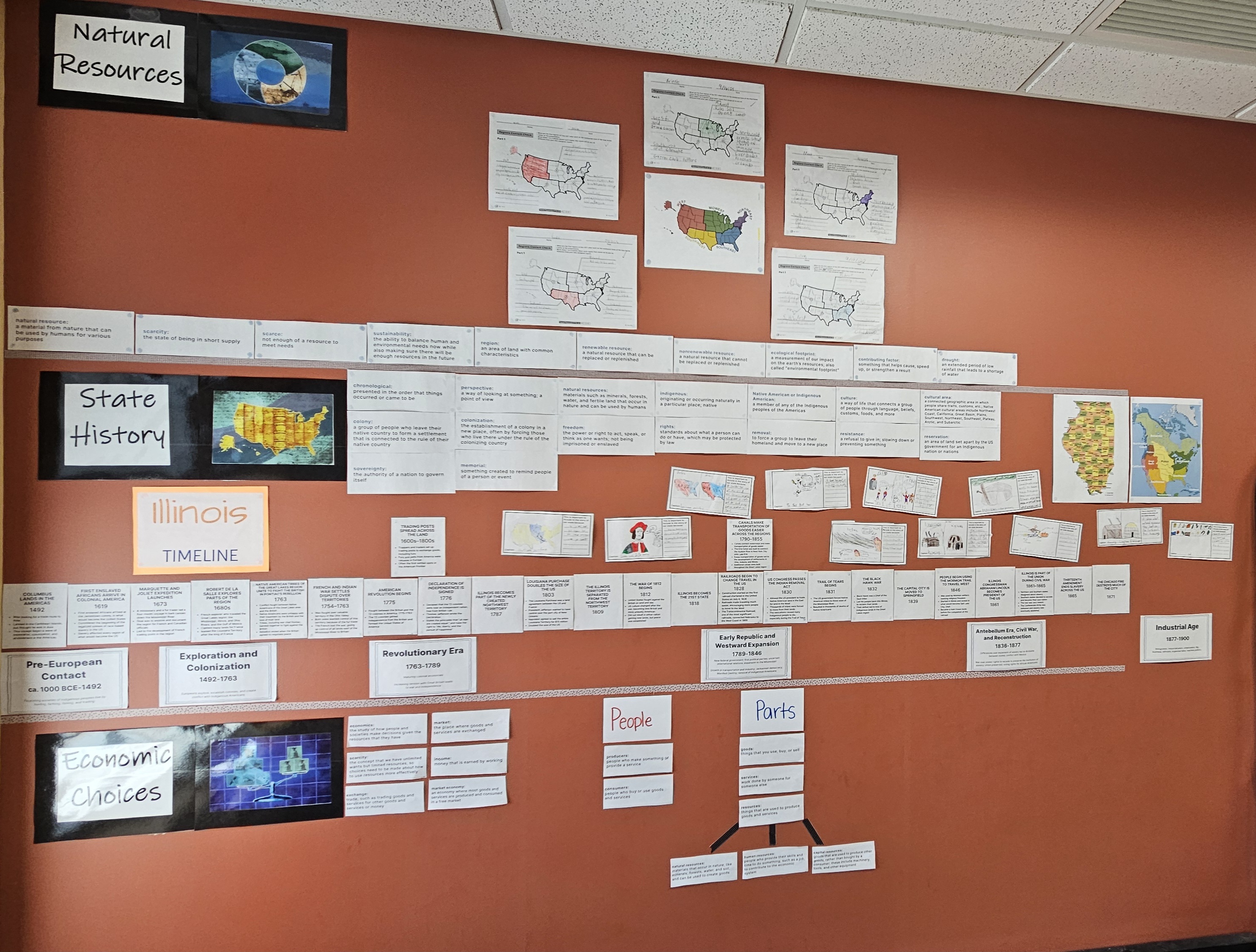
Please note that our inquiry wall covers Natural Resources, Our State and Region and Economic Choices (currently in process).
Additional Info
Paul Han from Next Generation School: IL, 4th Grade
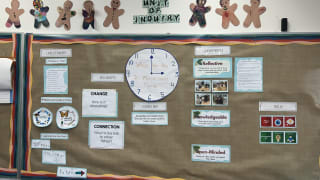
This is certainly a work in progress but here is our Wall for Past, Present, and Future.
Past, Present, and Future
Kindergarten
Wall Display
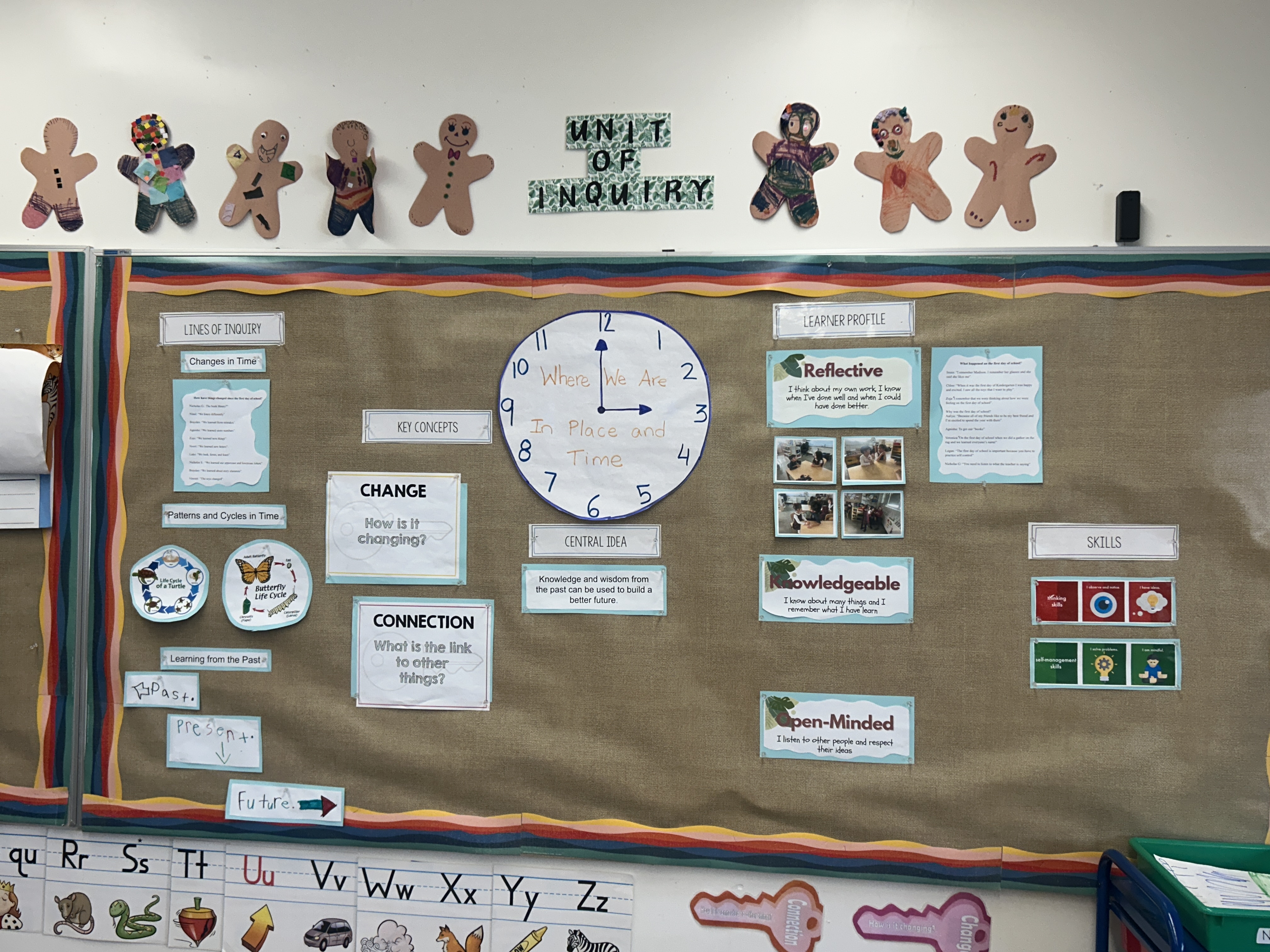
This is certainly a work in progress but here is our Wall for Past, Present, and Future.
Additional Info
Jessia Volkers from The Kew-Forest School: NY, Kindergarten
No results found.
There are no results with this criteria. Try changing your search.