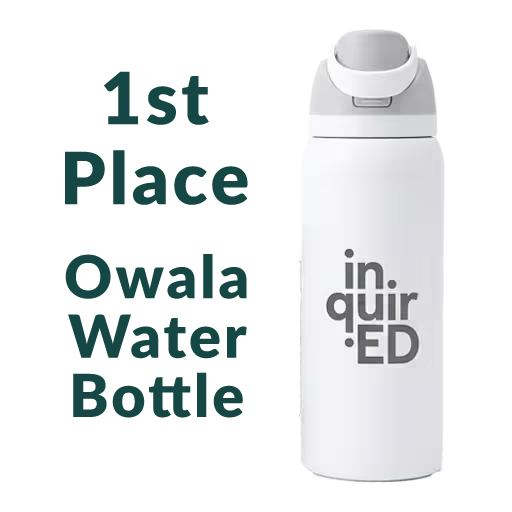
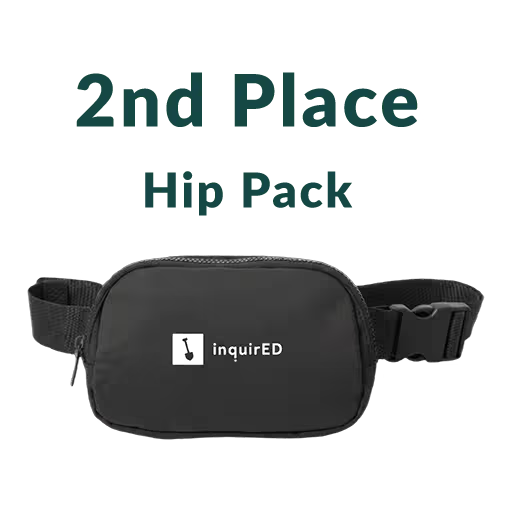
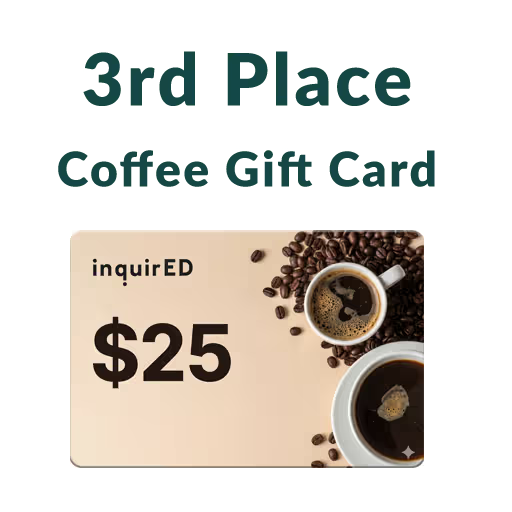

Celebrate your students!

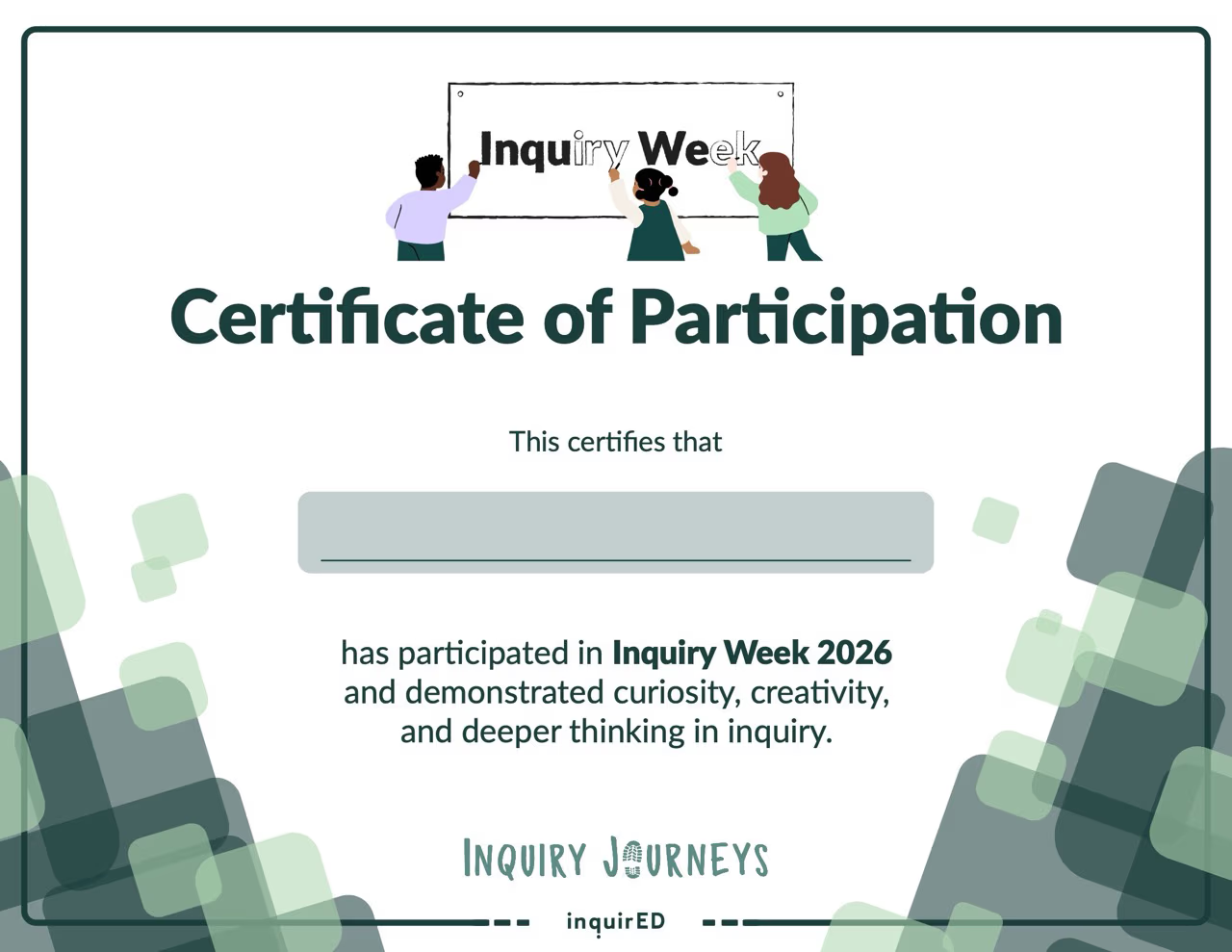
Inquiry Week is also about celebrating students and the questions they bring to learning.

We’re sharing a student Inquiry Week certificate you can use to recognize students for their curiosity, questioning, and thinking. It’s a simple way to celebrate inquiry, whether your work feels finished or still in progress.

Contest FAQs

Do submissions need to be perfect?

No. We’re interested in the learning process, not polished final products.

Inquiry work might include student work, vocabulary, anchor charts, images, or other artifacts that show thinking over time. If it reflects real student questions and learning, it counts.

How will winners be chosen?

Submissions are reviewed for creativity, clarity, and how well they represent the inquiry process. Winning submissions may be featured in an Inquiry Work Gallery to help other educators see what inquiry can look like in real classrooms.

What file types can I submit?

You can submit:

  • Images (JPG or PNG)
  • Videos (MP4 or MOV) Files should be under 100 MB.

Do I need to submit physical copies of student work?

No. Digital submissions work great.

If space is limited, feel free to share smaller pieces of student work or snapshots that capture student thinking, reading, or writing in social studies.

Any tips for taking photos or videos of my inquiry work?

A few simple tips:

  • Take more than one photo.
  • Include at least one full view, plus a few close-ups.
  • Make sure the image is bright and easy to read.

Clear photos help us see student thinking more clearly.

Looking for inspiration?

Explore examples from the Inquiry Work Gallery.

Click on a thumbnail below to expand and view more images.

Filter by grades
Filter by units
Filter by example types
Thank you! Your submission has been received!
Oops! Something went wrong while submitting the form.
Clear filters
Category
:
Tag
Showing 0 of 100

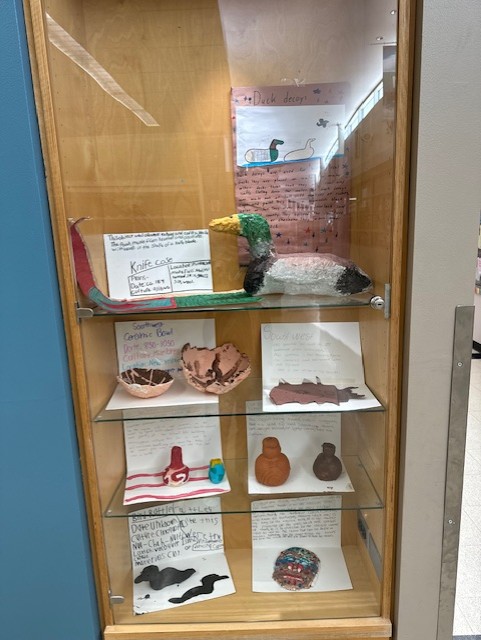
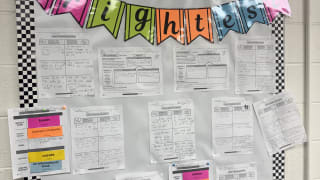
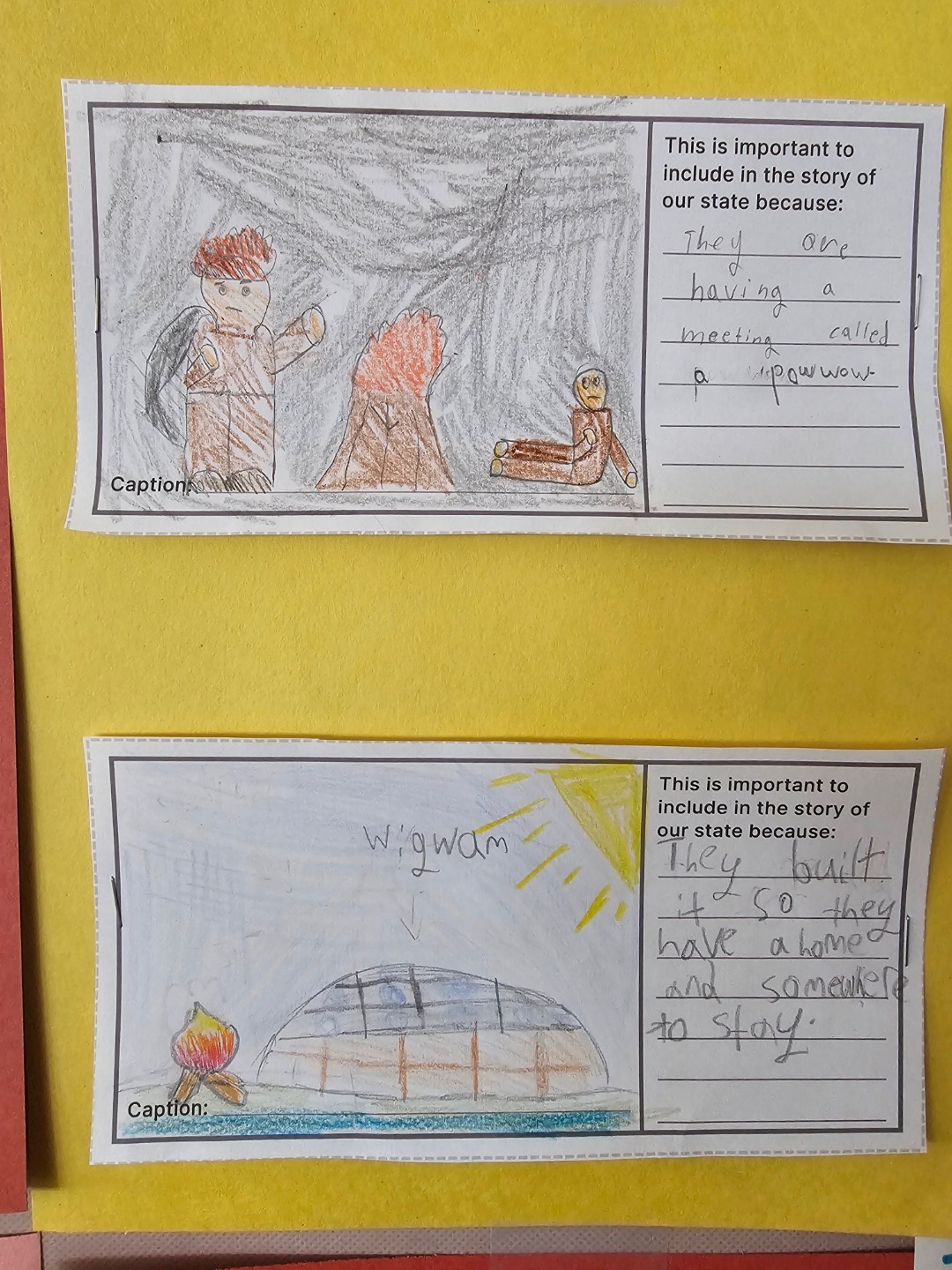
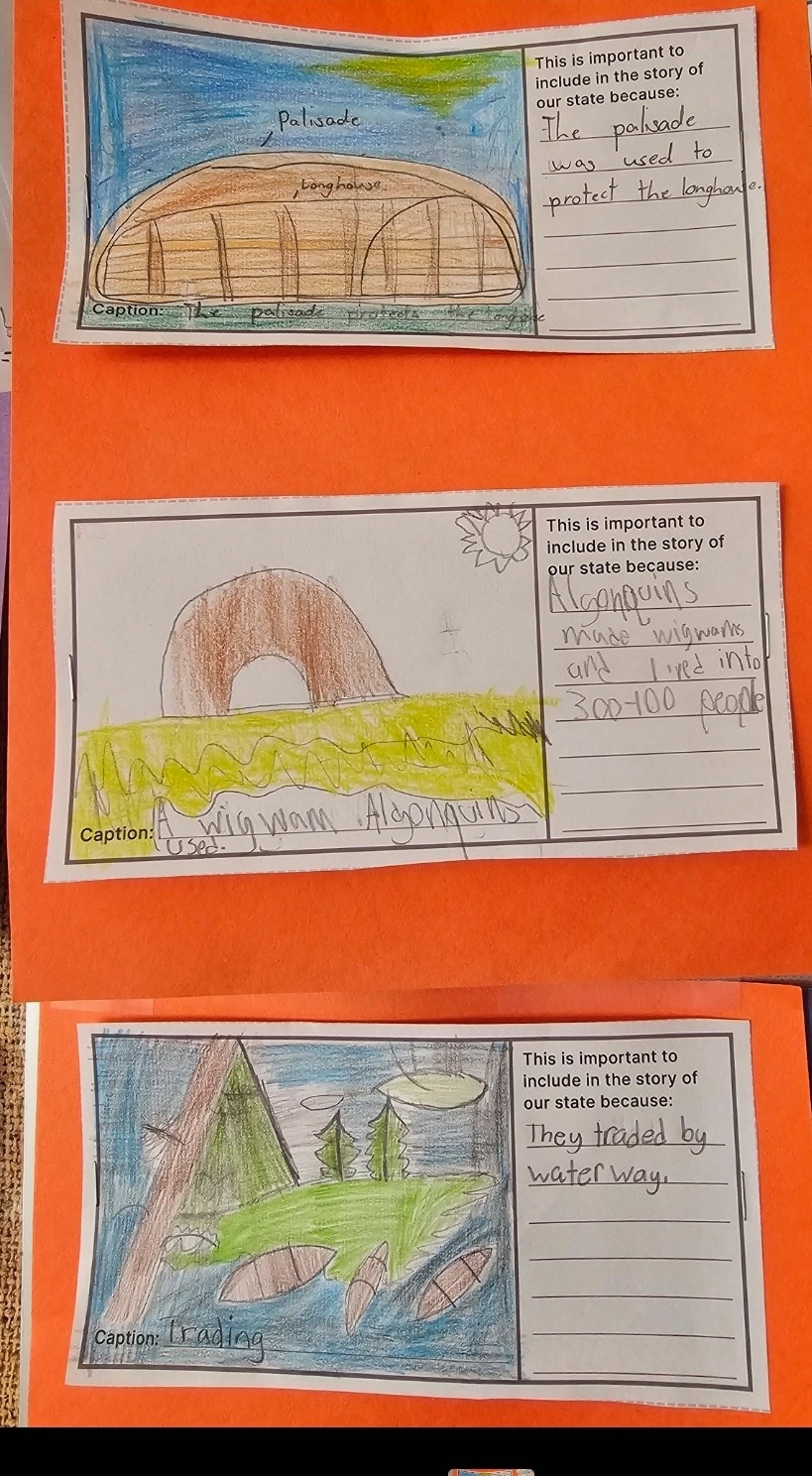
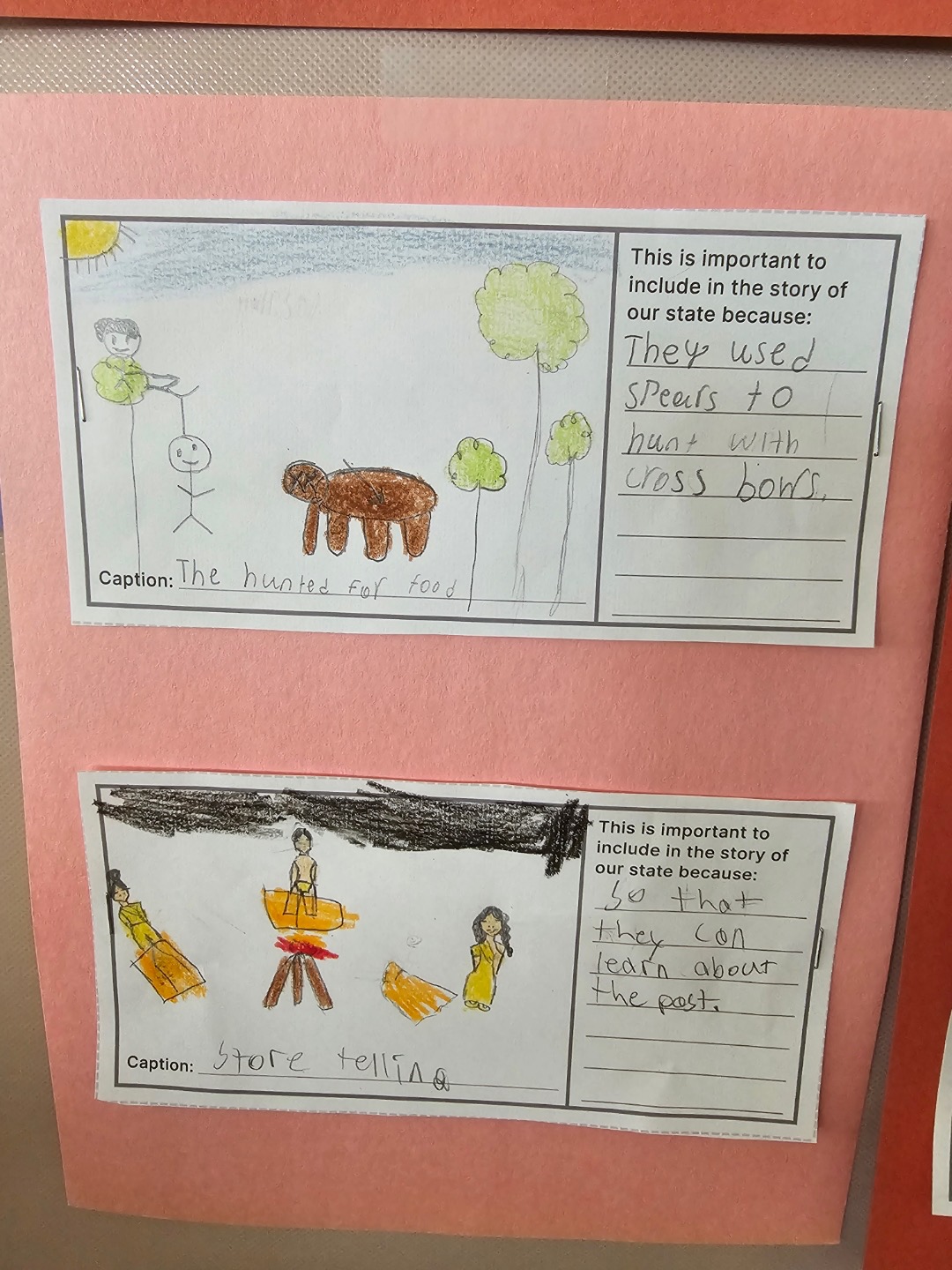
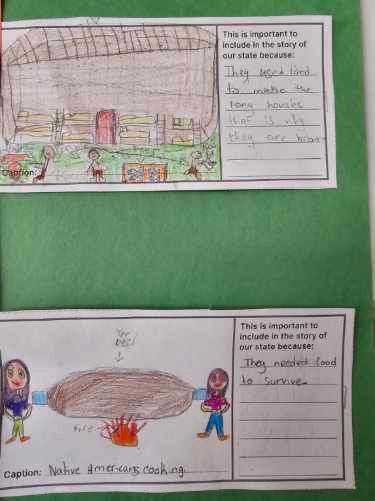
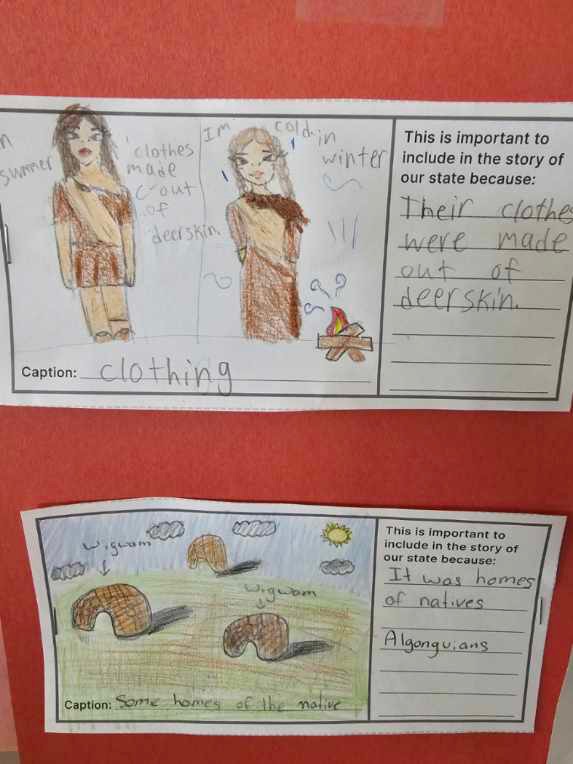
Check out our work from the Native America Inquiry!

Unit

Native America

Grade

5th Grade

Example Type

Wall Display

Check out our work from the Native America Inquiry!

Additional Info

Shue, Tiffany from West Aurora School District: IL, 5th Grade

Unit

Native America

Grade

5th Grade

Example Type

Wall Display

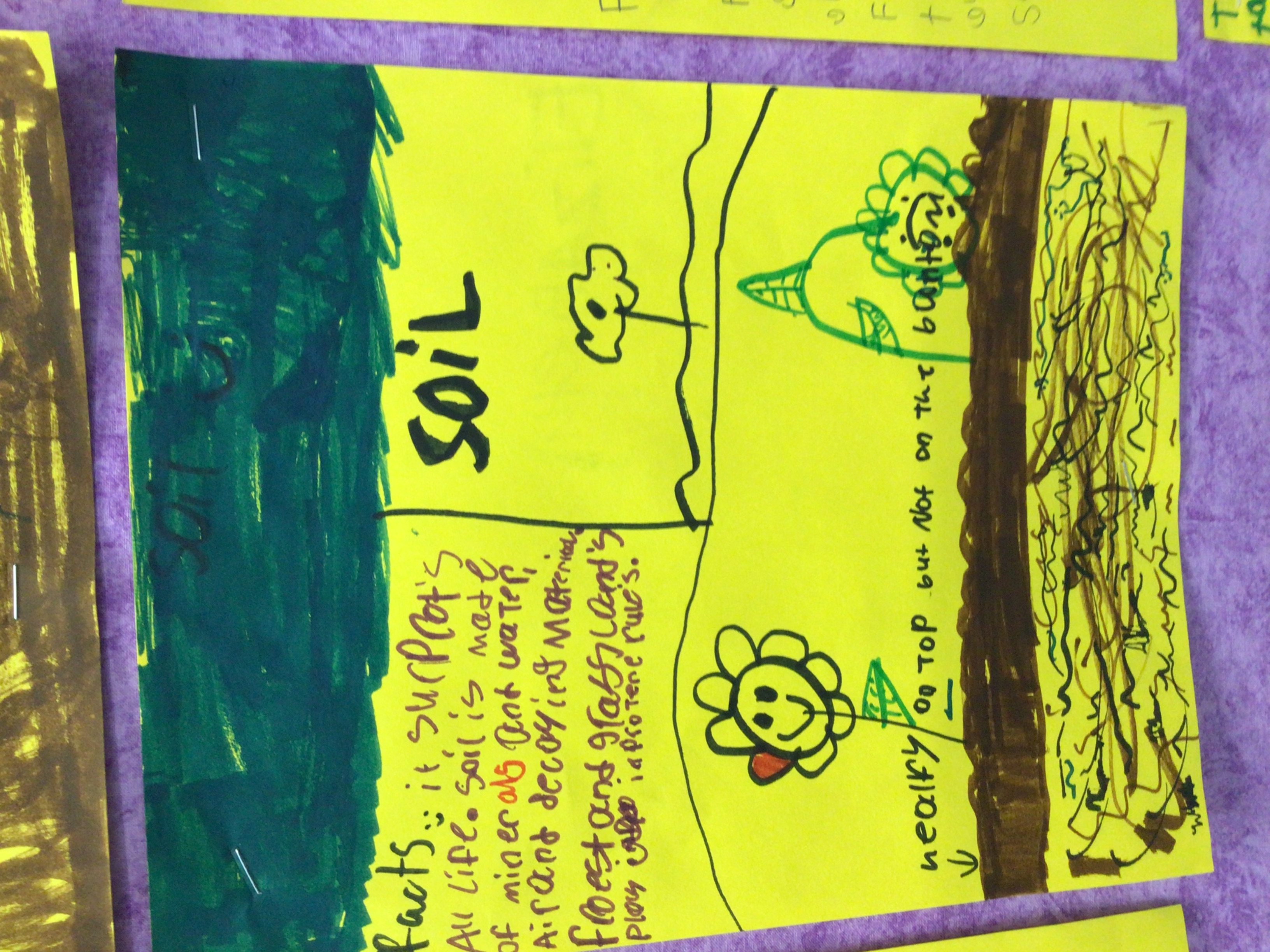
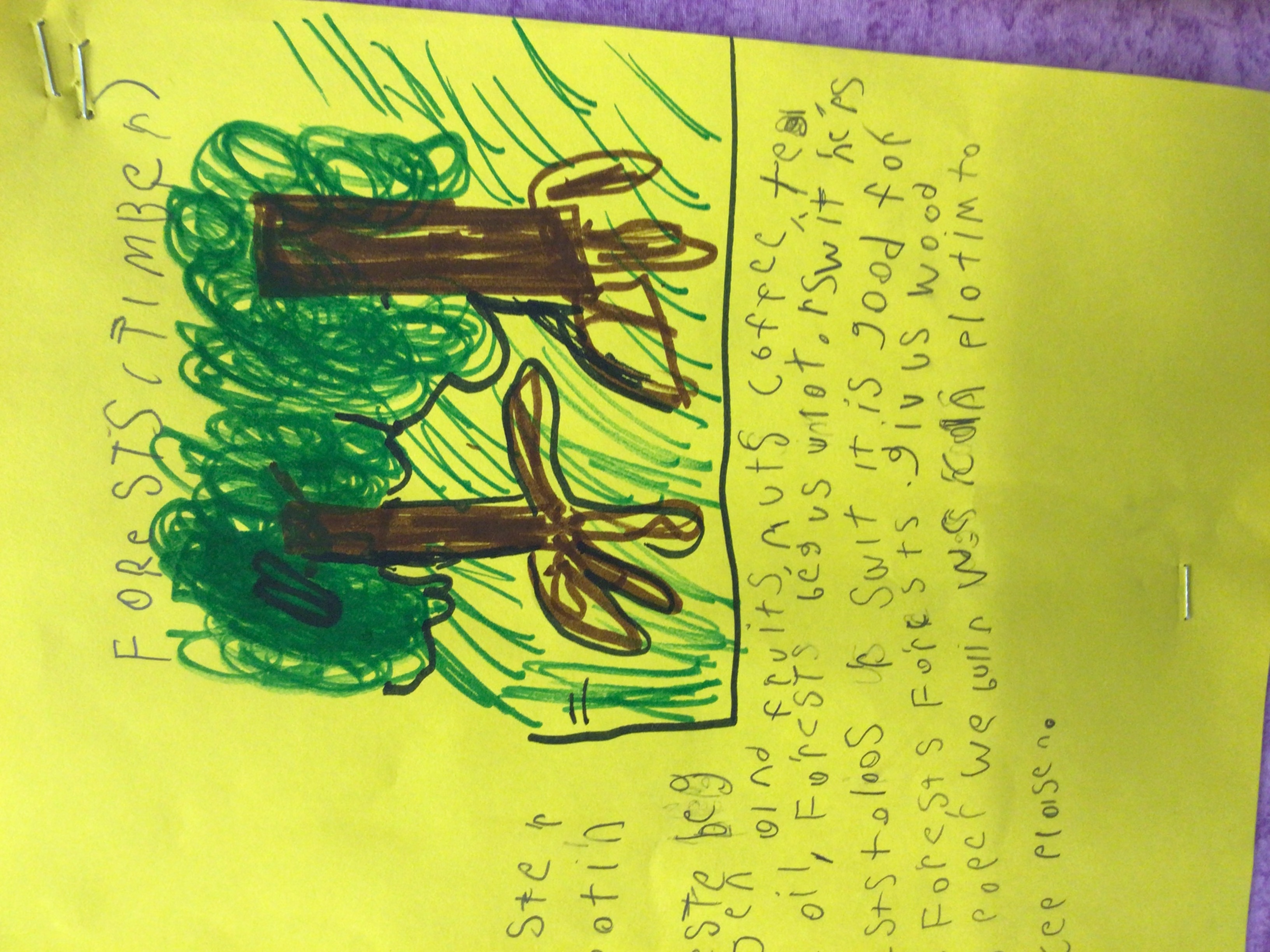
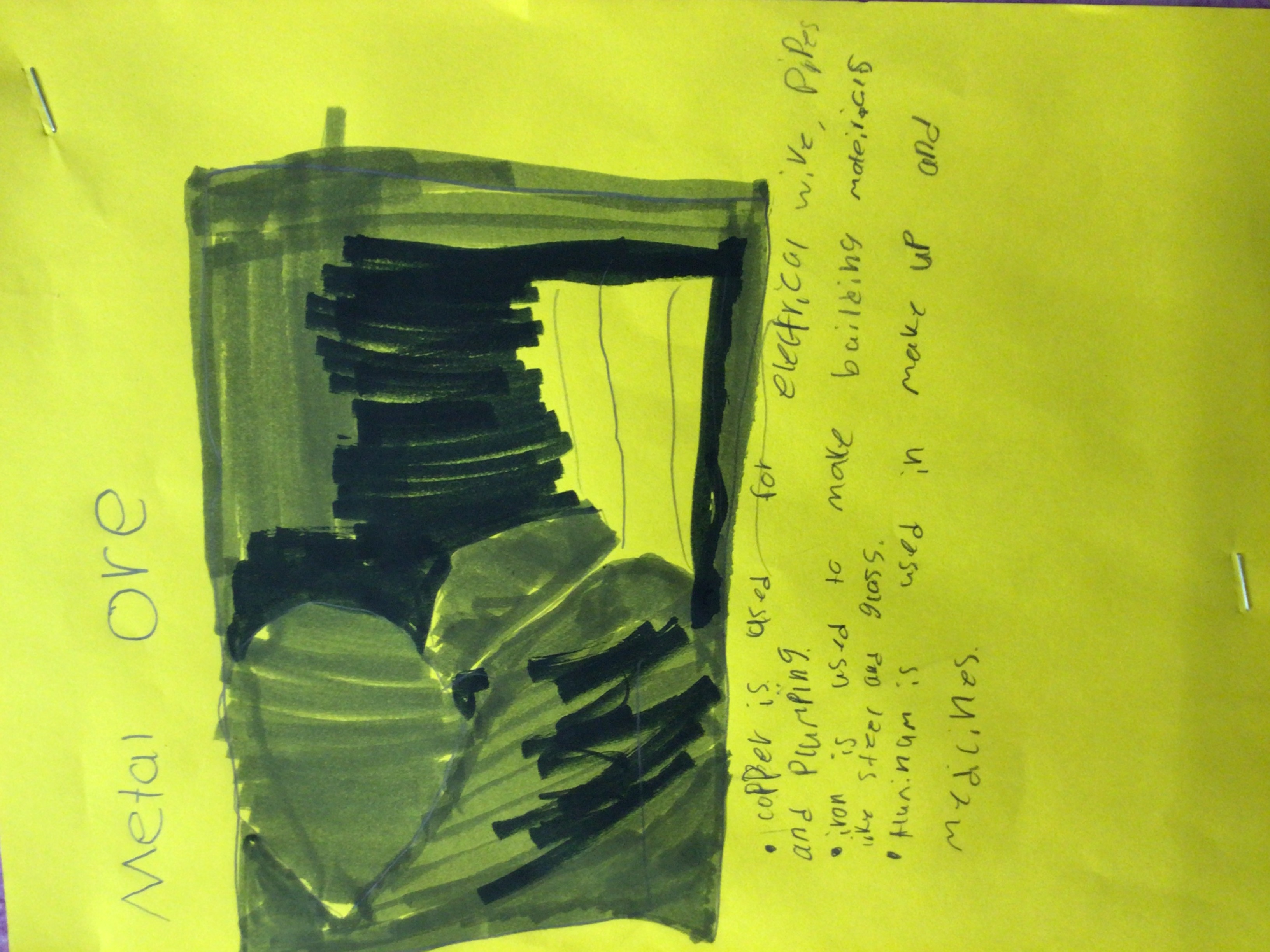
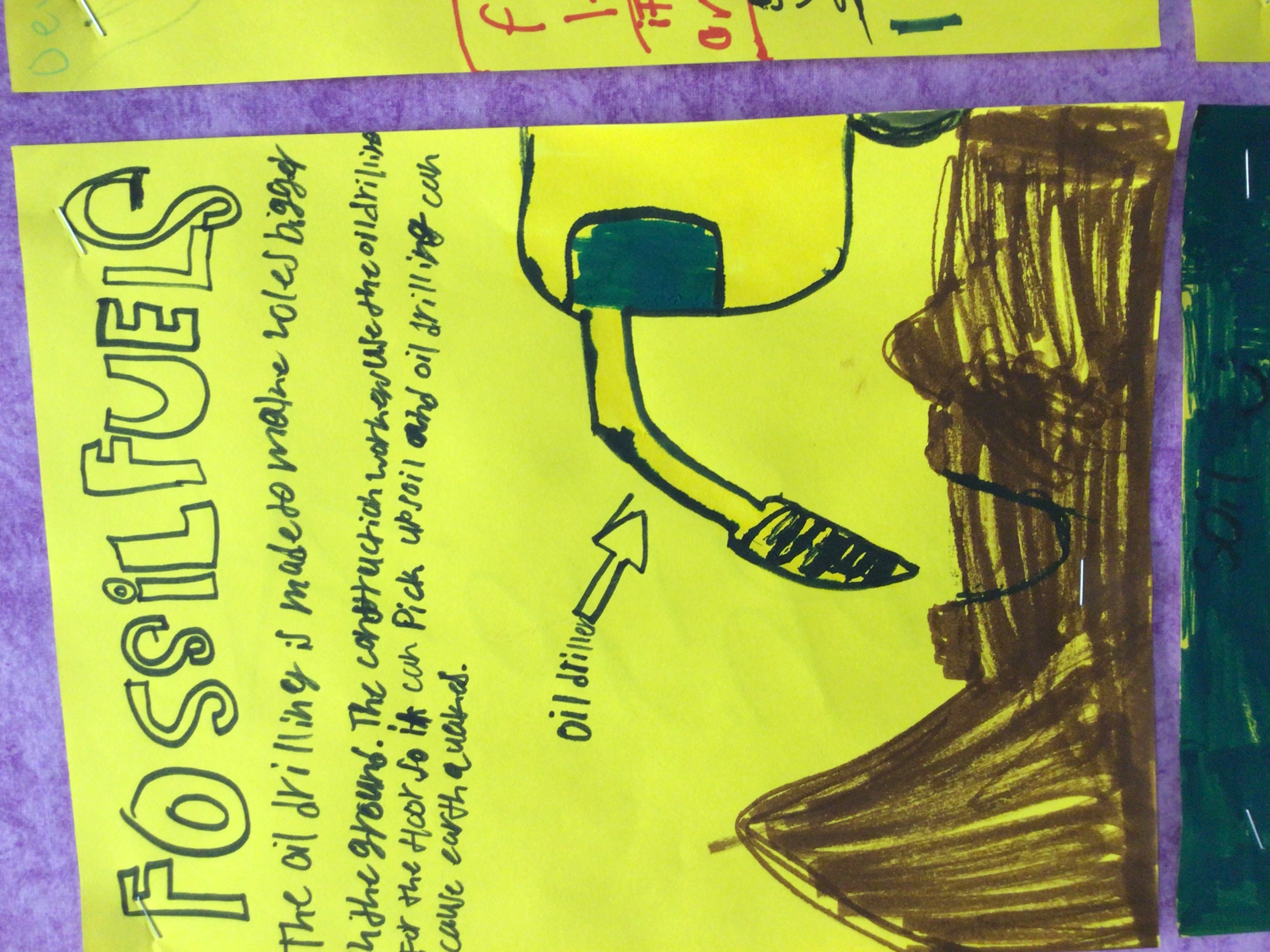
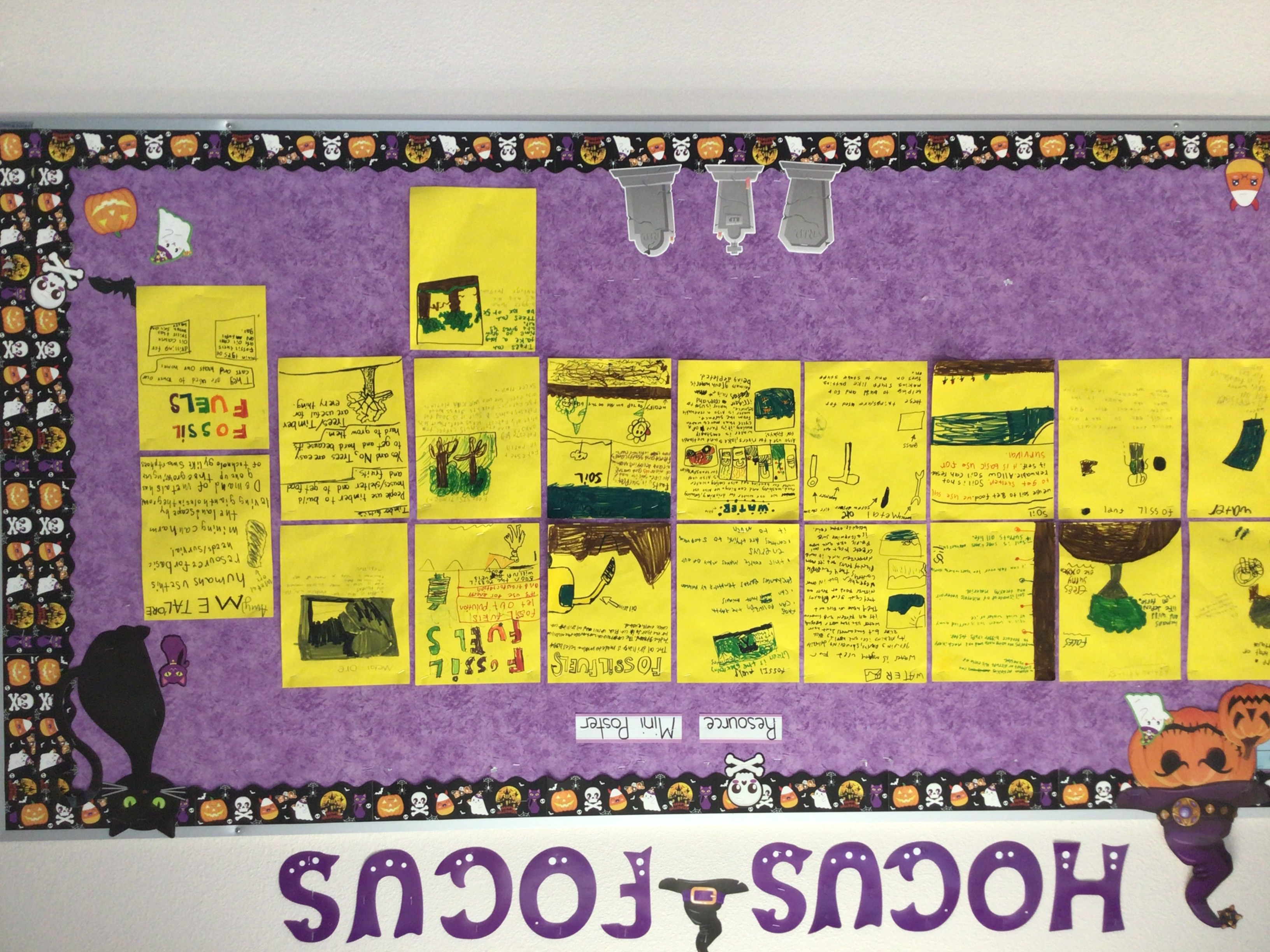
These are the Resource Mini Posters!

Unit

Natural Resources of the U.S.

Grade

4th Grade

Example Type

Other

These are the Resource Mini Posters!

Additional Info

from , 4th Grade

Unit

Natural Resources of the U.S.

Grade

4th Grade

Example Type

Other

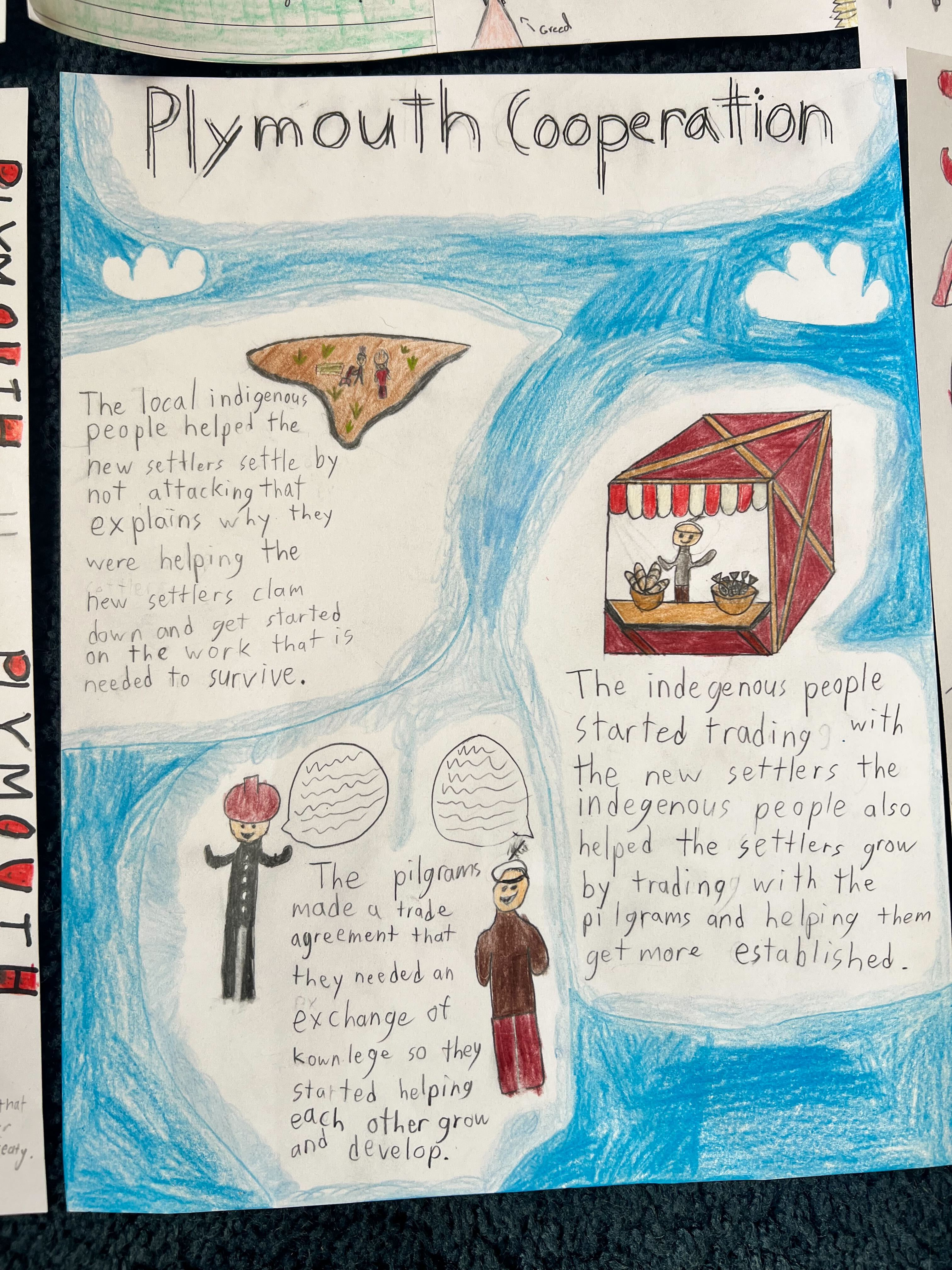
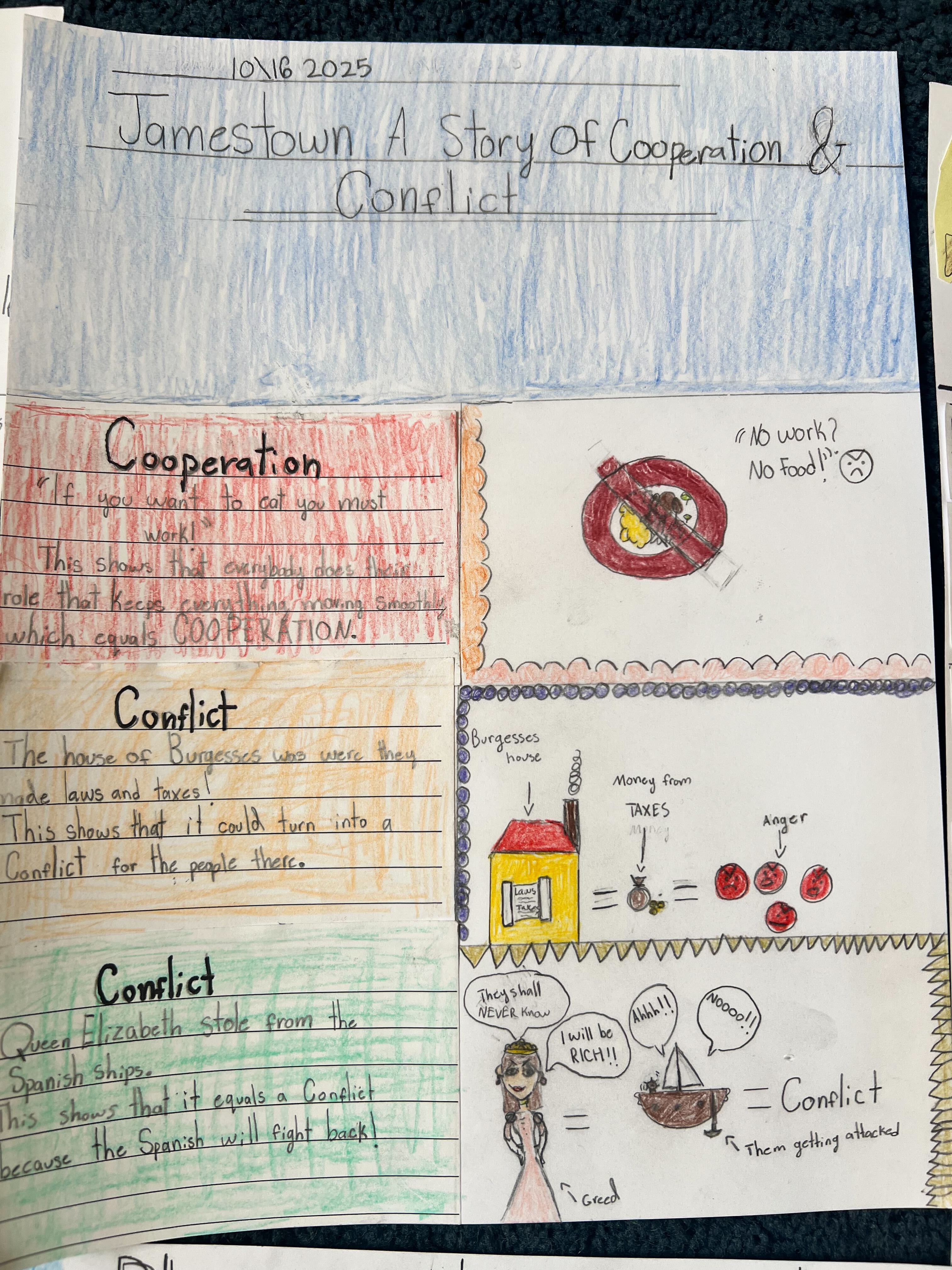
My 4th graders have become incredibly intrigued by social studies lately! They've even expressed a desire to incorporate it into every day, which is such a delight to hear, especially coming from students who usually shy away from history discussions. The new approach we've been using has truly captured their interest, and they have been exceptionally engaged in every lesson. Their enthusiasm and excitement to continue learning in this engaging way are truly inspiring. It's so rewarding to see them develop a love for history through these interactive lessons!

Unit

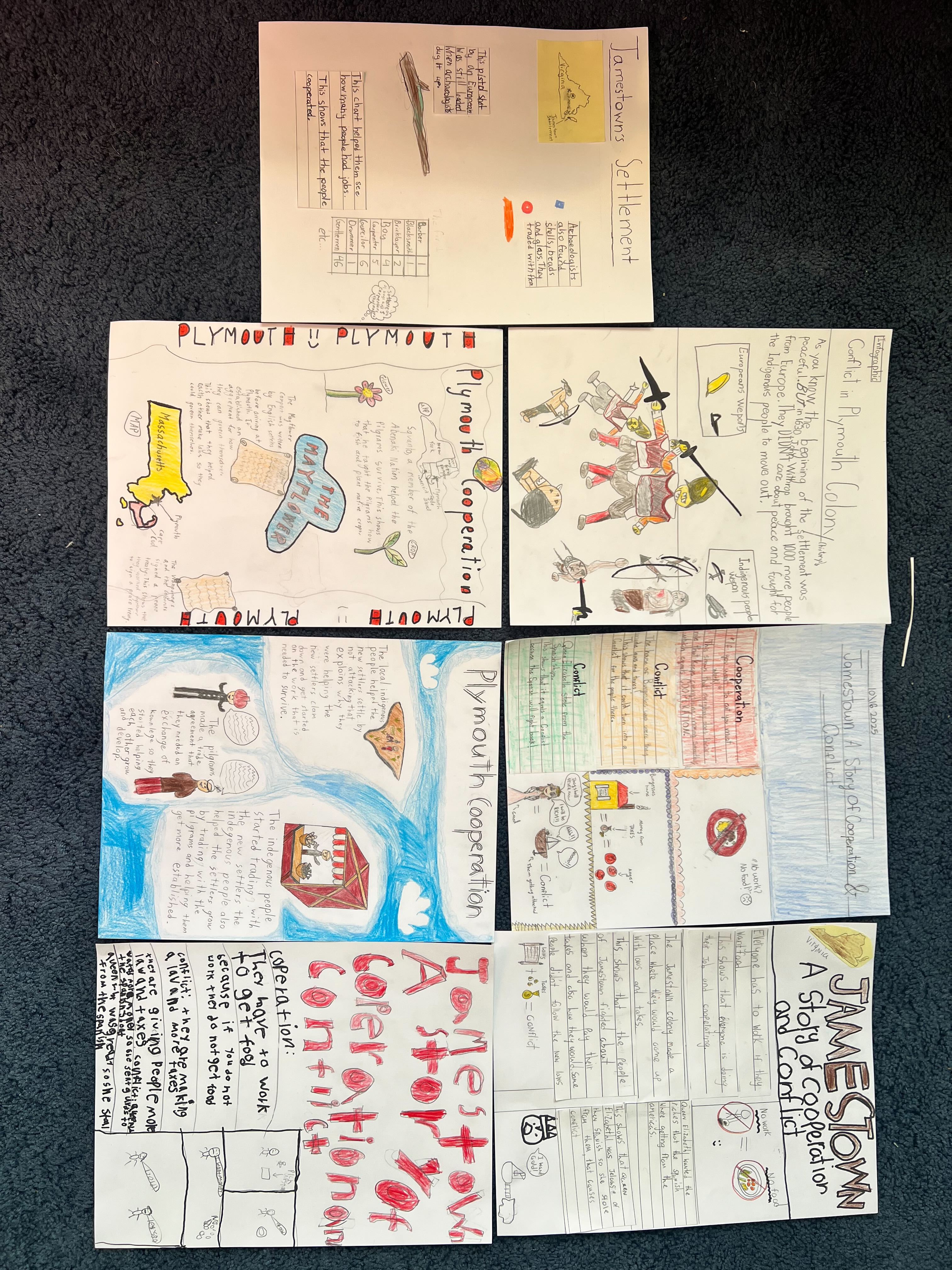
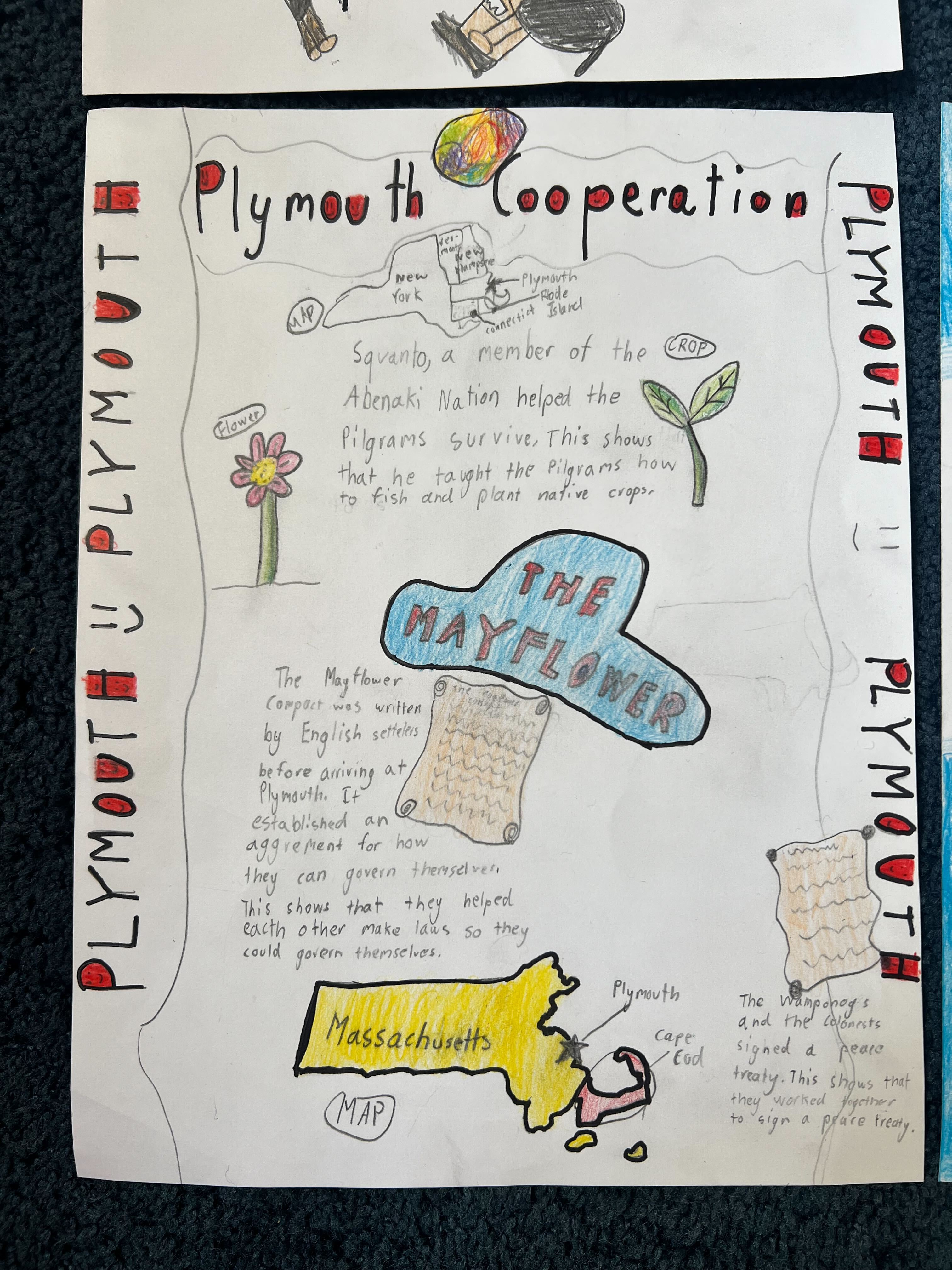
The Colonial Era

Grade

4th Grade

Example Type

My 4th graders have become incredibly intrigued by social studies lately! They've even expressed a desire to incorporate it into every day, which is such a delight to hear, especially coming from students who usually shy away from history discussions. The new approach we've been using has truly captured their interest, and they have been exceptionally engaged in every lesson. Their enthusiasm and excitement to continue learning in this engaging way are truly inspiring. It's so rewarding to see them develop a love for history through these interactive lessons!

Additional Info

from , 4th Grade

Unit

The Colonial Era

Grade

4th Grade

Example Type

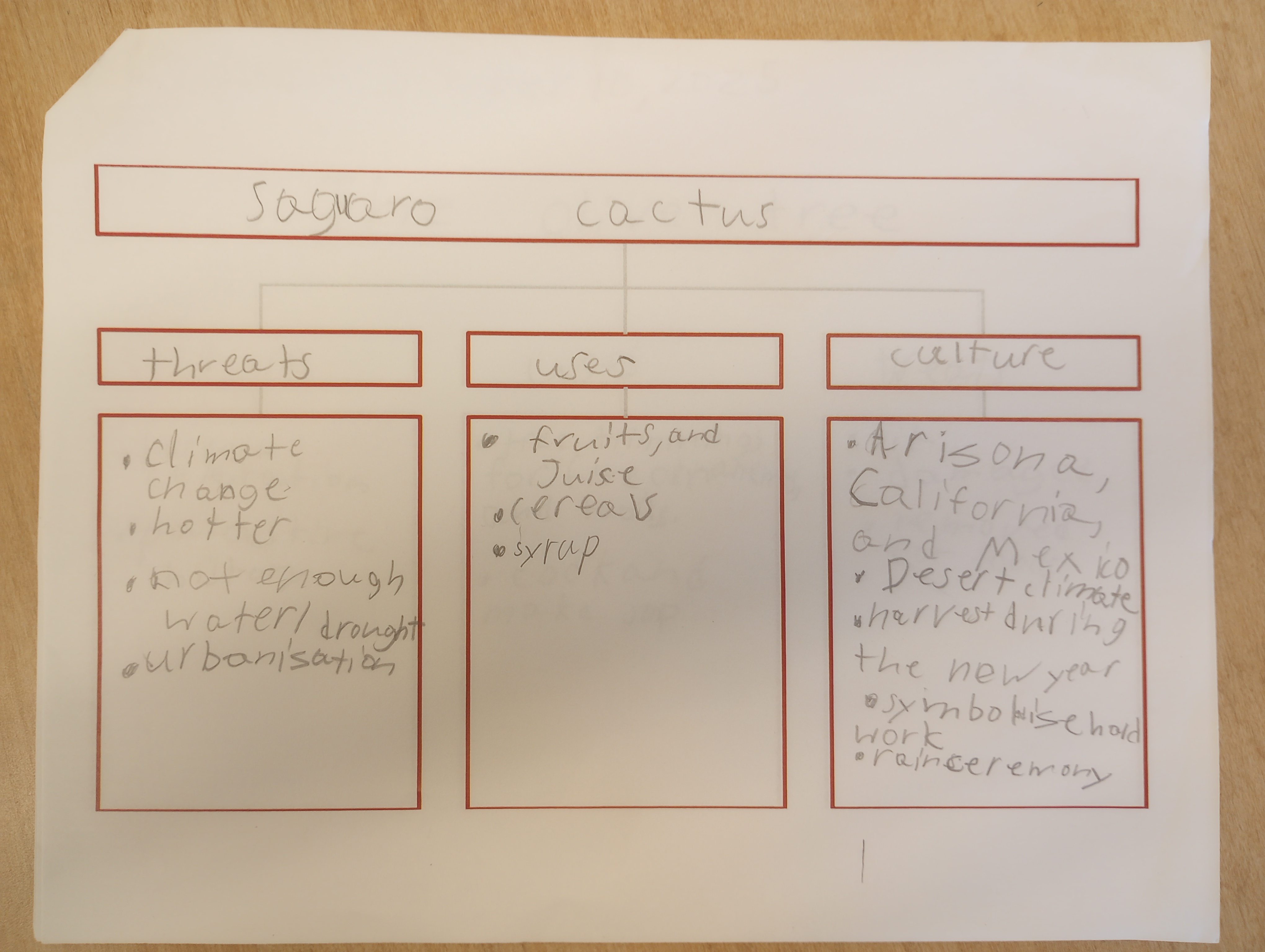
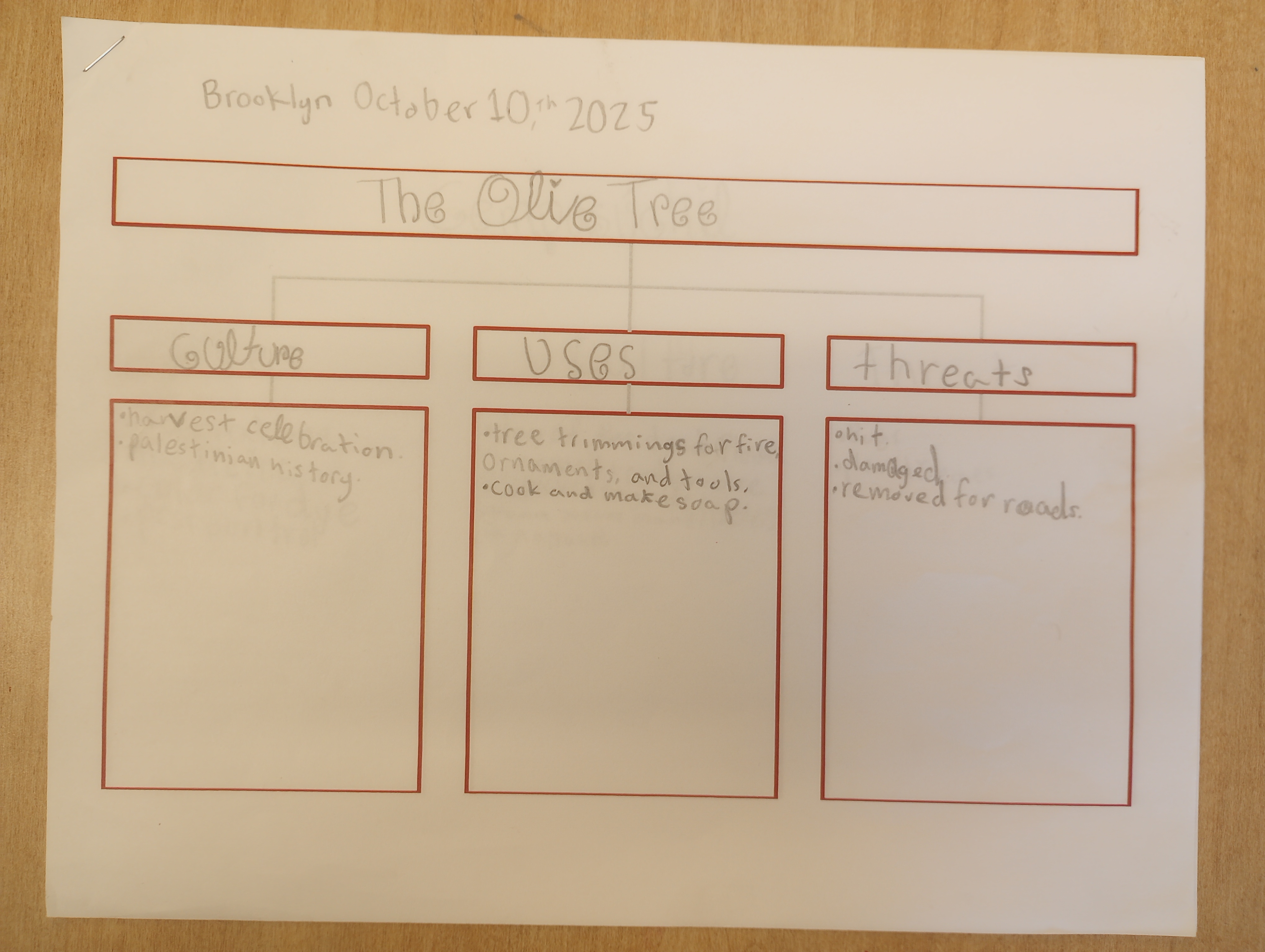
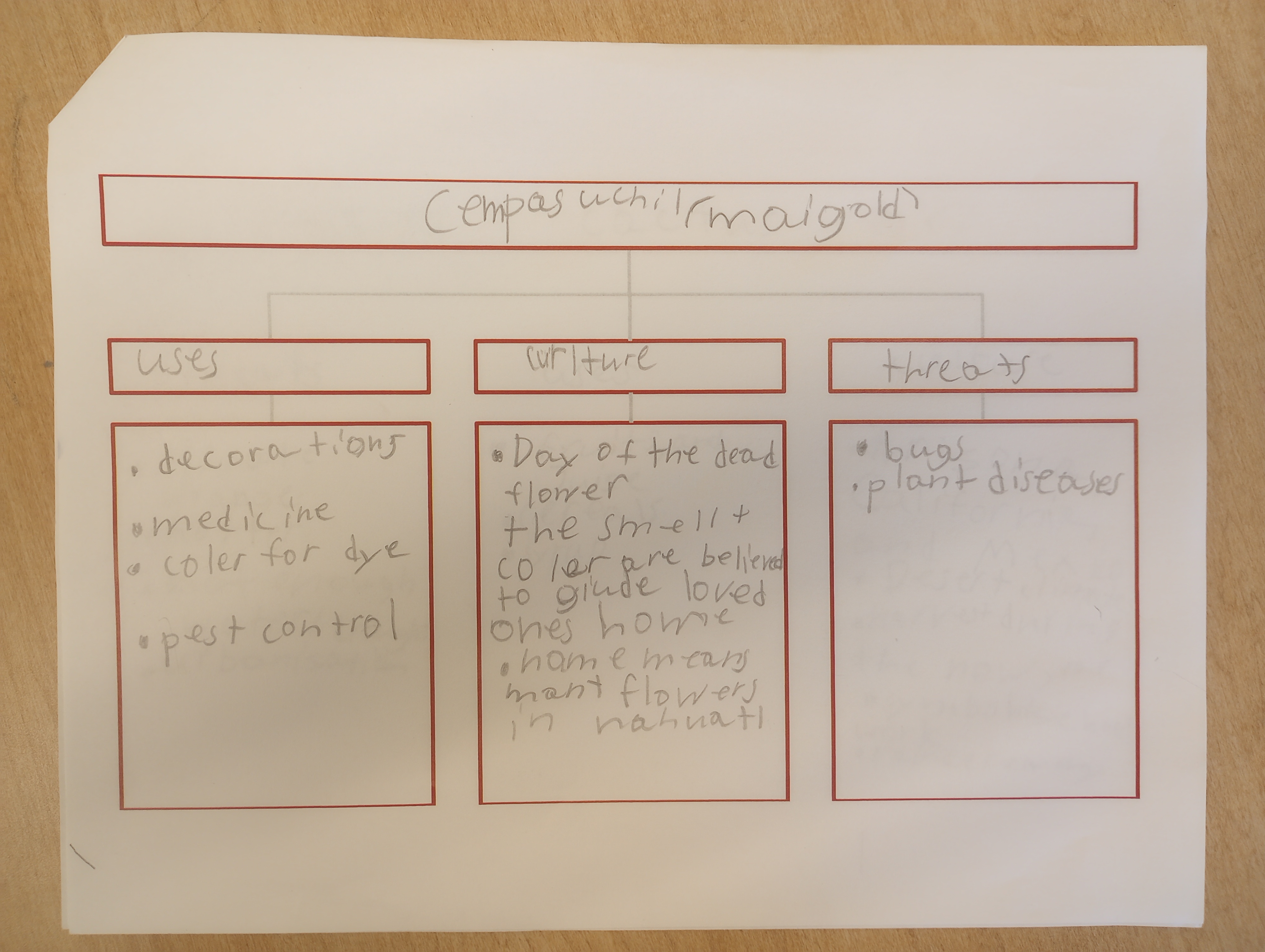
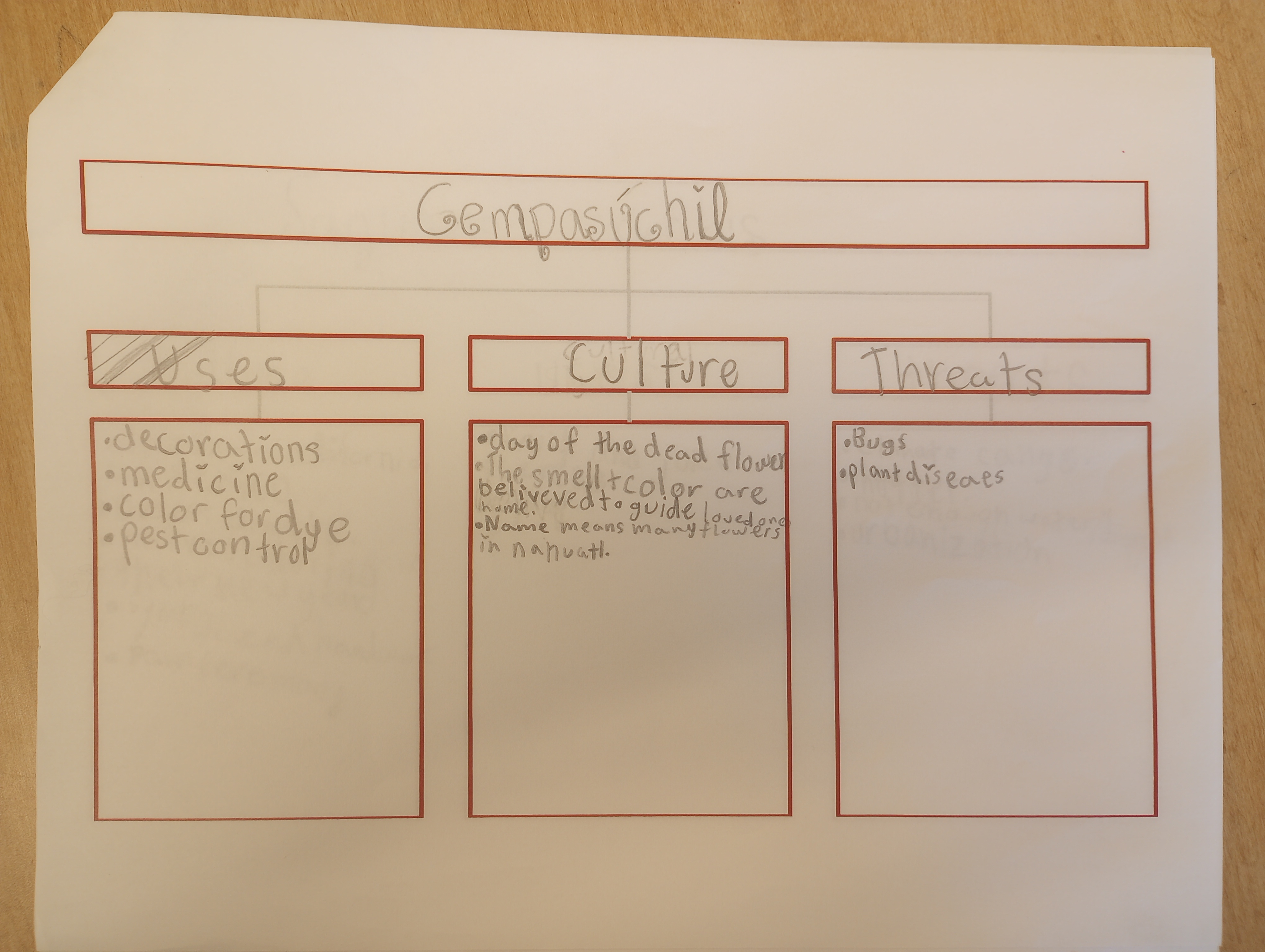
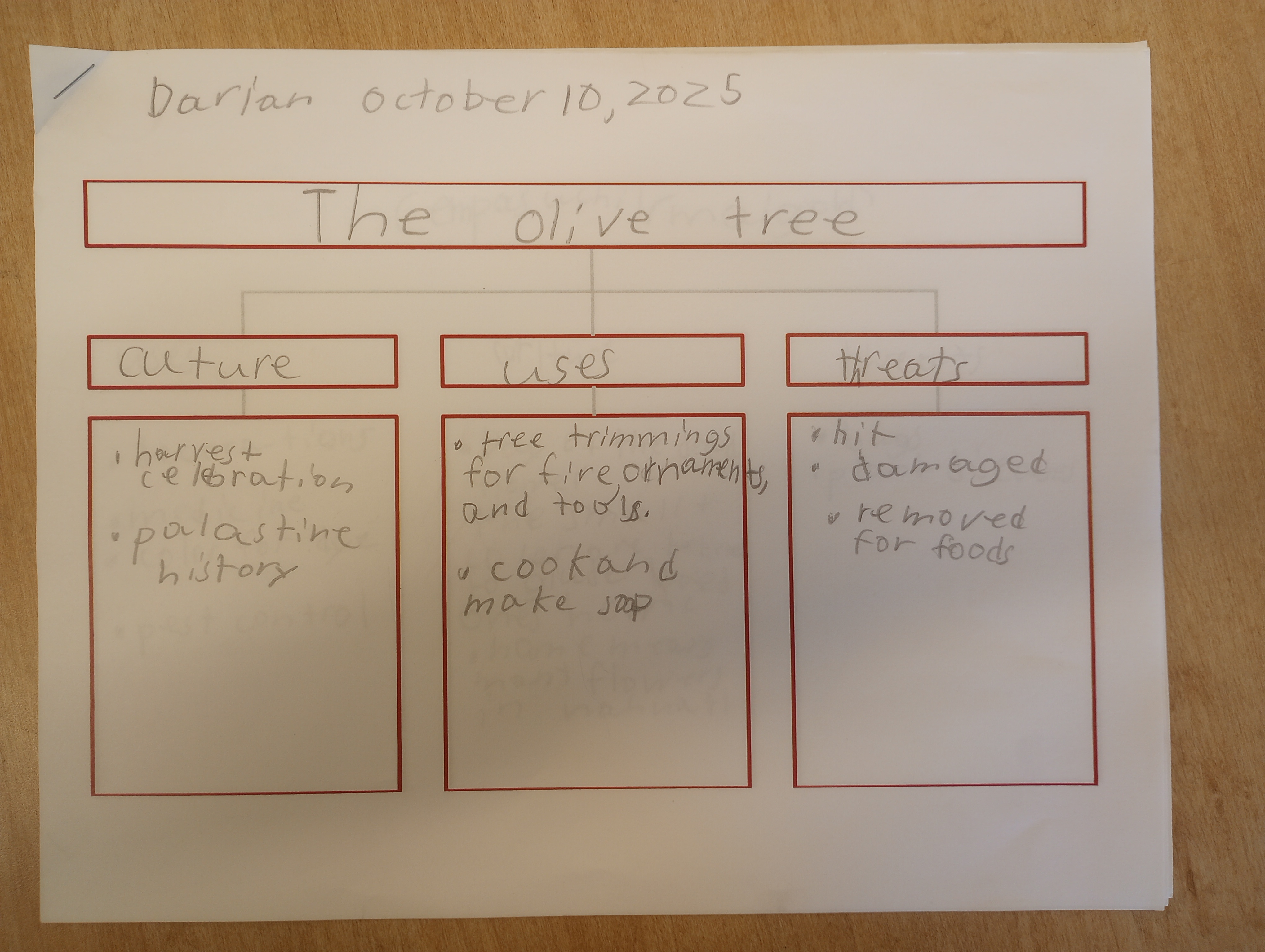
I teach at a TK-8 STEAM School that encourages collaboration, real-world problem solving, and creative thinking. My grade-level team organizes "STEAM Rotations" on Friday for all 3rd-grade students. The students participate in 3 different workshops led by a 3rd grade teacher. We have taken the essential question "How does geography shape culture?" and used it as the theme for one of the weeks of our STEAM Rotations. We were inspired by the real-world examples used in Inquired and wanted to incorporate some that were important to our students. Because we are a Transdisciplinary school, we were thrilled to see that Inquired organically ties in other subjects such as Science & Reading/Writing into the curriculum. This made it very easy for us to naturally blend in both our Earth Science (World Climates) and Life Science (Plants). I am providing two examples of the presentation slides from two of the workshops: The Olive Tree and the Cempasuchil (Marigold flower). These are both culturally relevant and significant to our student population. The third workshop was on the Saguaro cactus which is significant to the native peoples who live on the US/Mexico border. Students will eventually use their Concept Map notes to produce a writing piece on the Native Plant of their choice. Our next Inquired Essential question for our next STEAM Rotation will be focused on Cultural Diffusion: How can I play a part in the Global Community?

Unit

Global Connections

Grade

3rd Grade

Example Type

Other

I teach at a TK-8 STEAM School that encourages collaboration, real-world problem solving, and creative thinking. My grade-level team organizes "STEAM Rotations" on Friday for all 3rd-grade students. The students participate in 3 different workshops led by a 3rd grade teacher. We have taken the essential question "How does geography shape culture?" and used it as the theme for one of the weeks of our STEAM Rotations. We were inspired by the real-world examples used in Inquired and wanted to incorporate some that were important to our students. Because we are a Transdisciplinary school, we were thrilled to see that Inquired organically ties in other subjects such as Science & Reading/Writing into the curriculum. This made it very easy for us to naturally blend in both our Earth Science (World Climates) and Life Science (Plants). I am providing two examples of the presentation slides from two of the workshops: The Olive Tree and the Cempasuchil (Marigold flower). These are both culturally relevant and significant to our student population. The third workshop was on the Saguaro cactus which is significant to the native peoples who live on the US/Mexico border. Students will eventually use their Concept Map notes to produce a writing piece on the Native Plant of their choice. Our next Inquired Essential question for our next STEAM Rotation will be focused on Cultural Diffusion: How can I play a part in the Global Community?

Additional Info

Camille Izvarin from Rio School District: CA, 3rd Grade

Unit

Global Connections

Grade

3rd Grade

Example Type

Other

Check out our work from The 20th Century Civil Rights Movement!

Unit

The 20th Century Civil Rights Movement

Grade

3rd Grade

Example Type

Handout

Check out our work from The 20th Century Civil Rights Movement!

Additional Info

from , 3rd Grade

Unit

The 20th Century Civil Rights Movement

Grade

3rd Grade

Example Type

Handout

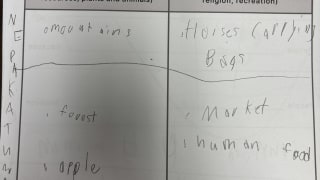
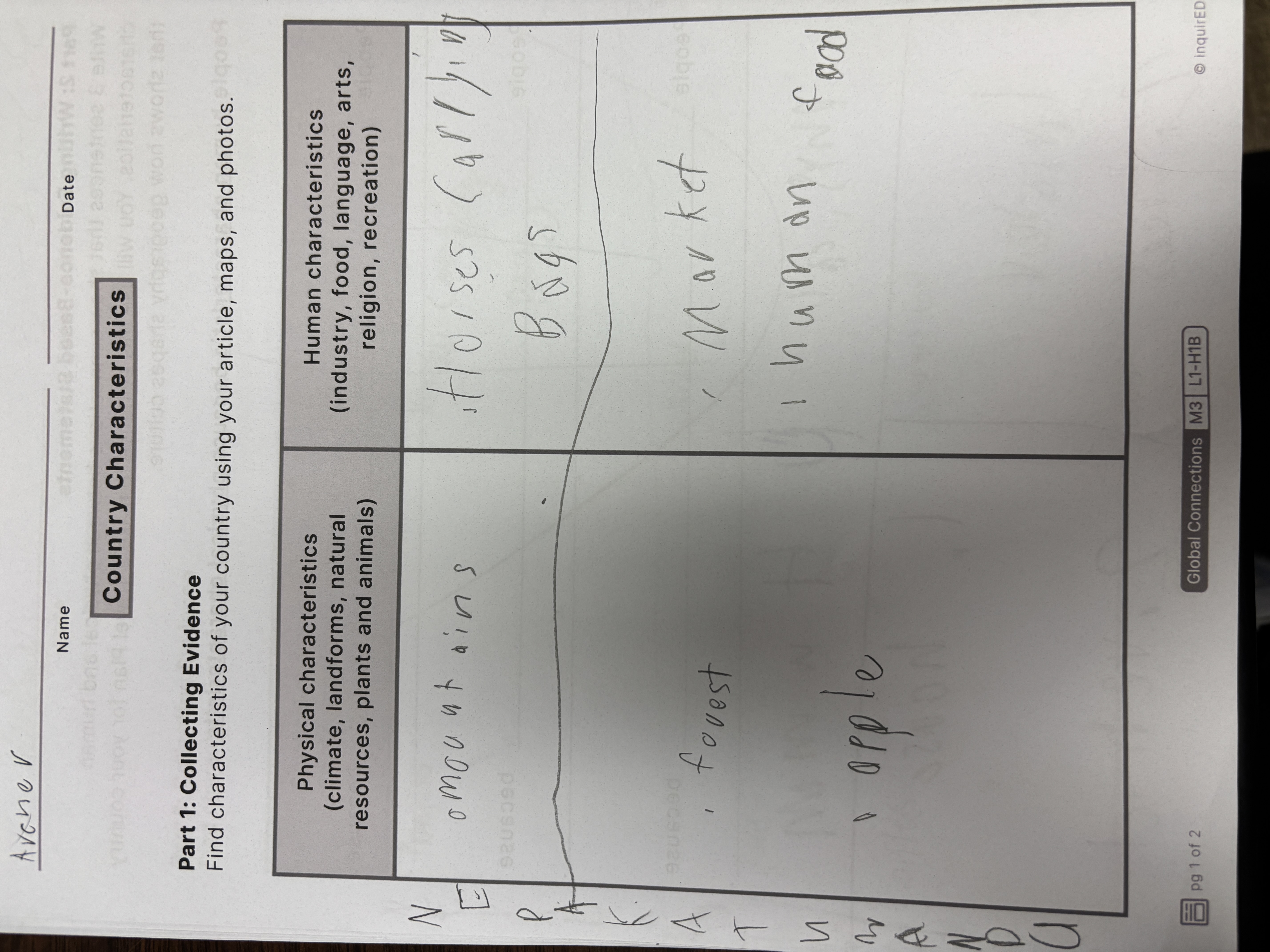
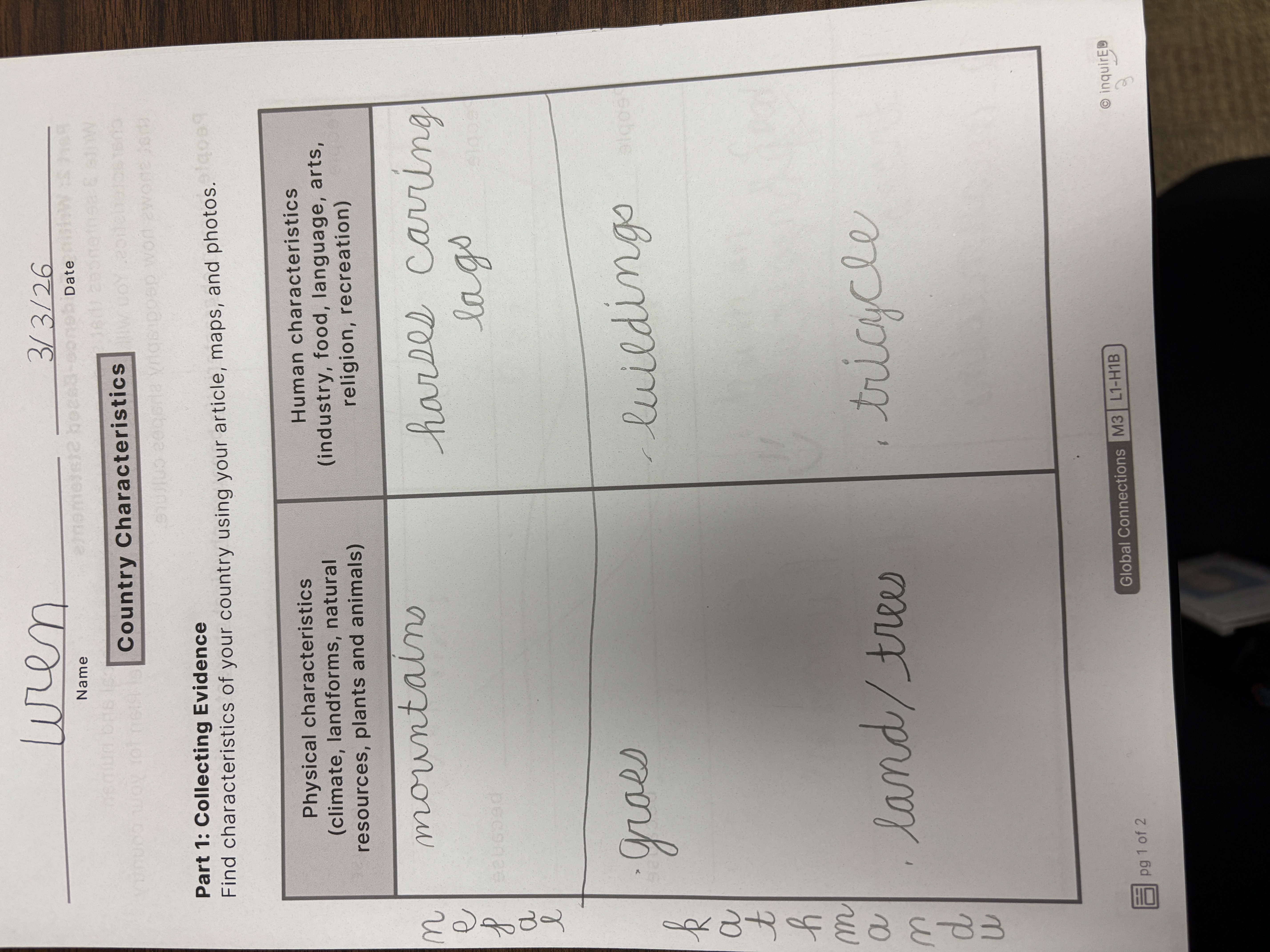
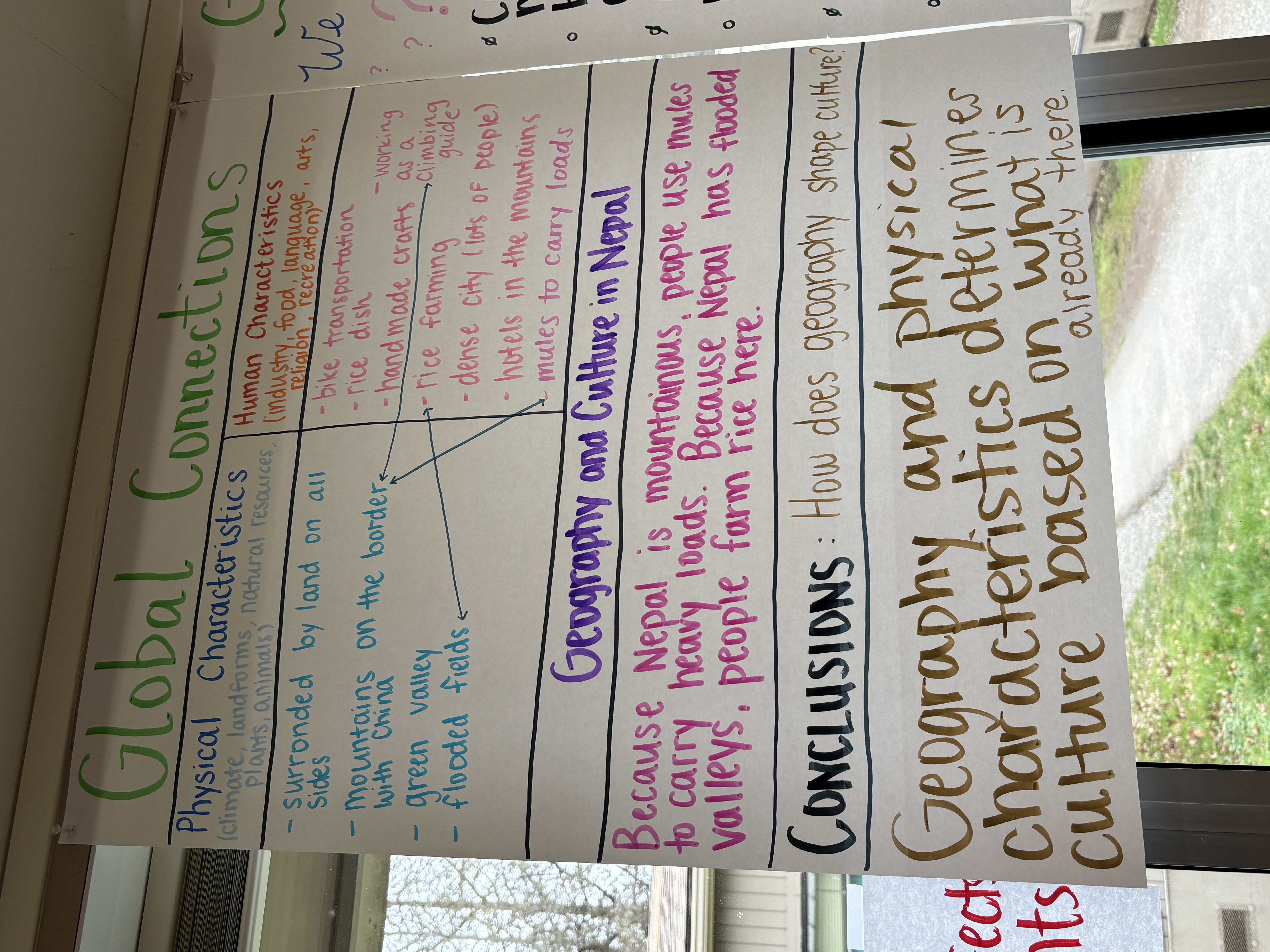
We inquired about physical and human characteristics we could see in Nepal and it's capital Kathmandu.

Unit

Global Connections

Grade

3rd Grade

Example Type

Handout

We inquired about physical and human characteristics we could see in Nepal and it's capital Kathmandu.

Additional Info

Jesskya Mikkelson from SOUTHEAST OF SALINE UNIFIED SCHOOL DISTRICT 306: KS, 3rd Grade

Unit

Global Connections

Grade

3rd Grade

Example Type

Handout

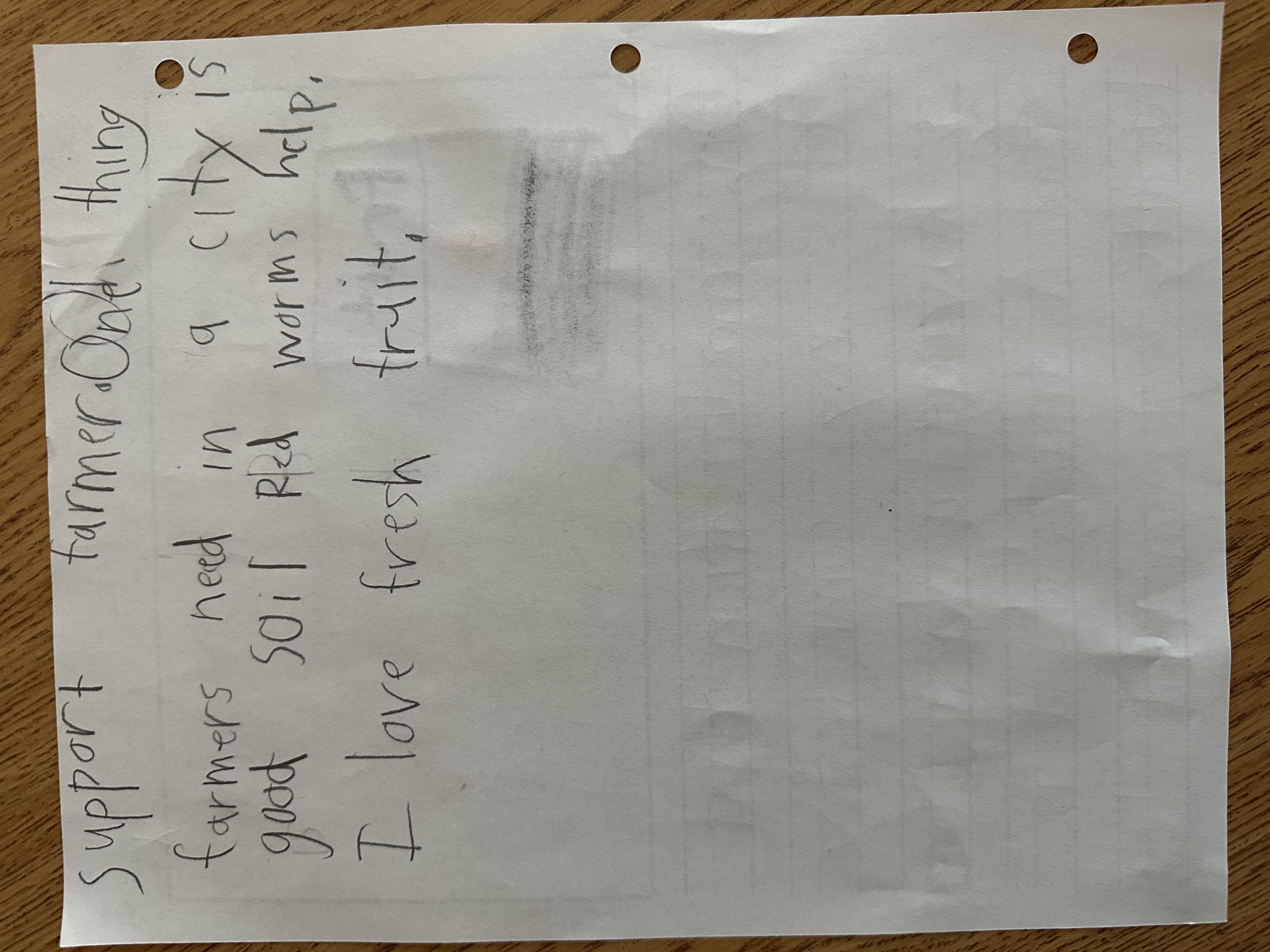
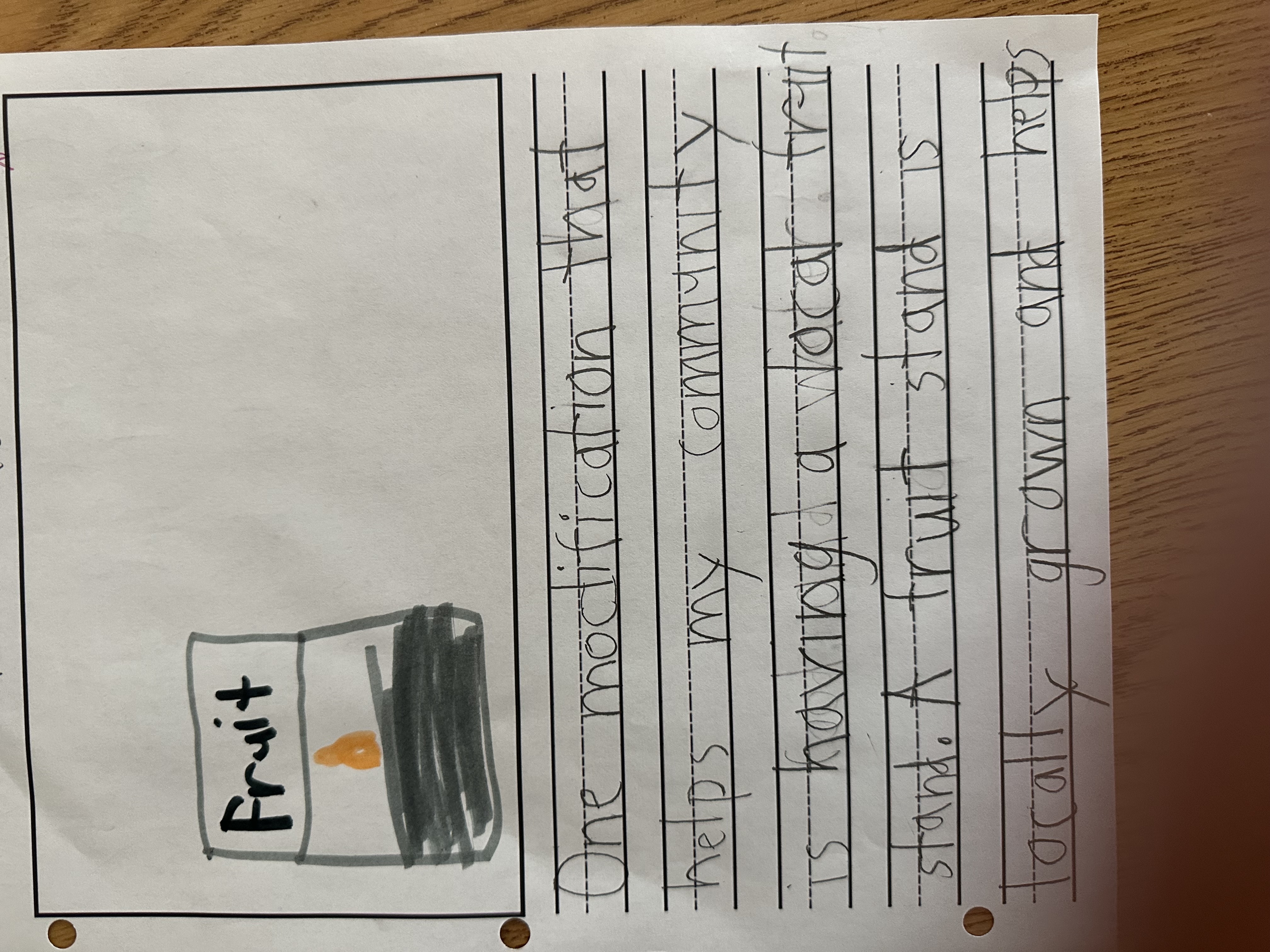
This learning wall was built throughout the unit. We read many books about changing landscapes in our community across time. The anchor charts at the bottom of the wall helped us to talk about the modifications in our community. In language arts we used Atlas' to find common and proper nouns across our state, country, and world. We ended the unit finding one spot on our campus that needed modification. We made posters and wrote letters to our principal.

Unit

Our Changing Landscape

Grade

2nd Grade

Example Type

Wall Display

This learning wall was built throughout the unit. We read many books about changing landscapes in our community across time. The anchor charts at the bottom of the wall helped us to talk about the modifications in our community. In language arts we used Atlas' to find common and proper nouns across our state, country, and world. We ended the unit finding one spot on our campus that needed modification. We made posters and wrote letters to our principal.

Additional Info

Christine Crutchfield from Mount Pisgah Christian School: GA, 2nd Grade

Unit

Our Changing Landscape

Grade

2nd Grade

Example Type

Wall Display

The students had a great time learning in Module 2. They were able to share through their illustrations how the land and its resources contributed to our state.

Unit

Our State and Region

Grade

4th Grade

Example Type

Handout

The students had a great time learning in Module 2. They were able to share through their illustrations how the land and its resources contributed to our state.

Additional Info

from , 4th Grade

Unit

Our State and Region

Grade

4th Grade

Example Type

Handout

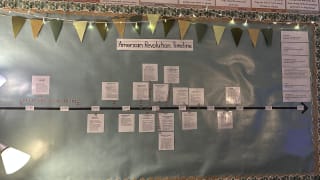
Interactive American Revolution timeline

Unit

The American Revolution

Grade

5th Grade

Example Type

Wall Display

Interactive American Revolution timeline

Additional Info

from , 5th Grade

Unit

The American Revolution

Grade

5th Grade

Example Type

Wall Display

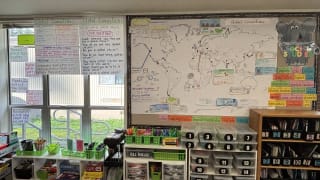
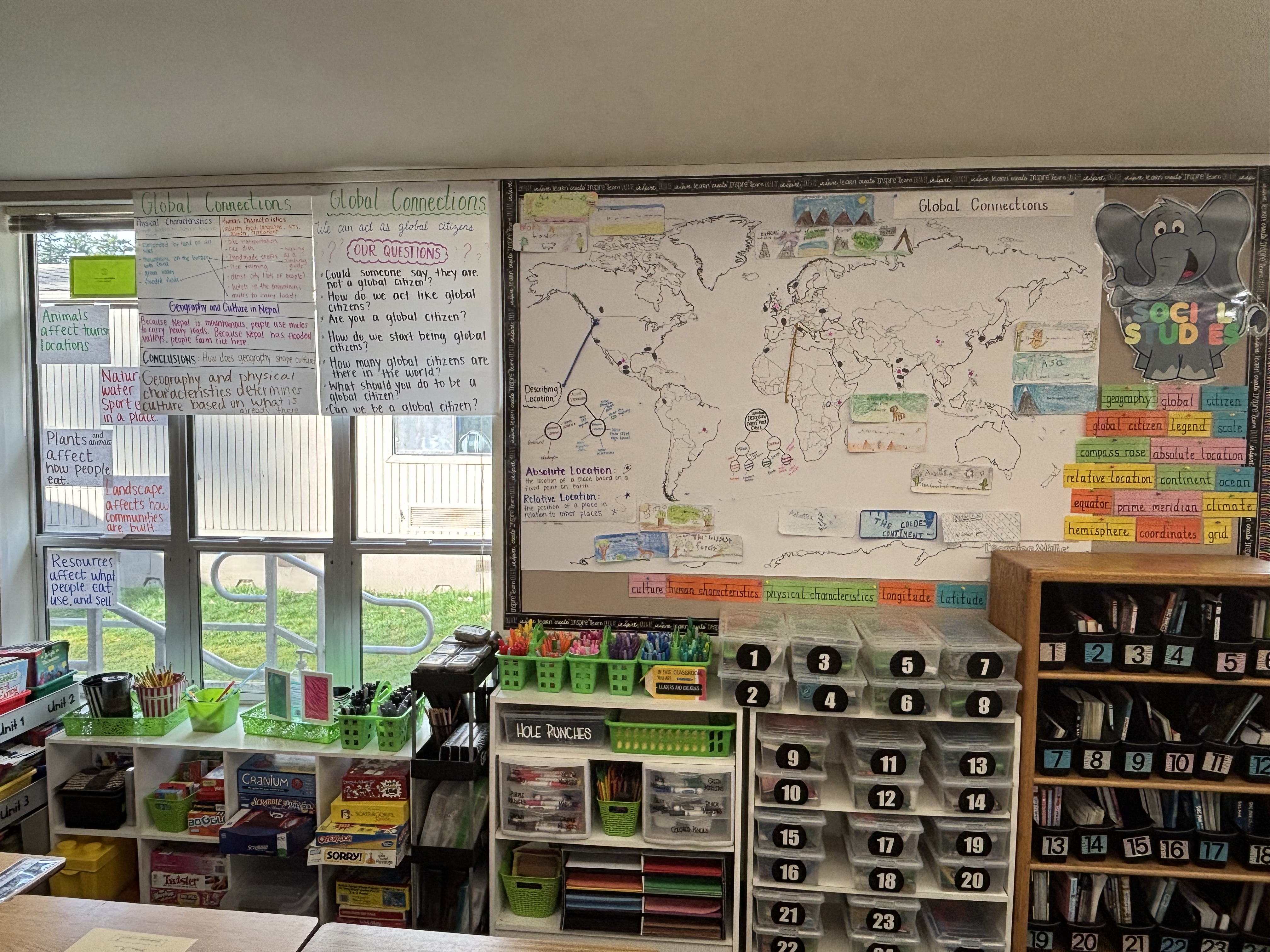
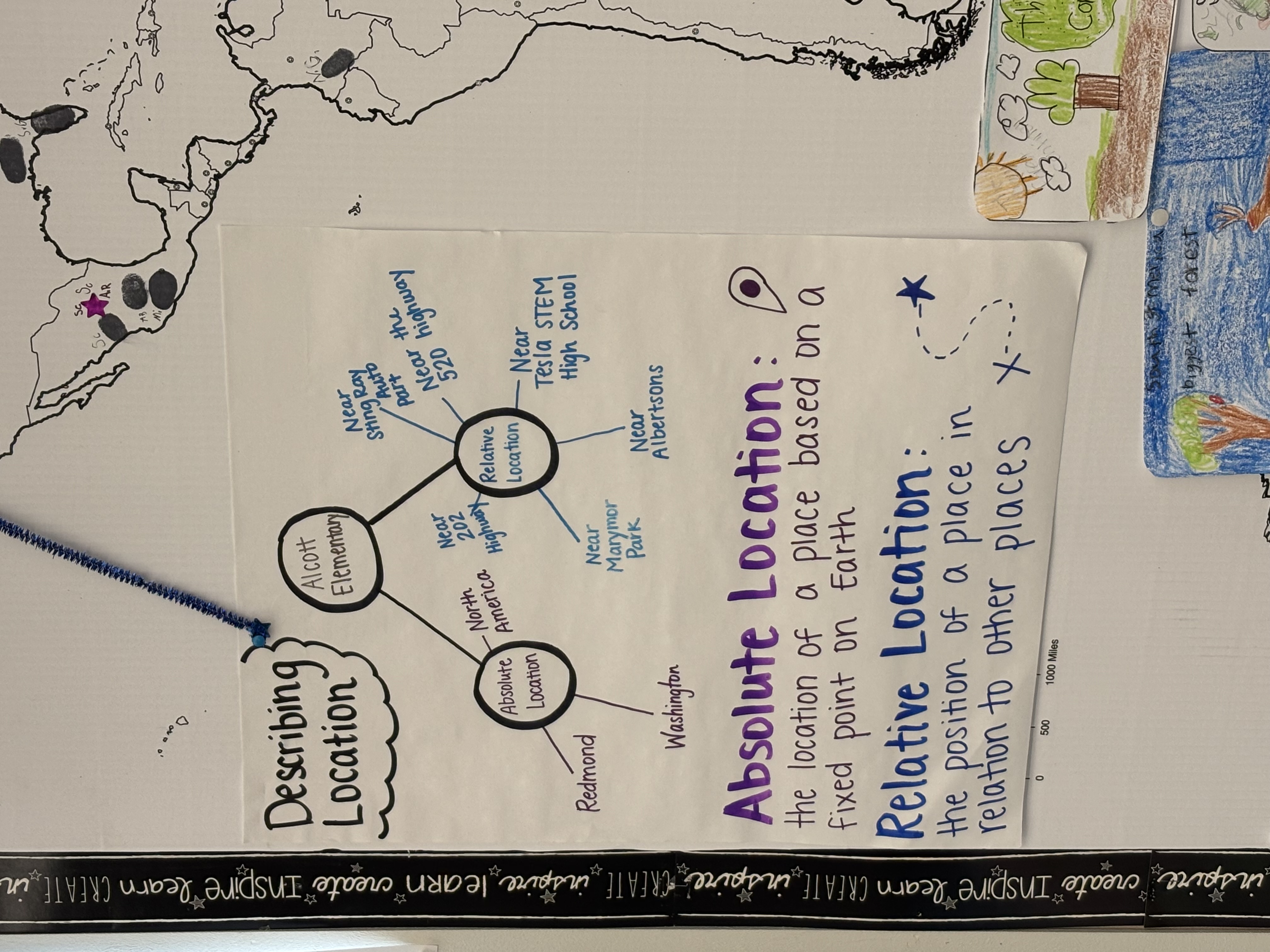
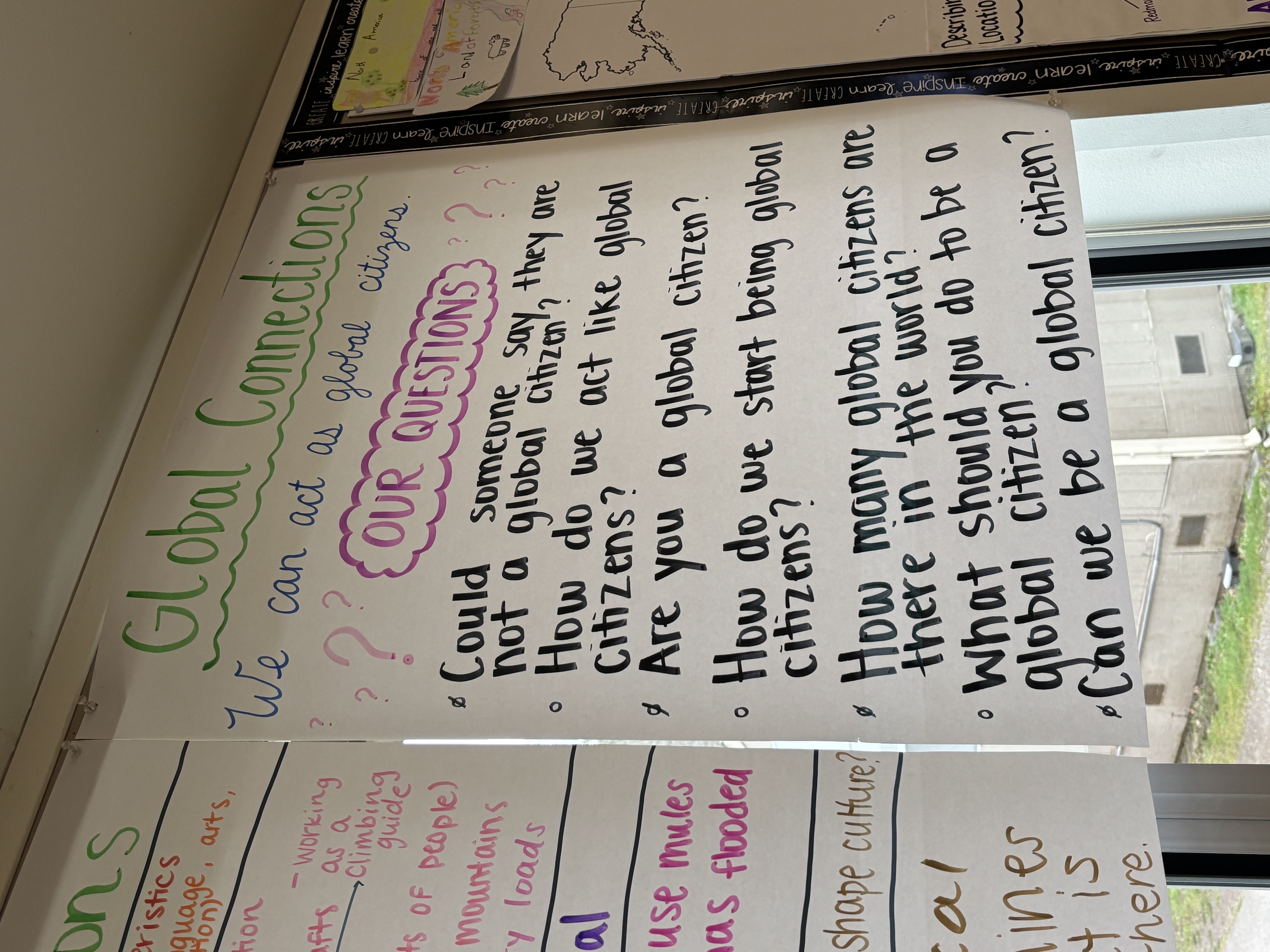
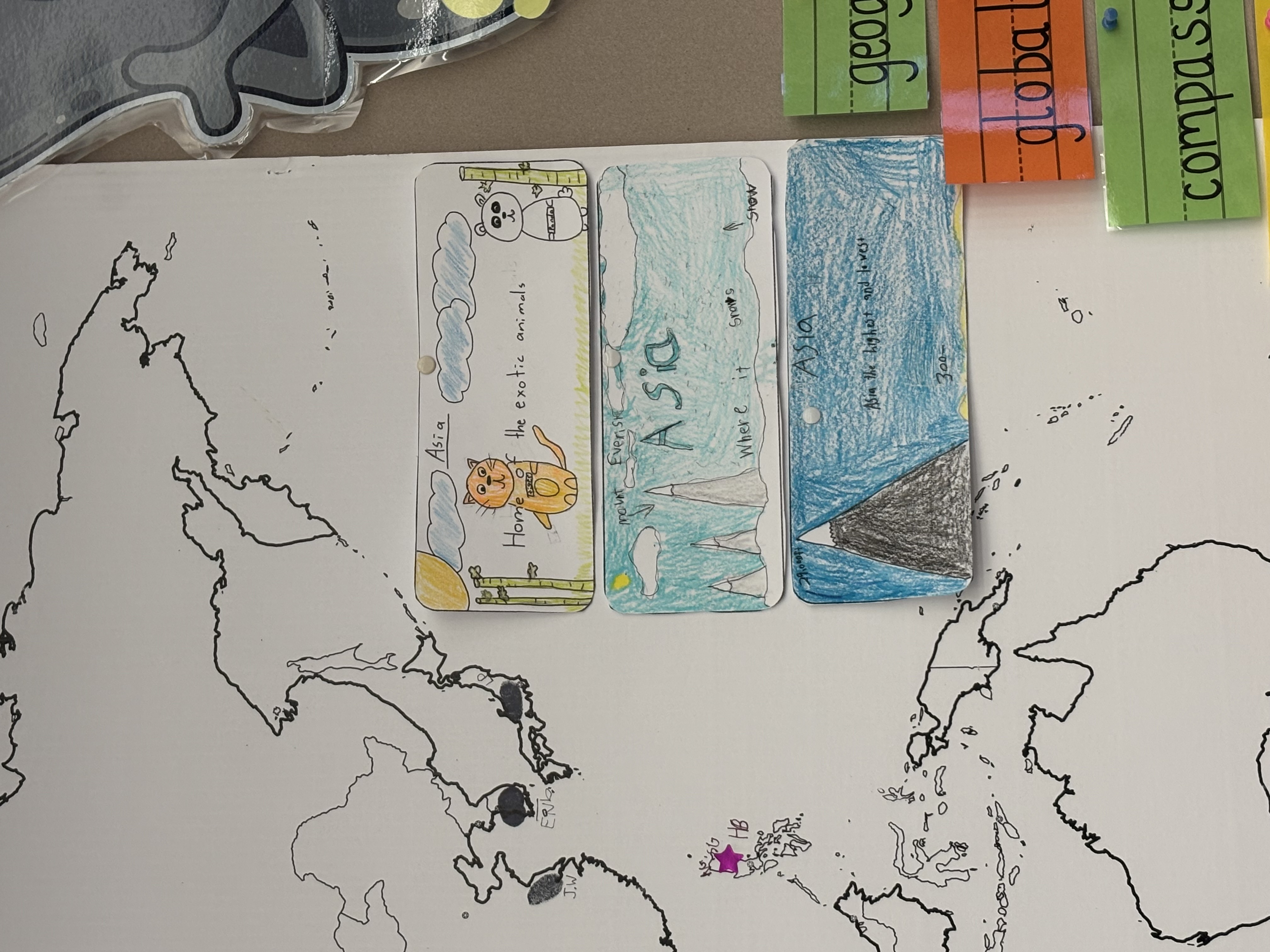
Students are about half way through the unit. The questions were generated by students and recorded by the teacher, same with the essential question reflection ideas posted onto the window. Students have been adding connections to the map and we even added information about the Winter Olympics to our connections map! Students each made a bumper sticker to represent a continent that they learned about through group research. Students are currently researching about a country with a small group and preparing to create a travel plan.

Unit

Global Connections

Grade

3rd Grade

Example Type

Wall Display

Students are about half way through the unit. The questions were generated by students and recorded by the teacher, same with the essential question reflection ideas posted onto the window. Students have been adding connections to the map and we even added information about the Winter Olympics to our connections map! Students each made a bumper sticker to represent a continent that they learned about through group research. Students are currently researching about a country with a small group and preparing to create a travel plan.

Additional Info

Nicole Guptil from Lake Washington School District: WA, 3rd Grade

Unit

Global Connections

Grade

3rd Grade

Example Type

Wall Display

Our team scheduled an in-person visit with our Village Arborist can discuss the Village-owned trees and someone from our public works department will talk about the landscape of Carol Stream.

Unit

Our Special Location

Grade

1st Grade

Example Type

Other

Our team scheduled an in-person visit with our Village Arborist can discuss the Village-owned trees and someone from our public works department will talk about the landscape of Carol Stream.

Additional Info

Gina Mastrodomenico from Community Consolidated School District 93: IL, 1st Grade

Unit

Our Special Location

Grade

1st Grade

Example Type

Other

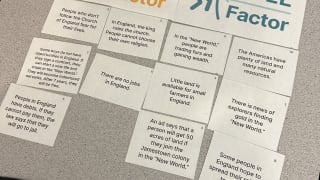
Students sorted push and pull reasons for immigration.

Unit

The Colonial Era

Grade

5th Grade

Example Type

Other

Students sorted push and pull reasons for immigration.

Additional Info

from , 5th Grade

Unit

The Colonial Era

Grade

5th Grade

Example Type

Other

No results found.

There are no results with this criteria. Try changing your search.

Experience a Lesson

K-2 core ELA and social studies in one block

Inkwell is a K-2 core curriculum that integrates ELA and social studies into one cohesive instructional block. Experience a lesson live with the team behind the curriculum, see exactly how it runs, and bring the questions you'd ask if you were piloting it in your district next year.

Request more information
About Inkwell

K-2 core ELA and social studies in one, 70-minute instructional block.

Inkwell is an inquiry-based HQIM for both ELA and social studies, designed so each subject strengthens the other. Students develop their literacy by reading, writing, and discussing within sustained social studies investigations.

  • Supports mastery of ELA and social studies standards in one block
  • Grounded in the Science of Reading
  • Embeds explicit writing instruction in daily lessons
  • Builds knowledge through content-rich social studies investigations
  • Connects and deepens learning through inquiry

Learn more >>

Save time

Inkwell’s 70-minute block replaces two separate ELA and social studies blocks. Teachers no longer have to choose between ELA and social studies, and the time they get back goes to foundational skills, math, and intervention.

Deepen comprehension

Inkwell’s integrated design develops the background knowledge and academic vocabulary comprehension depends on. And, each unit students apply that knowledge to a new text, task or idea to deepen comprehension and extend their learning.

Give writing purpose

Inkwell writing starts with explicit daily instruction and asks students to use writing to make meaning of texts. Then, it asks students to go one step further and use the knowledge they’ve built as evidence for a broader disciplinary idea.
"Students actually are engaged, actually have a smile. It brought tears to my eyes because I'm like, this is what school looks like."

Yasmin, First Grade Inkwell Teacher, NJ

"I think that's the first time I've ever seen everyone — including my [multilingual] kids — understand every single part of a book from a whole-class read-aloud, the first time, without extra prompting."

Talia, First Grade Inkwell Teacher, NJ

What happens in this session

01

One lesson we'll go through from start to finish.

Watch how an integrated ELA and social studies block lets students read, write, and discuss around a single anchor idea.

02

Where the integration happens.

See what makes this different from a traditional ELA program that only adds in social studies topics: the texts, the writing tasks, the social studies and ELA standards that build comprehension and knowledge at the same time.

03

The K-2 design choices.

We'll walk through language comprehension, vocabulary development, and structured discussion behind the lesson, and explain the K-2 design choices we made and why.

FAQ

Who is this session for?

Curriculum leaders, instructional coaches, principals, and teachers evaluating an elementary ELA and/or social studies curriculum. We designed these sessions for leaders making purchasing decisions, but classroom teachers are welcome.

How long is the session?

60 minutes: 30 minutes inside the lesson, 20 minutes of debrief, and 10 minutes for Q&A.

Do I need to prep anything?

No. Show up with a notebook (paper or digital) and a willingness to be a student for a half hour.

Will my district's content be shared?

No. Other registrants will see your name and district in the participant list. We don't record sessions.

Is there a recording if I can't make it?

We don't record — the value is in the live experience. If none of the dates work, request a 1:1 walkthrough and we'll set one up with your team.

Contact us

Contact sales

Contact sales