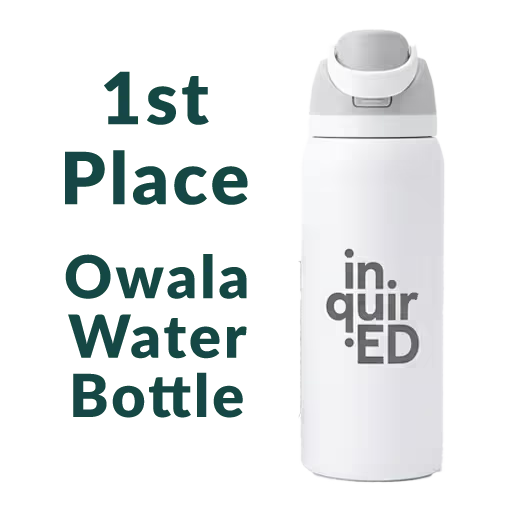
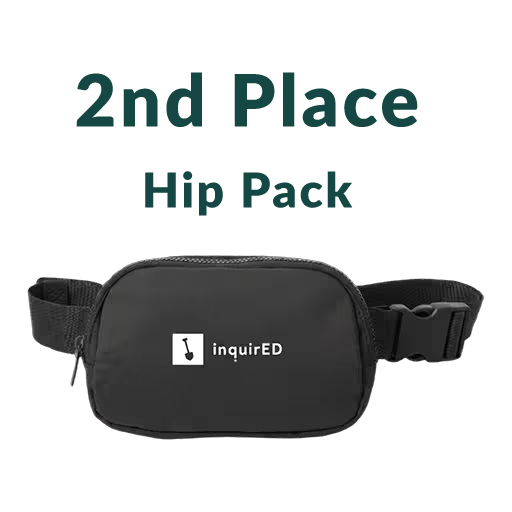
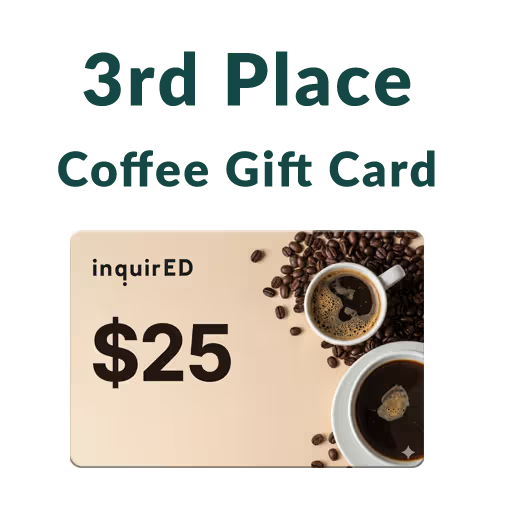


Celebrate your students!

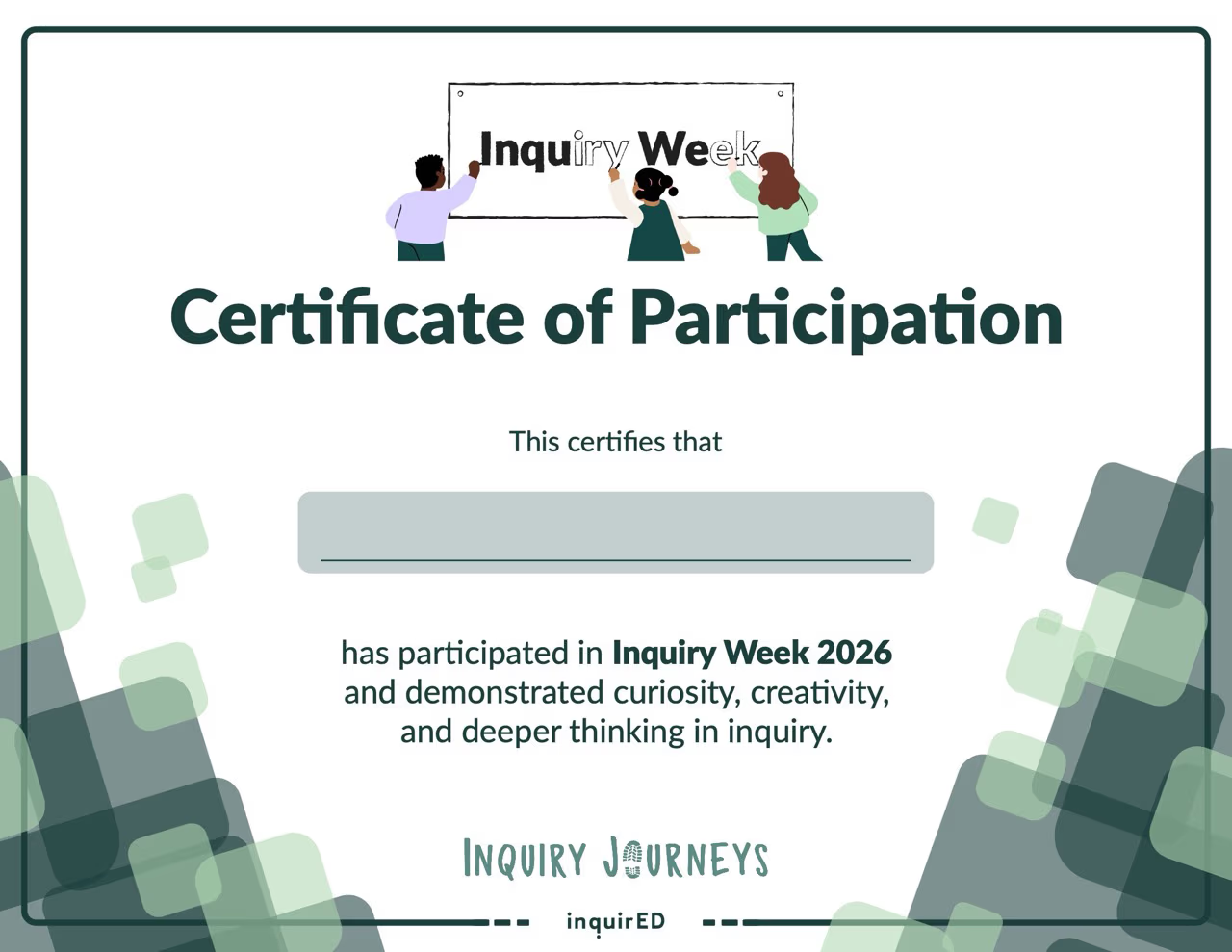
Inquiry Week is also about celebrating students and the questions they bring to learning.

We’re sharing a student Inquiry Week certificate you can use to recognize students for their curiosity, questioning, and thinking. It’s a simple way to celebrate inquiry, whether your work feels finished or still in progress.

Contest FAQs

Do submissions need to be perfect?

No. We’re interested in the learning process, not polished final products.

Inquiry work might include student work, vocabulary, anchor charts, images, or other artifacts that show thinking over time. If it reflects real student questions and learning, it counts.

How will winners be chosen?

Submissions are reviewed for creativity, clarity, and how well they represent the inquiry process. Winning submissions may be featured in an Inquiry Work Gallery to help other educators see what inquiry can look like in real classrooms.

What file types can I submit?

You can submit:

  • Images (JPG or PNG)
  • Videos (MP4 or MOV) Files should be under 100 MB.

Do I need to submit physical copies of student work?

No. Digital submissions work great.

If space is limited, feel free to share smaller pieces of student work or snapshots that capture student thinking, reading, or writing in social studies.

Any tips for taking photos or videos of my inquiry work?

A few simple tips:

  • Take more than one photo.
  • Include at least one full view, plus a few close-ups.
  • Make sure the image is bright and easy to read.

Clear photos help us see student thinking more clearly.

Looking for inspiration?

Explore examples from the Inquiry Work Gallery.

Click on a thumbnail below to expand and view more images.

Filter by grades
Filter by units
Filter by example types
Thank you! Your submission has been received!
Oops! Something went wrong while submitting the form.
Clear filters
Category
:
Tag
Showing 0 of 100

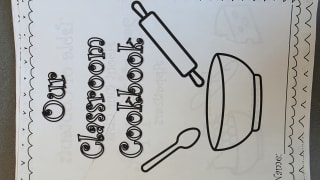
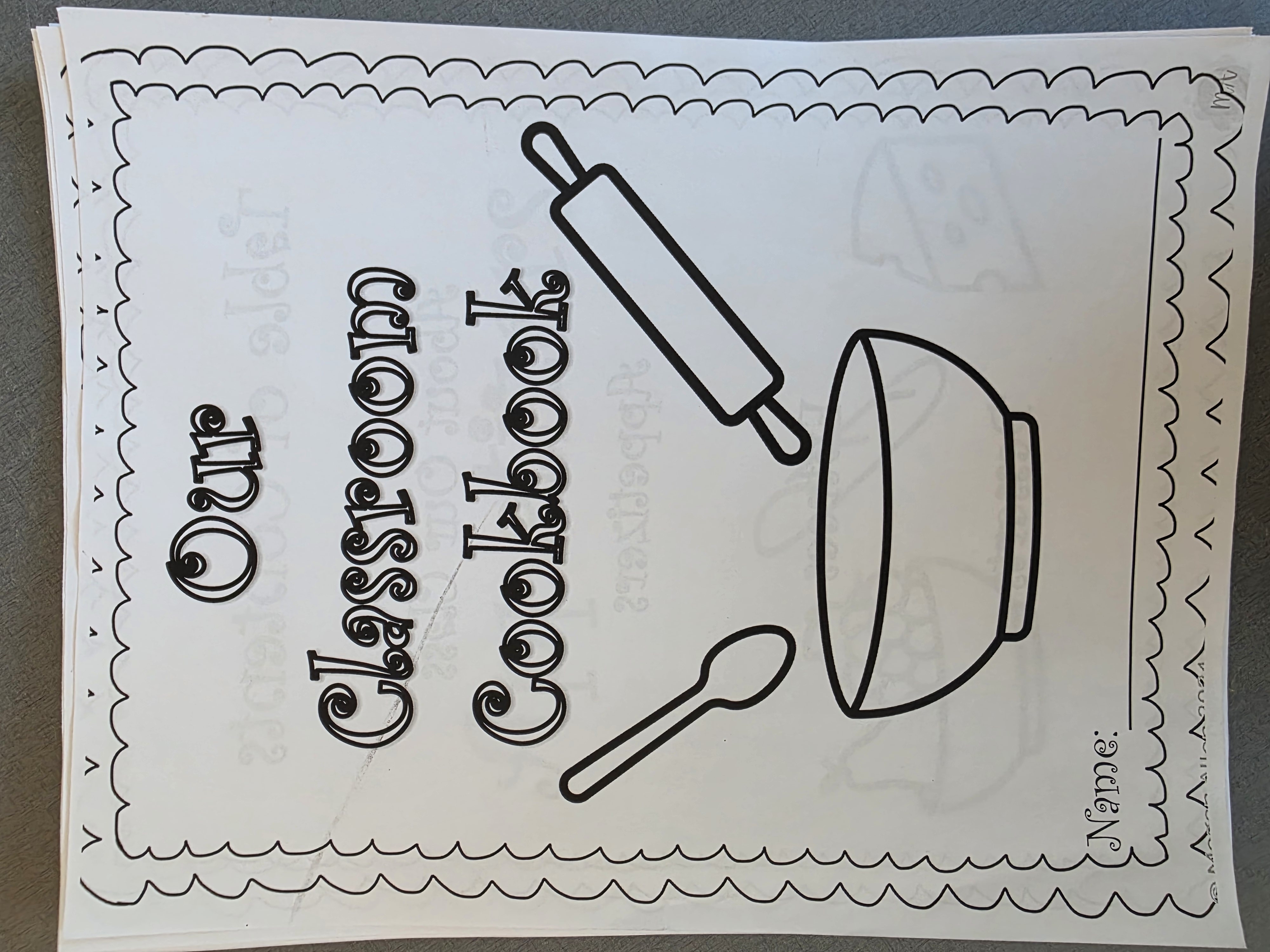
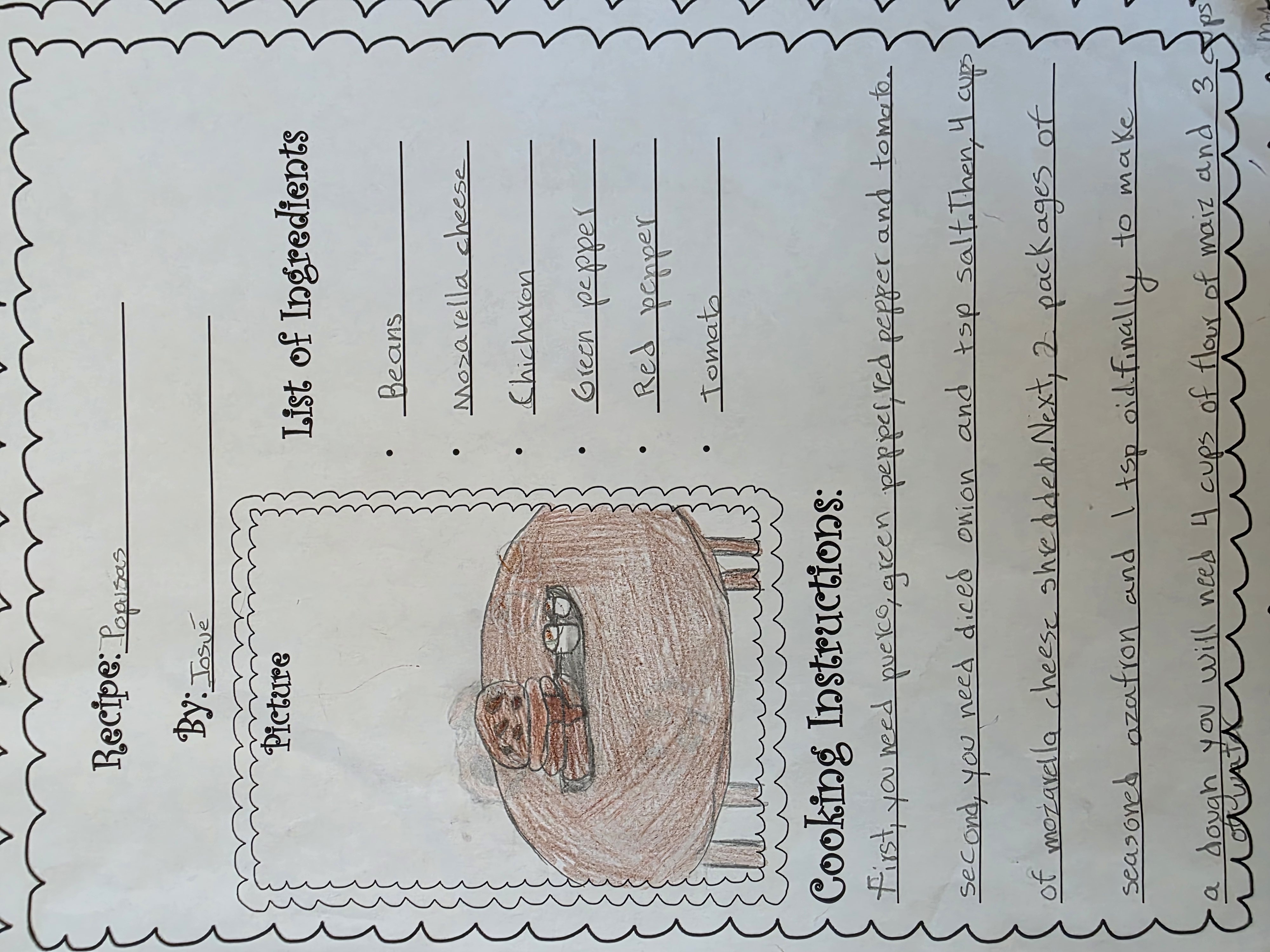
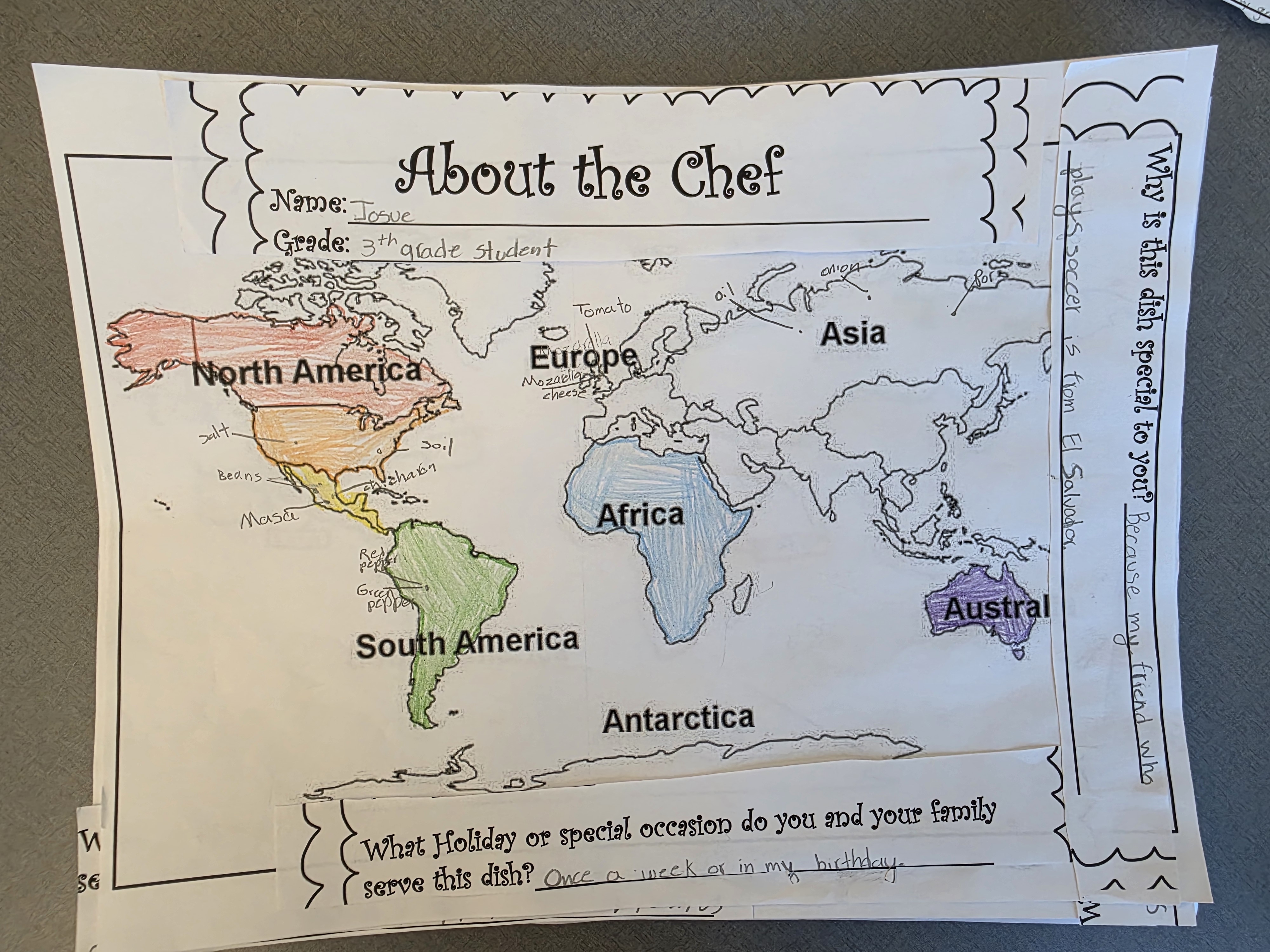
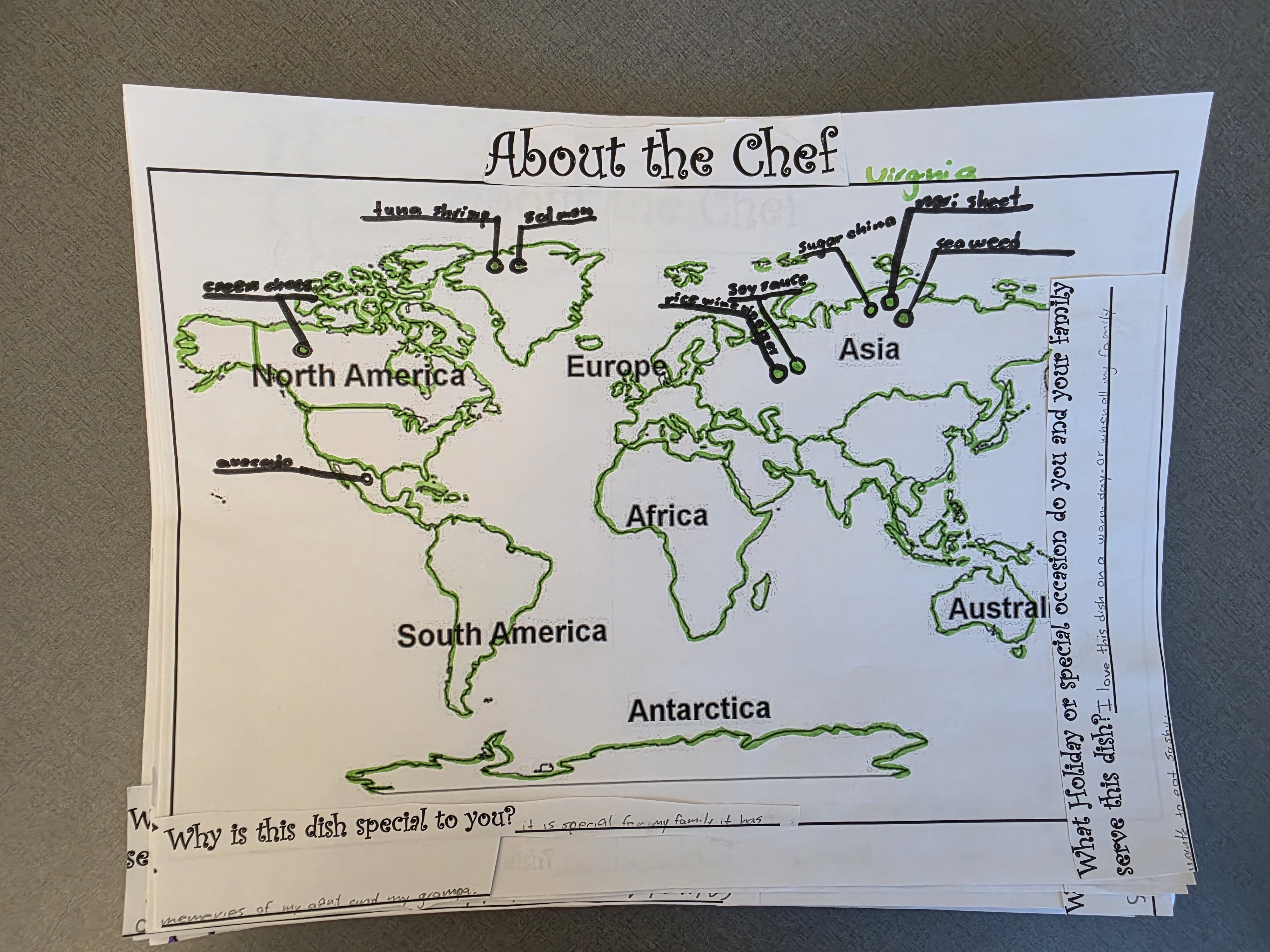
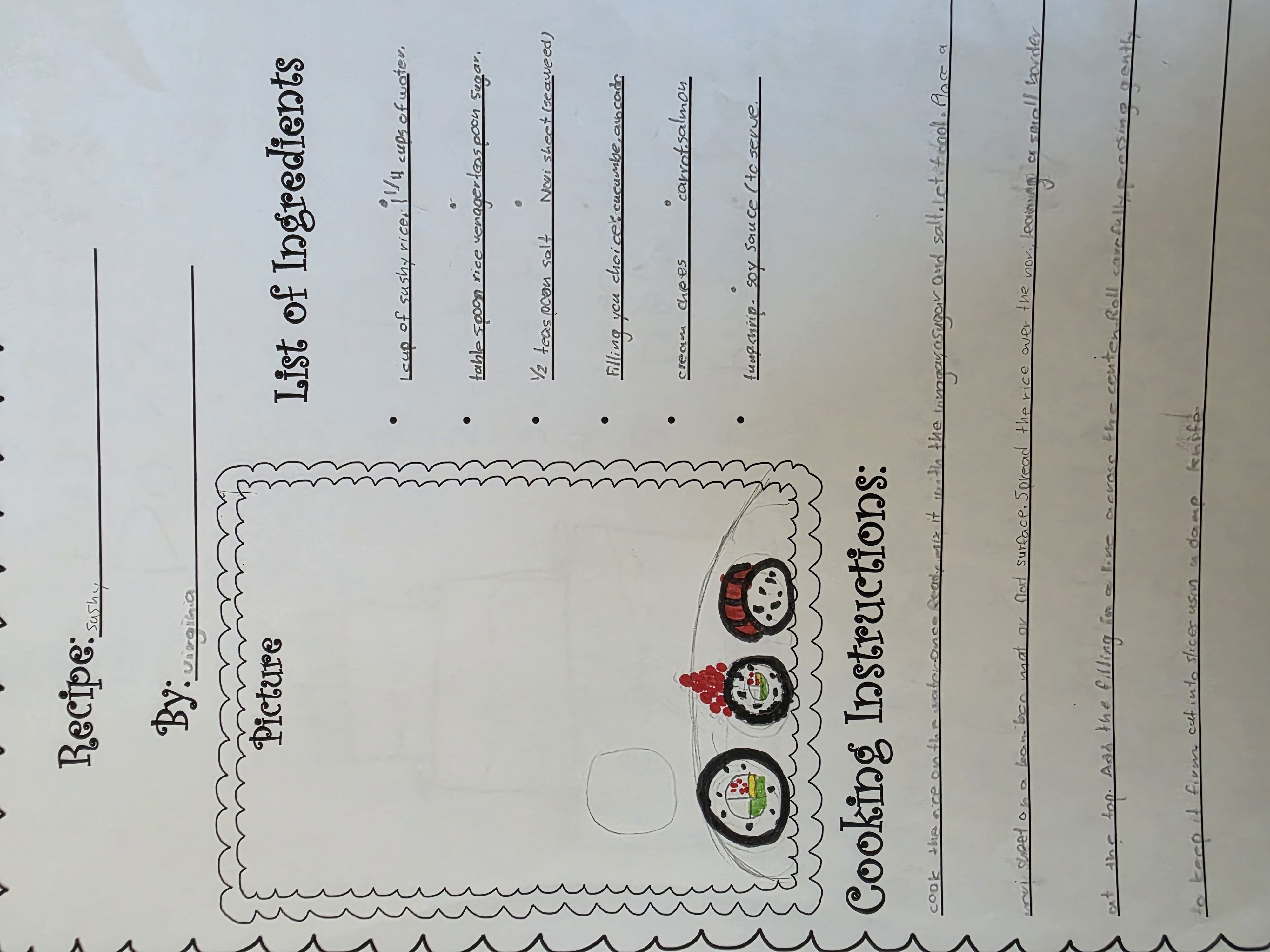
We created a cultural cookbook, where students made global connections about where their ingredients came from and how they come together and connect us with different parts of the world. Students took home a copy of all of their peers´ recipes!

Unit

Global Connections

Grade

3rd Grade

Example Type

Final Product

We created a cultural cookbook, where students made global connections about where their ingredients came from and how they come together and connect us with different parts of the world. Students took home a copy of all of their peers´ recipes!

Additional Info

Crystal Bucio from Roaring Fork School District: CO, 3rd Grade

Unit

Global Connections

Grade

3rd Grade

Example Type

Final Product

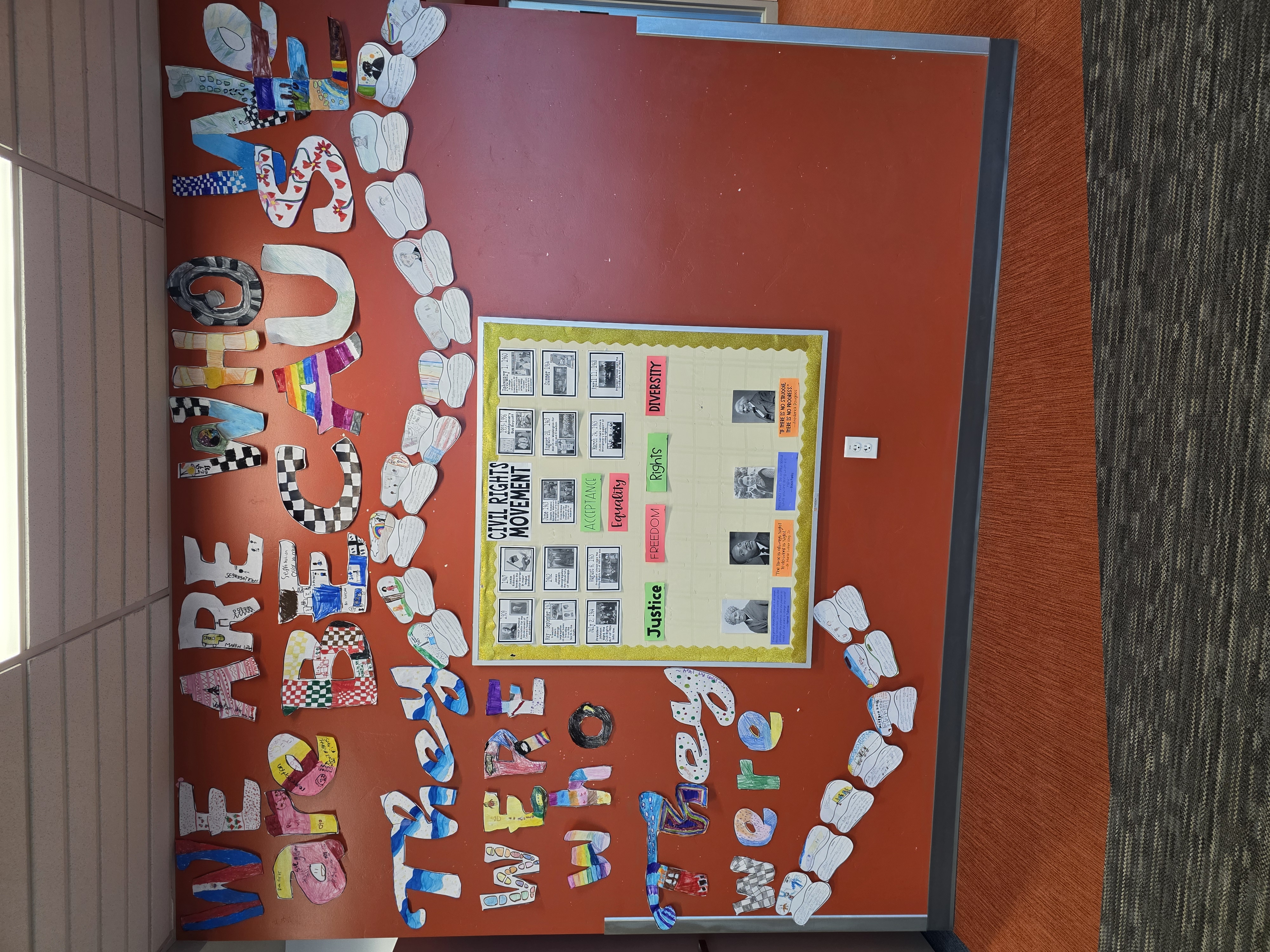
We are recreating and honoring the steps that people needed to take towards equality!

Unit

The 20th Century Civil Rights Movement

Grade

3rd Grade

Example Type

Wall Display

We are recreating and honoring the steps that people needed to take towards equality!

Additional Info

Crystal Bucio from Roaring Fork School District: CO, 3rd Grade

Unit

The 20th Century Civil Rights Movement

Grade

3rd Grade

Example Type

Wall Display

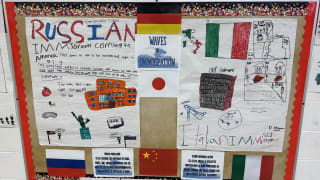
Our 3rd Grade students, after reading articles about the different waves of immigration, created posters to present the information they learned to the class about their group of immigrants. It provided for a great discussion about the pushes and pulls of immigration. Students really began to realize the difficulties immigrants faced in other countries before coming to the US but were more shocked to find out that life was just as difficult, if not more, when they arrived here.

Unit

Migration and Movement

Grade

3rd Grade

Example Type

Wall Display

Our 3rd Grade students, after reading articles about the different waves of immigration, created posters to present the information they learned to the class about their group of immigrants. It provided for a great discussion about the pushes and pulls of immigration. Students really began to realize the difficulties immigrants faced in other countries before coming to the US but were more shocked to find out that life was just as difficult, if not more, when they arrived here.

Additional Info

Jennifer Duzinskas from Maywood School District 89: IL, 3rd Grade

Unit

Migration and Movement

Grade

3rd Grade

Example Type

Wall Display

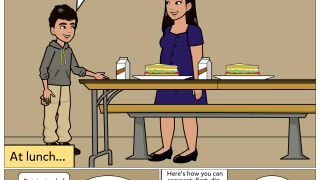
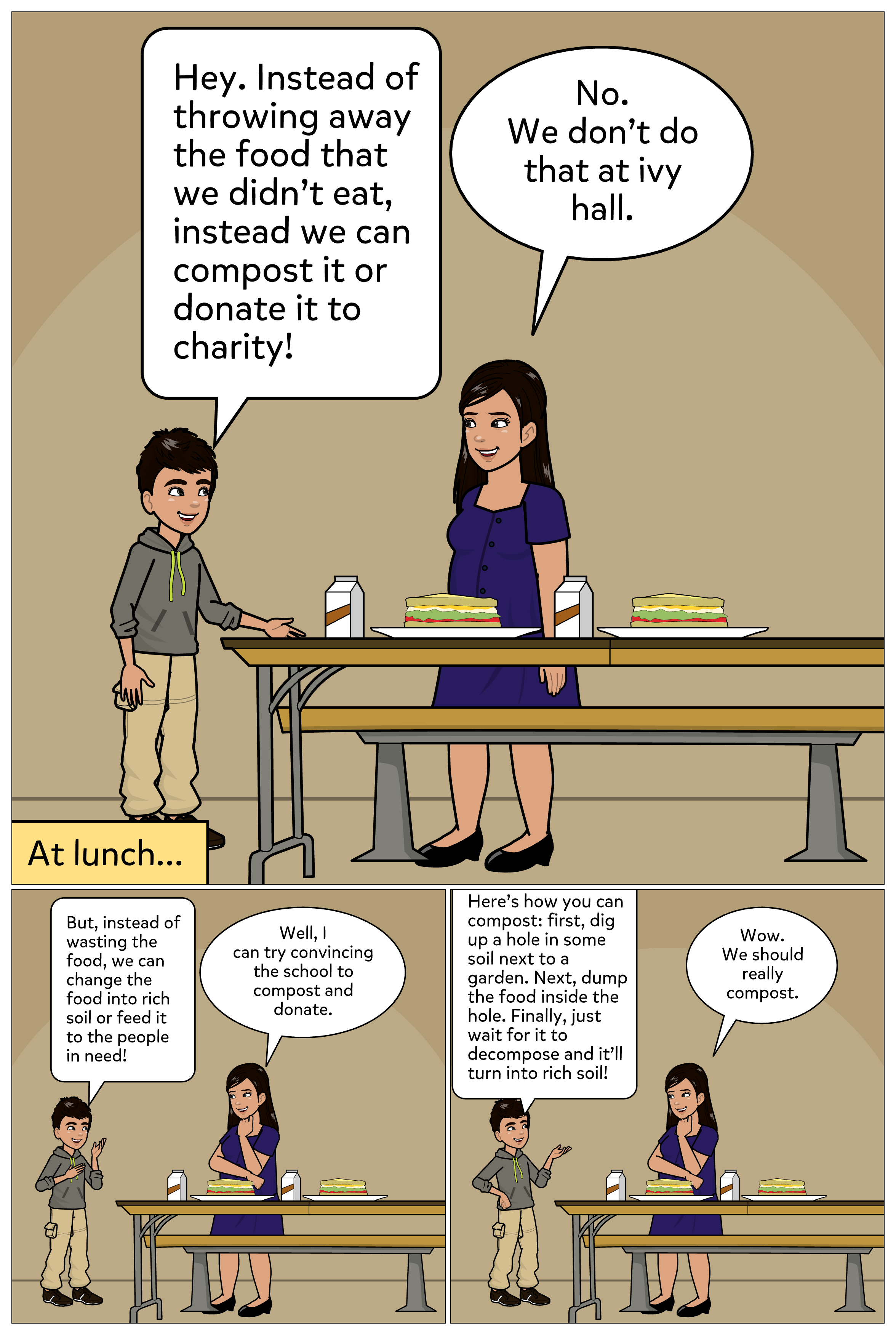
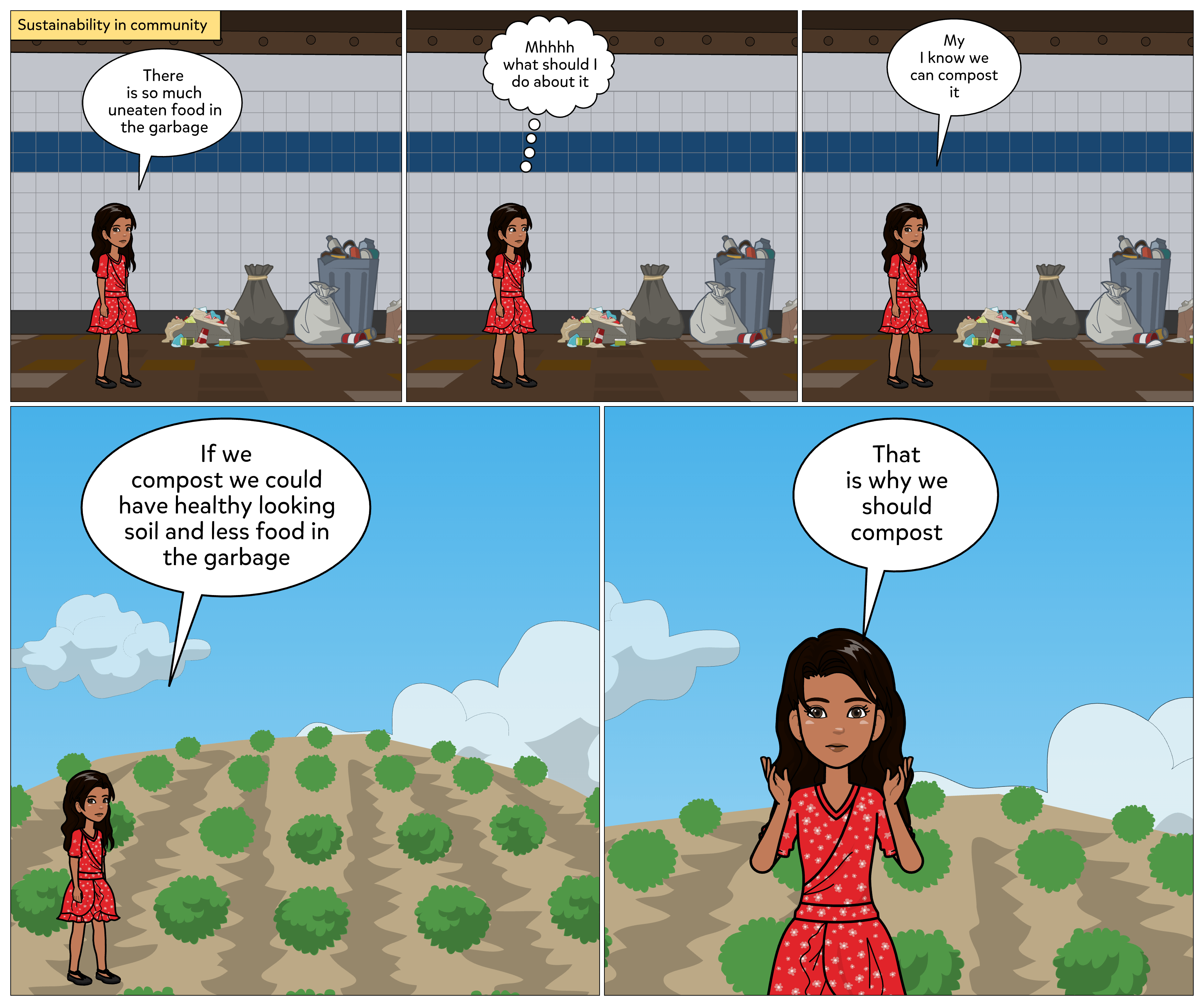
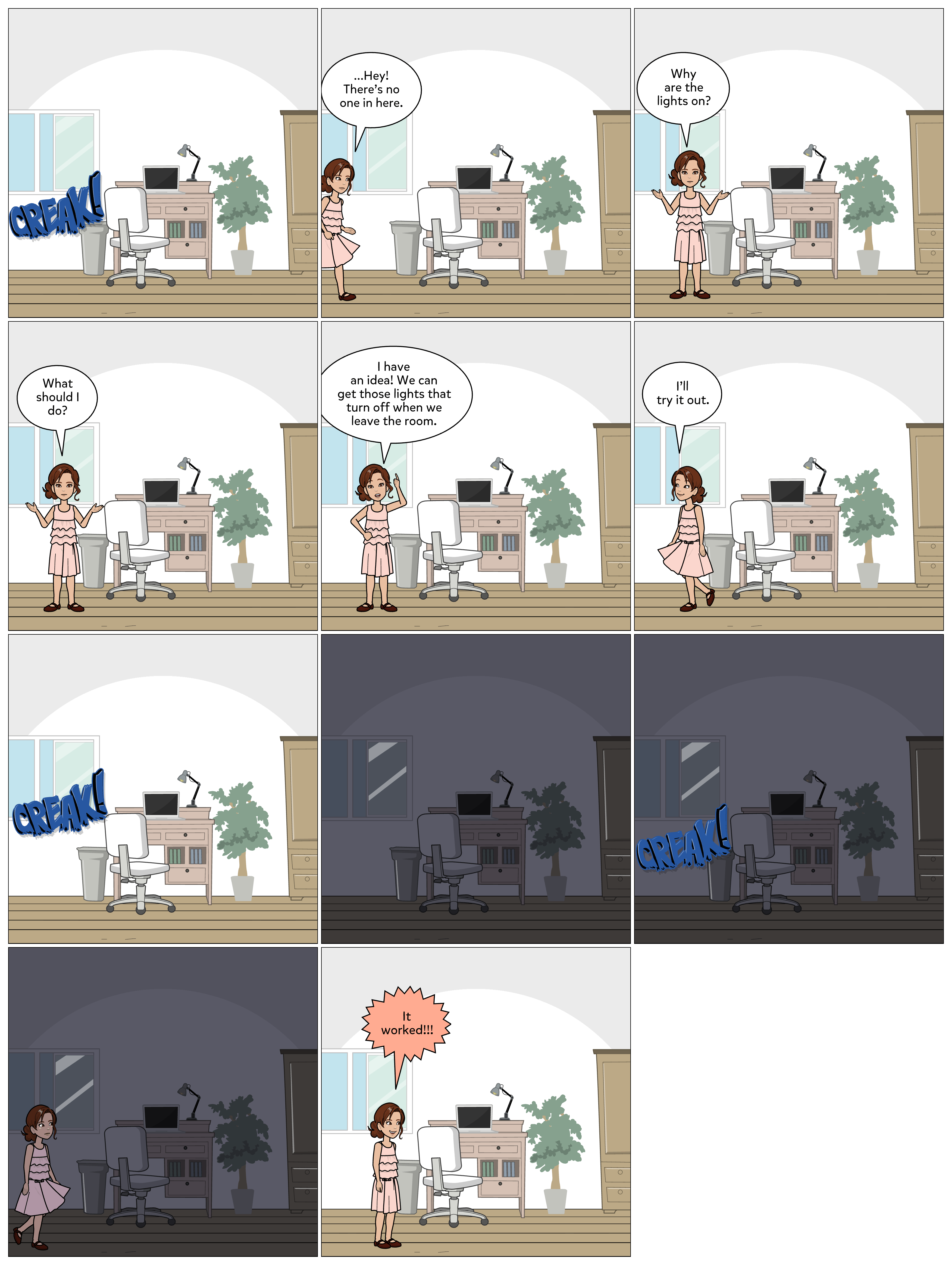
Students used the Pixton app to create these comics.

Unit

Natural Resources of the U.S.

Grade

4th Grade

Example Type

Final Product

Students used the Pixton app to create these comics.

Additional Info

Kerry Nowicki from Kildeer Countryside Community Consolidated School District 96: IL, 4th Grade

Unit

Natural Resources of the U.S.

Grade

4th Grade

Example Type

Final Product

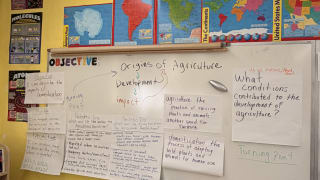
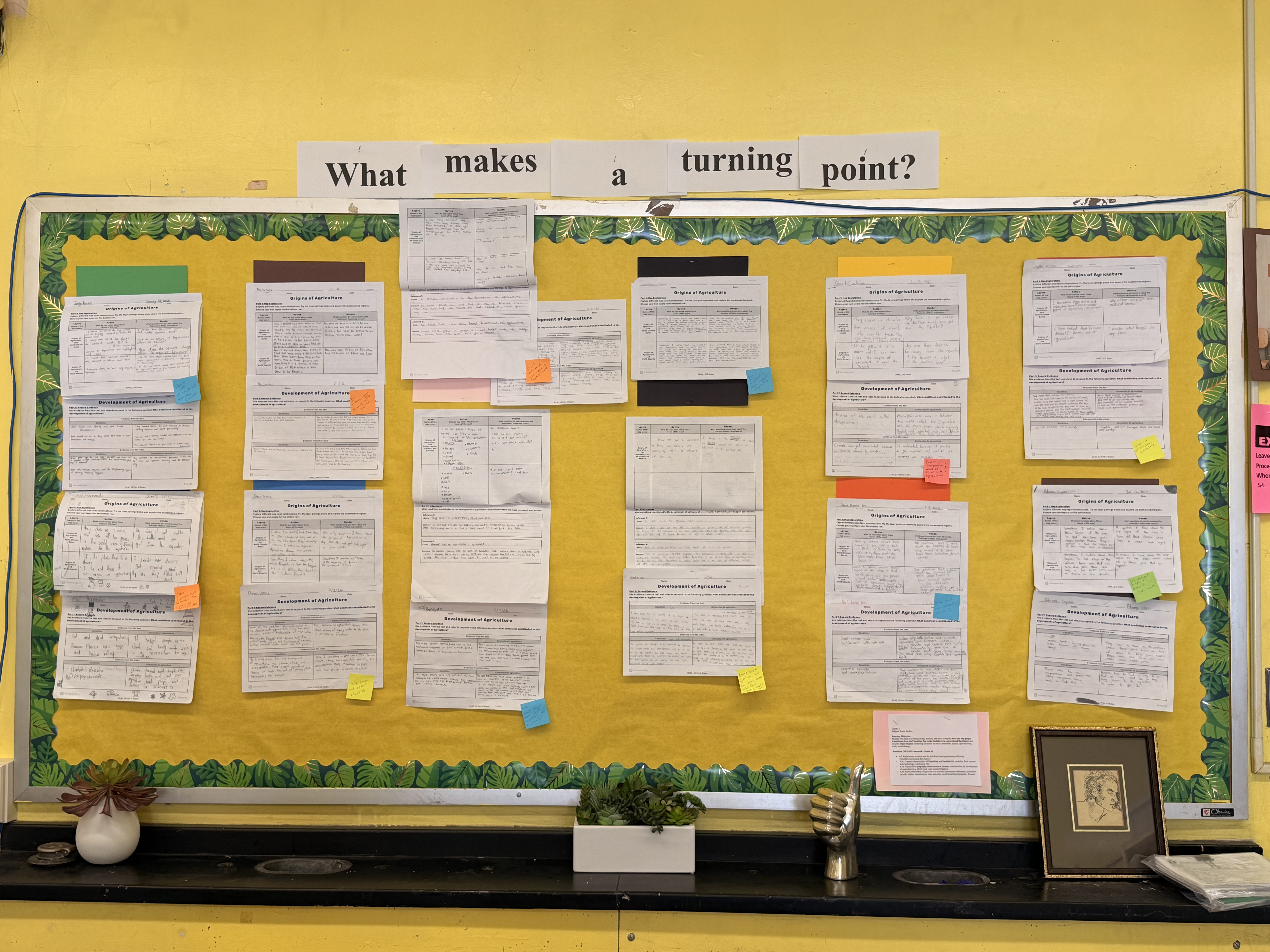
Our student loved learning about the origins-development-and impact of agriculture!

Unit

The Human Story

Grade

6th Grade

Example Type

Inquiry-Long Display

Our student loved learning about the origins-development-and impact of agriculture!

Additional Info

from , 6th Grade

Unit

The Human Story

Grade

6th Grade

Example Type

Inquiry-Long Display

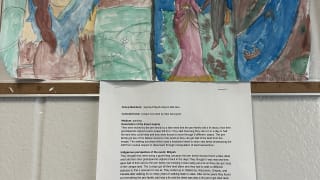
This is an end of unit project for the Colonial America unit. Students chose an important event or aspect of colonial America and illustrated (in medium of their choice) and wrote a caption with the perspective of all groups that we learned about on the chosen event or aspect.

Unit

The Colonial Era

Grade

5th Grade

Example Type

Final Product

This is an end of unit project for the Colonial America unit. Students chose an important event or aspect of colonial America and illustrated (in medium of their choice) and wrote a caption with the perspective of all groups that we learned about on the chosen event or aspect.

Additional Info

from , 5th Grade

Unit

The Colonial Era

Grade

5th Grade

Example Type

Final Product

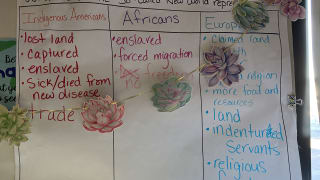
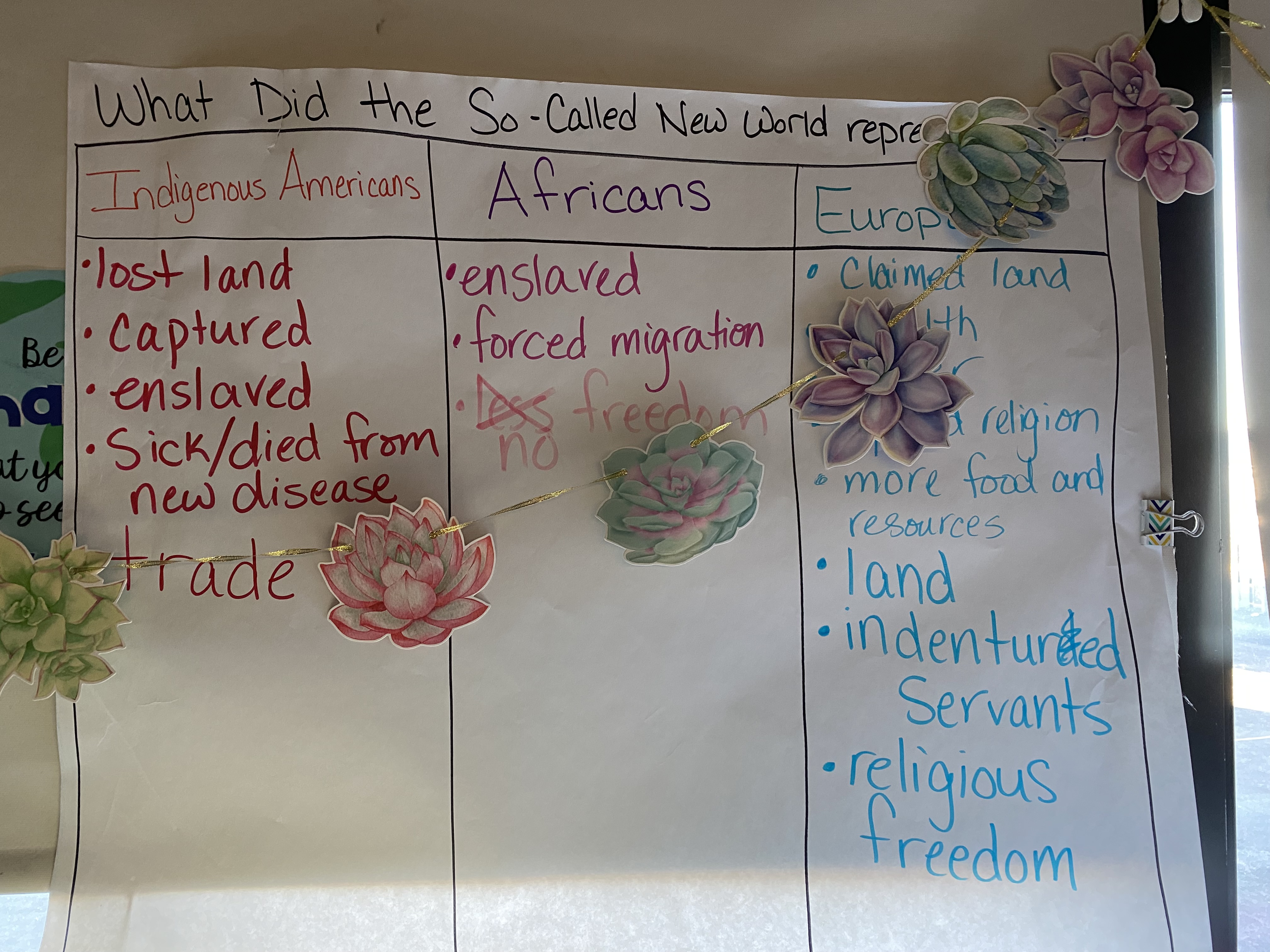
Anchor chart from Module 2

Unit

The Colonial Era

Grade

5th Grade

Example Type

Anchor Chart

Anchor chart from Module 2

Additional Info

Sarah Garcia from Maywood School District 89: IL, 5th Grade

Unit

The Colonial Era

Grade

5th Grade

Example Type

Anchor Chart

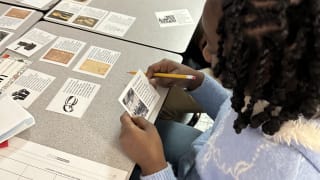
My students loved the hexagonal activity from our Colonial Era unit. After they completed the card sort for Natural Resources, they asked if they could try to connect them like the hexagonal activity. They did a fantastic job and I liked hearing their explanation of the connections.

Unit

Natural Resources of the U.S.

Grade

5th Grade

Example Type

Other

My students loved the hexagonal activity from our Colonial Era unit. After they completed the card sort for Natural Resources, they asked if they could try to connect them like the hexagonal activity. They did a fantastic job and I liked hearing their explanation of the connections.

Additional Info

Abby Brewer from Mason City Schools: OH, 5th Grade

Unit

Natural Resources of the U.S.

Grade

5th Grade

Example Type

Other

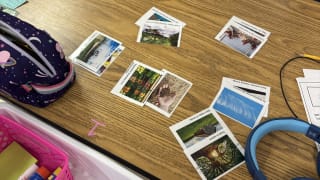
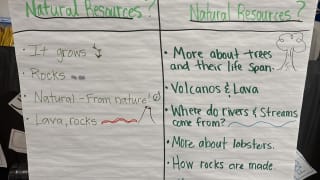
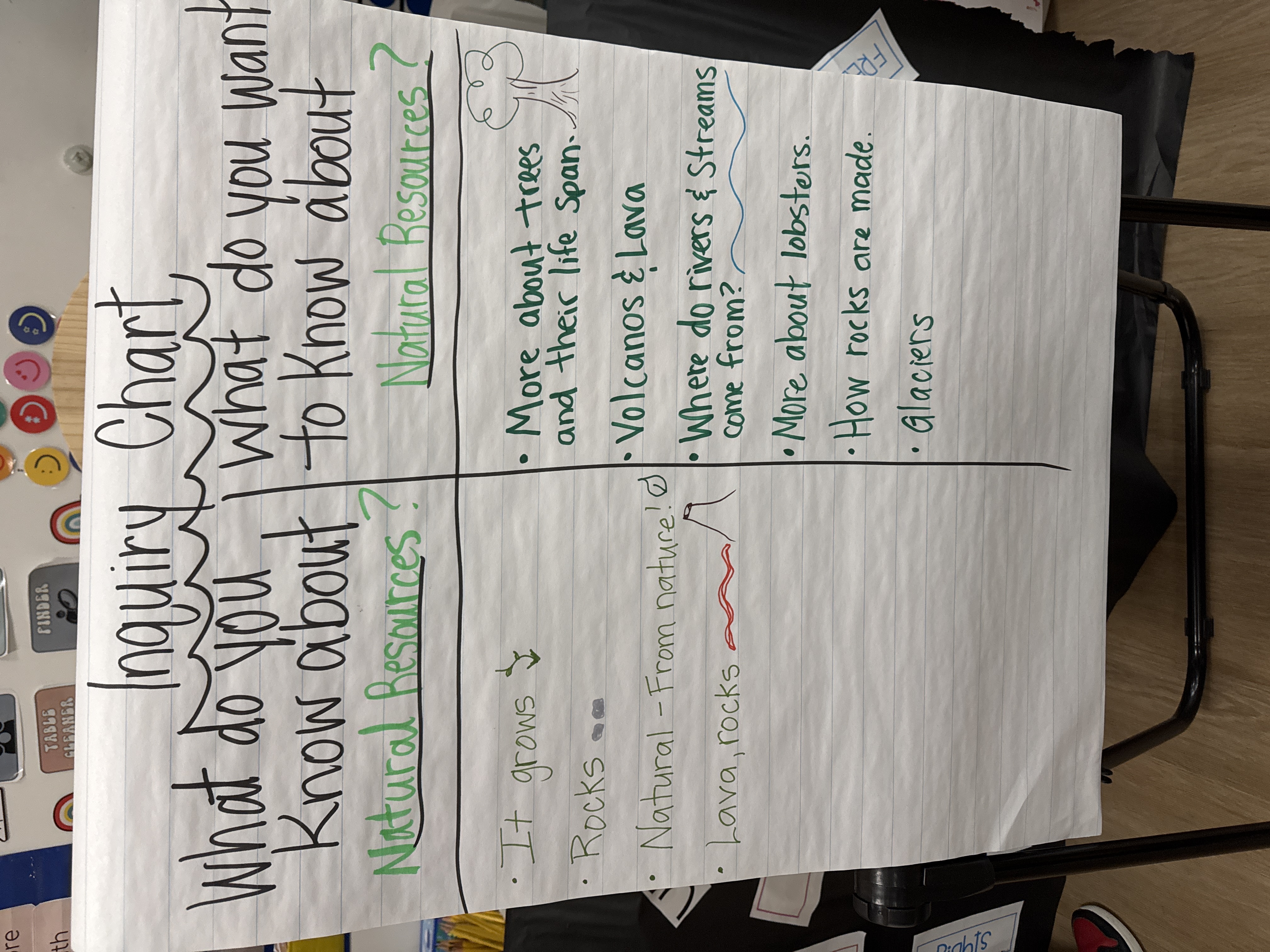
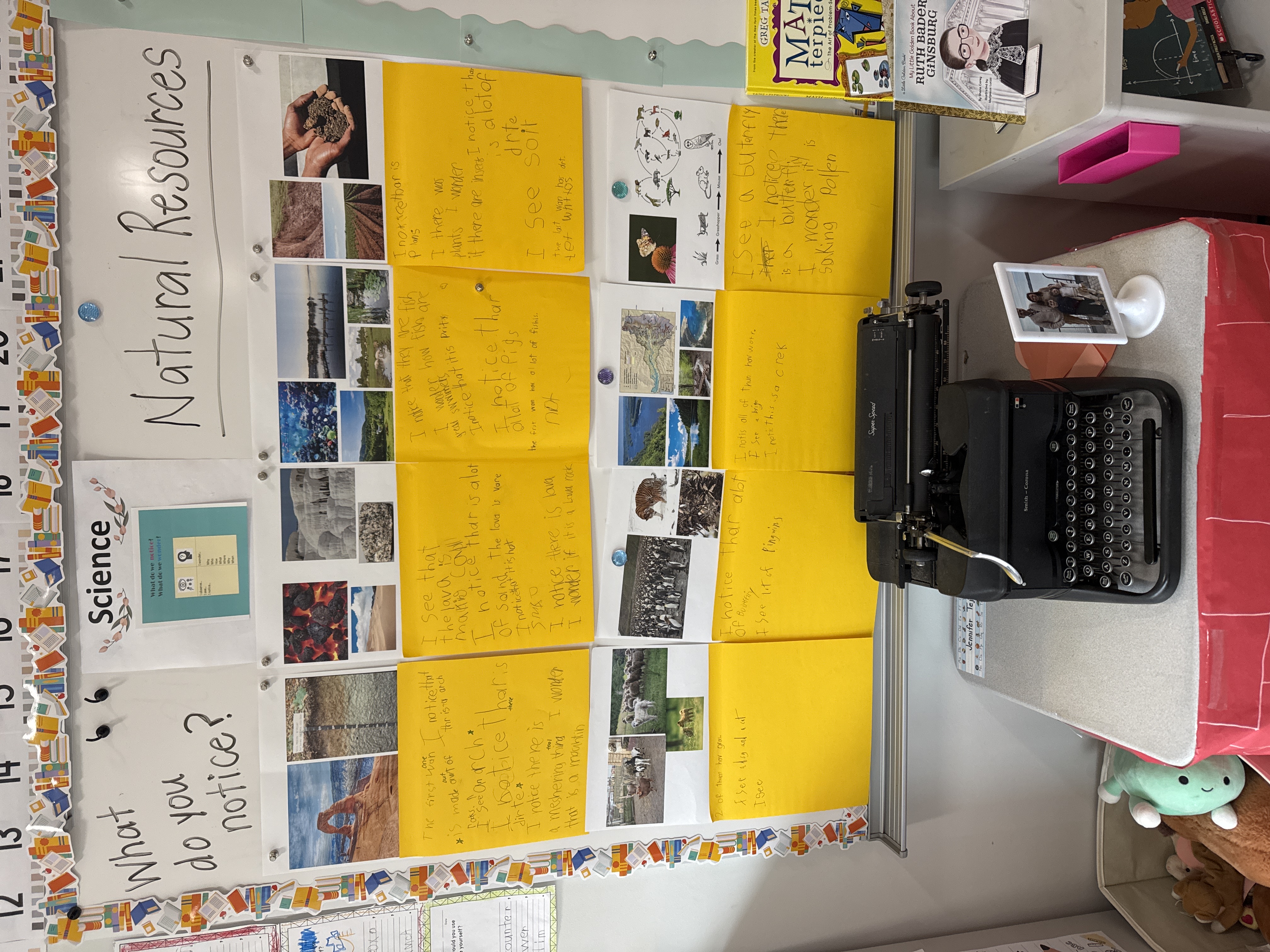
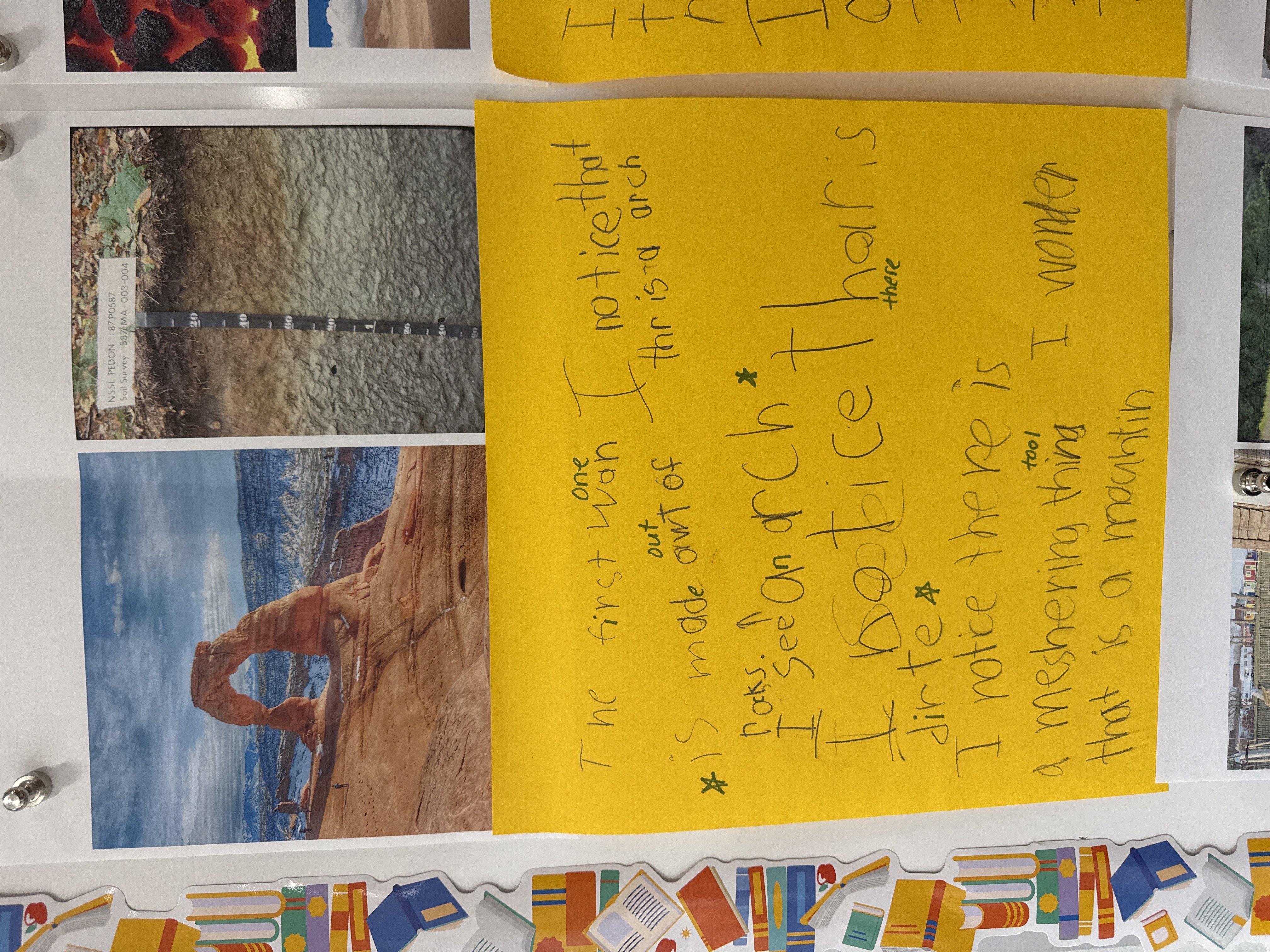
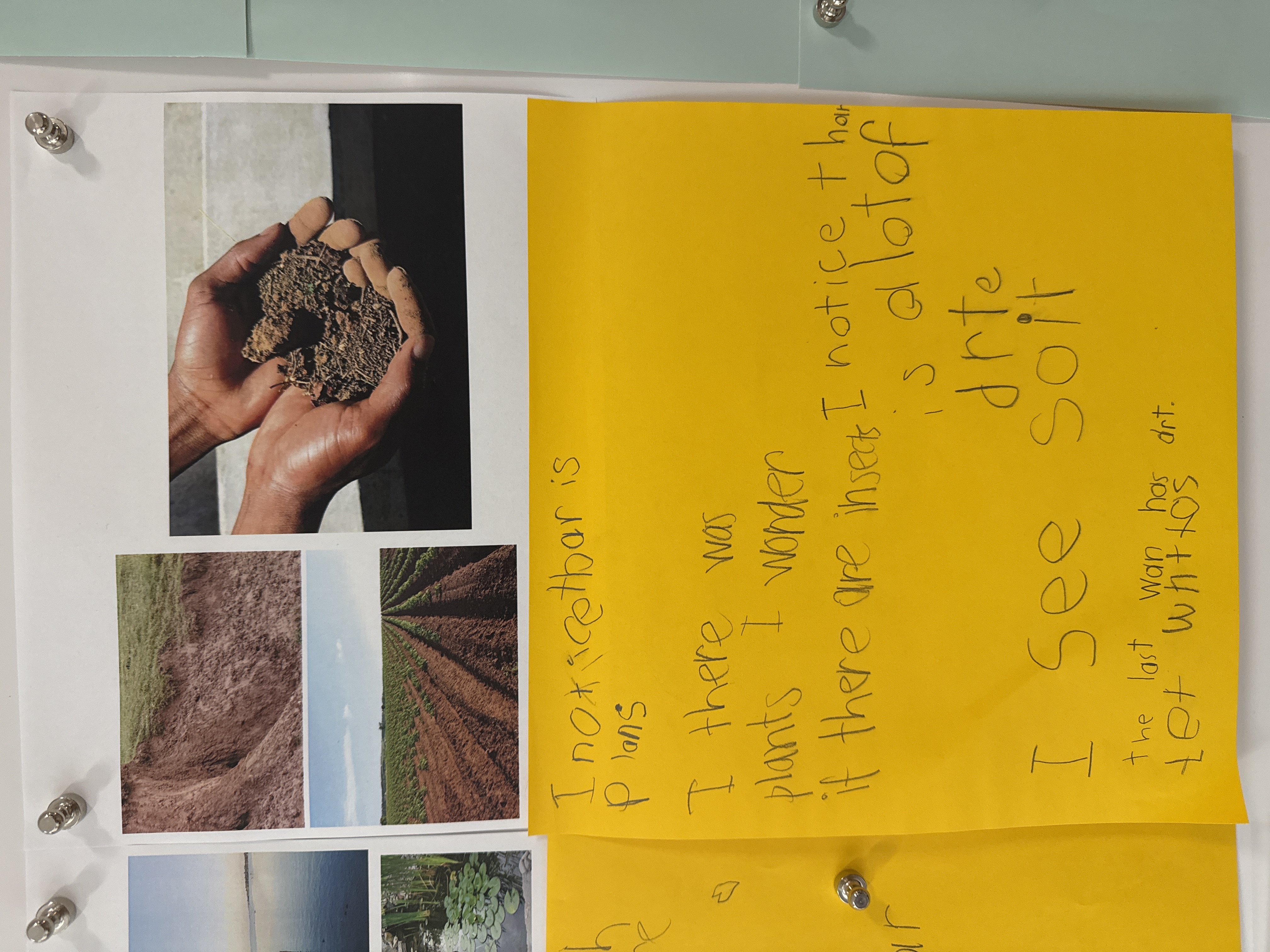
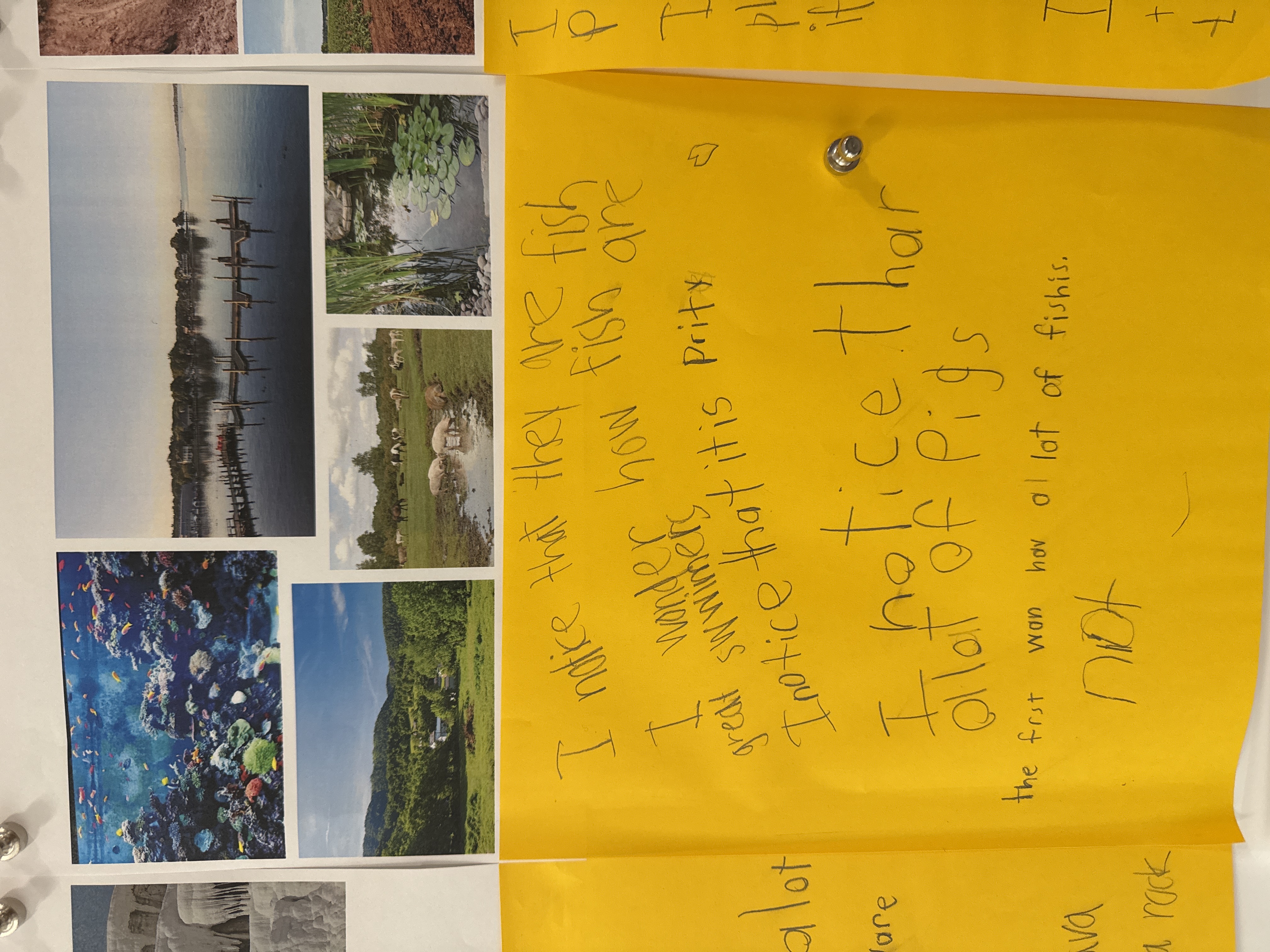
We moved from economics (wants and needs) into natural resources! The students completed an inquiry chart of what they know and what they want to know and completed observations with a partner through pictures of natural resources!

Unit

Meeting Needs and Wants

Grade

1st Grade

Example Type

Anchor Chart

We moved from economics (wants and needs) into natural resources! The students completed an inquiry chart of what they know and what they want to know and completed observations with a partner through pictures of natural resources!

Additional Info

from , 1st Grade

Unit

Meeting Needs and Wants

Grade

1st Grade

Example Type

Anchor Chart

Students sorted groups and individuals that displayed colonial resistance.

Unit

The Colonial Era

Grade

5th Grade

Example Type

Other

Students sorted groups and individuals that displayed colonial resistance.

Additional Info

from , 5th Grade

Unit

The Colonial Era

Grade

5th Grade

Example Type

Other

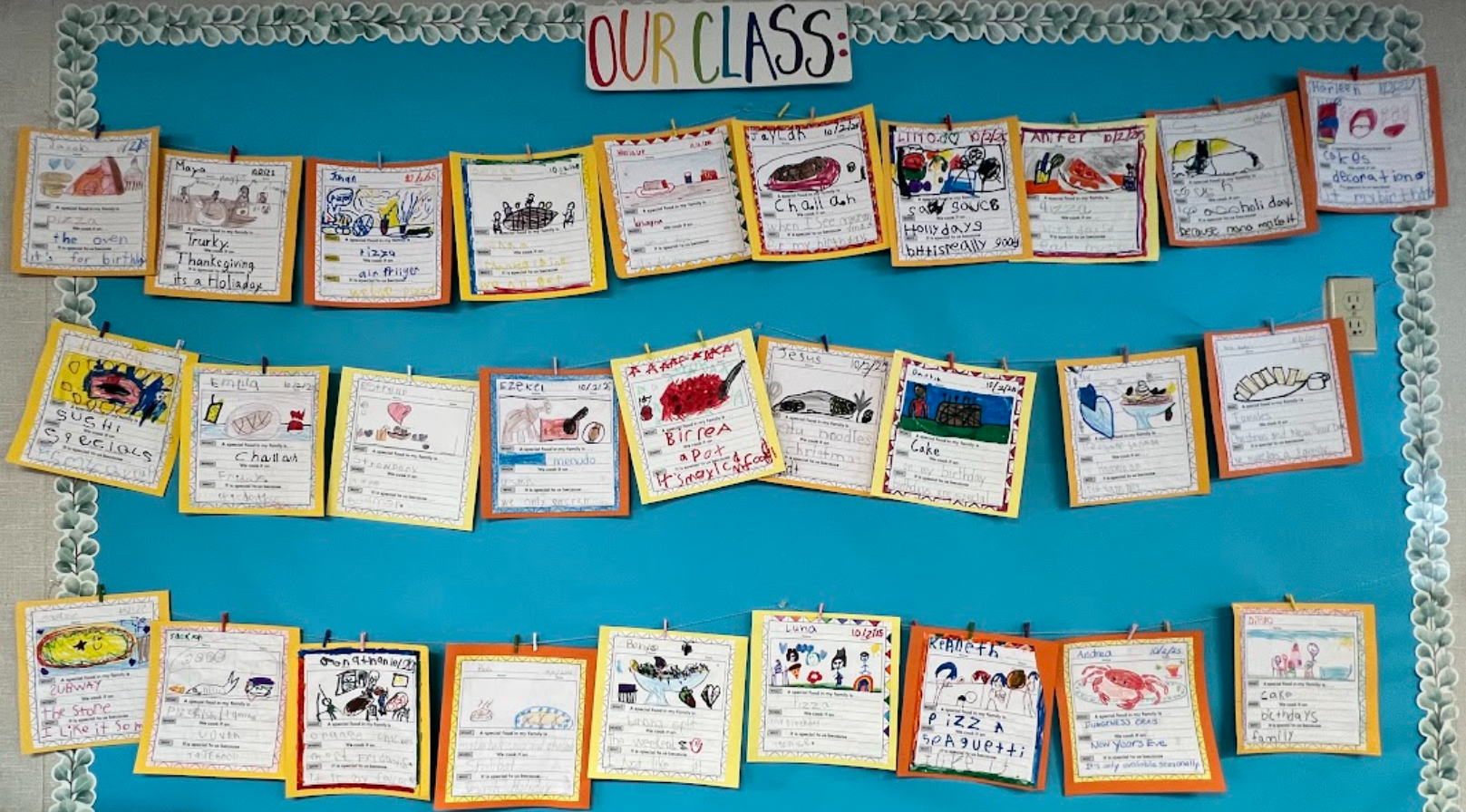
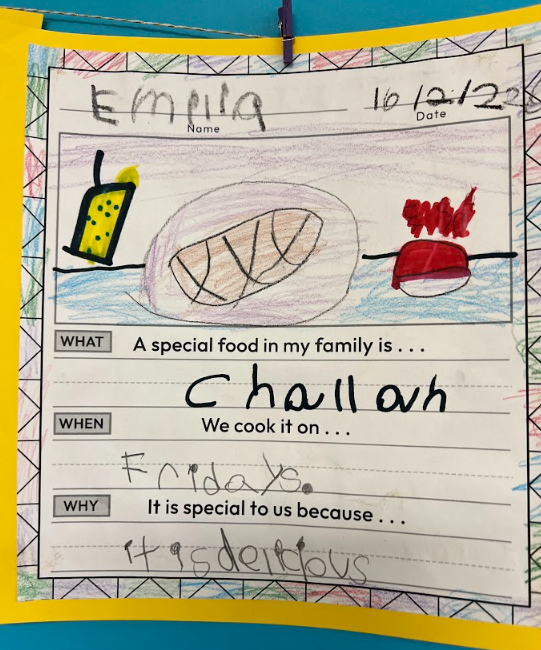
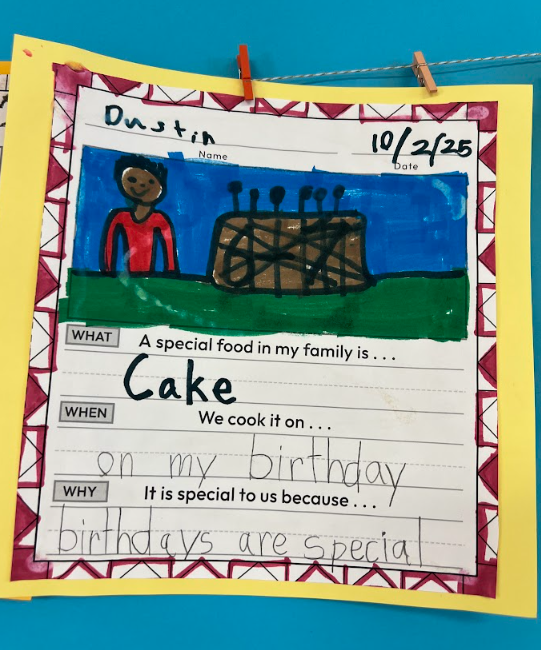
Our class wrote and drew about their favorite foods they eat for special celebrations. We were joined by our Big Buddy Volunteers from Clearwater Retirement Community who shared some of their traditions too! Our class loves listening to their perspectives and stories, and the volunteers enjoyed helping students create their quilt square. We posted everyone's square on our wall as we compared and contrasted everyone's unique traditions.

Unit

Families Near and Far

Grade

1st Grade

Example Type

Handout

Our class wrote and drew about their favorite foods they eat for special celebrations. We were joined by our Big Buddy Volunteers from Clearwater Retirement Community who shared some of their traditions too! Our class loves listening to their perspectives and stories, and the volunteers enjoyed helping students create their quilt square. We posted everyone's square on our wall as we compared and contrasted everyone's unique traditions.

Additional Info

from , 1st Grade

Unit

Families Near and Far

Grade

1st Grade

Example Type

Handout

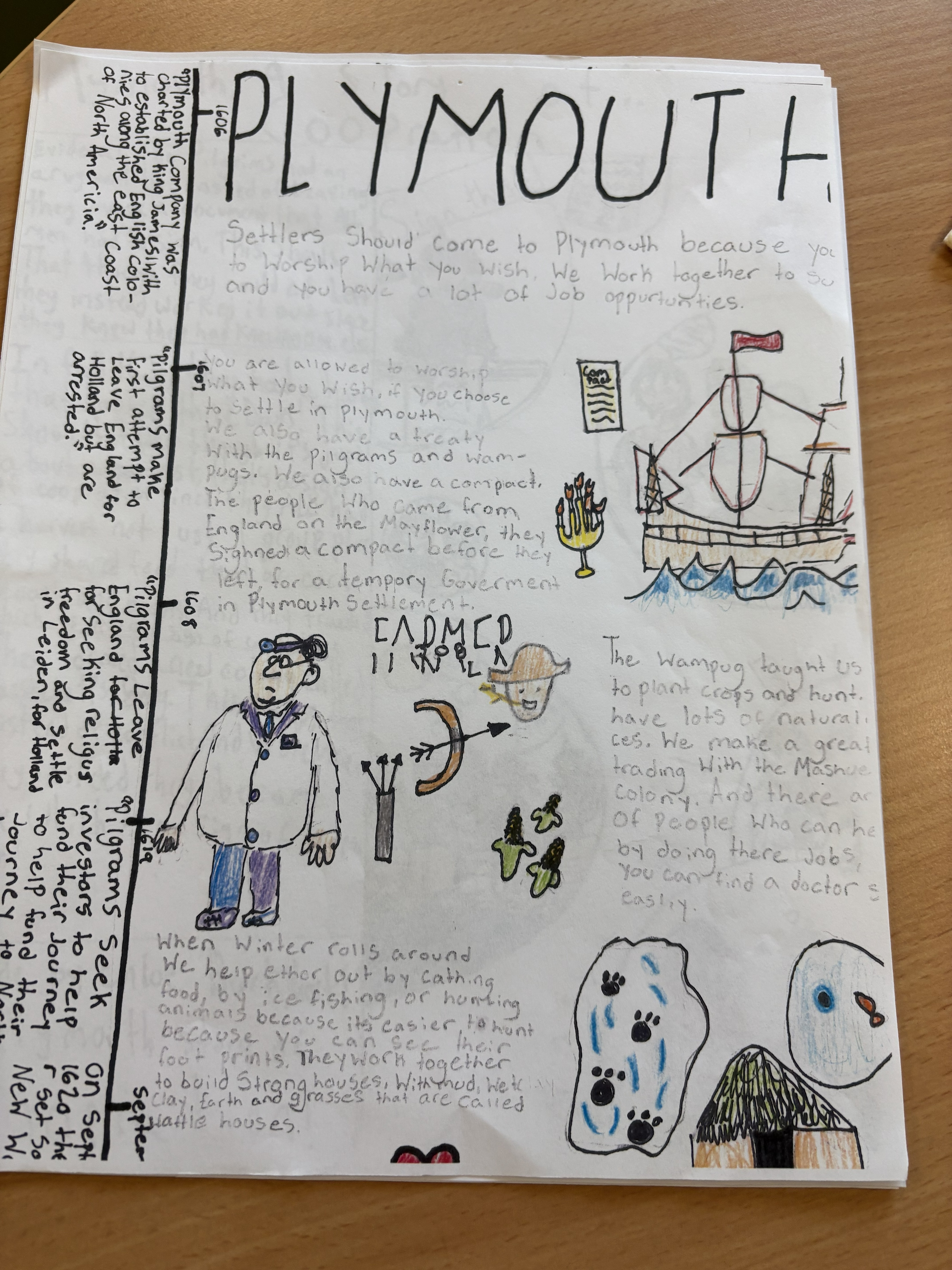
We love making these infographics on Jamestown and Plymouth. It is a great way for students to practice making a claim and supporting it using specific evidence which we do in both reading and writing.

Unit

The Colonial Era

Grade

5th Grade

Example Type

Other

We love making these infographics on Jamestown and Plymouth. It is a great way for students to practice making a claim and supporting it using specific evidence which we do in both reading and writing.

Additional Info

Ashley Bestor from Kettle Moraine SD: WI, 5th Grade

Unit

The Colonial Era

Grade

5th Grade

Example Type

Other

No results found.

There are no results with this criteria. Try changing your search.

Experience a Lesson

K-2 core ELA and social studies in one block

Inkwell is a K-2 core curriculum that integrates ELA and social studies into one cohesive instructional block. Experience a lesson live with the team behind the curriculum, see exactly how it runs, and bring the questions you'd ask if you were piloting it in your district next year.

Request more information
About Inkwell

K-2 core ELA and social studies in one, 70-minute instructional block.

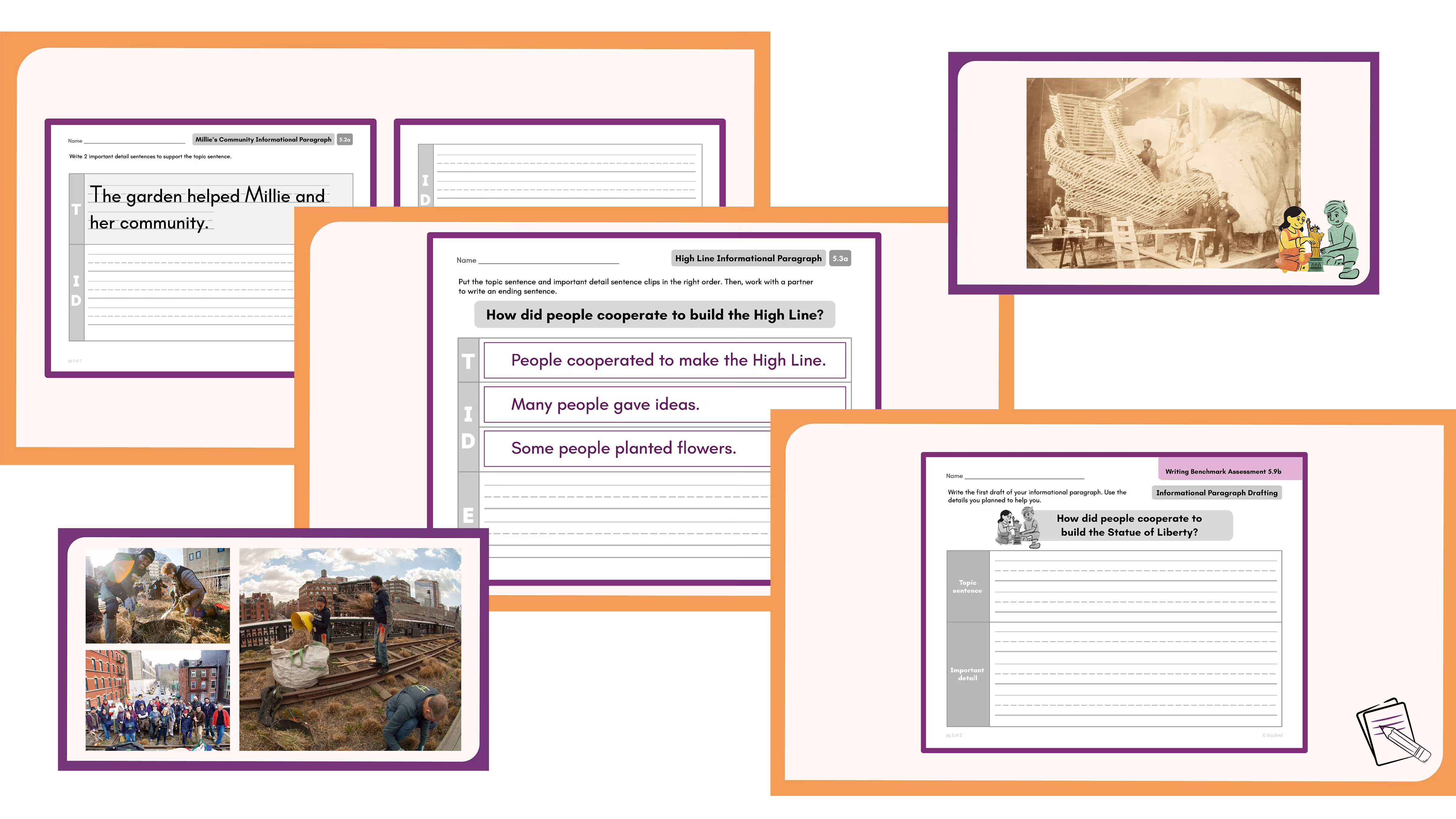
Inkwell is an inquiry-based HQIM for both ELA and social studies, designed so each subject strengthens the other. Students develop their literacy by reading, writing, and discussing within sustained social studies investigations.

  • Supports mastery of ELA and social studies standards in one block
  • Grounded in the Science of Reading
  • Embeds explicit writing instruction in daily lessons
  • Builds knowledge through content-rich social studies investigations
  • Connects and deepens learning through inquiry

Learn more >>

Save time

Inkwell’s 70-minute block replaces two separate ELA and social studies blocks. Teachers no longer have to choose between ELA and social studies, and the time they get back goes to foundational skills, math, and intervention.

Deepen comprehension

Inkwell’s integrated design develops the background knowledge and academic vocabulary comprehension depends on. And, each unit students apply that knowledge to a new text, task or idea to deepen comprehension and extend their learning.

Give writing purpose

Inkwell writing starts with explicit daily instruction and asks students to use writing to make meaning of texts. Then, it asks students to go one step further and use the knowledge they’ve built as evidence for a broader disciplinary idea.
"Students actually are engaged, actually have a smile. It brought tears to my eyes because I'm like, this is what school looks like."

Yasmin, First Grade Inkwell Teacher, NJ

"I think that's the first time I've ever seen everyone — including my [multilingual] kids — understand every single part of a book from a whole-class read-aloud, the first time, without extra prompting."

Talia, First Grade Inkwell Teacher, NJ

What happens in this session

01

One lesson we'll go through from start to finish.

Watch how an integrated ELA and social studies block lets students read, write, and discuss around a single anchor idea.

02

Where the integration happens.

See what makes this different from a traditional ELA program that only adds in social studies topics: the texts, the writing tasks, the social studies and ELA standards that build comprehension and knowledge at the same time.

03

The K-2 design choices.

We'll walk through language comprehension, vocabulary development, and structured discussion behind the lesson, and explain the K-2 design choices we made and why.

FAQ

Who is this session for?

Curriculum leaders, instructional coaches, principals, and teachers evaluating an elementary ELA and/or social studies curriculum. We designed these sessions for leaders making purchasing decisions, but classroom teachers are welcome.

How long is the session?

60 minutes: 30 minutes inside the lesson, 20 minutes of debrief, and 10 minutes for Q&A.

Do I need to prep anything?

No. Show up with a notebook (paper or digital) and a willingness to be a student for a half hour.

Will my district's content be shared?

No. Other registrants will see your name and district in the participant list. We don't record sessions.

Is there a recording if I can't make it?

We don't record — the value is in the live experience. If none of the dates work, request a 1:1 walkthrough and we'll set one up with your team.

Contact us

Contact sales

Contact sales