
Community Page
Elementary social studies built on inquiry
Welcome community members! Find out more about how Inquiry Journeys engages students and supports teachers in inquiry-based social studies.
What do we mean by inquiry-based social studies?
Think back on the way that you learned social studies…
- Did you memorize lots of dates?
- How much knowledge did you gain?
- What experiences do you remember?
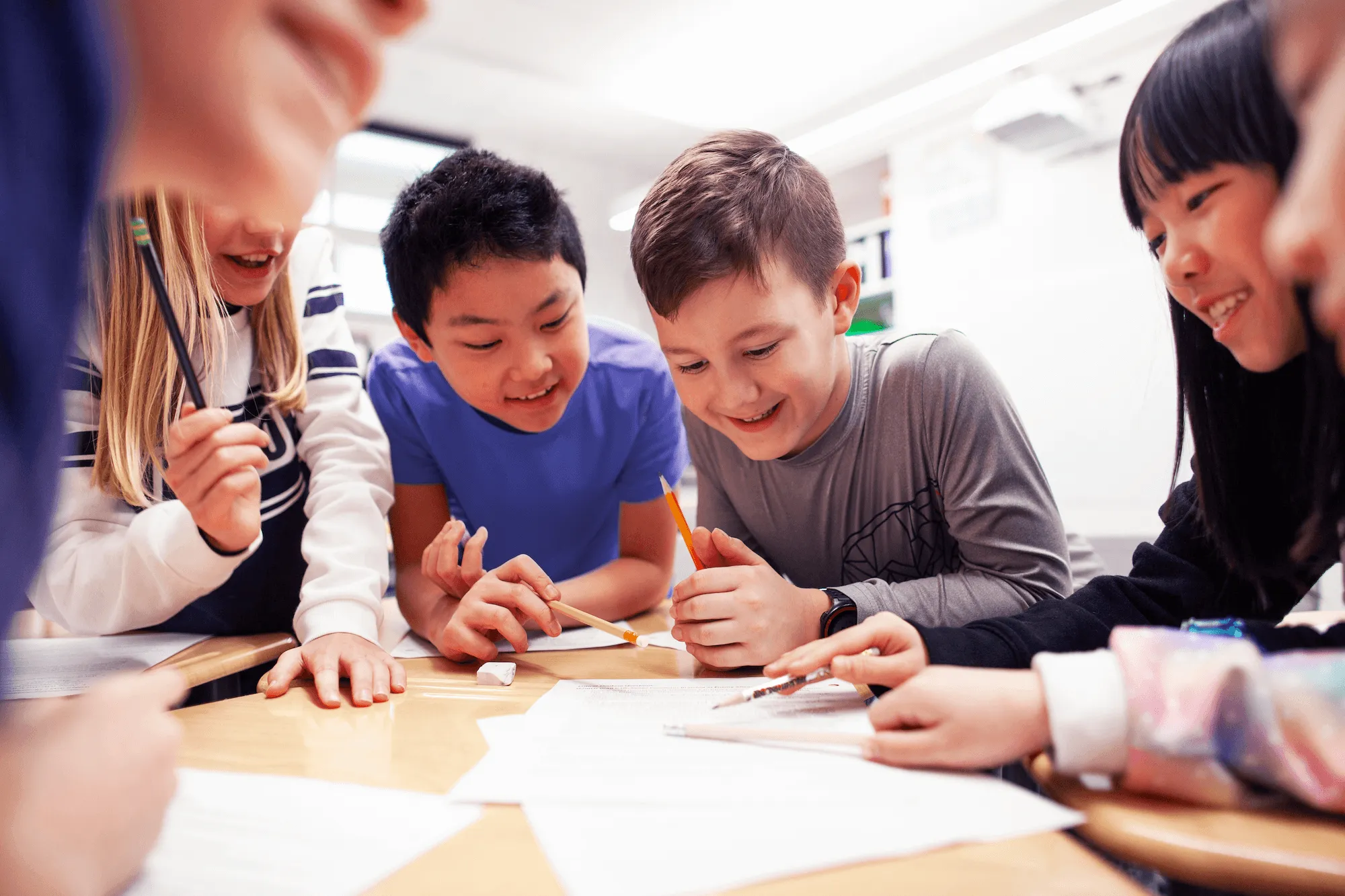
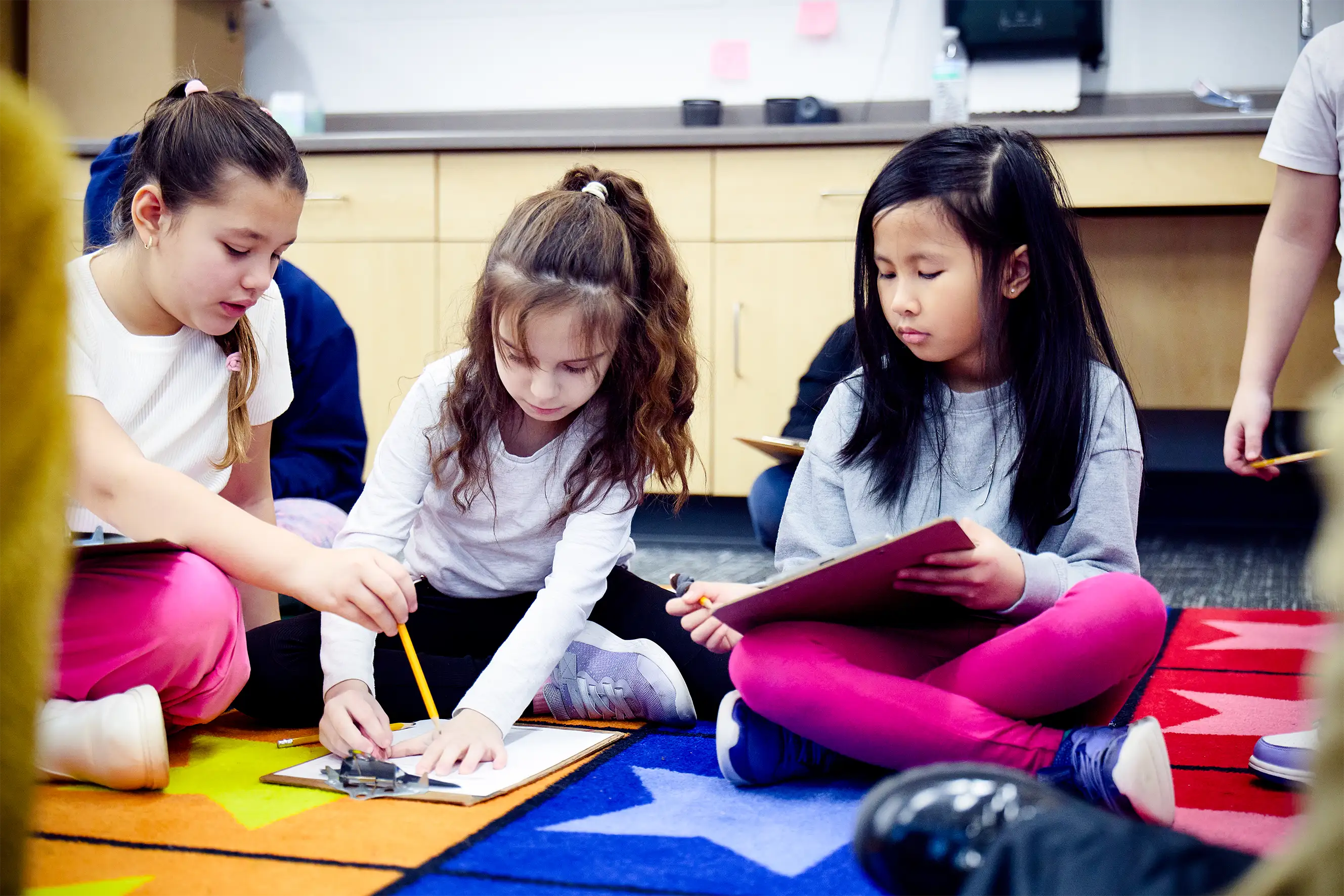
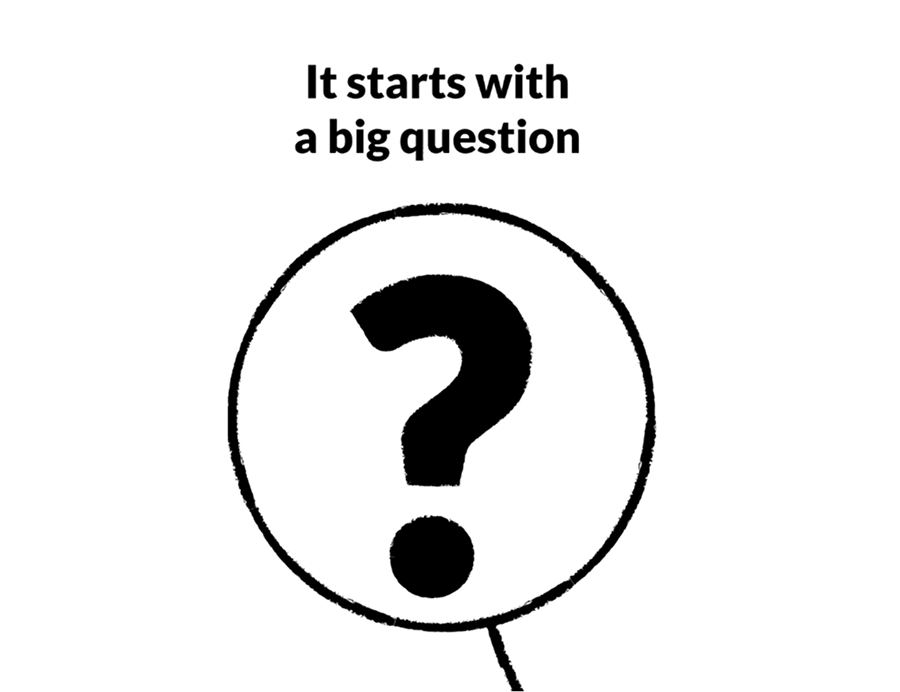
Inquiry Journeys is different. Instead of just memorizing facts from a textbook, students investigate social studies topics by exploring a big question. Teachers guide the way—sharing key ideas, leading discussions, and helping students make sense of what they learn. Along the way, students gather evidence from books, articles, maps, and videos to build their answers
When working hard feels like fun
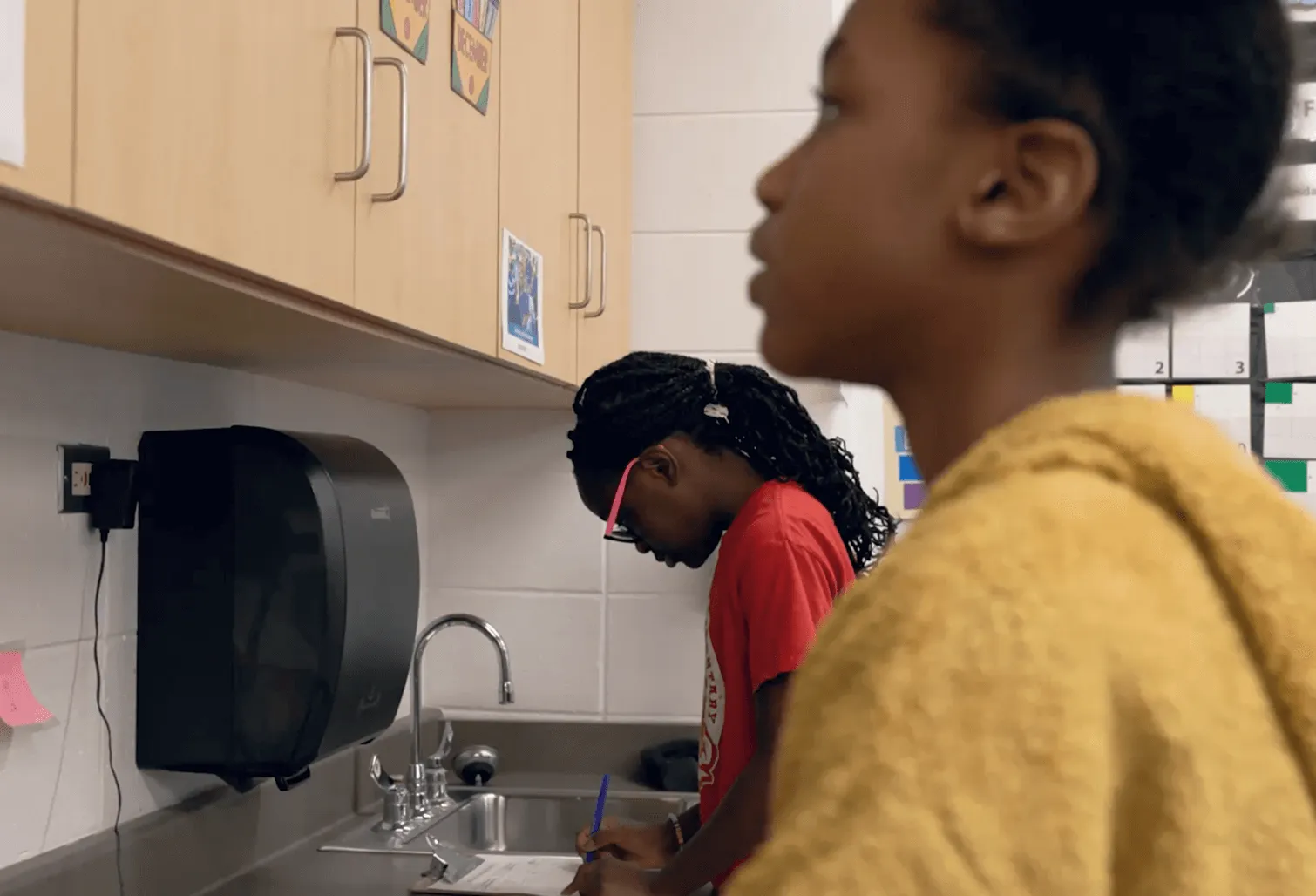
Projects, discussions, and activities make learning active and meaningful.

Kinder
3rd Grade
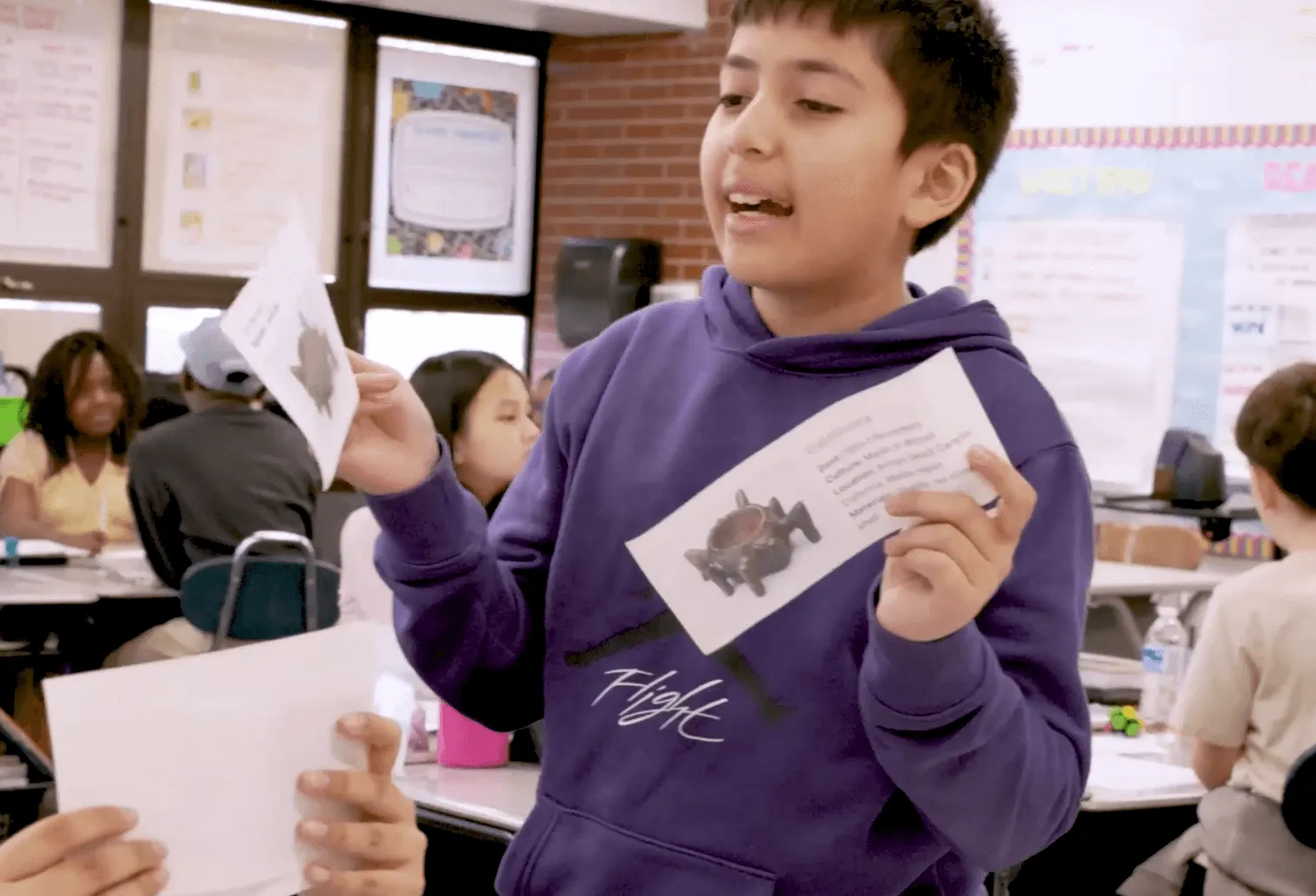
5th Grade
One source of information is never enough...
...and big questions have more than one answer.
Inquiry Journeys gives students access to thousands of rich sources—like books, articles, maps, photos, and videos. These materials come from many voices and perspectives, both past and present. By exploring different types of sources, students build strong media skills and connect what they’re learning to their own lives.
In practice, that means:
- A wide range of authentic stories, images, and videos
- Perspectives from different times and communities
- Engaging content from trusted, award-winning providers

Some of our source providers:








Did you know social studies can boost reading and writing?
In Inquiry Journeys, kids practice reading, writing, speaking, and listening while they explore social studies. Every lesson blends literacy with history, civics, geography, and more—so students grow in both areas at the same time.
- Students read real books, articles, and stories to build knowledge
- Teachers guide them with the right support to tackle big ideas
- Literacy skills deepen as students connect what they read to what they’re learning
With Inquiry Journeys, build their reading, writing, speaking and listening skills as exploring big social studies ideas.

Practical voices
Elementary social studies that leaders love
Katie
Kindergarten Teacher
Anna
5th Grade Teacher
Paul
4th Grade Teacher
Wondering what’s inside each unit? You’re in the right place.
Explore the unit descriptions below to see what students will be learning at each grade level. Depending on your district, units may appear in different grades or be taught in a different order.
Navigating School
How can we make school a great place for everyone?
Students need to understand the places and people around them to thrive at school. In this Inquiry, students explore their roles at school, investigating how they can make choices that will make school a great place for themselves and those around them.
My Team and Self
How can we unite to build a powerful class community?
To understand what you can accomplish as a team, you need to understand who makes up the team and how those individuals can work together. Students explore elements of personal identity and identify opportunities for teamwork in their class community.

Past, Present, and Future
How can we use wisdom from the past to build a better future?
Understanding our past experiences and how our memories shape us is integral to planning for our future. Students explore concepts of time and memory, discovering and sharing stories and memories that have helped them learn and grow.

Families Near and Far
How can we bring families together to form stronger communities?
Families take many forms; there’s no single definition. In this Inquiry, students identify the roles and responsibilities that contribute to a family. They explore what makes their family unique and the differences they may encounter among different families and cultures.
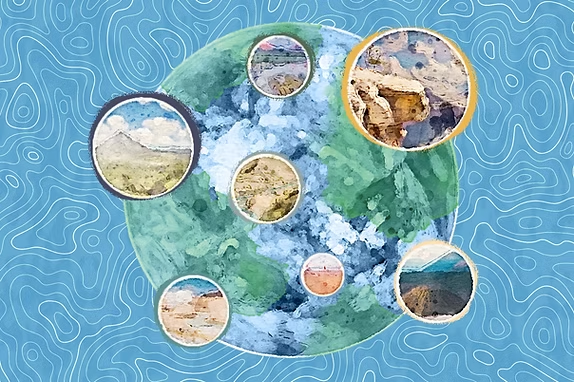
Our Special Location
How can we help others appreciate our special location?
Our geographic location shapes who we are and how we live. During this Inquiry, students investigate how location and climate shape daily life, and how goods and services meet community needs.
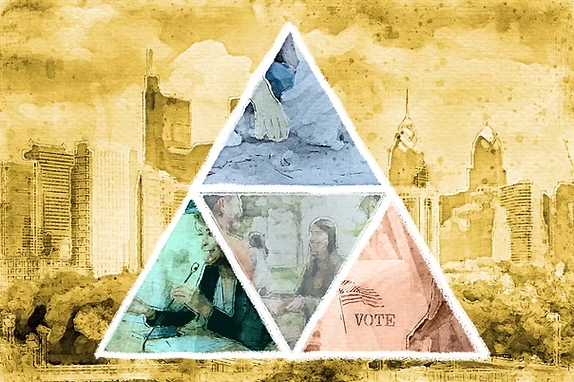
Civic Engagement
How can we work together for the good of the community?
You are never too young to engage in civic life. In this Inquiry, students explore different forms of participation and investigate key civics topics such as rights, fairness, responsibilities, rules, and laws.
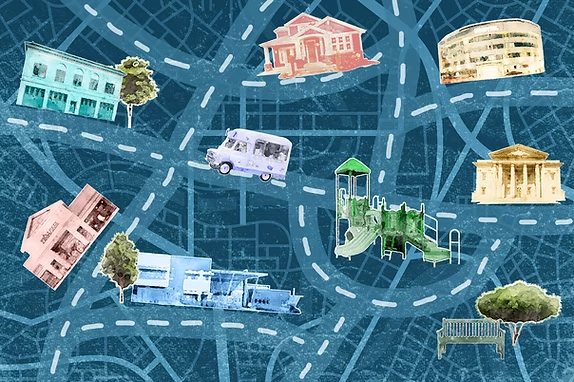
Meeting Needs and Wants
How can we work together to meet community needs and wants?
Communities are created to meet our common needs. In this Inquiry, students are introduced to the concepts of needs and wants, scarcity and abundance, the ways that producers and consumers interact, and how individuals and communities make choices about how to use their resources.

Our Changing Landscape
How can we respond to our changing landscape?
Our relationship to the physical world around us begins with our own geographical location. In this Inquiry, students explore access to and dependency on natural resources, how and why we modify the landscape, and the impacts that modifications can have on land, water, and living things.

Innovation
How can we innovate to improve the world around us?
Innovation touches every facet of life – past, present, and future. In this Inquiry, students consider how innovation changes society as a whole as they make their own blueprints for inventing a better world.

Global Connections
How can we act as global citizens?
Is it possible to touch a country and its people without ever setting foot there? In this Inquiry, students explore the geographic ways they are connected to distant places and the people who live there through the movement of people, goods, and ideas.
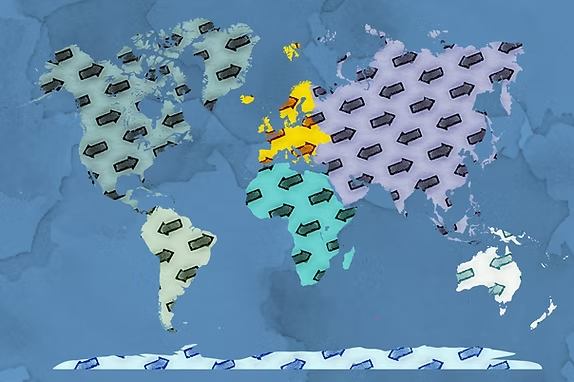
Migration and Movement
How can we honor and respect our many cultures?
Throughout the history of the United States, immigration has played a large part in shaping our culture, politics, and economy. In this Inquiry, students explore the timeless themes of immigration as they uncover the meaning and value of cultural identity.
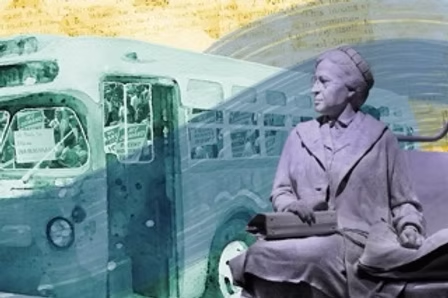
The 20th Century Civil Rights Movement
How can we take steps toward equality and justice?
All people in the United States have the right to equal protection under the law. Students investigate how citizens exercise their rights in our democracy through the lens of the Civil Rights Movement.

Natural Resources of the US
How should we use the natural resources of the United States?
Each region of the United States is unique; together, they provide people with the different resources they need to survive. In this Inquiry, students explore the rich natural resources across the US, how people use them, and the ways everyone can help sustain them.
Our State and Region
How can we help tell the story of our state?
The historical roots of early state, local, and regional history are not buried, but alive in the artifacts and monuments around us, as well as the stories that we tell. In this Inquiry, students learn about the first peoples to live in their state and region and the major events of their history.

Economic Choices
How can we make economic choices that have positive impacts?
Throughout our lives, the economic decisions we make affect us and others in our community in profound ways. In this Inquiry, students explore their role as a consumer, producer, and economic decision-maker.

Native America
How can we better honor the cultural heritage of this land?
Ever since their first encounter with Europeans, Native Americans have been misrepresented in the popular imagination and the historical record. Students explore diverse historical sources to form a deeper understanding of Native America’s rich and varied cultures and histories.

The Colonial Era
How can facing the complexities of America’s past help us to meet the challenges of the present?
The European settlement of North America created a collision of worlds that led to profound global impacts. In this Inquiry, students go beyond a single narrative to explore the complex web of events and cross-cultural interactions that helped shape both the past and present of our nation.

The American Revolution
How can we promote life, liberty, and the pursuit of happiness for all?
The American Revolution reshaped society, culture, and government in the American colonies and territories. In this Inquiry, students explore the events, causes, and consequences of the Revolution, uncovering how diverse groups and individuals shaped the course of US history.
See the story of an Inquiry Journeys unit
In the Global Connections social studies unit, students investigate how everyday items—from bananas to backpacks—connect them to people and places around the world.
Guided by the big question, “How can we act as global citizens?”, kids build important social studies and literacy skills while also learning about geography, interdependence, and real-world connections.