Exciting Updates and Improvements
When educators speak, we listen. Explore the updates and improvements we've made to support teachers.
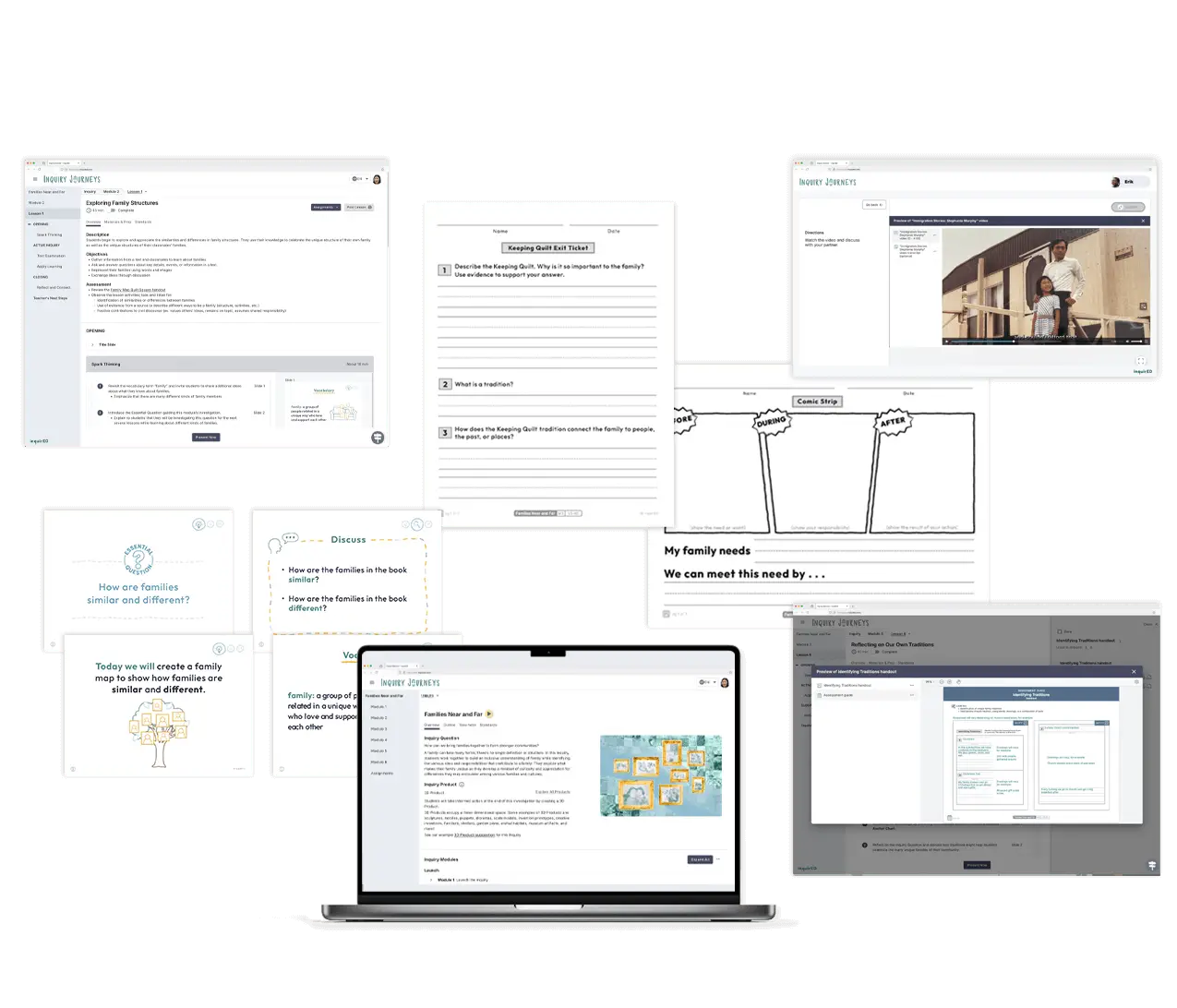

Co-Teacher Function
Your classroom, your collaborators
Multiple teachers can now work together in a single class, with roles and permissions that match how your district manages rostering. Co-teachers, interventionists, and long-term subs each get their own access with no shared logins.
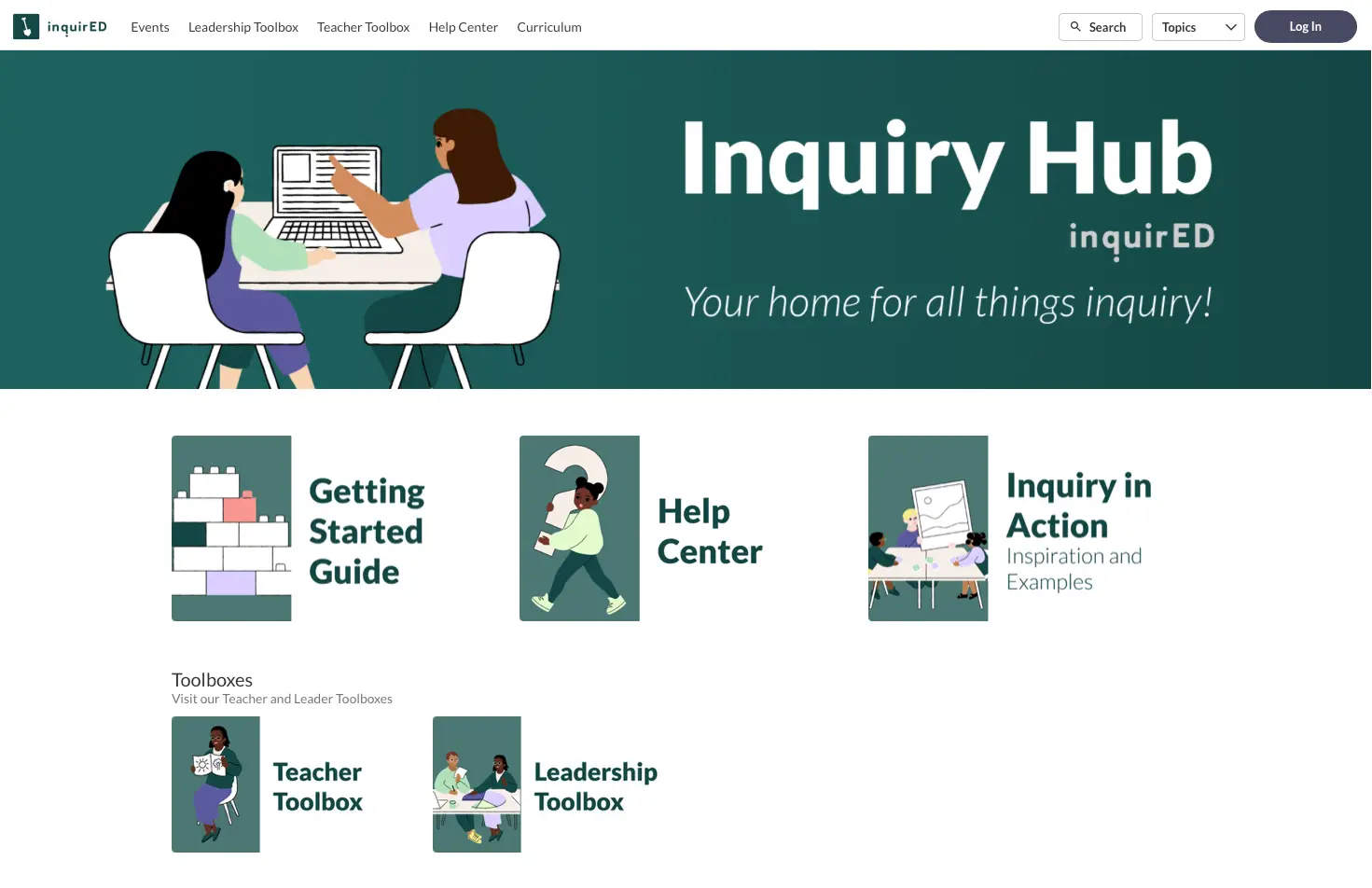
Inquiry Hub Updates
A hub that works hard for you
The Inquiry Hub has been updated with clearer organization, improved navigation, and new resources designed for how you actually use it. Whether you're planning a unit, preparing for a team meeting, or supporting a new teacher, what you need is easier to find.
Social Studies Video Library
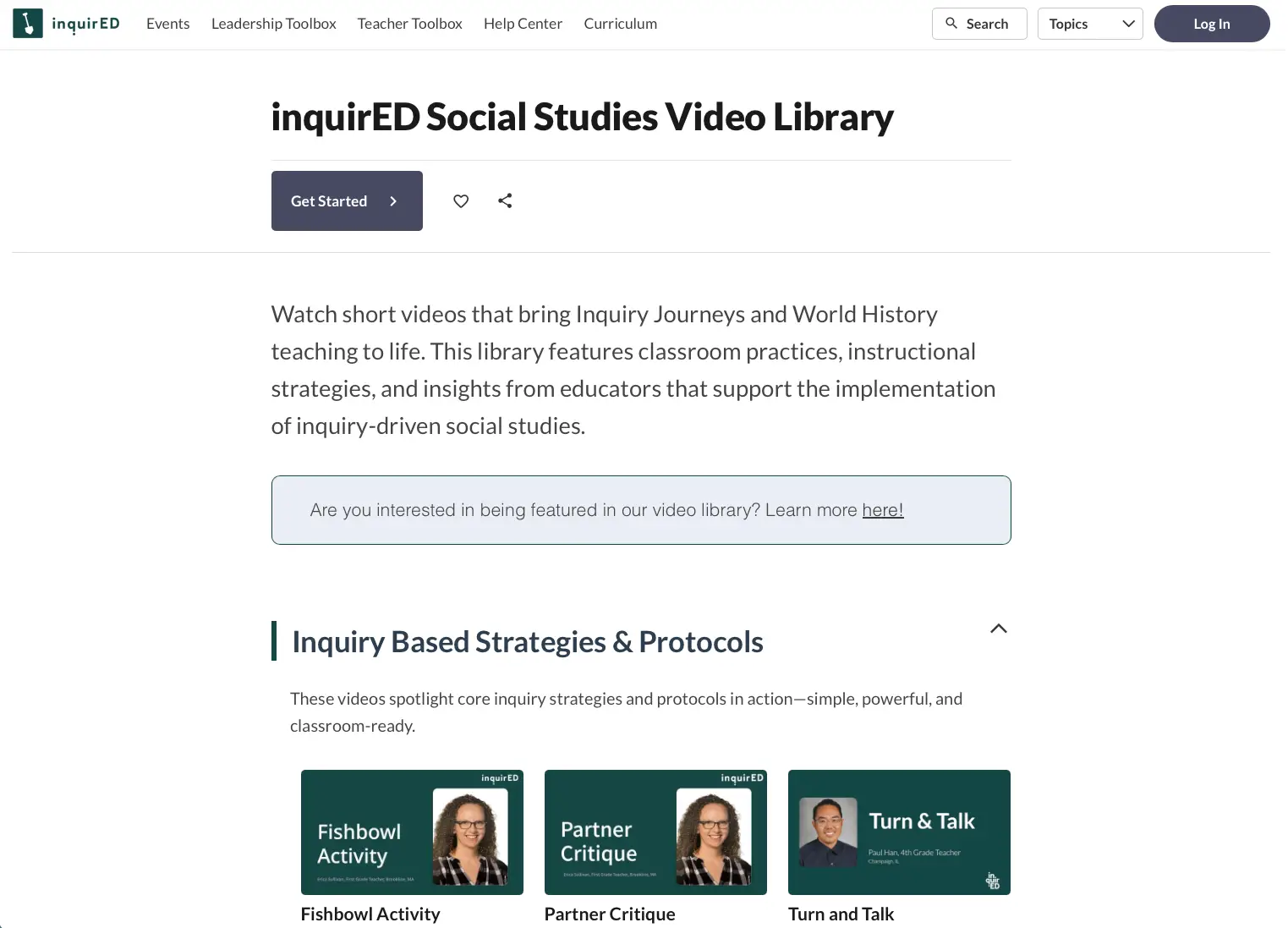
See what inquiry looks like in classrooms
The Inquiry Hub now includes a video library with classroom footage, protocol walkthroughs, and real examples of structured inquiry across grade levels. Share something at a team meeting, walk a new teacher through a discussion protocol, or see how other classrooms handle a specific moment.
Integrations
Less setup and more teaching
Automated rostering with Clever and ClassLink keeps teachers, students, and classes in sync with no manual setup required. LTI 1.3 integrations with Canvas and Schoology let teachers launch assignments directly from their LMS.

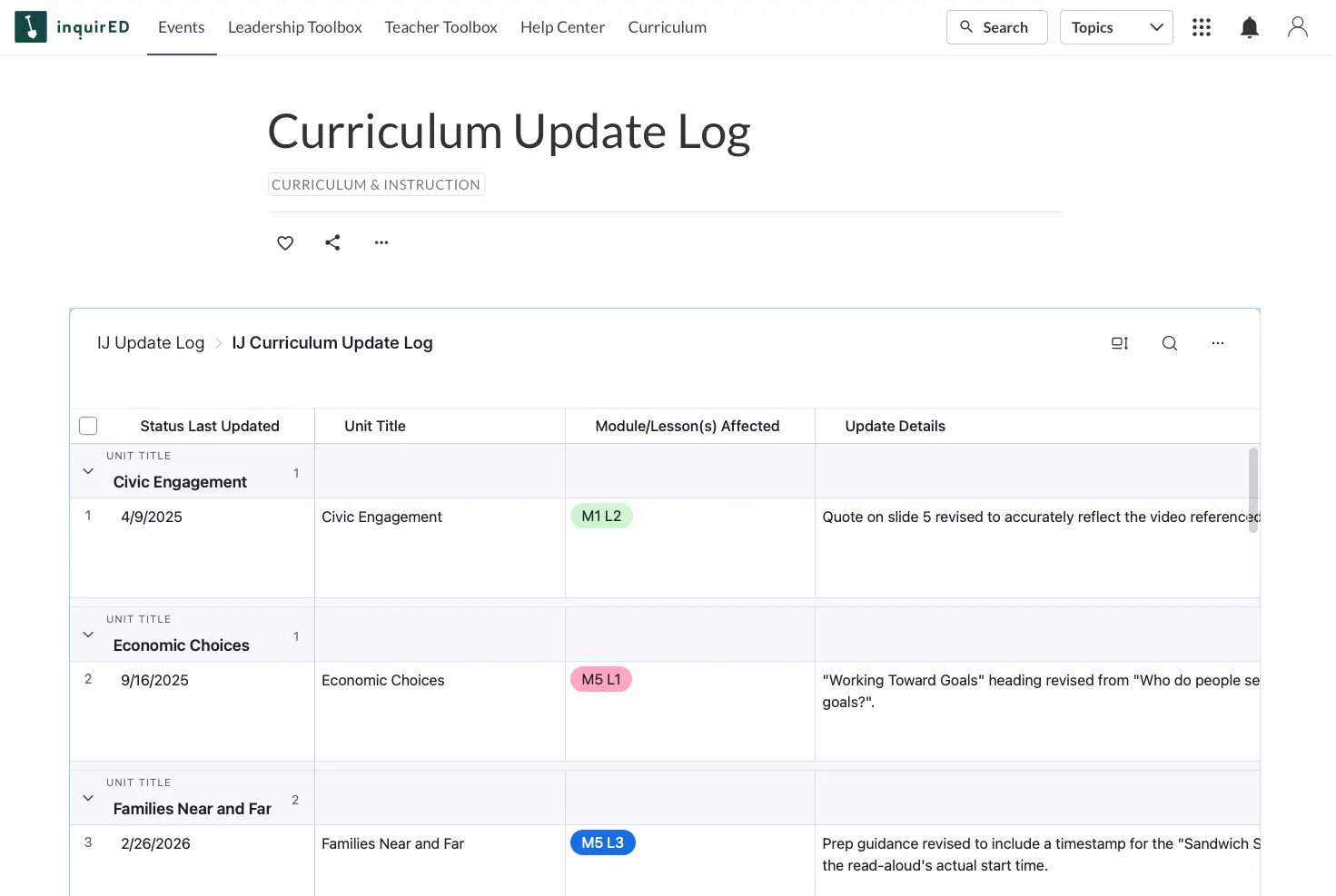
Curriculum Update Log
Always know what changed
The Inquiry Hub now includes a running log of curriculum updates, pulled directly from our content team as changes happen. You can see what changed and open the update log.
Inquiry Work Gallery
Check out the amazing work that inquirED teachers and leaders have shared this school year
Click on a thumbnail below to expand and view more images.
Students created these flip books from Module 2/Lesson1: “Mapping our Location.” It took quite a few days to complete all the pages, but students loved learning about all the different places that they live. The song/video “Here I Am” is now a classroom favorite!
Our Special Location
1st Grade
Final Product
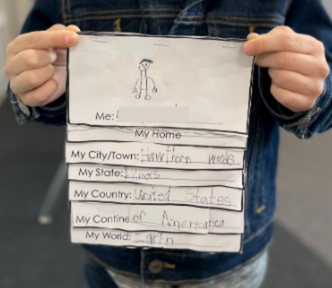
Students created these flip books from Module 2/Lesson1: “Mapping our Location.” It took quite a few days to complete all the pages, but students loved learning about all the different places that they live. The song/video “Here I Am” is now a classroom favorite!
Additional Info
Andrea Behm from Lake Zurich Community Unit School District 95: IL, 1st Grade

These products were generated for their like grade level to continue their learning in order to expand their knowledge about Ancient Egypt.
Ancient Egypt
6th Grade
Final Product

These products were generated for their like grade level to continue their learning in order to expand their knowledge about Ancient Egypt.
Additional Info
Jen Renner from Janesville Community School District: IA, 6th Grade

We piloted our first unit this year in preparation for roll out next year. After completing the Banana Split activity, we made banana splits. Unlike classes in the US, we cannot always get the foods to make a traditional banana split, so I gathered recipes and made the sauces needed. These are the recipes.
Global Connections
3rd Grade
Other
We piloted our first unit this year in preparation for roll out next year. After completing the Banana Split activity, we made banana splits. Unlike classes in the US, we cannot always get the foods to make a traditional banana split, so I gathered recipes and made the sauces needed. These are the recipes.
Additional Info
Heather Chapman from Quality Schools International: IT, 3rd Grade
The community seal was a wonderful way for kids to reflect on their learning about our community before entering the "informed action" portion of the unit.
Our Special Location
1st Grade
Handout
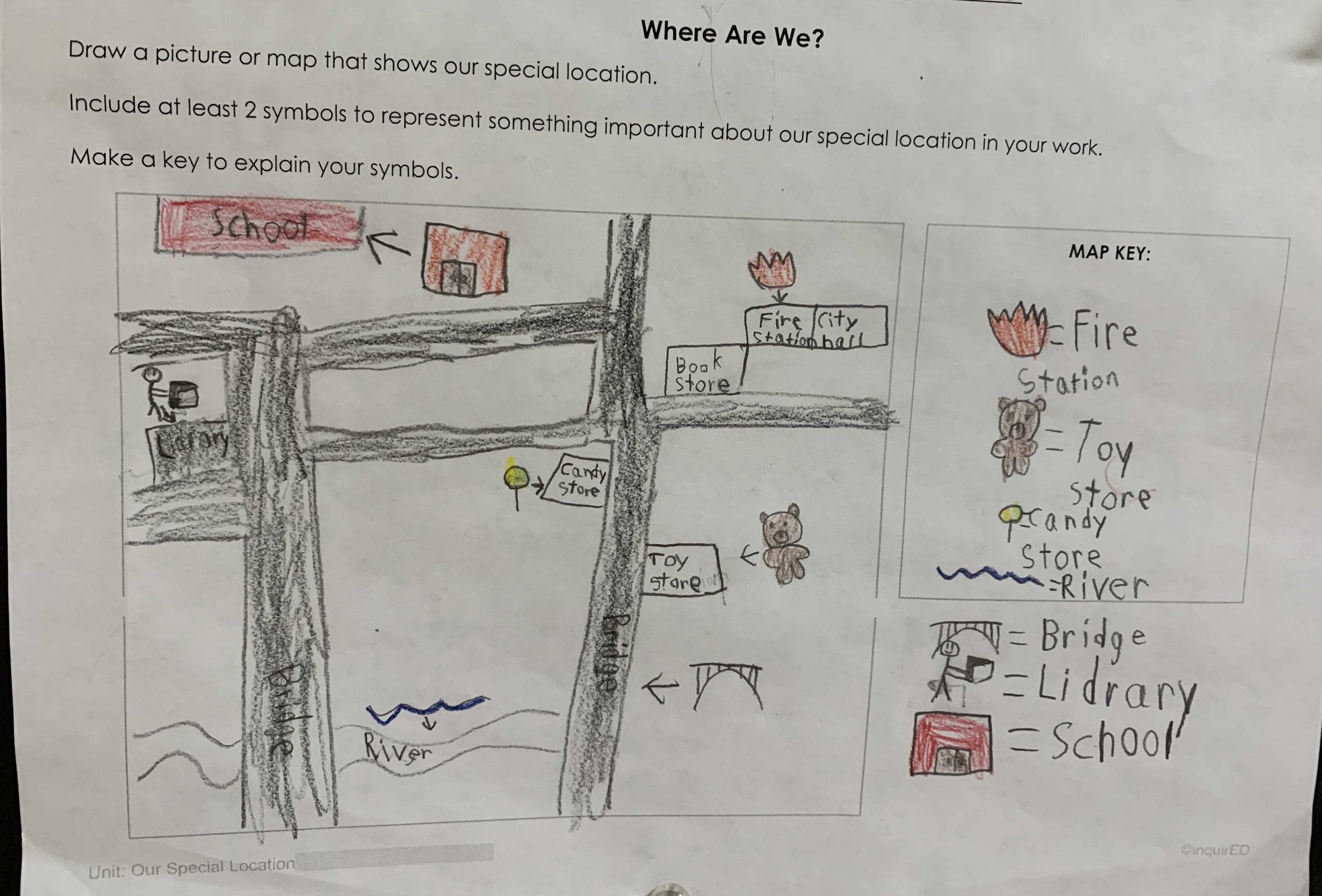
The community seal was a wonderful way for kids to reflect on their learning about our community before entering the "informed action" portion of the unit.
Additional Info
Linda Dostie from Montpelier Public Schools: VT, 1st Grade
Students made brochures to showcase their special location… West Chester, Ohio!
Our Special Location
1st Grade
Final Product
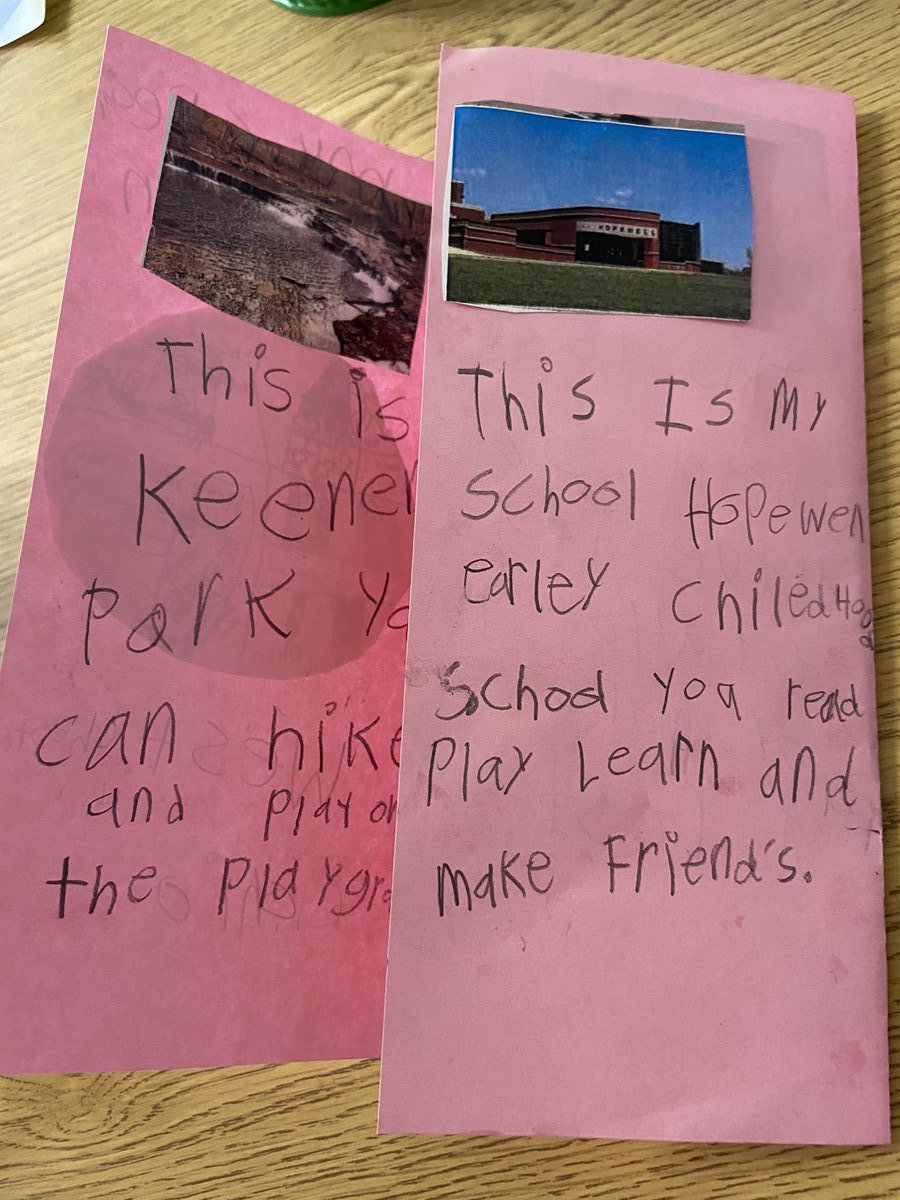
Students made brochures to showcase their special location… West Chester, Ohio!
Additional Info
Jessica Hickey from Lakota Local School District: OH, 1st Grade

This display of our learning was posted outside of our classroom. Instead of making the cubes, we turned our Power Folders into mini posters. Kids worked together to paint different parts of their identity. We added a poem in the middle to tie in the theme of Myself and My Team.
My Team and Self
Kindergarten
Final Product
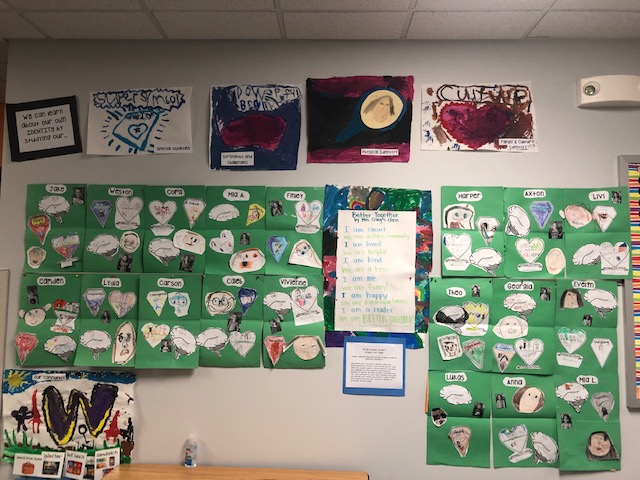
This display of our learning was posted outside of our classroom. Instead of making the cubes, we turned our Power Folders into mini posters. Kids worked together to paint different parts of their identity. We added a poem in the middle to tie in the theme of Myself and My Team.
Additional Info
Kristen Craig from Waukee Community School District: IA, Kindergarten
For the Needs and Wants lesson, we co-created an anchor chart, then the students sorted, cut and glued the needs and wants pictures. They discussed the items with their table groups. Most students said you need “love” to survive. ❤️❤️
Families Near and Far
1st Grade
Anchor Chart
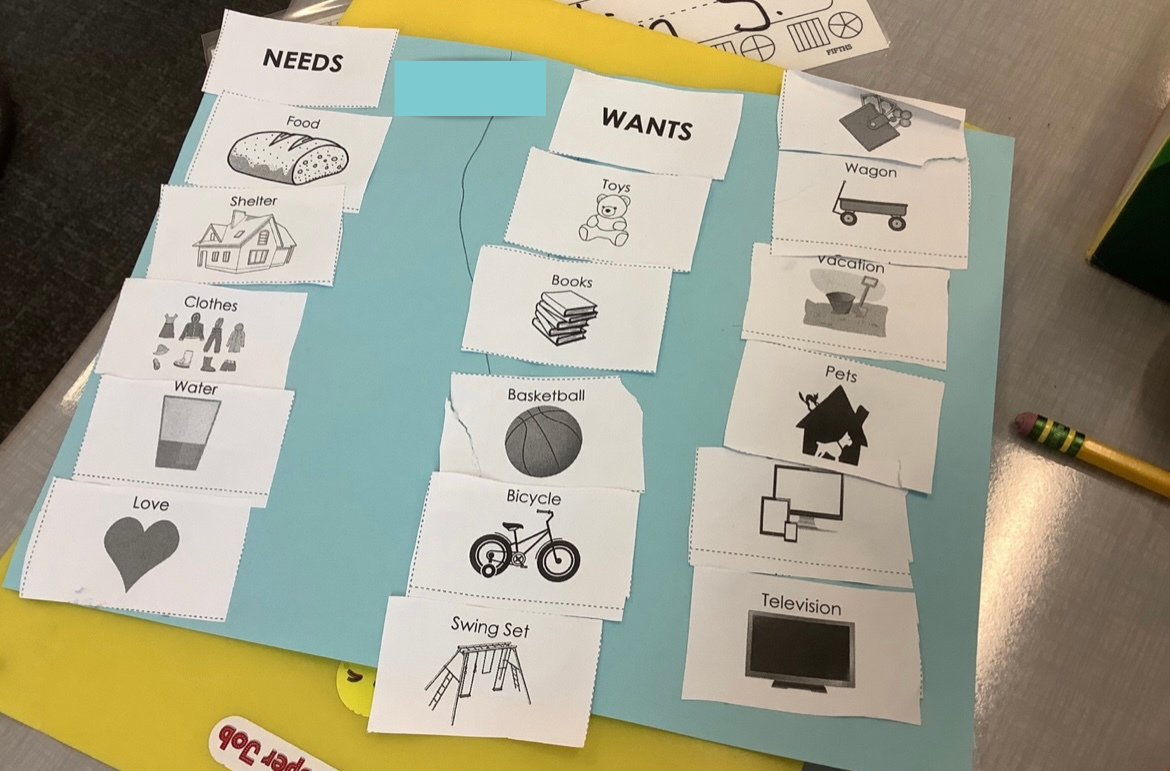
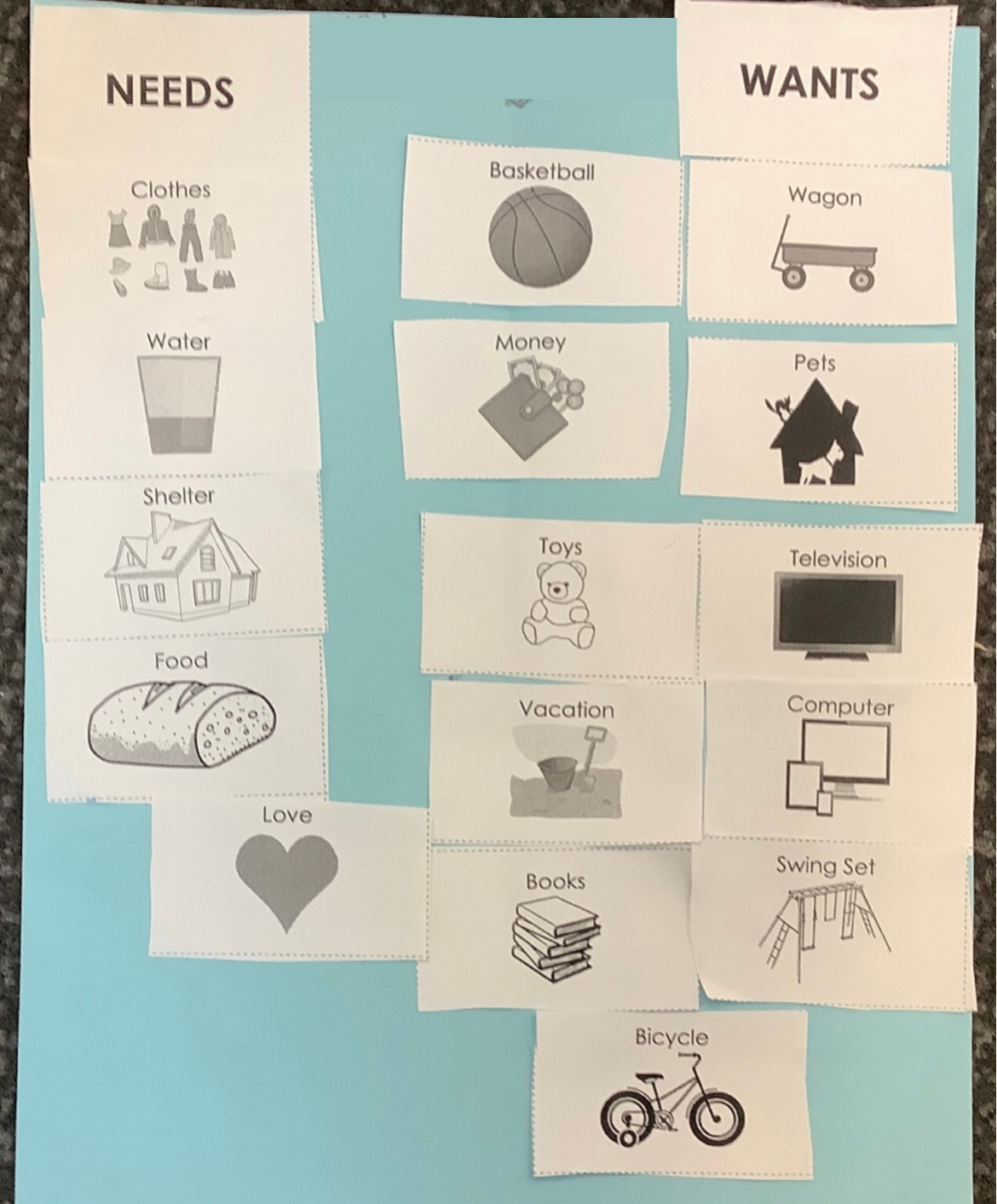
For the Needs and Wants lesson, we co-created an anchor chart, then the students sorted, cut and glued the needs and wants pictures. They discussed the items with their table groups. Most students said you need “love” to survive. ❤️❤️
Additional Info
Andrea Behm from Lake Zurich Community Unit School District 95: IL, 1st Grade
This is the infographic students create in Module 3, Lesson 4.
The Colonial Era
5th Grade
Other
This is the infographic students create in Module 3, Lesson 4.
Additional Info
Danielle Ozanich from Berkley Schools: MI, 5th Grade
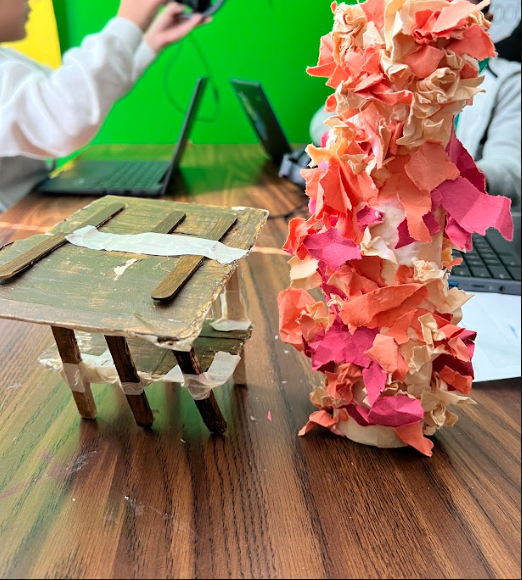
Native America
5th Grade
Final Product
Additional Info
Alba Figueroa from Kipp Texas, Inc.: TX, 5th Grade
Students made brochures to showcase their special location… West Chester, Ohio!
Our Special Location
1st Grade
Final Product
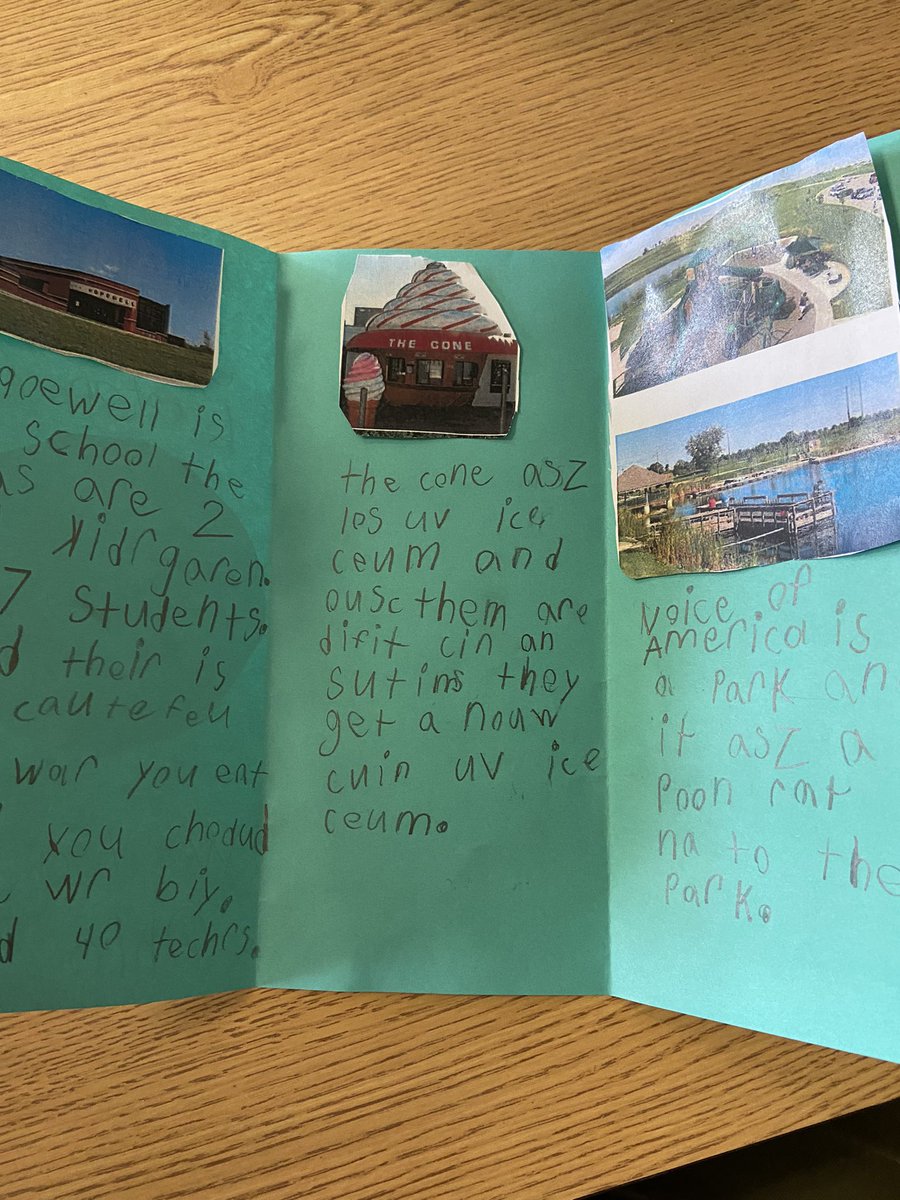
Students made brochures to showcase their special location… West Chester, Ohio!
Additional Info
Jessica Hickey from Lakota Local School District: OH, 1st Grade
The community seal was a wonderful way for kids to reflect on their learning about our community before entering the "informed action" portion of the unit.
Our Special Location
1st Grade
Handout
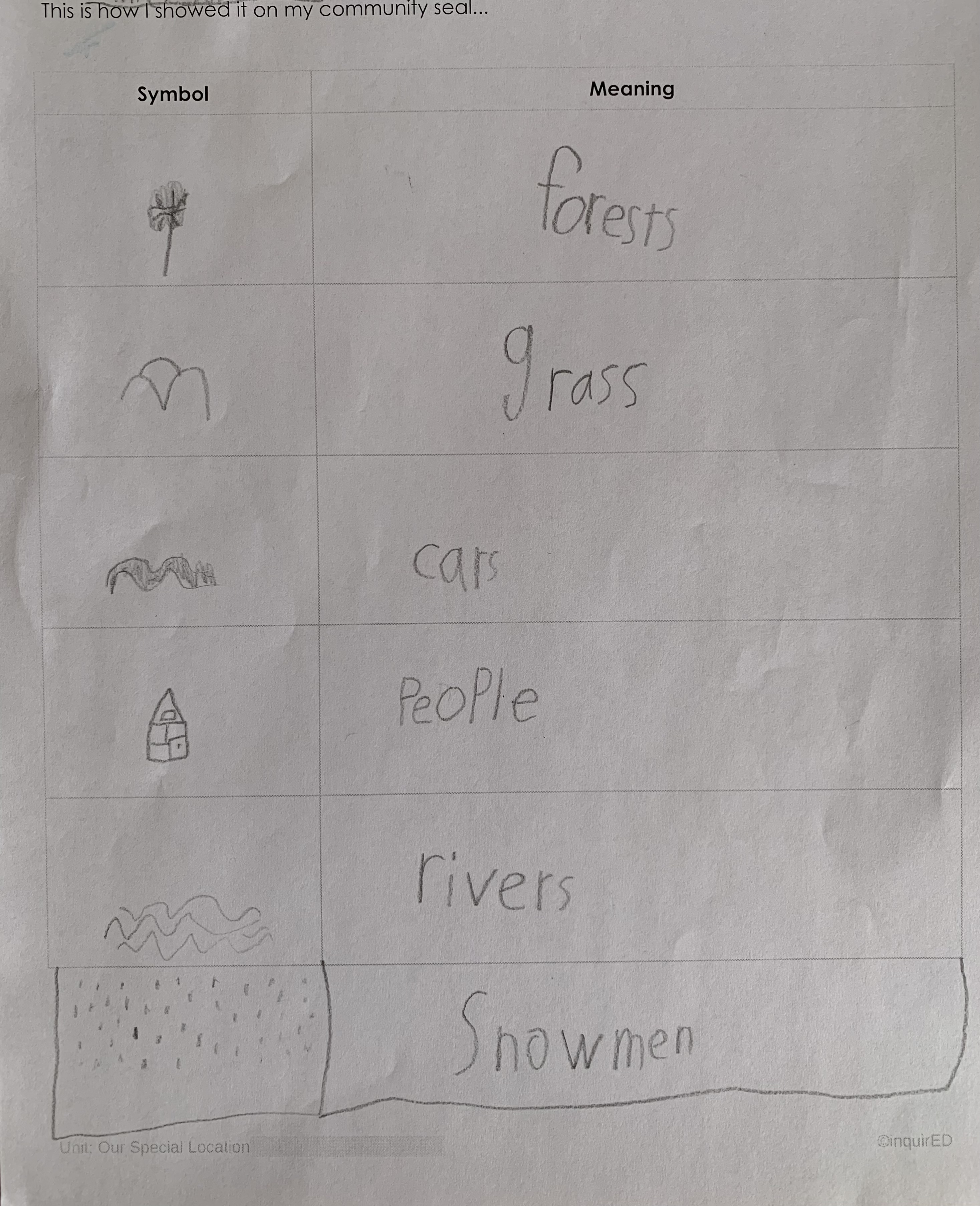
The community seal was a wonderful way for kids to reflect on their learning about our community before entering the "informed action" portion of the unit.
Additional Info
Linda Dostie from Montpelier Public Schools: VT, 1st Grade
The community seal was a wonderful way for kids to reflect on their learning about our community before entering the "informed action" portion of the unit.
Our Special Location
1st Grade
Handout
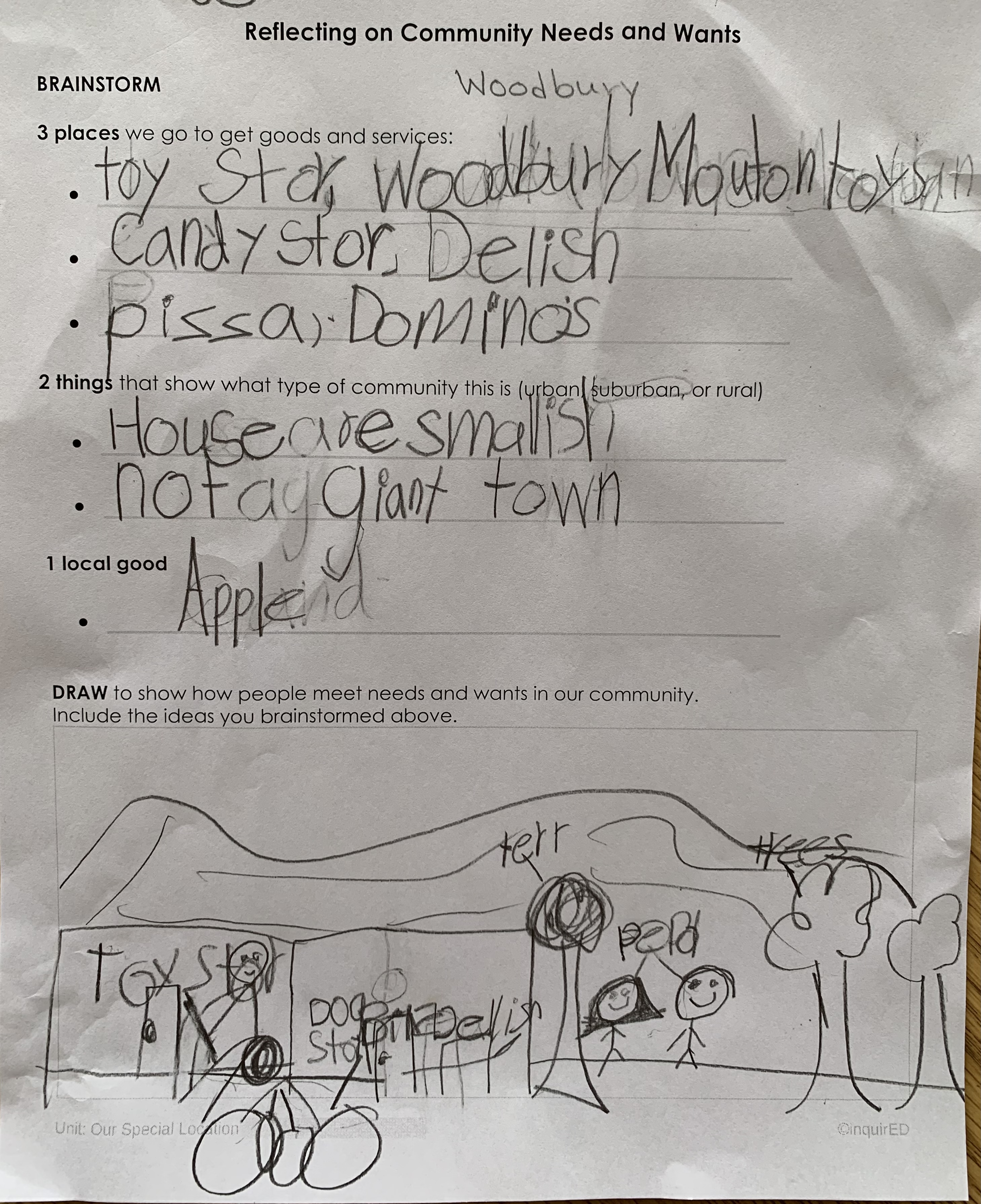
The community seal was a wonderful way for kids to reflect on their learning about our community before entering the "informed action" portion of the unit.
Additional Info
Linda Dostie from Montpelier Public Schools: VT, 1st Grade
No results found.
There are no results with this criteria. Try changing your search.