Exciting Updates and Improvements
When educators speak, we listen. Explore the updates and improvements we've made to support teachers.
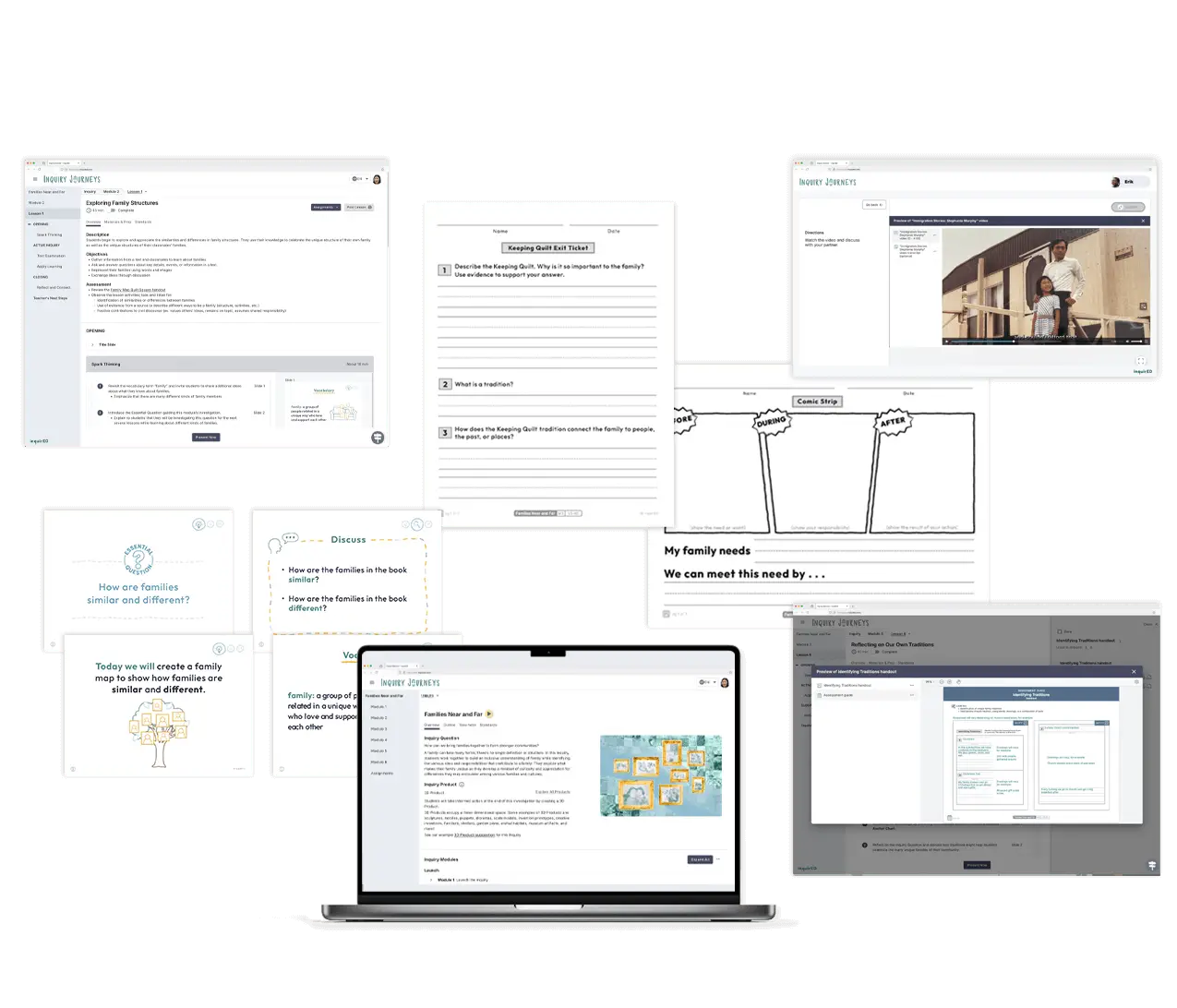

Co-Teacher Function
Your classroom, your collaborators
Multiple teachers can now work together in a single class, with roles and permissions that match how your district manages rostering. Co-teachers, interventionists, and long-term subs each get their own access with no shared logins.
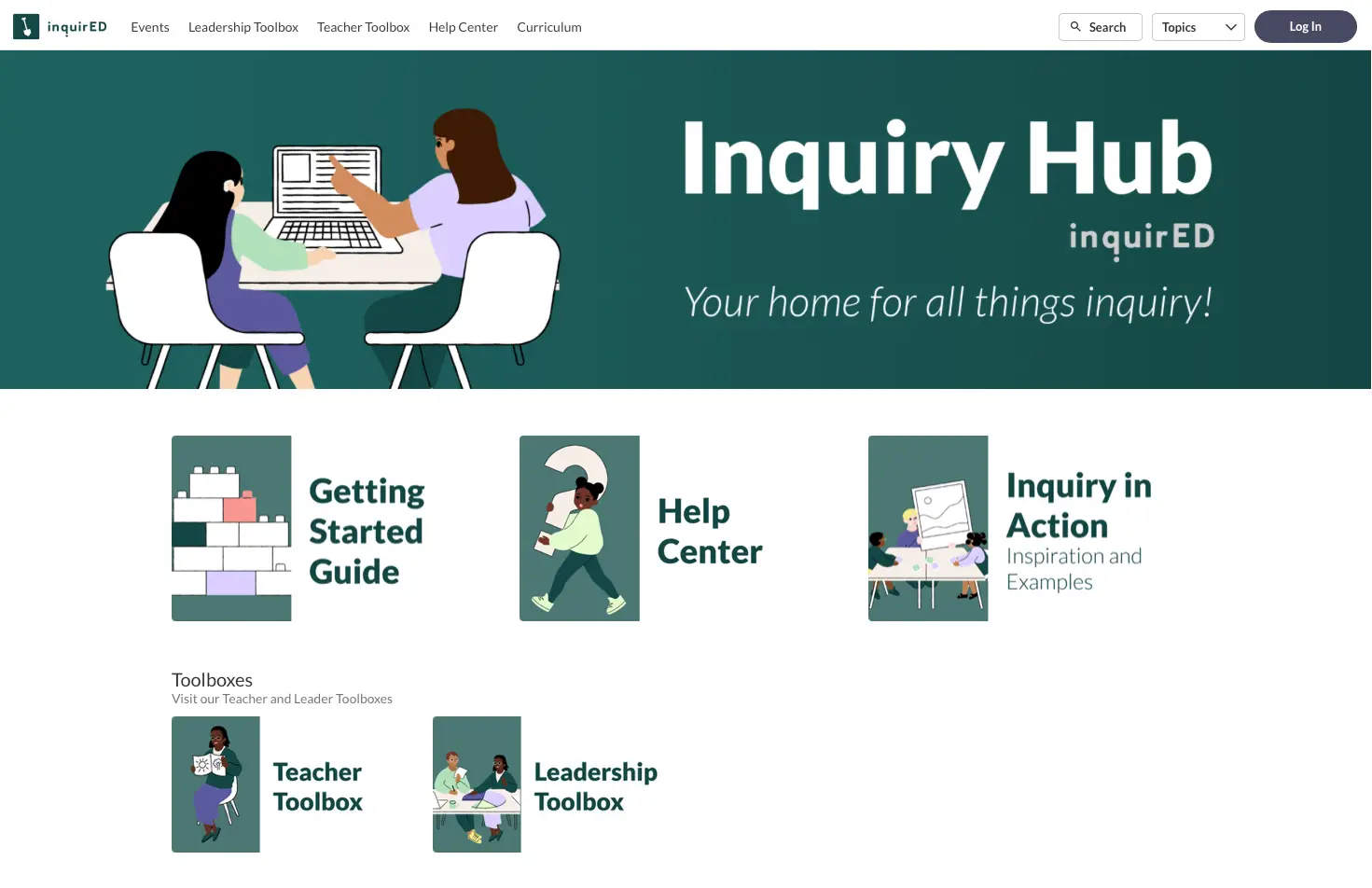
Inquiry Hub Updates
A hub that works hard for you
The Inquiry Hub has been updated with clearer organization, improved navigation, and new resources designed for how you actually use it. Whether you're planning a unit, preparing for a team meeting, or supporting a new teacher, what you need is easier to find.
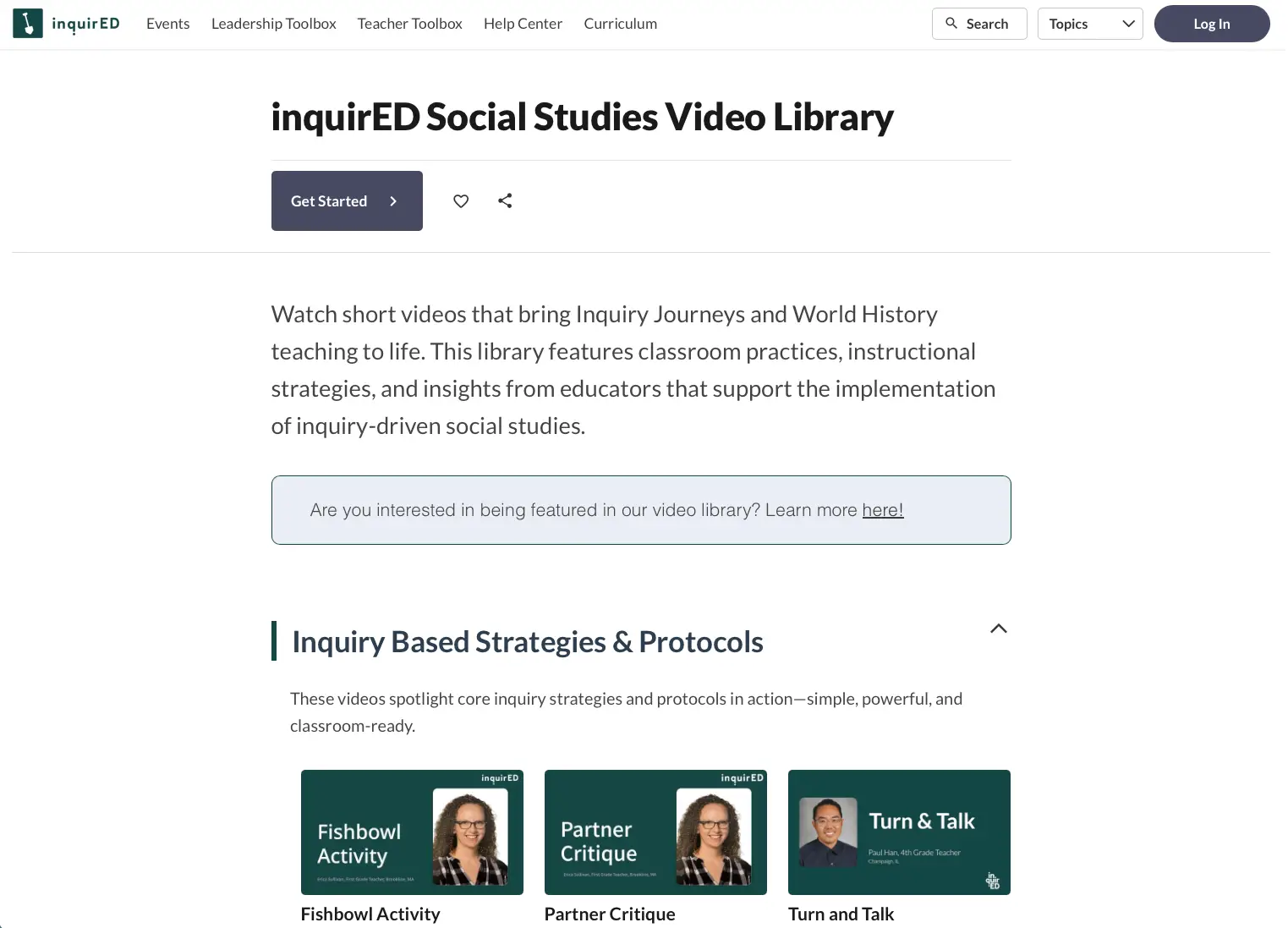
Social Studies Video Library
See what inquiry looks like in classrooms
The Inquiry Hub now includes a video library with classroom footage, protocol walkthroughs, and real examples of structured inquiry across grade levels. Share something at a team meeting, walk a new teacher through a discussion protocol, or see how other classrooms handle a specific moment.
Integrations
Less setup and more teaching
Automated rostering with Clever and ClassLink keeps teachers, students, and classes in sync with no manual setup required. LTI 1.3 integrations with Canvas and Schoology let teachers launch assignments directly from their LMS.

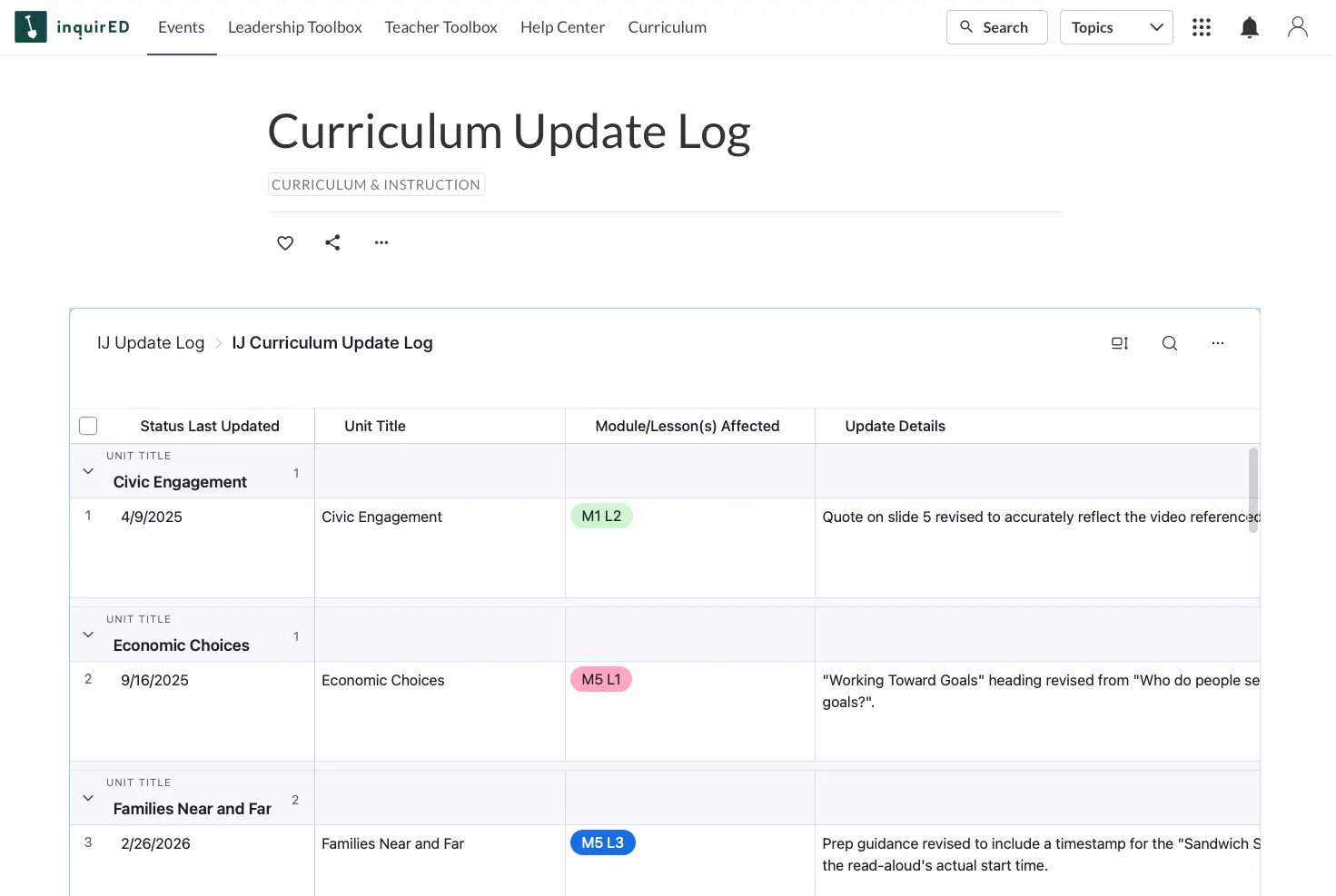
Curriculum Update Log
Always know what changed
The Inquiry Hub now includes a running log of curriculum updates, pulled directly from our content team as changes happen. You can see what changed and open the update log.
Inquiry Work Gallery
Check out the amazing work that inquirED teachers and leaders have shared this school year
Click on a thumbnail below to expand and view more images.
Students built a model of a "healthy democracy" in the woods off the playground where they created a Constitution inspired by the U.S. Constitution and have an ongoing working government that includes three branches of government, holds elections, writes bills and makes laws that have penalties. They run the government by holding weekly town meetings.
Rights and Responsibilities
2nd Grade
Final Product
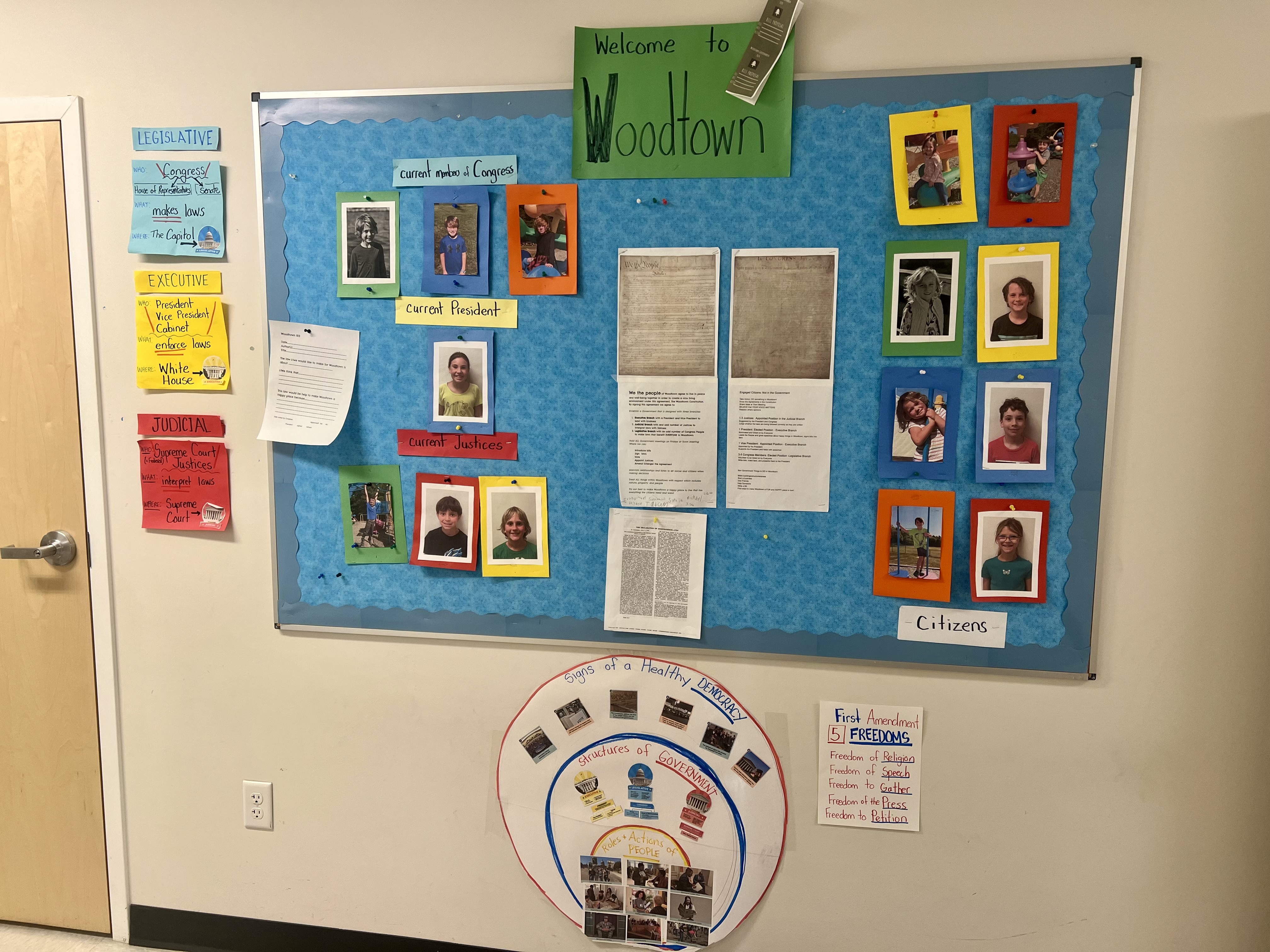
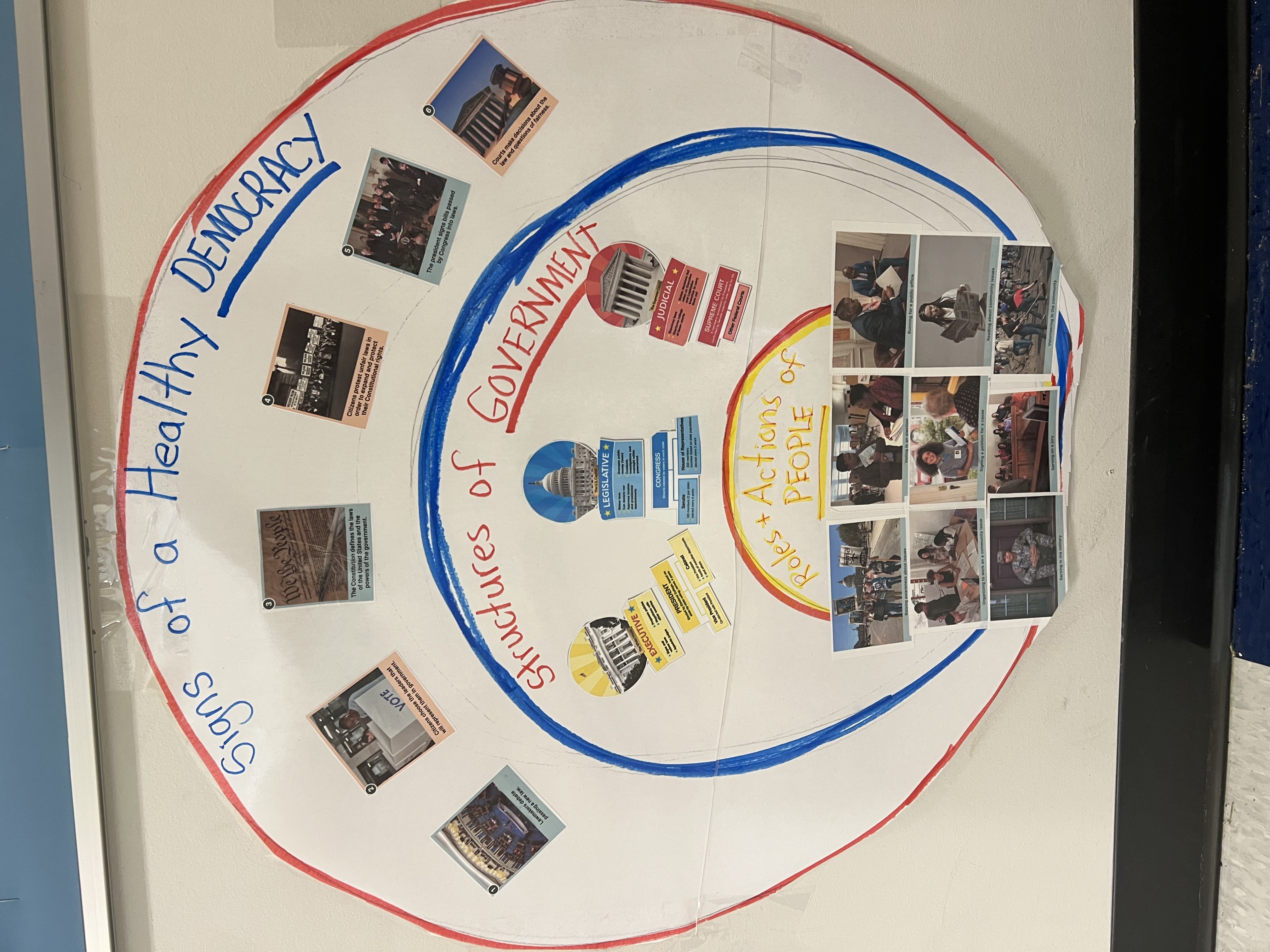
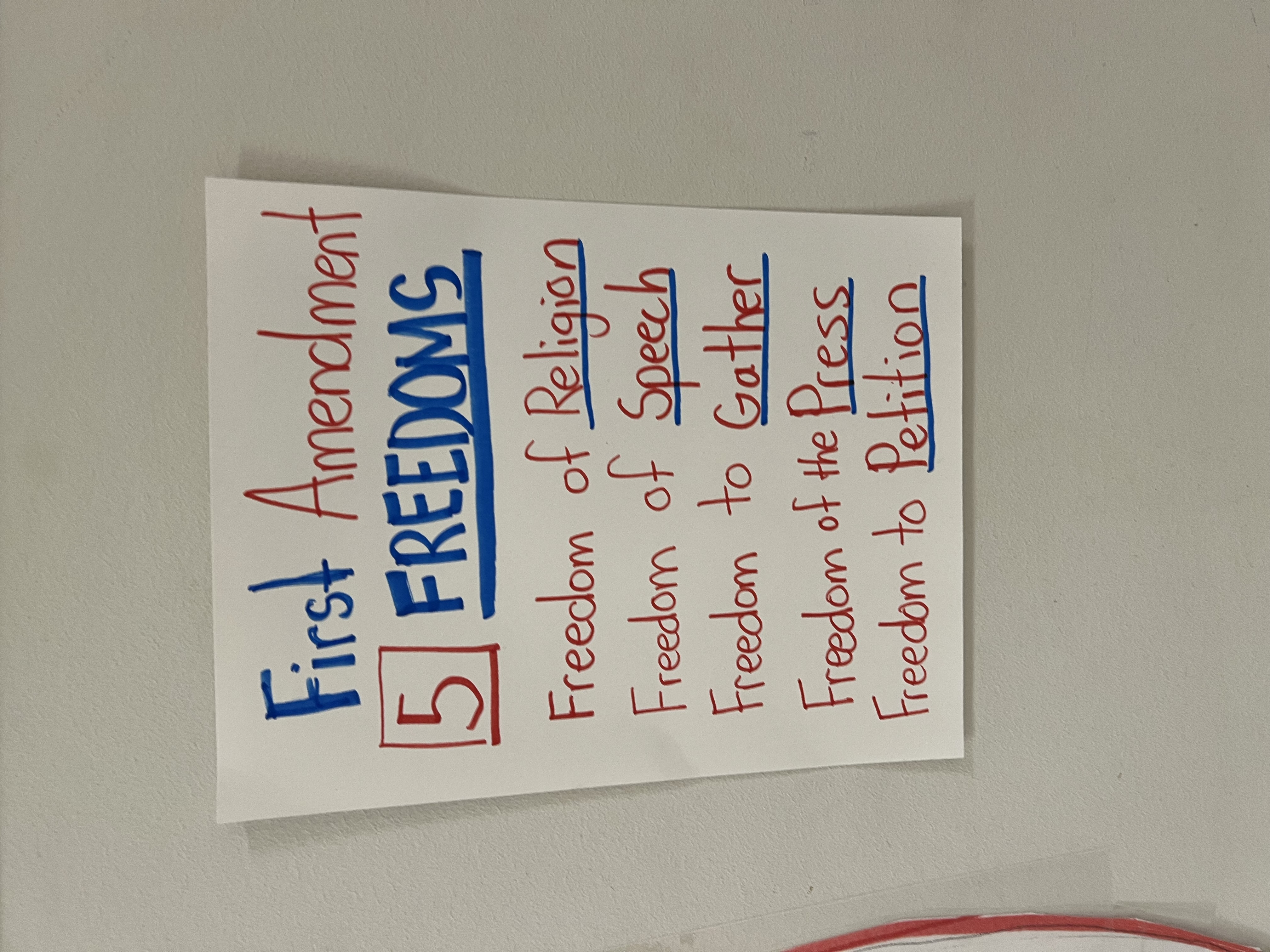
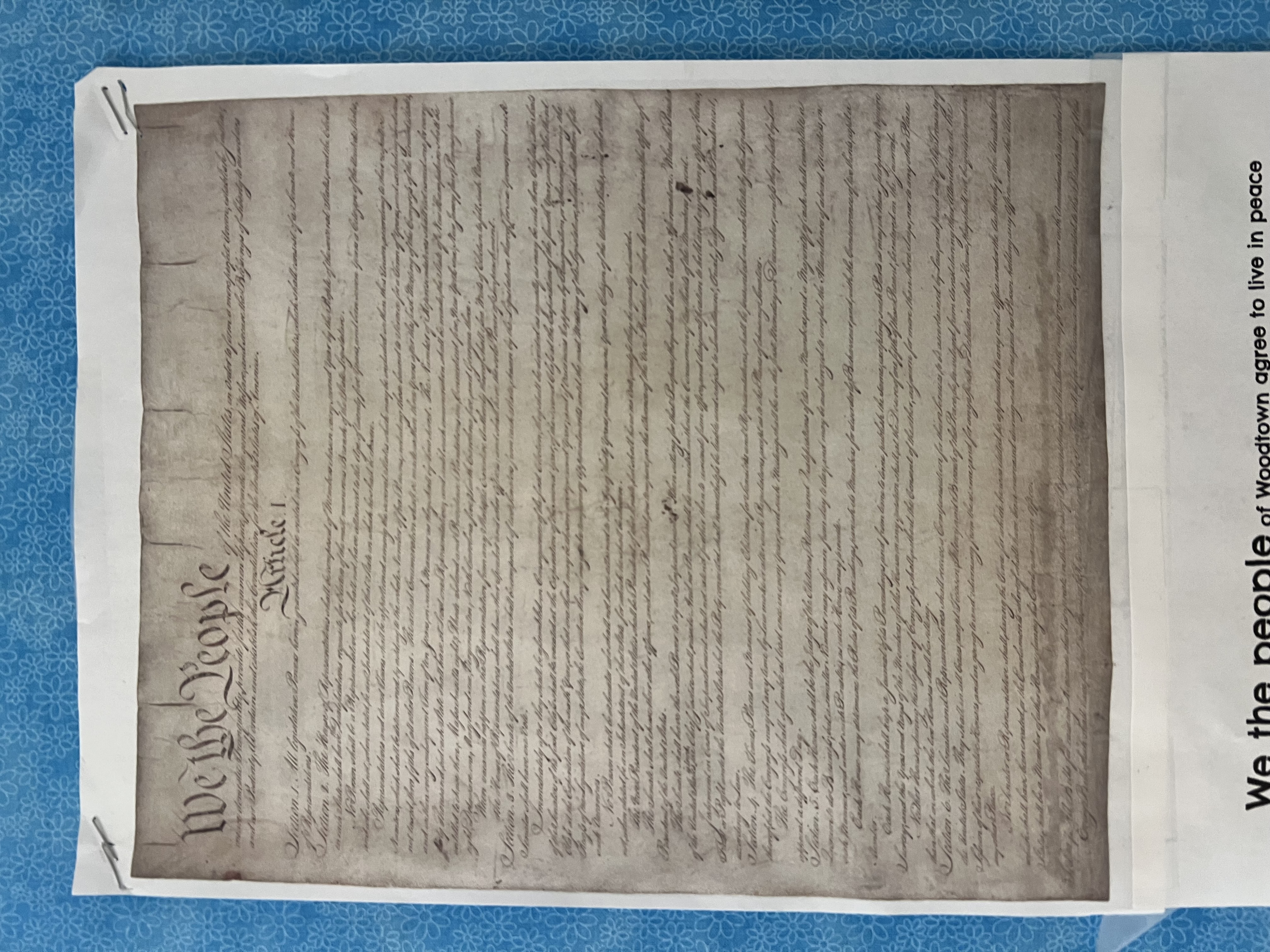
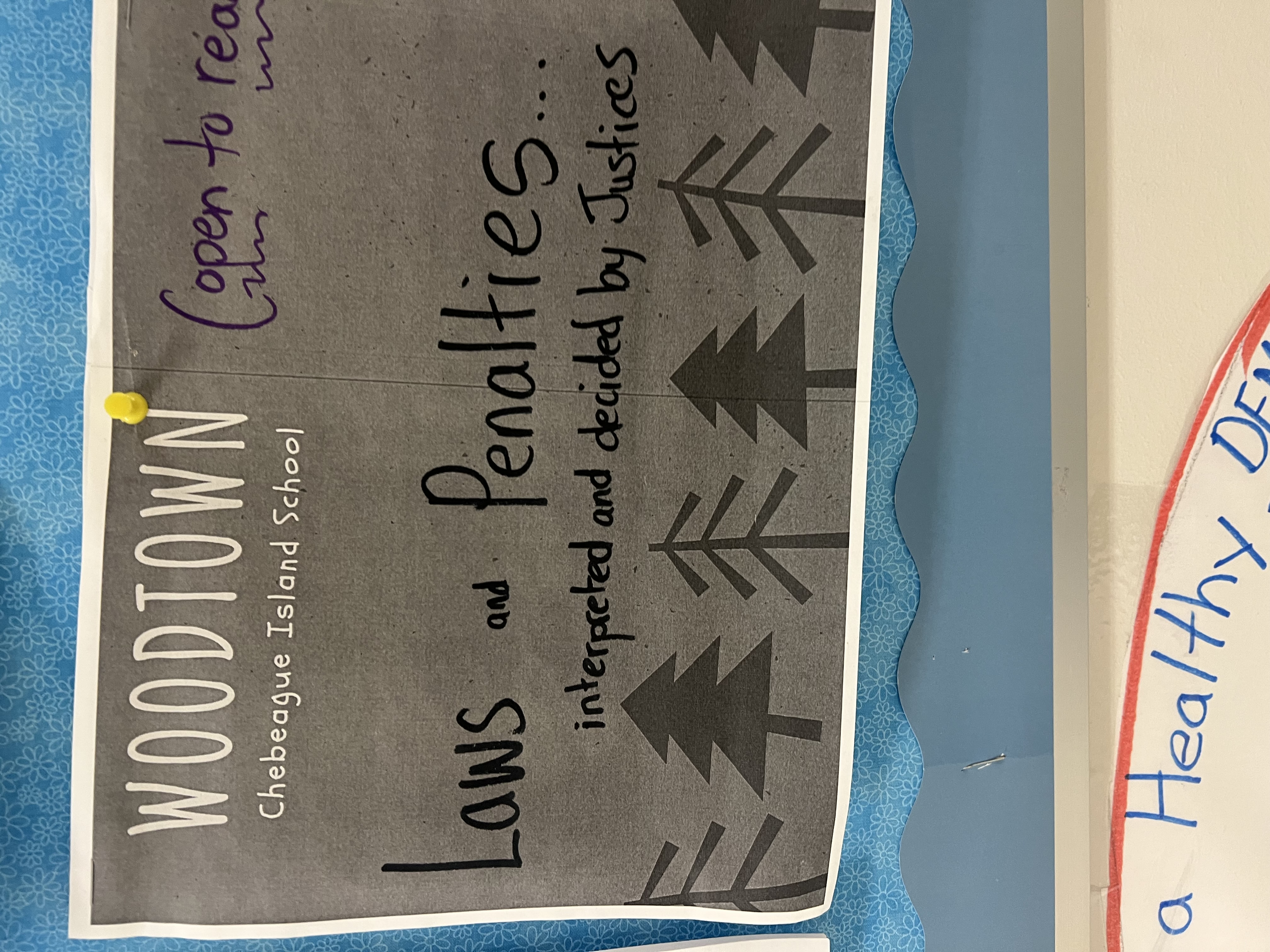
Students built a model of a "healthy democracy" in the woods off the playground where they created a Constitution inspired by the U.S. Constitution and have an ongoing working government that includes three branches of government, holds elections, writes bills and makes laws that have penalties. They run the government by holding weekly town meetings.
Additional Info
Mary Train from Chebeague School: ME, 2nd Grade, 3rd Grade, 4th Grade, 5th Grade
My Team and Self
Kindergarten
Final Product
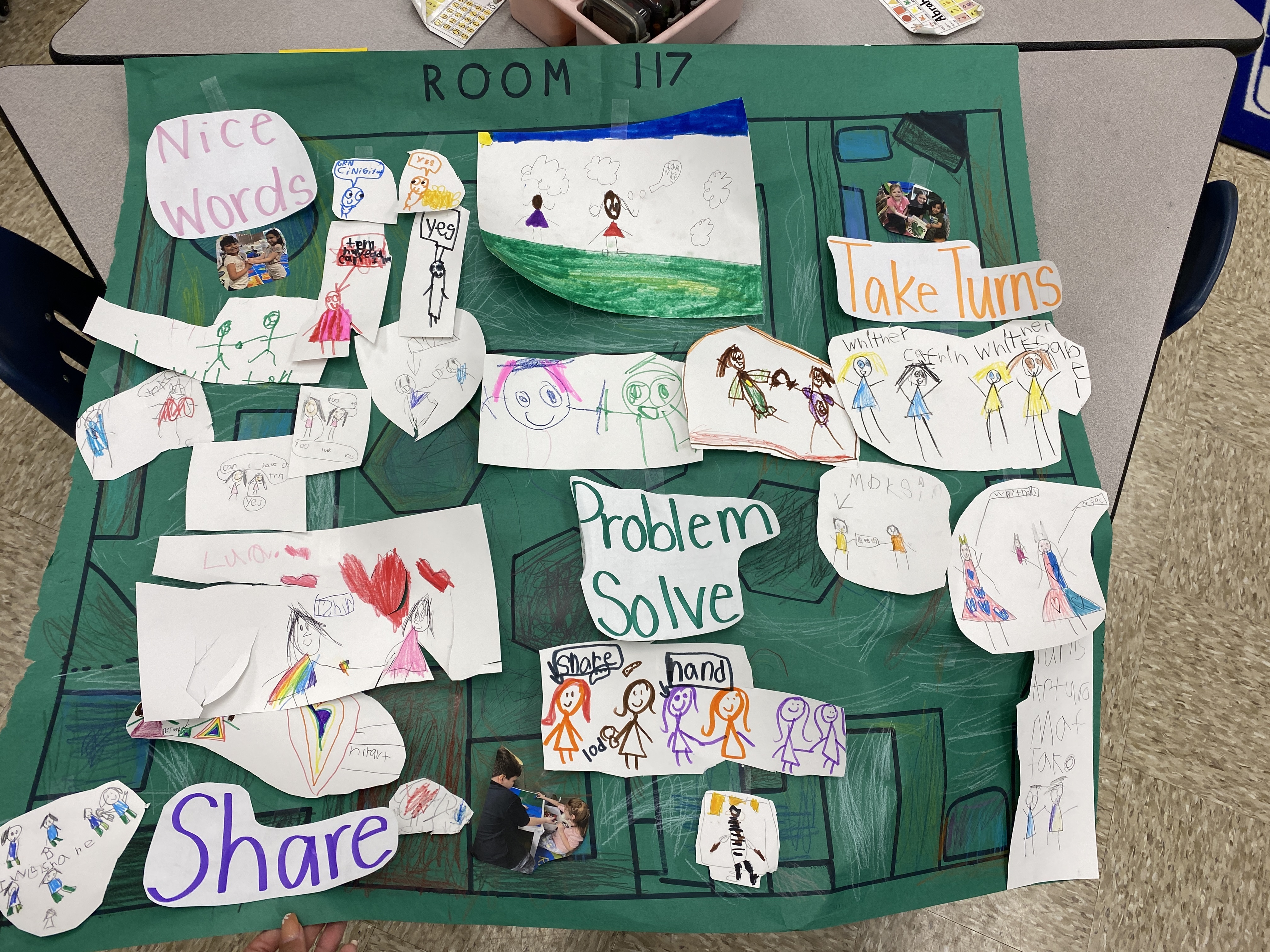
Additional Info
Amanda Perry from Franklin Park District 84: IL, Kindergarten
The students collaboratively determine what the goal would be for their final products in the Natural Resources Inquiry in response to the Inquiry question, "How should we use the natural resources of the United States?" The common class goal was to stop wasting water, and students decided whether they would work independently or in groups for how they would take action to accomplish this goal. Pictured are some of students' Inquiry Challenge Statements, and Product Plans from Module 6 brainstorming lesson "Brainstorm: Generating Ideas for the Work."
Natural Resources of the U.S.
4th Grade
Final Product
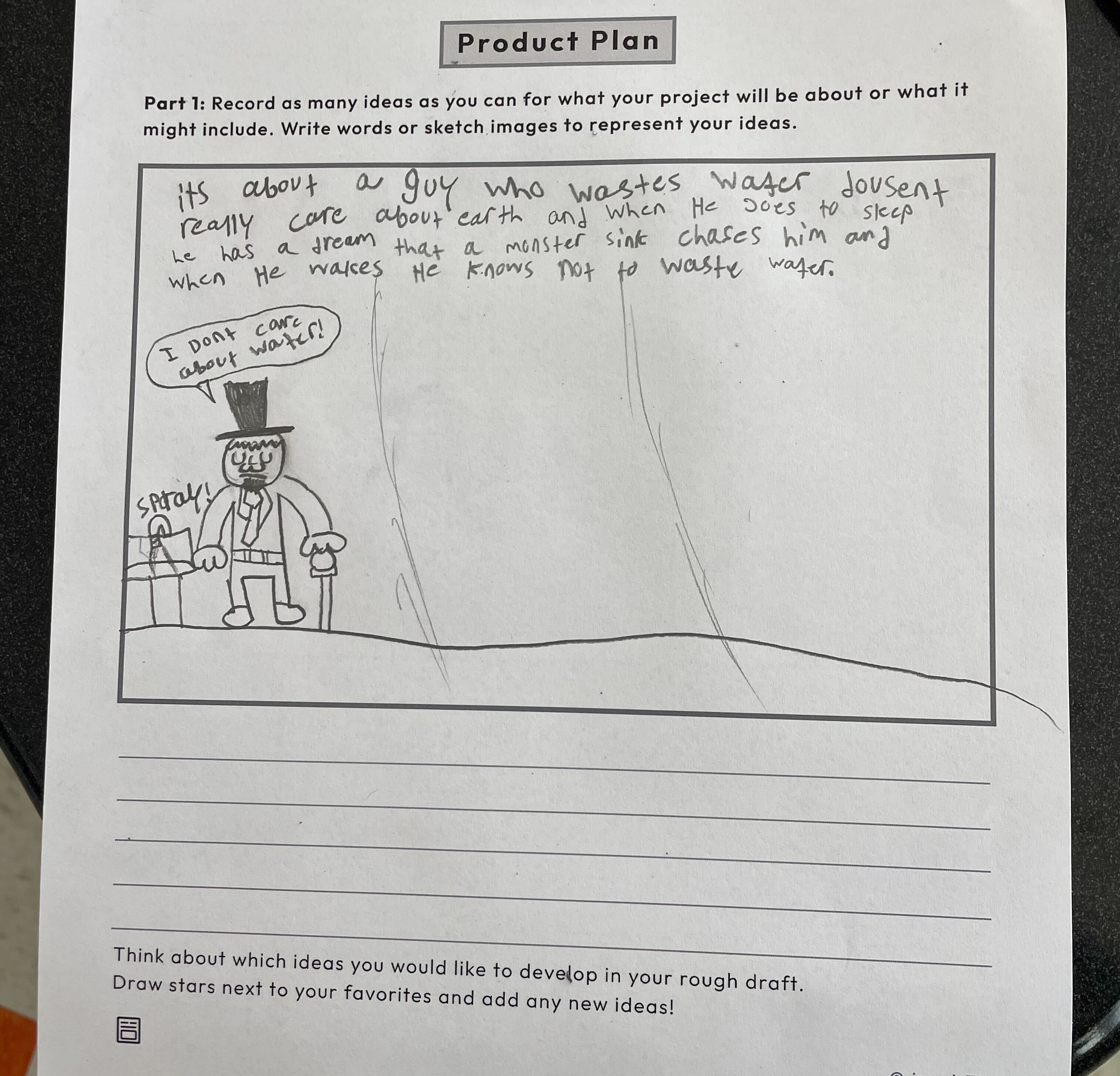
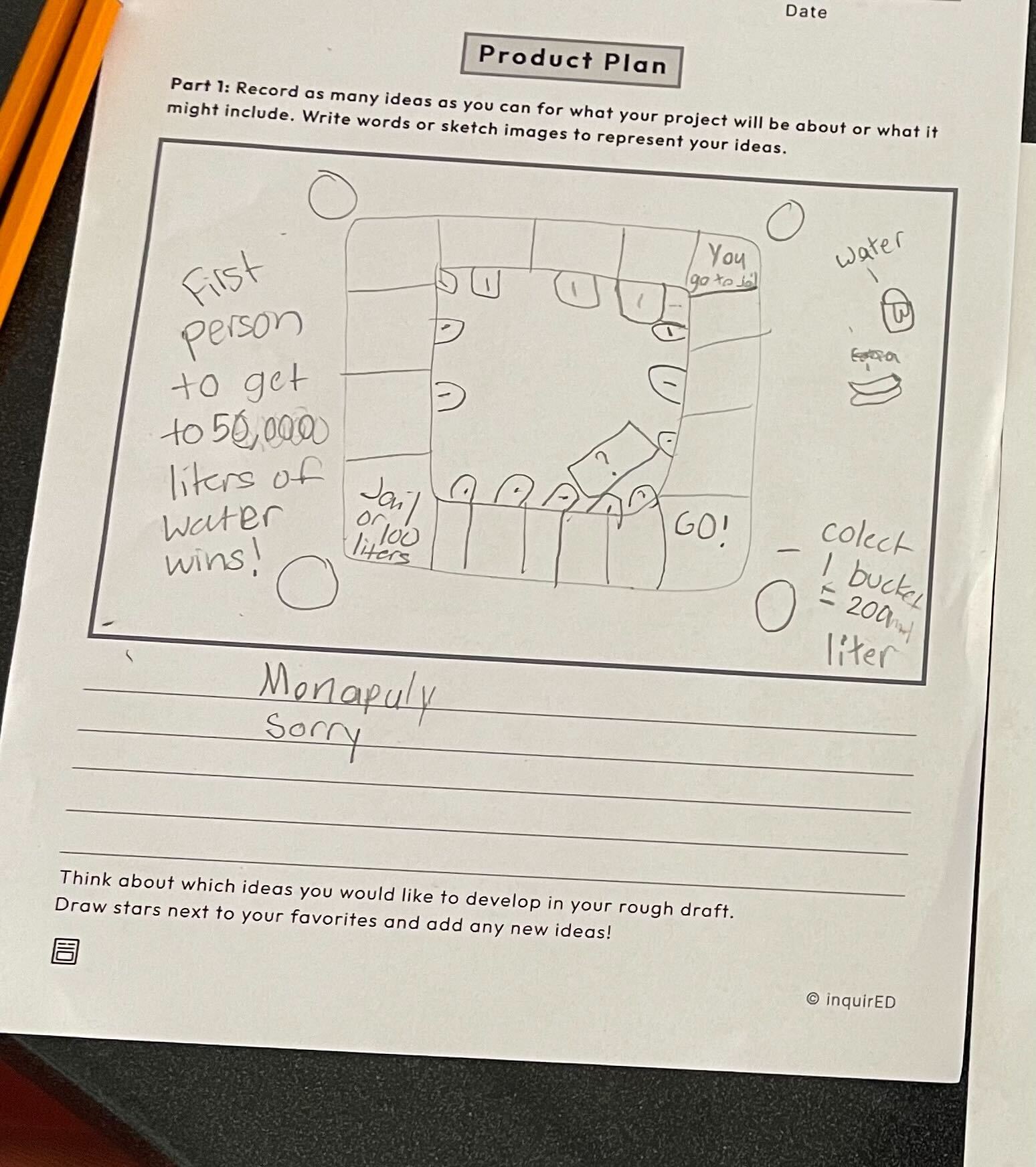
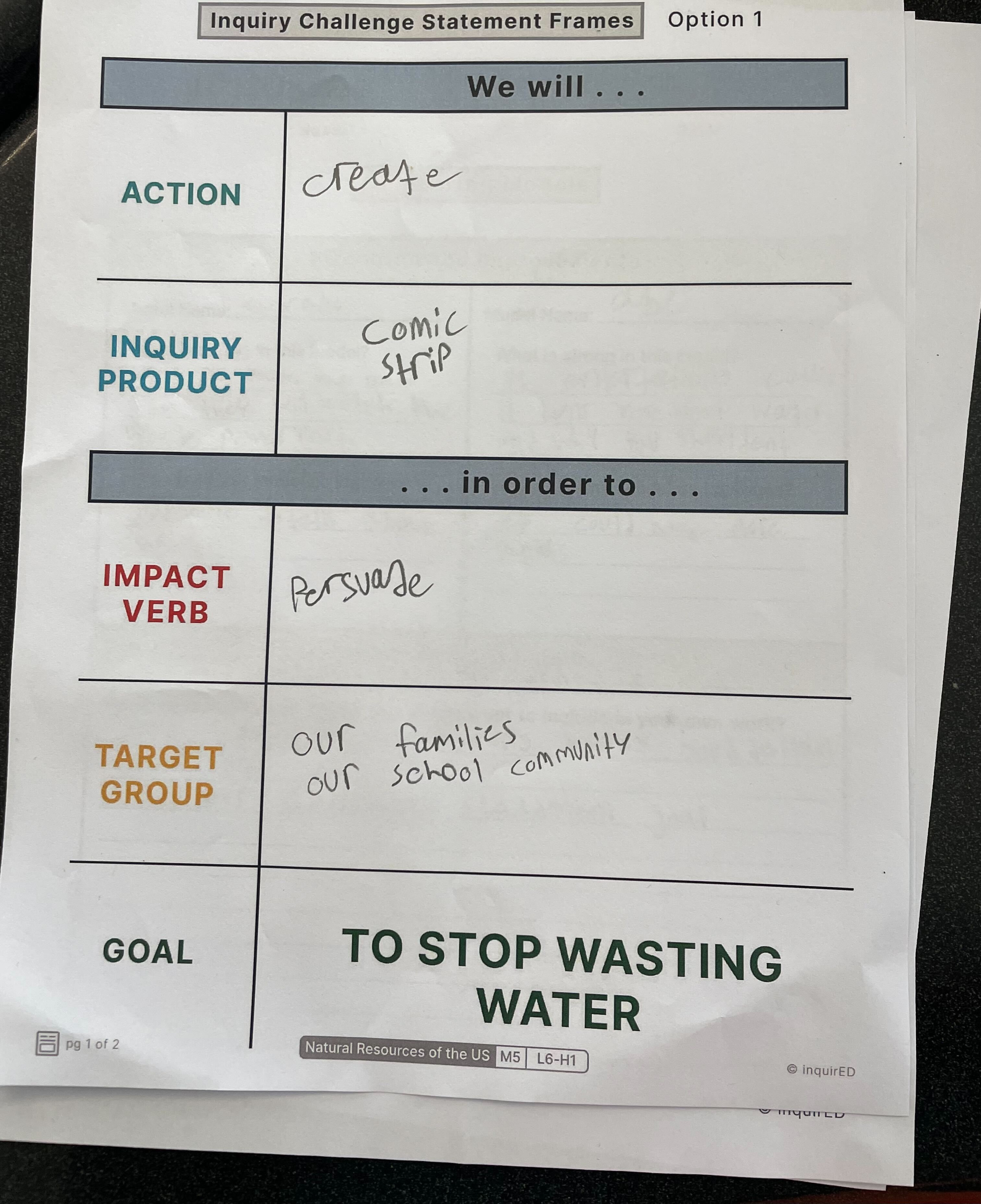
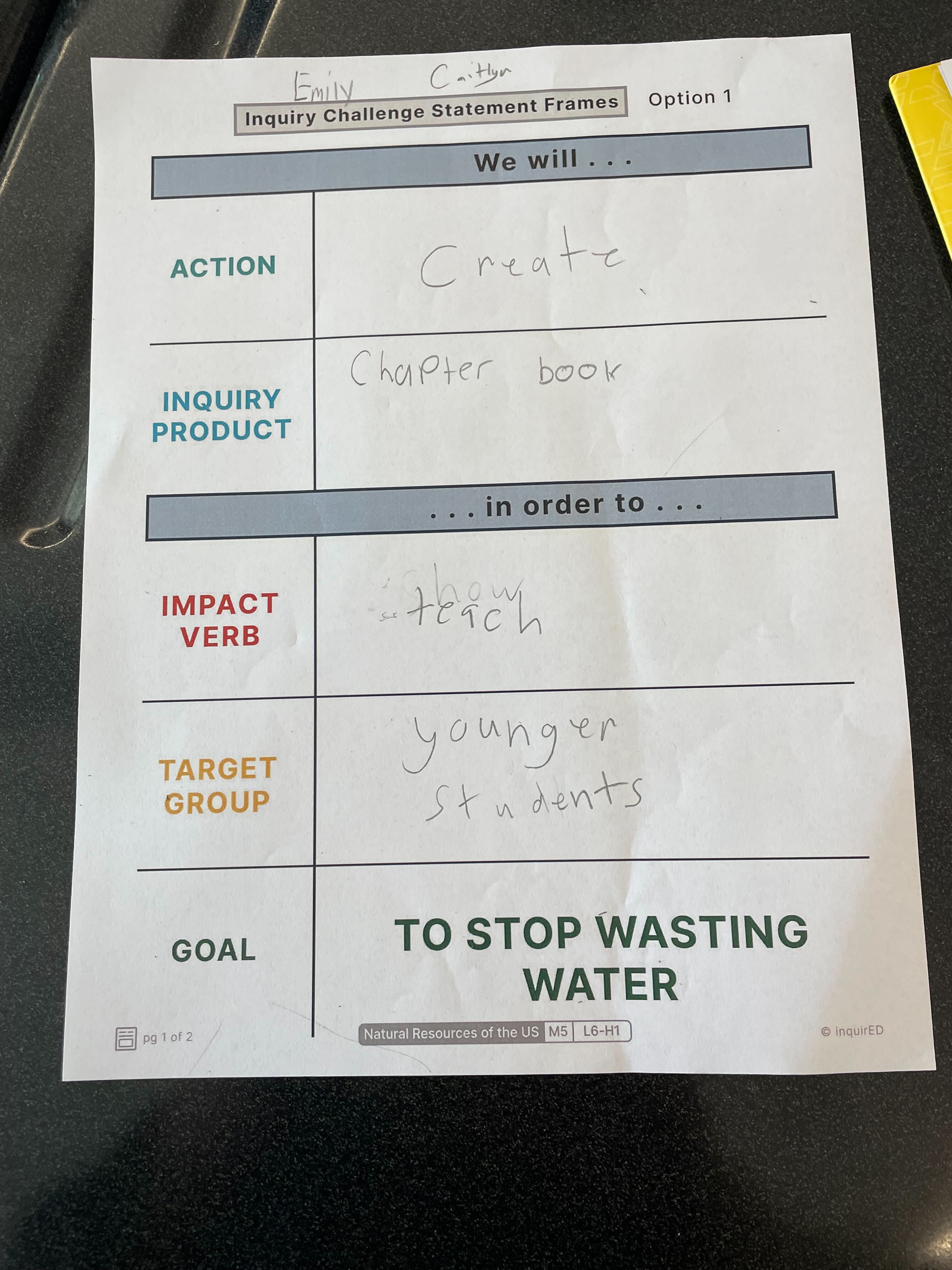
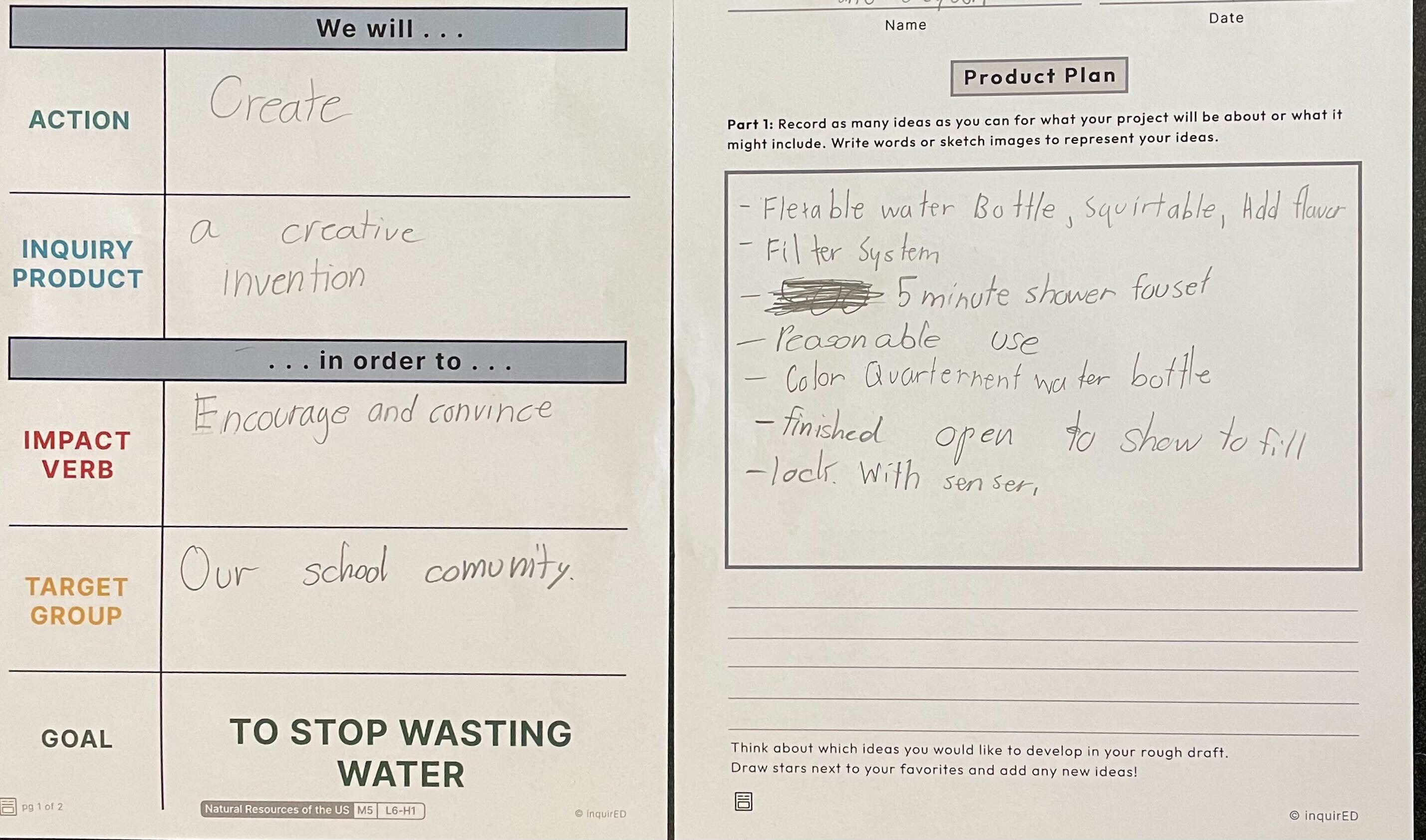
The students collaboratively determine what the goal would be for their final products in the Natural Resources Inquiry in response to the Inquiry question, "How should we use the natural resources of the United States?" The common class goal was to stop wasting water, and students decided whether they would work independently or in groups for how they would take action to accomplish this goal. Pictured are some of students' Inquiry Challenge Statements, and Product Plans from Module 6 brainstorming lesson "Brainstorm: Generating Ideas for the Work."
Additional Info
Yelena Gulkewicz from Hatboro-Horsham School District: PA, 4th Grade
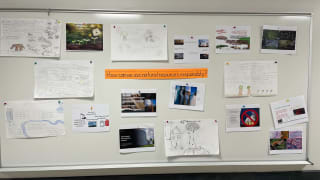
The work pictured here is from the Natural Resources Inquiry, Module 3, in response to the essential question "How can we use natural resources responsibly?" These are students' mini-posters from Lessons 4 and 5, which are displayed in the hallway outside their classroom.
Natural Resources of the U.S.
4th Grade
Wall Display
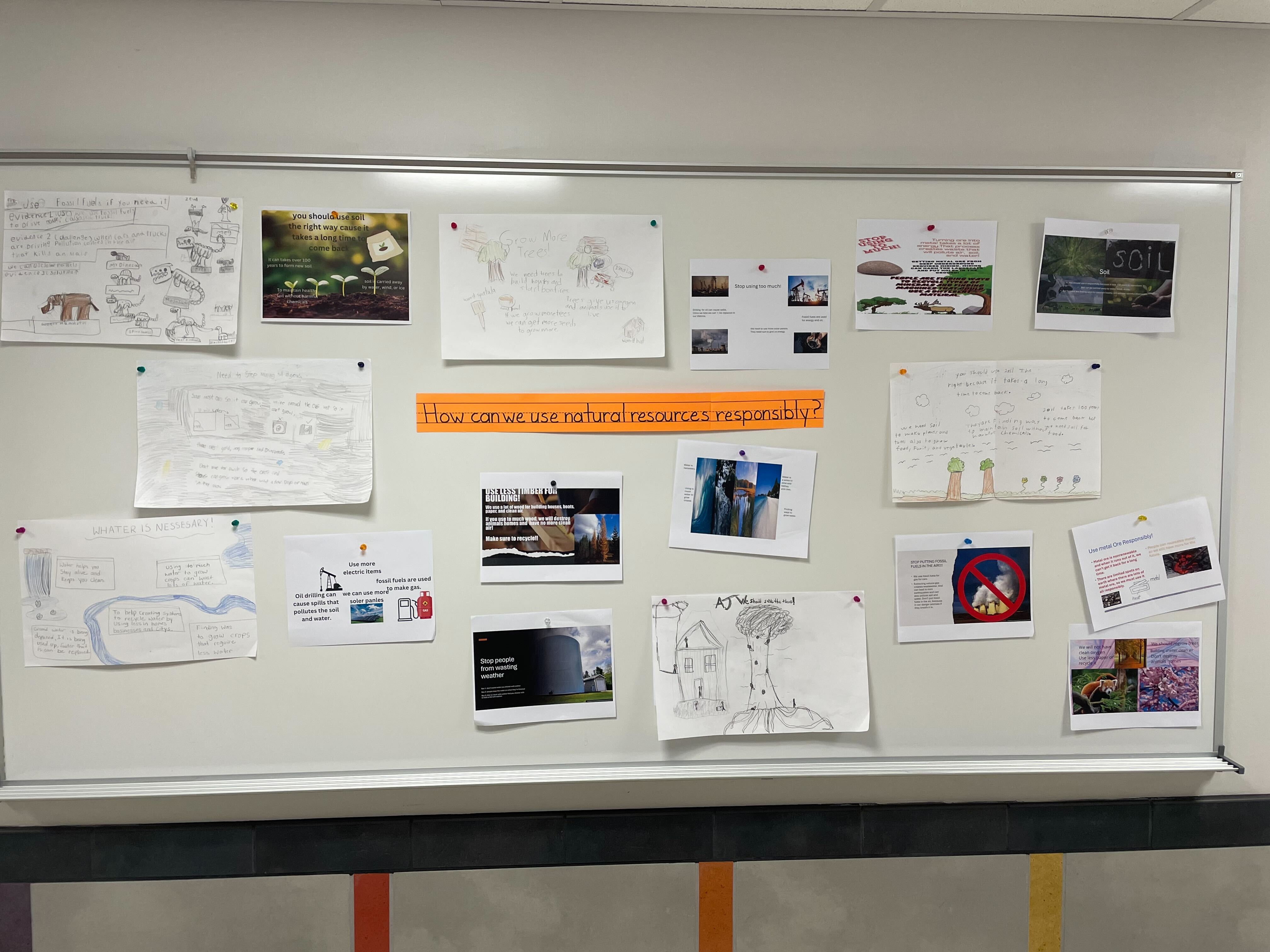
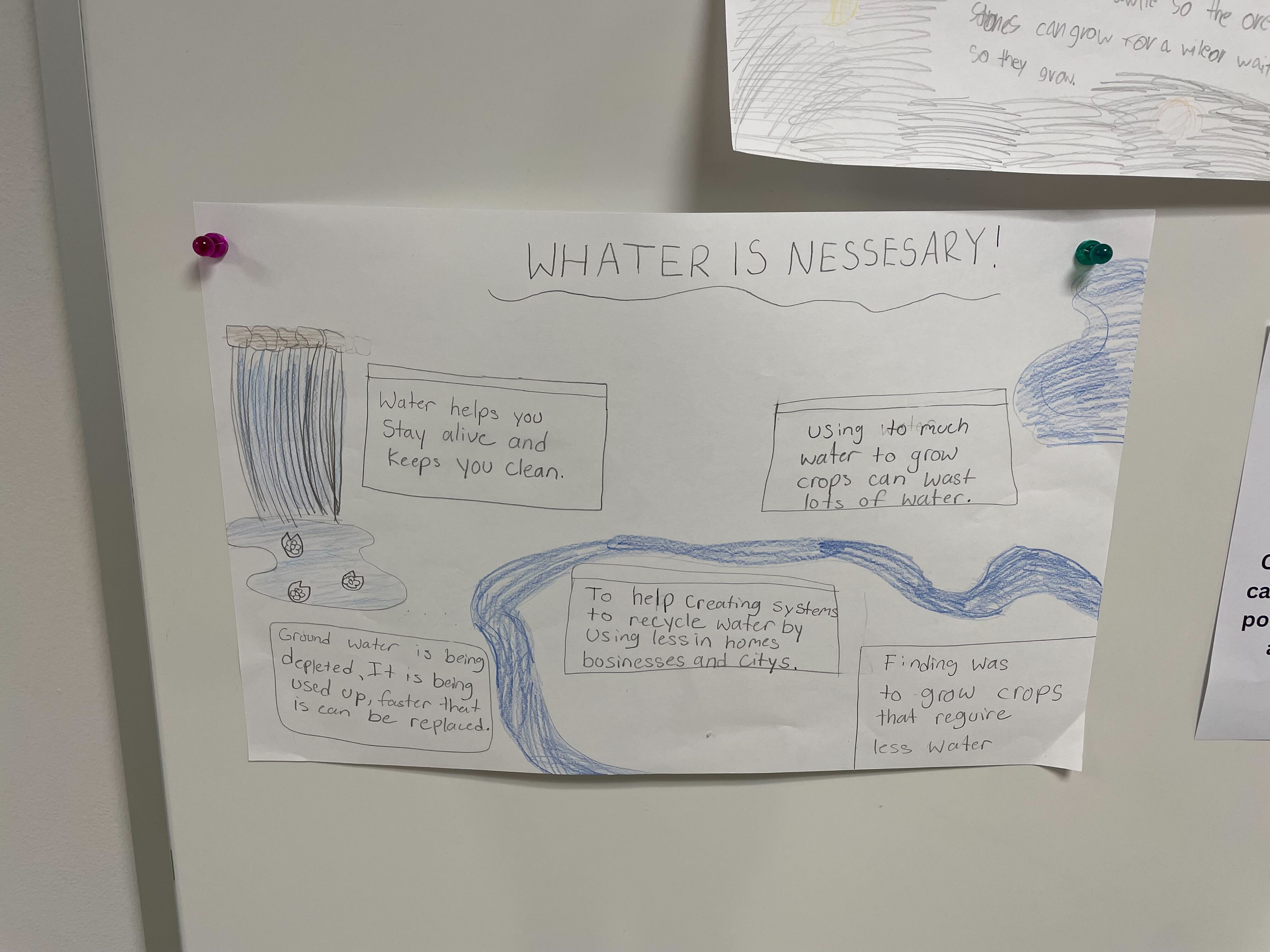
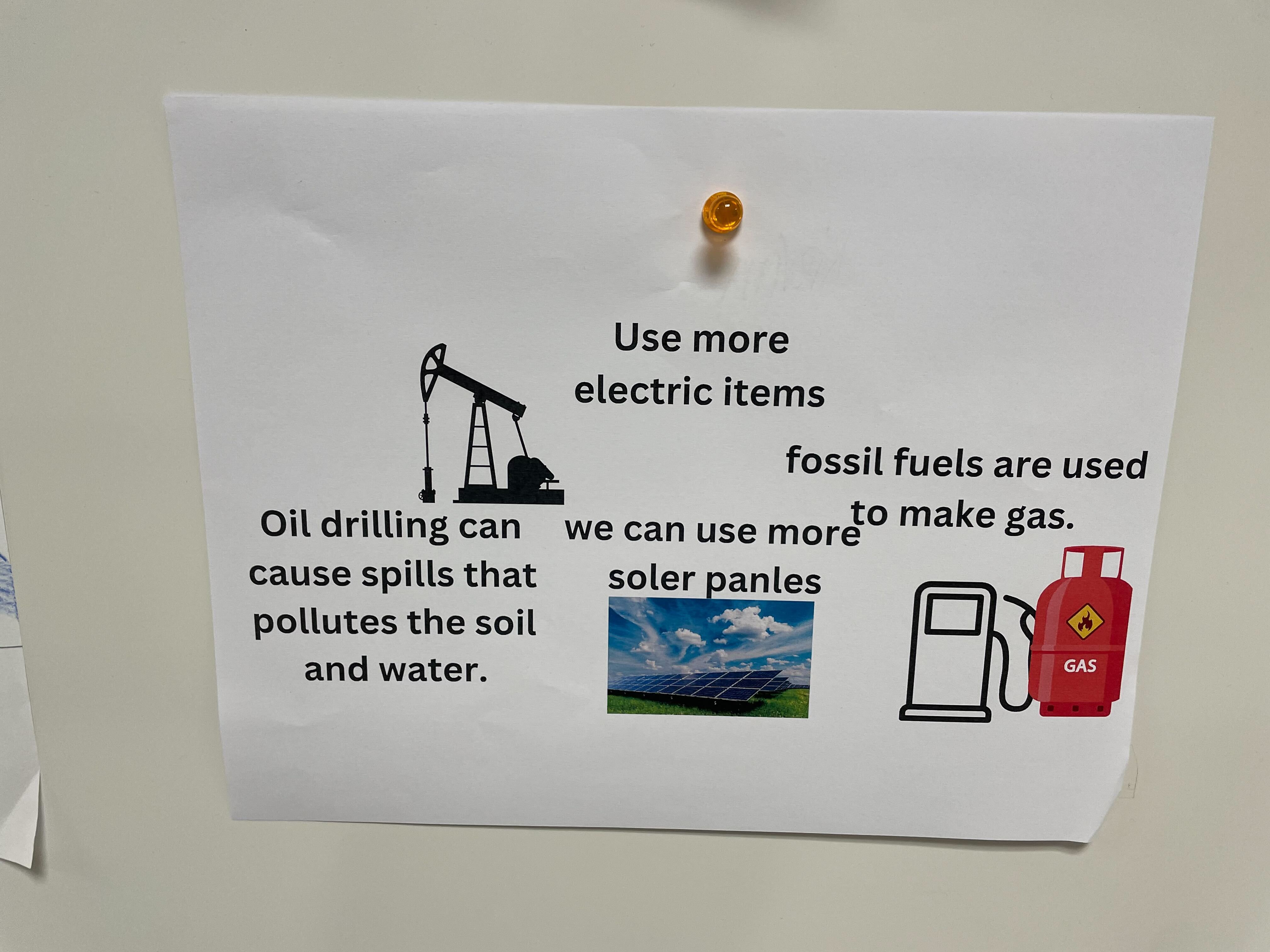
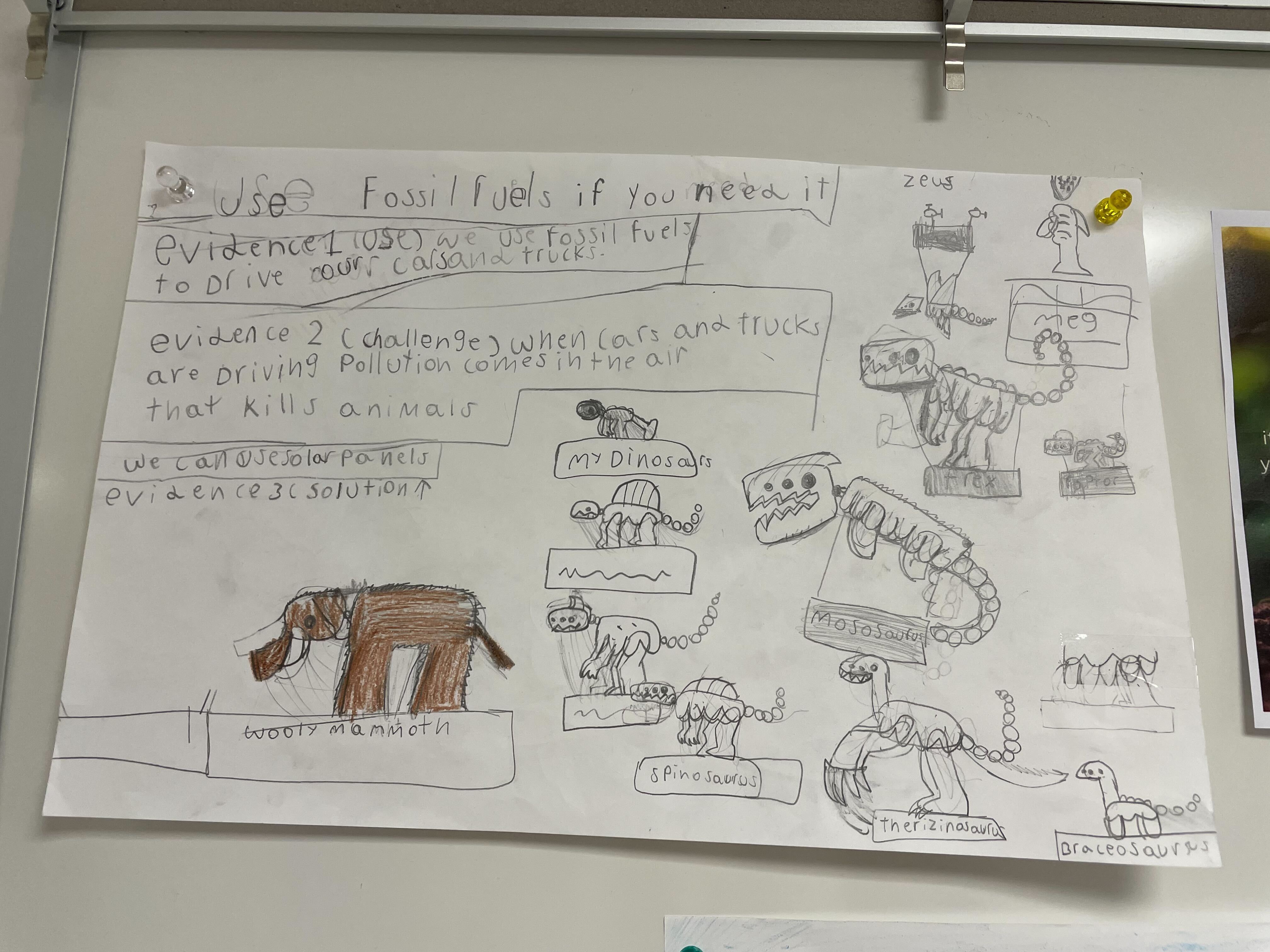
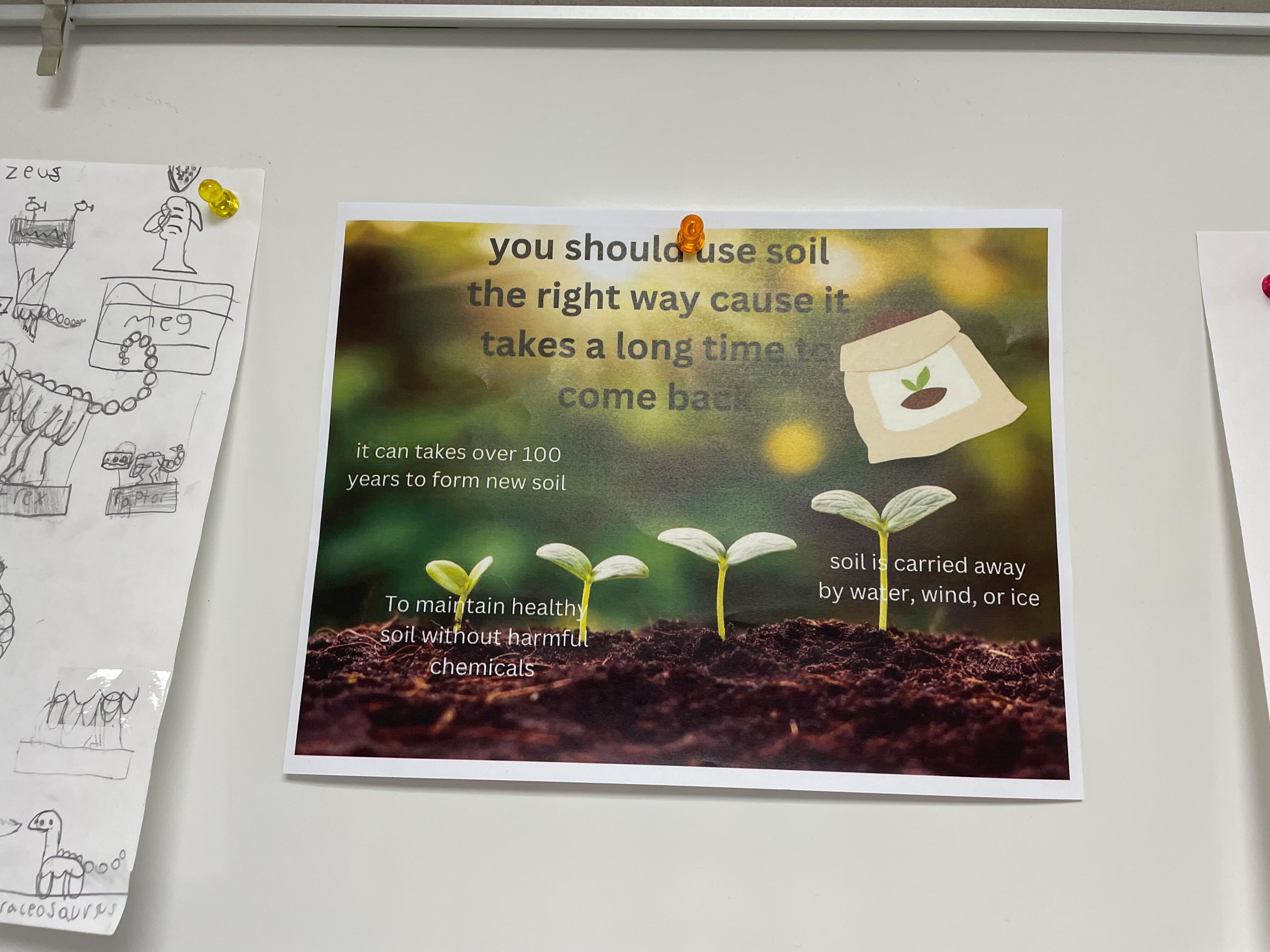
The work pictured here is from the Natural Resources Inquiry, Module 3, in response to the essential question "How can we use natural resources responsibly?" These are students' mini-posters from Lessons 4 and 5, which are displayed in the hallway outside their classroom.
Additional Info
Yelena Gulkewicz from Hatboro-Horsham School District: PA, 4th Grade
Students realized kids were overusing soap and water in the bathrooms. After learning about the importance of using resources responsibly, they created posters to remind students of the expectations.
Natural Resources of the U.S.
4th Grade
Final Product
Students realized kids were overusing soap and water in the bathrooms. After learning about the importance of using resources responsibly, they created posters to remind students of the expectations.
Additional Info
Whitney Duthie from Iowa City Community School District: IA, 4th Grade
Students created a variety of written products in order to inspire the school about saving natural resources.
Natural Resources of the U.S.
4th Grade
Final Product
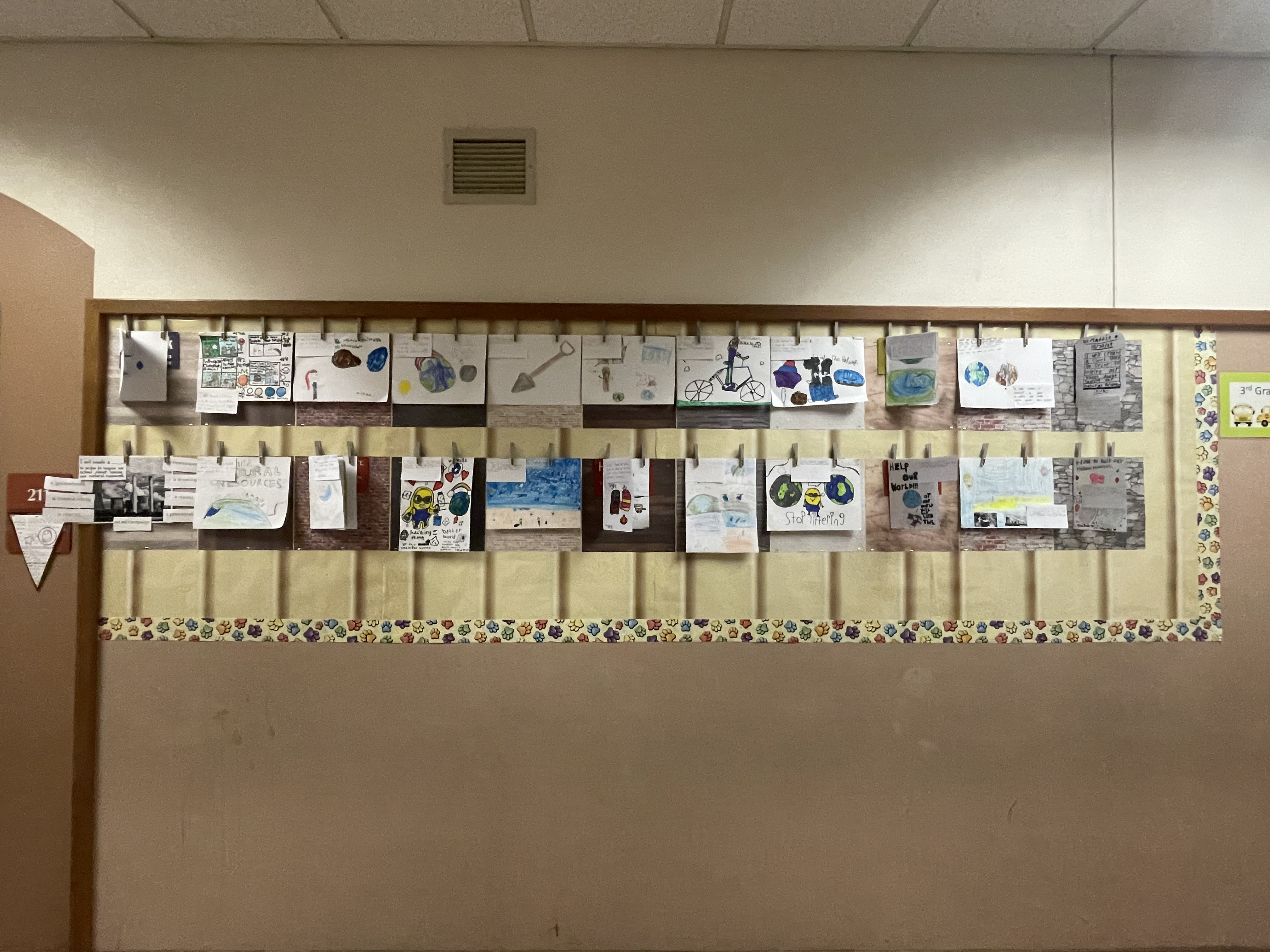
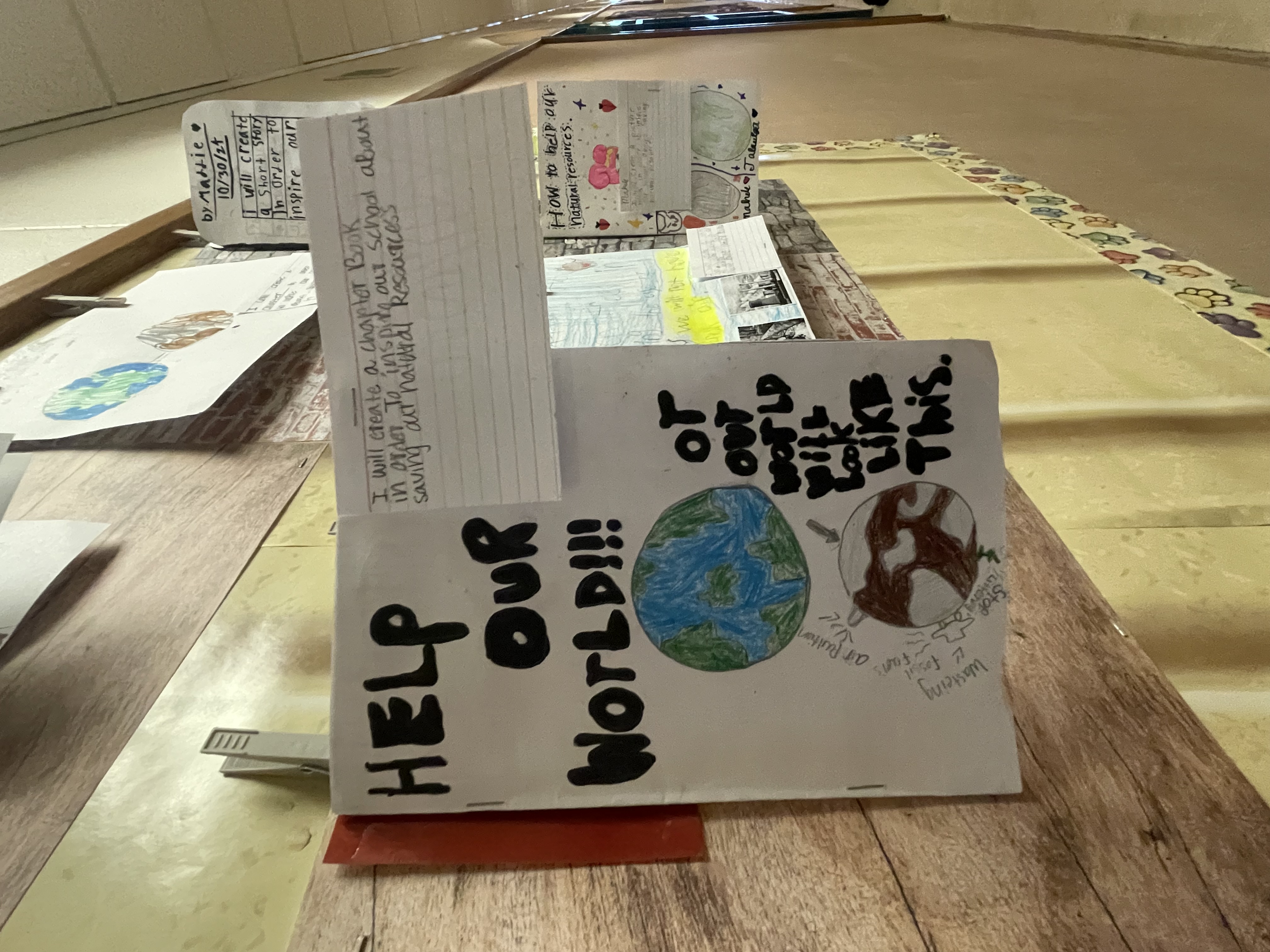
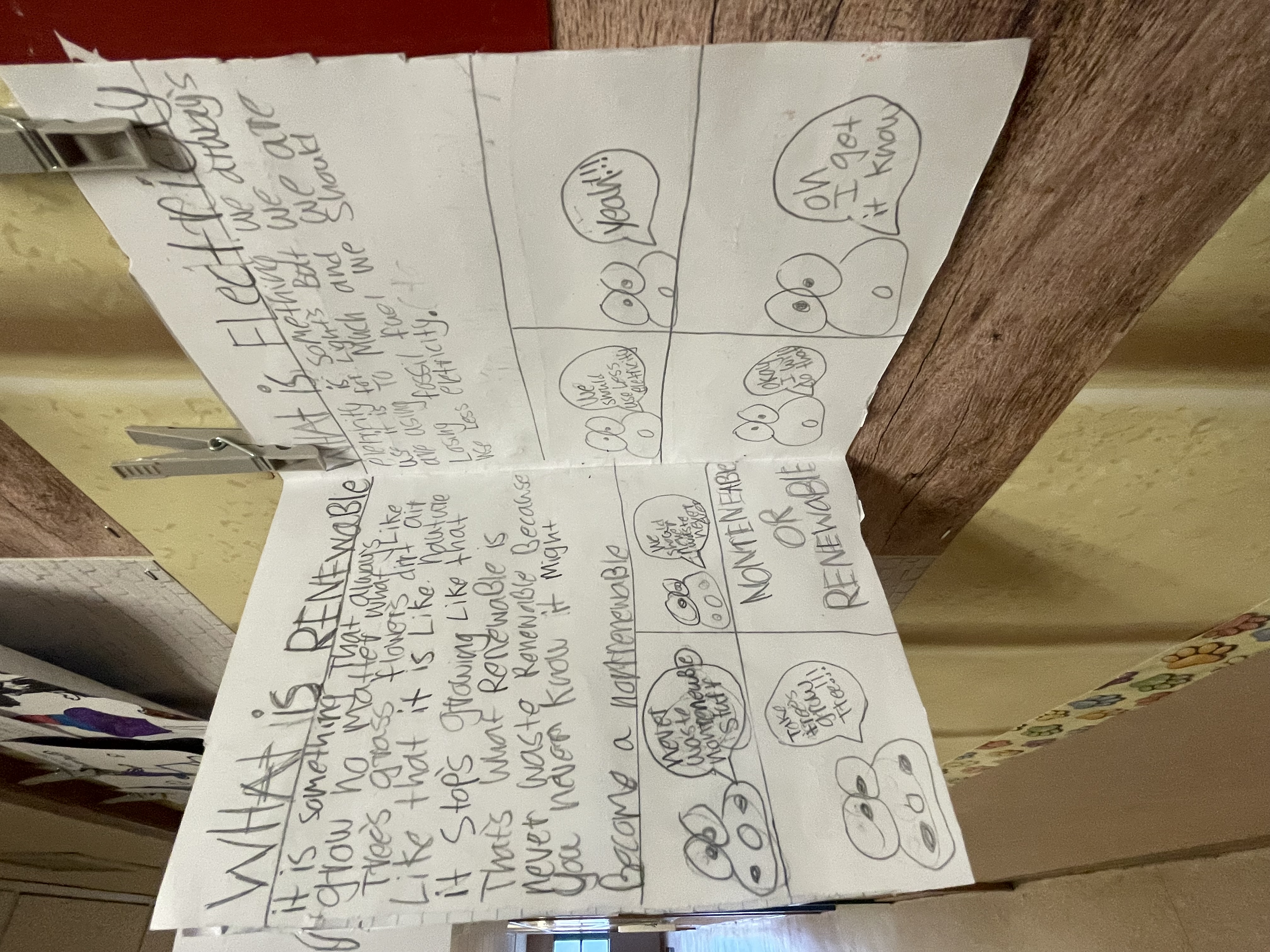
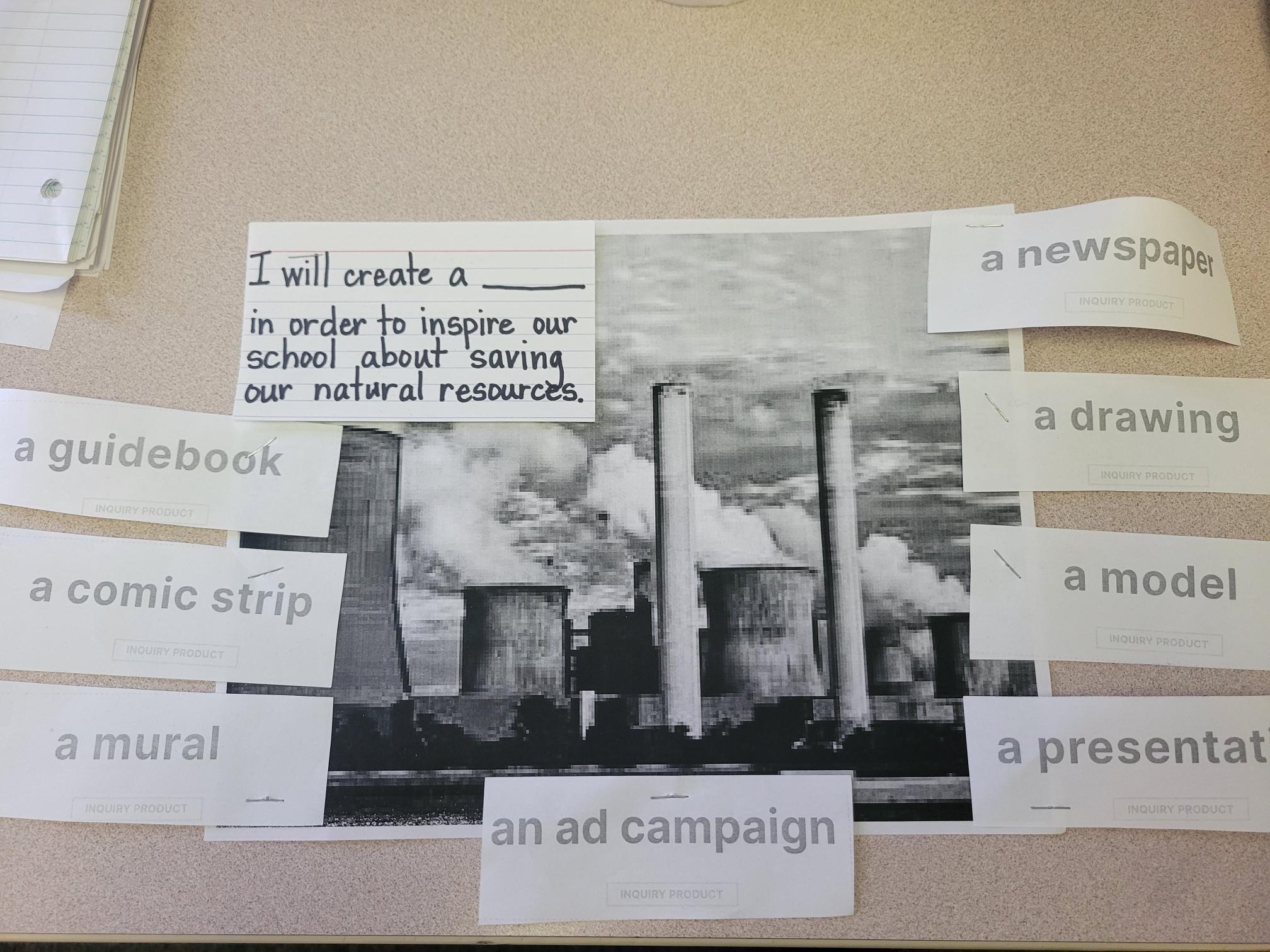
Students created a variety of written products in order to inspire the school about saving natural resources.
Additional Info
Carla Martinez from Tacoma Public Schools: WA, 4th Grade
Migration and Movement
3rd Grade
Inquiry-Long Display
Additional Info
Angela Dietzel from Lancaster Mennonite School: PA, 3rd Grade
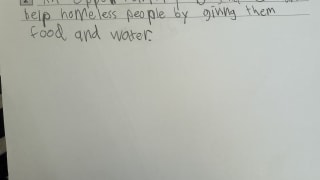
Amazing student responses from Lesson 5 of the 5th module. Really great connection on opportunities and challenges and how they can take action!
The 20th Century Civil Rights Movement
3rd Grade
Handout
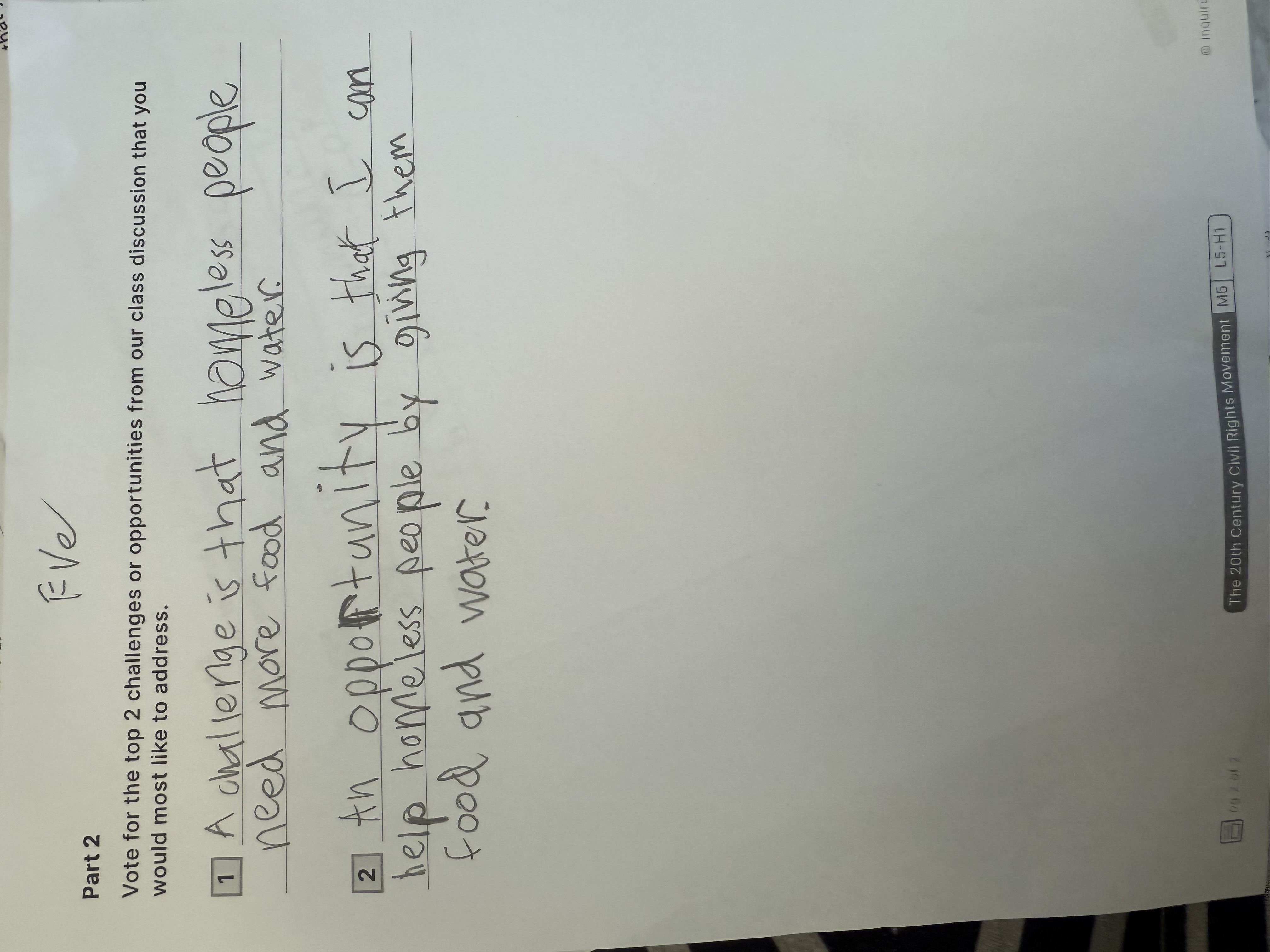
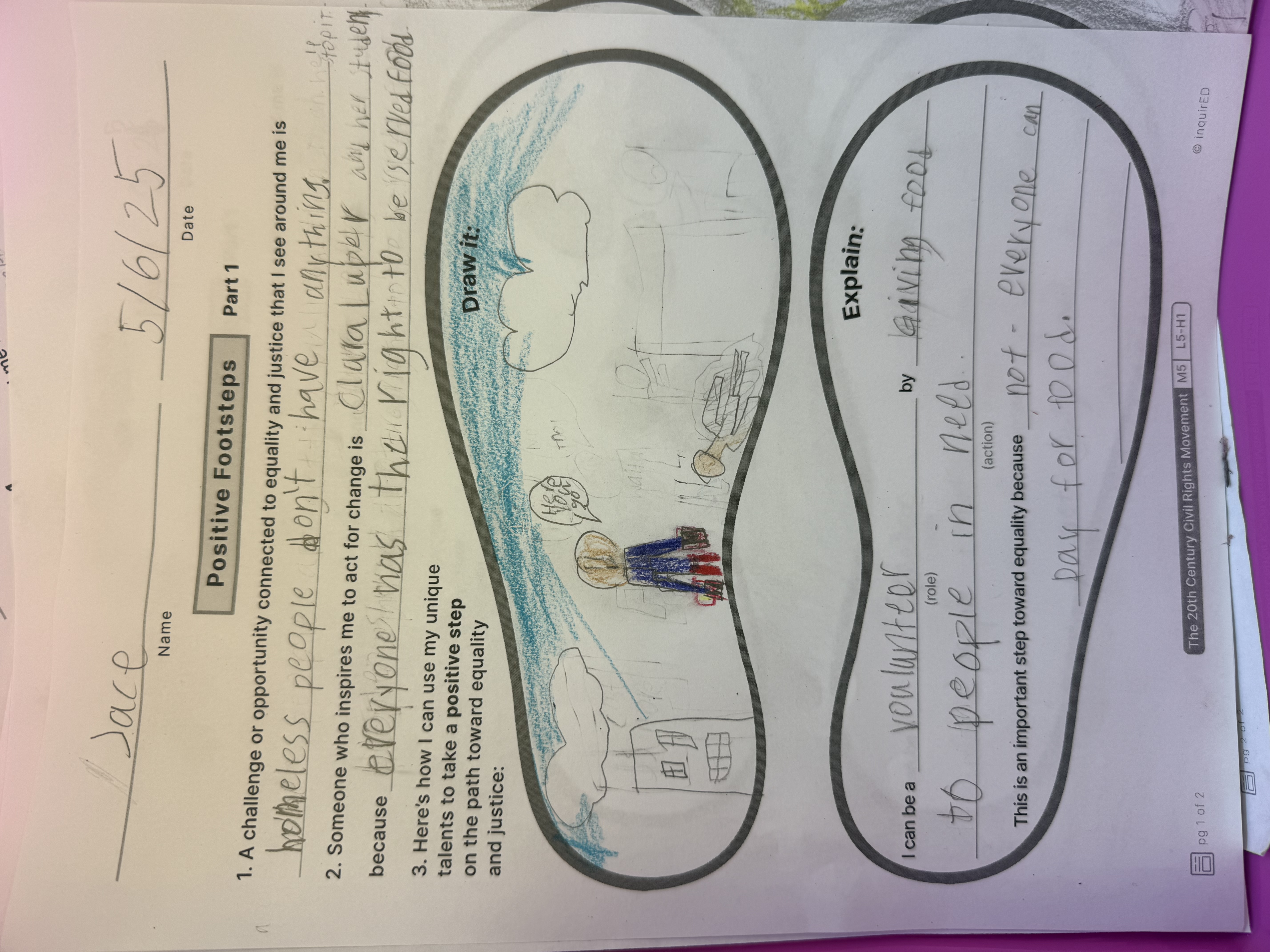
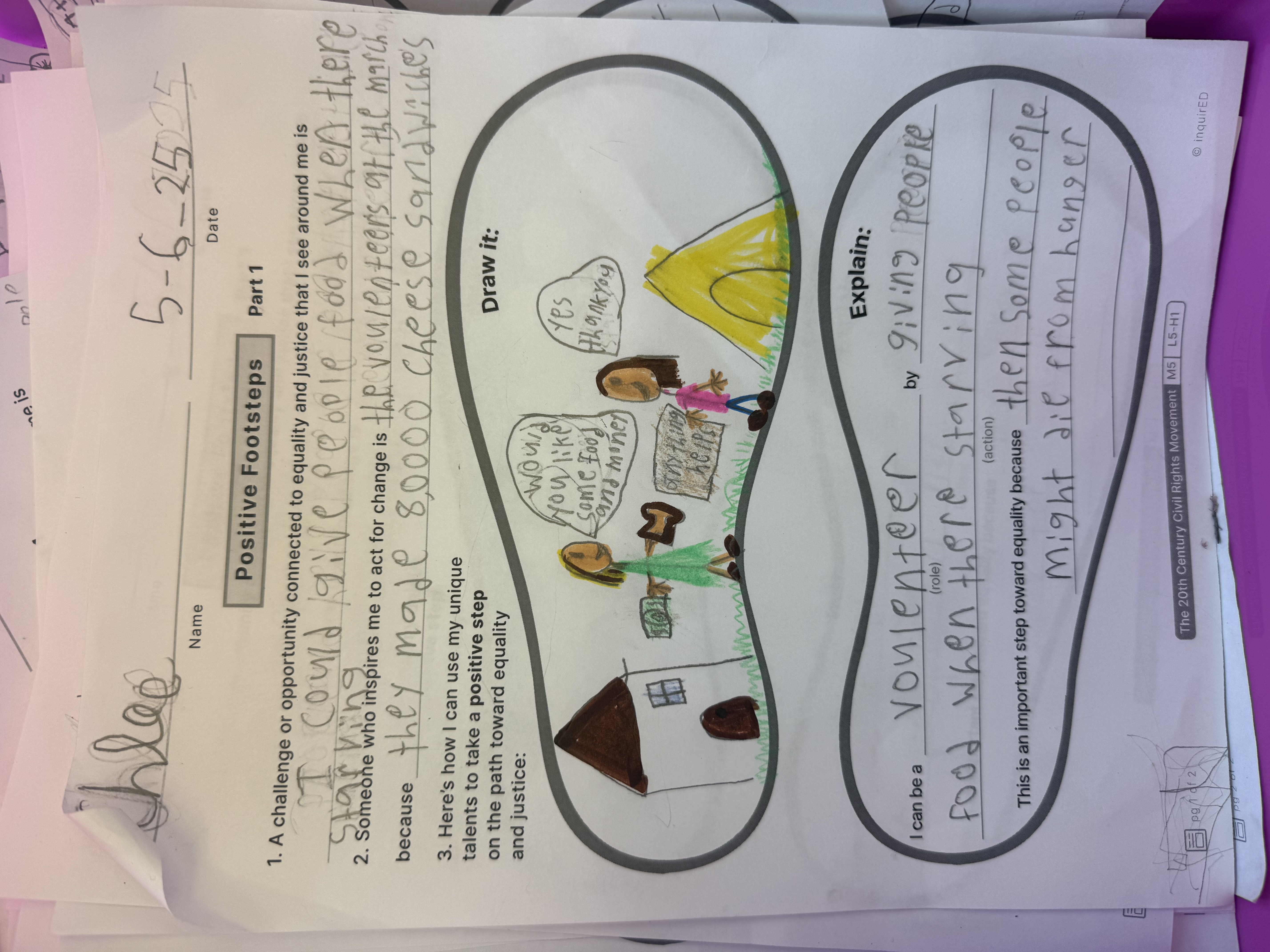
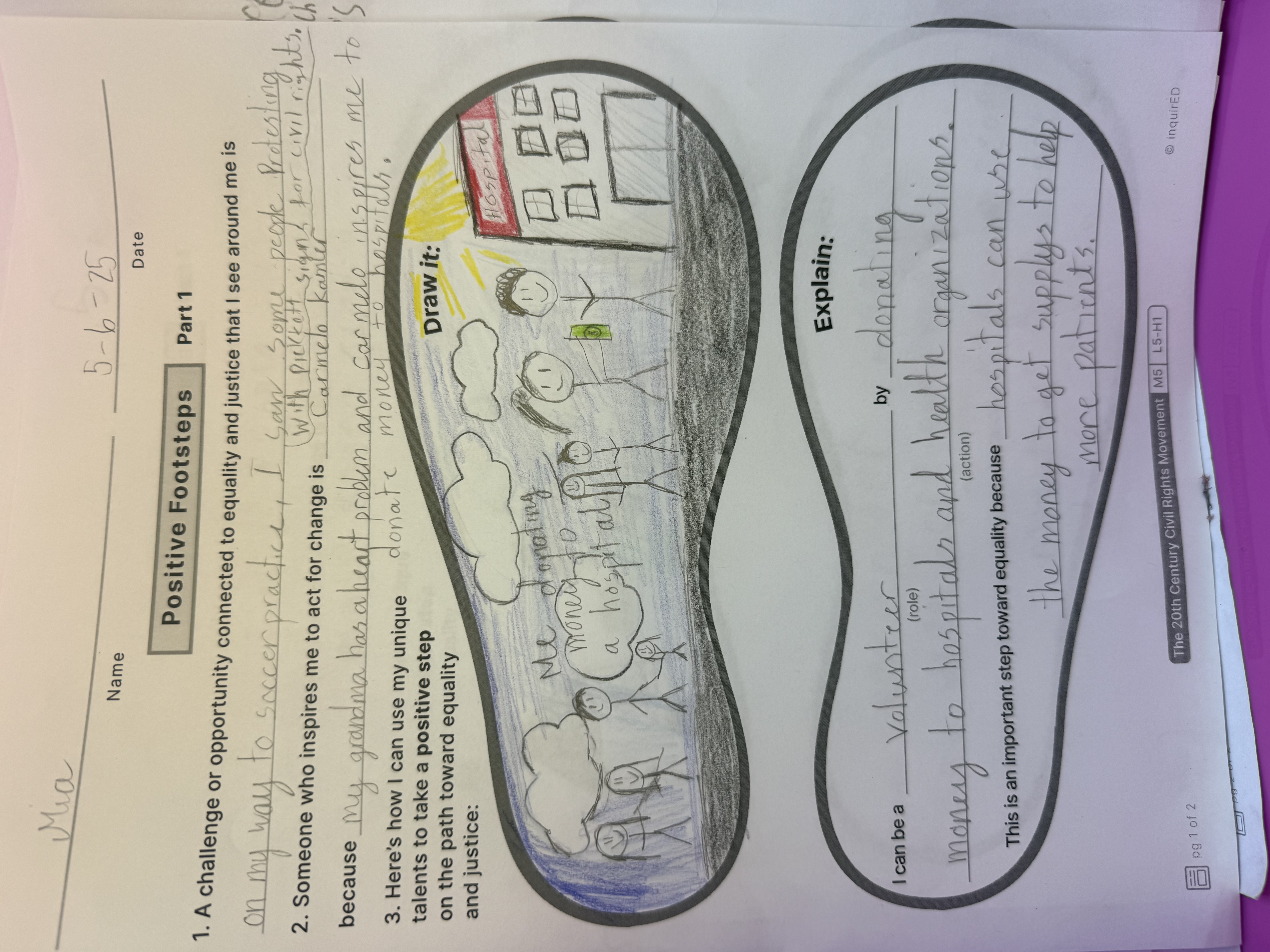
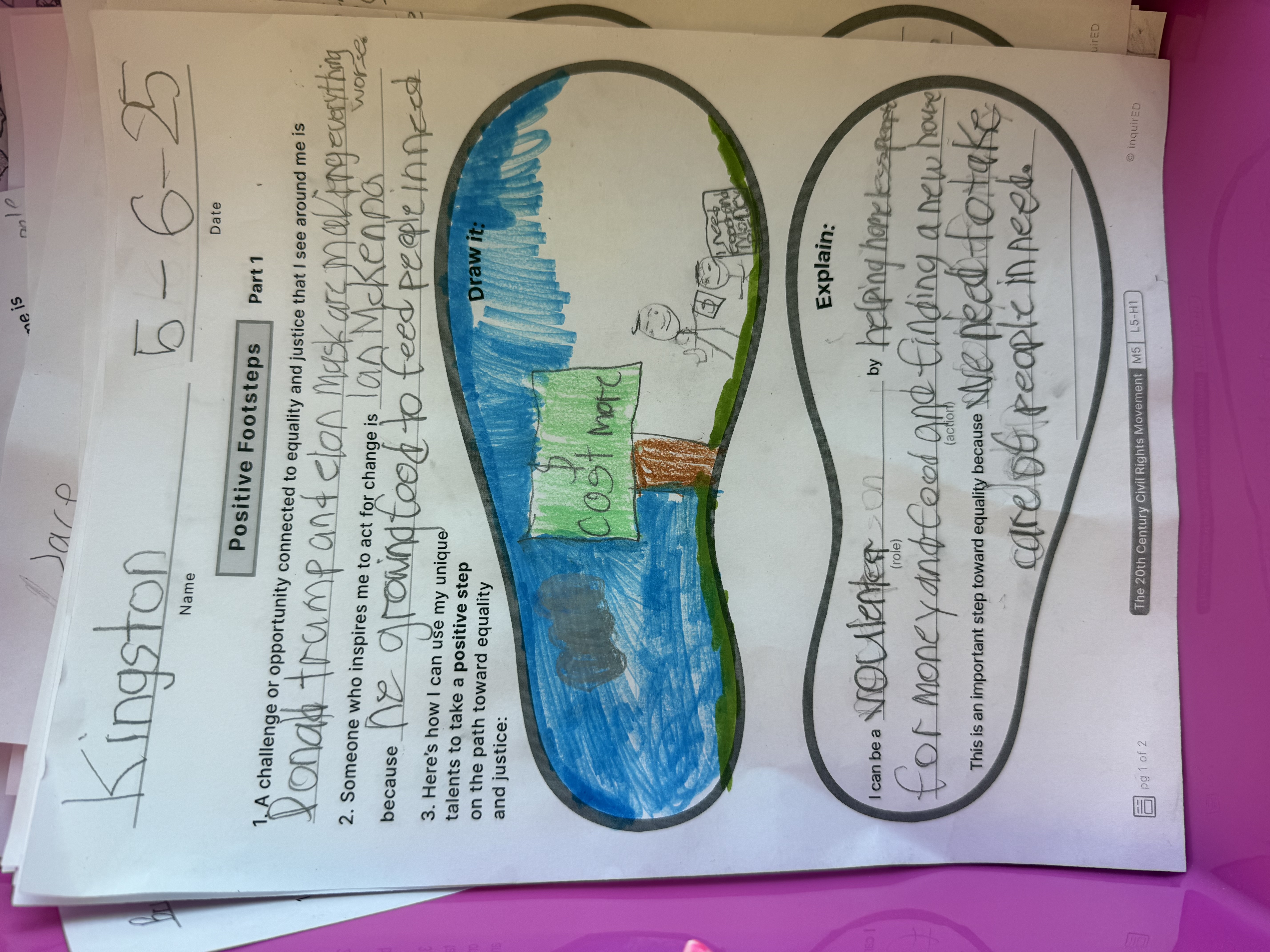
Amazing student responses from Lesson 5 of the 5th module. Really great connection on opportunities and challenges and how they can take action!
Additional Info
Maria-Elena Diaz from Alameda Unified School District: CA, 3rd Grade
Students worked in partnerships to research and investigate different regions of the U.S. by reading the region articles from InquirEd and reported out on their findings. They enjoyed learning about the National Parks of the U.S. in an extension lesson and created brochures about a self-selected National Park from the Inquiry Unit.
Natural Resources of the U.S.
4th Grade
Wall Display
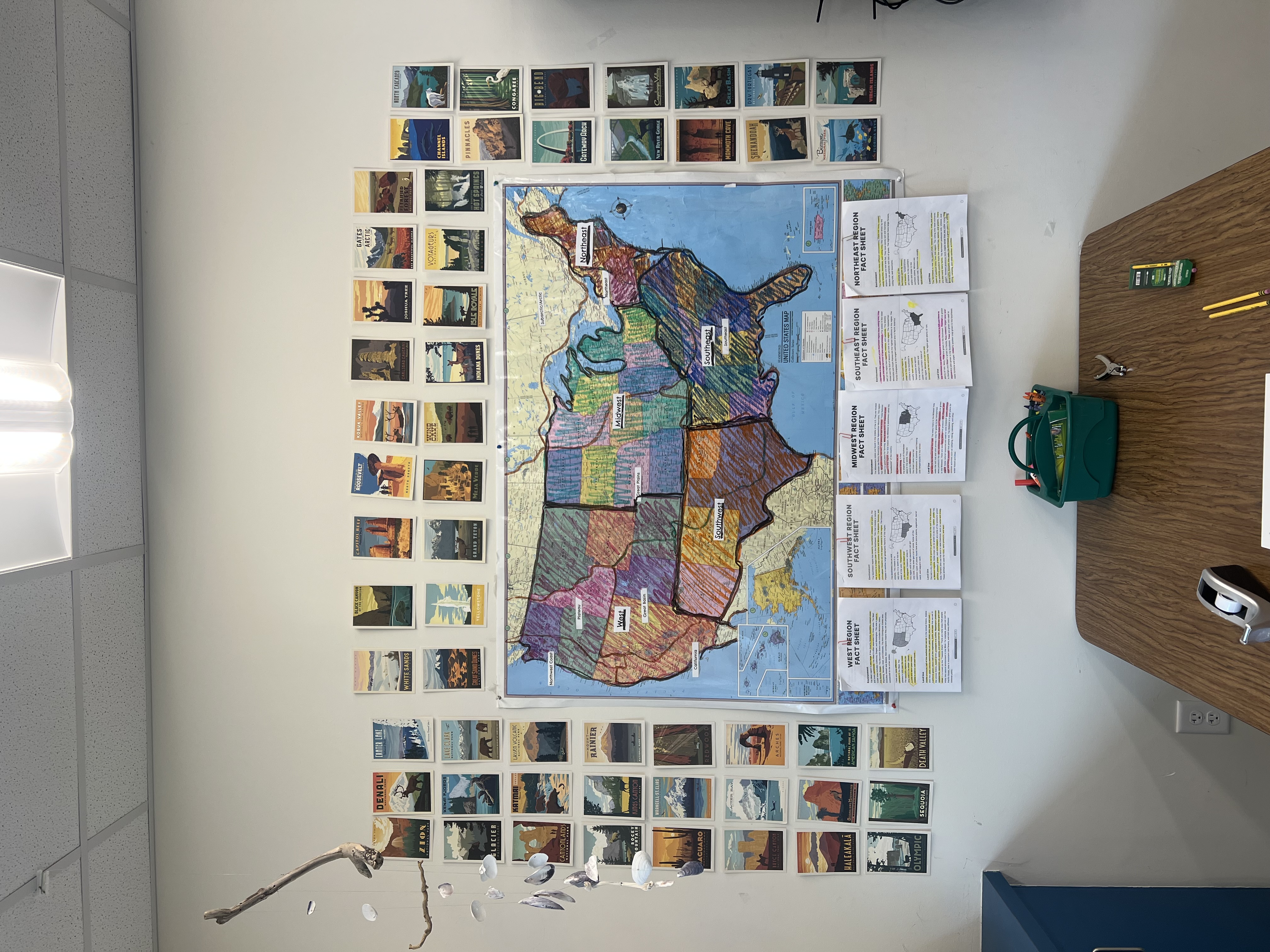
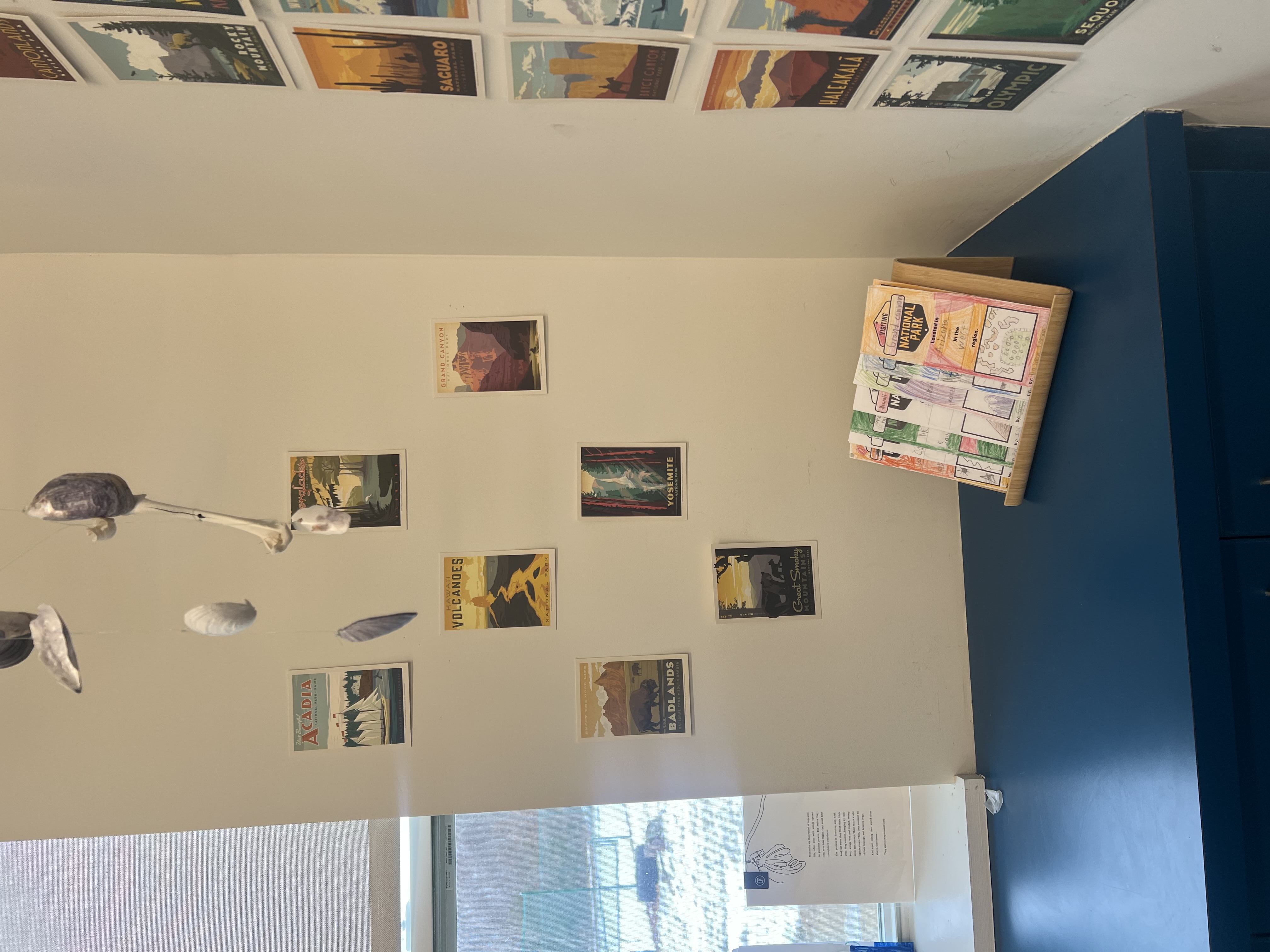
Students worked in partnerships to research and investigate different regions of the U.S. by reading the region articles from InquirEd and reported out on their findings. They enjoyed learning about the National Parks of the U.S. in an extension lesson and created brochures about a self-selected National Park from the Inquiry Unit.
Additional Info
Mary Train from Chebeague School: ME, 4th Grade, 3rd Grade, 5th Grade
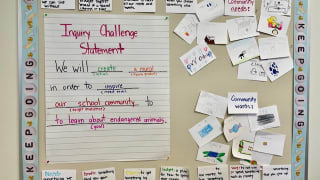
We just completed our inquiry challenge statement and have created a wonderful mural featuring endangered animals.
Meeting Needs and Wants
2nd Grade
Inquiry Challenge Statement
.jpeg)
We just completed our inquiry challenge statement and have created a wonderful mural featuring endangered animals.
Additional Info
Taylor McIntyre from Pilgrim School: CA, 2nd Grade
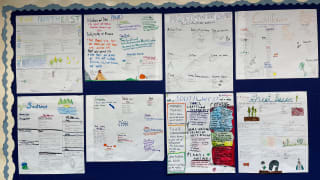
In Module 2/Lessons 4-5, small groups present "mini posters" of the research they have done on their assigned cultural area. My students really wanted to add more color and artwork, so we decided to make more traditionally sized posters to capture what they learned. Posters are on display in their social studies classroom as well as the hallway. Kids enjoyed their classmates' presentations, and also liked the chance to see what other classes created as well. Posters will stay on display through the conclusion of the inquiry in November.
Native America
5th Grade
Wall Display
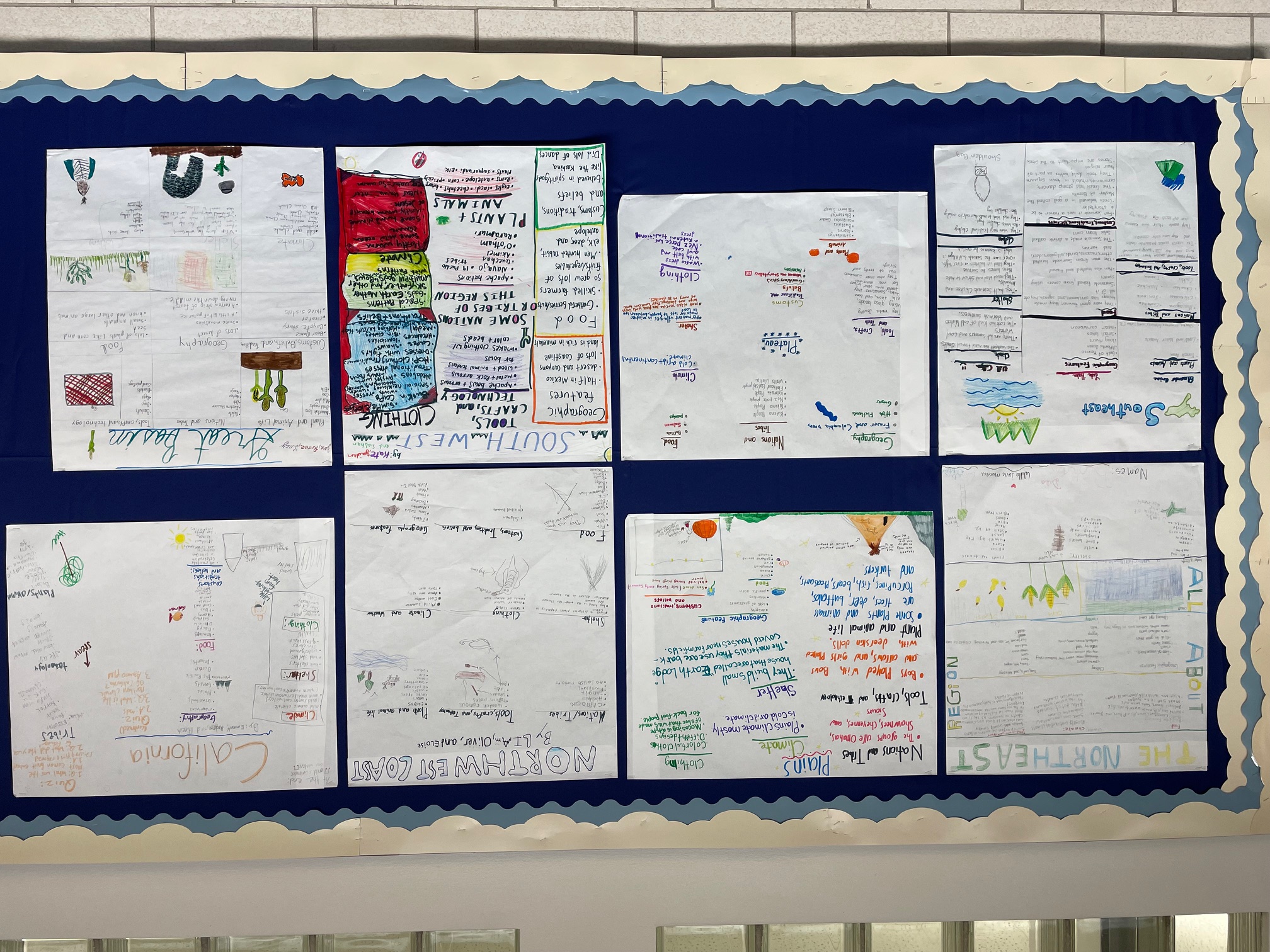
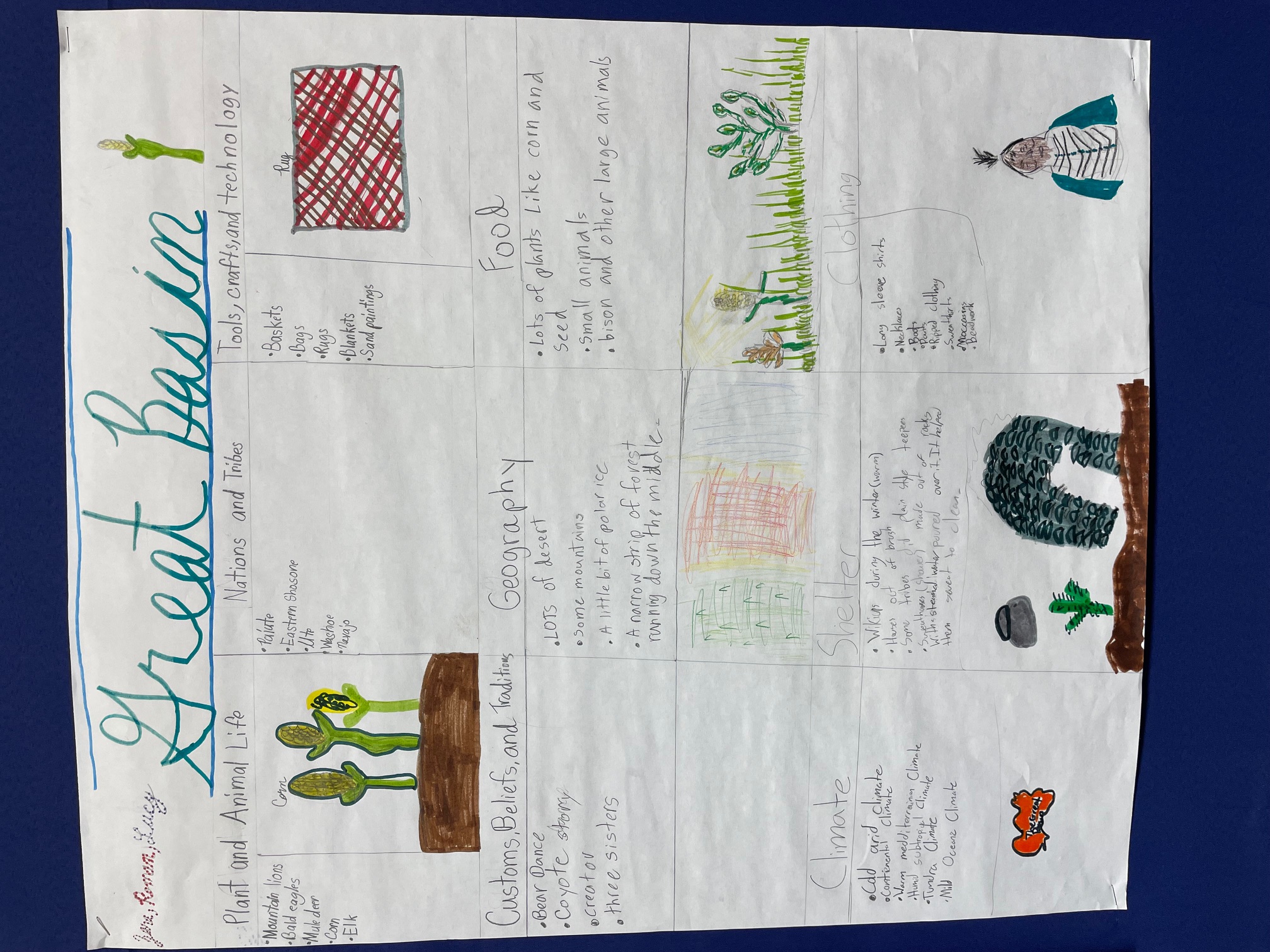
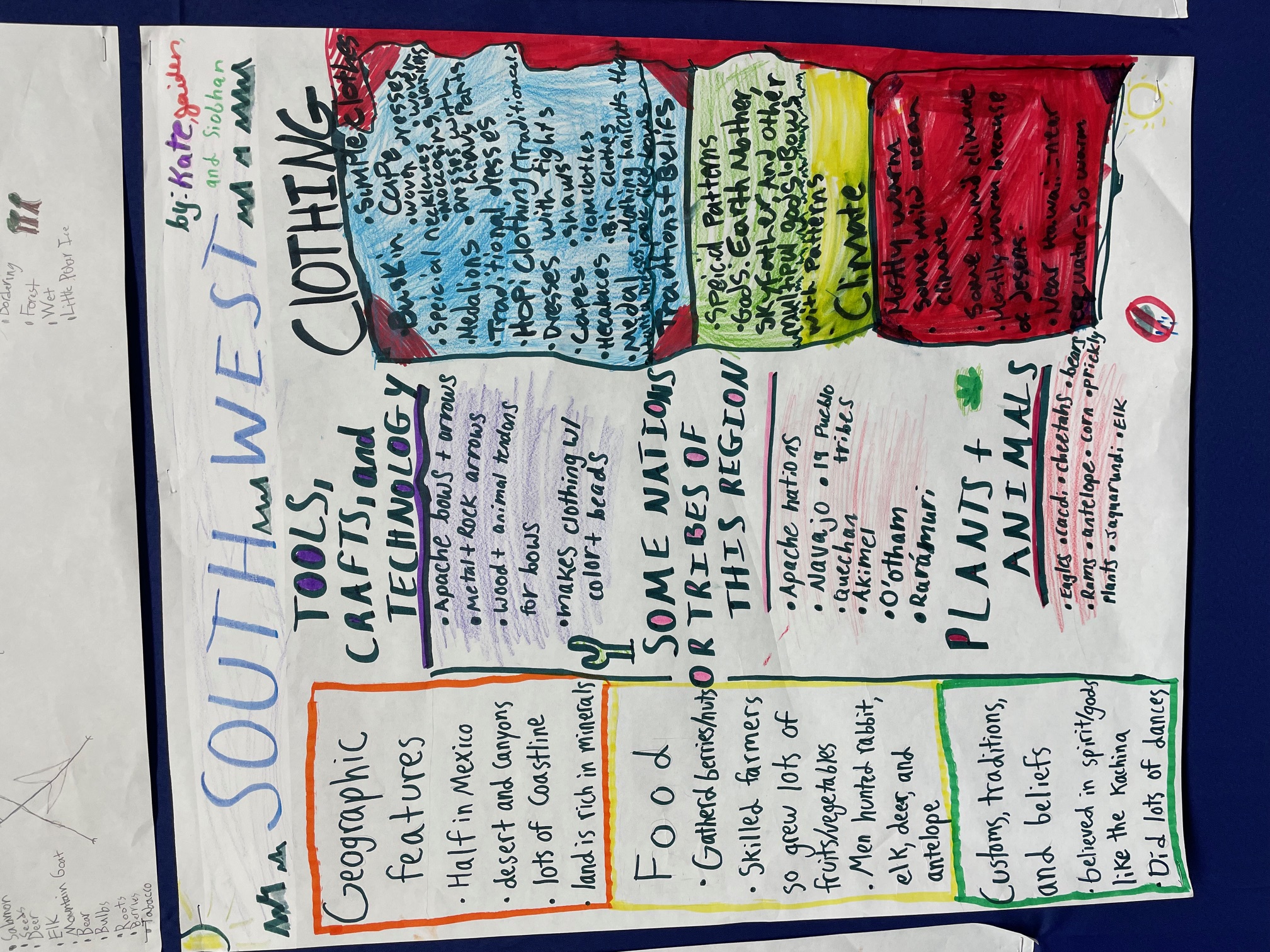
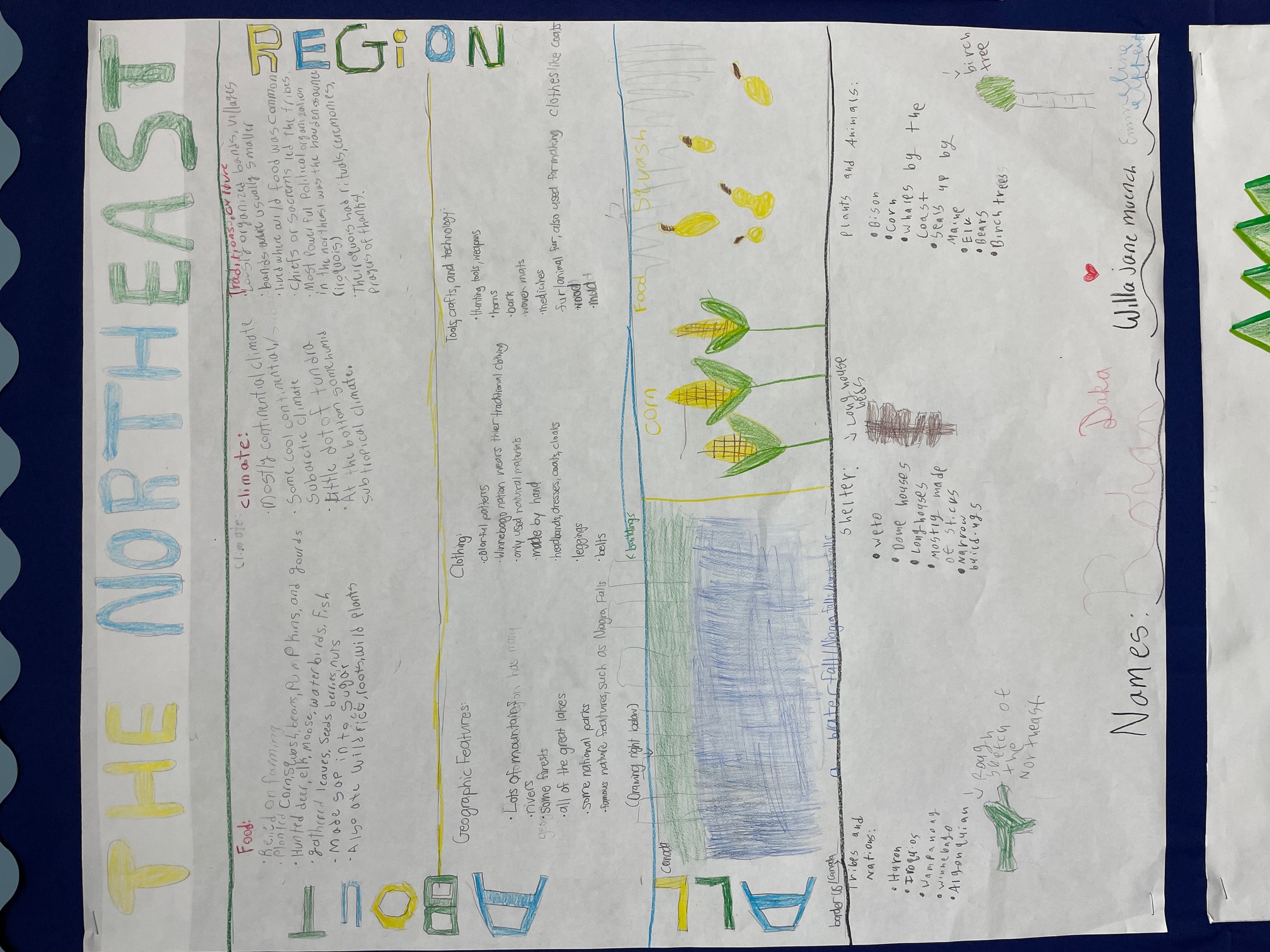
In Module 2/Lessons 4-5, small groups present "mini posters" of the research they have done on their assigned cultural area. My students really wanted to add more color and artwork, so we decided to make more traditionally sized posters to capture what they learned. Posters are on display in their social studies classroom as well as the hallway. Kids enjoyed their classmates' presentations, and also liked the chance to see what other classes created as well. Posters will stay on display through the conclusion of the inquiry in November.
Additional Info
Yasmin Dalal from The Frances Xavier Warde School: IL, 5th Grade
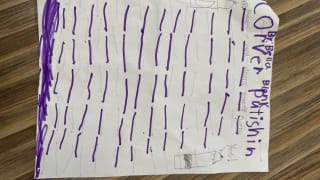
Inspiring Civic Action in First Grade This year, our district launched InquirED. In first grade, students have been working through the Civic Engagement unit, exploring ways they can make positive change. During Module 5, students read and discussed stories about individuals who noticed problems and took steps to solve them. One of the texts, "Carl the Complainer", inspired rich conversations about how small actions can make a big difference. The following day, students learned about the Americans with Disabilities Act (ADA) and discussed how accessibility helps ensure everyone can participate fully in community life. After this lesson, one student felt especially motivated. She went home and created a petition to make the school playground more accessible for a classmate who uses a wheelchair. The next day, she brought her petition to school and gathered signatures from her peers. Word of her project spread quickly. Another first-grade teacher, whose class was a few days behind in the unit, invited the student to share her petition with their class. Inspired by her example, those students decided to create their own petition as well. Now, the first graders are eager to present their petitions to the principal, demonstrating how even the youngest learners can be powerful advocates for inclusion and change in their community.
Civic Engagement
1st Grade
Other
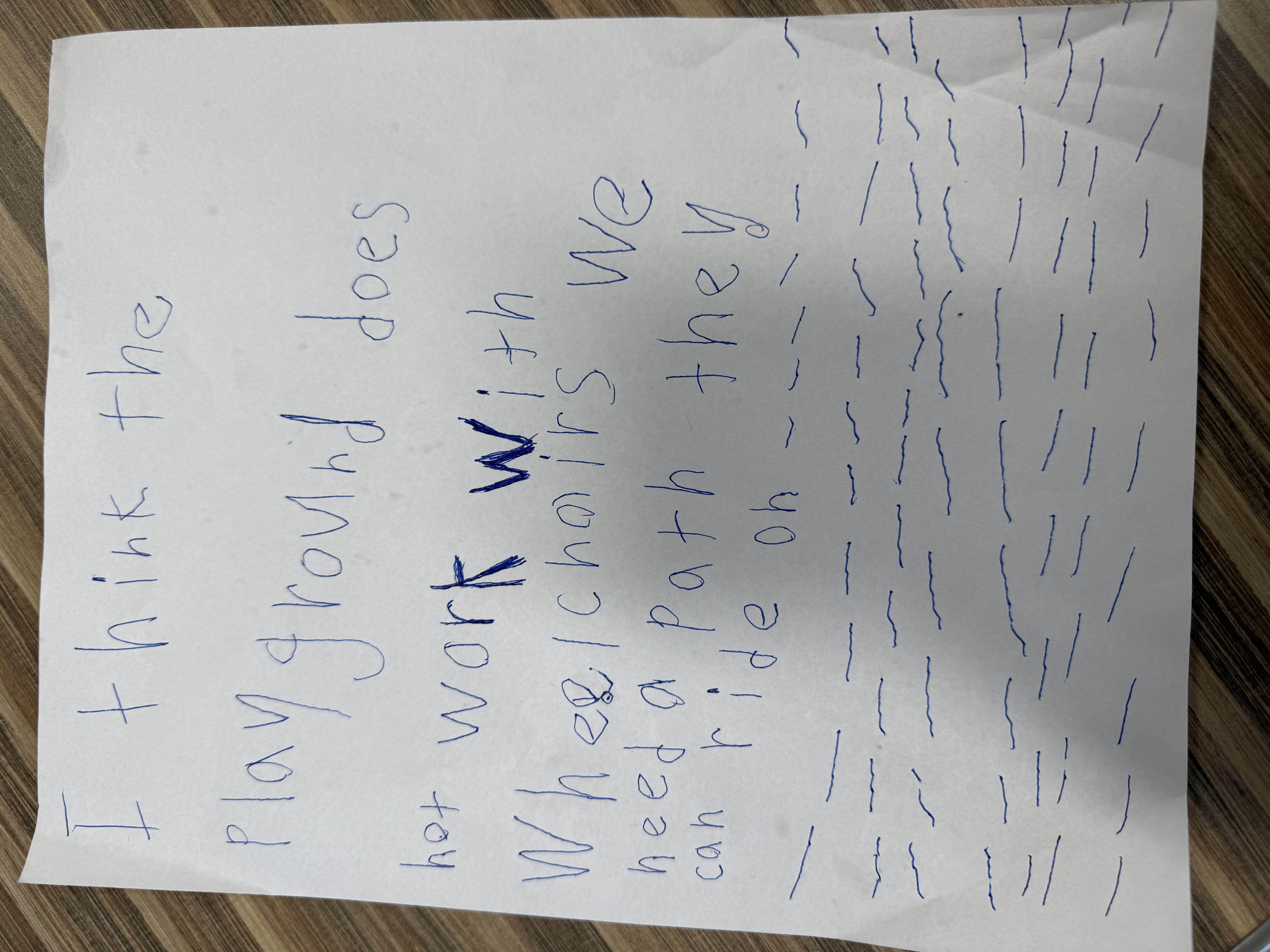
Inspiring Civic Action in First Grade This year, our district launched InquirED. In first grade, students have been working through the Civic Engagement unit, exploring ways they can make positive change. During Module 5, students read and discussed stories about individuals who noticed problems and took steps to solve them. One of the texts, "Carl the Complainer", inspired rich conversations about how small actions can make a big difference. The following day, students learned about the Americans with Disabilities Act (ADA) and discussed how accessibility helps ensure everyone can participate fully in community life. After this lesson, one student felt especially motivated. She went home and created a petition to make the school playground more accessible for a classmate who uses a wheelchair. The next day, she brought her petition to school and gathered signatures from her peers. Word of her project spread quickly. Another first-grade teacher, whose class was a few days behind in the unit, invited the student to share her petition with their class. Inspired by her example, those students decided to create their own petition as well. Now, the first graders are eager to present their petitions to the principal, demonstrating how even the youngest learners can be powerful advocates for inclusion and change in their community.
Additional Info
from , 1st Grade
No results found.
There are no results with this criteria. Try changing your search.